Shoshone National Forest Fishing Lakes in Wyoming
Trying to figure out where to cast a line in Wyoming's vast Shoshone National Forest can feel like trying to find a needle in a haystack – a really, really beautiful haystack, mind you, but still daunting! Many anglers dream of those pristine, high-alpine waters, but the sheer number of lakes and the challenge of accessing them can make planning a trip overwhelming. This guide is here to cut through the confusion, offering a comprehensive look at what makes Shoshone's fishing lakes so special and how you can experience their untouched beauty and incredible fishing.
The Allure of Shoshone National Forest Fishing Lakes
There’s something truly magical about fishing in a place as wild and untamed as the Shoshone National Forest. Established in 1891, it's the nation's very first national forest, a sprawling wilderness that flanks the eastern edge of Yellowstone National Park and extends south into the Wind River Range. When you cast a line here, you’re not just fishing; you’re stepping back in time, engaging with nature on its own terms, far from the crowds that often plague more accessible waters.
Why Anglers Dream of Shoshone's Waters
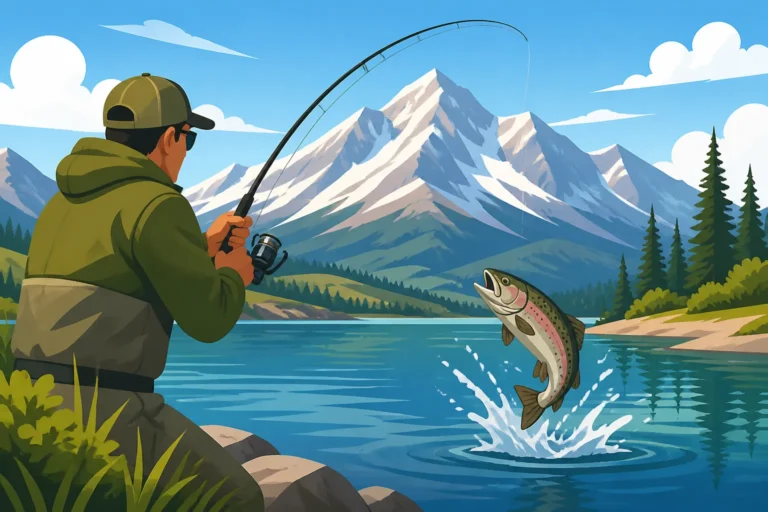
The draw of Shoshone's high-country lakes is undeniable for a certain kind of angler. These aren't your roadside ponds with easy access. We're talking about crystal-clear, glacier-carved lakes nestled in dramatic cirques, often requiring a significant hike, horseback ride, or even a bush plane to reach. The rewards, however, are immense: solitude, breathtaking scenery, and the chance to catch vibrant, wild trout that might have rarely, if ever, seen an artificial fly or lure. Many of these lakes hold populations of native cutthroat, golden, or brook trout that thrive in the cold, oxygen-rich waters. The thrill isn't just in the catch, but in the entire journey – the crisp mountain air, the scent of pine, the calls of marmots, and the profound silence broken only by the hum of your reel. It’s an immersive experience that recharges the soul as much as it fills your creel (or your camera roll, if you're practicing catch-and-release).
Navigating the Sheer Scale of the Forest
With over 2.4 million acres, the Shoshone National Forest is, to put it mildly, enormous. This vastness, while appealing for its wild character, also presents a significant challenge for anglers trying to pinpoint specific fishing opportunities. It's not like you can just pull over and expect to find a well-marked fishing access point every few miles. Much of the prime fishing lies deep within designated wilderness areas like the Absaroka-Beartooth, Fitzpatrick, and Popo Agie Wildernesses, which means no motorized vehicles, no mountain bikes, and sometimes, even limited marked trails. This requires a different level of planning and preparation compared to fishing more developed areas. You'll need to research trailheads, assess your physical capabilities, and understand the logistics of backcountry travel, including packing all your necessities and knowing how to navigate without constant cell service. It's this very challenge, though, that filters out the casual angler and preserves the pristine quality of these fisheries for those willing to put in the effort.
Key Regions and Accessible Fishing Lakes
The Shoshone National Forest is broadly divided into several districts, each offering unique fishing opportunities. While "accessible" is a relative term in the backcountry, some areas offer more straightforward routes than others, leading to incredibly rewarding fishing.
The Northern Reaches: Absaroka and North Absaroka Wilderness
Venturing into the northern sections of the Shoshone National Forest means exploring areas like the Absaroka and North Absaroka Wilderness, generally accessed from the Cody, Clark, or Sunlight Basin areas. This region is rugged, characterized by volcanic rock formations, deep canyons, and towering peaks. The lakes here are often cold, deep, and hold robust populations of trout. One popular destination, though still requiring a solid hike, is the series of lakes around the Beartooth Plateau access points.
Lakes like those found in the Sunlight Basin, such as Sunlight Lake, offer stunning scenery and a chance at various trout species. Farther into the wilderness, you'll find countless unnamed or lesser-known lakes that can provide truly solitary experiences. The Yellowstone Cutthroat Trout thrives in many of these waters, a testament to the pristine conditions. Access to these lakes often involves traversing steep terrain and crossing high mountain passes. It's essential to consult detailed topographic maps and Forest Service resources before embarking on a trip here. Remember, these are true wilderness lakes, so expect primitive trails and be prepared for self-sufficiency.
Central & Southern Gems: Fitzpatrick and Popo Agie Wilderness
Moving south within the Shoshone National Forest, you encounter the dramatic eastern slope of the Wind River Range, home to the Fitzpatrick and Popo Agie Wilderness areas. These regions are famed for their breathtaking granite peaks, extensive glaciers, and an abundance of high-alpine lakes. Access points typically include trailheads near Dubois, Lander, or Pinedale (though Pinedale is technically accessing the Bridger-Teton National Forest, the lakes blend seamlessly into the same range).
The Popo Agie Wilderness, accessed largely from the Lander area, is particularly renowned for its density of lakes. Popular destinations include the Big Popo Agie Lakes, the Lake Cirque area, and the myriad of lakes found along the Popo Agie River drainage. Here, you'll often find thriving populations of Brook Trout, Rainbow Trout, and sometimes even the elusive Golden Trout, which prefer the highest, coldest waters. For those willing to put in the effort, the reward is often some of the most vibrant and eager-to-bite fish you'll ever encounter. The Fitzpatrick Wilderness, further north in the Wind Rivers near Dubois, offers similarly incredible opportunities, with lakes often stocked with golden trout via helicopter. Knowing What Trout Species Are Stocked in Wind River High Lakes can give you a better idea of what to expect in these waters. These areas require significant backpacking, and sometimes mountaineering skills, to fully explore. The trail to North Fork Lake, for instance, offers stunning vistas and excellent fishing, but it’s a commitment.
Understanding the Fish Species in Shoshone Lakes
The Shoshone National Forest's diverse elevations and water types support a fascinating array of trout and char species, each with its own characteristics and preferred habitats. Understanding what you might catch is half the fun and helps you tailor your approach.
Native Cutthroat and Their High-Altitude Havens
The star of many high-alpine waters in Wyoming, and indeed, within the Shoshone National Forest, is the native cutthroat trout. These iconic fish are a symbol of the West's pristine wilderness. You'll primarily encounter the Yellowstone Cutthroat Trout, especially in the northern parts of the forest and drainages leading into the Yellowstone ecosystem. Further south, particularly in the Wind River Range sections, you might also find opportunities for Snake River Fine-Spotted Cutthroat Trout or even Bonneville Cutthroat Trout in their native drainages.
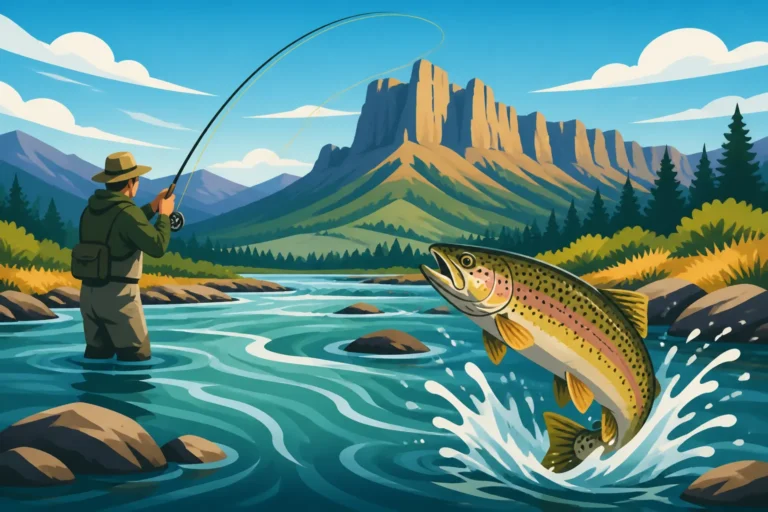
Cutthroat trout are known for the distinctive red or orange slash marks under their lower jaw, which gives them their name. They thrive in cold, clear, well-oxygenated water and are often found near inlets, outlets, and areas with submerged structure. When fishing for them, stealth is key, as they can be easily spooked in the clear, shallow waters of high-country lakes. Dry flies, small nymphs, and tiny spinners are often effective. Catching a vibrantly colored native cutthroat in its natural habitat is a truly special experience, connecting you directly to the ecological heritage of the region. Remember to understand Cutthroat Trout Fishing in Wyoming regulations, especially regarding specific cutthroat subspecies and their conservation status.
Introduced Species and Their Thriving Populations
While native cutthroat hold a special place, many Shoshone lakes also boast thriving populations of introduced trout species that have adapted remarkably well to these high-altitude environments.
- Brook Trout: These beautiful, aggressive fish, often identifiable by their worm-like markings (vermiculations) on a dark olive-green back and red spots surrounded by blue halos, are prolific in many Shoshone lakes and streams. They tend to be smaller than other trout but are feisty fighters. They can often be found in large numbers, making them a great target for those looking for consistent action, especially with small spinners, flies, or even worms. Understanding Brook Trout Fishing in Wyoming details can help you target these abundant fish.
- Rainbow Trout: Stocked in many of the more accessible lakes, rainbow trout provide excellent angling opportunities. They are generally strong fighters and can grow to respectable sizes. They adapt well to a variety of conditions and will hit a wide range of flies and lures.
- Golden Trout: Perhaps the most sought-after introduced species in the highest elevations, golden trout are truly a jewel of the mountains. With their brilliant gold flanks, red lateral band, and often vibrant red fins, they are visually stunning. These fish thrive in barren, cold, high-altitude lakes, often above 10,000 feet. They can be elusive but offer an incredibly rewarding catch. Targeted stockings by the Wyoming Game and Fish Department have established populations in many remote lakes, particularly in the Wind River Range. Learning more about Golden Trout Fishing in Wyoming will give you insights into these magnificent fish and where to find them.
When fishing for these species, remember that the thin mountain air and cold water can make fish behavior a bit different. They often feed opportunistically, so a variety of small, imitative patterns or flashy lures can be effective.
Planning Your Shoshone High-Lake Adventure
A trip to the Shoshone National Forest's high-alpine lakes isn't your everyday fishing outing. It requires careful planning, appropriate gear, and a healthy respect for the wilderness. Don't underestimate the mountains; conditions can change rapidly.
Essential Gear and Preparations
Packing smart is absolutely crucial for a successful and safe high-country fishing trip. Overpacking will weigh you down, while underpacking can lead to dangerous situations.
- Backpacking Gear: A comfortable, properly fitted backpack is your most important piece of gear. You'll need a lightweight tent, a sleeping bag rated for cold mountain nights (even in summer, temperatures can drop to freezing), a sleeping pad, a reliable water filter or purification tablets, a small cooking stove with fuel, and dehydrated food. Layers of clothing are paramount – think wicking base layers, insulating mid-layers (fleece or down), and a waterproof/windproof outer shell. Even in summer, pack a warm hat and gloves.
- Fishing Tackle: Keep it light and versatile. A 4 or 5-weight fly rod or a lightweight spinning rod with extra line is ideal. Pack a selection of small flies (dry flies like Adams, Parachute Adams, caddis, small terrestrials; nymphs like Pheasant Tail, Hare's Ear, Prince Nymph) or small spinners (e.g., Panther Martin, Mepps, Rooster Tail). A small net with a rubber bag is recommended for safe catch and release, and a pair of forceps or hemostats for hook removal. Don't forget your polarized sunglasses to spot fish and protect your eyes. For more specific advice, consider reading up on What Gear to Pack for a Backcountry Fishing Trip.
- Navigation & Safety: A detailed topographic map (USGS 7.5-minute quads or a good wilderness map like those from Benchmark Maps or National Geographic Trails Illustrated) and a compass are non-negotiable, even if you're also using a GPS device or smartphone app. Batteries die, and signals get lost. A headlamp, first-aid kit, bear spray (and knowing how to use it!), fire starter, and a whistle are also critical. Always inform someone of your itinerary and expected return date.
Best Times to Visit and Weather Considerations
Timing your trip to the Shoshone National Forest high lakes is key to a rewarding experience. The window for ice-free fishing is relatively short, and weather can be unpredictable.
- Ice-Out (Late June to Mid-July): This is often a prime time. As the ice recedes, fish are often hungry and actively feeding. Access can still be challenging with lingering snowfields on trails and high passes. Water levels will be high due to runoff, so be prepared for stream crossings. The exact timing of ice-out varies greatly depending on the elevation and the previous winter's snowpack.
- Mid-Summer (Late July to August): This is typically the most popular time to visit. Trails are usually clear, and the weather is generally milder, though afternoon thunderstorms are a daily possibility. Fish are active, and terrestrial insect activity can make for exciting dry fly fishing. This is a great time to tackle How to Hike In and Fish a Backcountry Lake as conditions are generally most favorable.
- Fall (September to Early October): Arguably one of the most beautiful times to be in the high country, with aspens turning golden and fewer crowds. Fish are often actively feeding in preparation for winter. However, days are shorter, and nighttime temperatures drop significantly, bringing the risk of early snowstorms. You need to be prepared for truly cold weather.
Always check the local weather forecast before and during your trip, but be aware that mountain weather is notoriously fickle. Be prepared for sun, rain, hail, and even snow, all in the same day.
Conservation and Responsible Angling in the Wilderness
Fishing in a national forest wilderness area comes with a profound responsibility to protect its fragile ecosystem. Our actions as anglers have a direct impact on the health of these pristine waters and the wild fish that inhabit them.
Leave No Trace Principles for Anglers
The "Leave No Trace" principles are not just suggestions; they are crucial guidelines for preserving the wilderness experience for everyone.
- Plan Ahead and Prepare: As discussed, this includes knowing your route, expected conditions, and packing appropriately.
- Travel and Camp on Durable Surfaces: Stick to existing trails, even if muddy. When off-trail, spread out to avoid creating new paths. Camp at least 200 feet from lakes and streams.
- Dispose of Waste Properly: This means everything. Pack out all trash, including monofilament fishing line, used bait containers, and any food scraps. Don't bury anything; animals will dig it up. Human waste should be buried in a cathole 6-8 inches deep and at least 200 feet from water sources.
- Leave What You Find: Do not disturb natural objects, historical artifacts, or wildlife. Leave plants, rocks, and other items as you found them.
- Minimize Campfire Impacts: Use established fire rings where allowed, or consider a small, efficient backpacking stove instead. Keep fires small, and ensure they are completely out before leaving.
- Respect Wildlife: Observe animals from a distance. Never feed wildlife. Store food and scented items in bear-resistant containers or hung from a tree to prevent encounters.
- Be Considerate of Other Visitors: Yield to other users on the trail. Keep noise levels down. Preserve the solitude and natural quiet of the wilderness.
For anglers, this also means being mindful of your impact on the fish themselves. Use barbless hooks to minimize harm, handle fish gently with wet hands, and release them quickly if you're practicing catch-and-release, paying attention to Catch-and-Release Rules on Wyoming Waters.
Understanding Specific Lake Regulations and Limits
Wyoming's fishing regulations can be complex, and wilderness lakes often have specific rules that differ from statewide regulations. It is absolutely imperative that you consult the current Wyoming Game and Fish Department (WGFD) Fishing Regulations booklet before your trip. You can find this online or at most license vendors.
- General vs. Water-Specific Rules: While there are statewide regulations, many lakes and streams within the Shoshone National Forest (and other areas) have water-specific rules regarding bag limits, possession limits, tackle restrictions (e.g., artificial flies and lures only, or bait restrictions), and even size limits for certain species. These specific rules are listed by drainage or water body in the WGFD booklet. For example, some high-altitude lakes might have a reduced bag limit for cutthroat trout to protect native populations, or even mandatory catch-and-release. Understanding How Bag and Possession Limits Work in Wyoming is essential to avoid violations.
- License Requirements: Everyone aged 14 and older needs a valid Wyoming fishing license and a Wyoming Conservation Stamp to fish in these waters. Make sure your license is current and that you carry it with you (a digital copy on your phone is usually acceptable, but a printed copy can be a lifesaver if your phone dies).
- Special Considerations: Some high-alpine lakes might have specific regulations related to lake trout removal (if present and invasive) or other management objectives. Always double-check. Don't forget to research Wyoming Fishing Regulations Every Angler Should Know to ensure you're fully compliant.
Here's a simplified table illustrating potential differences, but always verify with the official WGFD regulations for your specific lake and year:
| Regulation Type | General Statewide Rule (Example) | Common Shoshone High Lake Rule (Potential) |
|---|---|---|
| Daily Limit Trout | 6 total trout (some exceptions) | 3 total trout, or 2 cutthroat, or catch & release only |
| Possession Limit | Twice daily limit | Same as daily limit, or other specific rule |
| Bait | Generally allowed (with some restrictions) | Artificial flies and lures only, no bait fish |
| Hooks | No specific statewide rule (unless water-specific) | Single hook, barbless often required on key waters |
| Over-16-inch Trout | One over 16 inches daily (some waters) | Often prohibited or specific to non-native species |
| Two Rods | Requires Two-Rod Stamp | Single rod often preferred/required in wilderness |
Finding Your Perfect Shoshone Fishing Outing
With so many lakes, narrowing down your options for a Shoshone National Forest fishing trip can be a challenge. But with the right resources and a bit of planning, you can find the perfect spot for your next adventure.
Resources for Researching Specific Lakes
Before you even tie a fly, a good chunk of your trip planning should be dedicated to research. This is where you transform a vague idea into a concrete itinerary.
- US Forest Service (USFS) Websites: The official Shoshone National Forest website (fs.usda.gov/shoshone) is an invaluable starting point. Look for sections on recreation, wilderness areas, and maps. Many district offices provide downloadable maps and trail descriptions that often include information about lakes and their fish species. You can also contact ranger stations directly; their staff often have firsthand knowledge of current conditions, trail accessibility, and fishing reports. They can tell you if a particular lake has a history of good fishing for specific species or if there are any unusual access challenges.
- Wyoming Game and Fish Department (WGFD): The WGFD website (wgfd.wyo.gov) is your ultimate source for fishing regulations, but it also offers a wealth of information on specific waters. Their "Fishing Guide" or "Water Access" sections can provide details on fish populations, stocking efforts, and even interactive maps that show public access points and species present. This is also where you'll find the most current regulations for Wyoming Fishing Seasons and Water-Specific Closures, which are critical for any trip.
- Topographic Maps and GPS Apps: As mentioned, paper topo maps are essential. Pairing them with a reliable GPS app like Gaia GPS or OnX Backcountry on your smartphone (with downloaded offline maps!) can greatly enhance your navigation and allow you to mark potential fishing spots. These tools help visualize terrain, estimate hiking times, and identify hidden lakes or streams that might not be on standard recreational maps.
- Online Forums and Blogs: Websites like the Wyoming Game and Fish Department's forum, or broader outdoor recreation forums (e.g., those dedicated to backpacking or fly fishing in the Rockies), can offer anecdotal information and recent reports from other anglers. Just remember to take forum advice with a grain of salt and cross-reference it with official sources. You might find a local gem or learn about specific hatches for a certain time of year. This can be a great way to discover new spots when trying to learn How to Find a New Fishing Spot Using Wyoming Game and Fish Maps.
Considering a Guided Trip for Wilderness Waters
For many, the idea of a multi-day backpacking trip into a remote wilderness lake is exhilarating but also a bit intimidating. If you're new to backcountry angling, or simply want to maximize your chances of success and safety, considering a guided trip is an excellent option.
- Benefits of a Guide: A local, licensed guide or outfitter brings unparalleled expertise to the table. They know the trails, the best routes, where the fish are holding, and what flies or lures are working. They handle logistics like packing, cooking, and camp setup, allowing you to focus on the fishing and the experience. Guides also prioritize safety, carrying extensive first-aid kits and being trained for wilderness emergencies. For those interested in Hiring a Fishing Guide in Wyoming, particularly for backcountry experiences, they can provide horses or llamas to carry gear, making the trek much more comfortable.
- What to Look For: When choosing a guide, look for those with specific experience in the Shoshone National Forest and, ideally, the wilderness areas you're interested in. Ask about their certifications, safety protocols, and what's included in the trip (gear, food, transportation, etc.). Reviews on platforms like FishingBooker can be a great starting point for finding reputable outfitters who specialize in high-country fishing. They often list guides who can arrange everything from day hikes to multi-day pack trips.
- Cost and Value: Guided wilderness trips are an investment, often costing more than a typical float trip on a developed river. However, the value comes from the personalized experience, the increased safety, and the opportunity to access truly remote, productive waters that you might not feel comfortable exploring on your own. It's an investment in an unforgettable adventure. A professional outfitter found through FishingBooker can help tailor a trip to your skill level and target species, ensuring a high-quality experience.
Whether you go solo or with a guide, the Shoshone National Forest fishing lakes offer some of the most profound and rewarding angling experiences Wyoming has to offer. They challenge you, inspire you, and connect you to the wild heart of the mountains.
Disclaimer
Please be aware that fishing regulations, access points, and conditions in Wyoming's Shoshone National Forest can change frequently. Always consult the most current Wyoming Game and Fish Department regulations and check with local Forest Service offices or ranger districts for the latest information before planning your trip. Safety in the backcountry is paramount, and personal preparedness is your responsibility.