Best Time of Day to Fish Yellowstone Lake
There's nothing quite like planning a fishing trip to a legendary spot like Yellowstone Lake, only to be left scratching your head about the absolute best time of day to cast your line. You've heard the whispers of "early bird gets the worm" or "evening bite is always best," but what does that really mean for a body of water as vast and dynamic as Yellowstone Lake? It can feel overwhelming trying to pin down the perfect moment amidst all the variables. This guide is here to untangle that mystery, giving you a clear picture of the optimal times to fish Yellowstone Lake, whether you're chasing the famed Yellowstone Cutthroat Trout or hoping to contribute to the important efforts of lake trout removal.
Understanding Yellowstone Lake's Unique Fishery
Yellowstone Lake isn't just any large lake; it's a massive, high-altitude ecosystem, sitting at nearly 7,733 feet above sea level. Its sheer size and depth play a huge role in how fish behave throughout the day, influencing everything from where they feed to how active they are. Knowing a bit about this unique environment and its primary residents, the Yellowstone Cutthroat Trout, will give you a significant advantage in timing your efforts.
The Impact of Size and Depth on Fishing Windows
With a surface area of 136 square miles and depths reaching over 390 feet, Yellowstone Lake can feel intimidating. Unlike smaller, shallower lakes where temperature and light penetration might be fairly uniform, this vastness creates diverse habitats. Shallower bays and shorelines warm up quicker in the morning sun and cool down faster in the evening. Conversely, the deeper sections maintain a more stable, colder temperature, which is often preferred by larger fish during the bright midday hours.
This thermal stratification means that fish, particularly the Yellowstone Cutthroat Trout, will move vertically and horizontally throughout the day in search of comfortable temperatures and food. In the early morning, as the surface waters begin to warm slightly and light levels are low, baitfish and insects become more active in shallower areas, drawing the cutthroat closer to the surface and shore. As the sun climbs high and penetrates deeper, fish might retreat to cooler, deeper pockets or seek shade around structure. Understanding this daily migration is key to knowing where and when to focus your efforts. For those wondering, it's fascinating to explore How Deep Is Yellowstone Lake and how that depth affects the fishery.
Yellowstone Cutthroat Trout Behavior and Feeding Habits
The Yellowstone Cutthroat Trout, a subspecies native to the region, is the star of this lake, at least from a conservation perspective. These beautiful fish are opportunistic feeders, with their diet largely consisting of aquatic insects, terrestrial insects that fall into the water, and smaller baitfish. Their feeding behavior is heavily influenced by light conditions and insect activity.
Like many trout, cutthroat tend to be more active and less wary in lower light conditions. This means dawn and dusk are often their prime feeding times. During these periods, they feel more secure moving into shallower water to gorge on emerging insects or to ambush baitfish. As the sun gets brighter, they'll typically move to deeper water or shaded areas, becoming more selective and harder to entice. Understanding What Yellowstone Cutthroat Trout Eat can help you choose the right fly or lure for these peak feeding windows, ensuring you're presenting something they'll be eager to strike.
Dawn and Dusk: The Golden Hours for Yellowstone Lake
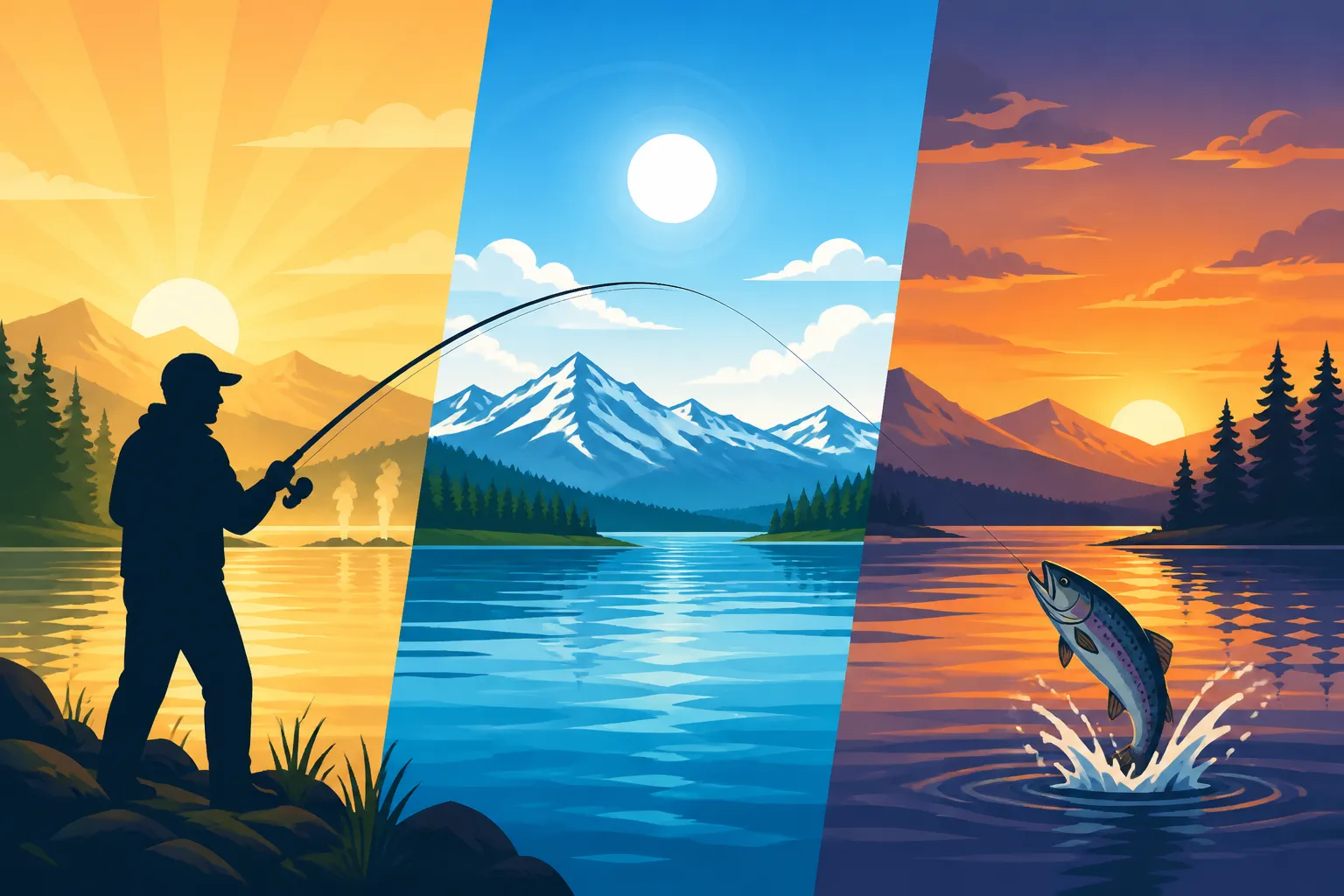
If you talk to any seasoned angler who's spent time on Yellowstone Lake, they'll likely tell you that the very best fishing windows revolve around the sun's rising and setting. These are truly the "golden hours" when conditions align to make the fish most active and willing to bite. It requires a bit of dedication to be out there when most people are still asleep or heading in for dinner, but the rewards are often well worth the effort.
Why Early Morning Offers Prime Opportunities
Imagine the lake just as the first hints of light begin to paint the eastern sky. The air is cool, the water is still, and there's a hush over everything. This is arguably the best time of day to fish Yellowstone Lake. As the sun barely peeks over the horizon, the water temperature is at its coolest and most stable after the night, and insect activity often begins to ramp up. Mayflies, caddisflies, and midges start to emerge, bringing cutthroat to the surface and into shallower water to feed.
The low light also provides a crucial advantage. Fish feel less exposed to predators, and their vision, while excellent, isn't hindered by the glare of a high sun. This makes them less skittish and more likely to strike a well-presented fly or lure. Whether you're casting from shore or drifting quietly from a boat, the first few hours after sunrise are when you'll often encounter the most consistent action. This is especially true for shore anglers; if you're wondering Is Yellowstone Lake Good for Shore Fishing?, the early morning bite is definitely one of its highlights. This low-light period is perfect for sight fishing if the water is clear, allowing you to spot rising fish and make precise casts.
The Evening Bite: When Fish Move Closer to Shore
Just as the morning offers its magic, the hours leading up to and immediately following sunset are equally productive. As the sun dips below the western horizon, the intense light diminishes, and the water begins to cool. This again signals to fish that it's safe to move back into shallower feeding grounds. The evening often sees another surge in insect activity, sometimes even more prolific than in the morning, as flying insects complete their life cycles.
Terrestrial insects, like grasshoppers and ants, which might have been active during the day, also become prime targets as they accidentally fall into the water. This provides a rich food source that draws cutthroat closer to the banks and rocky points. The evening bite can be particularly exciting, as fish often feed aggressively before settling down for the night. You'll often find a combination of surface feeding (dry fly action) and subsurface activity (nymphing or streamer fishing) during these prime twilight hours. Many anglers find the serene beauty of an evening on Yellowstone Lake, coupled with the increased fishing action, to be an unparalleled experience.
Midday Challenges and Strategic Approaches
While dawn and dusk undeniably steal the show for consistent action, that doesn't mean you should pack up your gear once the sun is high. Fishing Yellowstone Lake during the midday hours can be challenging, but with the right strategies, you can still find success. It just requires a shift in tactics and a deeper understanding of how fish react to brighter, warmer conditions.
Navigating Bright Sun and Warm Water
When the sun is blazing high overhead and summer temperatures are at their peak, the shallower waters of Yellowstone Lake can become quite warm. This often pushes the sensitive Yellowstone Cutthroat Trout into deeper, cooler refuges. The intense sunlight also makes fish more skittish and aware of their surroundings, meaning stealth becomes paramount. Casting shadows over the water, making sudden movements, or using heavy, noisy presentations can easily spook fish in these conditions.
Midday also brings increased recreational boat traffic on the lake, especially during peak summer months, which can further disrupt fishing conditions near popular areas. Instead of focusing on shallow banks, think about shaded areas caused by cliffs, deep drop-offs, or submerged structures. Presenting smaller, more subtle flies or lures can also be more effective, as fish might be less inclined to chase large, flashy offerings when they're not actively feeding in abundance. Patience is key, and sometimes, a well-placed, subtle drift is all it takes to tempt a wary trout.
Deeper Water and Lake Trout Tactics During Midday
Midday is often the time when dedicated lake trout anglers truly shine on Yellowstone Lake. While the native cutthroat might be retreating to deeper, cooler areas, the invasive Lake Trout (also known as Mackinaw) actually thrive in these colder, deeper environments. In fact, Why Lake Trout Are Considered a Problem in Yellowstone Lake is a significant ecological concern, and anglers are encouraged to keep all lake trout caught. This means shifting your focus to the vast, deep expanses of the lake.
Trolling with downriggers or heavy jigging spoons in depths ranging from 50 to 150 feet (or even more) can be incredibly effective for targeting these deep-dwelling predators. Look for significant underwater structure, like ledges, humps, or old river channels, which often hold concentrations of lake trout. Techniques like deep-water jigging with tube jigs or large spoons, or slow trolling with large plugs or baitfish imitations, can yield impressive results. Not only is it a fun challenge, but contributing to Wyoming's Lake Trout Removal Efforts in Yellowstone Lake is a great way to help the native cutthroat population recover. Reputable guides listed on platforms like FishingBooker often specialize in these deep-water tactics, and booking a trip with them can dramatically increase your chances of success during these midday windows.
Seasonal Variations and Their Effect on Daily Timings
The "best time of day" isn't a fixed rule; it shifts dramatically with the seasons. Yellowstone Lake experiences significant changes throughout the year, from ice-out to deep winter freezes, and these seasonal shifts dictate everything from fish metabolism to insect hatches. Understanding these broader patterns is crucial for fine-tuning your daily fishing schedule.
Spring and Early Summer: Longer Prime Windows
Once When Yellowstone Lake Ice Out Usually Happens, typically in late May or early June, the entire lake begins to come alive. In spring and early summer, the water temperatures are cooler overall, and the sun's intensity isn't yet at its peak. This means the prime feeding windows of dawn and dusk often extend for longer periods, and sometimes, even midday can be productive, particularly on overcast days or in areas with consistent shade.
During this time, the Yellowstone Cutthroat Trout are often found in shallower water for longer durations, as they prepare for and engage in their spawning runs. They're actively feeding to replenish energy stores, making them more receptive to a wider range of presentations throughout the day. You might find excellent dry fly action in the mornings and evenings, with nymphs and streamers working well even into the mid-morning hours. This is generally considered one of the most forgiving times to fish Yellowstone Lake, offering more flexibility in your daily schedule compared to the dog days of summer.
Mid-Summer and Fall: More Pronounced Dawn/Dusk Patterns
As mid-summer arrives, typically from mid-July through August, the sun becomes intense, and surface water temperatures reach their warmest. This is when the dawn and dusk patterns become critically important. The fish, particularly cutthroat, will often retreat to cooler, deeper water during the brightest parts of the day, making them much harder to catch unless you're specifically targeting deep-dwelling lake trout.
In the fall, as temperatures begin to drop and days shorten, there's another shift. While dawn and dusk remain excellent, the midday period can sometimes offer a surprise. As the water cools, fish may feel more comfortable feeding longer, and the intense sun isn't as much of a factor. Terrestrial insect activity might wane, but baitfish become a more important food source as cutthroat stock up for winter. Fall also brings the spectacular spawning runs of brown trout in some of Yellowstone's feeder streams, which can draw cutthroat to the river mouths, creating unique opportunities. If you're planning a trip, consider the Best Season to Fish Yellowstone's Rivers as well, as these can offer complementary experiences.
Factors That Influence the Best Time to Fish
Beyond the general daily and seasonal patterns, a few dynamic environmental factors can significantly alter when and how fish bite on Yellowstone Lake. Paying attention to these subtle cues can turn a slow day into a memorable one. It’s all about being flexible and adapting to what nature throws your way.
Weather and Barometric Pressure
Weather conditions are enormous factors in fishing success. Overcast days, for instance, can effectively extend those prime low-light conditions, encouraging fish to stay in shallower water and feed more actively throughout the day. A light drizzle, rather than a heavy downpour, can also stimulate insect activity and wash terrestrials into the water, creating a feeding frenzy. Conversely, bright, cloudless skies with high pressure often push fish deeper and make them more cautious.
Barometric pressure is another, often overlooked, influence. A stable or slowly falling barometer generally indicates good fishing. Fish are more comfortable and active. A rapidly falling barometer, often preceding a storm, can also sometimes trigger a brief burst of feeding, as fish sense the impending change and feed aggressively. A high, stable, or rapidly rising barometer, however, usually signals tougher fishing, as fish tend to be less active and hold tight to cover. Keep an eye on the forecast and adjust your timing accordingly; a cloudy, low-pressure morning might be far more productive than a sunny one.
Insect Hatches and Water Clarity
Insect hatches are a game-changer on Yellowstone Lake, especially for fly anglers targeting cutthroat. When a major hatch occurs, whether it's caddis, mayflies, or midges, fish will often abandon their usual patterns to gorge on the abundant food source. These hatches can happen at any time of day, though they are often concentrated in the mornings and evenings. Being on the water when a hatch is peaking can lead to incredible action, as fish rise freely to the surface. Observing the water for signs of insect activity – adult insects flying, shucks floating, or fish rising – is paramount.
Water clarity is another critical factor. Very clear water, especially on bright days, can make fish extremely wary and difficult to approach. In such conditions, longer leaders, finer tippets, and more subtle presentations are necessary. On the other hand, slightly off-color water (but not muddy) can sometimes provide a beneficial "cover," making fish feel more secure and less selective. However, if the water becomes too turbid from heavy rains or runoff, fishing can shut down entirely as fish struggle to see and locate food. For a more general understanding of where to access the park's angling, check out Fishing Spots Inside Yellowstone National Park.
Here’s a quick overview of optimal times based on conditions:
| Season | Target Species | Optimal Time of Day | Conditions | Notes |
|---|---|---|---|---|
| Spring | Yellowstone Cutthroat Trout | Early Morning, Late Afternoon, Overcast Midday | Cool water, post-ice out, spawning activity | Fish are active and often in shallower water. Longer feeding windows. |
| Early Summer | Yellowstone Cutthroat Trout, Lake Trout | Early Morning, Late Afternoon, Midday (deep) | Moderate temps, increasing insect hatches | Cutthroat still active shallow. Lake trout move deeper. |
| Mid-Summer | Lake Trout, Yellowstone Cutthroat Trout | Dawn, Dusk (cutthroat), Midday (lake trout) | Warm surface temps, bright sun | Cutthroat primarily feed in low light; retreat deep midday. Focus on deep water for lake trout. |
| Fall | Brown Trout, Cutthroat, Lake Trout | Dawn, Dusk, Midday (cooler) | Cooling temps, fall spawners | Cutthroat feed actively, often following baitfish. Brown trout migrate into rivers. Lake trout remain deep. |
| Winter | Lake Trout, Cutthroat, Rainbows | Midday (ice fishing) | Ice-covered lake | For ice fishing, midday warmth can increase activity. Fish are lethargic in extreme cold. |
Practical Tips for Maximizing Your Time on the Water
Knowing the best times of day is only half the battle; the other half is being prepared and making the most of those precious hours. Whether you're a seasoned Yellowstone veteran or planning your first trip, a few practical tips can really elevate your angling experience and help you capitalize on those prime windows.
Preparing for Different Fishing Windows
Being ready for anything means having the right gear and an adaptable mindset. If you're planning to hit the early morning bite, have your rods rigged, flies selected, and coffee brewed the night before. The less fumbling you do in the dark, the more precious fishing time you'll have during that critical first hour of light. Similarly, for the evening bite, ensure you have a headlamp for rigging and navigating in the fading light.
Consider bringing a variety of fly patterns or lures that mimic different food sources, from tiny midges for surface feeders to larger streamers or spoons for deeper fish or aggressive predators. Water temperatures change throughout the day, so dress in layers. It can be chilly at dawn and dusk, but surprisingly warm in the midday sun. And remember, you'll need the correct documentation; be sure to understand What License You Need to Fish Inside Yellowstone before you even leave home. This preparation allows you to switch tactics seamlessly as conditions and fish behavior change throughout your time on the water.
When to Consider a Guided Trip
If you're serious about maximizing your success and truly understanding the nuances of fishing Yellowstone Lake at different times of day, a guided trip can be an invaluable investment. Local guides live and breathe these waters, and they know the honey holes, the current hatches, and the most effective techniques for any given time or condition. They'll know exactly where the fish are holding during a midday lull or which spots light up during the evening bite.
A guide can provide not only expertise but also all the necessary gear, boat access to prime spots, and crucial insight into navigating the park's specific regulations. For instance, if you're keen on targeting those deep-water lake trout in the middle of the day, a guide with specialized electronics and trolling setups will put you on fish much faster than trying to figure it out on your own. Platforms like FishingBooker offer a wide selection of experienced local guides who can tailor a trip to your preferences, helping you make the most of your time, regardless of when you hit the water. It’s also important to note that if you're looking for Hiring a Fishing Guide in Wyoming, you’ll find plenty of fantastic options available, many of whom are intimately familiar with Yellowstone Lake itself. They can turn a potentially confusing day into an educational and highly productive one.
Disclaimer
Please note that fishing regulations and conditions can change. Always check the most current Wyoming Game and Fish Department regulations and Yellowstone National Park fishing regulations before heading out. Safety should always be your top priority on the water.