Fishing the Pipeline Area of Flaming Gorge
The sheer size and legendary reputation of Flaming Gorge Reservoir can be a bit intimidating for even seasoned anglers. You arrive, full of hope, only to be confronted by endless stretches of water, and figuring out where to even start can feel like finding a needle in a haystack. But what if I told you there's a specific, highly productive area that consistently delivers fantastic fishing experiences, particularly for those iconic lake trout and walleye? This guide is all about peeling back the layers on the incredible Pipeline area of Flaming Gorge, detailing exactly why it's so good and how you can make the most of your time there.
Understanding the Pipeline Area at Flaming Gorge
The Pipeline area isn't just a random spot on the map; it's a segment of Flaming Gorge that truly lives up to its legendary status among local anglers. It’s got a distinct character, offering a combination of features that just scream "fish here!" If you're tired of aimlessly cruising the reservoir, wondering where the fish are hiding, the Pipeline offers a much-needed focus. It’s one of those spots that, once you learn its rhythm, can become a go-to for consistent action.
Where Exactly is the Pipeline?
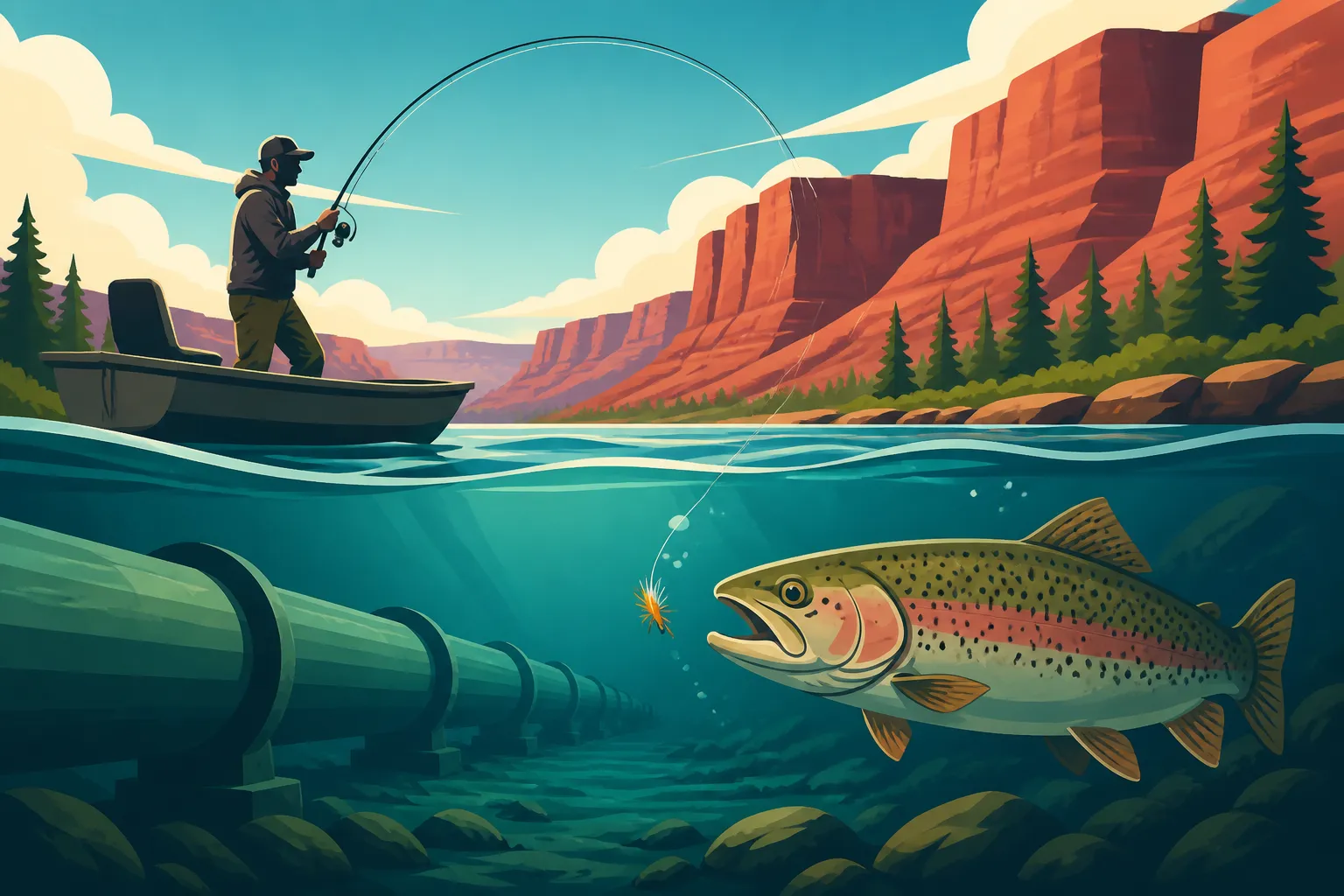
When we talk about the Pipeline area, we're generally referring to the section of Flaming Gorge Reservoir that runs roughly from Sheep Creek Bay southward towards the Stateline area, encompassing the main channel and adjacent structures. The name itself comes from visible pipelines that cross certain sections of the area, though the "fishing Pipeline" refers more to the general character of the underwater terrain around these features. It straddles both the Wyoming and Utah sides of the reservoir, but for our purposes, we're focusing on the northern, Wyoming-dominant stretches. You'll often find access points around Lucerne Marina or Buckboard Crossing if you're launching a boat, giving you a good jumping-off point to explore these productive waters. Understanding the geography here is key to maximizing your time, so grab a good map or turn on your chart plotter to really dial into these specific areas.
This part of the Gorge is defined by its dramatic underwater topography. Think steep drop-offs, submerged ledges, old creek channels, and significant rock piles. These features aren’t just pretty to look at; they create prime habitat for a variety of game fish. The water here can be incredibly deep, plunging hundreds of feet in some spots, but it's the sudden changes in depth and the presence of shelves that really concentrate the fish. It's a vast area, so don't expect to cover it all in one day, but knowing these general characteristics will help you pinpoint those smaller, fish-holding sweet spots.
Why the Pipeline Holds So Much Fish
The reason the Pipeline area is such a fish magnet comes down to a perfect storm of environmental factors. Firstly, the complex underwater structure provides endless hiding spots, ambush points, and thermal refuges for fish. Lake trout, in particular, love these deep, rocky environments where they can lurk in the cool depths, waiting for prey. Walleye, on the other hand, often relate to the edges of these structures, moving shallower to feed during low light conditions or holding tight to cover during the day. This diverse habitat means you're not just targeting one species; there's a good chance you'll encounter several.
Beyond structure, the food chain in this part of Flaming Gorge is incredibly robust. The reservoir supports a healthy population of kokanee salmon, chub, and other baitfish, which are the primary forage for the larger predatory species like lake trout and walleye. The Pipeline's unique contours often funnel these baitfish, making them an easy target for hungry game fish. When you find concentrations of bait on your sonar, you can bet the bigger fish aren't far behind. The sheer volume of available food, combined with excellent cover, makes the Pipeline a natural cafeteria and safe haven for fish, ensuring consistent populations year after year.
Targeting Key Species in the Pipeline
When you venture out to the Pipeline, you’re likely going with a specific target in mind, and for good reason. This area is famous for its Lake Trout and Walleye, offering some of the best opportunities in Wyoming. But understanding their habits and preferences is crucial, as what works for one might not work for the other. It’s not just about dropping a line in the water; it’s about thoughtful strategy and adapting to what the fish are telling you.
Lake Trout Strategies at the Pipeline
Lake trout, or "mackinaw" as they're often called, are the undisputed kings of the deep in Flaming Gorge. In the Pipeline area, these powerful fish can grow to impressive sizes, making them a highly sought-after trophy. Successfully targeting them often means understanding their seasonal movements and their preference for cold, deep water. During the warmer months, you'll generally find lake trout holding in depths ranging from 60 to 150 feet, sometimes even deeper. They relate heavily to those submerged ledges, old river channels, and sudden depth changes that define the Pipeline. For more general guidance, check out our piece on Lake Trout Mackinaw Fishing in Wyoming.
- Trolling: This is arguably the most effective method for covering water and finding active lake trout. Using downriggers or weighted lines to get your lures to the correct depth is essential. Popular lures include large spoons, tube jigs, and stickbaits that mimic the baitfish present in the Gorge. Brands like Berkley PowerBait Tubes or Rapala Jigging Raps are often productive. Vary your trolling speed and direction until you find what triggers a strike. A common mistake is trolling too fast or too slow; experimenting is key.
- Jigging: Once you locate a concentration of fish on your sonar, often over a prominent structure or a baitball, vertical jigging can be incredibly productive. Heavy spoons or large tube jigs dropped directly onto the fish can elicit aggressive strikes. The key here is to impart an erratic action, mimicking a struggling baitfish. Jigging can be a real arm-burner, but the rewards of hauling up a big mackinaw from the depths are well worth the effort. Consider reading up on How Deep Lake Trout Live in Flaming Gorge for more specific depth insights.
Walleye Tactics for Pipeline Success
Walleye are another prized catch in the Pipeline, offering a different kind of challenge and a delicious reward. Unlike lake trout, walleye tend to be more structure-oriented, often relating to shallower points, humps, and the edges of drop-offs, especially during low light conditions like dawn, dusk, and even into the night. They are ambush predators, so presenting your bait or lure correctly can make all the difference. Knowing the best times to target them can significantly increase your chances; our guide on Walleye Fishing in Wyoming has some great overarching advice.
- Jigging and Bottom Bouncing: These are classic walleye techniques that shine in the Pipeline. Using a jig tipped with a plastic grub, a nightcrawler, or even a minnow and slowly working it along the bottom or jigging it vertically over submerged humps can be incredibly effective. Bottom bouncers with spinner rigs or crawler harnesses are also excellent for covering ground at slower speeds, especially along those transition zones where the bottom changes from soft to rocky.
- Trolling for Walleye: While not as deep as lake trout trolling, pulling crankbaits or spinner rigs at shallower depths (typically 10-40 feet, depending on conditions and time of day) can be very productive for active walleye. Focus on trolling along contours, over submerged points, or near the edges of weed beds (if present) that offer cover. The crankbaits should "tick" the bottom occasionally, stirring up a bit of sediment, which often grabs a walleye's attention. For more reservoir-specific tactics, delve into Best Wyoming Reservoirs for Walleye.
Other Species You Might Encounter
While lake trout and walleye often steal the show, the Pipeline area is home to a diverse array of fish, and you might just stumble upon some exciting secondary catches. It’s part of the fun of fishing such a dynamic environment – you never quite know what’s going to hit your line next!
- Rainbow Trout: These feisty fighters are often found cruising the shallower to mid-depths, particularly around points, coves, and areas with some current or structure. They'll readily strike trolled spoons, spinners, or even bait like PowerBait or worms fished under a bobber. They offer a fantastic battle on lighter tackle and are a beautiful sight to behold.
- Kokanee Salmon: While the main kokanee schools might be found in other areas of Flaming Gorge, they do venture into the Pipeline's broader regions, especially when feeding. They are primarily plankton feeders, but can be caught trolling small dodgers and wedding rings tipped with corn. They offer a unique, acrobatic fight.
- Smallmouth Bass: These aggressive fish love rocky structure, so it's no surprise they can be found in the Pipeline area, especially in the rocky shoreline zones and around submerged boulders. They’ll hit a variety of lures, from crankbaits and spinnerbaits to soft plastics fished Texas-rigged or on a jig head. For advice on specific lure choices, check out our guide on Best Lures for Smallmouth Bass in Wyoming Reservoirs. Catching a hard-fighting smallmouth can be a fun surprise when you're targeting other species.
Essential Gear and Techniques for the Pipeline
Embarking on a fishing trip to the Pipeline at Flaming Gorge isn't like heading to your local pond. This is big water, with big fish, and it demands the right tools and a solid understanding of the techniques that put fish in the boat. Don't let underpreparedness lead to frustration; having the right setup can make all the difference between a memorable trip and a disappointing one.
Rods, Reels, and Line for Gorge Fishing
Choosing the right tackle is paramount when you're dealing with the potential for trophy-sized fish and deep-water tactics. You wouldn't bring a butter knife to a steak dinner, and you shouldn't bring ultralight gear to the Gorge.
- For Lake Trout: You'll want a stout setup capable of handling heavy weights and powerful fish. A medium-heavy to heavy action casting rod, typically 6'6" to 8' in length, paired with a robust baitcasting reel is ideal. Look for reels with a strong drag system and ample line capacity. Spool up with 20-30 lb monofilament or fluorocarbon, or, increasingly popular, 30-50 lb braided line with a fluorocarbon leader. Braided line offers superior sensitivity and minimal stretch, crucial for detecting subtle bites in deep water.
- For Walleye: A slightly lighter setup is often preferred, allowing for more sensitivity. A medium to medium-heavy action spinning rod, 6'6" to 7'6" in length, is a versatile choice. Pair it with a reliable spinning reel in the 2500-4000 series. For line, 8-12 lb monofilament or fluorocarbon is good, or 10-20 lb braid with a fluorocarbon leader for maximum feel. The lighter line allows for better lure presentation, especially with smaller jigs and crankbaits.
- General Purpose/Rainbows: If you're looking for a more all-around setup, a medium-action spinning rod (7-foot) with a 2500-series reel spooled with 10 lb fluorocarbon or braid with a mono leader can handle most rainbow trout and smaller walleye/lake trout you encounter while still being fun to fish.
Best Baits and Lures for Pipeline Fish
This is where the real fun begins – picking out the hardware that will entice those underwater giants! Having a diverse selection in your tackle box is a smart move, as fish preferences can change throughout the day or season.
- For Lake Trout:
- Tube Jigs: These are absolute staples for Flaming Gorge mackinaw. Look for sizes from 4 to 8 inches in white, pearl, chartreuse, or even darker patterns. Rig them with a heavy jig head (1 to 2 ounces, sometimes more) internally or externally.
- Spoons: Large, heavy spoons in silver, chrome, or various patterned finishes (like a classic Eppinger Daredevle or a Kastmaster) are excellent for trolling or jigging. They flash and flutter, mimicking wounded baitfish.
- Stickbaits/Swim Baits: Brands like Bomber, Rapala, or even larger soft plastic swimbaits rigged on heavy jig heads can be deadly when trolled or retrieved over structure.
- For Walleye:
- Jigs: ¼ to ¾ ounce jigs tipped with soft plastic grubs (curly tails, paddle tails), live minnows, or nightcrawlers are highly effective. Colors like chartreuse, orange, white, and black are popular.
- Crankbaits: Deep-diving crankbaits that reach depths of 10-30 feet are fantastic for trolling. Choose colors that mimic baitfish or are bright for stained water. Shad Raps, Flicker Shads, and Walleye Divers are common choices.
- Bottom Bouncers & Crawler Harnesses: These are essential for slowly working the bottom. Pair them with a good spinner blade (Colorado, Indiana, or willowleaf) and a juicy nightcrawler.
- Live Bait (Regulations!): Always double-check current Wyoming fishing regulations regarding live bait, especially on specific waters like Flaming Gorge. Generally, live minnows are legal in some areas, but rules can change. If permitted, a lively minnow or large nightcrawler presented on a jig or under a bobber can be irresistible to walleye and even some trout. Always refer to the most recent official regulations booklet or the Wyoming Game and Fish website. You can also review Wyoming Fishing Regulations Every Angler Should Know to stay updated.
| Species Targeted | Recommended Depths (Approx.) | Top Baits/Lures | Key Characteristics |
|---|---|---|---|
| Lake Trout | 60-150+ feet | Heavy Tube Jigs, Large Spoons, Deep-Diving Stickbaits | Deep water, structure-oriented, powerful fighters |
| Walleye | 10-40 feet (day), shallower (low light) | Jigs w/ Plastics/Live Bait, Crankbaits, Bottom Bouncers | Ambush predators, relate to structure edges, delicious |
| Rainbow Trout | 10-50 feet | Spoons, Spinners, PowerBait, Worms | Active cruisers, shallower than LTs, good fight |
| Smallmouth Bass | 5-30 feet (rocky areas) | Crankbaits, Spinnerbaits, Soft Plastics | Aggressive, strong fighters, love rocks |
Mastering Boat and Shore Fishing
The Pipeline area, given its vastness and deep water, is primarily a boat-fishing destination. However, there are still opportunities for shore anglers who know where to look.
- Boat Fishing: This is where you'll unlock the full potential of the Pipeline. A good boat equipped with a reliable fish finder/sonar and a GPS mapping system is almost essential. Spend time observing your electronics; they will tell you where the baitfish are, where the structure is, and often, where the game fish are holding. Trolling patterns are critical; don't just go in a straight line. Follow contours, make S-turns, and experiment with turns to vary your lure's depth and action. When jigging, use your trolling motor to stay directly over the fish you're marking. Being mobile allows you to quickly adjust to changing conditions and find active schools. For more on proper boat operation and fishing from a boat, our guide on Fishing From Boats vs Banks Different Rules might offer some useful general tips.
- Shore Fishing: While challenging, shore fishing at the Pipeline isn't impossible, especially if you're targeting rainbow trout or smaller walleye near specific access points. Areas around marinas or designated public access points like those near Buckboard Crossing or Lucerne might offer limited opportunities. Focus on areas with immediate deep water access, drop-offs, or visible submerged structure. Long casts with heavy spoons, spinners, or bait (PowerBait, worms, marshmallow/worm combo) can reach fish. Early morning and late evening are often the most productive times for shore anglers.
Navigating Challenges and Maximizing Your Trip
Fishing Flaming Gorge is an incredible experience, but it's not without its challenges. The weather can change quickly, the fish can be finicky, and navigating such a large body of water requires some know-how. But with a bit of preparation and the right mindset, you can turn potential frustrations into successful strategies. And remember, sometimes the best help comes from those who do this for a living. If you’re ever considering a guided trip, platforms like FishingBooker can help you connect with experienced local guides who know the Pipeline area intimately.
Dealing with Wind and Weather
Wyoming weather is famously unpredictable, and Flaming Gorge is no exception. A calm morning can quickly turn into a windy, choppy afternoon, making boat control and fishing difficult, if not dangerous.
- Safety First: Always check the weather forecast before heading out. If high winds are predicted, consider postponing or sticking to more sheltered coves. Flaming Gorge is a vast reservoir, and large waves can develop quickly, making navigation hazardous. Life jackets should be worn, especially in smaller boats or rough conditions.
- Adjusting Techniques: Wind creates current and affects boat drift. If trolling, you might need to adjust your speed or add more weight to keep your lures at the desired depth. When jigging, consider using heavier jigs to maintain bottom contact. If the wind is truly relentless, sometimes anchoring up in a slightly more sheltered area and bait fishing is your best bet, or focusing on shore fishing if conditions are too dicey for the boat.
Reading the Sonar and Finding Structure
Your fish finder is your absolute best friend on Flaming Gorge, particularly in the deep, structured waters of the Pipeline. Learning to interpret what your screen is telling you is a skill that will dramatically increase your success.
- Identifying Structure: Look for sudden changes in depth, jagged lines indicating rock piles or ledges, and distinct breaks in the bottom composition. These are the highways and homes for fish. Use your GPS to mark these spots and return to them.
- Locating Bait and Fish: Baitfish often appear as dense clouds or schools of small dots. Larger fish will show up as distinct arches or marks, sometimes directly below the bait. Pay attention to where these marks are relative to the structure. Are they suspended? Are they tight to the bottom? This information will help you determine the best depth and presentation for your lures. Modern units with side imaging or down imaging can also reveal structure and fish off to the sides of your boat, giving you an even better picture of the underwater world.
Conservation and Responsible Angling
Flaming Gorge is a precious resource, and it’s up to all of us to ensure it remains a fantastic fishery for generations to come. Responsible angling isn't just about following the rules; it's about being a good steward of the environment.
- Know the Regulations: Always, always, always be aware of the current Wyoming fishing regulations. This includes bag limits, possession limits, size restrictions, and specific rules for certain areas or species. These can change annually, so get a copy of the latest Wyoming Game and Fish Department fishing regulations booklet or download the app. For example, our article on How Bag and Possession Limits Work in Wyoming can help clarify some of the nuances.
- Practice Catch and Release: While keeping a few fish for dinner is part of the experience, consider practicing catch and release, especially for larger, older fish that are important for breeding. Handle fish gently, minimize their time out of water, and use proper release techniques to ensure their survival.
- Prevent Invasive Species: Clean, Drain, Dry! This motto is critical. Inspect your boat, trailer, and gear thoroughly for any aquatic invasive species (AIS) like zebra or quagga mussels before launching and after retrieving from any body of water. Wyoming has strict inspection requirements for boats entering the state, and for good reason. Be vigilant – it's crucial for protecting the Gorge.
If you're looking for an added layer of expertise, remember that guides specialize in specific waters and techniques. A skilled guide from platforms like FishingBooker can take you directly to the hot spots in the Pipeline, show you the right techniques, and ensure you're compliant with all regulations. It's a fantastic way to accelerate your learning curve and guarantee a productive trip without the guesswork. Remember, a valid Wyoming fishing license, which you can often purchase online or at local vendors, is always required. Review our guide on Where and How to Buy a Wyoming Fishing License for purchasing details, and don't forget the required Wyoming Conservation Stamp!
Disclaimer
The information provided in this guide is for general informational purposes only and is not intended as a substitute for official regulations. Fishing conditions, regulations, and access points can change. Always consult the latest official Wyoming Game and Fish Department regulations and local advisories before you head out on the water. Stay safe, be prepared, and happy fishing!