Best Tailwater Fishing Below Flaming Gorge Dam
Finding a truly exceptional fishing spot, especially one renowned for consistent action and trophy-sized fish, can feel like searching for a needle in a haystack. Many rivers promise big fish, but few deliver with the relentless consistency and diverse opportunities of a well-managed tailwater. This guide is dedicated to revealing why the Green River below Flaming Gorge Dam stands out as one of Wyoming’s premier fishing destinations, offering a world-class experience for anglers of all skill levels.
The Unique Allure of the Green River Tailwater
The Green River, as it flows out of the massive Flaming Gorge Dam, isn't just another river; it's a meticulously engineered ecosystem that provides an unparalleled environment for trout. This section of river, often referred to as the tailwater, benefits from a stable, cold water release from the depths of the reservoir, creating ideal conditions year-round. It’s this consistency that transforms the Green into a true trout factory, drawing anglers from across the globe.
Why Tailwaters Are Such Productive Fisheries
What makes a tailwater fishery like the Green River so incredibly productive? It boils down to a few critical factors that large dams inadvertently create. First and foremost, the water released from the bottom of Flaming Gorge Reservoir maintains a remarkably stable temperature. Unlike free-flowing rivers that experience dramatic swings with seasons and weather, this tailwater remains consistently cool in summer and relatively warm in winter. This thermal stability reduces stress on fish and keeps their metabolism high, encouraging them to feed and grow throughout the year.
Secondly, tailwaters act as giant nutrient filters. The reservoir above collects an immense amount of organic matter, which, when released downstream, fuels a vibrant aquatic insect community. Caddis, mayflies, midges, and stoneflies thrive here in incredible numbers, providing an endless buffet for the trout. This constant food supply translates directly into healthy, fast-growing fish. The rich environment means you're not just finding fish, but often bigger, fatter fish than in many other rivers.
A World-Class Trout Haven
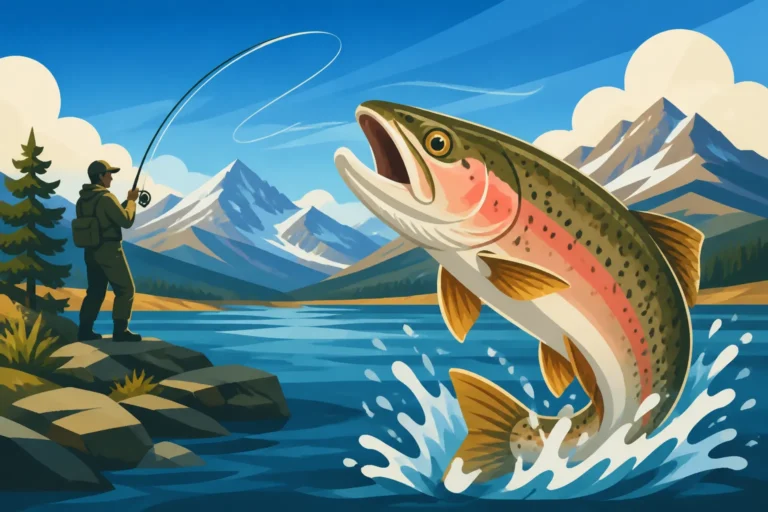
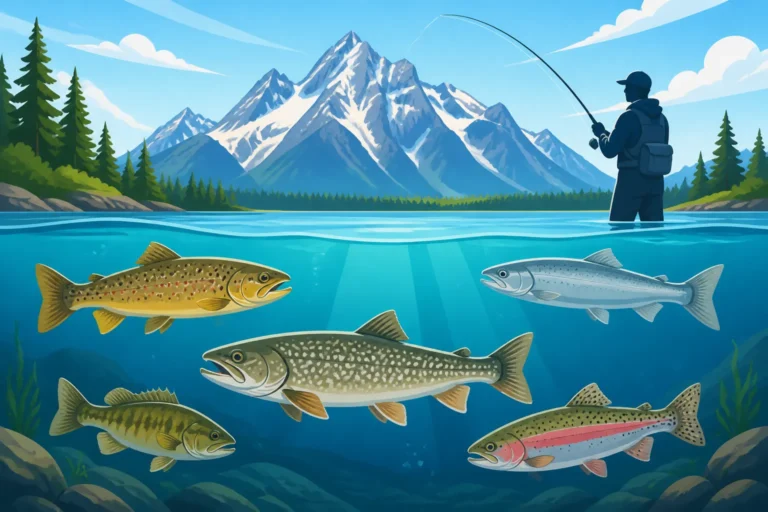
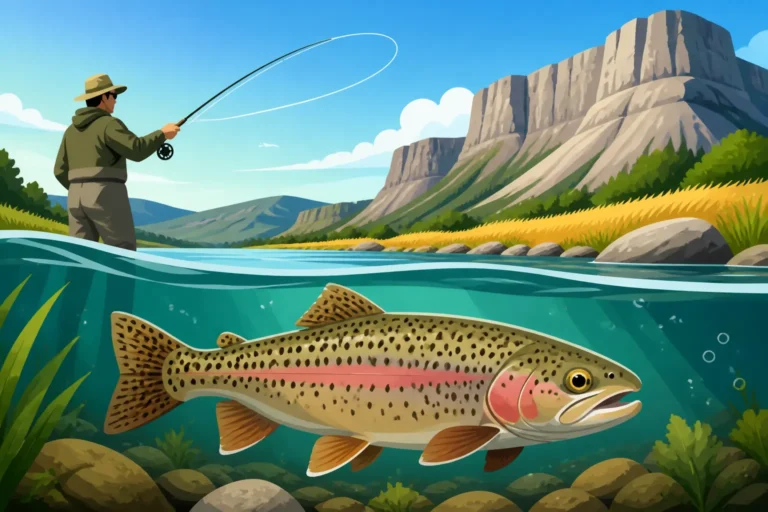
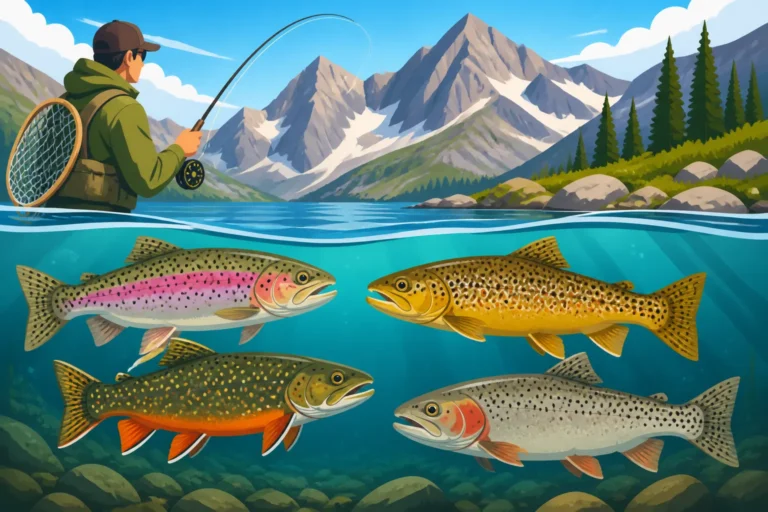
The Green River tailwater is primarily known for its incredible population of rainbow, brown, and cutthroat trout. These aren't just any trout; these are often robust, strong fighters that have grown large on the abundant food source. While the reservoir above, Flaming Gorge, is famous for its How Big Lake Trout Get in Flaming Gorge and other species, the tailwater below is almost exclusively a trout paradise. Anglers frequently encounter rainbows and browns in the 16-20 inch range, with much larger fish making appearances, especially during specific seasons.
The consistent cold water and rich insect life mean that the trout here are always active, ready to take a well-presented fly or lure. It’s a place where you can realistically expect to have multiple hook-ups in a day, and the possibility of a true trophy fish always keeps things exciting. This section of the Green River below the dam is truly one of Wyoming's best spots for those chasing big trout.
Navigating the Green River: Access and Key Zones
The Green River tailwater offers a variety of experiences, from tranquil float trips to challenging wade fishing. Understanding the different sections and access points is key to planning your perfect outing. This river is managed in distinct "sections" (A, B, C, D) which each offer unique characteristics and fishing opportunities.
Key Access Points and Popular Drifts
The most popular stretch of the Green River for fly fishing is often divided into three main sections below the dam, extending downstream into Utah. For the Wyoming portion, the focus is largely on the first few miles below the dam. Most anglers access the river at the Little Hole boat launch, which is typically where float trips begin. From here, guides and experienced anglers will drift downstream, hitting various riffles, runs, and pools.
A classic float might cover several miles, offering diverse water types. Many outfitters will offer full-day or half-day float trips, which are fantastic for covering a lot of water and accessing prime fishing spots that are otherwise unreachable. If you’re considering a guided trip, companies often list their services on platforms like FishingBooker, making it easier to find a local expert who knows the nuances of each drift. These guides know exactly where the fish are holding, what they're eating, and how to present your offering.
For those planning to float, it’s essential to be aware of the shuttle services or having a second vehicle staged downstream for pick-up. Popular take-out points exist further downriver, depending on how long you want your float to be.
Wade Fishing Opportunities for Bank Anglers
While the Green River is famous for its float trips, there are also excellent opportunities for wade fishing, particularly in the upper sections closest to the dam. The first few miles below the dam, before the river widens considerably, offer some of the best bank access. You can often find productive spots by walking upstream or downstream from Little Hole.
Wade fishing requires a good pair of waders and wading boots, as the bottom can be rocky and slippery. Be mindful of private property signs, as access points can sometimes be limited to public easements. However, with a bit of exploration and adherence to access rules, you can find quiet stretches to cast your line. Remember that on busy days, you might be sharing the water with other anglers, both waders and floaters, so respecting everyone's space is crucial. Always check the latest Wyoming Fishing Regulations Every Angler Should Know before heading out, as specific rules for wading or access might apply to certain stretches.
Booking a Trip with a Guide
For many, especially those new to the area or targeting specific species and techniques, a guided trip on the Green River is an invaluable experience. A local guide brings years of knowledge about the river's flows, insect hatches, and the best techniques for different times of the year. They can navigate you to the most productive spots, often spots that would be impossible to find or reach on your own.
When looking for a guide, using a reputable booking platform like FishingBooker can help you sort through licensed outfitters and read reviews from other anglers. Guides typically provide all the necessary gear, from rods and reels to flies and tackle, making it a hassle-free experience. This is particularly beneficial for beginners who might not have all the specialized equipment for a tailwater fishery. A good guide will also educate you on the local ecology and conservation practices, enhancing your overall understanding and appreciation for this incredible resource.
Essential Techniques and Tackle for Success
Fishing the Green River tailwater demands a thoughtful approach. The clear, cold water and educated trout mean that technique and presentation often trump sheer luck. Whether you're a seasoned fly angler or prefer spin fishing, understanding the nuances here will significantly boost your success rate.
Fly Fishing Strategies
Fly fishing is undoubtedly the most popular method on the Green River tailwater, and for good reason—it’s incredibly effective given the prolific insect life.
Nymphing Tactics
By far, nymphing is the most consistently productive method on the Green. Most of a trout's diet consists of subsurface insects, and this river is no exception. A typical setup involves a strike indicator, split shot (if needed), and two subsurface fly patterns. Common patterns include various midge larva and pupa imitations (especially small black or red ones), tiny pheasant tails, Hare's Ears, San Juan Worms, and various caddis larva patterns. The key is to get your flies down to the fish's feeding lane, which often means adjusting your depth and weight frequently. Learning Nymphing Techniques for Wyoming Tailwaters can dramatically improve your catch rate. Pay close attention to current seams and slower water behind structure where trout conserve energy.
Dry Fly Fishing
When a hatch is on, dry fly fishing can be spectacular. This typically happens during warmer months with consistent hatches of mayflies (like Blue-Winged Olives or Pale Morning Duns) or caddis. The trout will rise to the surface, and a well-presented dry fly can lead to explosive takes. The challenge often lies in matching the hatch precisely and making a delicate presentation in the clear water without spooking the fish. Having a variety of sizes and patterns is crucial. Even when no specific hatch is apparent, sometimes a larger attractor pattern, like a Royal Wulff or a large parachute Adams, can entice a bite.
Streamer Fishing
For those targeting larger brown trout, especially during the fall spawning season, streamer fishing can be incredibly rewarding. Large, articulated flies mimicking baitfish are stripped through deeper pools and undercut banks where big browns often lurk. This is a more aggressive style of fly fishing and can yield some of the biggest fish of the day. Guides often recommend Streamer Fishing for Wyoming Brown Trout during October and November when these predatory fish are on the hunt. Olive, black, and natural baitfish colors are usually good starting points.
Spin Fishing Approaches
While fly fishing dominates the scene, spin anglers can also find success on the Green River, particularly if they focus on specific techniques and lures.
Lure Selection
Small spinners (like Mepps Aglias or Panther Martins in sizes 0-2) and spoons (such as Kastmasters or Daredevils in smaller sizes) can be very effective, especially when fished near structure or in faster runs. Pay attention to natural colors like silver, gold, and bronze, or brighter colors like chartreuse and orange in slightly off-color water. Small jerkbaits and soft plastics that mimic baitfish or worms can also work well, particularly when fished slowly along the bottom or near drop-offs. Always check regulations regarding hook types (barbless might be required in some areas) and bait restrictions.
Presentation and Retrieval
The clear water of the Green River means stealth and precise presentation are important for spin anglers too. Long casts are often necessary to avoid spooking fish. Vary your retrieve speed and add pauses to entice strikes. In slower, deeper pools, allowing a lure to sink and then twitching it can be very effective. For areas with strong currents, casting upstream and retrieving just faster than the current can create a natural drift for your lure.
Seasonal Considerations and Hatches
The Green River fishery changes with the seasons, offering distinct opportunities throughout the year. Understanding these patterns is key to maximizing your success.
Spring (March – May)
Spring on the Green River can be fantastic, particularly before runoff peaks. Water temperatures begin to rise, and fish become more active. Nymphing remains strong, with midges and early season caddis often present. As runoff from snowmelt increases, the river might become a bit off-color, making larger nymphs and streamers more effective. Always check flow rates before heading out. For a detailed breakdown, refer to Wyoming Fishing Seasons Month by Month.
Summer (June – August)
Summer is prime time for consistent fishing, with warmer weather bringing prolific insect hatches. Dry fly fishing can be excellent, especially in the mornings and evenings when caddis and various mayfly species hatch. During the heat of the day, nymphing deep in runs and pools, or targeting shaded areas, remains productive. Terrestrial patterns (hoppers, ants, beetles) also become very effective as they fall into the water from the banks. Pay attention to How Water Temperature Changes Wyoming Trout Behavior during peak summer heat; fish might become less active in the warmest parts of the day.
Fall (September – November)
Many consider fall to be the absolute best time to fish the Green River, especially for trophy brown trout. As water temperatures cool, brown trout begin their pre-spawn migration and become aggressive, making streamer fishing a top choice. Nymphing with larger patterns also remains strong, and you can often find good dry fly fishing with Blue-Winged Olives. The crowds often thin out a bit after summer, offering a more peaceful experience.
Winter (December – February)
Don't write off winter on the Green! The consistent tailwater temperatures mean the river rarely freezes solid, and fishing can be surprisingly good. Midges are the primary food source, so tiny nymph patterns fished deeply and slowly are the name of the game. Streamer fishing can also entice lethargic but hungry fish. While the action might be slower, the chance for a large, winter-fattened trout is real, and you'll likely have the river almost to yourself.
Regulations and Conservation for a Sustainable Fishery
Fishing on the Green River below Flaming Gorge Dam isn't just about catching fish; it's also about respecting the resource and adhering to the regulations designed to protect this incredible fishery. Wyoming Game and Fish Department sets specific rules to ensure healthy fish populations for generations to come.
Understanding Special Regulations
The Green River tailwater, particularly the section directly below Flaming Gorge Dam, often has special regulations that differ from general statewide rules. These frequently include catch-and-release requirements for certain species or sizes, specific tackle restrictions (like mandatory barbless hooks), and sometimes even fly-fishing-only sections. For example, some stretches may require the use of only artificial flies and lures with single, barbless hooks. This is a common conservation measure aimed at minimizing harm to fish that are caught and released.
It is absolutely crucial to obtain a current Wyoming Fishing License Guide for Nonresidents (or residents) and consult the official Wyoming Game and Fish Department regulations booklet before you go. This booklet details water-specific rules, bag limits, and other important information. Ignoring these can lead to fines and penalties. Remember, even if you’re only fishing for a day, you'll need a license; check out Wyoming's Annual, Daily and Five-Day License Options for more details on acquiring the right one for your trip.
Protecting the Resource: Ethical Angling Practices
Beyond legal requirements, practicing ethical angling is vital for maintaining the health of the Green River fishery.
Catch and Release Best Practices
Many anglers come to the Green River specifically for catch-and-release fishing, especially for the larger trout. If you intend to release fish, proper handling is paramount. Keep the fish in the water as much as possible, use a knotless net, and handle it gently with wet hands to protect its slime coat. Remove hooks quickly and, if possible, use a de-hooking tool. Revive the fish facing upstream in the current until it swims away strongly. Understanding Catch-and-Release Rules on Wyoming Waters helps ensure you're doing your part.
Preventing Invasive Species
Invasive species pose a significant threat to Wyoming's aquatic ecosystems. Before launching any boat, float tube, or even wading gear, it’s critical to Clean, Drain, and Dry your equipment. This means removing all weeds and mud, draining all water from your vessel, and allowing everything to thoroughly dry before moving to a new water body. Wyoming has mandatory boat inspections for this very reason. Being vigilant about invasive species helps protect fisheries like the Green River for everyone.
Planning Your Trip: Licenses and Stamps
Before you even make your first cast, you’ll need to make sure you’re properly licensed. Every angler 14 years or older needs a valid Wyoming fishing license. Additionally, a Wyoming Conservation Stamp is required for most fishing licenses, although there are exceptions, such as for one-day licenses.
You can purchase your license online through the Wyoming Game and Fish Department website, or at numerous license vendors across the state, including many sporting goods stores and some convenience stores. For all the details on where and how to get your license, see our guide on Where and How to Buy a Wyoming Fishing License. Carrying your license with you (either physically or electronically) while fishing is a must. Knowing the rules and adhering to them prevents issues and contributes to the overall conservation efforts that make the Green River such a spectacular place to fish.
Green River Tailwater Seasonal Technique Overview
To help you plan your trip, here’s a quick overview of recommended techniques for each season on the Green River tailwater:
| Season | Primary Techniques | Recommended Fly/Lure Types | Key Fish Behavior |
|---|---|---|---|
| Spring | Nymphing, some Streamers | Midges, Caddis Larva, San Juan Worms, small Olive/Black Streamers | Increasing activity, pre-runoff feeding |
| Summer | Nymphing, Dry Flies, Terrestrials | PMDs, Caddis, BWO Nymphs & Dries, Hoppers, Ants, Sculpins | Actively feeding, surface activity during hatches |
| Fall | Streamers, Nymphing, Dry Flies | Large Olive/Black/Brown Streamers, BWO Nymphs & Dries, Midges | Aggressive Brown Trout (pre-spawn), active Rainbows |
| Winter | Deep Nymphing, small Streamers | Tiny Midges (larva/pupa), Eggs, Baetis Nymphs, small Streamers | More lethargic but still feeding, slower metabolism |
Remember that conditions can change rapidly in Wyoming, so always check the local weather and river reports before heading out. A quick call to a local fly shop or guide service found through a platform like FishingBooker can provide invaluable, up-to-the-minute information on water conditions and the hot flies.
Disclaimer
The information provided in this guide is for general informational purposes only and is subject to change. Fishing regulations, seasons, and access points can vary. Always consult the official Wyoming Game and Fish Department regulations and local authorities before planning any fishing trip. Adherence to all local, state, and federal laws is the responsibility of the individual angler.