Most Popular Fishing Spot in Wyoming for Beginners
Deciding where to cast your line for the very first time in Wyoming can feel like a daunting task. With so many vast rivers, sparkling reservoirs, and hidden alpine lakes, it’s easy for a beginner to feel overwhelmed, wondering where to even begin. This guide is designed to cut through that confusion, pointing you directly to one of Wyoming’s most welcoming and productive spots for new anglers, making your first fishing adventure a memorable success.
Why Glendo State Park is a Beginner's Paradise
When you're just starting out, you don't need the complexity of a technical fly-fishing river or the strenuous hike into a high-country lake. You need convenience, variety, and a good chance of catching something. That's precisely what Glendo State Park offers, making it hands down one of the most popular and genuinely beginner-friendly fishing destinations in the entire state. Situated in southeastern Wyoming, Glendo Reservoir is massive, covering over 12,000 acres at full capacity, providing plenty of room for everyone without feeling overcrowded.
This isn't just a place where you might catch a fish; it's a place where you're very likely to, thanks to the sheer abundance and diversity of species. The expansive waters allow for various fishing methods, from simple bait casting from shore to trolling from a boat, all in a relatively calm and predictable environment. It's the kind of place where families can spread out, set up camp, and enjoy the process of learning together without the pressure of more intense fishing scenarios. The combination of easy access, ample facilities, and a thriving fishery makes Glendo an ideal launchpad for any budding angler.
Accessibility and Facilities
One of Glendo’s biggest draws for beginners is its incredible accessibility. You don’t need a rugged 4×4 or an expert guide to get there. It’s conveniently located just off Interstate 25, making it a straightforward drive from major cities like Cheyenne or Casper. Once you arrive, you'll find paved roads leading to multiple boat ramps, picnic areas, and abundant camping opportunities, from primitive sites to those with full hookups. This means you can easily drive right up to a prime fishing spot, unload your gear, and start fishing without any arduous treks.
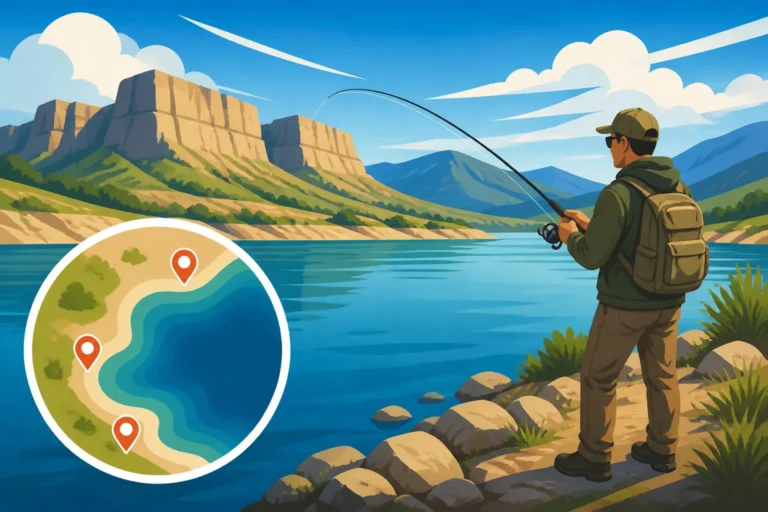
The park is well-developed, offering amenities that take the stress out of a day on the water. There are designated swimming beaches, playgrounds for the kids, and plenty of space to relax when you’re not actively fishing. Many anglers appreciate the easy shoreline access around the park, with numerous points where you can comfortably cast a line from solid ground. Having restrooms, shade structures, and often even concessions nearby makes a huge difference, especially for families or those new to spending extended time outdoors.
Diverse Fish Species for Every Skill Level
What truly sets Glendo apart for beginners is the incredible variety of fish species swimming in its waters. You're not limited to just one type of fish; the reservoir is teeming with walleye, crappie, yellow perch, channel catfish, rainbow trout, and even smallmouth bass. This diverse ecosystem significantly increases your chances of success, as different species bite at different times and respond to various baits, providing constant learning opportunities.
For instance, if the walleye aren't biting, you might switch tactics and target crappie or perch, which are often schooling fish and can be quite eager to strike. Rainbow trout are regularly stocked and are known for being relatively easy to catch, offering immediate gratification for new anglers. This means you won’t be staring at an empty line for hours, which can be disheartening for a beginner. Instead, you'll likely have a productive day, building confidence and learning the nuances of different fishing experiences. Want to know more about the best season to target specific fish? Check out our guide on Best Season to Fish Glendo Reservoir.
Calm Waters and Gentle Learning Curve
Unlike the often turbulent and complex currents of a river, Glendo Reservoir generally offers calm, expansive waters. This makes it far less intimidating for beginners, whether you're casting from the bank or trying your hand at fishing from a small boat. There are no tricky currents to read or dangerous rapids to navigate, allowing you to focus purely on the fundamentals of casting, retrieving, and feeling a bite.
The gentle learning curve extends to various fishing styles. For those preferring to stay on shore, the numerous coves and points offer sheltered spots perfect for setting up chairs and enjoying a relaxed day. If you venture out in a boat, the large open areas are easy to maneuver, and finding structure where fish congregate, like submerged trees or rock piles, is a straightforward exercise often aided by basic sonar. This peaceful environment fosters a positive first experience, encouraging new anglers to return and continue honing their skills.
Essential Gear for Your First Glendo Adventure
You don't need to break the bank or invest in highly specialized equipment to have a fantastic time fishing at Glendo. The beauty of this beginner-friendly spot is that simple, versatile gear will serve you well. Focusing on reliability and ease of use will make your first trip much more enjoyable and productive. Remember, the goal is to get out there and learn, not to impress anyone with fancy gadgets.
Rod, Reel, and Line Basics
For a beginner, a medium-action spinning rod and reel combo is your best friend. This setup is incredibly versatile, user-friendly, and forgiving. A rod between 6 to 7 feet in length with a fast tip will give you enough sensitivity to feel those subtle bites, yet enough backbone to handle a good-sized walleye or even a larger trout. Pair it with a spinning reel spooled with 6-10 pound monofilament line. Monofilament is strong, has a bit of stretch (which helps prevent snapping the line when a fish strikes hard), and is easy to tie knots with.
Don't overthink it. Most sporting goods stores, like those found in nearby Wheatland or Douglas, sell complete beginner combos for a very reasonable price. These come pre-spooled with line and are ready to go. You want something that feels comfortable in your hands, not too heavy, so you can cast repeatedly without fatigue. A smooth retrieve on the reel is also a plus, making it easier to work your bait or lure.
Bait and Lure Recommendations for Success
When fishing Glendo for the first time, keep your bait and lure choices simple and effective. You don't need a tackle box overflowing with options. For bait, live worms (like nightcrawlers) are universally effective and appeal to almost every species in the reservoir—walleye, crappie, perch, and even trout can't resist them. They’re easy to rig on a simple hook under a bobber or on a bottom rig. PowerBait, especially the scented dough or nuggets, is another excellent choice, particularly for the stocked rainbow trout.
For lures, think basic spinners (like Rooster Tails or Mepps) in sizes #1 or #2, and small jigs (1/8 to 1/4 ounce) tipped with a small plastic grub or a piece of worm. These are easy to cast and retrieve, and their flash and vibration attract fish. Different colors can make a difference, so having a few in bright colors (chartreuse, orange) and some natural tones (white, black, brown) is a good idea. Experiment with what works best on any given day. If you want to dive deeper into techniques, check out our guide on Bait Fishing Techniques for Beginners and Spin Fishing Techniques for Beginners.
Comfort and Safety on the Water
Fishing, especially for beginners, should be a relaxed and comfortable experience. Beyond your rod and tackle, remember to pack essentials for your personal well-being. Sun protection is crucial in Wyoming; bring a wide-brimmed hat, sunglasses, and high-SPF sunscreen. Hydration is also key, so always have plenty of water, especially during warmer months.
For safety, a basic first-aid kit is always a good idea for minor cuts or hook mishaps. If you're fishing from a boat or even near the water's edge with children, make sure everyone has a properly fitting life jacket. Even strong swimmers can get into trouble, and wearing a PFD (personal flotation device) is non-negotiable for safety. Also, consider a small cooler for your drinks, snacks, and any fish you plan to keep. Comfortable, weather-appropriate clothing will allow you to focus on the fishing, not on being too hot, cold, or wet.
Practical Fishing Techniques for Glendo Beginners
One of the great things about Glendo is that you can catch fish using very straightforward methods. You don't need years of experience or advanced angling skills to have a successful day. Focusing on a few basic techniques will put you in a great position to feel that exhilarating tug on your line.
Bank Fishing and Shoreline Strategies
Bank fishing is arguably the easiest way to start at Glendo. Look for areas with access to deeper water, submerged structures like fallen trees, or transition areas where the bottom changes from shallow to deep. Fish often congregate around these features looking for food or shelter. A simple bobber-and-bait setup is highly effective: hook a live worm or PowerBait, adjust your bobber to suspend the bait a few feet off the bottom, cast it out, and watch for the bobber to dip or move. This is particularly effective for crappie, perch, and rainbow trout.
Alternatively, a bottom rig can be used for walleye and catfish. This involves a weight at the end of your line, a swivel, and a hook tied a foot or two above the weight, also baited with a worm or cut bait. Cast it out, let it sink to the bottom, and wait for a bite. When using lures from shore, simply cast out your spinner or jig and retrieve it slowly and steadily. Vary your retrieve speed and depth until you find what the fish prefer that day. Patience is key, but don't be afraid to move to a new spot if you're not getting any action after 15-20 minutes.
Simple Boat Fishing Tips
If you have access to a boat or decide to rent one, Glendo opens up even more possibilities. For beginners, trolling is a fantastic way to cover water and find fish. Simply put out a few lines with crankbaits or spinners (many anglers swear by Wally Diver or Rapala lures for walleye) and slowly motor around at about 1-2 miles per hour. Pay attention to your sonar if you have it; look for schools of fish or interesting underwater structure. You can also anchor in promising areas, like near points or submerged humps, and cast jigs or bait.
When fishing from a boat, remember to be mindful of other anglers and boaters. Keep a safe distance and operate your vessel responsibly. For those new to boating and fishing simultaneously, it might be beneficial to go with an experienced friend or consider a guided trip. Companies like FishingBooker can help you find local guides who specialize in beginner-friendly trips on Glendo, providing all the necessary gear and expertise.
Understanding Simple Fish Behavior
While fish behavior can be complex, for beginners, understanding a few basic principles can greatly improve your success. Fish are cold-blooded, meaning their activity is highly influenced by water temperature. In warmer months, they might feed more actively during the cooler parts of the day, like early morning or late evening. During colder months, they might seek deeper, more stable temperatures.
Fish also relate to structure – anything that breaks up the bottom or surface of the water. This includes rock piles, drop-offs, submerged trees, weed beds, and even docks or boat ramps. These spots offer cover from predators, ambush points for prey, or simply a place to rest. Learning to identify these potential "fishy" areas, whether visually from shore or with simple sonar from a boat, will naturally lead to more bites. Different species prefer different types of habitats; for instance, crappie often school near submerged brush, while walleye prefer rocky bottoms.
Navigating Regulations and Planning Your Trip
Before you even tie your first knot, understanding Wyoming's fishing regulations is absolutely essential. The last thing you want is to have a fantastic day on the water only to realize you've inadvertently broken a rule. Ignorance of the law is not an excuse, and fines can be steep. Luckily, the Wyoming Game and Fish Department (WGFD) makes it relatively easy to get the information you need.
Licensing and Conservation Stamp Explained
Every angler 14 years or older needs a valid Wyoming fishing license to fish Glendo Reservoir, or any other public waters in the state. If you're coming from out of state, you'll need a non-resident license. You have options: a full annual license, a 5-day consecutive license, or a daily license, depending on the length of your trip. Kids under 14 can fish without a license, which is fantastic for family outings! For more details on these options, check out Wyoming's Annual, Daily and Five-Day License Options.
In addition to your fishing license, most anglers also need a Wyoming Conservation Stamp. This stamp contributes directly to the conservation efforts of the state’s wildlife and fisheries. There are some exceptions, such as for very short-term licenses, so it's always best to verify. You can purchase both your license and conservation stamp online through the WGFD website, at various licensed vendors (like sporting goods stores or some gas stations), or at the Glendo State Park office. Having your license easily accessible while fishing, whether digitally on your phone or a physical copy, is a must. A great resource is our comprehensive guide: Wyoming Fishing License Guide for Nonresidents.
| License Type | Resident (Annual) | Nonresident (Annual) | Nonresident (5-Day) | Nonresident (Daily) | Conservation Stamp |
|---|---|---|---|---|---|
| Who Needs It | Ages 14+ | Ages 14+ | Ages 14+ | Ages 14+ | Most licenses |
| Primary Benefit | Full year fishing | Full year fishing | Short trip value | Single day fishing | Funds conservation |
| Good For Glendo? | Yes | Yes | Yes | Yes | Yes |
| Where to Purchase | Online, Vendors | Online, Vendors | Online, Vendors | Online, Vendors | Online, Vendors |
Respecting Limits and the Environment
Wyoming has specific daily bag and possession limits for different fish species, and these are crucial to uphold. These limits are in place to ensure sustainable fish populations for everyone to enjoy. For Glendo, you'll find regulations for walleye, crappie, perch, trout, and more. For example, there might be a limit on how many walleye you can keep, and often a size restriction (e.g., only one fish over a certain length). Always consult the current year's Wyoming Fishing Regulations Booklet, available online or in print, before you head out. Understanding How Bag and Possession Limits Work in Wyoming is vital.
Beyond legal limits, adopting ethical angling practices is part of being a responsible outdoorsperson. This means practicing catch and release for fish you don't intend to keep, minimizing stress on the fish by handling them gently with wet hands, and quickly returning them to the water. Always pack out everything you pack in, including any trash, fishing line, or bait containers. Leave the area cleaner than you found it. Respect wildlife and other users of the park. These simple actions ensure that Glendo remains a beautiful and productive fishery for generations to come.
How to Find Up-to-Date Information and Guides
Staying informed is key to a successful and compliant fishing trip. The Wyoming Game and Fish Department website is your best friend for the most current regulations, fishing reports, and any emergency closures or changes. They often have real-time updates on water levels, stocking reports, and even what fish are biting where. Local bait and tackle shops in nearby towns like Glendo, Wheatland, or Douglas are also invaluable resources. The folks working there are often local experts who can tell you what’s working, what baits to use, and where the fish have been.
For those who prefer a more hands-on learning experience, consider hiring a local fishing guide. A guide can provide all the necessary gear, teach you specific techniques, and put you directly on the fish, significantly boosting your chances of success and accelerating your learning curve. Websites like FishingBooker make it easy to find and book experienced, licensed guides who specialize in fishing Glendo Reservoir. This can be an excellent investment for a beginner, turning a potentially frustrating day into an educational and rewarding adventure. If you're interested in booking some expert help, our guide on Hiring a Fishing Guide in Wyoming offers some excellent tips.
Disclaimer
The information provided in this guide is for general informational purposes only and does not constitute legal advice. Fishing regulations and conditions in Wyoming can change frequently. Always consult the official Wyoming Game and Fish Department regulations booklet and website for the most current and accurate information before planning and undertaking any fishing activity. It is your responsibility to understand and comply with all applicable laws and regulations.