Fishing the Gros Ventre River
There’s nothing quite like the dream of finding an untamed, picturesque river in Wyoming, far from the crowds, where the fish are wild and the scenery is breathtaking. Yet, the reality of navigating vast landscapes, understanding unique regulations, and knowing where to even start can feel overwhelming, leading many to stick to the more well-known (and often crowded) waters. This guide is here to unravel the secrets of fishing the Gros Ventre River, offering a detailed look at its distinct character, prime fishing locations, and the techniques you'll need to successfully chase its eager trout.
Understanding the Gros Ventre River's Unique Character
The Gros Ventre River, pronounced "Grow Vont," is more than just another Wyoming stream; it's a wild, dynamic waterway that embodies the rugged beauty of the state. Flowing through some truly spectacular country, from high mountain wilderness to a scenic valley, it offers a diverse fishing experience that changes dramatically depending on where you wet your line. It’s a place where you can truly feel connected to the wild heart of the Rockies, and that’s a big part of its allure.
Where the Gros Ventre Flows and Its Distinctive Zones
The Gros Ventre River originates deep within the Gros Ventre Wilderness, high in the Wyoming mountains. It tumbles down from its headwaters, a tapestry of small feeder streams and alpine trickles, gathering strength as it flows generally westward. This upper section is characterized by steep canyons and pristine backcountry, accessible primarily by foot or horseback, often requiring a multi-day trip. Imagine crystal-clear water cascading over boulders, surrounded by towering peaks – that's the Gros Ventre's wild heart.
As it leaves the true wilderness and meanders towards the Snake River, it becomes more accessible, with the Gros Ventre Road paralleling much of its middle and lower stretches. This middle section often flows through a mix of public and private land, offering a blend of easy roadside access and opportunities for short hikes away from the pavement. The river here can be quite braided in places, with gravel bars and deeper runs, making for varied fishing opportunities. Finally, it spills into the mighty Snake River just southeast of Jackson, adding its cool, clear waters to one of Wyoming's most famous fisheries. This confluence area can be particularly interesting, as fish from both rivers might intermingle, especially during certain seasons. Understanding these different zones is crucial, as the access, fishing pressure, and even the size and species of fish you encounter will shift dramatically.
Key Fish Species You'll Encounter
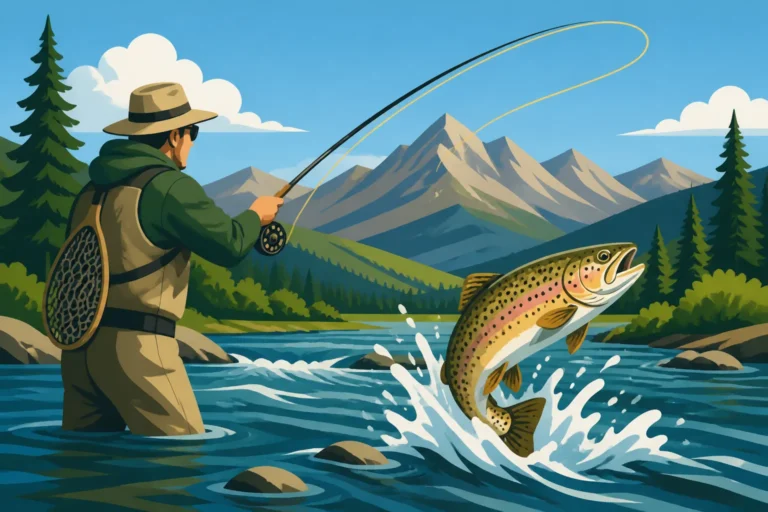
When you’re thinking about fishing the Gros Ventre, one fish truly stands out as the star of the show: the native Snake River Fine-Spotted Cutthroat Trout. These beautiful fish are indigenous to this region, known for their vibrant colors and, of course, the distinctive red or orange slash marks under their lower jaw that give them their name. They are typically very willing to rise to a well-presented dry fly, making them an absolute joy to target, especially for fly anglers. In the Gros Ventre, these cutthroat are generally smaller than what you might find in some of the larger, more nutrient-rich rivers like the lower North Platte, averaging 8 to 14 inches. However, what they lack in sheer size, they more than make up for in spirit and striking beauty.
Beyond the cutthroat, you might find other species, particularly in the upper, colder tributaries where isolated populations of brook trout can thrive. These smaller, colorful fish are always a fun catch, especially on light tackle. As you get closer to the confluence with the Snake River, particularly in the fall, there's a chance you might encounter larger brown trout that have migrated upstream from the Snake to spawn. While not the primary target, hooking into one of these aggressive, larger browns would certainly be a memorable bonus on the Gros Ventre. Understanding Snake River Fine-Spotted Cutthroat Trout is really key to appreciating this fishery.
Best Fishing Spots and Access Points on the Gros Ventre
Finding your ideal fishing spot on the Gros Ventre often comes down to how much effort you’re willing to put in and what kind of experience you’re seeking. Are you after pristine solitude deep in the wilderness, or do you prefer the convenience of roadside stops? The Gros Ventre truly offers both, though each comes with its own set of considerations. For comprehensive planning, platforms like FishingBooker can sometimes help connect you with local guides who specialize in the broader Jackson Hole area, which often includes insights into tributary access.
Upper Wilderness Sections and Backcountry Access
For the adventurous angler, the upper wilderness reaches of the Gros Ventre River offer an unparalleled experience. This is where you'll find truly wild, untouched waters, often with little to no fishing pressure. Access typically involves hiking, sometimes for multiple days, into the Gros Ventre Wilderness. Popular trailheads like the Gros Ventre River Trailhead or Crystal Creek Trailhead can serve as starting points, leading you into a network of trails that parallel the river or its smaller tributaries.
Prepare for rugged terrain, stream crossings, and potential wildlife encounters. Pack light but comprehensively, including bear spray, and be self-sufficient. The rewards, however, are immense: solitude, breathtaking scenery, and aggressive native cutthroat trout that rarely see a fly or lure. These fish are often eager to strike, making for incredibly active dry fly fishing during the summer months. Fishing these remote stretches truly embodies the spirit of Fishing Wyoming's Wilderness and Backcountry Lakes, though on a river system.
Middle River Gros Ventre Road Corridor
The most accessible and probably the most popular sections of the Gros Ventre River are those that parallel the Gros Ventre Road, which is a scenic route east of Jackson. This corridor offers numerous pull-offs and designated public fishing access points, making it a fantastic option for day-trippers or those looking for easier wading. You'll find a mix of riffles, runs, and deeper pools, often with undercut banks that provide excellent cover for trout. Areas around the confluence with Slate Creek, or just downstream of Slide Lake, are popular spots. Slide Lake itself, a natural landslide lake, drains directly into the Gros Ventre and often holds larger fish that occasionally venture into the river.
While roadside access means more potential for other anglers, the river here can be quite spread out, and a short walk away from the immediate road often leads to productive, less-pressured water. Pay attention to private land postings, as some sections along the road are privately owned; always respect boundaries. This is an ideal stretch for wade fishing, but be mindful of variable flows, especially during and after spring runoff.
Lower River Near the Snake River Confluence
As the Gros Ventre River approaches its powerful junction with the Snake River, the character of the fishery subtly changes. The river tends to widen, its flows become more consistent, and the habitat begins to blend with that of the larger Snake. This section, particularly in the fall, can be an exciting place to fish, not just for the resident cutthroat, but also for larger brown trout that might migrate up from the Snake River for spawning. Imagine a strong October brown, fat and feisty, moving into the Gros Ventre's clear waters!
Access in this lower reach can be found near the Gros Ventre Junction on Highway 26/89/191, just outside of Grand Teton National Park. While you won’t find guides directly focused only on the Gros Ventre, many outfitters for Guided Fly Fishing Trips in Jackson Hole, Wyoming might incorporate this confluence area into their Snake River trips, especially if conditions are favorable. Bank access is common here, but boat launches are typically reserved for the larger Snake River itself. This area often sees more traffic due to its proximity to Jackson and the national park, so early mornings or late evenings can be your best bet for a peaceful experience.
Effective Techniques and Seasonal Strategies for the Gros Ventre
Successfully fishing the Gros Ventre River requires an understanding of its unique environment and the behavior of its primary residents, the cutthroat trout. Whether you're a seasoned fly angler or prefer spin fishing, adapting your approach to the river's conditions and the time of year is paramount. Before heading out, always consult Wyoming Fishing Regulations Every Angler Should Know and specifically check the local rules for the Gros Ventre, as certain areas might have special restrictions, such as catch-and-release only or single barbless hook requirements.
Fly Fishing Tactics for Cutthroat
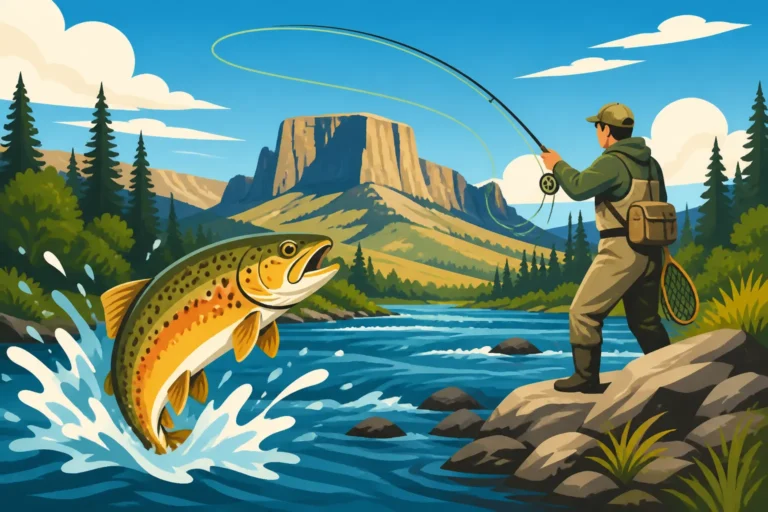
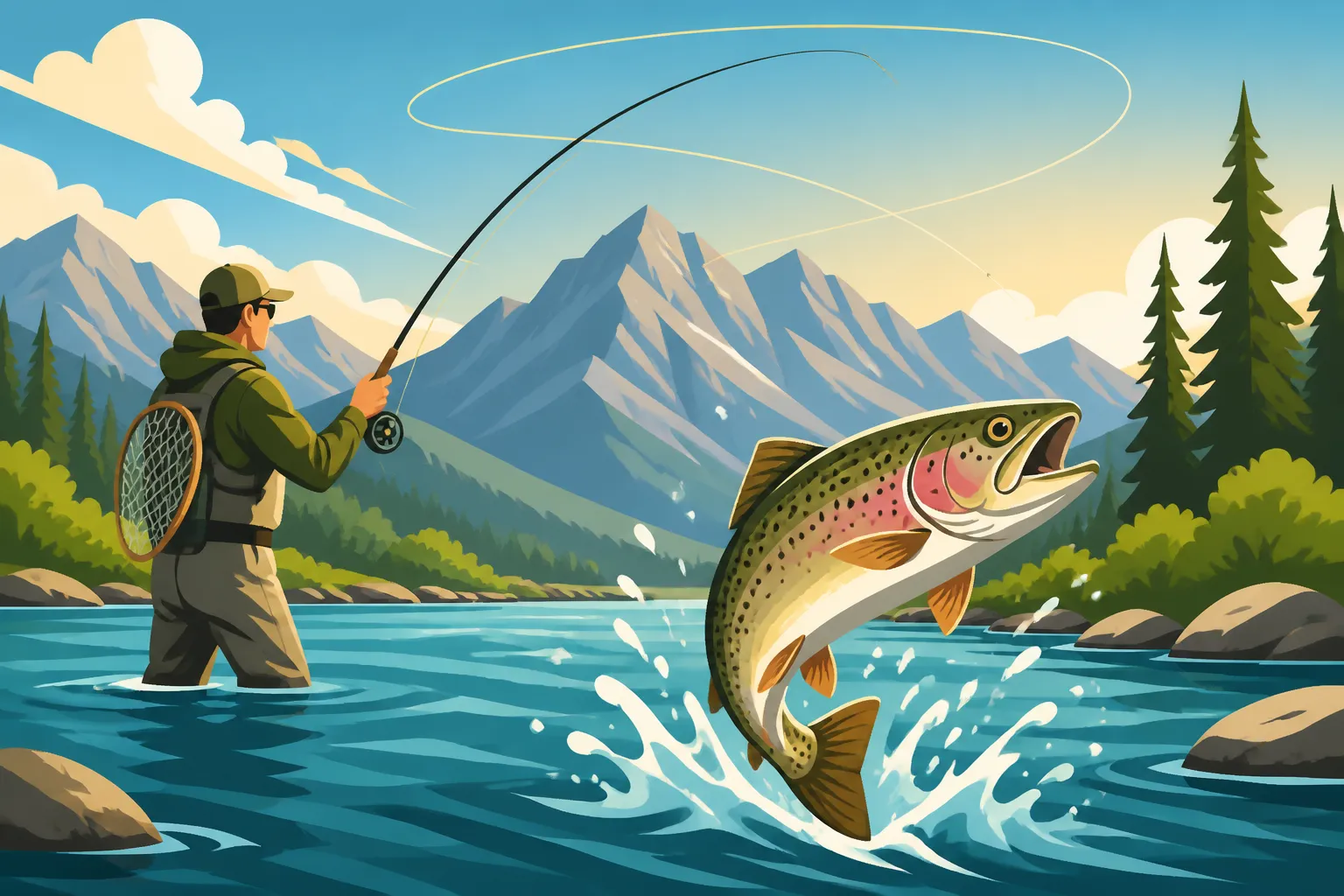
For many, fly fishing is the quintessential way to experience the Gros Ventre. Its abundant, eager cutthroat trout are often keen to rise to a dry fly, making for some incredibly visual and exciting fishing.
- Dry Fly Fishing: During the summer and early fall, dry flies are often your most effective weapon. Cutthroat are opportunistic and will readily come to surface patterns. Start with general attractor patterns like a Parachute Adams, Stimulator, or Royal Wulff in sizes #12-16. As the season progresses, be prepared to match specific hatches. Mid-summer can bring caddis and various mayflies (PMDs, Green Drakes, Golden Stoneflies), so having patterns like a Tan Caddis, Pale Morning Dun, or Chubby Chernobyl in your box is essential. On warmer days, or in late summer, don't shy away from terrestrial patterns like grasshoppers, ants, or beetles, particularly along grassy banks. A well-presented dry fly drift is crucial on this clear water, so stealthy approaches and accurate casting are vital. Learn more about Best Wyoming Fly Patterns for Cutthroat Trout for specific recommendations.
- Nymphing: When fish aren't actively rising, or during cooler periods, nymphing can be highly effective. A simple nymph rig, often fished under a strike indicator, can pick up fish holding in deeper runs, pools, and current seams. Basic patterns like a Pheasant Tail, Hare's Ear, Prince Nymph, or small stonefly imitations in sizes #14-18 are usually productive. Focus on getting a natural drift through prime holding water.
- Streamer Fishing: While not as common as dry fly or nymphing for the average cutthroat on the Gros Ventre, a small streamer (think Woolly Bugger or Sculpzilla in olive or black, sizes #8-12) can entice larger, more aggressive cutthroat, especially in deeper pools or during overcast conditions. This technique can also be effective if you're hoping to encounter one of those migratory brown trout near the Snake River confluence.
Spin Fishing Approaches for the Gros Ventre
Spin fishing on the Gros Ventre can also be incredibly productive, especially for beginners or those who prefer traditional tackle. The key is to use light gear and approach the river with stealth to avoid spooking the often wary trout in its clear waters.
- Light Tackle is Key: Opt for ultralight or light spinning rods (5-6 feet) with a sensitive tip and a small spinning reel spooled with 4-6 lb test monofilament or fluorocarbon line. This setup allows for accurate casts with small lures and provides a sporting fight even with smaller fish.
- Effective Lures: Small inline spinners are often the most consistent producers. Brands like Mepps (Aglia, Black Fury) and Panther Martin (original, gold blade) in sizes #0-2 (1/16 to 1/8 oz) in silver, gold, or black finishes are excellent choices. Small spoons like Kastmasters or Daredevles (1/16 to 1/8 oz) can also work well, particularly in deeper pools where you need to get down quickly. Cast upstream or across-stream and retrieve just fast enough to get the lure spinning or wobbling naturally with the current.
- Soft Plastics and Jigs: Tiny trout jigs or small soft plastic baits resembling worms or grubs (e.g., Berkley PowerBait Trout Worms) on lightweight jig heads (1/32 to 1/16 oz) can also be very effective, especially fished slowly along the bottom in pools or eddies. Some anglers also find success with small, scented artificial baits like PowerBait or Gulp! dough, but always double-check the regulations for specific bait restrictions on the Gros Ventre, as many Wyoming trout waters have limitations. For those new to the sport, learning Spin Fishing Techniques for Beginners can make a big difference.
Seasonal Considerations and River Conditions
The Gros Ventre River, like most mountain streams, is heavily influenced by the seasons and weather patterns. Being aware of these changes will greatly improve your fishing success. If you're planning a trip, platforms like FishingBooker might also offer regional guides in the greater Jackson Hole area who can provide current river conditions and insights.
- Spring (April-May): Early spring, before the main snowmelt, can offer good fishing, especially on warmer days. However, the prime challenge for Wyoming Spring Fishing: What to Expect is the inevitable spring runoff. This period, usually late May through June, sees the river swell with snowmelt, becoming high, fast, and often muddy. Fishing becomes extremely difficult, and it's generally best to avoid the river during peak runoff. Always check current streamflows and clarity reports from the Wyoming Game and Fish Department before heading out.
- Summer (June-August): Once runoff subsides (typically by late June or early July), the Gros Ventre comes alive. This is peak season, characterized by clear, fishable flows and abundant insect hatches. Dry fly fishing is exceptional, especially mid-morning and late afternoon into evening. As the water warms, fish might become more active in the cooler hours of the day. July and August are prime months for chasing cutthroat with dries, nymphs, and small spinners.
- Fall (September-October): Fall is arguably one of the most beautiful and productive times to fish the Gros Ventre. The crowds thin out, the aspen trees turn brilliant gold, and the fish become more aggressive as they prepare for winter. Dry fly fishing remains strong, especially with terrestrial patterns and late-season hatches. Crucially, this is also when larger brown trout might begin their migratory push upstream from the Snake River into the lower Gros Ventre, offering a shot at a trophy fish. Cooler water temperatures invigorate the cutthroat, making for excellent nymphing and streamer opportunities throughout the day. You'll definitely want to experience Wyoming Fall Fishing for Migrating Browns in this region.
- Winter (November-March): Winter fishing on the Gros Ventre is extremely challenging due to severe cold, ice formation, and limited access. Most anglers will focus on other fisheries during this time. The river isn't typically an ice fishing destination due to its flowing nature.
Understanding the river's flows, water clarity, and insect activity is paramount. Always check local conditions and be ready to adapt your approach to whatever the Gros Ventre throws at you.
Here's a quick overview of effective techniques and when to use them:
| Technique | Best Season | Primary Lures/Flies | Target Fish | Notes |
|---|---|---|---|---|
| Dry Fly Fishing | Summer, Fall | Parachute Adams, Stimulator, Caddis, Hoppers | Cutthroat | Best when fish are actively rising; stealth and presentation vital. |
| Nymphing | All year* | Pheasant Tail, Hare's Ear, Prince Nymph | Cutthroat, Brook | Effective when fish are deeper or not rising. |
| Streamer Fishing | Fall, Summer | Woolly Bugger (small), Sculpzilla | Cutthroat, Brown | Good for aggressive fish or larger trout, especially near Snake. |
| Inline Spinners | Summer, Fall | Mepps Aglia/Black Fury, Panther Martin (#0-2) | Cutthroat, Brook | Reliable for spin anglers; retrieve with current. |
| Small Spoons | Summer, Fall | Kastmaster, Daredevil (1/16-1/8 oz) | Cutthroat | Good for deeper pools and casting distance. |
*Note: Avoid during peak runoff in late spring/early summer.
Disclaimer
Fishing conditions and regulations in Wyoming can change frequently. Always consult the most current Wyoming Game and Fish Department regulations before heading out. This guide is for informational purposes only and does not constitute official advice. Ensure you have the proper licenses and stamps, such as the Wyoming Conservation Stamp and What It Covers, and are aware of any emergency closures or restrictions. Practice responsible catch and release, respect private property, and be mindful of wildlife, especially bears, in the backcountry.