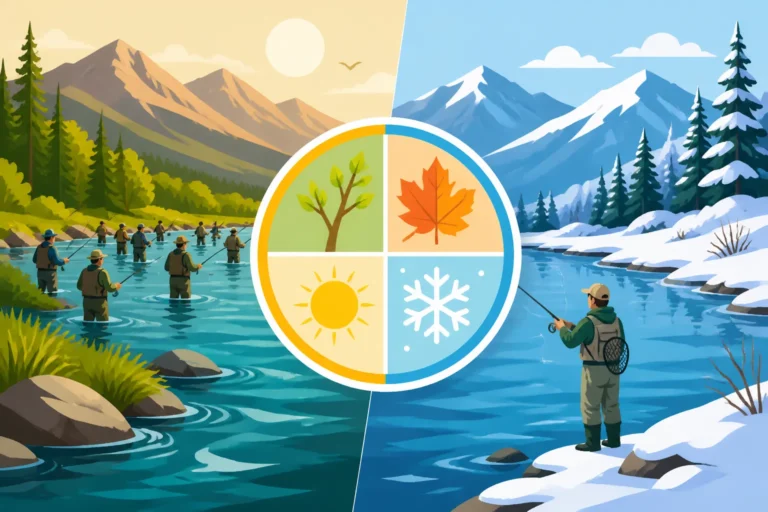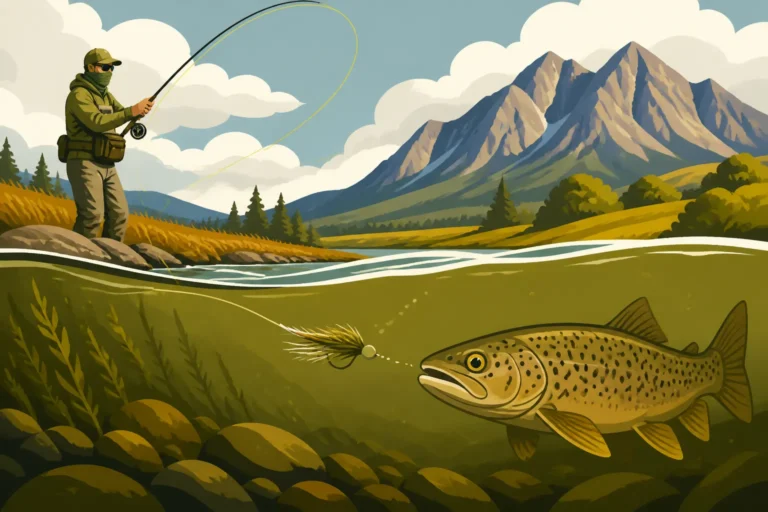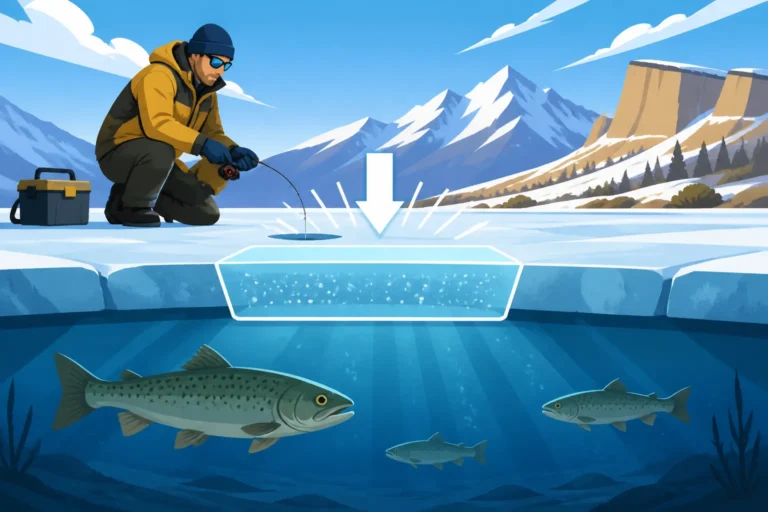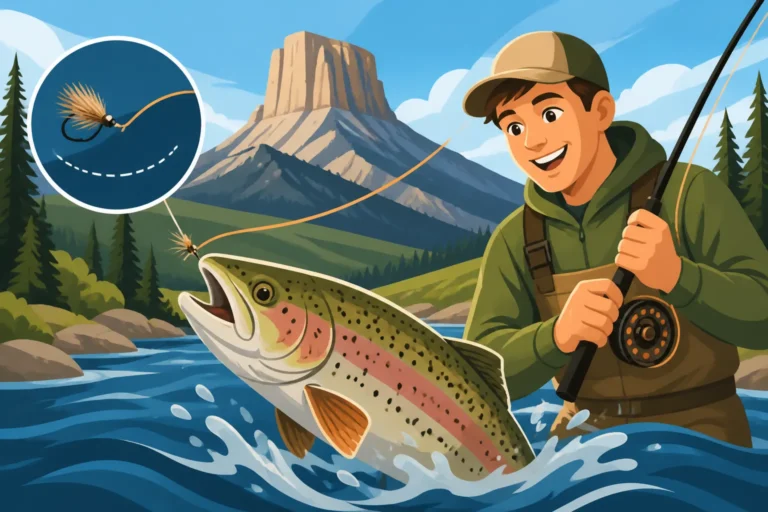
When Wyoming’s High Lakes Become Fishable
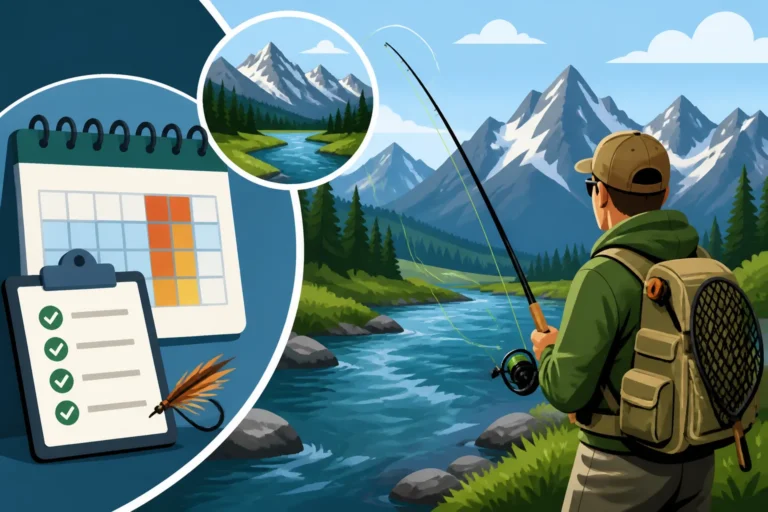
That longing for the high country, the crisp mountain air, the silent sapphire lakes reflecting jagged peaks – it’s a feeling every Wyoming angler knows. But nothing is more frustrating than meticulously planning a backcountry trip, hauling all your gear up to a remote lake, only to find it still locked under a thick sheet of ice. The truth is, knowing precisely when Wyoming's high lakes become fishable isn't just about calendar dates; it's about understanding a complex dance between elevation, snowpack, and temperamental mountain weather. This guide will walk you through the nuances, helping you time your next high-alpine adventure perfectly.
The Annual Thaw: Understanding Wyoming's High Lake Ice-Out
The melting of winter's grasp on Wyoming's high-alpine lakes is a gradual, fascinating process. It's not a single "event" but a season-long transition, heavily influenced by the previous winter and the current spring. For anglers, this means playing detective and being flexible with plans.
General Timing and Elevation Factors
The first thing to understand is that elevation is king when it comes to ice-out. Generally speaking, you can expect lakes in Wyoming's higher elevations, typically above 9,000 feet, to begin shedding their ice cover from late June and sometimes not fully clear until late July or even early August in very heavy snow years. Lakes at the lower end of that spectrum, say around 9,000 to 9,500 feet in areas like the Snowy Range or certain sections of the Big Horn Mountains, might start to see significant open water by the third or fourth week of June.
However, once you push into the truly rugged high country, like the Wind River Range or the Absaroka-Beartooth Wilderness, where many lakes sit at 10,000 to 11,000 feet and higher, the timeline shifts considerably. Here, full ice-out often doesn't occur until mid-July. Some of the most remote, highest-elevation lakes, particularly those nestled in shaded cirques or deep canyons that don't see much direct sunlight, can hold ice well into August. It's not uncommon to find small icebergs lingering on these waters even as late as mid-August, making for a very short, intense fishing season.
The Role of Snowpack and Spring Weather
The preceding winter's snowpack is arguably the single biggest determinant of when a high lake becomes fishable. A winter with above-average snowfall means more ice to melt and more snow lingering on the trails and surrounding mountainsides. This extra snow acts as a massive thermal blanket, keeping lake temperatures colder for longer and delaying the ice-out process. In these heavy snow years, you might find that lakes typically fishable by mid-July are still 80% ice-covered until the first week of August.
Conversely, a lean snow year followed by a warm, dry spring can accelerate the ice-out dramatically. We've seen years where lakes clear weeks ahead of schedule, offering an extended window of opportunity. However, a warm winter doesn't guarantee an early ice-out if a cold, wet spring follows. Persistent cloudy days, rain, and late-season snowstorms can slow the melt significantly, even if the overall snowpack was low. It's a constant push and pull, and Mother Nature always has the final say. Understanding When Wyoming's Alpine Lakes Usually Thaw is truly a yearly puzzle.
Identifying Fishable Conditions: More Than Just Open Water
Just because a lake is no longer covered in ice doesn't automatically mean it's ready for prime fishing. Several other factors play into creating truly fishable conditions, both in terms of access and the fish's willingness to bite. It's about safety and strategy.
Safe Access and Trail Conditions
One of the biggest misconceptions about high-lake fishing is that "ice-out" means "go time." The reality is, even after the lake is clear, the trails leading to it might still be treacherous. High mountain passes and north-facing slopes can hold significant snow drifts well into July, long after the valleys below are green. Navigating these snowfields can be dangerous, requiring ice axes, microspikes, and advanced route-finding skills. It's not just about the snow on the ground; rapidly melting snow can cause streams to swell into raging torrents, making river crossings hazardous or impossible.
Muddy trails, fallen trees, and unstable terrain are also common in the early season. Always check recent trail reports from the U.S. Forest Service, National Park Service (if applicable, like in Grand Teton), or local outfitting shops before heading out. Sometimes, even if the lake is technically fishable, the effort and risk to get there might outweigh the reward. You need to be prepared for all eventualities, and ensuring your What Gear to Pack for a Backcountry Fishing Trip list is complete is crucial.
Water Temperature and Fish Activity
Immediately after ice-out, even when the water is open, the lake's temperature is often still very cold, just a few degrees above freezing. Fish in these conditions tend to be sluggish and less active. They're still in a semi-dormant state, conserving energy. While you might catch a few, the explosive action often associated with high-lake fishing might not be present immediately. The prime time usually starts a few days to a week after the main ice clears, allowing the sun to warm the surface layers and stimulate insect activity.
This is where the concept of "turnover" comes into play. As the ice melts, the warmer surface water eventually sinks, and colder, deeper, oxygen-depleted water rises. This process can sometimes temporarily disrupt fish activity. However, as the lake fully stratifies with distinct temperature layers and oxygen levels stabilize, the fish become more active, moving into shallower areas to feed. Understanding How Water Temperature Changes Wyoming Trout Behavior is key to success in these delicate mountain ecosystems.
Prime Windows for High Lake Fishing: When the Bite is On
While ice-out is the official start, there are distinct phases throughout the short high-lake season, each offering unique opportunities and challenges for anglers. Timing your trip to coincide with these windows can drastically improve your success.
The "Ice-Out Bite" Phenomenon
The legendary "ice-out bite" is a short, often explosive feeding frenzy that occurs within days, sometimes hours, of a lake becoming largely ice-free. After a long winter under the ice, the fish are often ravenously hungry. As the ice pulls away from the shore, it exposes new foraging grounds, and a surge of aquatic insects (midges, leeches, scuds) that have been dormant or hiding become active and available. This is a crucial time, as the trout, particularly cutthroat and brook trout, will often cruise the shallow margins, aggressively feeding on anything they can find.
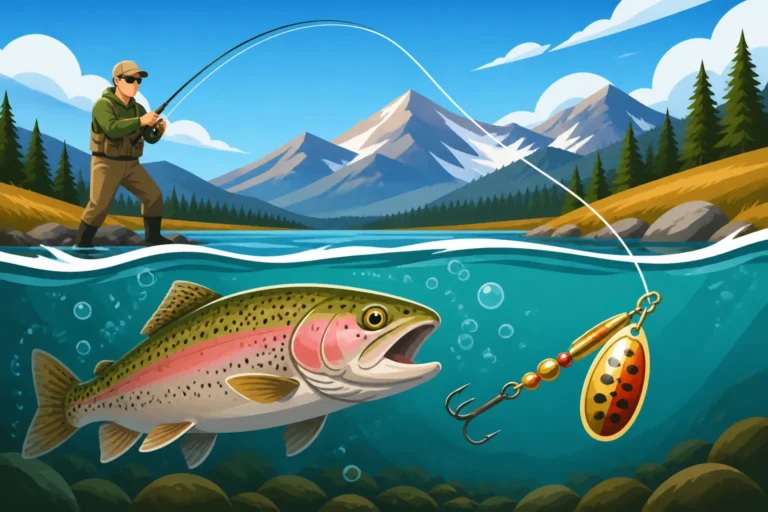
This window is characterized by fish that are less spooky, more willing to chase, and often concentrated in areas where the ice has just receded or where inflowing streams bring in warmer water and fresh food. Anglers often find success with streamers, small spoons, or even bait presented right along the edge of the receding ice or near rocky outcrops that absorb solar heat. The key here is to be present right when it happens, as this intense bite can sometimes last only a few days before fish spread out and become more selective.
Mid-Summer Stability and Terrestrial Action
As summer progresses, typically from late July through August, the high lakes reach their most stable conditions. The water temperatures are at their warmest (though still refreshingly cold compared to lowland lakes), and insect life is in full swing. This is when you'll see prolific hatches of caddis, mayflies, and midges, but the real game-changer in many high lakes is terrestrial insects. Grasshoppers, ants, beetles, and even cicadas (at slightly lower elevations) get blown into the water, providing a protein-packed meal for hungry trout.
During this mid-summer period, fish often become more selective, especially during midday bright sun. Early mornings and late evenings typically offer the best surface action, with trout rising to dry flies. During the brighter parts of the day, trout will often hold in deeper water, near structure, or in the shade of overhanging rocks. Fishing subsurface with nymphs or small streamers, or using heavier terrestrial patterns that imitate large insects, can still be effective. This is also a fantastic time for How to Fish a Wyoming Mountain Lake From Shore, as the shorelines are fully accessible.
Fall Fishing Before the Freeze
As September rolls in, the days shorten, and the nights grow colder, signaling the approach of winter. This transition period, usually mid-September to early October, can offer some truly spectacular high-lake fishing, particularly for species like brook trout and brown trout (where present) that begin their pre-spawn feeding. The cooler water temperatures reinvigorate the fish, and they become more aggressive, putting on weight before the lean winter months.
During the fall, the terrestrial bite might slow down, but baitfish patterns, streamers, and larger nymphs can be incredibly effective as trout chase larger meals. Weather, however, becomes more unpredictable. Snowstorms can move in quickly, and overnight freezing temperatures are common. The window for fall fishing is short and often dictated by the first significant snowfall or the initial skim of ice forming on the lake surface. It's a riskier time to venture into the high country, but the rewards can be massive for those willing to brave the elements.
Tools and Resources for Tracking High Lake Conditions
Trying to pinpoint the exact moment a high lake becomes fishable can feel like guesswork, but thankfully, there are several excellent resources available to help you make informed decisions. Don't rely solely on a calendar; become a conditions detective!
Wyoming Game and Fish Department Resources
The Wyoming Game and Fish Department (WGFD) is your absolute best friend when it comes to planning a fishing trip in the Cowboy State. Their website is a treasure trove of information. While they don't provide real-time ice-out reports for every single high lake (there are simply too many!), their regional offices are an invaluable resource. Contacting the appropriate WGFD regional office for the area you plan to visit can yield up-to-the-minute information on snow levels, trail conditions, and even anecdotal reports from field biologists or wardens who have been in the area.
Beyond direct contact, regularly checking the WGFD's online fishing reports and news releases can provide clues. For instance, if they announce stocking events for specific high-elevation lakes, it's a strong indicator that access is open and the lakes are clear. They also offer details on Where to Find Current Wyoming Fishing Regulations, which often include water-specific notes that might hint at seasonal accessibility. Keep an eye on their social media too; sometimes, they'll post photos or updates that give visual cues on conditions.
Satellite Imagery and Webcams
In today's digital age, you can often "see" the conditions of remote lakes from your computer screen. Satellite imagery, particularly from sources like NASA Worldview or commercial platforms that provide more frequent, higher-resolution images, can be incredibly useful. While these aren't always real-time, looking at recent passes can show you the extent of ice cover on larger lakes. Smaller, very high-elevation lakes might be harder to discern, but you can usually get a good sense of the overall snowpack in a given mountain range.
For areas with major trailheads or nearby resorts, webcams can offer a live look at weather and snow conditions, even if they don't point directly at your target lake. While less common for truly remote high lakes, if your destination is near a popular access point (like certain areas in Grand Teton National Park that have visitor center webcams), these can provide a visual snapshot. Combining these digital tools with weather forecasts for high elevations gives you a powerful planning advantage.
Local Outfitters, Forums, and Word of Mouth
Hands down, one of the best sources of real-time, hyper-local intelligence comes from the people on the ground: local fly shops, outdoor outfitters, and fellow anglers. Shops like Two Rivers Fishing Company in Pinedale or stores in Dubois and Lander often have guides and employees who are constantly in the high country. They hear reports daily and can tell you exactly what's melting, what's accessible, and where the fish are biting. They can even advise on specific fly patterns for Best Wyoming Fly Patterns for Cutthroat Trout at certain times.
Online fishing forums and social media groups dedicated to Wyoming fishing are also fantastic. Anglers are usually eager to share their experiences and recent observations. Just be sure to cross-reference information and be respectful. Word of mouth, whether from a friend who just got back from a trip or a quick chat with another angler at a trailhead, can be invaluable. This communal intelligence often fills in the gaps that official reports or satellite images can't provide, painting a more complete picture of current conditions.
Essential Gear for Early and Late Season High Lake Excursions
Venturing into Wyoming's high country, especially during the shoulder seasons of early summer and late fall, demands careful preparation and the right gear. The mountains are beautiful but unforgiving, and conditions can change rapidly. Being properly equipped is not just about comfort; it's about safety.
Layering for Unpredictable Mountain Weather
One minute it can be sunny and warm, the next a hail storm rolls in, followed by freezing temperatures as the sun drops behind the peaks. Layering is not just a suggestion; it's a necessity for high-lake fishing. Start with a moisture-wicking base layer (synthetic or wool) to manage sweat. Add an insulating mid-layer like a fleece or a puffy jacket for warmth. For your outer layer, a waterproof and windproof shell jacket and pants are absolutely non-negotiable. Even on a clear day, unexpected rain or a sudden gust of wind can lead to rapid hypothermia if you're not protected.
Don't forget accessories. A warm hat, preferably one that covers your ears, and a good pair of gloves are essential, even in summer. The mornings and evenings, particularly above 10,000 feet, can be surprisingly cold. Sunglasses are also a must, not just for glare off the water, but to protect your eyes from intense UV radiation at high altitudes. You can find excellent options for all these specialized outdoor clothing items on Amazon, often with reviews from other high-country adventurers.
Footwear and Navigation for Challenging Terrain
Your feet are your most important tools for reaching these remote fisheries, so invest in high-quality, sturdy, waterproof hiking boots. They should offer good ankle support and have excellent grip for navigating rocky trails, muddy patches, and potentially lingering snowfields. Pair them with moisture-wicking wool or synthetic socks to prevent blisters and keep your feet dry. It's often wise to bring a second pair of socks to change into at camp or after a long hike.
Navigation is another critical aspect that can't be overlooked. While well-used trails might be visible, deep snow patches can obscure the path, and unexpected stream crossings can force detours. Always carry a physical map and a compass, and know how to use them. A reliable GPS device or a smartphone with downloaded offline maps (and a portable charger!) can be a lifesaver. Even on familiar trails, unexpected weather or a wrong turn in dense timber can disorient you quickly. A good quality backpack, which you can easily find on Amazon, is essential for carrying all this vital safety and fishing gear. For truly remote areas, considering a personal locator beacon (PLB) is also a wise decision. When planning your route, be sure to check if you need a specific permit for Fishing Wyoming's Wilderness and Backcountry Lakes.
Species-Specific Timing and Strategies for High Lakes
While many high lakes hold a mix of trout species, understanding the nuances of each can help you tailor your approach and improve your chances of success during the various ice-out windows. Different fish respond differently to changing water conditions.
Targeting Cutthroat and Brook Trout
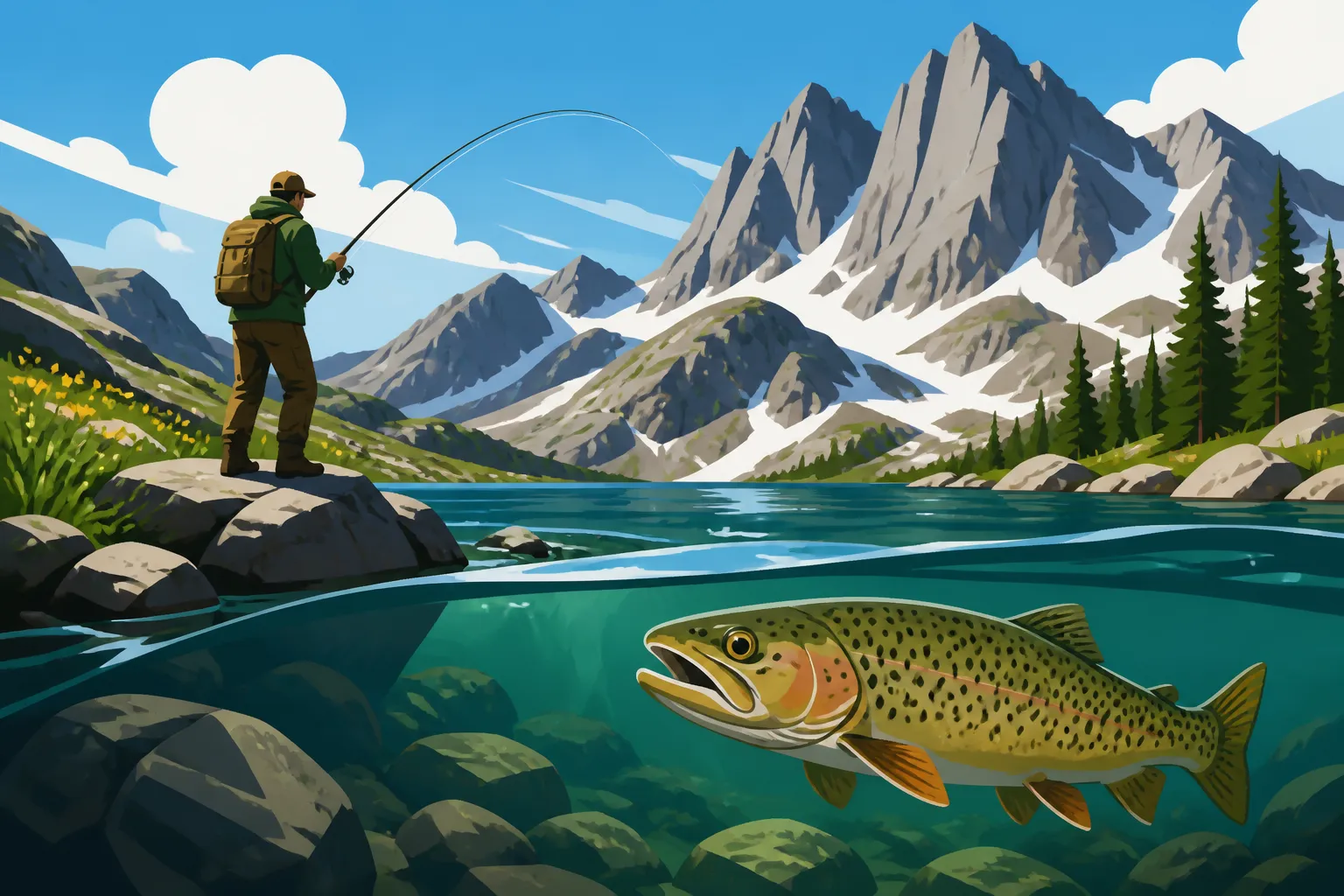
Cutthroat and brook trout are arguably the most common and often the most accessible species in Wyoming's high lakes. Both thrive in cold, clear water and are usually among the first to become active after ice-out. Yellowstone Cutthroat Trout, in particular, are Wyoming's state fish and a native species to many high-elevation drainages. They are opportunistic feeders, making them a great target for early season. After a long winter, they are typically less picky and will readily strike at streamers, nymphs, and even small spoons or spinners presented near the receding ice edges or around rocky points.
Brook trout, though often smaller, are incredibly aggressive. They're quick to colonize small, isolated lakes and can sometimes be found in prolific numbers. Like cutthroat, they are very active during the initial ice-out period, often found cruising the shallows. During mid-summer, both species will rise eagerly to dry flies when hatches are present, but also don't shy away from subsurface presentations. Later in the fall, brook trout will often concentrate for spawning in shallow inlet areas, providing another intense, albeit short, fishing window. For more specific details, you can consult guides on Cutthroat Trout Fishing in Wyoming and Brook Trout Fishing in Wyoming.
Seeking Golden Trout and Other Char
Golden Trout are the jewels of Wyoming's high country – stunningly beautiful and often found in the most remote, pristine lakes. These fish are typically found at higher elevations than cutthroat or brook trout and often require significant effort to reach. They are also known for being a bit more elusive and cautious. While they too become active after ice-out, they might not exhibit the same frenzied bite as cutthroat. Golden trout often prefer smaller presentations, delicate dry flies, or tiny nymphs mimicking emerging insects. Their habitat is frequently barren and rocky, so finding subtle structure can be key.
Beyond Golden Trout, some deeper, colder high-alpine lakes might also hold char, like Arctic Grayling (which are also beautiful, sail-finned fish often stocked in certain high lakes). These species tend to be more sensitive to warmer water and are often found in deeper sections of the lake during the peak of summer. Targeting them may require fishing deeper with small jigs or weighted nymphs. Due to their often fragile populations and the pristine nature of their habitat, catch-and-release is strongly encouraged for these magnificent fish. If you're specifically pursuing these elusive beauties, a guide like Golden Trout Fishing in Wyoming can provide more in-depth information.
When Wyoming's High Lakes Typically Become Fishable by Elevation
To give you a general idea, here's a rough timeline for ice-out in Wyoming's high-alpine lakes based on elevation. Remember, these are estimates and can vary wildly each year!
| Elevation Range | Typical Ice-Out Window | Characteristics & Fishing Notes |
|---|---|---|
| 9,000 – 10,000 ft | Late June – Early July | Often the first high lakes to clear. Accessible trails may still have snow patches. Good early season bite for cutthroat and brook trout. |
| 10,000 – 11,000 ft | Mid-July – Late July | Core high-alpine lakes. Trails likely to have significant snow, especially on passes. Intense ice-out bite for cutthroat, brook, and potentially golden trout. |
| 11,000+ ft | Late July – Early Aug | Highest, most remote lakes. Significant snowpack often persists. Ice-out can be very late, sometimes not fully clear until mid-August. Short, but potentially epic, fishing window for golden trout and cutthroat. |
| Shaded Cirques/Deep Canyons | Up to Mid-Aug | Lakes in sheltered, north-facing basins, regardless of exact elevation, will hold ice the longest. Access will be challenging; fishing window is extremely short. |
This table is a good starting point for planning your adventure. For detailed month-by-month expectations, you might also find Wyoming Fishing Seasons Month by Month a helpful resource.
Disclaimer
Fishing in Wyoming's high country involves inherent risks, including but not limited to rapidly changing weather, difficult terrain, wildlife encounters, and sudden emergencies. Always prioritize safety, check current weather and trail conditions, inform someone of your itinerary, and be prepared for self-rescue. Adhere to all Wyoming Game and Fish Department regulations, including licensing, bag limits, and any special restrictions for specific waters or species. This guide is for informational purposes only and should not replace professional advice or personal judgment.