Fishing Wyoming Lakes After a Cold Front
There are few things more disheartening for an angler than planning a perfect Wyoming lake fishing trip, only for a sudden cold front to roll through and seemingly shut everything down. One day the fish are biting, the next it feels like the water is barren. This common frustration stems from drastic changes in fish behavior, but don't despair! This guide will walk you through understanding why fish act differently after a cold front and, more importantly, how you can adapt your strategies to still find success on Wyoming's beautiful lakes.
Understanding Cold Fronts and Their Impact
Cold fronts in Wyoming are a common occurrence, especially during the shoulder seasons of spring and fall, but they can surprise us even in summer. These dramatic weather shifts aren't just about a drop in air temperature; they bring a cascade of environmental changes that fundamentally alter a fish's world.
What Defines a Cold Front in Wyoming
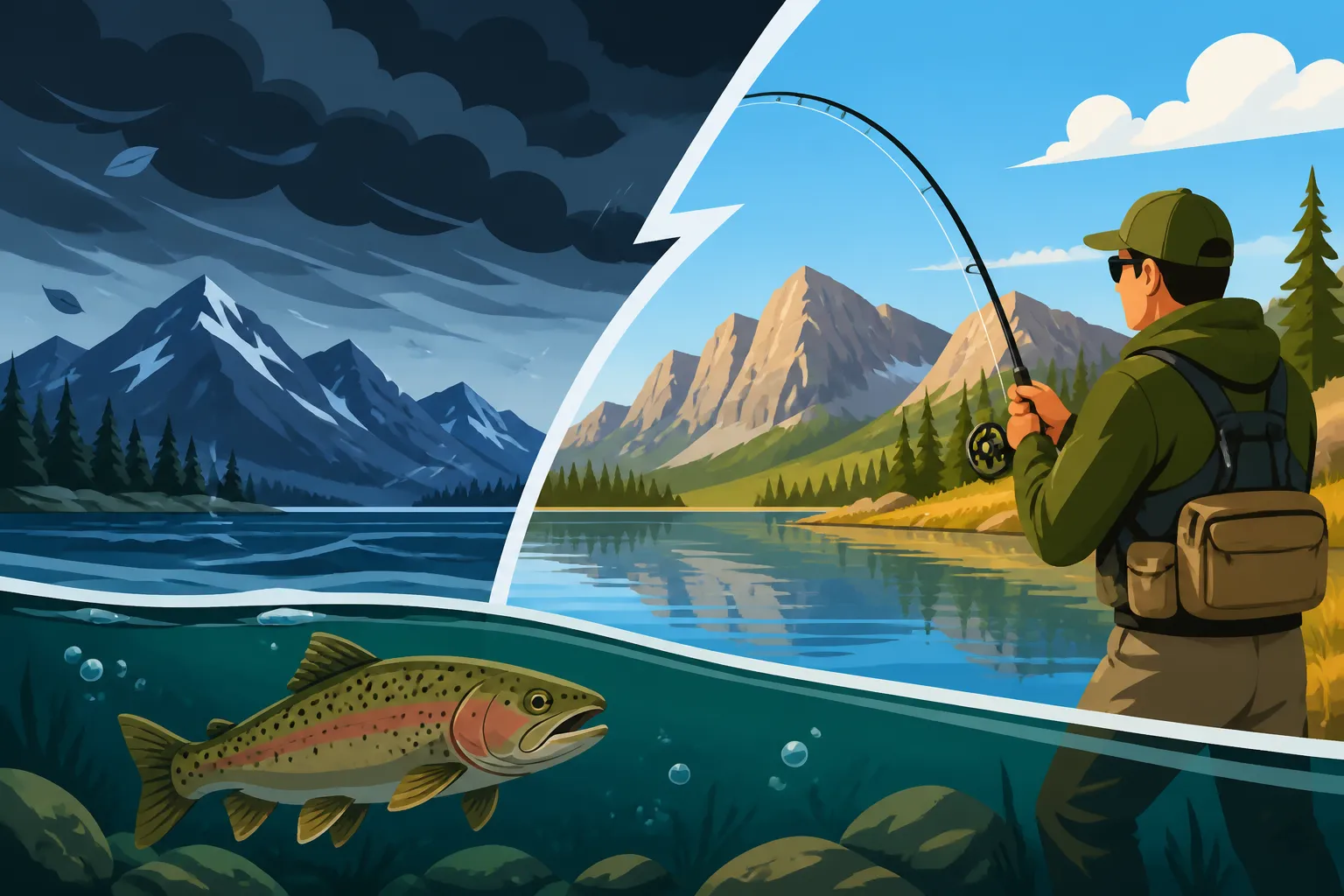
Imagine a beautiful, stable day on Flaming Gorge Reservoir – mild temperatures, calm winds, and maybe a few clouds. Then, a fast-moving, dense mass of cold air pushes into the region, displacing the warmer air. This is a cold front. In Wyoming, these fronts are often characterized by a rapid and significant drop in air temperature, sometimes by 20-30 degrees Fahrenheit or more within a few hours. They're usually accompanied by strong winds, rain or snow, and a sudden spike in barometric pressure. This quick change from stable high pressure to a sudden, often intense, low-pressure system, followed by rising high pressure again, is the key factor that throws fish off their game.
Think about fishing on Jackson Lake. One afternoon you might be enjoying comfortable conditions, and the next morning you wake up to frost on your tent, howling winds, and a gray, angry sky. That's a classic Wyoming cold front in action, and it dramatically impacts not just the surface of the water, but the entire aquatic environment underneath.
Immediate Effects on Water and Fish
The immediate aftermath of a cold front is where most anglers feel the pain. The first thing you'll notice is the drop in air temperature, which quickly starts to cool the surface water, especially in shallower areas. This rapid cooling can send fish scrambling. But it's not just temperature. That sudden rise in barometric pressure acts like a heavy blanket pressing down on the water, and fish, with their sensitive swim bladders, feel this change acutely.
Many species, particularly trout, become lethargic and less inclined to feed actively. It's akin to how some people get headaches or feel sluggish when the weather changes dramatically. This effect is especially pronounced for species like Yellowstone cutthroat trout or rainbow trout, which are highly tuned to their environment. You'll notice them moving deeper, seeking stable temperatures and pressure, or simply suspending motionless. Understanding How Water Temperature Changes Wyoming Trout Behavior is crucial here, as even a few degrees can make a world of difference.
Long-Term Impacts on Lake Ecology
While the immediate effects are challenging, cold fronts also have longer-term ripple effects on the entire lake ecosystem. The mixing of water due to strong winds can distribute nutrients differently, and if the cold front brings significant precipitation, it can increase turbidity (cloudiness) in the water, especially near inlets. This can make sight-feeding fish less effective hunters.
Over several days, if the cold weather persists, the entire thermal profile of the lake can shift. This might push baitfish to new areas, and where the baitfish go, the predatory fish will eventually follow. However, in the immediate post-front days, the fish often prioritize comfort and safety over feeding aggressively. They're not necessarily starving; they're just not feeling it. This period of adjustment means anglers need to put aside their usual strategies and embrace a more nuanced approach.
How Fish React to Post-Front Conditions
It's easy to assume fish just disappear after a cold front, but they don't. They simply change their behavior in response to the environmental stress. Knowing these common reactions is half the battle to figuring out how to catch them.
Trout's Sensitivity to Pressure and Temperature
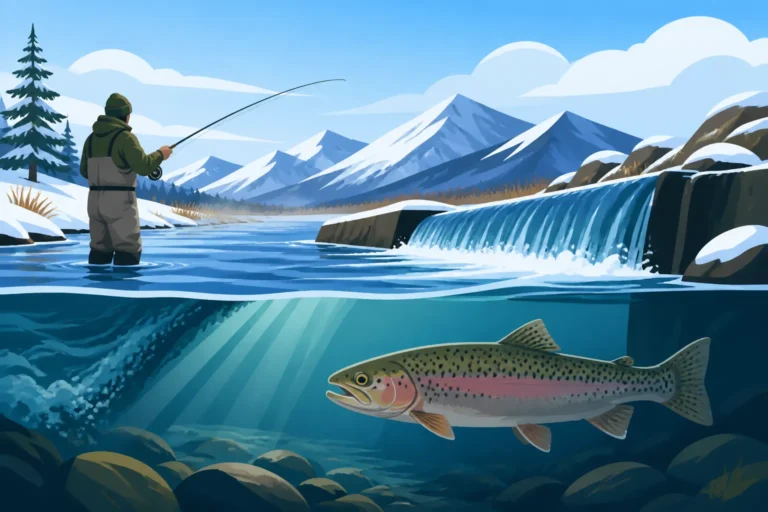
Trout are notoriously sensitive to cold fronts. Their bodies are finely tuned to stable conditions. When the barometric pressure rises and the water temperature drops, these changes directly affect their metabolism and comfort. You'll often see trout, whether it's the large lake trout of Flaming Gorge or the smaller brook trout in a high mountain lake, moving to deeper water.
They're seeking refuge where the water temperature is more stable and the barometric pressure changes are less abrupt. This means they're less likely to be cruising shallow flats or aggressively feeding on the surface. Instead, they might hug the bottom, suspend in deeper water over submerged structures, or move into areas with slightly warmer springs if available. Their strike zone shrinks, and their willingness to chase a lure diminishes significantly. This is when What Water Temperature Trout Stop Biting At becomes a very real concern for anglers.
Walleye and Other Species' Responses
While trout are sensitive, other species like walleye, smallmouth bass, or perch also feel the effects. Walleye, for instance, are often light-sensitive and prefer deeper, darker waters even on good days. After a cold front, their already cautious nature becomes even more pronounced. They'll typically drop even deeper, becoming extremely lethargic and requiring very slow, precise presentations.
Smallmouth bass, found in reservoirs like Boysen or Flaming Gorge, might also move to deeper rock piles or submerged timber. They'll still be there, but they won't be as aggressive. Perch, often a staple baitfish for larger predators, might huddle in dense schools near the bottom. The common thread across almost all species is a move towards deeper, more stable environments, a reduction in activity levels, and a pickier appetite. They’re not actively hunting; they're more likely to react to an easy meal that practically falls into their mouths.
Adjusting Your Tactics: Lure and Bait Selection
When fish are in a post-cold front funk, simply casting your usual go-to lures isn't going to cut it. This is the time to slow down, downsize, and focus on enticing rather than provoking.
Go Slow, Go Small: Downsizing Your Presentation
The biggest mistake anglers make after a cold front is fishing too fast. When fish are lethargic, they aren't going to chase down a rapidly retrieved spinner or a quickly jigged spoon. You need to present your lure right in front of their face, and it needs to look like an easy, irresistible meal.
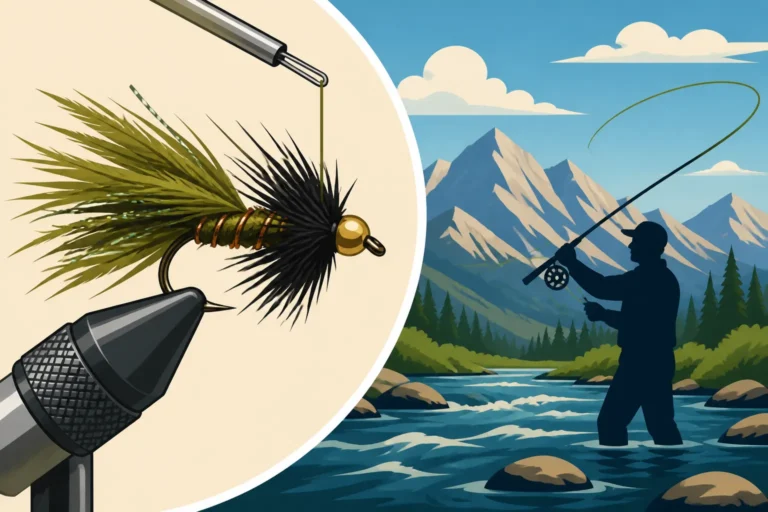
This often means downsizing. If you were throwing a 4-inch swimbait before the front, try a 2-inch grub or a small tube jig. For fly anglers, this might mean going to smaller nymphs or emergers presented deep and slowly. The key is to reduce the retrieve speed to an absolute crawl. Let your lure sit on the bottom for extended periods, impart only the slightest twitches, and pay incredibly close attention for the faintest tap. Sometimes, the bite will feel like nothing more than extra weight on your line.
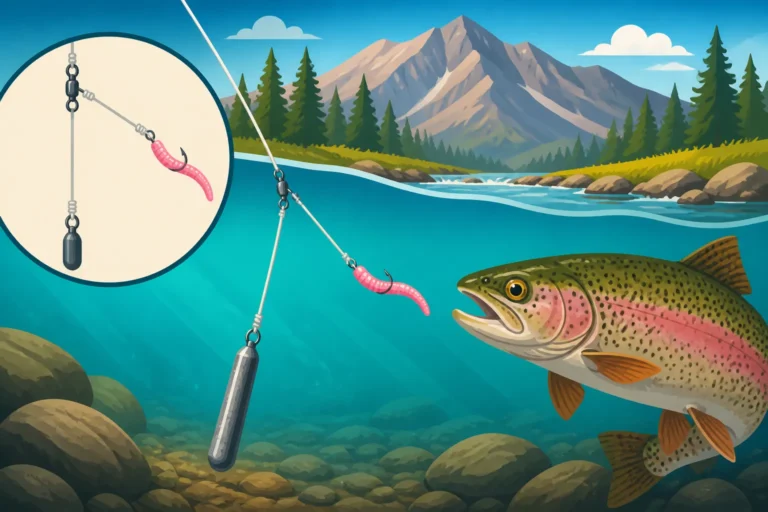
Consider using slow-sinking or neutrally buoyant lures that can suspend in the fish's strike zone for a longer duration. Soft plastics, like small worms or creature baits, rigged on a dropshot or a light jig head, can be deadly. If you're using conventional tackle, a pack of various small soft plastic grubs and jig heads from a brand like Amazon Basics can be an economical way to stock up on these vital presentations. For trout, exploring Best Lures for Wyoming Rainbow Trout will give you specific ideas for downsizing that work even when fish are finicky.
Natural Baits and Scent for Finicky Eaters
When fish are picky, nothing beats natural bait and the added attraction of scent. Live bait, when legal, can be incredibly effective because it offers movement, scent, and a natural look that even the most lethargic fish struggle to ignore. Worms, minnows (check local regulations carefully!), or even PowerBait for trout, presented on a light wire hook with minimal weight, can turn a tough day into a productive one.
If live bait isn't an option, or you prefer artificials, then scent becomes your best friend. Many soft plastics come pre-scented, or you can add scent directly to your lures. Gels, sprays, or pastes can mask human odors and add an enticing aroma that encourages fish to hold onto your lure longer, giving you more time to detect the bite and set the hook. Even adding a small piece of corn (where legal and appropriate for the target species) or a salmon egg to a tiny jig can make all the difference. Remember, the goal is to make the offering as appealing and easy to consume as possible.
Where to Find Fish After a Cold Front
Fish don't vanish after a cold front; they simply relocate to more comfortable and secure areas. Your job as an angler is to predict these new hideouts.
Deeper Waters and Structure
The most common migration after a cold front is to deeper water. As mentioned, this provides more stable temperatures and pressure. On large reservoirs like Seminoe or Pathfinder, this could mean moving from 10 feet of water to 30 or even 60 feet. Don't be afraid to fish deeper than you normally would.
But it's not just about depth; it's about what's in that deep water. Fish will relate heavily to structure – drop-offs, submerged rock piles, humps, ledges, old creek channels, or standing timber. These features offer cover, ambush points (even for lethargic fish), and often concentrate baitfish. Learning How to Fish Deep Structure for Lake Trout can give you a significant advantage, as the principles apply to many other species seeking refuge.
Use your electronics (fish finder, sonar) to locate these deeper structures and observe any fish arches hugging the bottom or suspended nearby. If you don't have fancy electronics, look for visible cues on shore that indicate underwater structure, like rocky points extending into the water or abrupt changes in shoreline topography.
Focusing on Thermal Breaks and Submerged Features
Sometimes, even subtle thermal breaks can be fish magnets after a cold front. These are areas where warmer and colder water meet, creating a slight temperature gradient that fish might find more comfortable. This could be near a deep spring, where a stream enters the lake (especially if the stream water is warmer), or even areas where sunlight penetrates deeper for longer periods on clear days, slightly warming specific zones.
Submerged features like weed lines, brush piles, or flooded timber also become critical. Even if the fish aren't actively feeding, they will often hold tight to these features for cover and security. A slow, methodical approach, almost dragging your lure through these areas, can be incredibly effective. Imagine a walleye tucked tight into a submerged bush in Boysen Reservoir after a front – it might not move far for food, but if a worm or a small jig drifts right past its nose, it's an easy meal. This is where a good sonar unit, potentially purchased from a retailer like Amazon, can be invaluable for identifying these subtle yet crucial holding spots.
Specific Techniques for Different Lake Types
Wyoming offers a diverse range of fishing experiences, from vast reservoirs to intimate mountain lakes. Your cold front strategy needs to be tailored to the specific type of water you're fishing.
Large Reservoirs vs. Smaller Mountain Lakes
Large Reservoirs (e.g., Flaming Gorge, Boysen, Glendo): These vast bodies of water offer a lot of room for fish to roam and find deeper, more stable environments. After a cold front, fish will often push into the main lake basin, retreating from the shallower arms and bays. Focus your efforts on deep points, submerged humps, and the edges of old river channels.
Trolling can still be effective, but you'll want to slow down your speed considerably. Try trolling deep-diving crankbaits or spoons very slowly, sometimes even pausing your retrieve to let the lure flutter enticingly. Jigging spoons or heavy plastics vertically over marked fish or structure can also produce bites. For walleye, specifically, check out Jigging for Walleye at Boysen Reservoir for insights that apply well to post-front conditions. Remember, you might need heavier weights to get your presentation down to where the fish are holding in these big water bodies.
Smaller Mountain Lakes (e.g., high-alpine lakes in the Wind River Range): These lakes are more susceptible to rapid temperature drops due to their shallower nature and higher elevation. Fish here, often cutthroat, brook, or golden trout, will still seek depth but on a smaller scale. Look for the deepest parts of the lake, drop-offs near shore, and areas with submerged rocks or timber.
Fly fishing often involves weighted nymphs or streamers fished very slowly and deep, sometimes even with an indicator to detect subtle takes. Spin anglers should use small jigs, weighted spinners, or natural baits (where allowed) cast out and retrieved at a glacial pace. Focus on getting your offering to the bottom and twitching it. The beauty of these lakes is that the fish can't go that deep, so finding their thermal comfort zone might be a bit easier, though they'll still be finicky. The knowledge from When Wyoming's Alpine Lakes Usually Thaw also offers insight into the thermal dynamics of these environments, which is helpful context.
Shore Fishing vs. Boat Fishing Post-Front
Boat Fishing: Having a boat, especially one equipped with a good fish finder and a trolling motor, gives you a huge advantage after a cold front. You can cover more water, probe deeper depths, and precisely position yourself over structure. Drifting slowly with the wind while dragging jigs or bait along the bottom, or slowly trolling specific contours, can be incredibly effective. This allows you to present your lure to a wider range of fish hiding in various depths and structural elements.
Shore Fishing: Don't despair if you're a shore angler! While challenging, it's still possible to catch fish. The key is to seek out areas that offer immediate access to deeper water. Look for steep drop-offs, rocky points, or areas where the lake bottom quickly plunges. These spots are often accessible from shore and allow fish to move into deeper water without venturing too far from the bank.
Use long casts to reach deeper water, and once your bait or lure is on the bottom, retrieve it very, very slowly. Bottom fishing with natural bait can be particularly effective. A simple worm or piece of PowerBait on a slip-sinker rig cast out and left to sit can be your best bet. Be patient, as bites will be light and infrequent. Sometimes, bringing a small folding chair and a good book to these spots, along with your trusty rod and reel, is the best strategy.
| Factor | Before Cold Front (Stable Weather) | After Cold Front (Unstable/Post-Front) |
|---|---|---|
| Fish Activity | Active, aggressive, chasing prey | Lethargic, finicky, reluctant to chase |
| Fish Location | Shallower water, cruising, feeding on surface/near surface | Deeper water, tight to structure, suspended near bottom |
| Lure Size | Larger, more aggressive presentations | Smaller, subtle, natural presentations |
| Retrieve Speed | Moderate to fast, erratic movements | Extremely slow, pausing, minimal action |
| Bait Preference | Reaction strikes from artificials, some natural bait | Natural baits, scent-enhanced artificials, easy meals |
| Key Zones | Flats, weed lines, open water | Deep drop-offs, submerged humps, rock piles, thermal breaks |
| Best Time | Mornings, evenings, overcast days | Midday (if sun breaks), stable periods after initial shock |
Essential Gear and Preparation
Fishing after a cold front requires not just a change in tactics, but also thoughtful preparation in terms of gear and personal comfort.
Electronics and Temperature Gauges
If you're fishing from a boat, your electronics are your best friends. A good fish finder is crucial for locating those deeper structures where fish are holding. Look for detailed contour maps to identify submerged features, and use your sonar to mark fish. Pay close attention to the depth at which fish are holding and try to present your lure at or just above that depth.
A water temperature gauge is also an invaluable tool. Even subtle temperature changes can indicate a thermal break or a comfort zone for fish. Knowing the surface temperature and the temperature at various depths (if your unit allows) can help you hone in on the most productive areas. You can find reliable portable temperature gauges on Amazon that easily clip onto your boat or gear bag. Remember, fish will be seeking stability, so finding those pockets of consistent temperature can be key.
Dressing for Success in Unpredictable Weather
Wyoming weather is famously unpredictable, and after a cold front, it can be downright brutal. Dressing in layers is absolutely non-negotiable. Start with a moisture-wicking base layer, add insulating mid-layers like fleece or wool, and top it off with a waterproof and windproof outer shell. Even if the sun breaks, the wind can be piercingly cold.
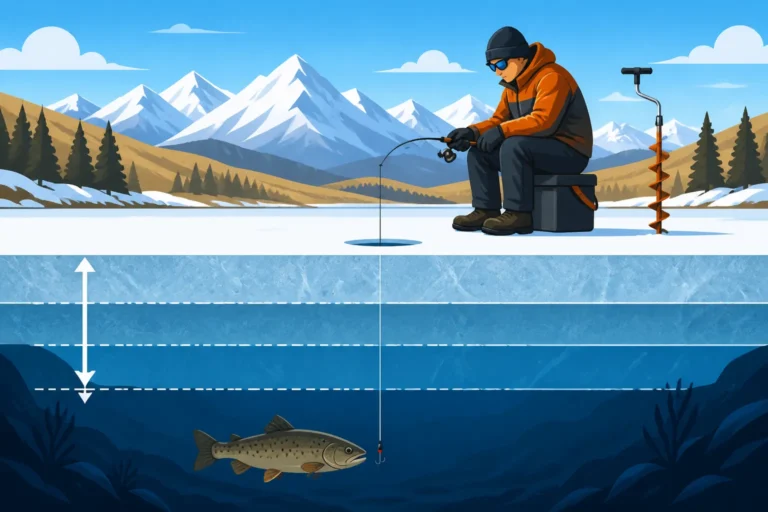
Don't forget warm headwear, gloves, and waterproof footwear. Sitting for long periods in a boat or on the bank in cold, damp conditions can quickly lead to discomfort and distract you from detecting those subtle bites. Staying warm and dry allows you to concentrate on fishing, which is critical when every little tap counts. Good quality fishing gloves, particularly those designed for dexterity, are a fantastic investment you can easily pick up from Amazon before your trip. For more extensive advice on staying comfortable, consider reading up on What to Wear Ice Fishing in Wyoming, as many of the principles of cold-weather layering apply even when the lake isn't frozen.
Remember, fishing after a cold front tests your patience and adaptability, but it also offers a unique challenge and the immense satisfaction of earning a hard-won catch. Good luck out there!
Disclaimer
The information provided in this guide is for general informational purposes only and does not constitute professional advice. Fishing regulations, conditions, and fish behavior can change rapidly. Always consult the latest Wyoming Game and Fish Department regulations before fishing, and prioritize your safety on the water.