Best Time to Fish Before First Ice
That unique window just before the ice completely locks up Wyoming's lakes and reservoirs can be one of the most productive, yet challenging, times to fish. Anglers often struggle with the unpredictable weather, fluctuating water temperatures, and the nagging question of whether the ice is safe enough to venture out, even just to the edges. This guide is all about helping you pinpoint that sweet spot, understand what's happening beneath the surface, and equip you with the knowledge to make the most of this fleeting, fantastic opportunity.
The Magic of the Pre-Ice Window
The transition from late fall's chill to the complete freeze of winter offers a distinct and often incredibly rewarding fishing experience. It's a period of intense activity for many fish species, driven by instinct and changing conditions. Understanding this brief but critical timeframe is key to success.
Defining the Transition Period
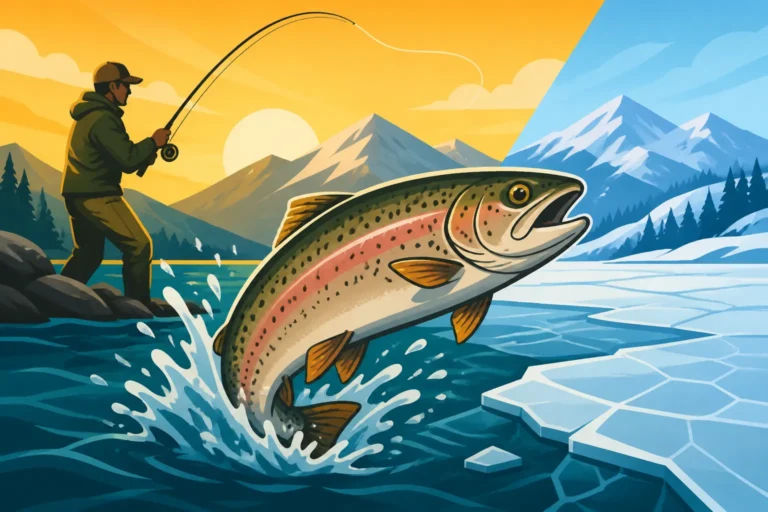
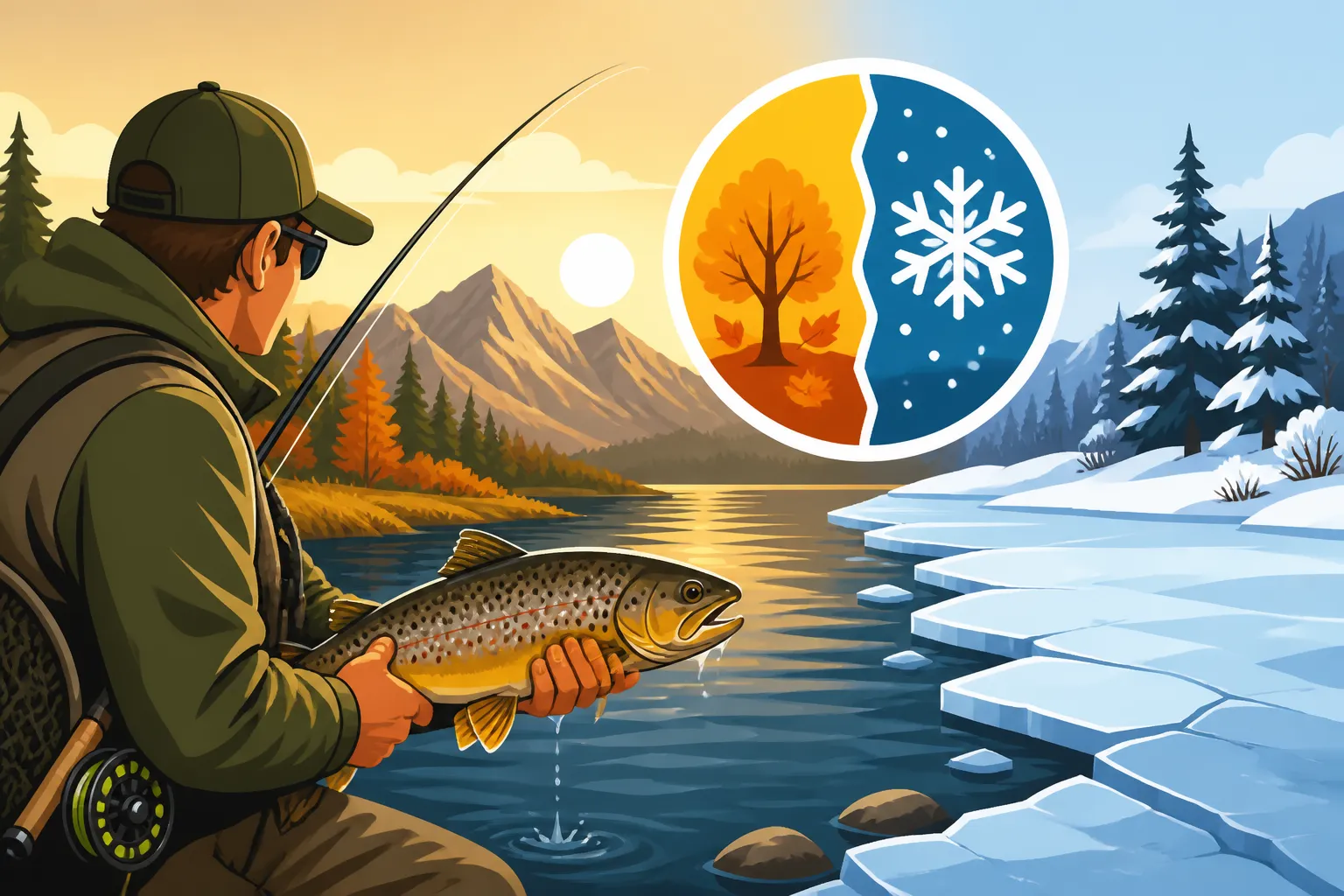
This pre-ice window isn't a fixed date on the calendar; it's a dynamic phase dictated by weather patterns, elevation, and the specific body of water. Generally, it refers to those weeks, or sometimes just days, after surface water temperatures have dropped significantly into the low 40s or even upper 30s, but before a solid, safe layer of ice has formed across the entire lake or reservoir. You might see skim ice along the shorelines or in sheltered coves, but the main body of water is still open and fishable from a boat or the bank.
Imagine a crisp, clear morning in November or early December, the air frosty, and steam rising off the water. The leaves are gone, and a quiet solitude has settled over the landscape. This is often when the magic happens. Fish that were spread out during the warmer months begin to school up, moving to predictable locations as they prepare for the long, lean winter under the ice. It’s a race against time for them, and for you, to capitalize on their feeding frenzy.
Why This Window is So Productive
The primary reason this period is so productive is that many game fish, particularly trout and walleye, enter what's often called a "fall feed" or "pre-ice binge." Their metabolism is still relatively high compared to the dead of winter, but they sense the impending cold and the scarcity of food that will come with it. They need to pack on calories to sustain themselves through the leaner months. This means they are actively hunting and aggressively striking at bait and lures.
For species like brown trout, this pre-ice period often coincides with their spawning runs. You'll find these typically reclusive fish becoming much more accessible as they migrate into shallower areas, tributaries, or up onto specific structures to deposit eggs. For others, like lake trout, it means moving shallower than their summer haunts, making them more accessible to conventional angling methods before they retreat to the deep under the ice. This can lead to some incredible opportunities for trophy fish that are rarely seen during other times of the year.
Decoding Wyoming's Cold Water Fisheries
Wyoming's diverse geography means that "before first ice" can look very different from one region to another. A high-elevation lake might be freezing solid while a lower-elevation reservoir is just beginning to cool. Successful angling means paying close attention to water temperatures and understanding how different fish species react.
Water Temperature and Fish Metabolism
As the water temperature drops, fish metabolism slows, but there's a critical window where they become intensely active. For most trout species (rainbows, browns, cutthroats, brookies), the ideal range for active feeding before ice-up is often between 38°F and 45°F. Below 38°F, their activity will significantly decrease, though they can still be caught. For walleye, that sweet spot might be a few degrees warmer, typically in the low 40s. Understanding How Water Temperature Affects Trout Feeding is paramount, as fish will seek out areas that offer the most comfortable temperatures and ample food.
This also means that fish will move. In many reservoirs, as the surface cools, warmer water can be found deeper, or conversely, if the surface cools rapidly, fish might move shallower to absorb what little warmth remains from the sun or to feed on cold-tolerant baitfish. This can make locating them a bit of a chess game, but once you find them, you've often found a school of eager biters. If the water gets too cold, say below 35°F consistently, you might notice What Temperature Trout Stop Biting At almost entirely, signaling that ice fishing season is truly beginning.
Weather Patterns and Their Impact
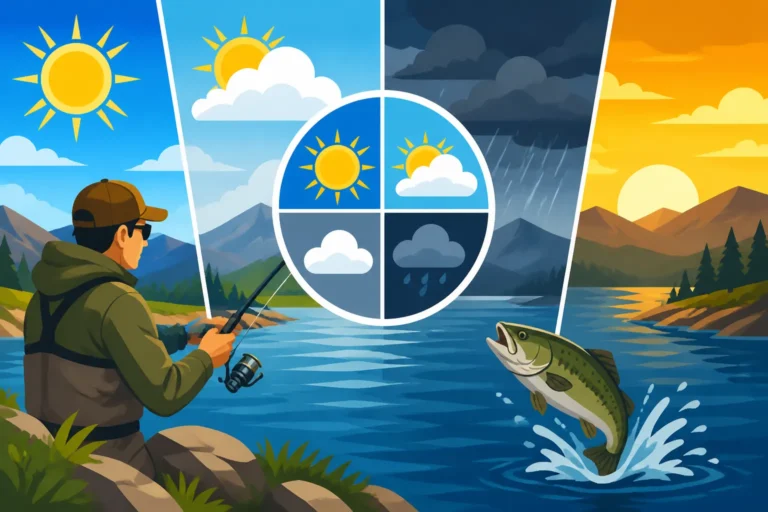
Late fall and early winter weather in Wyoming can be notoriously fickle. A strong cold front can drop water temperatures by several degrees in a single day, or even overnight, initiating a feeding frenzy or, conversely, shutting it down completely. Clear, sunny days, even if cold, can warm shallow areas slightly and bring fish closer to the surface for short periods. Overcast days with stable temperatures often provide more consistent fishing.
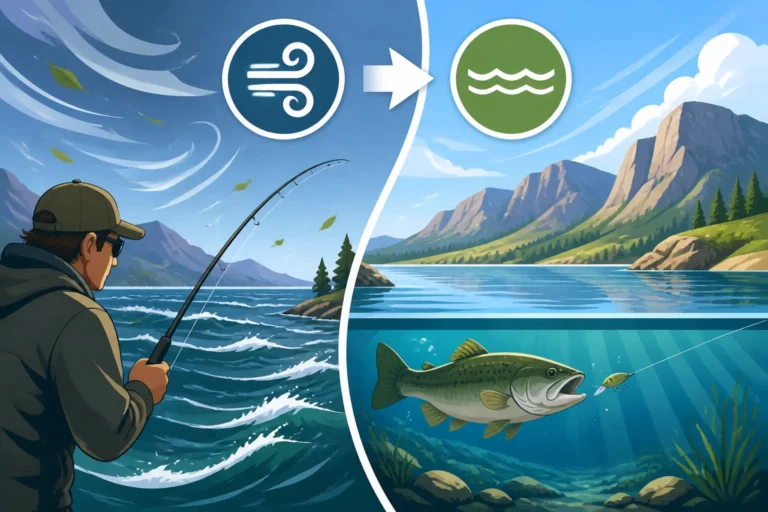
Snow, especially early snow, can also play a role. If it melts slowly into the water, it further cools the shallows. However, if it comes with a strong wind, that wind can accelerate surface cooling and kick up baitfish, which, in turn, can stir up predators. Pay attention to the long-range forecast. A period of stable, cold weather leading up to ice formation is often more favorable than a rollercoaster of warm and cold snaps.
Regional Variations in Wyoming
Wyoming's diverse elevations mean that the pre-ice window opens and closes at different times across the state. High-alpine lakes in the Wind River Range or the Bighorns will develop ice much earlier, sometimes even in late September or early October, compared to lower-elevation reservoirs like Glendo or Boysen, which might not see stable ice until late December or even January.
For instance, you might be enjoying some incredible Fall Fishing for Browns on the Miracle Mile on the North Platte River in October, while anglers attempting to fish the high lakes around Pinedale would already be drilling holes. Reservoirs like Flaming Gorge, straddling the Wyoming-Utah border, are massive and deep, meaning they take longer to cool down and freeze over completely. Therefore, the Best Month for Lake Trout at Flaming Gorge in the pre-ice window might extend well into November or even December, while smaller, shallower lakes freeze much faster. Always check local conditions for the specific body of water you plan to fish.
Essential Strategies for Late-Season Success
To make the most of this fleeting period, you need to adjust your approach. Fish are often concentrated and aggressive, but they might also be sluggish due to the cold. It’s a balance of active presentation and knowing where to look.
Locating Fish Before Ice-Up
Before the ice fully forms, fish tend to move away from the vast expanses of open water and consolidate in specific areas. Think structure, depth, and forage concentration.
- Deep Water Access Points: Many fish will stage in deeper parts of the lake or reservoir that are adjacent to shallower feeding flats. Look for sharp drop-offs, submerged creek channels, or underwater humps. These locations offer them quick access to deeper, more stable water if conditions worsen, but also proximity to food sources. This is especially true for walleye, which often hold near deeper structure before moving onto shallower feeding grounds in low light.
- Forage Concentration: Where the baitfish are, the predators will be. Baitfish like shad or perch will often school up in warmer pockets or near weed beds that are still clinging to life. Using a good fish finder to locate these bait balls can put you directly on top of feeding game fish.
- Spawning Grounds: For brown trout, this is a critical time. They’ll be heading to their spawning grounds, which are typically rocky, gravelly areas in shallower depths of lakes or moving into tributary streams. This is when you can find some of the largest browns of the year.
- Thermal Refuges: Even in cold water, slight differences can matter. Springs, inlets, or areas where tributaries flow in might offer slightly warmer water, attracting fish. Conversely, dark-bottomed areas that absorb more solar radiation can hold a few extra degrees.
Best Baits and Lures for the Cold
When fish are gorging, they're looking for substantial meals. Presentation matters too, as slower movements often entice a bite from a cold-water fish.
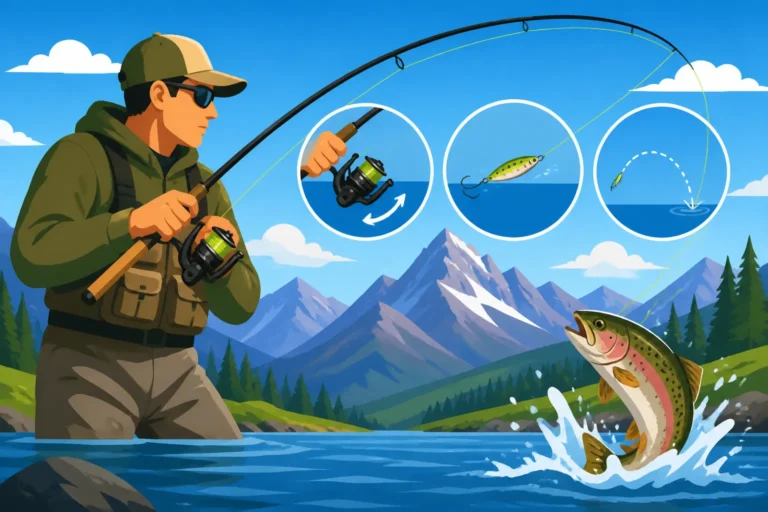
- Heavy Jigs and Spoons: These are absolute staples for pre-ice fishing. Their weight allows them to get down to deeper fish quickly, and their flash and flutter mimic injured baitfish. Think jigging spoons in silver, gold, or glow colors. You can tip them with a piece of cut bait, a small minnow, or a soft plastic grub for added scent and appeal. Brands like Northland Tackle or Acme Kastmasters are popular choices and can often be found on Amazon.
- Live Bait: Minnows, shiners, or even worms can be incredibly effective, especially when fished on a slip bobber or a bottom rig. The natural movement and scent of live bait are hard for hungry fish to resist. Just remember to check Wyoming Fishing Regulations Every Angler Should Know as bait restrictions apply on certain waters.
- Soft Plastics: Grubs, paddle-tail swimbaits, or tube jigs fished slowly near the bottom can be deadly. Impregnating them with scent or adding a dab of "fish attractant" can make a significant difference in cold water.
- Scent: Don't underestimate the power of scent in cold, clear water. Fish rely more heavily on their sense of smell when their metabolism is slow. Adding a powerful scent to your artificial lures can tip the odds in your favor.
- Trolling: For those with boats, slow trolling with deep-diving crankbaits or even jigging spoons and minnow imitations can cover a lot of water and help you locate scattered fish in large reservoirs. This is a common technique for anglers Fishing Wyoming Reservoirs Before Ice-Up.
Here's a quick overview of common pre-ice techniques:
| Fish Species | Ideal Pre-Ice Water Temp Range | Common Location Before Ice-Up | Effective Baits/Lures | Notes |
|---|---|---|---|---|
| Brown Trout | 38-45°F (3-7°C) | Spawning areas, rocky points, deep pools | Minnows, larger streamers, crankbaits, spoons | Often aggressive, especially during spawn |
| Lake Trout | 35-42°F (1-5°C) | Humps, drop-offs, deep structure near shallow flats | Tube jigs, large spoons, dead baitfish | Often move shallower than summer, aggressive |
| Walleye | 39-44°F (4-7°C) | Deep flats adjacent to structure, points, rock piles | Jigging spoons, blade baits, live minnows, swimbaits | Low light periods are best, often schooled up |
| Rainbow Trout | 38-45°F (3-7°C) | Bays, inlets, drop-offs near forage | PowerBait, worms, small spoons, jigs, nymphs | Can be caught from shore and boat |
Essential Gear for Cold Weather
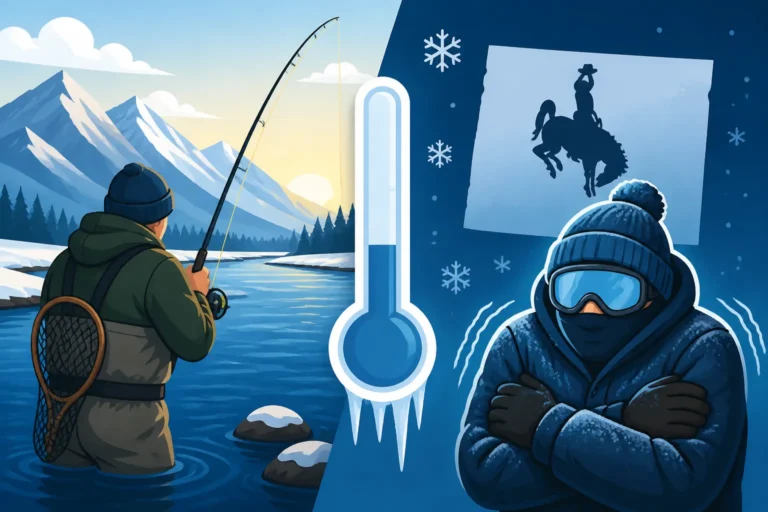
Fishing in the pre-ice window means dealing with cold, potentially freezing conditions. Dressing appropriately is non-negotiable for safety and comfort. How to Dress for Winter Fishing in Wyoming involves layering, and it's essential.
- Layered Clothing: Start with a moisture-wicking base layer (merino wool or synthetic). Add a warm insulating layer (fleece or down) and finish with a waterproof and windproof outer shell. This allows you to adjust to changing temperatures throughout the day. Don't forget a warm hat and insulated gloves; many excellent options are available on Amazon.
- Insulated Boots: Cold feet can ruin a day of fishing. Invest in quality insulated, waterproof boots.
- Hand Warmers: These small packets can be a lifesaver for cold fingers, especially when tying knots or handling fish.
- Thermos with Hot Beverages: A hot cup of coffee, tea, or cocoa can do wonders for morale and core temperature.
- Proper Rod and Reel: Ensure your reel is rated for cold weather to prevent freezing, and use line that won't become brittle in the cold. Fluorocarbon leaders are excellent in clear, cold water.
Safety First: Navigating the Edge of Winter
This period, while productive, carries inherent risks. The transition from open water to ice is unpredictable, and conditions can change rapidly. Prioritizing safety is paramount.
Ice Safety Precautions
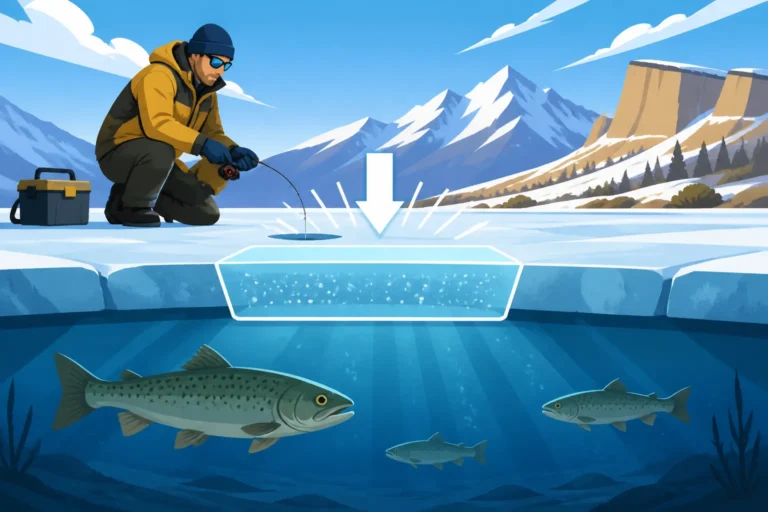
The most critical danger during the pre-ice window is thin, unstable ice. While the main body of water might still be open, sheltered coves, shallow bays, or areas around inlets and outlets can develop skim ice or a thin layer of ice that looks solid but isn't. Never, ever assume ice is safe. A common rule of thumb for walking on clear, solid ice is 4 inches for foot travel, but this is for established ice fishing conditions, not the transitional period.
- Stay Off the Ice: Unless you are absolutely certain of the ice thickness (and usually, this means waiting for dedicated ice fishing season), do not venture onto it. Even walking along the very edge can be risky if there are weak spots.
- Buddy System: Never fish alone during this time. If something goes wrong, a companion can be a lifesaver.
- Carry Safety Gear: Even if you're only fishing from the bank, it's wise to have a throw rope and ice picks (which you can wear around your neck) if there's any chance of falling through thin ice.
Dressing for Extreme Cold
Hypothermia is a real threat. The combination of cold air, cold water, and wind can quickly drop your body temperature. Even if you don't fall in, prolonged exposure to inadequate clothing can be dangerous. As mentioned before, layering is key. It's always better to overdress and shed layers than to be underdressed and freezing. Consider a flotation suit if you're in a boat, as it provides both warmth and buoyancy if you end up in the water. Remember, How Cold Is Too Cold to Fish in Wyoming? really depends on your gear and preparation.
Checking Conditions
Before heading out, always check current weather forecasts, water temperatures, and any specific advisories from the Wyoming Game and Fish Department (WGFD). Websites and local tackle shops are invaluable resources. Where to Check Current Wyoming Fishing Regulations is also a good idea, as special cold-weather or species-specific closures might be in effect for certain areas. This ensures you're fishing legally and safely. Local marinas or bait shops can also often provide real-time updates on ice formation and fish activity.
By understanding the unique dynamics of the pre-ice window, adjusting your tactics, and prioritizing safety, you can experience some of Wyoming's most memorable and productive fishing days.
Disclaimer
The information provided in this guide is for general informational purposes only and does not constitute professional advice. Fishing conditions in Wyoming can change rapidly due to weather, water levels, and other environmental factors. Always consult the most current Wyoming Game and Fish Department regulations, local advisories, and weather forecasts before embarking on any fishing trip. Safety should always be your top priority.