How to Hike In and Fish a Backcountry Lake
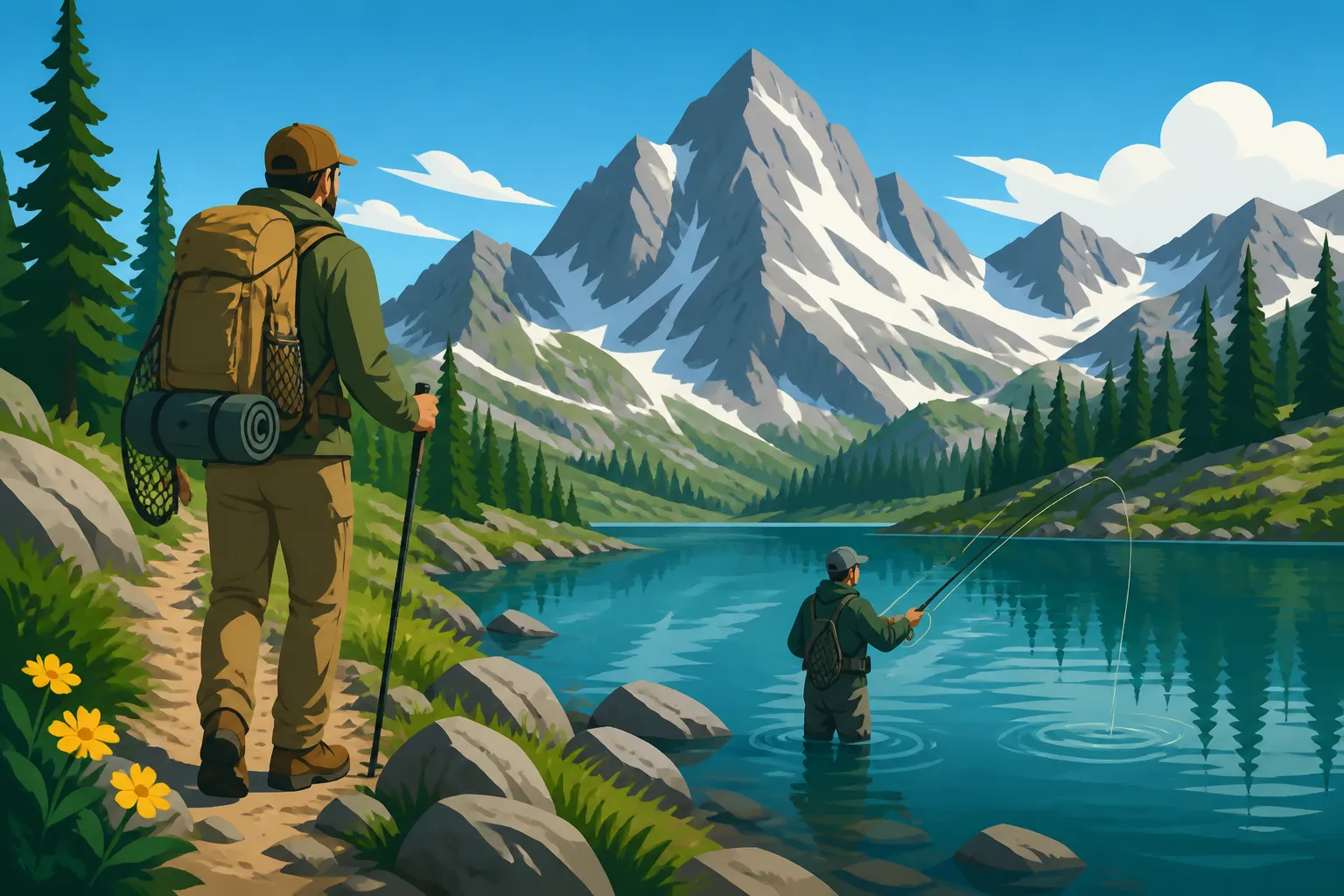
There’s a unique call to the wild that only an angler with an adventurous spirit truly understands, and it often leads to a remote, sparkling lake nestled high in Wyoming’s mountains. The thought of pristine waters, untouched by crowds, brimming with eager trout is incredibly alluring, but the journey to get there can feel daunting and mysterious. This guide is here to demystify the process, walking you through everything you need to know about how to hike in and fish a backcountry lake, from planning your trip to the moment you cast your line.
Planning Your Backcountry Fishing Adventure
Embarking on a backcountry fishing trip in Wyoming isn't something you decide to do on a whim a few hours before heading out. It requires thoughtful preparation, respect for the wilderness, and a good understanding of what you're getting yourself into. The rewards—solitude, breathtaking views, and often incredible fishing—are absolutely worth the effort, but only if you approach it with the right mindset and preparation.
Choosing Your Destination: Research and Regulations
The first step on any backcountry journey is picking your destination. Wyoming is blessed with an abundance of high-alpine lakes, from the iconic Wind River Range to the lesser-known gems in the Bighorn Mountains. But not all lakes are created equal for fishing, and access varies wildly. You'll want to spend some serious time with maps, both topographical and those provided by the Wyoming Game and Fish Department (WGFD), to identify potential spots. Look for lakes that show good fish populations, manageable access, and are within your fitness level for a round trip. The elevation plays a huge role not just in the difficulty of the hike, but also in the type of fish you'll encounter and the timing of ice-out.
Researching your specific lake is crucial. The WGFD website is an invaluable resource, often providing details on fish species present, stocking reports, and any special regulations. Some lakes are managed for specific species like cutthroat or golden trout, while others might hold brook trout or even rainbows. Understanding what you might catch helps you tailor your gear and techniques. Don't just pick a lake because it looks pretty on a map; dig into the details to ensure it aligns with your fishing goals and abilities. You might find a whole new world of opportunity by researching areas described in resources like Wyoming's High-Alpine Lakes Worth the Hike.
Permits, Licenses, and Conservation Stamps
Before your boots even touch the trail, you need to ensure all your legal ducks are in a row. Fishing in Wyoming's backcountry is no exception to the state's licensing requirements. You'll need a valid Wyoming fishing license, which can be purchased online or from numerous vendors across the state. If you're coming from out of state, familiarize yourself with the nuances of a Wyoming Fishing License Guide for Nonresidents. It's not just about having the license itself; you also need to carry proof of it with you. While a digital copy on your phone is often accepted, a printed version is always a safe backup, especially when battery life is precious in the wilderness.
In addition to your fishing license, a Wyoming Conservation Stamp is required for nearly all resident and nonresident anglers. This stamp contributes directly to the conservation of Wyoming's wildlife and habitat, making it a vital part of your contribution to the state's natural beauty. Understanding The Wyoming Conservation Stamp and What It Covers is important, as there are very few exceptions to this requirement. Beyond state regulations, if your backcountry destination falls within a National Forest or Wilderness Area, you might need additional permits. These permits, often free, help land managers track usage and ensure the preservation of these fragile ecosystems. Always check with the specific National Forest or BLM office for the area you plan to visit well in advance of your trip. Ignoring these steps could lead to fines and spoil an otherwise incredible experience.
Physical Preparation and Essential Gear
Hiking to a high-alpine lake is physically demanding. These trails often involve significant elevation gain, uneven terrain, and potentially long distances, all while carrying a loaded pack. Don't underestimate the physical challenge. Start preparing weeks or even months in advance by incorporating regular cardio, strength training, and hikes with a weighted pack into your routine. Your body needs to be ready for the climb and the descent, which can be just as tough on your knees.
Beyond physical fitness, having the right gear is paramount for safety and comfort. This isn't your average day trip to a local pond. We're talking about durable, lightweight, and reliable equipment. Your layered clothing system is critical, as mountain weather can change dramatically in minutes. Think moisture-wicking base layers, insulating mid-layers, and a waterproof/windproof outer shell. Sturdy, broken-in hiking boots are non-negotiable, offering ankle support and grip on rocky trails. And for fishing, a compact, multi-piece rod and reel combo that breaks down easily is ideal for saving space and weight in your pack. Consider a compact, multi-piece rod and reel combo that breaks down easily – many excellent travel rods are available, and Amazon has a great selection. Don't forget a small tackle box with a carefully curated selection of lures and flies for mountain trout. A proper filtering water bottle or purification system is also non-negotiable; you can’t carry all the water you’ll need. Check out What Gear to Pack for a Backcountry Fishing Trip for a more in-depth look at your packing list.
The Hike In: Gear, Safety, and Navigation
The journey to a backcountry lake is often as much a part of the adventure as the fishing itself. It’s a chance to immerse yourself in nature, test your limits, and appreciate the solitude that few other fishing experiences offer. But with that comes the responsibility of being prepared for whatever the wilderness might throw your way.
Packing Smart: Weight and Essentials
Every ounce in your pack counts when you're gaining thousands of feet in elevation. You'll quickly learn the difference between "nice to have" and "absolutely essential." Your backpack itself should be lightweight but rugged, with enough capacity for your gear, food, and water. You'll want to invest in a quality, lightweight backpack that fits well for those longer hauls. Many excellent options are available on Amazon. Focus on multi-use items whenever possible to minimize redundancy. For instance, a lightweight tarp can serve as a rain shelter, a ground cloth, or even an emergency signal.
Food choices should lean towards high-calorie, low-weight options like dehydrated meals, energy bars, and nuts. Dehydrated meals are your friend here, and you can find a wide variety of choices on Amazon, perfect for a quick and satisfying dinner after a long day of hiking and fishing. Remember that all your trash, including food wrappers and fishing line, must be packed out. For fishing gear, consider a telescopic or multi-piece rod, a small reel, and a compact tackle box with only the necessary lures, flies, and terminal tackle. Leave the heavy tackle box at home. A small, lightweight water filter or purification tablets are non-negotiable; you can't rely on carrying all your water, and trustworthy brands often found on Amazon can make stream water safe to drink. A headlamp with extra batteries is another simple but critical item often picked up from Amazon before a trip, ensuring you can navigate or set up camp in the dark.
Navigating Off-Trail and Staying Safe
Backcountry trails can be poorly marked, overgrown, or even non-existent, especially as you get closer to more remote lakes. Relying solely on your phone's GPS can be a costly mistake due to unreliable signal and battery drain. Always carry a physical topographical map of the area and know how to use it with a compass. A dedicated GPS device or a downloaded map app on your phone (with extra battery pack) can be a great secondary tool, but it shouldn't be your only navigation method. These tools can help you find your bearings, identify landmarks, and pinpoint your exact location even when off-trail.
Safety is paramount. Always tell someone reliable your exact itinerary, including your destination, planned route, and expected return time. Stick to that plan as closely as possible. Consider carrying a personal locator beacon (PLB) or a satellite messenger device. These can be lifesavers in an emergency, allowing you to call for help even without cell service. Twisted ankles, sudden weather changes, or unexpected wildlife encounters can turn a fun trip into a dangerous situation quickly. Being able to communicate or signal for help is a critical part of being a responsible backcountry adventurer.
Weather Wisdom in the Mountains
Wyoming's mountains are famous for their unpredictable weather. A clear, sunny morning can quickly transform into an afternoon thunderstorm with hail, strong winds, and freezing temperatures. It's not uncommon to experience all four seasons in a single day at higher elevations. Always check the forecast before you leave, but understand that mountain weather can deviate significantly from valley predictions. Pack for the worst-case scenario, even if the forecast looks beautiful.
Hypothermia is a real danger, even in summer, if you get wet and the temperatures drop. This is why a proper layering system and waterproof outerwear are so important. If you see dark clouds building, especially in the afternoon, start looking for shelter. Lightning is a serious threat in exposed alpine environments. If a storm rolls in, get off ridgelines and away from tall trees immediately. Descend to lower ground or find dense timber if possible. Being flexible with your plans and willing to turn back if conditions deteriorate is a sign of good judgment, not failure. Your safety is always more important than catching a fish.
Fishing Backcountry Lakes: Techniques and Considerations
Once you've successfully navigated the rugged terrain and your boots meet the shore of that pristine, high-alpine lake, the real fun begins. These lakes hold a special kind of magic, often home to hardy trout species that thrive in cold, clear waters. However, fishing them successfully requires a bit of finesse and understanding of their unique environment.
Targeting High-Lake Trout Species
The fish in backcountry lakes aren't typically the heavily stocked, eager-to-bite hatchery trout you might find in more accessible waters. These are often wild, wary, and highly adapted to their environment. You'll most commonly find Cutthroat Trout, including the native Yellowstone Cutthroat, which is Wyoming's state fish. You might also encounter Golden Trout Fishing in Wyoming, a prized species known for its vibrant colors and elusive nature, especially in the Wind River Range. Brook Trout Fishing in Wyoming is also common in many smaller mountain streams and lakes, offering a different kind of challenge with their aggressive strikes.
These fish generally feed on insects, crustaceans, and smaller baitfish that are available in their specific lake. Their diet, combined with the often crystal-clear water, means they can be quite selective. Therefore, matching the hatch (even a subtle one) or presenting your lure naturally is key. Pay attention to any insects flying near the surface or along the shore. Observing the water for rising fish can give you clues about what they're eating. The beauty of these high lakes is that while the fish might be smaller on average than those in larger reservoirs, their wildness and the pristine setting make every catch a true trophy.
Effective Techniques for Mountain Lakes
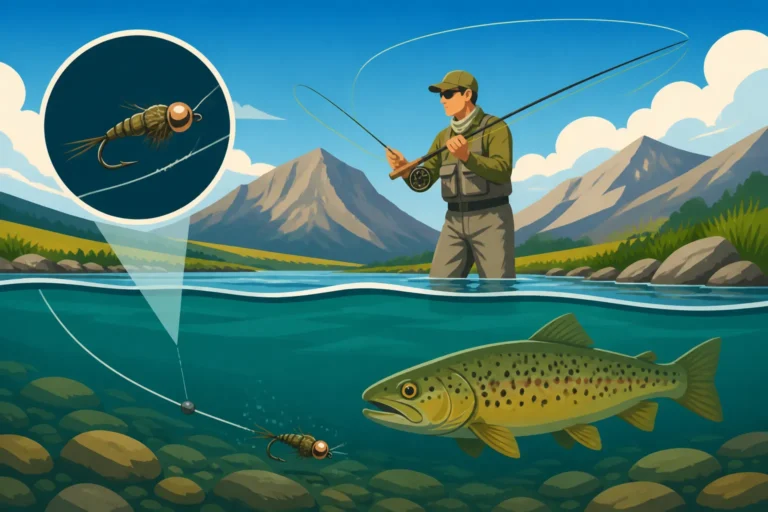
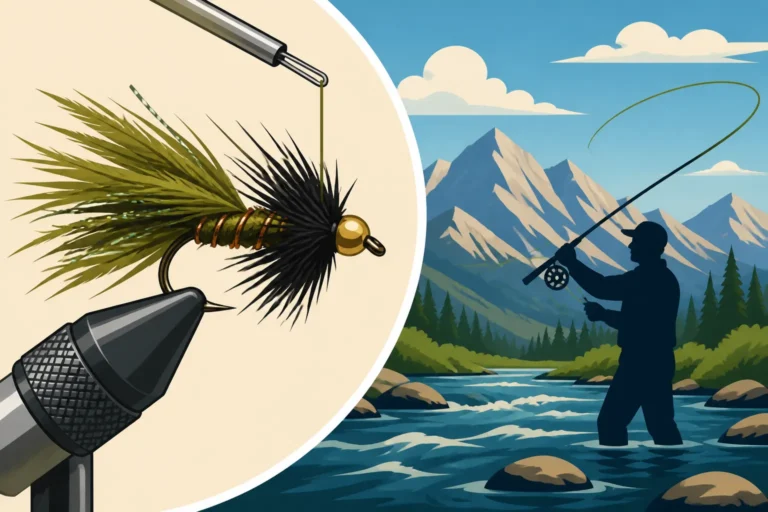
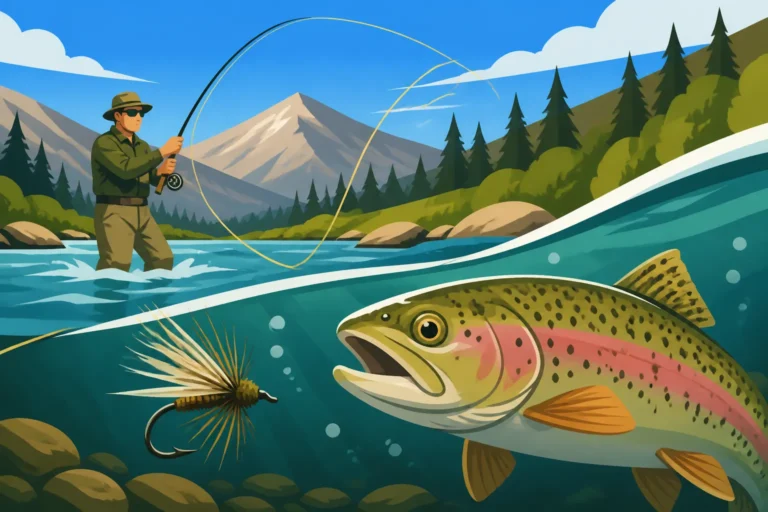
Fishing a backcountry lake often means you'll be fishing from shore. Since you've hiked all this way, you'll want to make the most of your efforts! For a comprehensive guide, check out How to Fish a Wyoming Mountain Lake From Shore. Fly fishing is incredibly effective in these clear, insect-rich waters. Dry flies that mimic common mountain insects like caddis, mayflies, or even terrestrials like grasshoppers and ants can be deadly, especially during active hatches. Nymphs fished under an indicator or stripped slowly can also be very productive, as much of the trout's feeding happens subsurface. Streamers, mimicking small baitfish, can entice larger, more aggressive trout.
If spin fishing is your preference, small, lightweight spinners and spoons are excellent choices. Brands that offer compact, durable lures are ideal for a backcountry pack. Ultra-light jigs tipped with a small piece of worm or power bait can also work well, especially if the fish are finicky. The key is to use light line (4-6 lb test) for a natural presentation and to avoid spooking the wary trout. Don't cast directly onto a rising fish; try to lead them or cast to the edge of the ripple. Be stealthy in your approach; heavy footsteps or shadows cast over the water can send fish darting for cover. These fish are not accustomed to human presence, so a quiet and patient approach yields the best results.
Reading the Water and Finding Fish
Just like any other body of water, knowing how to "read" a backcountry lake will significantly increase your chances of success. High-alpine lakes often feature very clear water, which allows you to visually identify prime fishing spots. Look for structure: submerged rocks, logs, ledges, or any features that break up the uniform bottom. Trout often use these areas for cover from predators and current (if present) and as ambush points for food.
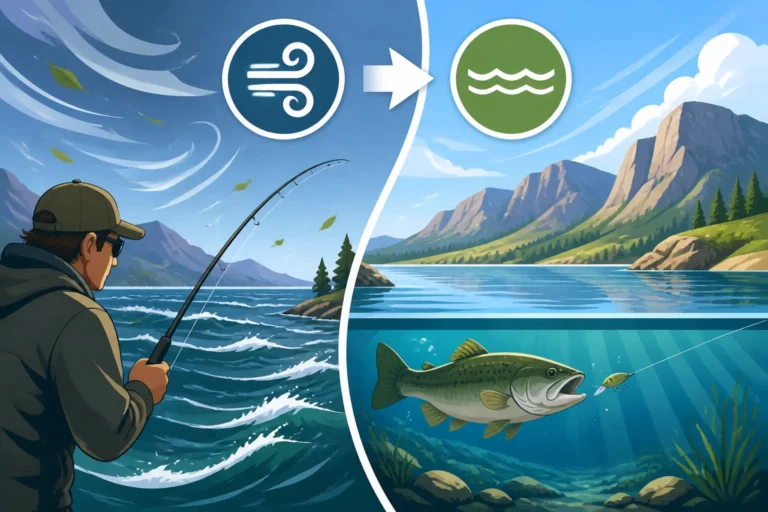
Pay close attention to inlets and outlets of the lake, where streams flow in or out. These areas often bring in fresh food and oxygen, making them prime feeding zones. The depth of the lake also matters. In warmer parts of the day, trout might retreat to deeper, cooler water. In the mornings and evenings, they often move into shallower areas to feed. Look for drop-offs where shallow water suddenly plunges into deeper sections. These transition zones are highways for fish. Wind can also be your friend; it can push insects and plankton to a particular shoreline, concentrating feeding fish. Observe the lake carefully for a few minutes before casting; you might spot rises, cruising fish, or other signs that tell you where the trout are holding.
Respecting the Wilderness and Leaving No Trace
A backcountry fishing trip is a privilege, offering an escape into some of Wyoming's most beautiful and fragile environments. With that privilege comes a profound responsibility to protect these wild places for future generations. Embracing the Leave No Trace principles isn't just a suggestion; it's an ethical imperative for every wilderness traveler.
Catch and Release Best Practices
Many backcountry lakes are managed as catch-and-release fisheries, or at least have regulations that encourage it to maintain healthy fish populations. Even if keeping a few fish is allowed, practicing responsible catch and release is vital, especially for native species like the Yellowstone Cutthroat. The goal is to minimize stress and injury to the fish, ensuring its survival after being caught. Use barbless hooks or crimp down the barbs on your lures and flies; this makes removal much easier and less damaging.
When you land a fish, handle it as little as possible. Keep your hands wet, as dry hands can remove the fish's protective slime layer, making it susceptible to disease. Support the fish horizontally, never vertically by the jaw or gills, which can cause internal damage. Remove the hook quickly and gently. If the fish is deeply hooked, cut the line as close to the hook as possible rather than trying to force it out. Give the fish time to recover in the water before releasing it, holding it gently until it swims away under its own power. You can learn more about Catch-and-Release Rules on Wyoming Waters and get detailed tips in How to Handle a Trout to Keep It Alive After Release. Your careful actions ensure these pristine lakes remain vibrant fisheries.
Leave No Trace Principles
The core of Leave No Trace is to minimize human impact on the environment. This means planning ahead and preparing, traveling and camping on durable surfaces, disposing of waste properly, leaving what you find, minimizing campfire impacts, respecting wildlife, and being considerate of other visitors. For backcountry fishing, this translates into several key practices. Pack out absolutely everything you pack in, including all trash, food scraps, and even biodegradable items like orange peels, which take a long time to decompose in alpine environments. Carry a small trash bag specifically for this purpose.
Human waste needs to be handled correctly. Away from water sources, dig a cathole 6-8 inches deep and at least 200 feet from water, trails, and campsites. Bury your waste and pack out all toilet paper. For dishwashing, use biodegradable soap sparingly and carry wash water at least 200 feet away from any water source before dispersing it. Avoid building new fire rings or disturbing vegetation. If a fire is permitted and necessary, use existing fire rings and keep fires small. The goal is to leave the area looking as if you were never there, preserving its wild beauty for the next person and for the ecosystem itself.
Wildlife Encounters and Safety
Wyoming's backcountry is home to an incredible array of wildlife, including some large and potentially dangerous animals like grizzly bears, black bears, moose, and mountain lions. While encounters are rare, being prepared is essential. Always carry bear spray, know how to use it, and keep it readily accessible, not buried in your pack. Make noise while hiking, especially in dense brush, to avoid surprising animals. Travel in groups whenever possible. If you encounter a bear, never run. Make yourself look as large as possible, make noise, and slowly back away.
Proper food storage is paramount to preventing bear encounters. All food, garbage, and scented items (like toothpaste) must be stored in bear-resistant containers or hung from a tree branch at least 10-12 feet off the ground and 4 feet from the trunk. Never leave food unattended, even for a short time. Observe all wildlife from a respectful distance; do not approach or feed animals. Remember, you are a visitor in their home, and respecting their space is crucial for both your safety and theirs. A backcountry fishing trip is a full immersion in nature, and understanding how to coexist with its wild inhabitants is a fundamental part of the experience.
| Aspect | Standard Day Trip Fishing | Backcountry Lake Fishing |
|---|---|---|
| Gear Philosophy | Comfort, convenience, often more robust/heavier | Ultralight, multi-use, durable, absolute essentials only |
| Navigation | Marked trails, cell service often available, maps less critical | Topo maps, compass, dedicated GPS, satellite messenger, no cell |
| Water Source | Carried bottled water | Filtered/purified from natural sources |
| Food | Snacks, sandwiches, easy access to stores | Dehydrated meals, high-calorie, non-perishable |
| Clothing | Weather-dependent, often cotton/denim acceptable | Layered, moisture-wicking, quick-drying, waterproof/windproof |
| Physical Demands | Low to moderate | High, significant elevation gain, uneven terrain, long distances |
| Wildlife Preparedness | Awareness, but less critical | Bear spray, bear-resistant food storage, strict protocols |
| Regulations | Fishing license | Fishing license, conservation stamp, potential wilderness permits |
| Trash Disposal | Public trash cans | Pack it in, pack it out (all trash) |
Disclaimer
This article is for general informational purposes only and does not constitute professional advice. Laws, prices and regulations vary by location and change over time. Consult a qualified professional for guidance on your specific situation.