How to Approach Spooky Trout in Clear Water
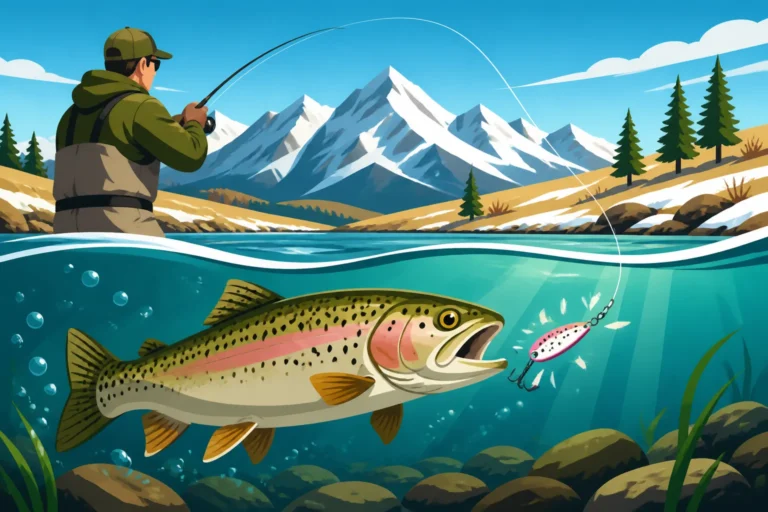
There's nothing quite as frustrating as stepping up to a pristine, crystal-clear stream in Wyoming, only to watch a magnificent trout dart away like a silver bullet before you even get a cast off. Clear water is both a blessing and a curse for anglers; it offers incredible visibility, but it also means those wily trout can see you just as clearly. This guide is all about equipping you with the knowledge and tactics to outsmart these wary fish, turning your frustration into the triumph of a successful catch, even in the most transparent of waters.
Understanding Why Trout Get Spooky in Clear Water
Before we can effectively outwit spooky trout, we need to understand what makes them so jumpy in the first place. It's not personal; it's pure instinct. These fish are constantly on high alert, and anything that seems out of place can trigger their flight response.
The Trout's Perspective: Survival Instincts
Imagine being a trout. You're relatively small, living in an environment where predators lurk from above (osprey, eagles, bears) and from the banks (herons, raccoons, and, well, us). Your survival hinges on being incredibly aware of your surroundings. Trout possess highly developed senses to aid in this. Their eyesight, especially in clear water, is phenomenal, allowing them to detect movement and changes in light or shadow from surprising distances. Moreover, their lateral line system is a marvel, picking up subtle vibrations in the water, from footsteps on the bank to an errant line hitting the surface. For a trout, a shadow or a sudden vibration isn't just an annoyance; it's a potential threat to life and limb. They live in a constant state of vigilance, and their instinct is always to err on the side of caution.
Factors Contributing to Spookiness
Several factors amplify a trout's natural wariness, especially when the water is gin-clear. One of the biggest culprits is direct sunlight. When the sun is high and bright, it penetrates the water more effectively, making everything more visible, including you. This also creates sharp shadows. A shadow cast over the water by your body or even your fishing rod can send trout scattering. Sudden movements are another huge red flag. Quick steps, waving your rod around, or even abruptly standing up can instantly alert fish. Think about how a deer freezes when it senses danger; trout react similarly, but their freeze often precedes an explosive dash for cover. Unnatural presentations, such as a heavy fly line splashing down too hard, or a lure that doesn't behave realistically, can also be immediately rejected. Even subtle noises, like a dropped tackle box or talking loudly on the bank, can transmit vibrations through the water and put fish on high alert.
The Art of Stealth: Approaching the Water Undetected
The first and arguably most critical step in successfully fishing for spooky trout in clear water is mastering your approach. You need to become part of the background, a silent observer rather than an obvious threat.
Your Physical Approach: Walk Softly, Carry a Big Stick (but hide it!)
This isn't about rushing to your favorite hole and immediately casting. It's about a slow, deliberate dance with nature. Start by approaching the water from a distance, well back from the bank, preferably using any available natural cover like trees, tall grass, or boulders. Stay low, almost crouching, as you get closer. Think like a hunter stalking prey – minimize your silhouette against the sky. Being "skylined" (standing on a ridge or open bank with the sky behind you) is a surefire way to be spotted.
When you move, move slowly and deliberately. Avoid sudden, jerky movements. Imagine walking on eggshells. If you're wading, shuffle your feet gently to avoid stirring up sediment or sending vibrations through the riverbed. Often, the best approach is to come from downstream, casting upstream, so you're not silhouetted against the current, and any minor disturbance you create is carried away from the fish you're targeting. For a deep dive into river dynamics, check out our guide on How to Read Water When Trout Fishing.
The Importance of Observation Before Casting
Patience is a virtue, especially with spooky fish. Before you even think about making a cast, spend some time observing the water. Seriously, just watch. This is where many anglers go wrong; they get excited and immediately start flailing casts. Instead, identify potential holding lies – deeper pockets, seams where fast and slow water meet, undercut banks, or areas around submerged structure. Look for any signs of fish activity: subtle rises, flashes of silver, or even the tell-tale wake of a moving fish.
Try to spot the fish themselves. Polarized sunglasses are absolutely essential here. They cut the glare off the water's surface, allowing you to see into the depths. Once you spot a fish, observe its behavior. Is it actively feeding? Is it holding stationary? Understanding where the fish are positioned and what they're doing will inform your casting strategy. Are they keying in on tiny insects near the surface, or are they hugging the bottom looking for nymphs? Your observation period gives you vital clues before you disturb the water. This is particularly useful in places like Grand Teton National Park where the waters can be incredibly clear.
Tackle and Presentation Finesse for Clear Conditions
Once you've mastered the stealthy approach, the next challenge is convincing these discerning trout that your offering is legitimate. This requires a delicate touch with your gear and how you present it.
Line, Leaders, and Tippets: Going Incognito
When fishing clear water, lighter and longer are often the rules of thumb for your terminal tackle. Lighter line test is crucial, as thick, visible lines can quickly put off wary trout. For fly fishing, this means moving down to lighter tippets, perhaps 5x, 6x, or even 7x, depending on the size of the fish and the clarity of the water. For spin fishing, consider light monofilament or fluorocarbon lines in the 2-4 pound test range.
Fluorocarbon leaders and tippets are a game-changer for clear water. Unlike monofilament, fluorocarbon has a refractive index very similar to water, making it virtually invisible underwater. It also sinks faster and is more abrasion-resistant, which is a bonus. A long leader, perhaps 9-12 feet or even longer, helps keep your brightly colored fly line further away from the fish's immediate strike zone. You can find a wide variety of high-quality fluorocarbon lines and leaders on Amazon, which are perfect for these conditions. For more on this, check out our guide on Best Leader Length for Clear Water Fishing.
Lure and Fly Selection: Subtle Seduction
Just as important as invisible line is choosing the right offering. Forget oversized, brightly colored flies or lures that look like they belong in a cartoon. When trout are spooky, subtlety wins the day.
- Flies: Think small and natural. Tiny midges, small mayfly or caddis imitations (size 18-24), or very realistic terrestrial patterns can be incredibly effective. For nymphing, subtle patterns like pheasant tail nymphs, zebra midges, or small scuds are excellent choices. Streamers, if used, should be smaller, less flashy, and retrieved with a very gentle, natural motion. Our guide on Best Wyoming Fly Patterns for Cutthroat Trout can offer some great suggestions.
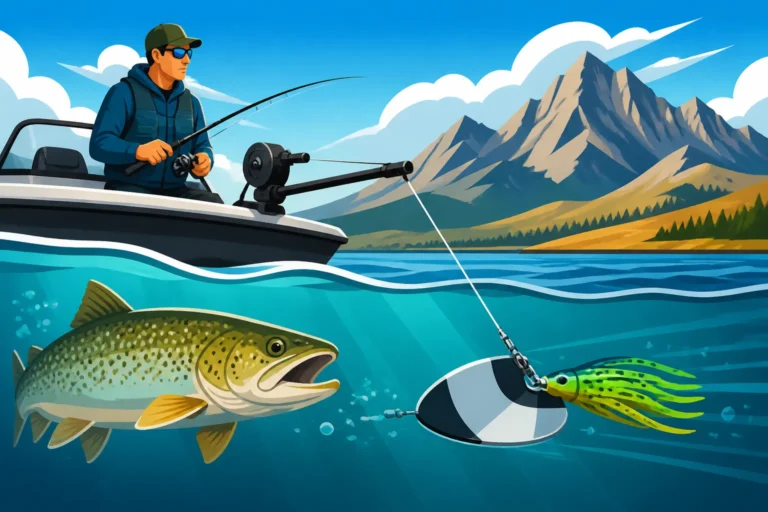
- Lures: For spin fishing, small, natural-colored spinners (like tiny Mepps or Panther Martins in silver, gold, or black), small spoons, or micro-jigs can work wonders. Soft plastics that imitate worms or small aquatic insects, fished on a very light jig head, can also be deadly. Remember, matching the hatch isn't just for fly anglers; it's about presenting something that looks like a natural food source to the trout. A quick search for these subtle lures on Amazon will reveal many options that fit the bill.
Casting Techniques: The Gentle Touch
A flawless presentation is paramount. You can have the perfect fly and the most invisible leader, but if your cast spooks the fish, it's all for naught.
- Accuracy is Key: Aim to land your fly or lure precisely where you want it, ideally a few feet upstream of where you believe the fish is holding, allowing it to drift naturally into the strike zone.
- Soft Landings: Avoid a heavy splash. For fly anglers, this means a delicate, controlled loop and an unrolling leader that gently places the fly on the water. For spin anglers, feathering your cast as the lure approaches the water can help achieve a softer entry.
- Upstream Casts: Whenever possible, cast upstream and allow your offering to drift naturally downstream toward the fish. This way, your line and leader are drifting over the fish first, rather than pulling the fly away from them as it would with a downstream cast, which looks unnatural. It also prevents your line from crossing directly over a fish's head, which can cause them to bolt. This technique works wonders when you're nymphing or dry fly fishing. Learn more about effective upstream techniques in Nymphing Techniques for Wyoming Tailwaters.
Mastering Your Cast: Delivering the Perfect Drift
Even with the right gear and a stealthy approach, a clumsy cast can ruin everything. Precision and finesse in your casting are non-negotiable when dealing with spooky trout in clear water.
Avoiding Drag: The Silent Killer of Presentation
Drag is the enemy of a natural presentation. It occurs when your line, leader, or fly doesn't drift at the same speed as the current, causing your fly or lure to move unnaturally. For a trout in clear water, an unnatural drift is an immediate red flag.
- Mending Line: For fly anglers, learning to mend your line is crucial. A mend is a repositioning of your fly line on the water to correct for current differentials, allowing your fly to continue its natural drift. This might involve an upstream mend to slow your fly down, or a downstream mend to speed it up, effectively creating a longer, drag-free drift. Mastering mends, especially on complex currents, takes practice but is invaluable.
- Stacking and Reach Casts: These advanced casts allow you to position your line in such a way that it minimizes immediate drag. A reach cast, for instance, involves extending your rod arm after the forward cast to place extra slack upstream of your fly.
- Varying Casting Angles: Don't always cast straight across the current. Sometimes casting slightly upstream or downstream of your target can help achieve a better drift, especially if there are multiple current seams.
Minimizing False Casting and Water Disturbance
Every time you false cast in fly fishing, you're waving a bright line through the air, and often, you're splashing it down on the water. When fish are spooky, this can send them packing.
- One or Two False Casts Max: Try to limit your false casts to one or two, just enough to load the rod and aim. If you need more length or accuracy, adjust your position rather than thrashing the air.
- Roll Casts and Spey Casts: In situations where backcasting is impossible or you want to minimize air disturbance, roll casts or various Spey casts can be incredibly effective. These casts keep most of your line on or near the water, making them stealthier options in tight quarters or when fish are particularly wary.
- Avoid Over-Casting: It's better to cast a little short and move closer than to cast too far, creating unnecessary line on the water and increasing the chances of drag or spooking a fish. This applies to both fly and spin fishing.
Adapting to Environmental Challenges for Spooky Trout
The environment around you plays a huge role in how trout behave and how you should adapt your tactics. Clear water fishing often means you're dealing with very sensitive fish, so paying attention to the details of the day can make all the difference.
Utilizing Light and Shadow to Your Advantage
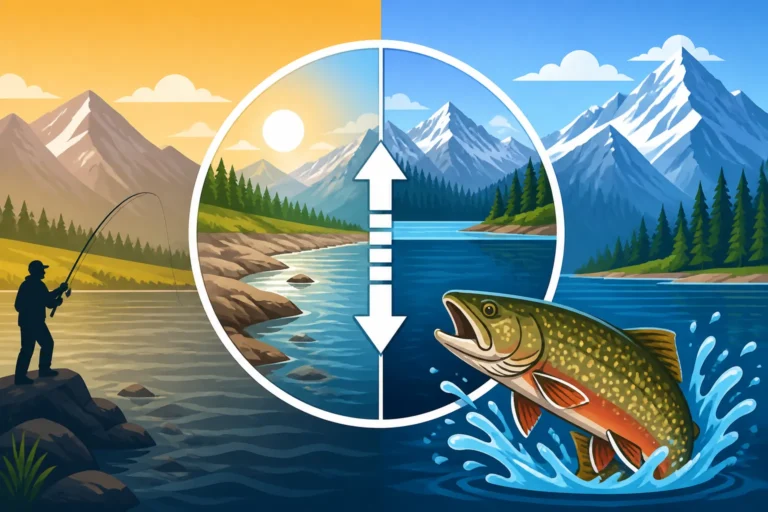
The sun can be your ally or your enemy. On bright, sunny days, trout in clear water are often glued to shadows or deeper areas.
- Fish into the Sun: If possible, position yourself so you're casting towards the sun. This means the sun is behind you, making it harder for the fish to see your silhouette. Plus, any glare on the water will be facing the fish, making it harder for them to see you.
- Exploit Shadows: Fish the shaded side of the river first, or target areas where trees, bushes, or large rocks cast shadows over the water. Trout feel much more secure in these areas, and they are less likely to spot you. Early morning and late evening, when the sun is low, also offer natural shadows and diffused light, making fish generally less spooky.
- Overcast Days: Overcast conditions are often a gift when fishing clear water. The diffused light reduces glare and shadows, making trout generally more comfortable and less aware of your presence. These are prime times to fish more openly.
Reading Water Differently for Spooky Fish
Standard holding lies might be too exposed for truly spooky fish in clear water. You need to think about where they feel safest.
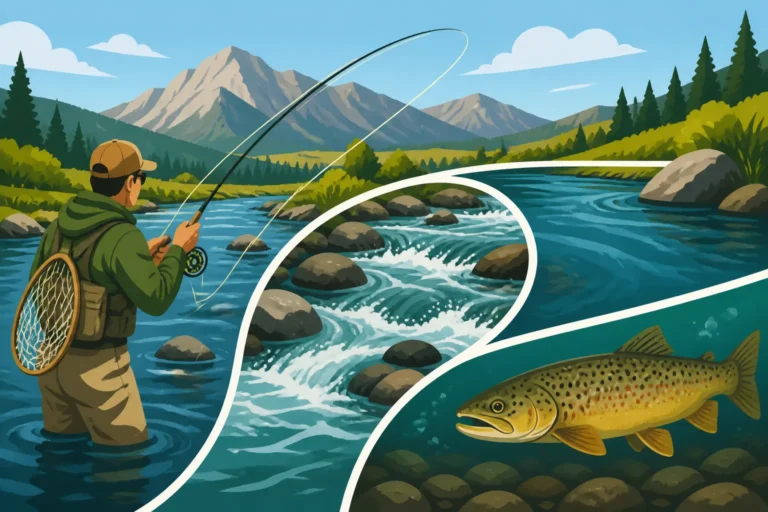
- Broken Water is Your Friend: Riffles, rapids, and choppy water on lakes break up the surface, providing a natural camouflage for trout. They also aerate the water and concentrate food. Don't shy away from these areas; trout will often hold just below or within the broken water where they can feed without feeling overly exposed. Our guide on Reading Riffles and Runs on Wyoming Trout Streams delves into this.
- Target Seams and Structure: The transition zones where fast water meets slow water (seams) are always prime lies, offering a conveyor belt of food with less effort. In clear water, fish will often hug the slower side of these seams. Look for submerged logs, rocks, or undercut banks that provide both cover and a break from the current. An How to Fish an Undercut Bank can be incredibly productive for wary trout.
- Go Deeper: If trout are refusing everything on the surface or in shallower runs, they might be holding deeper. Use weighted flies or split shot for nymphs, or switch to sinking lures for spin fishing, to get your offering down to where the fish feel more secure.
Adjusting for Wind and Weather
Wind and changes in weather can dramatically alter how spooky trout are.
- Wind as a Friend (Sometimes): A moderate wind can be a blessing on clear waters. It creates chop and ripples on the surface, which breaks up light and makes it harder for fish to see you or your line. It can also dislodge terrestrial insects, providing a natural food source. Use the wind to your advantage, casting with it if possible, or using its chop for cover.
- Heavy Wind/Stormy Weather: While some anglers shy away from stormy weather, approaching fronts can actually trigger a feeding frenzy before a major change in barometric pressure. However, strong, gusty winds make casting incredibly difficult and can make line control a nightmare, leading to more splashy presentations. You might consider shorter casts or targeting more sheltered areas. Conversely, understanding How Water Temperature Affects Trout Feeding can also give you an edge in various weather conditions.
Common Mistakes and How to Avoid Them
Even seasoned anglers can fall prey to habits that spook trout in clear water. Being aware of these common pitfalls can help you refine your approach and increase your success.
Rushing In: The Eager Angler's Downfall
It’s easy to get excited when you arrive at a beautiful fishing spot, especially in a state as picturesque as Wyoming. That eagerness, however, often leads to rushing. Rushing usually means less time observing, quicker movements on the bank, and a less thoughtful approach to your first cast. This is the biggest mistake you can make with spooky trout. They'll see or feel you long before your fly or lure hits the water, and they'll be gone.
How to avoid it: Force yourself to slow down. Before you even rig your rod, take 5-10 minutes just to observe. Look for rises, fish holding in current seams, or shadows on the water. Walk slowly, scanning the water as you go. Think of it as a meditation rather than a race. You'll not only spook fewer fish but also learn more about the water and fish behavior in the process. Remember, a single well-placed, thoughtful cast is worth a dozen rushed, sloppy ones.
Over-Casting and Repeated Splashes
We all do it, especially when trying to reach that distant seam or cover a wide area. But repeatedly casting, especially with a heavy line or lure that splashes down loudly, is a surefire way to put trout on high alert. Each splash is a shockwave in the water, and with each one, the fish become warier, potentially moving to deeper, more secure cover, or simply shutting down their feeding.
How to avoid it: Focus on quality over quantity. Instead of casting endlessly, make fewer, more deliberate, and accurate casts. Aim for soft landings. If you make a few casts in a spot and get no interest or, worse, spook a fish, rest the area for a bit or move on. Sometimes, leaving a spot alone for 15-20 minutes can allow the fish to settle down and resume feeding. For a refresher on proper handling after a catch, check out Catch and Release Best Practices for Trout and How to Handle a Trout to Keep It Alive After Release.
Ignoring the "Second Chance" Rule
This isn't a hard and fast rule, but it's a good guideline: if you've spooked a fish, especially visibly, it's usually best to assume that fish (and potentially others in the immediate vicinity) won't be biting anytime soon. Many anglers stubbornly keep casting to a spot where they know they've just sent a fish darting for cover, hoping it will somehow forget the trauma and come back for their offering. This rarely works.
How to avoid it: If you visibly spook a fish, take a deep breath, and mentally write off that particular fish or immediate area for a while. Instead, move stealthily to a new spot, or at least a different angle to the same water, to target undisturbed fish. Sometimes, simply moving a short distance upstream or downstream can put you in front of entirely new fish that haven't been alerted. This strategy is key to success when fishing How to Fish Small Streams Without Spooking Fish. Patience and adaptability are your greatest assets when fishing for truly wild, clear-water trout.
Disclaimer
This article is for general informational purposes only and does not constitute professional advice. Laws, prices and regulations vary by location and change over time. Consult a qualified professional for guidance on your specific situation.