Best Beginner Technique for Catching Your First Trout
You've decided to dip your toes into the incredible world of trout fishing here in Wyoming, and let me tell you, that's fantastic! But if you're like most newcomers, the sheer amount of specialized gear, technical terms, and conflicting advice out there can feel incredibly daunting. Don't let the complexity stop you. This guide is all about cutting through the noise and giving you one clear, simple, and highly effective beginner technique to catch your very first trout in the Cowboy State.
Understanding the Beginner's Mindset: Why Trout Fishing Feels Overwhelming
Starting any new hobby can be intimidating, and trout fishing in Wyoming, with its vast rivers, pristine high-alpine lakes, and the reputation of fly fishing, often feels like a steep learning curve. Many folks get discouraged before they even cast a line, convinced they need a lifetime of experience or thousands of dollars in gear to even have a chance. Let's tackle those feelings head-on, because they're completely normal.
The Lure of Complexity
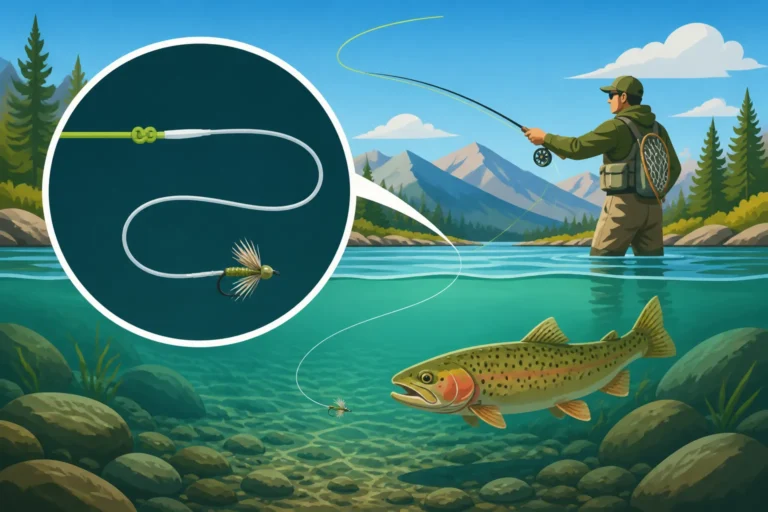
When you picture trout fishing, especially in a place like Wyoming, what often comes to mind are images of expert fly anglers gracefully casting lines on a famous river like the North Platte. You see delicate flies, intricate knots, and hear terms like "matching the hatch" or "dry-dropper-nymph rig." This romanticized view, while beautiful, can make a beginner feel utterly out of their depth. It's easy to fall into the trap of thinking that if you're not doing that, you're not really fishing for trout. But I'm here to tell you, that's just not true! There are many ways to catch a trout, and some are much, much simpler than others. Don't let the perceived sophistication of one technique overshadow the effectiveness and fun of another.
The reality is, fish don't care how fancy your gear is or how many degrees your rod bends. They care about food, cover, and comfort. A simple, well-presented offering, even on basic gear, can be far more effective than an expertly tied fly presented poorly. So, let's shed the pressure to be a "fly fishing purist" right from the start. Your goal is to catch a trout, and we're going to find the easiest path to that goal.
Common Frustrations for New Anglers
I've seen it countless times: eager new anglers, full of hope, head to the water only to be met with frustration. Maybe the line gets tangled every other cast, creating a bird's nest that takes ages to untangle. Perhaps they try various lures and baits, but nothing seems to get a bite, leading to hours of casting with zero action. Then there's the existential dread of not even knowing where to cast, just standing by the bank, scanning the water aimlessly. It can be incredibly disheartening, making you question if you're doing something fundamentally wrong, or if you're just not "lucky."
These frustrations often stem from trying to do too much too soon, or from using techniques that require more finesse and knowledge than a beginner typically possesses. If you're spending more time untangling knots or swapping out lures than actually fishing, it sucks the joy right out of it. The key is to simplify. Eliminate as many variables as possible and focus on the core act of getting your bait in front of a fish. Once you get that first fish, a lot of those frustrations melt away, replaced by confidence and the eagerness to learn more.
Setting Realistic Expectations
Before we dive into the "how," let's set a realistic expectation for your first outing. Your goal, as stated in the title, is to catch your first trout. This isn't about landing a state record, filling a cooler, or mastering an advanced technique. It's about feeling that tug on the line, successfully reeling in a fish, and holding it in your hands. That first trout, no matter the size, is a monumental achievement and the true gateway to becoming a lifelong angler.
Many beginners get hung up on the idea of immediately catching a huge fish or being as good as the anglers they see on TV. That's a fast track to disappointment. Think of it like learning to ride a bike: you start with training wheels, maybe a few wobbles and falls, and then slowly you gain balance and confidence. You don't aim to win the Tour de France on day one. Celebrate the small victories. That first trout is your training wheels moment, and it's exhilarating! Once you've accomplished that, the world of Wyoming fishing opens up to you, and you can then explore more complex techniques, target bigger fish, and venture into more challenging waters. But for now, let's keep it simple and focused.
The Easiest Way to Get Started: Spin Fishing with Bait
Alright, now that we've cleared the mental hurdles, let's get to the good stuff. For your absolute first trout, especially here in Wyoming, the simplest and most effective technique you can employ is spin fishing with bait. This method has a high success rate, requires minimal technical skill, and uses gear that's both affordable and readily available.
Why Bait Fishing is a Beginner's Best Friend
Bait fishing is the ultimate beginner-friendly technique for a few key reasons. First, it's intuitive. You put something tasty on a hook, cast it out, and wait for a fish to eat it. There's no complex fly pattern matching, no precise lure presentation, and no constant jigging or retrieving. The bait itself does most of the work, emitting scent and looking appetizing to hungry trout. This means you can focus on the basics: casting, understanding where to fish, and recognizing a bite.
Secondly, it's incredibly forgiving. If your cast isn't perfect, or your bait lands with a bit of a splash, it's usually not a deal-breaker. Trout are often less spooky around natural baits. Thirdly, the success rate is generally higher for beginners. Stocked trout, which are common in many accessible Wyoming lakes and ponds, are often very eager to eat common baits. This almost guarantees that "first trout" experience, building confidence and excitement without the frustration of repeated failure. Think of it as a low-barrier-to-entry gateway into the sport. Many of us, myself included, started with a simple worm on a hook!
Essential Gear for Your First Bait Fishing Trip
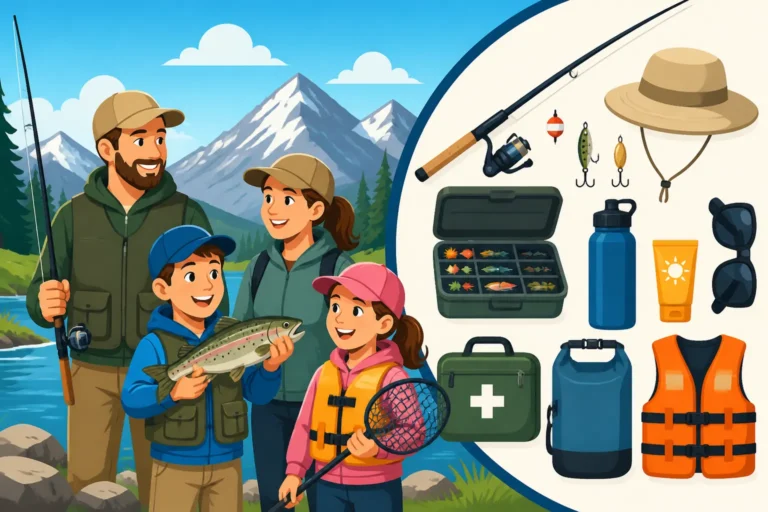
You don't need to break the bank to get started. A basic spin fishing setup is surprisingly affordable and can be found at most sporting goods stores or even major retailers. Here's a quick rundown of what you'll need:
- Rod and Reel Combo: Look for a medium-light action spinning rod, typically 5.5 to 7 feet long, paired with a small to medium-sized spinning reel. Many stores sell these as pre-spooled combos, which is perfect for beginners. You can often find a decent starter combo on Amazon for a reasonable price.
- Fishing Line: The combos usually come with line, but if not, 4-6 pound monofilament line is ideal for trout. It's strong enough, has a bit of stretch, and is easy to handle.
- Hooks: Small, sharp hooks are key. Size 10 or 12 single bait hooks are great for trout. Barbless hooks are always a good idea, especially if you plan to catch and release, as they cause less damage to the fish.
- Sinkers: Small split shot sinkers or an egg sinker (1/8 to 1/4 ounce) will help cast your bait and keep it in the strike zone.
- Bobbers/Floats: A small slip bobber or fixed bobber will help you suspend your bait at a specific depth and visualize strikes.
- Bait: We'll dive into this more in the next section, but plan on bringing some PowerBait or live worms.
- Small Pliers or Hemostats: Essential for removing hooks safely, especially if you're planning on Catch and Release Best Practices for Trout.
- A Valid Wyoming Fishing License: Don't forget this! You can find details on How Old You Have to Be to Fish Without a License in Wyoming and Wyoming Youth Fishing License Cost if you're taking kids.
Here's a handy table to summarize your basic gear:
| Item | Description | Why You Need It |
|---|---|---|
| Rod & Reel Combo | 5.5-7 ft, medium-light spinning rod, small reel | Your primary tool for casting and reeling in fish. Easy for beginners. |
| Fishing Line | 4-6 lb monofilament | Connects your reel to your hook; clear and forgiving. |
| Hooks | Size 10 or 12 single bait hooks (barbless preferred) | To hold your bait and catch the fish. Small sizes work best for trout. |
| Sinkers | Small split shot or 1/8-1/4 oz egg sinker | Helps cast further and gets bait down to where fish are feeding. |
| Bobbers/Floats | Small slip or fixed bobber | Suspends your bait at a desired depth and visually indicates a bite. |
| Bait | PowerBait (various colors) or live worms | The irresistible treat that attracts trout. |
| Small Pliers/Hemostats | For hook removal | Ensures safe and easy unhooking for both you and the fish. |
| Wyoming Fishing License | Legal requirement | Mandatory for anyone over the age of 14 to fish in Wyoming waters. |
Choosing the Right Bait for Wyoming Trout
Now for the tasty part (for the fish, anyway!). When it comes to beginner-friendly baits for trout in Wyoming, you've got a couple of absolute winners that consistently produce results.
1. PowerBait (Trout Bait): This stuff is a miracle worker, especially for stocked rainbow trout. PowerBait comes in various shapes (nuggets, dough) and a rainbow of colors, often infused with glitter and strong scents that trout find irresistible. My personal go-to colors are bright greens, oranges, and pinks. You'll want to mold a small, pea-sized ball of PowerBait around your hook, making sure the hook point is completely covered. When cast, PowerBait is buoyant, causing it to float off the bottom, which is often right at the fish's eye level. You can find a huge selection of PowerBait flavors and colors at most sporting goods stores and on Amazon. Just remember to check the local regulations for any specific bait restrictions on the water you're fishing.
2. Live Worms (Nightcrawlers or Red Wigglers): The humble earthworm is a timeless classic and incredibly effective. Worms offer natural scent and movement, which can entice even finicky wild trout. You can buy them at bait shops or dig them up in your backyard after a rain. Thread a small piece of a nightcrawler or a whole red wiggler onto your hook, leaving a bit of the tail to wiggle. Worms can be fished on the bottom or suspended under a bobber. They're universally loved by fish.
What to Avoid (for now): While corn can technically catch trout, it's generally not recommended as a primary bait due to ethical considerations (it can be indigestible for fish in large quantities) and regulations often restrict its use. Also, live minnows are another highly effective bait, but their legality varies greatly by water body in Wyoming. It's crucial to know the rules, and for a beginner, it's just another variable to worry about. For more on this, check out Are Live Minnows Legal Bait in Wyoming?. Stick to PowerBait or worms for your first few trips to keep things simple and compliant.
Step-by-Step: The Simple Rig and Cast
Okay, you've got your gear. Now let's put it all together and get that bait in the water. This is where many beginners get tripped up, but I promise, it's much easier than it looks. We're going to build a very basic, yet highly effective, rig that will maximize your chances.
Assembling Your Basic Rig: The Bobber-Sinker-Hook Setup
This is often called the "slip bobber rig" or simply "bobber and bait" rig, and it's perfect for beginners.
- Add a Bobber Stopper: First, slide a tiny bobber stopper (usually a piece of string or rubber) onto your main fishing line. These often come with a small plastic applicator tube; just thread your line through the tube, slide the stopper off, and pull the tube away. This stopper will determine the depth your bait will suspend.
- Slide on the Bead (Optional but Recommended): Next, slide a small plastic bead onto your line. This acts as a buffer between the bobber stopper and your slip bobber, preventing the stopper from getting sucked into the bobber.
- Attach the Slip Bobber: Now, thread your line through your slip bobber. A slip bobber has a small hole running through its center, allowing it to slide freely up and down your line until it hits the stopper.
- Add Your Sinker: About 12-18 inches above where your hook will be, crimp on one or two small split-shot sinkers, or tie on an egg sinker. The sinker's job is to get your bait down and keep it in the general strike zone. Don't go too heavy; just enough to help with casting and keep the bait down.
- Tie on Your Hook: Finally, tie your hook to the end of your line using a simple knot like the Improved Clinch Knot. If you don't know it, a basic overhand knot tied several times will often suffice for a beginner's first trout, but learning the Improved Clinch is a great step.
- Add Your Bait: Mold a pea-sized ball of PowerBait onto your hook, making sure the hook point is completely covered, or thread a worm onto it.
The Magic of Depth: The beauty of the slip bobber is that you can adjust your fishing depth easily. If the fish are shallow (say, 3 feet down), you slide your bobber stopper up your line so there are 3 feet of line between the sinker and the stopper. If they're deeper (8 feet down), slide it further up. This lets you present your bait at different levels in the water column until you find where the fish are holding.
Mastering the Overhead Cast (It's Easier Than You Think!)
Don't let casting intimidate you. The goal isn't distance or pinpoint accuracy right now, it's a smooth, controlled motion that gets your bait out without tangling.
- Hold the Rod Correctly: Hold the rod with your dominant hand, thumb on the line release button (if it's a spincasting reel) or forefinger cradling the line (if it's a spinning reel).
- Open the Bail/Press the Button: For a spinning reel, flip open the bail with your non-dominant hand. For a spincasting reel, press and hold the thumb button. This allows the line to unspool freely.
- Position Your Bait: Let out about 6-12 inches of line from the rod tip to your bait. This short amount gives you better control.
- The Smooth Swing: Bring the rod straight back over your shoulder, pausing for a moment to let the rod load (bend). Then, in one smooth, forward motion, bring the rod forward, aiming towards your target. As the rod comes forward, release your thumb from the button or your finger from the line. It's more of a gentle flick than a forceful whip.
- Follow Through: Let the rod follow through, pointing towards where you want the bait to land.
- Close the Bail/Release the Button: Once the bait hits the water, immediately flip the bail closed on a spinning reel or release the thumb button on a spincasting reel. This stops the line from continuing to unspool.
Practice a few times without bait (maybe just with the sinker) to get a feel for the motion. Remember, it's about smoothness and rhythm, not brute force.
Reading the Water for Success: Where Trout Hide
Knowing where to cast is almost as important as the cast itself. Even with the simplest technique, putting your bait in the right spot exponentially increases your chances. For beginners targeting trout, especially in lakes and ponds (which are often stocked and more accessible), look for these key areas:
- Drop-offs and Ledges: Trout love structure. A sudden change in depth provides cover and access to different water temperatures. If you can see the bottom, look for where the light penetration suddenly drops off.
- Weed Beds/Submerged Vegetation: These offer cover and attract insects, which in turn attract trout. Cast just to the edges of these beds, rather than directly into them (which can lead to snags).
- Inlets/Outlets: Where a small stream flows into or out of a lake, this often creates a current that brings food and oxygen, concentrating fish.
- Points and Bays: Points that jut out into the water provide ambush spots for trout. Shallow bays, especially in spring, can warm up quickly and attract fish.
- Aerators or Springs: If a pond has an aerator (often seen as bubbling water), this indicates a consistent source of oxygen, which trout will gravitate towards. Similarly, natural springs will often provide cooler, oxygenated water.
For those venturing into streams, simple principles still apply. Trout often hide behind rocks, in deeper pools, or along undercut banks where the current is broken and food drifts by. If you're interested in learning more about stream specifics, reading How to Read a Wyoming Stream for Holding Water can be incredibly insightful. For your first outing, I'd suggest starting with a well-known, easily accessible fishing pond or smaller lake, as these tend to be less intimidating. Many of Wyoming's "kids fishing ponds" are perfect for this, and you can find some great options listed in Best Kids' Fishing Ponds in Wyoming.
The Moment of Truth: Hooking, Landing, and Handling Your First Trout
This is it! The reason you're out there. That moment when your bobber dips or you feel a gentle tug on your line. It's pure magic, and knowing what to do next will help you seal the deal and experience the thrill of your first Wyoming trout.
Recognizing the Bite and Setting the Hook
When a trout bites, it can manifest in a few ways, depending on how aggressive the fish is and how you're rigged.
- The Bobber Dip: If you're using a bobber, this is often the easiest to spot. The bobber might wiggle a bit, then slowly drift sideways, or suddenly get pulled completely under the water. Any unusual movement of the bobber warrants attention!
- The Tap/Pull: If you're fishing on the bottom without a bobber, or simply holding your rod, you'll feel a distinctive tap or series of taps, followed by a steady pull. It often feels like something is gently nibbling, then suddenly deciding to swim off with the bait.
Setting the Hook: The moment you see or feel a definitive bite, it's time to set the hook. This isn't a violent yank, but rather a firm, upward or sideways sweep of the rod. Imagine it as lifting the rod tip sharply, but not so hard that you might break your line or tear the hook out of the fish's mouth. The goal is to drive the hook point firmly into the fish's lip. A good rule of thumb: "Lift, don't jerk." After you feel resistance, immediately start reeling to keep the line tight.
Playing the Fish and Bringing It In
Once the hook is set, you've got a fish on the line! This is where the fun really begins.
- Keep Your Rod Tip Up: This is perhaps the most crucial rule. Your rod is designed to bend and absorb the shock of a fighting fish. Keeping the tip pointed up (at about a 45-degree angle to the water) allows the rod to do its job, acting like a shock absorber and preventing the fish from snapping your line or pulling the hook free.
- Reel When the Fish Isn't Pulling: Only reel in line when the fish isn't actively pulling. If the fish is running, let your drag do the work (the drag is the mechanism on your reel that allows line to peel off when a fish pulls hard, preventing the line from breaking). You should have set your drag so that line only comes off with firm pressure, not at the slightest tug.
- Pump and Reel: A common technique, especially for larger fish, is "pump and reel." When the fish isn't running, pull the rod tip up, then lower it while simultaneously reeling in the slack line you gained. Repeat this motion. This helps gain line efficiently.
- Don't Horse It In: Resist the urge to just crank the fish in as fast as possible. This can tear the hook out, break your line, or exhaust the fish unnecessarily. Enjoy the fight, let the fish make its runs, and slowly but surely bring it closer to you.
As the fish gets close to shore, gently guide it into shallow water. If you have a net (highly recommended for kids or those who struggle with handling), scoop the fish headfirst into the net.
Ethical Handling: Catch and Release vs. Keeping Your Catch
Congratulations, you've caught your first trout! Now you have a decision to make: keep it for dinner or release it to fight another day? Both are perfectly valid choices, but either way, ethical handling is paramount.
If You Plan to Keep It:
Check the Wyoming fishing regulations for the specific water you are fishing. There will be bag limits (how many fish you can keep per day) and sometimes size limits (minimum or maximum length). For example, Wyoming Trout Stream Daily Limit or Wyoming Trout Lake Daily Limit will specify these numbers. If you decide to keep the fish, dispatch it quickly and humanely. A swift blow to the head is often the most humane method. Then, place it on ice immediately to preserve its quality.
If You Plan to Release It:
Your goal is to minimize stress and injury to the fish to give it the best chance of survival. This is where those small pliers or hemostats come in handy.
- Handle with Wet Hands: If you must touch the fish, wet your hands first. Dry hands can remove the fish's protective slime coat, leaving it vulnerable to disease.
- Keep it in the Water: Try to keep the fish in the water as much as possible, especially if you're going to take a photo. Fish cannot breathe air, and even a short time out of water can be very stressful.
- Support Its Body: If you lift it, support its body horizontally. Don't hold it vertically by the jaw or tail, as this can damage its spine and internal organs.
- Remove the Hook Gently: Use your pliers or hemostats to carefully back out the hook. If the hook is deeply swallowed, it might be better to cut the line as close to the hook as possible, as trying to extract it can cause more harm. This is another reason why barbless hooks are great for catch and release; they slide out much easier.
- Revive If Needed: If the fish seems sluggish, hold it gently in the water, facing upstream, allowing water to flow over its gills. Don't pump it back and forth; simply hold it steady until it kicks its tail and swims away on its own.
For a deeper dive into responsible angling practices, especially for fish you intend to release, I highly recommend reading Catch and Release Best Practices for Trout.
There you have it! The most straightforward, beginner-friendly path to catching your first trout in Wyoming. Don't overthink it, get your basic gear, find a local pond or lake (many are perfect for What to Bring for a Family Fishing Day and Best Gear for Kids Fishing in Wyoming), and enjoy the process. That first tug on the line is an unforgettable moment, and once you've felt it, you'll be hooked for life! If you're looking for where to start, check out guides like Best Places to Fish in Wyoming to find an accessible spot. And remember, Spin Fishing Techniques for Beginners can always offer more specific tips as you gain confidence.
Disclaimer
This article is for general informational purposes only and does not constitute professional advice. Laws, prices and regulations vary by location and change over time. Consult a qualified professional for guidance on your specific situation.