How to Anchor a Boat for Still Fishing
There's nothing quite as frustrating as finally reaching that perfect fishing spot on a serene Wyoming lake or a productive river bend, dropping your line, feeling a promising nibble… and then slowly, inexorably, realizing your boat is drifting. Whether it’s a sneaky current pushing you downstream or a sudden gust of wind nudging you across the reservoir, losing your prime position can utterly derail an otherwise stellar fishing outing. This guide is all about mastering the art of anchoring, ensuring your boat stays exactly where you want it, so you can focus on what truly matters: catching fish.
Understanding Your Anchoring Needs in Wyoming Waters
Anchoring might seem like a simple concept – drop a heavy object, and you stop. But in the diverse and often challenging waters of Wyoming, it’s a nuanced skill. The high-altitude lakes, the powerful rivers, and the expansive reservoirs each present their own set of conditions that can turn a seemingly solid anchor setup into a frustrating drag-fest if you're not prepared.
River vs. Lake Anchoring: Different Challenges
Think about it: the forces at play on a vast, open lake like Flaming Gorge are fundamentally different from those on a flowing river like the North Platte. On a lake, your primary battle is often against the wind. A stiff breeze can create chop, making your boat rock and pull at the anchor rode, constantly testing its hold. The wind can shift direction, too, requiring you to adjust your position or even re-anchor entirely to stay on a productive structure or a drop-off. You might be targeting big lake trout in the deeper sections of Wyoming's Flaming Gorge Reservoir Fishing Guide one day, and walleye near a shallow flat on Boysen the next, and each scenario demands a slightly different approach to anchoring effectively.
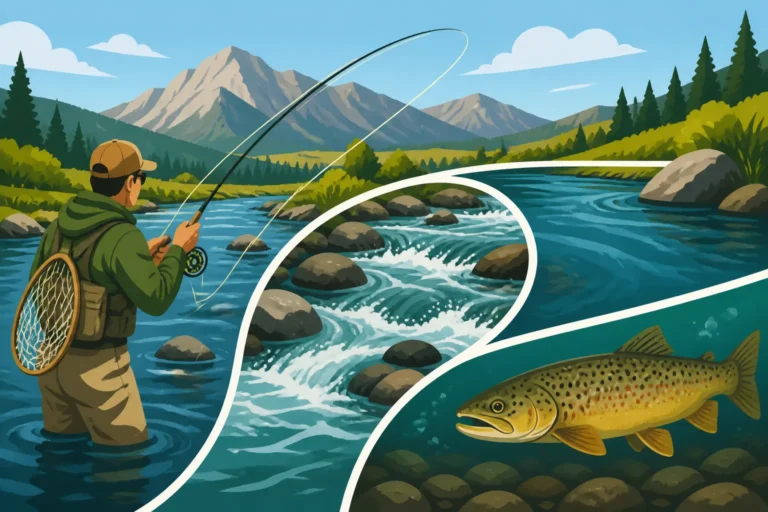
Rivers, on the other hand, introduce the relentless force of current. Even a seemingly calm stretch of water can have surprising power, especially during runoff seasons or after heavy rains. The current wants to push your boat downstream, and your anchor needs to dig in against that constant tug. If you're fly fishing a productive riffle on the Snake River for cutthroat, you need to stay put. If your anchor just drags, you're not only missing fish, but you could also be spooking them as your boat scrapes along the bottom. Proper river anchoring often involves understanding how the current interacts with your boat, not just the anchor itself. The techniques you'd use for Fishing Wyoming's North Platte River Guide are going to be very different from those used on a large, still body of water.
Factors Affecting Anchor Choice: Wind, Current, Bottom Type
Choosing the right anchor isn't a one-size-fits-all situation, especially when you consider the varied bottom compositions found across Wyoming's fishing grounds. A "good" anchor for a sandy flat might be completely useless on a rocky riverbed or a silty lake bottom.
- Wind: As we mentioned, wind is a major factor on open waters. Strong gusts can exert immense pressure on your boat, acting like a giant sail. A heavier anchor with good holding power is essential here, along with sufficient anchor rode to maximize its grip. If you're fishing a large, exposed reservoir, you'll feel the full force of How Wind Affects Fishing on Wyoming Reservoirs.
- Current: For rivers, the current's speed and depth are paramount. You need an anchor designed to dig in quickly and hold against a steady pull, often requiring more weight and a specific design that can penetrate the riverbed rather than just skidding across it.
- Bottom Type: This is perhaps the most critical, yet often overlooked, factor.
- Sand/Mud: Many lakes and some slower river sections have soft, sandy, or muddy bottoms. Anchors with broad flukes, like a Danforth, excel here, as they can bury themselves deeply for a strong hold.
- Rock/Gravel: On rocky riverbeds or gravelly lake bottoms, a fluke anchor might struggle to find purchase. You need an anchor that can wedge into crevices or, if it's a flatter rock bottom, one that's heavy enough to simply hold through sheer weight or multiple points of contact. Some river anchors are designed with multiple tines to grab onto uneven terrain.
- Silt/Weeds: Silt can be tricky; some fluke anchors can get bogged down but not truly set. Weed-fouled bottoms are also challenging, as anchors can get tangled rather than digging in. Sometimes, heavier, more compact anchors or those designed to shed weeds work better. Knowing the typical bottom type of your target spot, perhaps gleaned from How to Find a New Fishing Spot Using Wyoming Game and Fish Maps or local knowledge, is invaluable.
Safety First: Essential Considerations
Before we dive into the nitty-gritty of gear and technique, let's talk safety. Anchoring, if done improperly, can be hazardous. An anchor that won't release, a boat that pulls loose in a storm, or a rope wrapping around a propeller can all lead to dangerous situations. Always prioritize safety.
Ensure your anchor system is correctly sized for your boat. An anchor that's too small for your vessel and the conditions you're fishing in is simply a liability. Overloading your boat with too many people or too much gear can also reduce its stability, making anchoring more precarious. Always have a sharp knife or cutting tool easily accessible to cut the anchor line in an emergency, should the anchor become irretrievably snagged or if you need to make a quick escape from rapidly changing weather. It’s better to lose an anchor than to put yourself or your fishing partners at risk. Always wear your life jacket, especially when moving around the boat or in strong currents.
The Right Gear Makes All the Difference
You wouldn't show up to a big game hunt with a slingshot, right? The same logic applies to anchoring. Having the right gear isn't just about convenience; it's about effectiveness and safety. Trying to make do with a subpar anchor or inadequate rope on a windy day at Wyoming's Jackson Lake Fishing Guide can lead to endless frustration.
Types of Anchors for Wyoming Fishing
Different anchor designs excel in different conditions, and having a couple of options on board for varied Wyoming waters is often a smart move.
- Fluke Anchors (Danforth Style): These are perhaps the most common recreational anchors you'll see. They feature two large, flat flukes that pivot and dig into soft bottoms like sand, mud, and light gravel. They're lightweight for their holding power in appropriate conditions and easy to store. Many anglers on larger Wyoming reservoirs where the bottom is predominantly soft—think parts of Wyoming's Boysen Reservoir Fishing Guide—find these to be a reliable choice. However, on rocky riverbeds or heavily weeded areas, they can struggle to find purchase and just drag.
- Plow Anchors (Delta/CQR Styles): These anchors resemble a plow or scoop. They're designed to dig in quickly and reset themselves if the boat swings or the current shifts. They offer good all-around performance across a wider variety of bottoms, including mud, sand, and some rock, making them a versatile choice for many powerboaters on Wyoming's larger lakes. They tend to be heavier than fluke anchors for comparable holding power but are generally more reliable in changing conditions.
- River Anchors (Grapnel, Mushroom, Box Anchors): This category is especially important for those fishing Wyoming's moving waters.
- Grapnel Anchors: These have multiple tines (usually four) that can fold up for storage. They are excellent for snagging onto rocky bottoms and can be good for smaller craft in lighter currents. The downside is they can get truly stuck in rocks.
- Mushroom Anchors: Primarily designed for permanent moorings in soft mud, they offer minimal holding power for temporary anchoring in anything but the calmest, muddiest waters. Not generally recommended for active fishing.
- Box Anchors: These are truly fantastic for river fishing. They are heavy, typically square or rectangular, and designed to sink quickly and lie flat on the riverbed, using their weight and broad surface area to resist current. Many fly fishermen on our blue-ribbon trout streams swear by them because they provide a stable platform without digging in too aggressively, allowing for easier retrieval. They also tend to not snag as easily as grapnel anchors on rocky river bottoms. You can find a great selection of these on Amazon, often with helpful reviews from fellow anglers who fish similar conditions.
Anchor Rode: Chain, Rope, and Connectors
The anchor itself is only one part of the system. What connects it to your boat – the anchor rode – is equally important.
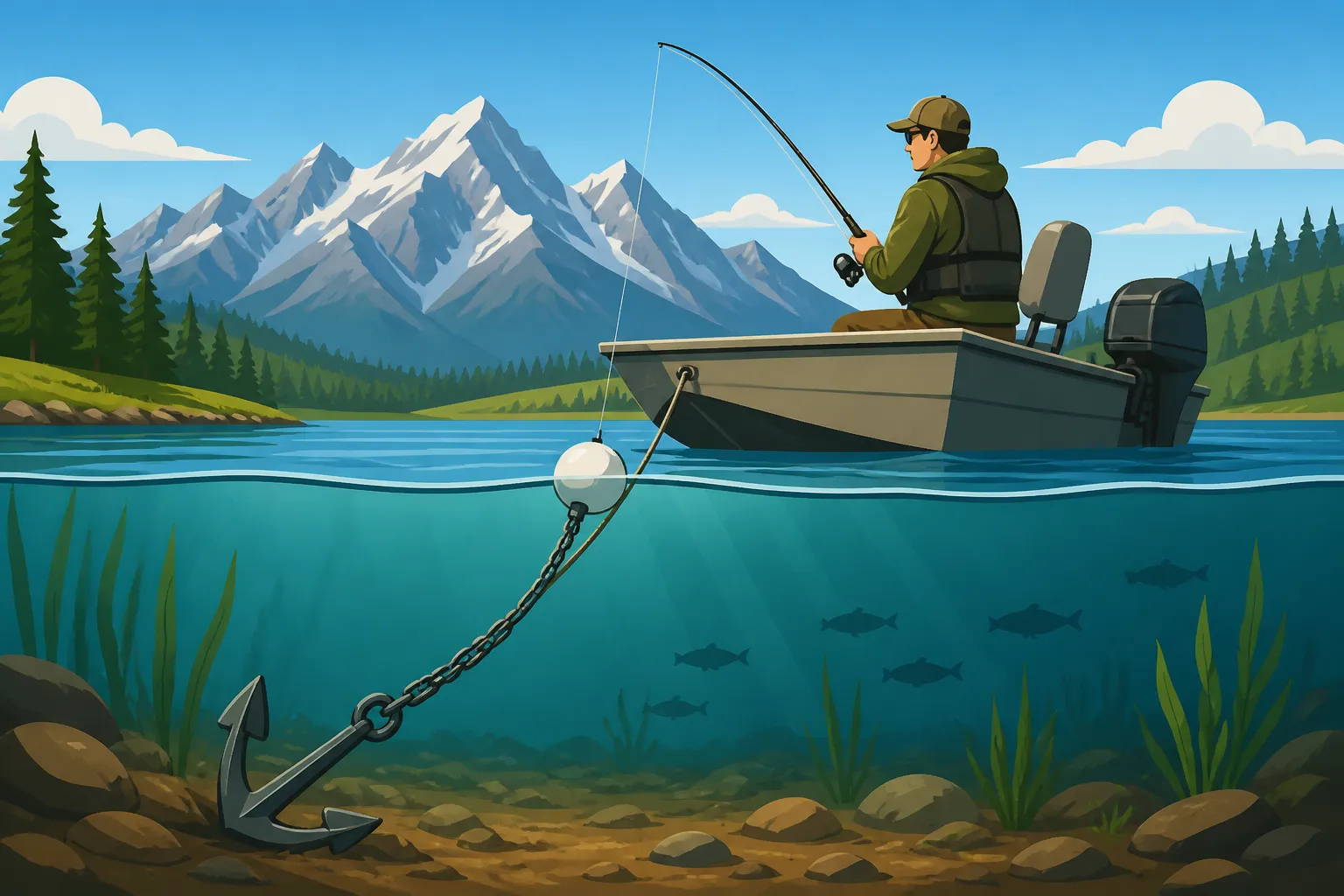
- Chain: This is often the most overlooked component for smaller boats. A length of chain (ideally 6-10 feet, but sometimes more) immediately ahead of your anchor is absolutely crucial. The weight of the chain helps the anchor lie flat and dig in, rather than being pulled upwards and breaking free. It also provides abrasion resistance against sharp rocks or debris on the bottom. Without chain, even the best anchor will struggle to set properly.
- Rope (Line): This is the main length of your anchor rode. Nylon rope is generally preferred because it has excellent stretch (shock absorption), which helps cushion the pull of waves and wind, preventing the anchor from being yanked loose. The diameter should be appropriate for your anchor and boat size. Always choose a rope that is strong enough for the job, with a breaking strength well beyond the expected forces.
- Connectors: Use high-quality shackles to connect the anchor to the chain and the chain to the rope. Stainless steel shackles are ideal for their corrosion resistance and strength. Make sure the pins are securely tightened, or even seized with a zip tie or wire, to prevent them from coming loose with boat movement.
Retrieval Systems: Anchor Pulleys and Power Winches
Hauling a heavy anchor, especially after a long day of fishing or in deep water, can be exhausting. Investing in a good retrieval system can save your back and make your fishing experience much more enjoyable.
- Anchor Pulleys and Rollers: For smaller boats, a bow-mounted anchor roller and pulley system makes it much easier to guide the anchor line and lift the anchor into the boat without scraping your hull. Some even incorporate a cleat or rope jammer to quickly secure the line. Investing in a good anchor pulley system, easily found on Amazon, can save your back during a long day of fishing, especially when you need to move and re-anchor multiple times.
- Power Winches: For larger boats or those who frequently fish deep water, an electric anchor winch (or windlass) is a game-changer. These systems automate the dropping and retrieving of your anchor, often at the touch of a button. While a significant investment, they offer unparalleled convenience and safety, particularly for solo anglers or those with physical limitations. Make sure any electrical connections are properly sealed and protected from the elements, as Wyoming weather can be unforgiving.
Step-by-Step Anchoring Techniques for Success
Now that you've got the right gear, let's talk about the "how." The technique you employ is just as important as the equipment itself. A perfect anchor can still drag if you don't set it correctly.
The Basic Anchoring Process (Lakes)
This method is ideal for most still waters, like many of Wyoming's reservoirs, where wind is the primary force.
- Approach Slowly: Motor slowly upwind or upcurrent of your desired fishing spot. You want to pass over the spot you intend to fish, noting landmarks or using your fish finder/GPS to mark the exact location.
- Stop and Reverse (or Drift Back): Once you've gone a bit beyond your target spot, stop your boat. Let the wind or current begin to push your boat backward towards your desired position.
- Deploy the Anchor: When you are directly over the spot where you want the anchor to set (which will be upstream/upwind of where you want your boat to sit), slowly lower the anchor straight down to the bottom. Don't throw it. "Paying out" the line gently prevents it from tangling and ensures it lands correctly.
- Pay Out Rode (The "Scope"): As your boat continues to drift backward, steadily pay out anchor rope. This is where the concept of "scope" comes in – the ratio of the length of your anchor rode (rope + chain) to the depth of the water from the anchor attachment point on your boat to the bottom. For most conditions, a minimum scope of 5:1 (five feet of rode for every one foot of depth) is recommended, with 7:1 or even 10:1 preferred in windy or rough conditions. The more scope you have, the shallower the angle of pull on the anchor, allowing it to dig in better.
- Set the Anchor: Once you've paid out sufficient scope, gently snub the anchor line to a sturdy cleat on your boat. Let the boat's momentum or the wind/current pull against the anchor for a moment. You should feel the anchor dig in and hold firm. You can sometimes even reverse your engine slowly at idle for a few seconds to help "dig" the anchor deeper into the bottom. Once you feel a solid hold, congratulations, you're set! You can then adjust your boat's position slightly by letting out or taking in a bit more line if needed to fine-tune your casting lanes.
Anchoring in Current (Rivers)
Anchoring in a river, especially those with strong currents like the North Platte or the Green River below Flaming Gorge, requires a slightly different, more deliberate approach to maintain stability. Choosing the Right Technique for Wyoming Lakes vs Rivers heavily influences your anchoring strategy.
- Locate Your Target: Identify the exact seam, riffle, or eddy you want to fish. Many river anglers prefer to fish a specific section, like the edge of a current where trout are holding.
- Approach Upstream and Slightly Offset: Motor upstream past your target spot. Instead of going directly over it, aim to be slightly to one side of it, allowing the current to help position you.
- Drop Your First Anchor (Upstream): This is often done from the bow. As you motor slowly upstream, just above your desired fishing spot, slowly lower your primary river anchor (like a box anchor) to the bottom. Let out enough line for it to set.
- Drift Back and Deploy Second Anchor (Downstream): This is the key to river stability. Once your bow anchor is holding, let the current slowly push your boat downstream over your target fishing spot. As you drift into position, drop a second, lighter anchor from the stern (back) of your boat. Pay out enough line for this anchor to also set and create tension.
- Adjust and Tension: Now you have two anchors, one holding the bow upstream and another holding the stern downstream. Use your cleats to adjust the lines, pulling them tight to create a stable, motionless platform. This two-anchor system prevents your boat from swinging back and forth in the current, which is critical for precise casting, particularly when fly fishing. This allows you to fish specific features like undercut banks or submerged logs more effectively.
Dealing with Wind and Waves
Wyoming weather can be notoriously unpredictable. A calm morning can quickly turn into a windy afternoon, especially on large, open bodies of water.
- Increase Your Scope: The easiest and most effective way to deal with increased wind or waves is to let out more anchor rode. If you were at 5:1, try for 7:1 or even 10:1. The longer the rope, the more horizontal the pull on the anchor, and the better it can hold.
- Two-Anchor System (Lakes): Just like in rivers, a two-anchor system can work wonders on lakes during windy conditions. Drop your primary anchor upwind, let out plenty of scope, then drift back to your desired spot and deploy a second, smaller anchor from the stern. This second anchor acts as a "kellet" or "tandem" anchor, or simply helps to keep your bow pointed into the waves, preventing the boat from swinging wildly and offering a much more comfortable and stable fishing experience.
- Move to Sheltered Areas: If the wind becomes too strong and your anchoring system is struggling, sometimes the safest and most practical solution is to move to a more sheltered cove or lee side of an island or landmass. Always prioritize safety over trying to tough it out in conditions that exceed your gear's or your boat's capabilities.
Retrieving Your Anchor Safely
Bringing up an anchor, especially a heavy one that’s dug in well, can be a workout. Here's how to do it efficiently and safely.
- Motor Up to the Anchor: Instead of just pulling from a stationary position, motor your boat slowly over the anchor. This changes the angle of pull from horizontal to vertical, making it much easier to break the anchor free from the bottom.
- Pull Straight Up: Once you're directly above the anchor, pull the line straight up with a steady, strong motion. If it's stuck, let the boat drift a few feet past it and try pulling from a different angle. Sometimes, a series of short, sharp tugs can dislodge it.
- Clean and Store: Once the anchor is free, bring it aboard, being careful not to scratch your boat or get mud/debris everywhere. Give it a quick rinse if possible, then store it securely so it doesn't bounce around while underway. For those tricky, stuck anchors, an anchor retrieval ring or buoy kit, readily available on Amazon, can be a real game-changer. These devices allow you to float the anchor line and use the boat's momentum to pull the anchor from the opposite direction, often freeing it from snags.
Common Anchoring Mistakes and How to Avoid Them
Even seasoned anglers can sometimes make anchoring blunders. Learning from these common mistakes will save you a lot of headache and potentially keep you out of trouble on Wyoming's waters.
Not Enough Scope: The Cardinal Sin
This is, by far, the most common mistake. People drop their anchor and let out just enough line to reach the bottom, or maybe a little more. Without enough scope (that 5:1 to 10:1 ratio we talked about), the anchor line pulls upwards at a steep angle, preventing the anchor from digging in effectively. It will skip, drag, and ultimately fail to hold, leading to endless frustration and re-anchoring.
How to Avoid: Always, always, always pay out enough line. Err on the side of too much scope, especially in wind or current. It might seem like a lot of rope, but that's what gives your anchor its holding power. If you're in 20 feet of water, aim for at least 100-140 feet of rode.
Incorrect Anchor Type for Bottom
Trying to use a lightweight fluke anchor on a rocky river like the upper Fishing Wyoming's Snake River Below Jackson Lake Dam is a recipe for disaster. It simply won't grab onto anything. Conversely, using a heavy, multi-tined river anchor on a soft, muddy lake bottom might hold, but it could also get so deeply buried it becomes a pain to retrieve.
How to Avoid: Understand the bottom composition of the waters you fish most often. If you fish diverse locations, consider carrying two different types of anchors – a fluke for soft bottoms and a box or grapnel for rocky/gravelly areas. Do some research on the particular lake or river before you go.
Anchoring in Unsafe Locations
Dropping anchor in a narrow channel, a high-traffic area, directly in a navigation path, or too close to hazards like submerged rocks or dams is not only dangerous but can also be illegal. Imagine tying up on the edge of the Miracle Mile section of the North Platte during peak season, blocking a prime drift for other boats. That won't win you any friends!
How to Avoid: Always be aware of your surroundings. Consult navigation charts for larger lakes, observe buoy markers, and pay attention to other boat traffic. Give other anglers and boats plenty of space. Avoid anchoring directly upstream of rapids or waterfalls where a broken anchor could have catastrophic consequences. Think about Fishing From Boats vs Banks: Different Rules and how anchoring can affect others.
Forgetting a Marker Buoy
A marker buoy is a simple, inexpensive piece of gear that can be a lifesaver. If your anchor gets hopelessly snagged and you have to cut the line, deploying a marker buoy lets you mark the anchor's location so you can return later with better retrieval tools or divers if needed. It also serves as a visual warning to other boaters if your anchor line is running across a wider area.
How to Avoid: Keep a simple anchor marker buoy on board and know how to deploy it quickly. Always carry an anchor marker buoy; a simple, inexpensive one from Amazon can save you a lot of headache if you need to ditch your anchor quickly due to a snag or an emergency. It's a small investment for significant peace of mind.
Mastering your anchoring technique will not only make your Wyoming fishing trips more productive but also far more enjoyable and safer. Spend a little time understanding your gear, the water, and these essential techniques, and you'll be well on your way to a more confident and successful angling adventure.
Anchor Comparison Chart for Wyoming Fishing
| Anchor Type | Ideal Bottom Type(s) | Best For (Wyoming Water Type) | Pros | Cons |
|---|---|---|---|---|
| Fluke (Danforth) | Sand, Mud, Light Gravel | Large Reservoirs (Boysen, Glendo, Alcova) | Lightweight, good holding in soft bottoms | Poor in rocks, struggles in heavy current/weeds |
| Plow (Delta/CQR) | Sand, Mud, Some Rock | Large Reservoirs (Flaming Gorge, Pathfinder) | Versatile, resets well, good all-around | Heavier than fluke, can snag in tight rocks |
| Box Anchor | All river bottoms, moderate lake wind | Rivers (North Platte, Snake, Green), smaller lakes | Excellent for rivers, stable, less snagging, easy retrieve | Bulky to store, holding power purely weight/surface |
| Grapnel (Folding) | Rocky, Irregular | Smaller river craft, rocky lake shorelines | Grabs well on rocks, compact storage | Can get permanently snagged in rocks, light hold |
Disclaimer
This article is for general informational purposes only and does not constitute professional advice. Laws, prices and regulations vary by location and change over time. Consult a qualified professional for guidance on your specific situation.