How to Plan a Fishing Trip Around Wyoming’s Short Season
It's easy to look at Wyoming's often-harsh climate and think that the prime fishing window is incredibly short, maybe just a few fleeting weeks in the summer. Many anglers get frustrated feeling like they have to cram all their trips into that tiny slot, often contending with crowds. But what if I told you that with a little strategic planning and an open mind, you can actually extend your Wyoming fishing season significantly? This guide is all about helping you navigate the nuances of our wild state's calendar to maximize your time on the water, no matter the month.
Understanding Wyoming's True Fishing Calendar
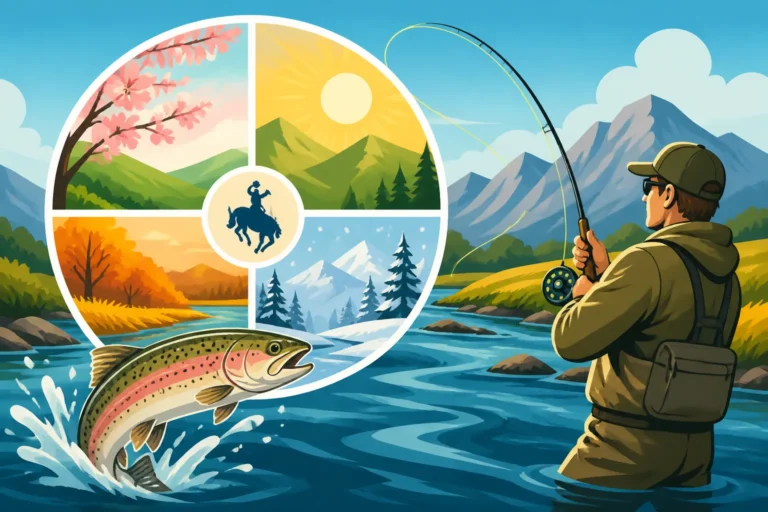
When people talk about Wyoming fishing, they often picture glorious summer days, sun on their face, casting to rising trout. And while that's certainly a highlight, it's far from the only show in town. The reality is, Wyoming offers diverse fishing opportunities throughout much of the year, but each season demands different approaches and has its own unique rewards. Dismissing everything outside of July and August means missing out on some truly incredible experiences.
The Myth of the "Short Season" vs. Reality
The "short season" perception often comes from focusing solely on dry fly fishing for trout on popular blue-ribbon rivers. Yes, those hatches are often concentrated in late spring through early fall. However, many of Wyoming's waters, especially our vast reservoirs and some tailwaters, remain productive through colder months. The fish are still there; they just change their behavior and location, requiring anglers to adapt their techniques.
Think about it: if the only way to fish was with dry flies in 70-degree weather, then yes, our window would be narrow. But that ignores the robust nymphing in spring, the streamer fishing in fall, and the highly productive ice fishing season that blankets our state in winter. It's a mindset shift, really. Instead of asking "when can I fish?", the better question is "what kind of fishing is best now?" This perspective opens up a much longer, more varied calendar of opportunities.
Key Factors Influencing Seasonality in Wyoming
Wyoming's fishing seasons are largely dictated by several natural forces: snowpack, spring runoff, ice-out, and fish spawning cycles. Understanding these elements is crucial for successful planning.
- Snowpack: The amount of snow we receive in winter directly impacts spring runoff. A heavy snowpack means a prolonged, high-volume runoff, which can make river fishing challenging well into June, sometimes even July in high-elevation areas. Conversely, a low snowpack might mean an earlier runoff, but also potentially lower, warmer water later in the summer, which has its own considerations for trout. Monitoring snowpack reports from the National Weather Service or the Wyoming Game and Fish Department (WGFD) can give you a heads-up months in advance.
- Spring Runoff: This is the big one that often defines the start of "fishing season" for many. As mountain snow melts, rivers swell, become muddy, and often unfishable for a period. This usually peaks in May and early June, but specific timing varies greatly by river system and elevation. For example, lower elevation rivers like parts of the North Platte might clear earlier than high-mountain freestone streams. During runoff, tailwaters below dams or certain lakes can be excellent alternatives as they often remain clear. For more detailed information, check out Fishing Wyoming During Spring Runoff.
- Ice-Out: For our countless lakes and reservoirs, ice-out marks the transition from ice fishing to open water. This can happen anywhere from late April to late June for high-alpine lakes. The period immediately following ice-out can be phenomenal for aggressive trout and other species as they shake off winter lethargy and feed actively. Knowing when a particular lake typically thaws is a major planning advantage.
- Fish Spawning Cycles: Different species spawn at different times, and these periods often come with specific regulations or changes in fish behavior. For example, brown trout make their impressive spawning runs in the fall, offering incredible opportunities for targeting large, aggressive fish – but also requiring careful catch-and-release practices. Spring is when rainbows spawn, and lake trout often spawn in the fall. These cycles concentrate fish in certain areas, making them easier to find but also more vulnerable.
Strategic Planning for Peak Opportunities
Instead of just hoping for the best when you arrive, a little homework can turn a good trip into an unforgettable one. Each season, even the "shoulder seasons," offers distinct advantages for the savvy angler.
Spring Surprises and Runoff Realities
Spring in Wyoming is a season of transition, often characterized by unpredictable weather and the looming threat of runoff. However, it's also a time of incredible opportunity if you know where to look. Early spring, before the major snowmelt begins, can offer some surprisingly good fishing on many rivers. The fish are often hungry after winter and less pressured than they will be later in the year. Nymphing can be particularly effective during this time, and as water temperatures slowly begin to climb, you'll start to see sporadic hatches of midges and early mayflies.
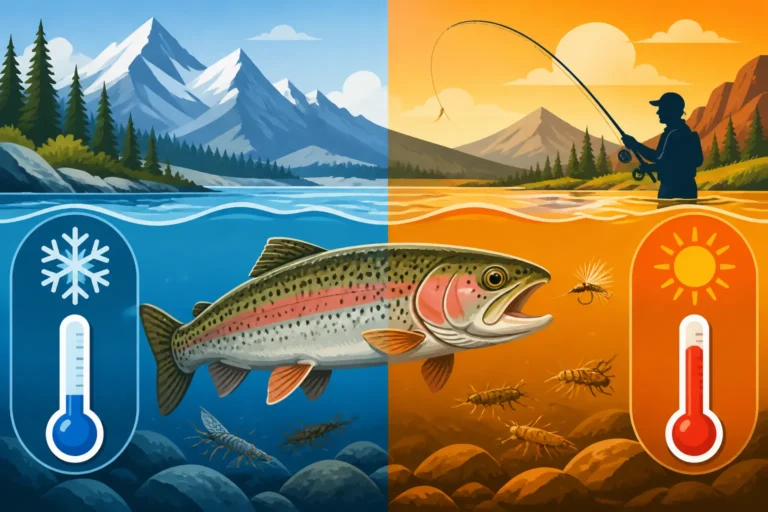
Once runoff hits, typically from late April through June, many of the larger rivers become high and turbid, making fly fishing especially difficult. This is when smart anglers pivot to tailwaters—rivers flowing out of large dams, like sections of the North Platte below Gray Reef or Alcova. These waters often remain clear and fishable even when everything else is blown out, providing consistent flows and abundant food. How Water Temperature Changes Wyoming Trout Behavior is a great resource for understanding why fish react the way they do to these seasonal shifts. For gear during this time, warm, waterproof layers are key; I've often layered up with items I've found on Amazon to stay comfortable during those chilly, damp spring mornings.
Summer's Sweet Spot: Peak Season with a Catch
Summer (July and August) is undeniably prime time for many. The weather is generally more stable, mountain roads are open, and dry fly hatches are in full swing on many of our iconic trout streams. This is when you can hike into high-alpine lakes that were inaccessible just weeks before, or float the larger rivers with a good chance of consistent action. However, "peak season" also means more crowds on popular waters and, especially in late summer, can bring warmer water temperatures that stress trout.
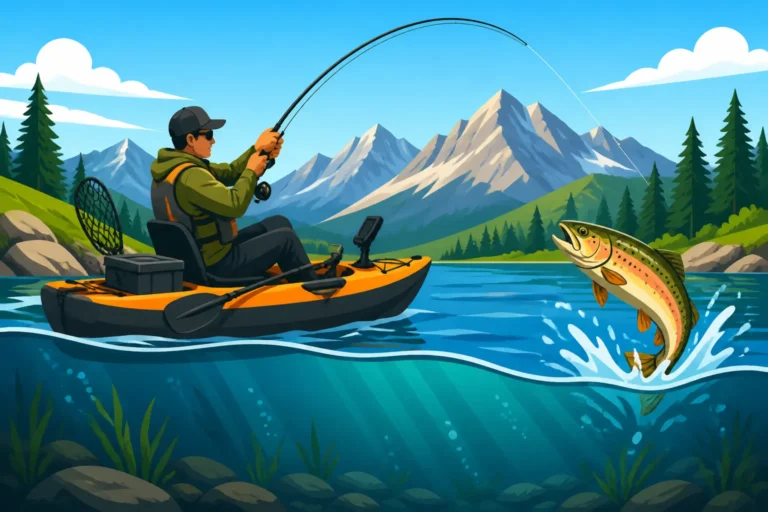
If you plan a summer trip, consider focusing on less-pressured waters or fishing during off-peak hours (early morning or late evening). High-elevation lakes and streams often stay cooler and provide excellent fishing throughout the summer. For reservoir anglers, summer is fantastic for lake trout, kokanee salmon, and walleye, often requiring different techniques like trolling in deeper water. Always keep an eye on water temperatures, and if they get too warm (generally above 68 degrees Fahrenheit), consider giving trout a break to reduce stress. For ideas on where to go, check out Best Places to Fish in Wyoming.
Fall's Hidden Gems: Migrating Browns and Colorful Scenery
Many seasoned Wyoming anglers will tell you that fall (September and October) is their favorite time of year. The crowds thin out, the foliage turns to brilliant golds and reds, and the fishing can be spectacular, especially for brown trout. As water temperatures cool, brown trout become incredibly aggressive, feeding heavily before their annual spawning runs. Rivers like the North Platte and the Snake River can offer world-class streamer fishing for truly trophy-sized browns during this period. Wyoming Fall Fishing for Migrating Browns delves deep into this exciting time.
Beyond brown trout, fall also sees kokanee salmon making their spawning runs in many reservoirs, offering a different kind of angling experience. High-country lakes remain productive until ice-up, and often the fish in these waters are more willing to chase a fly or lure as they prepare for winter. The biggest challenge in fall is the rapidly changing weather; you might start your day in sunshine and end it in a snow squall. Always be prepared with layers!
Winter's Icy Allure: Ice Fishing and Tailwater Wonders
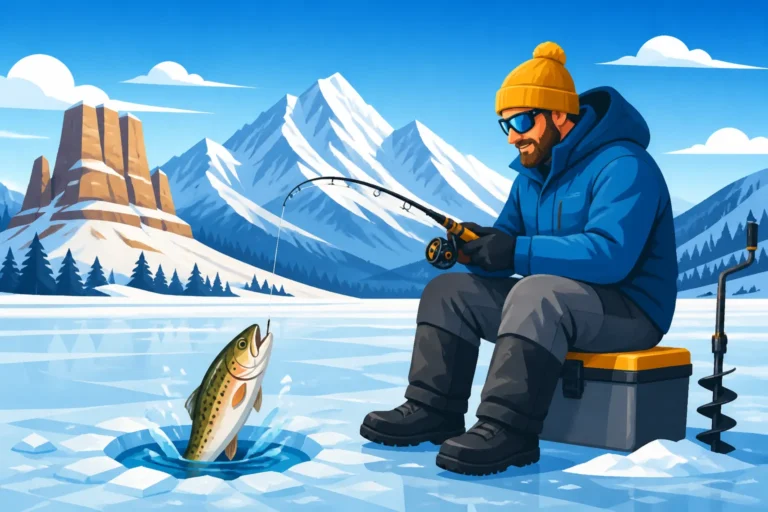
While most people pack away their fishing gear after October, Wyoming's winter offers some truly unique and productive opportunities. Ice fishing is hugely popular on many of our reservoirs, providing access to species like lake trout, walleye, perch, and even rainbow trout through the ice. Lakes like Boysen Reservoir, Flaming Gorge, and Glendo Reservoir become winter playgrounds. If you've never tried it, it's a social and often very successful way to fish. For a comprehensive guide, see Ice Fishing in Wyoming: A Complete Guide.
For those who prefer open water, winter is also prime time for fishing tailwaters. The consistent water temperatures released from the bottom of dams create stable environments where trout remain active, even when ambient temperatures are frigid. Sections of the North Platte River are famous for their winter nymphing, with big trout gorging on prolific midge and mayfly hatches under the ice. Just be sure to dress warmly; proper layering, often including gear found on Amazon, is non-negotiable for comfort and safety.
Essential Gear and Preparations for Variable Conditions
Wyoming's weather can be famously fickle, often swinging wildly within a single day. This variability, combined with the diverse fishing opportunities across seasons, means your gear and preparations need to be thoughtfully considered. There’s nothing worse than being out on the water and realizing you’re ill-equipped for a sudden change in conditions.
Clothing and Layering for Wyoming Weather
This cannot be stressed enough: layering is king when fishing in Wyoming. You might start your morning in freezing temperatures, shed layers as the day warms up, and then add them back on for an evening chill or a sudden afternoon thunderstorm. Don't fall into the trap of thinking "it's summer, I just need a t-shirt." Even in August, mountain mornings can be crisp, and afternoon rains can drop temperatures significantly.
- Base Layers: Moisture-wicking synthetics or merino wool are essential to keep sweat away from your skin.
- Mid-Layers: Fleece or down jackets provide insulation. Having a couple of different weights allows you to adapt.
- Outer Shell: A waterproof and windproof jacket and pants are non-negotiable, even on clear days. You never know when a shower will roll in, or when a strong gust of wind will drop the perceived temperature. I've found that investing in good quality base layers, waterproof outer shells, and insulating mid-layers is always worth it. You can find a fantastic selection of these on Amazon with detailed reviews to help you choose wisely.
- Headwear and Gloves: A warm hat is crucial in colder months, and even in summer, a brimmed hat protects from sun and glare. Fingerless gloves can be a game-changer for dexterity in chilly conditions.
- Footwear: Waterproof wading boots (if river fishing) or sturdy, insulated, waterproof hiking boots are a must. Keep an extra pair of dry socks in your vehicle!
Tackle Box Adjustments for Different Seasons and Species
The "one size fits all" tackle box doesn't work in Wyoming. Your setup will change dramatically depending on the season and what you're targeting.
- Spring: Focus on nymphing patterns (stoneflies, caddis larvae, midges) for rivers, and aggressive streamers if the water has some color. For lakes, small jigs and spoons work well right after ice-out.
- Summer: Dry flies are prominent for trout (caddis, mayflies, hoppers, terrestrials). For warmwater species in reservoirs, crankbaits, jigs, and soft plastics for walleye and bass are key.
- Fall: Streamers are huge for brown trout. Larger nymphs continue to be effective. For kokanee, small spoons and dodgers are popular.
- Winter (Ice Fishing): Small jigs, spoons, and bait (like wax worms or mealworms) are the staples. For specific recommendations, check out Best Ice Fishing Jigs for Wyoming Trout.
- General: Always carry a variety of leader and tippet sizes. I often browse Amazon for specific fly patterns or unique lure colors that aren't always available at my local shop, especially if I'm targeting something niche like a particular size of walleye jig. Having a diverse selection ensures you're ready for whatever the fish are keying in on.
Vehicle and Lodging Considerations
Wyoming is vast, and many prime fishing spots require navigating gravel roads, or even dirt roads that can turn into muddy tracks with rain. A reliable vehicle, preferably with decent clearance and 4WD/AWD, can make a huge difference in accessing those less-pressured areas. Always carry a spare tire, a basic toolkit, and recovery gear, especially in the shoulder seasons when weather can degrade roads quickly.
Lodging can range from primitive dispersed camping to luxury resorts. During peak summer months, popular areas like Jackson Hole or the North Platte River corridor near Casper can book up months in advance, and prices can be higher. Consider visiting during the shoulder seasons for better rates and fewer crowds. If you're planning a trip around a specific event or a very popular area, booking far in advance is crucial. Don't forget that many small towns have limited options, so planning ahead is key, especially if you need specific amenities.
Maximizing Your Time: Logistics and Flexibility
Once you understand the seasons and have your gear dialed in, the final piece of the puzzle is smart logistical planning. Wyoming is a place where adaptability pays off. The best-laid plans can be altered by a sudden cold front, an unexpected runoff surge, or even a wildlife closure.
Researching Water-Specific Regulations and Conditions
This is perhaps the single most important step in planning a successful and legal Wyoming fishing trip. Our regulations are complex, with many waters having unique rules regarding bag limits, tackle restrictions (like barbless hooks on certain rivers), and season dates. What's legal on one stretch of river might be illegal just a few miles upstream or downstream.
- WGFD Regulations Booklet: Always consult the current Wyoming Game and Fish Department fishing regulations booklet. It's available online and in print at license vendors. This is your bible. Don't just skim it; read the water-specific regulations carefully for every body of water you intend to fish. Reading the Wyoming Fishing Regulations Booklet can walk you through how to navigate it.
- Current Conditions: Check streamflows (USGS website), lake levels, and water temperatures close to your trip date. The WGFD website also often provides current fishing reports. These conditions can change rapidly and will influence where fish are holding and what they're eating.
- Emergency Closures: Keep an eye out for any emergency closures due to drought, low water, or disease outbreaks. These can happen with little notice and protect our fisheries. Where to Find Current Wyoming Fishing Regulations is the best place to find up-to-date information.
Building in Flexibility: The Ultimate Plan B
The most successful Wyoming anglers are those who can adapt. Don't go into a trip with only one plan. Always have a Plan B, and ideally, a Plan C.
- Weather Contingency: If a blizzard rolls in during what was supposed to be a sunny fall day, do you have ice fishing gear in the car? If your favorite river is blown out by runoff, do you know a nearby tailwater or lake that might still be clear?
- Crowd Avoidance: If your primary spot is packed, are there alternative public access points or less-known waters you can explore?
- Species Flexibility: Don't be so fixated on one species that you miss out on others. If the trout aren't biting, perhaps the perch in a nearby reservoir are active.
- Logistical Grace: Allow for extra travel time. Roads can be rough, and you might want to stop to enjoy a scenic overlook or explore an unexpected side road. Don't overschedule yourself. A relaxed pace often leads to better fishing and a more enjoyable experience overall. For those backcountry adventures, a lightweight, compact stove or a durable water filter, readily available on Amazon, can make all the difference when you're unexpectedly staying out longer than planned.
Local Knowledge and Resources
While online research is powerful, nothing beats local knowledge.
- Local Fly Shops/Tackle Stores: These are invaluable resources. Shop owners and staff are often on the water daily or have guides who are. They know what's biting, what flies are working, and what sections of river are fishing best. They can often provide crucial, real-time advice that an online report can't capture.
- WGFD Offices: Stop by a regional office. The biologists and staff there are incredibly knowledgeable about local fisheries and regulations.
- Fellow Anglers: Don't be shy! A friendly chat at the boat ramp or trailhead can sometimes yield fantastic tips (and sometimes, you'll make a new fishing buddy!).
Planning a Wyoming fishing trip isn't just about picking a date; it's about understanding the rhythm of our wild landscapes. By embracing the full spectrum of seasons, preparing for diverse conditions, and building flexibility into your itinerary, you'll discover that Wyoming's "short season" is actually a year-round adventure waiting to be explored.
Disclaimer
This article is for general informational purposes only and does not constitute professional advice. Laws, prices and regulations vary by location and change over time. Consult a qualified professional for guidance on your specific situation.