Wyoming’s State Fish: The Yellowstone Cutthroat
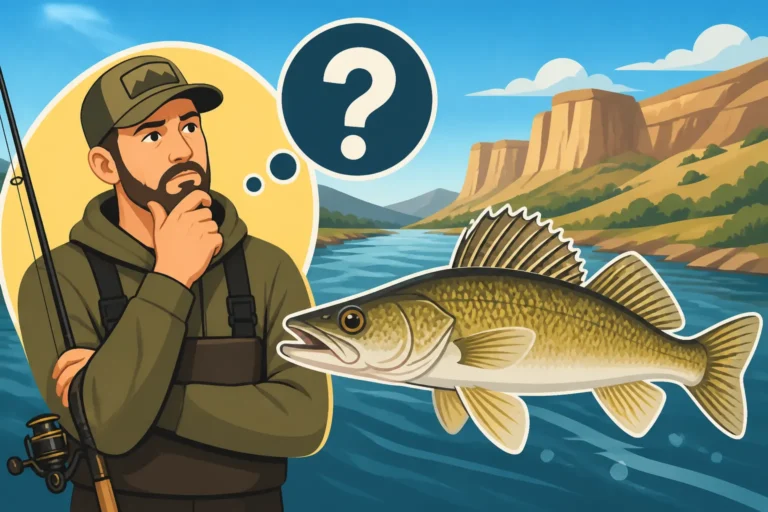
For many anglers coming to Wyoming, the sheer variety of world-class fishing opportunities can be overwhelming, but there's one fish that truly embodies the spirit of our wild waters: the Yellowstone Cutthroat Trout. This guide will dive deep into why this magnificent native species is Wyoming's state fish, where you can find them, how to catch them responsibly, and the critical conservation efforts aimed at preserving their legacy in the Cowboy State.
The Iconic Yellowstone Cutthroat Trout
There’s a reason why the Yellowstone Cutthroat holds such a revered place in the hearts of Wyomingites and visiting anglers alike. It’s not just a fish; it’s a living symbol of the pristine, wild West, reflecting the resilience and beauty of the landscapes it inhabits. Understanding its significance, appearance, and history helps us appreciate every encounter with this remarkable creature.
A Legacy Etched in Wyoming Waters
The Yellowstone Cutthroat Trout ( Oncorhynchus clarkii bouvieri) isn't merely one of many trout species; it is the state fish of Wyoming, a designation that speaks volumes about its importance to our natural heritage and the ecosystem of the Greater Yellowstone area. This isn't just an arbitrary title; it recognizes its profound ecological role and its deep connection to the history of the region. Long before European settlers arrived, these fish were a vital food source for Native American tribes and later, early explorers and pioneers. They are a foundational species, meaning their health is often a good indicator of the overall health of the entire aquatic environment. When you catch a Yellowstone Cutthroat, you’re not just reeling in a fish; you're connecting with centuries of natural history. Their presence signifies a healthy, functioning ecosystem, much like the presence of elk or bison symbolizes a healthy terrestrial one.
Physical Traits and Identification
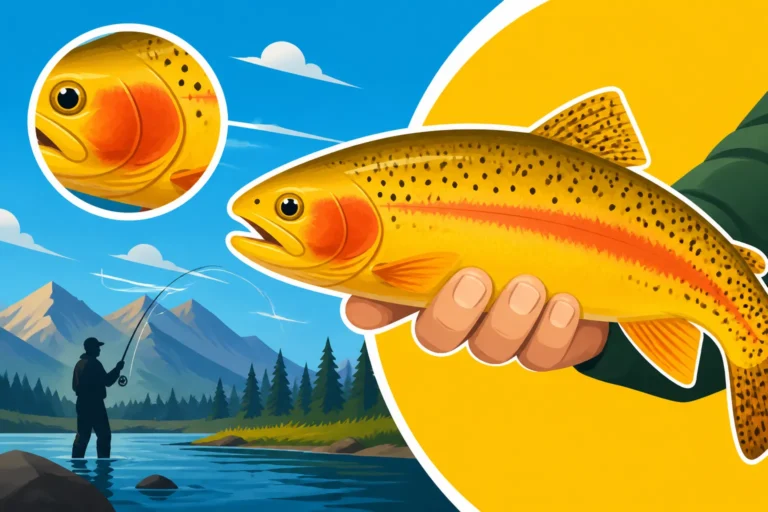
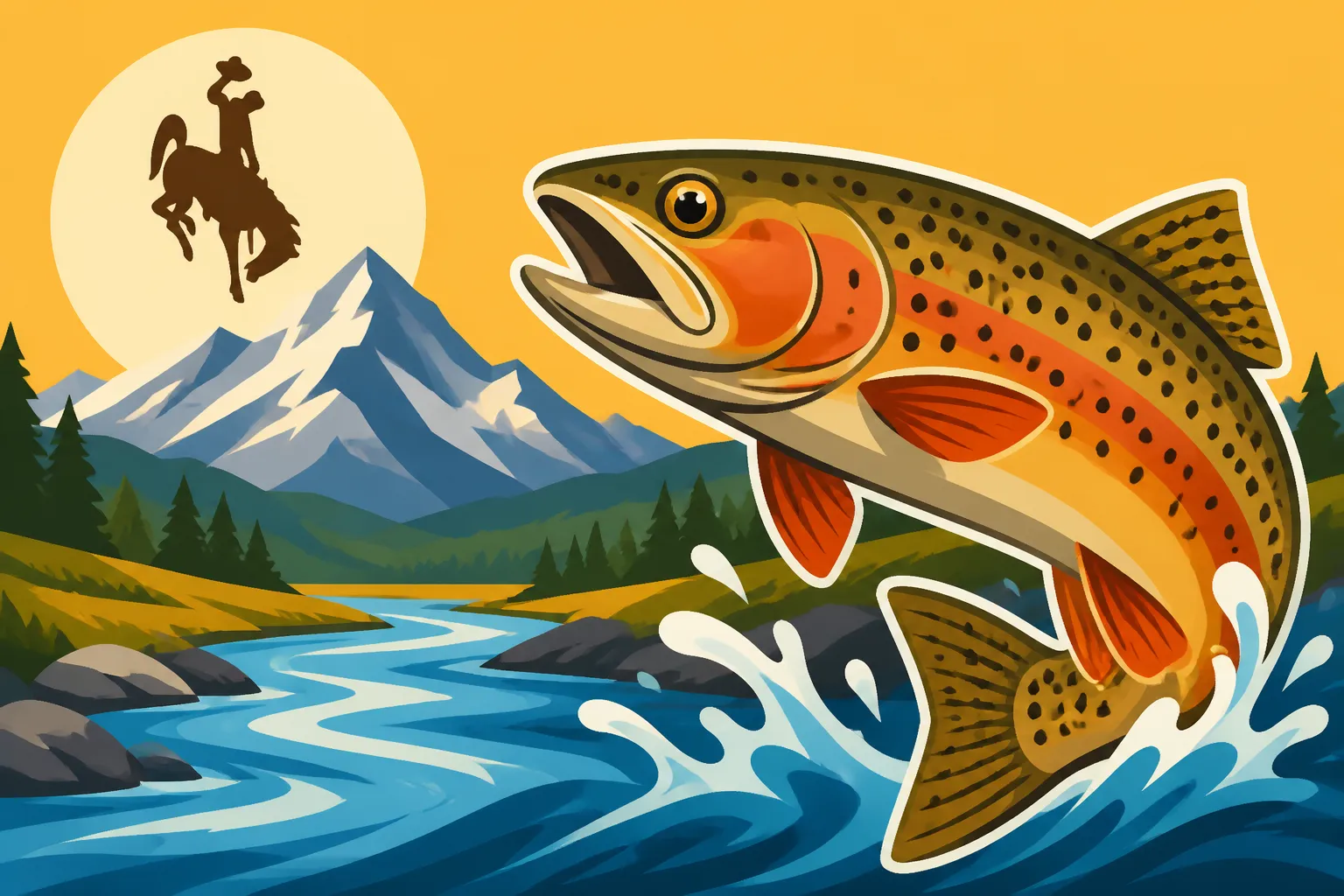
Identifying a Yellowstone Cutthroat Trout can be a thrilling part of the angling experience, especially since Wyoming is home to several different subspecies of cutthroat. The key characteristic, and the reason for their name, is the distinctive red-orange or crimson slash marks found under the jaw on either side of the throat. These "cutthroat" markings are usually quite prominent but can sometimes be faint depending on the fish's age, diet, and specific habitat. Beyond these iconic slashes, Yellowstone Cutthroat typically have a yellow-bronze body coloration, often lighter on the belly and darker on the back, transitioning to olive-green or grayish tones. Their bodies are adorned with numerous dark spots, which are usually concentrated towards the tail, often extending onto the caudal fin. Unlike some other trout, these spots are generally larger and more irregularly shaped, and they rarely extend below the lateral line as densely as they do above it.
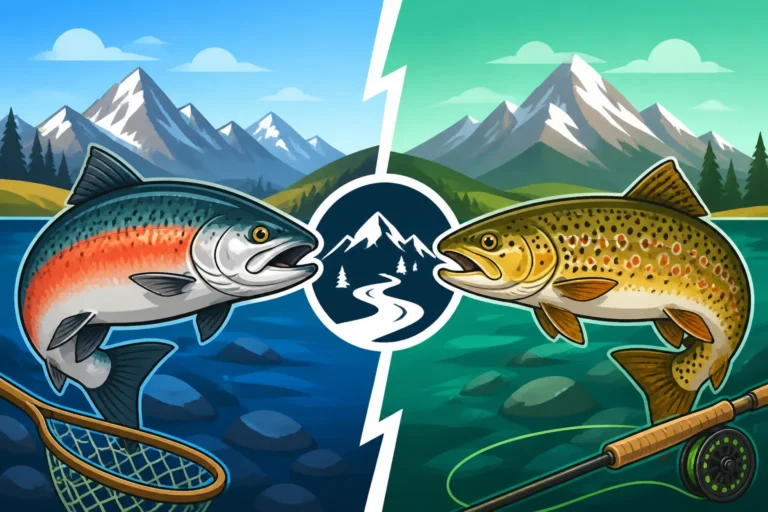
To help you get a clearer picture, here’s a quick comparison of key features you might observe when trying to identify a Yellowstone Cutthroat versus other common trout species you might encounter:
| Feature | Yellowstone Cutthroat Trout | Rainbow Trout | Brown Trout |
|---|---|---|---|
| Throat Markings | Prominent red-orange "slashes" under jaw | Absent | Absent |
| Body Color | Yellow-bronze, olive-green back, lighter belly | Silvery sides, pink/red lateral band, darker back | Golden-brown to olive, often lighter belly |
| Spotting Pattern | Numerous, irregular dark spots, concentrated towards tail, often on fins | Numerous small, dark spots, evenly distributed, often on fins | Large, distinct dark spots (haloed) and red/orange spots (haloed) |
| Pectoral/Pelvic Fins | Often yellowish or orange-tinged | Often clear or slightly dusky | Often reddish-orange |
| Mouth/Jaw | Maxillary typically extends beyond eye | Maxillary usually extends to or slightly beyond eye | Maxillary extends well beyond eye in larger fish |
Remember, while these guidelines are helpful, individual fish can show variations. Always double-check Identifying a Yellowstone Cutthroat Trout for even more detailed tips, especially if you're trying to distinguish between different cutthroat subspecies like the Snake River Fine-Spotted Cutthroat.
Historical Significance and Native Range
The Yellowstone Cutthroat Trout holds a deep historical connection to the American West, particularly the Yellowstone ecosystem. Its native range is primarily associated with the headwaters of the Yellowstone River and its tributaries, extending into parts of Montana, Idaho, and, of course, a significant portion of Wyoming. Before the arrival of non-native fish species, the Yellowstone Cutthroat was the dominant native trout across much of this vast landscape. It evolved in these cold, clear waters over millennia, adapting to the unique environmental conditions and establishing itself as a keystone species. Historically, these fish undertook impressive spawning migrations, sometimes traveling hundreds of miles upstream from large lakes like Yellowstone Lake into smaller tributaries to reproduce. This extensive migratory behavior linked entire watersheds, playing a crucial role in nutrient cycling and providing a food source for numerous other wildlife species, including grizzly bears, ospreys, and bald eagles. The health of the Yellowstone Cutthroat population directly impacted the health of the entire Yellowstone ecosystem, making its conservation a paramount concern.
Where to Find Yellowstone Cutthroat in Wyoming
If you're looking to connect with Wyoming's state fish, knowing where they thrive is half the battle. While their range has unfortunately shrunk over the past century due to various factors, significant populations still exist in pristine waters, offering incredible fishing opportunities.
Primary Habitats and Strongholds
The heart of the Yellowstone Cutthroat's habitat in Wyoming is, as its name suggests, within the Yellowstone River drainage. This includes the vast expanse of Yellowstone Lake and its numerous tributary streams within Yellowstone National Park, which extends into the northwest corner of Wyoming. These waters represent the largest contiguous stronghold for the species. Beyond the park boundaries, you can find robust populations in tributaries of the Snake River, particularly the upper reaches that flow into Grand Teton National Park and adjacent national forests. Think about those crystal-clear mountain streams winding through dense conifer forests – that's often prime cutthroat territory. These cold, oxygen-rich streams with plenty of riffles, runs, and deep pools provide ideal spawning and rearing habitats. Where Yellowstone Cutthroat Trout Are Native in Wyoming provides more insight into their historical distribution and current strongholds.
Fishing in Yellowstone National Park
Yellowstone National Park is arguably the most famous and accessible destination for targeting Yellowstone Cutthroat Trout. The sheer scale of Wyoming's Yellowstone Lake Fishing Guide is astounding, with countless bays, points, and tributary mouths holding these magnificent fish. However, fishing within the park comes with very specific regulations designed to protect this precious resource. First and foremost, a special Yellowstone National Park fishing permit is required, separate from your standard Wyoming fishing license. The park has distinct season dates, often opening later than state waters to protect spawning fish, and closures can vary widely by specific water body. For example, some streams might be catch-and-release only, while others might have very strict harvest limits or gear restrictions. The park actively manages the fishery, including significant efforts to suppress non-native lake trout which prey on the native cutthroat. Always consult the official Yellowstone National Park fishing regulations pamphlet, which you can often pick up at visitor centers or ranger stations, or find online, before planning your trip. Remember, adhering to these rules isn't just about avoiding a fine; it's about being a responsible steward of a truly unique and vital ecosystem. Fishing Rules Inside Yellowstone National Park is an essential read for anyone planning a trip there.
Other Wyoming Waters with Healthy Populations
While Yellowstone National Park is a major draw, healthy populations of Yellowstone Cutthroat also exist in other parts of Wyoming, often in less crowded, equally stunning settings. Outside the park, many high-elevation lakes and streams within the Shoshone National Forest, Bridger-Teton National Forest, and the Wind River Range maintain native cutthroat populations. These often require a bit more effort to reach, sometimes involving multi-mile hikes or even horseback trips into the backcountry, but the reward is often pristine waters and genuinely wild fish. Lakes and streams that are difficult to access tend to be less impacted by human pressure and invasive species, allowing the cutthroat to thrive. For instance, some of the headwaters of the Gros Ventre River, Hoback River, and portions of the Snake River drainage outside the national parks can offer excellent opportunities. These areas might not have the same immediate name recognition as Yellowstone, but they offer an authentic Wyoming backcountry fishing experience. Always check the specific regulations for the particular stream or lake you plan to fish, as rules can vary even within the same general region.
Understanding Yellowstone Cutthroat Behavior and Diet
To consistently catch Yellowstone Cutthroat, or any fish for that matter, you need to think like one. Understanding their seasonal rhythms, what they prefer to eat, and how environmental factors influence their activity will give you a significant edge on the water.
Seasonal Movements and Spawning Patterns
Yellowstone Cutthroat Trout are highly attuned to the seasons, and their movements are largely dictated by water temperature and their instinct to spawn. Typically, in late spring and early summer (May through July, depending on elevation and snowmelt), mature cutthroat begin their upstream migrations from larger lakes and rivers into smaller, gravel-bottomed tributary streams. This is where they deposit their eggs, a critical period for the species' survival. During this time, the fish can be very concentrated in these spawning tributaries, making them vulnerable. Many regulations, especially in Yellowstone National Park, reflect the need to protect these fish during their vulnerable spawning periods, often delaying season openings on key waters. After spawning, the adult fish will gradually drop back into their home waters, whether that's a large lake or a larger river section, to recuperate and feed. In fall, as water temperatures begin to cool, their metabolism might slow, but they remain active, often feeding heavily to build up reserves for the coming winter. Wyoming Fishing Seasons Month by Month provides a broader overview of how the year impacts fishing across the state.
What Yellowstone Cutthroat Trout Eat
Yellowstone Cutthroat are opportunistic feeders, meaning their diet largely consists of whatever aquatic and terrestrial insects are readily available in their environment. In the spring and early summer, when insect hatches are abundant, they will key in on emerging mayflies, caddisflies, and stoneflies. This is the time when dry fly fishing can be exceptionally good. As summer progresses and terrestrial insects like grasshoppers, ants, and beetles become more active and accidentally fall into the water, cutthroat will readily rise to take these larger protein sources. On the flip side, when insects aren't actively hatching or when fishing deeper waters, cutthroat will feed on nymphs, larval forms of these insects that live on the bottom of the streambed. They also consume smaller baitfish, leeches, and even small crustaceans where available. In lakes, particularly Yellowstone Lake, their diet can include chironomids (midges), scuds, and smaller fish like minnows or juvenile suckers. Knowing the local insect life and having a fly box or lure selection that "matches the hatch" or imitates common forage is crucial. A good fly shop in a town like Jackson or Cody can usually give you a current update on what insects are active.
How Water Conditions Influence Activity
Water conditions play an enormous role in how and when Yellowstone Cutthroat feed and move. Temperature is paramount: these are cold-water fish, preferring temperatures generally between 45-65°F (7-18°C). During the heat of summer, they will seek out colder, deeper pools or spring-fed sections of a river. Conversely, in the cooler spring and fall, they might be more active throughout the day. Water clarity is another major factor. Clear water often means fish are more spooky and can see your line or movements more easily, requiring a stealthier approach and finer leaders. Muddy or off-color water, often caused by spring runoff or heavy rains, can reduce visibility for the fish, but it also provides them with a sense of security, sometimes making them more aggressive to feed as they feel less exposed. During runoff, for example, fish often hug the banks or seek out eddies where the current is slower and the water might be slightly clearer. How Water Temperature Changes Wyoming Trout Behavior delves deeper into this fascinating aspect of trout fishing. High water can also make streams difficult to wade and fish safely, so always prioritize safety and check conditions before heading out.
Effective Techniques for Catching Yellowstone Cutthroat
Catching a Yellowstone Cutthroat is a rewarding experience, and thankfully, these fish are generally quite willing to bite. However, employing the right techniques and respecting their habitat will lead to greater success and ensure their continued health.
Fly Fishing for Cutthroat
Fly fishing is perhaps the most iconic and effective method for targeting Yellowstone Cutthroat, especially in the smaller streams and rivers of their native range. These fish are often eager to rise to a well-presented dry fly, making for some truly exhilarating topwater action. When choosing patterns, focus on imitating the dominant insect hatches for the season. Early season might call for larger stonefly imitations like a Chubby Chernobyl or a Pat's Rubber Leg fished as a nymph. As the season progresses, classic dry flies like Parachute Adams, Elk Hair Caddis, Stimulator, and Royal Wulff in sizes 12-16 are often deadly. Don't forget terrestrial patterns like Hopper-dropper rigs (a grasshopper imitation with a smaller nymph tied below it) during late summer and fall. Streamer fishing can also be incredibly effective for larger cutthroat, especially in deeper pools or during periods of low light. Patterns like Woolly Buggers (black, olive, or brown) or Sculpzillas retrieved with an erratic strip-pause motion can entice aggressive strikes. Remember, presentation is key. A soft landing of your fly and a drag-free drift are often more important than the exact pattern. For more detailed strategies, check out Fly Fishing Techniques for Wyoming Trout Streams. Many anglers, myself included, spend hours browsing fly patterns online, and Amazon often has great deals on fly tying materials or pre-tied assortments.
Spin Fishing Approaches
While fly fishing is popular, spin fishing can be equally productive for Yellowstone Cutthroat, especially for beginners, children, or when conditions aren't ideal for fly fishing. The key is to use lightweight tackle and lures that imitate their natural food sources. Small spinners like Mepps Aglias, Rooster Tails, or Panther Martins in sizes #0 to #2, with silver, gold, or copper blades, can be incredibly effective. Cast them upstream and retrieve them just fast enough to get the blade spinning, letting them drift naturally down through promising runs and pools. Small spoons, such as Kastmasters or Daredevles, also work well, especially in larger streams or lakes where you need to cover more water or fish deeper. For a more subtle approach, small inline jigs tipped with a piece of worm or scented soft bait can be deadly. If bait is permitted (always check regulations carefully, as many cutthroat waters are artificial lure/fly only), natural baits like worms, grasshoppers, or salmon eggs can be irresistible. Use a light line (4-6 lb test fluorocarbon or monofilament) to minimize visibility and maximize sensitivity.
Catch and Release Best Practices
Because Yellowstone Cutthroat Trout are a native species facing various conservation challenges, practicing responsible catch and release is paramount to their survival. Here are some guidelines to ensure the fish you release have the best chance of survival:
- Use Barbless Hooks: Barbless hooks minimize tissue damage and make hook removal quick and easy. You can crimp down the barbs on existing hooks with a pair of pliers.
- Minimize Handling: Keep the fish in the water as much as possible. If you must handle it, do so with wet hands to protect its slime coat, which is vital for disease prevention. Avoid squeezing the fish, especially around its belly.
- Quick Release: Have your camera ready before you reel in the fish. Get your picture quickly, and release the fish as soon as possible.
- Support the Fish: If the fish is lethargic, hold it gently upright in the current, facing upstream, until it regains its strength and can swim away on its own. Don't "pump" it back and forth; this forces water the wrong way over its gills.
- Cut the Line: If a hook is deeply embedded and cannot be removed without excessive force or damaging the fish, simply cut the line as close to the hook as possible. The hook will eventually rust out.
These practices are not just good etiquette; they are vital for sustaining healthy cutthroat populations. Catch-and-Release Rules on Wyoming Waters offers more details on these critical techniques.
Conservation Challenges and Efforts
The Yellowstone Cutthroat Trout, despite its resilience, faces an uphill battle for survival. Understanding the threats and the incredible efforts being made to protect them helps us appreciate their continued existence and our role as anglers.
Threats to Yellowstone Cutthroat Populations
The primary threats to Yellowstone Cutthroat Trout populations are complex and often interconnected. Perhaps the most significant is hybridization with non-native rainbow trout. When rainbow trout are introduced into cutthroat waters, they can interbreed, creating "cutbow" hybrids that dilute the genetic purity of the native cutthroat strain. This genetic dilution can weaken the cutthroat's unique adaptations to its native environment over generations. Another major threat comes from invasive species, particularly the non-native lake trout (Salvelinus namaycush). Lake trout are voracious predators of smaller fish, and in large bodies of water like Yellowstone Lake, they have decimated cutthroat populations by preying on juveniles and competing for food sources. Why Lake Trout Are Considered a Problem in Yellowstone Lake goes into great detail about this specific ecological crisis. Habitat degradation, caused by factors like logging, road construction, agricultural practices, and increased water temperatures due to climate change, also fragments and reduces suitable spawning and rearing grounds. Furthermore, diseases like whirling disease, though less prevalent in high-elevation, pristine cutthroat waters, can also pose a threat.
The Fight Against Lake Trout in Yellowstone Lake
The battle against lake trout in Yellowstone Lake is one of the most intensive and important conservation efforts in North America. For decades, lake trout have wreaked havoc on the native Yellowstone Cutthroat population, which historically served as a critical food source for bears, eagles, and otters. To protect the cutthroat, Yellowstone National Park, in partnership with various agencies and organizations, has implemented an aggressive lake trout suppression program. This involves extensive gillnetting operations, where thousands of lake trout are removed from the lake each year. This is a monumental undertaking, requiring significant resources and dedicated personnel, but it has shown promising results in stabilizing and even increasing cutthroat numbers in some areas of the lake. The goal is not necessarily to eradicate lake trout completely, which is likely impossible, but to reduce their numbers to a level where the native cutthroat population can recover and thrive. This program is a testament to the dedication to preserving the ecological integrity of this world-renowned park. Wyoming's Lake Trout Removal Efforts in Yellowstone Lake explains more about the mechanics of this ongoing battle.
Wyoming's Role in Species Preservation
Beyond the efforts within the National Park, the Wyoming Game and Fish Department plays a crucial role in conserving Yellowstone Cutthroat Trout throughout the rest of the state. This includes managing fishing regulations that protect spawning fish and limit harvest in sensitive areas, actively removing non-native species from cutthroat strongholds, and carefully managing stocking programs to prevent hybridization. For instance, the department might use rotenone (a natural piscicide) in small, isolated headwater streams to remove all fish, then restock with genetically pure Yellowstone Cutthroat to establish a new, secure population. They also work on habitat improvement projects, such as restoring stream banks, mitigating erosion, and ensuring proper fish passage around culverts and irrigation diversions. Public education is another key component, informing anglers about the importance of catch and release, cleaning waders and boats to prevent the spread of aquatic invasive species, and supporting conservation efforts. It's a continuous, often challenging, but immensely important endeavor to ensure future generations can enjoy Wyoming's state fish.
Regulations and Responsible Angling
Fishing for Yellowstone Cutthroat in Wyoming, especially in designated native trout waters, comes with specific rules and ethical considerations that go beyond just buying a Wyoming Fishing License Guide for Nonresidents. These regulations are designed for a purpose: to protect this vital species.
Specific Rules for Yellowstone Cutthroat
Regulations for Yellowstone Cutthroat Trout can vary significantly depending on where you are fishing. In Yellowstone National Park, for example, many waters within the native cutthroat range are strictly catch-and-release for cutthroat. They often have restrictions on bait use, requiring artificial flies and lures only, and may prohibit felt-soled waders to prevent the spread of aquatic invasive species. Outside the park in state-managed waters, regulations can range from general trout limits to very specific, reduced limits for native cutthroat, or even entirely catch-and-release rules on certain stretches of river or high-alpine lakes. The intent is always to protect the genetic integrity and population numbers of the native fish. For instance, you might encounter slot limits designed to protect larger breeding fish, or regulations that allow for harvest of a few smaller fish while prohibiting the keeping of any fish over a certain size. It is absolutely essential to consult the most current Wyoming Fishing Regulations booklet before you head out, specifically looking for water-specific rules that pertain to the Yellowstone Cutthroat Trout. These booklets are available at license vendors, Game and Fish offices, and online.
Reading the Wyoming Fishing Regulations Booklet
Navigating the Wyoming Fishing Regulations booklet can sometimes feel like deciphering an ancient text, but it's crucial for responsible angling. The booklet is organized by drainage or specific water bodies, so you’ll need to know which river system or lake you plan to fish. Look for sections marked "Special Regulations" or "Water-Specific Regulations," as these will supersede the general statewide rules. Pay close attention to:
- Species-specific limits: How many Yellowstone Cutthroat (or any other species) you can keep per day, and what the possession limit is.
- Size restrictions: Are there minimum or maximum size limits, or slot limits?
- Gear restrictions: Is it artificial flies and lures only? Is bait allowed? Are specific types of hooks (e.g., barbless) required?
- Season dates: Is the water open year-round, or does it have specific opening and closing dates? This is particularly important for spawning areas.
- Special closures: Are there any temporary closures due to disease, low water, or other ecological concerns?
Ignoring these details can lead to significant fines and penalties, but more importantly, it can harm the very resource we all cherish. Always carry a copy of the regulations with you, either physical or digital, and reference it frequently. Remember, ignorance is not a valid excuse for violating fishing laws. Reading the Wyoming Fishing Regulations Booklet can help you demystify this essential document.
Protecting Their Future
Beyond strictly following the rules, responsible angling for Yellowstone Cutthroat involves a broader ethical commitment. This means being mindful of your impact on the environment. For example, practicing "Clean, Drain, Dry" with your boat and fishing gear is vital to prevent the spread of aquatic invasive species like whirling disease or zebra mussels, which could devastate cutthroat populations. Be respectful of private property and other anglers. Pack out everything you pack in, and perhaps even a little more, leaving the shoreline cleaner than you found it. Consider volunteering for local conservation projects or donating to organizations dedicated to native trout restoration. Every action, big or small, contributes to the long-term health of Wyoming’s state fish. The future of the Yellowstone Cutthroat Trout truly depends on the collective responsibility of every angler who casts a line in its waters.
The Future of Wyoming's State Fish
The story of the Yellowstone Cutthroat Trout is far from over. It's a testament to resilience and an ongoing saga of dedicated conservation. As anglers, we have a vital role to play in writing its next chapter.
Ongoing Research and Management
The future of the Yellowstone Cutthroat is closely tied to ongoing scientific research and adaptive management strategies. Scientists from the Wyoming Game and Fish Department, Yellowstone National Park, universities, and other agencies are constantly studying these fish – tracking their movements, monitoring population trends, assessing genetic purity, and evaluating the effectiveness of various conservation interventions. This research helps refine management practices, ensuring that efforts to combat invasive species, restore habitat, and regulate fishing are based on the best available science. For instance, genetic studies help identify pure strains of cutthroat for translocation projects or determine areas where hybridization is a significant concern. Research into climate change impacts on water temperature and flow is also critical, as it informs future habitat protection and restoration priorities. This isn't a "set it and forget it" kind of conservation; it's a dynamic, evolving process that requires continuous monitoring and adaptation to new challenges.
How Anglers Can Contribute to Conservation
Anglers are often the first line of defense and critical partners in conservation. Beyond following regulations and practicing catch and release, there are several ways you can actively contribute:
- Report Violations: If you witness poaching or other illegal activities that threaten fish populations or habitat, report it to the Wyoming Game and Fish Department. Your observations can be crucial.
- Clean, Drain, Dry: Rigorously clean your boats, waders, and fishing gear before moving between different water bodies to prevent the spread of aquatic invasive species. Even a tiny hitchhiker on your boot tread can introduce a devastating pathogen or organism. Amazon even sells portable cleaning brushes and gear wash solutions for anglers.
- Educate Others: Share your knowledge of responsible angling practices and the importance of cutthroat conservation with fellow anglers, especially newer generations.
- Support Conservation Organizations: Many non-profit groups, such as Trout Unlimited, are actively involved in cutthroat restoration projects. Your membership or donations can directly fund critical work.
- Participate in Citizen Science: Some programs invite anglers to report their catches or observations, providing valuable data to fisheries managers.
Your active participation and mindful approach can make a tangible difference in securing a healthy future for the Yellowstone Cutthroat Trout.
A Lasting Symbol of the Cowboy State
The Yellowstone Cutthroat Trout is more than just a fish; it embodies the wild, untamed spirit of Wyoming. Its struggle for survival against modern challenges mirrors the broader conservation efforts across the West, reminding us of the delicate balance within our natural world. From its distinctive crimson slash to its preference for cold, clear mountain streams, the cutthroat is a symbol of pristine wilderness and a connection to a deeper, wilder Wyoming. Every time you cast a line in its waters, you're participating in a legacy – a story of ancient migrations, modern challenges, and a shared commitment to preserving one of North America's most iconic native fish. To hold a Yellowstone Cutthroat in your hands, even for a moment before its release, is to hold a piece of Wyoming's natural soul. It's an experience every angler should strive for, and one we must work tirelessly to protect for all time.
Disclaimer
This article is for general informational purposes only and does not constitute professional advice. Laws, prices and regulations vary by location and change over time. Consult a qualified professional for guidance on your specific situation.