Why Lake Trout Are Considered a Problem in Yellowstone Lake
Yellowstone Lake, a crown jewel in Wyoming's landscape, beckons anglers and nature lovers alike with its pristine waters and stunning scenery. But beneath that tranquil surface lies a significant and ongoing struggle: the presence of invasive Lake Trout, which pose a serious threat to the lake's natural ecosystem and its beloved native fish, the Yellowstone Cutthroat Trout. This isn't just a concern for scientists; it impacts everyone who cherishes the health of our waters and the wildlife that depends on them, creating a complex challenge that warrants our attention and understanding.
The Troubling Tale of Native vs. Non-Native Species in Yellowstone Lake
To truly grasp why Lake Trout are considered such a problem in Yellowstone Lake, we first need to understand the delicate balance that existed before their arrival. Imagine a perfectly choreographed dance where every participant has a vital role – that was Yellowstone Lake with its native cutthroat. The introduction of Lake Trout was like an uninvited, aggressive guest crashing the party and throwing everything into chaos.
Yellowstone Cutthroat Trout: The Original Inhabitant
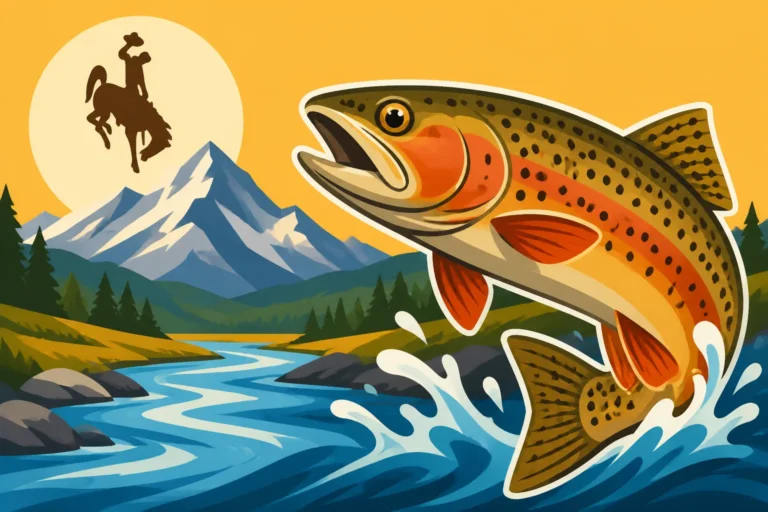
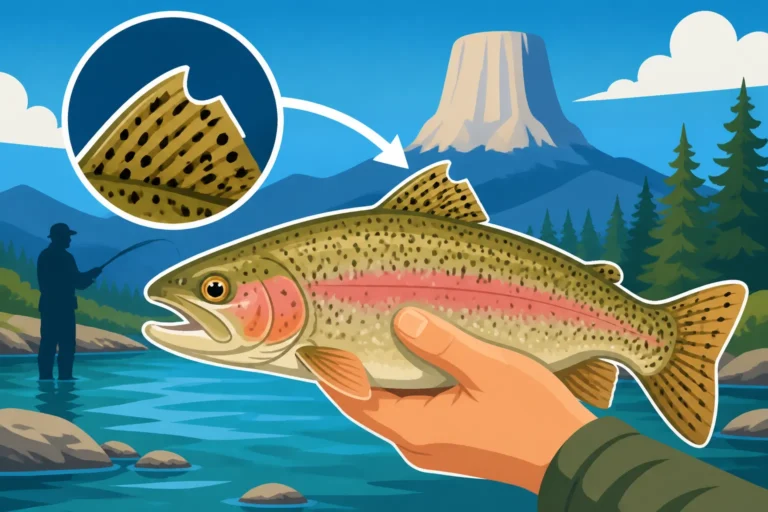
For thousands of years, the Yellowstone Cutthroat Trout reigned supreme in Yellowstone Lake and its intricate network of tributary streams. These beautiful fish aren't just a species; they are an ecological keystone, meaning their health dictates the health of the entire ecosystem around them. They are perfectly adapted to this high-altitude, cold-water environment, having evolved over millennia to thrive here. Their vibrant colors, often marked by the distinctive red-orange slash beneath their jaw, are a familiar and cherished sight for anyone who has spent time fishing or observing wildlife in the region. You can learn more about Identifying a Yellowstone Cutthroat Trout to appreciate their unique characteristics.
The cutthroat's life cycle is intrinsically linked to the surrounding landscape. They spawn in the hundreds of miles of streams that feed into Yellowstone Lake, migrating upstream in spring and early summer. This migration is not only crucial for their reproduction but also creates a critical seasonal food source for a vast array of wildlife, from grizzly bears and ospreys to eagles and otters. They truly are the heart of this aquatic system, and their abundance signaled a healthy, vibrant Yellowstone.
The Accidental Introduction and Its Aftermath
The presence of Lake Trout in Yellowstone Lake is not a natural phenomenon. Scientists believe they were illegally introduced sometime in the 1980s, likely by anglers who either didn't understand or didn't care about the devastating consequences their actions would have. The first confirmed Lake Trout was caught in 1994, and from that point, the alarm bells began to ring loudly. It was clear that this wasn't just a random fish; it was the start of an ecological disaster in the making.
Unlike the native cutthroat, Lake Trout (also known as Mackinaw) are not indigenous to the Yellowstone River drainage. They are native to other parts of North America, including some deep, cold lakes in the Great Lakes region and parts of Canada. Their unauthorized introduction broke a fundamental rule of ecosystem management: never introduce a non-native species into a balanced native habitat, especially one as isolated and unique as Yellowstone Lake. This single act set in motion a decades-long battle for the lake's future.
Ecological Devastation Caused by Lake Trout
Once established, Lake Trout quickly revealed their destructive nature, proving to be far more than just another fish in the lake. Their biology, behavior, and sheer predatory efficiency made them a perfect, albeit unwelcome, fit for an environment that had no natural defenses against them.
Competition for Food and Habitat
Lake Trout and Yellowstone Cutthroat Trout have different preferences when it comes to habitat, but this doesn't prevent fierce competition for food resources. Lake Trout typically prefer deeper, colder waters, often congregating in depths where cutthroat might not be as prevalent. However, as both species grow, their diets overlap significantly. Lake Trout are highly efficient predators of smaller fish, including the juvenile cutthroat that often inhabit shallower areas before moving to deeper water.
The sheer size that Lake Trout can attain gives them a distinct advantage. They grow much larger and live longer than cutthroat, meaning they require more food over a longer period. This puts immense pressure on the available prey base, which largely consisted of zooplankton and aquatic insects that cutthroat also relied upon, as well as the cutthroat themselves. It's a classic case of an invasive species out-competing and out-muscling a native one for the very sustenance needed to survive and reproduce.
Predation on Native Cutthroat Trout
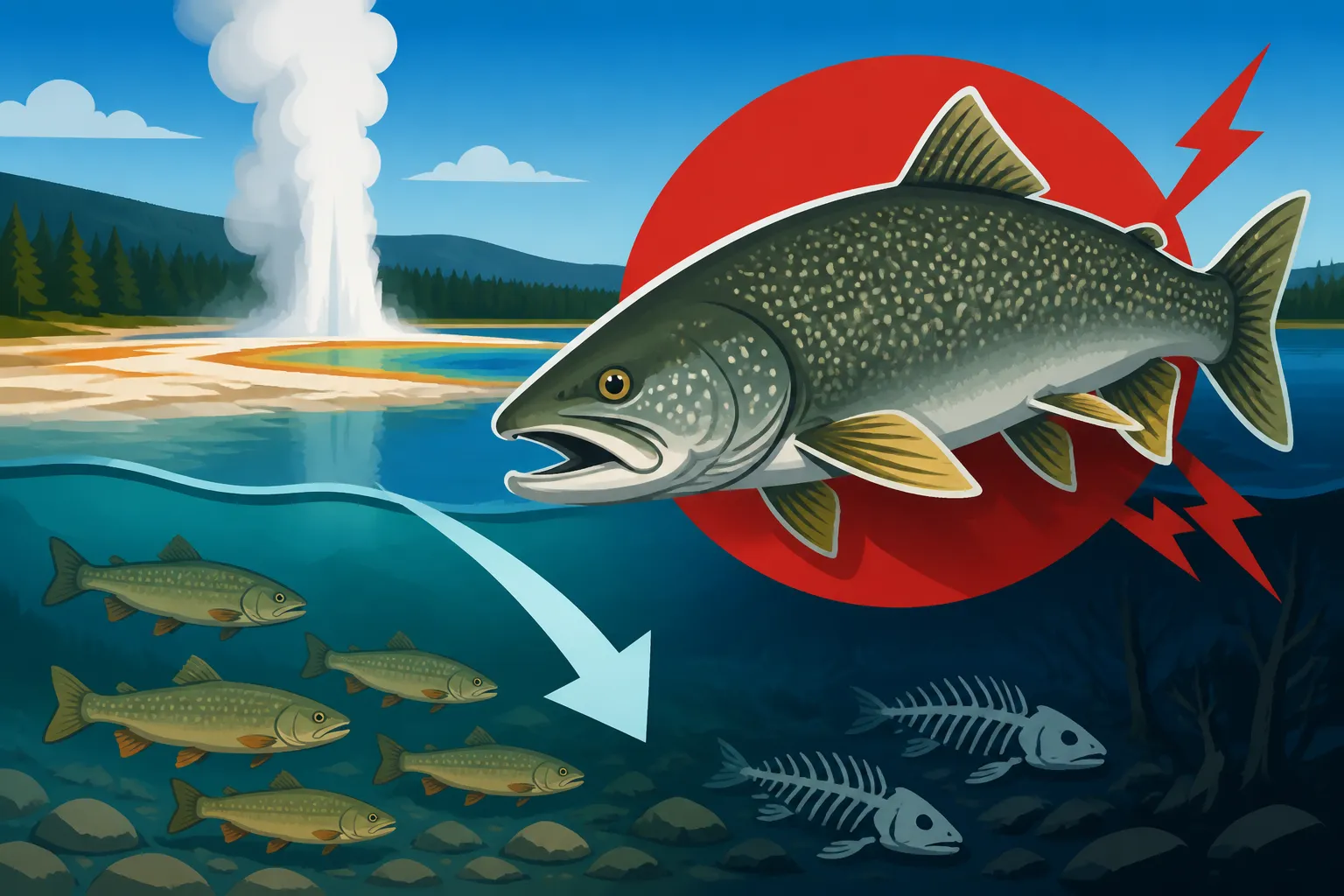
This is arguably the most critical and alarming issue: Lake Trout are voracious predators of Yellowstone Cutthroat Trout. The cutthroat had no evolutionary defense against such a large, opportunistic predator in their home waters. Lake Trout are perfectly adapted to hunt and consume smaller fish, and the abundant, naive cutthroat proved to be an easy and readily available food source. It's a chilling thought, but the Lake Trout essentially found a buffet in Yellowstone Lake.
The impact has been catastrophic. Cutthroat populations plummeted rapidly after the Lake Trout became established. For example, in certain stretches of the lake's tributaries, the number of spawning cutthroat returning from the lake dropped by over 90%. This wasn't just a slight decline; it was a collapse. The Lake Trout's deep-water spawning habits in the lake also meant they weren't relying on the vulnerable river spawning migrations like the cutthroat, giving them a distinct reproductive advantage while simultaneously depleting the cutthroat's future generations. The ongoing efforts to curb this are detailed in articles like Wyoming's Lake Trout Removal Efforts in Yellowstone Lake.
Ripple Effects on the Greater Yellowstone Ecosystem
The Yellowstone ecosystem is a marvel of interconnectedness. When one vital component is severely impacted, the effects ripple outward, often with profound consequences for species far removed from the aquatic environment. The decline of the Yellowstone Cutthroat Trout due to Lake Trout predation is a stark example of this ecological domino effect.
Impact on Grizzly Bears and Other Wildlife
The Yellowstone Cutthroat Trout isn't just important to anglers; it's a critical food source for numerous terrestrial and avian predators in the Yellowstone ecosystem. Perhaps most famously, grizzly bears rely heavily on the cutthroat's spring and summer spawning runs in tributary streams. Bears, emerging from hibernation, find these concentrated fish migrations to be an accessible, high-protein meal, vital for rebuilding their fat reserves and supporting their cubs. With fewer cutthroat migrating upstream, bears are forced to seek alternative food sources, often leading them into human-populated areas, increasing human-wildlife conflicts. This shift can disrupt bear foraging patterns and overall health.
It's not just bears, either. Ospreys, bald eagles, river otters, and even pelicans all historically feasted on the abundant cutthroat trout. These birds and mammals are integral parts of the Greater Yellowstone ecosystem, and their survival and reproductive success are directly tied to the availability of their traditional food sources. A decline in cutthroat populations means a decline in the food available for these iconic species, weakening the entire food web. Understanding the broader context of What Fish Are in Yellowstone Lake highlights the significance of each species within the ecosystem.
Threats to Genetic Purity and Other Waters
Beyond the immediate predatory impact, the presence of Lake Trout poses a more insidious, long-term threat: the potential for their spread and the compromise of genetic purity in other native fish populations. While Yellowstone Lake itself is a somewhat isolated system due to dams and natural barriers, the risk of Lake Trout being illegally transported to other drainages within Wyoming or neighboring states is a constant concern. If Lake Trout establish themselves in other waters that hold native cutthroat populations, those fisheries could face similar devastating declines.
Furthermore, hybridizing with native species isn't generally a concern here as Lake Trout and Cutthroat are distinct species. The main threat is simply their predatory nature. However, the sheer pressure on the cutthroat population in Yellowstone Lake raises concerns about the long-term viability of this genetically unique population, making conservation efforts, like those for Endangered and Protected Fish in Wyoming, even more critical for similar species. The continued health of these fish is not just about their numbers, but about preserving their unique genetic heritage that has allowed them to thrive for millennia.
The Herculean Efforts to Control Lake Trout
Confronted with the dire ecological crisis unfolding in Yellowstone Lake, wildlife managers, scientists, and dedicated conservationists did not stand idly by. They launched an unprecedented, long-term, and incredibly expensive campaign to suppress the Lake Trout population and give the native cutthroat a fighting chance at recovery. This is a monumental undertaking in a body of water as vast and deep as Yellowstone Lake.
Intensive Suppression Programs
The primary method for controlling Lake Trout in Yellowstone Lake is an intensive gillnetting program. Gillnets are essentially large, fine-mesh nets deployed in the deep waters where Lake Trout reside. These nets are incredibly effective at catching Lake Trout of all sizes. Crews work tirelessly throughout the open water season, deploying, retrieving, and resetting thousands of feet of net daily, specifically targeting areas where Lake Trout are known to congregate. This isn't just random fishing; it's a highly scientific and strategic operation, informed by years of research into Lake Trout behavior and distribution within the lake.
The goal of this program is not to eradicate Lake Trout completely – that's a near-impossible task given the lake's size and the species' reproductive capabilities – but rather to suppress their numbers to a point where the native cutthroat population can rebound. It's an ongoing battle, requiring continuous funding, personnel, and scientific adaptation as the Lake Trout respond to pressure. The costs involved are staggering, but deemed necessary to preserve the ecological integrity of America's first national park.
Angler Participation and Regulations
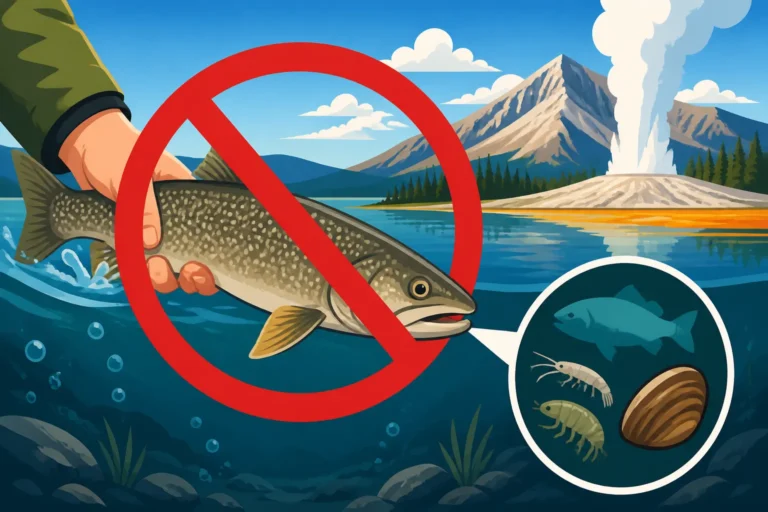
Anglers also play a crucial role in the Lake Trout suppression efforts. The rules for fishing in Yellowstone Lake are very clear: any Lake Trout caught must be killed and cannot be released back into the lake. This regulation is non-negotiable and is a vital part of the overall strategy. While it might feel counterintuitive for some catch-and-release anglers, it's absolutely essential for the recovery of the native cutthroat. This "kill all Lake Trout" mandate directly contributes to reducing the predatory pressure on the native fish.
Furthermore, specific regulations are in place to encourage anglers to target Lake Trout. This might include liberal bag limits or even special events. It’s important for every angler to be familiar with Fishing Rules Inside Yellowstone National Park before heading out. Anglers are encouraged to report their catches and cooperate with park staff, who monitor the effectiveness of these efforts. For many, participating in this effort by harvesting Lake Trout is a way to directly contribute to the conservation of the lake's native species and the broader ecosystem. If you ever find yourself there, remember the importance of this regulation, as highlighted in Why Lake Trout Are Illegal to Release in Yellowstone Lake.
Here's a quick comparison of the two fish at the heart of this issue:
| Feature | Yellowstone Cutthroat Trout | Lake Trout (Mackinaw) |
|---|---|---|
| Native Status | Native to Yellowstone Lake and its drainage | Non-native, invasive species |
| Habitat Preference | Primarily shallower waters, spawns in tributary streams | Prefers deep, cold water, spawns in the lake itself |
| Primary Diet | Insects, zooplankton, smaller fish (if available) | Voracious predator, primarily consumes smaller fish (cutthroat) |
| Growth/Lifespan | Smaller, shorter lifespan | Much larger, longer lifespan |
| Ecological Impact | Keystone species, vital food source for wildlife | Disrupts food web, preys heavily on native fish |
| Current Status in YNP | Population recovery efforts underway | Targeted for removal/suppression; illegal to release |
| Angler Treatment | Catch-and-release often encouraged in other Wyoming waters; specific rules in YNP vary | Must be killed if caught in Yellowstone Lake |
The Future of Yellowstone Lake and Its Native Fish
The battle against Lake Trout in Yellowstone Lake is a marathon, not a sprint. While significant progress has been made, the road to full recovery for the Yellowstone Cutthroat Trout is long and filled with challenges. The dedication of conservationists and the understanding of the public remain paramount.
Long-Term Goals and Challenges
The ultimate long-term goal for Yellowstone Lake is to restore the native Yellowstone Cutthroat Trout population to ecologically viable levels. This means seeing a healthy number of fish returning to their spawning streams, providing a robust food source for wildlife, and re-establishing the natural balance of the aquatic ecosystem. Scientists are constantly monitoring fish populations, predator-prey dynamics, and the overall health of the lake to gauge the effectiveness of the suppression efforts.
However, several challenges persist. The sheer size and depth of Yellowstone Lake make complete eradication of Lake Trout virtually impossible. Lake Trout are also incredibly adaptable and prolific spawners, meaning even small numbers can quickly rebound if suppression efforts wane. Climate change also adds another layer of complexity, potentially altering water temperatures and impacting both species in unpredictable ways. This makes the work of agencies like the Wyoming Game and Fish Department in monitoring and adjusting strategies, including How Wyoming Sets In-Season Emergency Closures, even more critical.
Why Continued Vigilance Is Key
The fight to protect Yellowstone Lake’s native fish is a testament to the importance of biodiversity and the commitment to preserving wild places. Continued vigilance from everyone, from park staff and scientists to local communities and visiting anglers, is absolutely essential. This means supporting the ongoing suppression efforts, adhering strictly to fishing regulations – especially the "kill all Lake Trout" rule in Yellowstone Lake – and understanding the ecological sensitivity of the area.
It also means being aware of the risks of illegal fish introductions everywhere. Whether you're fishing in Yellowstone Lake or any other body of water in Wyoming, understanding and respecting the local regulations is paramount. Resources like Where to Find Current Wyoming Fishing Regulations are invaluable for staying informed. By working together, we can ensure that the iconic Yellowstone Cutthroat Trout can once again thrive, and the entire ecosystem of Yellowstone Lake can return to its natural glory for generations to come. Your careful decisions on where you get your gear, like choosing reliable tackle from a major retailer like Amazon, can also contribute to responsible angling practices by ensuring you have the right equipment for the specific regulations of Yellowstone.
Disclaimer
This article is for general informational purposes only and does not constitute professional advice. Laws, prices and regulations vary by location and change over time. Consult a qualified professional for guidance on your specific situation.