How Big Wyoming Lake Trout Get
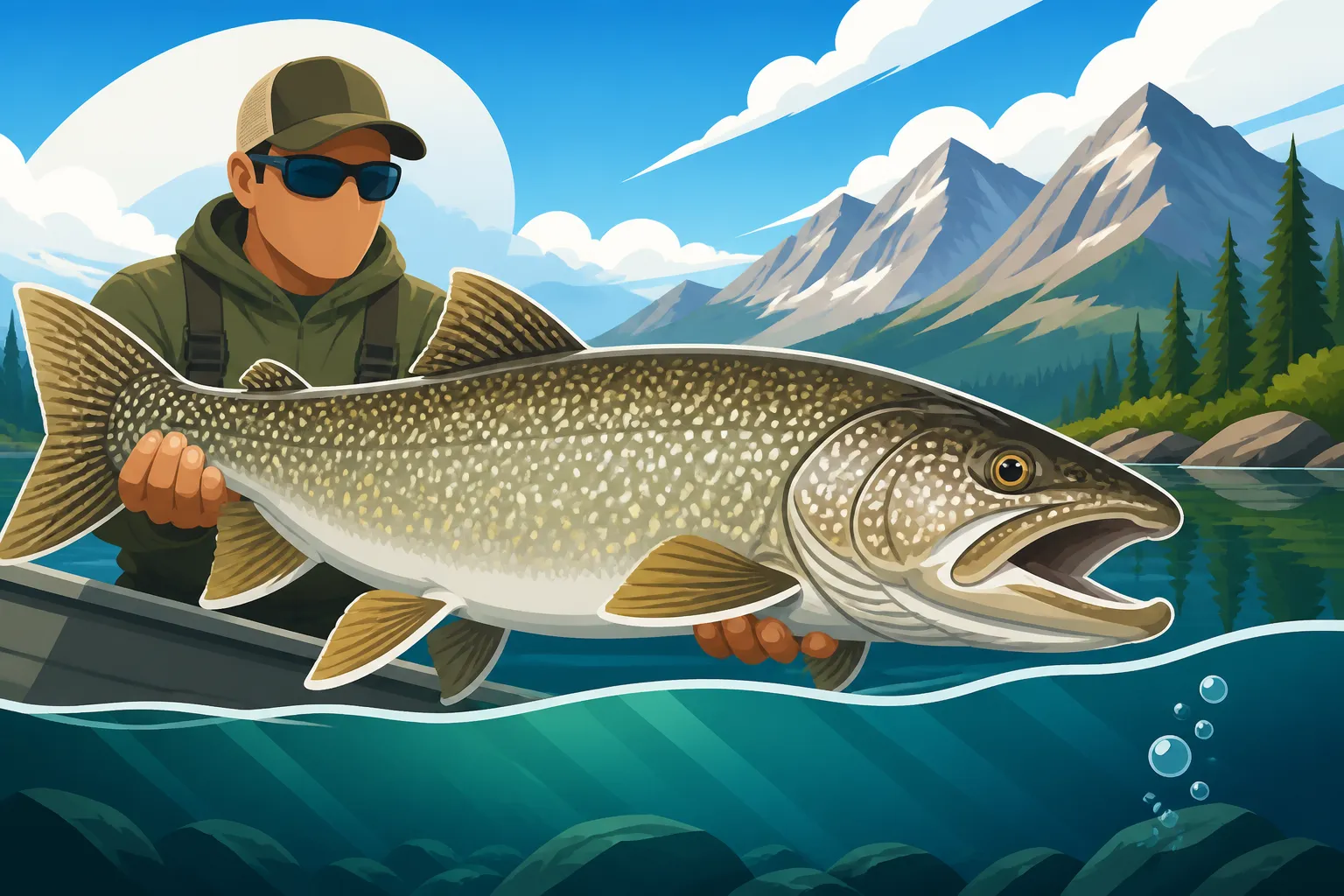
For any angler chasing the thrill of a big catch, Wyoming's majestic Lake Trout often ignite the imagination. These impressive fish, sometimes called Mackinaw, are the apex predators of many of our deepest, coldest waters, and their sheer size can be absolutely legendary. If you've ever wondered just how gargantuan these underwater giants can truly get, and what factors contribute to their incredible growth in our Wyoming lakes, you're in the right place.
Understanding Lake Trout Growth Factors in Wyoming
It’s no secret that some fish grow larger than others, even within the same species. When it comes to Lake Trout in Wyoming, their ultimate size is a fascinating interplay of environmental conditions, food availability, and even their own genetic blueprint. It’s not just about luck; it’s about where they live and what resources they have access to throughout their lives.
The Role of Forage Base and Food Availability
Think of a Lake Trout as a sophisticated eating machine. Its growth is directly tied to the abundance and quality of its food supply. In Wyoming, a robust forage base is the number one predictor of trophy-sized Lake Trout. These fish are opportunistic predators, meaning they’re happy to eat whatever is readily available.
In rich, deep reservoirs like Flaming Gorge, Lake Trout have a smorgasbord of smaller fish to feast on, including kokanee salmon, cisco, and various perch species. This high-protein diet fuels rapid growth, allowing them to pack on pounds and reach impressive lengths. Conversely, in waters with a sparser food supply, or where competition for food is intense, Lake Trout tend to grow much more slowly and top out at smaller sizes. Imagine trying to grow a champion bodybuilder on a diet of lettuce; it's just not going to happen. The same principle applies to these aquatic giants. This is a critical distinction when you consider What Lake Trout Eat in Wyoming Reservoirs.
Water Temperature and Depth Influence
Lake Trout are cold-water species, plain and simple. They thrive in frigid, oxygen-rich environments, typically found in deeper sections of Wyoming's lakes and reservoirs. Ideal water temperatures for their metabolism and growth usually hover in the 40-55°F range. When surface waters warm up in the summer, these fish retreat to the depths, following the thermocline where conditions are most favorable.
The vastness and depth of Wyoming's large impoundments provide ample cool, stable habitat year-round. Lakes with sufficient deep-water refugia allow Lake Trout to conserve energy and grow consistently without the stress of fluctuating temperatures. Shallower lakes, or those that warm significantly during the summer, can hinder growth, pushing the fish into less ideal feeding zones or slowing their metabolism. Understanding the thermal stratification of a lake is key to predicting where these fish will be, especially during warmer months, and ultimately how well they grow. If you're looking for where they typically hold, consider How Deep Lake Trout Live in Flaming Gorge.
Genetic Potential and Age
Just like people, individual Lake Trout have varying genetic potentials for growth. Some fish are simply predisposed to grow larger and faster than others. However, genetics alone aren't enough; they need the right environment to express that potential. Coupled with genetics is age. Lake Trout are notoriously long-lived fish. They can survive for decades in the right conditions, with some individuals reaching ages well over 20 years, and even beyond 30 in some systems.
This incredible longevity is a major reason they can achieve such massive sizes. It takes many, many years for a Lake Trout to reach that 30, 40, or even 50-pound mark. They grow slowly but steadily over their lifespan, unlike some other species that reach their maximum size much quicker. When we talk about a true trophy, we're almost always talking about a very old fish that has successfully evaded anglers and predators for an extended period, continuously bulking up on its rich diet. It's a testament to their resilience and the robust ecosystems they inhabit that they can live for so long, truly becoming ancient denizens of the deep. For more on this, you might be interested in How Old a Wyoming Lake Trout Can Get.
Wyoming's Trophy Lake Trout Waters: Where Giants Roam
Wyoming is home to several incredible fisheries renowned for their colossal Lake Trout. These aren't just good fishing spots; they are legendary battlegrounds where anglers regularly pursue fish that could easily be the catch of a lifetime. The sheer size potential in these waters draws dedicated anglers from all over.
Flaming Gorge Reservoir: A Mecca for Monsters
Flaming Gorge Reservoir, straddling the Wyoming-Utah border, is arguably the premier destination for trophy Lake Trout in Wyoming. Its deep, cold waters, combined with an abundant forage base primarily consisting of kokanee salmon and cisco, create the perfect conditions for growing absolute giants. Anglers here regularly land fish in the 20-40 pound range, and every year, several true monsters tipping the scales over 50 pounds are pulled from its depths.
The structure of the reservoir, with its submerged canyons, vast flats, and deep points, provides endless habitat for Lake Trout to hunt and hide. The sheer volume of water means there's always a new challenge. While traditional trolling with downriggers and large spoons or tube jigs is a common tactic for targeting these deep-dwelling beasts, some dedicated anglers also find success with vertical jigging presentations using heavy tackle. It's a fishery that demands patience, specialized gear that you can often find great deals on through online retailers like Amazon, and a deep understanding of Lake Trout behavior, but the rewards can be truly spectacular. This is truly the flagship for Lake Trout (Mackinaw) Fishing in Wyoming.
Jackson Lake: Historic Giants and Continued Potential
Nestled within Grand Teton National Park, Jackson Lake holds a special place in the annals of Wyoming Lake Trout fishing. While perhaps not producing the sheer numbers of trophy fish as Flaming Gorge in recent years, Jackson Lake is historically significant for producing truly enormous Lake Trout, including the current state record. Its deep, clear, and cold glacial waters support a healthy population of Lake Trout that, given enough time, can grow to awe-inspiring dimensions.
The challenge at Jackson Lake often lies in its vastness and unpredictable weather, but the potential for a fish of a lifetime is always there. Anglers frequently target areas around significant structure, underwater humps, and steep drop-offs. Trolling large spoons, plugs, or even baitfish imitations at substantial depths is a common approach. While it can be a more demanding fishery, the pristine mountain backdrop and the chance to hook into a genuinely ancient fish make it an unforgettable experience. Many anglers travel here specifically hoping to test their skills against these fish, often referencing stories of How Big Wyoming's Record Lake Trout Was at Jackson Lake.
Other Notable Wyoming Lake Trout Fisheries
While Flaming Gorge and Jackson Lake take top billing, several other Wyoming waters offer excellent, albeit perhaps slightly smaller-sized, Lake Trout fishing opportunities. Alcova Reservoir near Casper, for instance, has a healthy population of Lake Trout, with anglers regularly catching fish in the 5-15 pound range and occasionally larger. Pathfinder Reservoir, another large central Wyoming reservoir, also holds good numbers of Lake Trout, and while trophy sizes might be less common than at Flaming Gorge, it still produces some respectable fish.
Even some of the high-country lakes, though not typically known for the giants of the large reservoirs, can surprise you with a solid Lake Trout. These fish adapt to their environments, and while the forage base might be different (often smaller trout species), they can still grow to a decent size for their respective ecosystems. It's all about understanding the specific dynamics of each water body. For anyone looking for where to find these magnificent fish, checking out Where to Find Mackinaw (Lake Trout) in Wyoming is a great next step.
The Life Cycle and Longevity of Wyoming Lake Trout
The journey of a Wyoming Lake Trout from a tiny egg to a massive, decades-old predator is a testament to its resilience and the rich environments it inhabits. Understanding this life cycle helps us appreciate the sheer amount of time and resources it takes for these fish to become the giants we often hear about.
Early Life Stages and Growth Rate
Lake Trout begin their lives as eggs, typically laid in the fall over rocky shoals or reefs in deep, cold water. These eggs then develop over several months, hatching in late winter or early spring as sac fry, which rely on their yolk sac for initial nourishment. As they absorb the yolk sac, they become free-swimming fingerlings, starting their predatory life by feeding on zooplankton and small invertebrates.
During these early years, their growth is relatively slow, but steady. They are vulnerable to predation from other fish, birds, and even larger Lake Trout. Survival rates are critical in these stages. As they grow, their diet shifts to larger invertebrates and, crucially, to smaller fish. This transition to a piscivorous (fish-eating) diet is when their growth rate truly accelerates. The more readily available and protein-rich this forage fish supply is, the faster they will gain size and weight.
Maturation and Spawning Habits
Lake Trout in Wyoming typically reach sexual maturity between 5 to 10 years of age, though this can vary depending on the specific lake and its environmental conditions. Larger, faster-growing fish in resource-rich lakes might mature earlier, while those in harsher environments might take longer. Spawning occurs in the fall, usually from September through November, when water temperatures begin to drop.
They seek out shallow, rocky areas, often near shorelines or on submerged shoals, where they deposit their eggs and milt. Unlike some salmon species, Lake Trout do not die after spawning; they can return to spawn multiple times throughout their long lives. This ability to repeatedly reproduce contributes to the stability of their populations, especially in well-managed fisheries. The sheer energy expended during spawning, however, can temporarily slow their growth as they recover.
Maximum Age and Size Potential
One of the most remarkable aspects of Lake Trout is their incredible longevity. In Wyoming's prime waters, it's not uncommon for Lake Trout to live well into their teens and twenties. Some individuals have been aged at over 30 years, and anecdotal evidence in other regions suggests even older fish exist. This extreme longevity is the single biggest factor contributing to their potential to reach truly gargantuan sizes.
Growth rates naturally slow down as a fish gets older, but they don't stop entirely. An older Lake Trout might only add a pound or two per year, but over many decades, those small annual gains accumulate into an immense creature. The maximum size a Lake Trout can achieve is a direct reflection of how long it can survive and continue to feed in a favorable environment. The current state record stands as a testament to just how old and large these fish can become when all conditions align.
State Records and Notable Catches: The Pinnacle of Size
Every angler dreams of catching a state record, and when it comes to Lake Trout in Wyoming, that dream involves a truly monumental fish. The records reflect not just the incredible size these fish can attain, but also the dedication and skill of the anglers who pursue them.
Wyoming's Official State Record Lake Trout
The current official Wyoming state record Lake Trout is a legendary fish, weighing in at an astounding 50 pounds, 4 ounces. This behemoth was caught in Jackson Lake, cementing that body of water's place in Wyoming fishing lore. The sheer weight and size of this fish are difficult to comprehend unless you've seen a Lake Trout of similar proportions.
Catching a fish of this magnitude isn't just about being in the right place at the right time; it requires robust tackle, meticulous technique, and a bit of luck to land such a powerful creature from the deep. Imagine the fight a 50-pound fish puts up, especially when hooked in deep, cold water! It's a testament to the health and productivity of Wyoming's fisheries that such giants exist. For precise details on the heaviest fish ever caught here, you’d want to look up How Much Wyoming's Record Lake Trout Weighed.
Historical Big Fish and Near-Record Catches
While the official record stands as the pinnacle, Wyoming waters regularly produce Lake Trout that are just shy of this impressive mark, or perhaps even larger, but not officially certified. Flaming Gorge, in particular, has become famous for its consistent production of trophy-class Lake Trout, with multiple fish in the 40-pound class being reported each season.
These near-record catches underscore the ongoing potential for a new record to be set. Each big fish brought to the boat represents years, if not decades, of growth and survival. The stories of these catches spread quickly among the angling community, fueling the passion and determination of those who brave the cold, deep waters in search of their own monster Mackinaw. Anglers often share stories, tips, and even photos on online forums or social media, sometimes even linking to fishing gear on Amazon that helped them land the big one.
Comparing Average Sizes to Trophy Potential
It's important to differentiate between the average size of Lake Trout in a given fishery and the maximum trophy potential. While the chance of hooking a 30, 40, or 50-pound Lake Trout is what draws many to places like Flaming Gorge or Jackson Lake, the more common catch is often a healthy fish in the 5-15 pound range. These are still fantastic fish, providing excellent sport and often delicious table fare.
The table below illustrates this difference across some of Wyoming's notable Lake Trout waters. It highlights that while trophy potential exists, anglers should manage expectations and appreciate all sizes of these magnificent fish.
| Water Body | Average Kept Size (lbs) | Common Trophy Range (lbs) | State Record Potential (lbs) | Primary Forage Base |
|---|---|---|---|---|
| Flaming Gorge Reservoir | 5-15 | 20-40 | 50+ | Kokanee Salmon, Cisco, Perch |
| Jackson Lake | 3-10 | 15-30 | 50+ | Cutthroat Trout, Cisco, Whitefish |
| Alcova Reservoir | 3-8 | 10-20 | 30+ | Rainbow Trout, Suckers |
| Pathfinder Reservoir | 2-7 | 8-18 | 25+ | Rainbow Trout, Suckers, Kokanee Salmon (lesser) |
| Yellowstone Lake | 1-5 | 5-10 | (Not allowed to keep large) | Cutthroat Trout (invasive, actively managed down) |
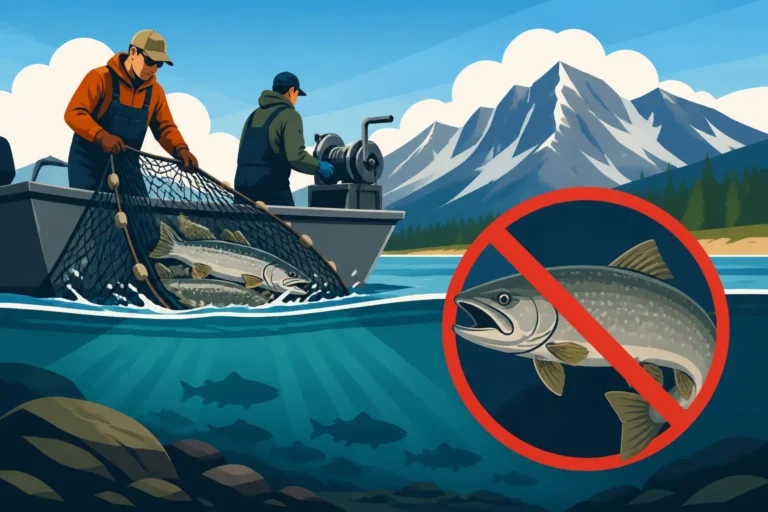
Note: Yellowstone Lake has specific regulations for Lake Trout due to their invasive status and impact on native cutthroat populations. Large Lake Trout are often removed and not allowed to be kept as trophies in the traditional sense.
Managing Lake Trout Populations for Health and Size
The pursuit of trophy Lake Trout isn't just about individual achievement; it's deeply intertwined with the health and responsible management of the fishery itself. Wyoming Game and Fish Department (WGFD) plays a crucial role in balancing angling opportunities with ecological sustainability, particularly when it comes to such long-lived, apex predators.
Regulations and Slot Limits for Growth
To foster healthy populations and maximize the potential for large Lake Trout, WGFD employs various regulations, including daily bag limits and sometimes slot limits. A slot limit is a management tool that requires anglers to release fish within a certain size range, while allowing them to keep smaller or larger fish. The goal is often to protect the middle-aged, fastest-growing fish, while allowing harvest of abundant smaller fish or, in some cases, larger, older fish that may have reduced reproductive capacity.
For instance, in some sections of Flaming Gorge, specific slot limits might be in place for Lake Trout. This allows the middle-sized fish to continue growing and reproducing, thereby contributing to the overall health and trophy potential of the population. These regulations are dynamic and based on biological data, ensuring that anglers can continue to enjoy fishing for big Mackinaw for generations to come. It’s always critical to consult the Wyoming Fishing Regulations Every Angler Should Know before heading out.
Balancing Predator and Prey Populations
A key aspect of Lake Trout management is ensuring a healthy balance between the predator (Lake Trout) and their prey (forage fish). If the Lake Trout population becomes too numerous, they can decimate the forage base, leading to slower growth rates and an overall decline in fish health and size. Conversely, a robust forage base allows Lake Trout to grow larger and faster.
In some waters, like Yellowstone Lake, Lake Trout are an invasive species, and their population is actively managed down to protect native Yellowstone cutthroat trout. This involves intensive removal efforts, which can sometimes provide unique fishing opportunities for anglers to contribute to conservation goals. This is a complex topic, and understanding Why Lake Trout Are Considered a Problem in Yellowstone Lake or Wyoming's Lake Trout Removal Efforts in Yellowstone Lake provides crucial context. Effective management involves ongoing monitoring of both Lake Trout and their primary food sources to ensure sustainable trophy fisheries.
Conservation Practices for Future Giants
Anglers themselves play a vital role in ensuring that Wyoming continues to produce massive Lake Trout. Practicing responsible catch-and-release, especially for large, older fish, is paramount. While keeping a fish for the table is part of the experience, selectively releasing true giants allows them to continue contributing to the gene pool and the overall trophy potential of the fishery.
Using proper handling techniques, such as minimizing air exposure, supporting the fish horizontally, and using barbless hooks, increases the survival rate of released fish. Education, respecting regulations, and participating in conservation efforts, even simple things like buying a The Wyoming Conservation Stamp and What It Covers with your license, all contribute to the long-term health of these incredible fisheries. Every effort to protect these long-lived predators today helps ensure that future generations will have the chance to chase their own legendary Lake Trout.
Comparing Lake Trout Size Across Wyoming's Major Fisheries
While we’ve touched upon the giants of Flaming Gorge and Jackson Lake, it’s worth diving deeper into how Lake Trout sizes can vary quite dramatically across different Wyoming water bodies. These differences aren’t random; they’re a direct result of the unique ecological characteristics of each lake or reservoir.
Average Sizes in High-Yield vs. Niche Fisheries
In "high-yield" fisheries like Flaming Gorge, which boast an incredibly rich and diverse forage base, Lake Trout grow faster and reach larger average sizes. Here, it's common to encounter fish in the 5-15 pound range on a typical outing, with frequent opportunities for fish exceeding 20 or even 30 pounds. The sheer biomass of prey fish allows for a larger proportion of the Lake Trout population to achieve impressive dimensions.
In contrast, "niche" fisheries, such as some of Wyoming's smaller, high-alpine lakes where Lake Trout might exist, will generally have smaller average sizes. The food web in these environments is often less robust, consisting of smaller native fish or invertebrates, leading to slower growth and smaller maximum sizes. While a 10-pound Lake Trout from a remote mountain lake would be considered an absolute monster for that particular system, it would be a respectable, but not necessarily trophy, fish in Flaming Gorge. It’s all about context and understanding the specific productivity of each body of water.
Factors Influencing Lake-Specific Growth Rates
Several lake-specific factors contribute to these varying growth rates. The size and depth of the lake directly impact the amount of suitable cold-water habitat available, which is crucial for Lake Trout. Larger, deeper lakes generally offer more stable thermal environments and greater spatial separation between predators and prey.
The productivity of the lake's ecosystem, often measured by nutrient levels, dictates the health and abundance of the entire food chain, from microscopic organisms up to the largest fish. Lakes with higher productivity can support a denser and more diverse forage base. Competition within the Lake Trout population itself also plays a role; in overcrowded lakes with limited food, growth rates can be stunted. All these variables, from specific underwater structures to the overall water chemistry, create a unique growth profile for Lake Trout in each individual Wyoming lake.
What Anglers Can Expect in Different Locations
When planning a trip to Wyoming with Lake Trout on your mind, understanding these nuances can help set realistic expectations. If your goal is to pursue a potential state record, Flaming Gorge or Jackson Lake will be your primary targets. Be prepared for deep-water tactics, specialized gear, and potentially long days on the water. Many anglers invest in high-quality rods and reels, line counters, and even specialized depth finders, which are easily purchased online from retailers like Amazon, to maximize their chances. You might even consider hiring a guide for Guided Lake Trout Trips at Wyoming's Flaming Gorge.
For a more relaxed experience, perhaps with a chance at a solid 5-15 pound fish, other reservoirs like Alcova or Pathfinder offer excellent opportunities, often closer to population centers and with more varied angling methods possible. Even if you're not chasing a record, the thrill of landing a powerful Lake Trout from Wyoming's pristine waters is an unforgettable experience.
Disclaimer
This article is for general informational purposes only and does not constitute professional advice. Laws, prices and regulations vary by location and change over time. Consult a qualified professional for guidance on your specific situation.