How to Fish a Golden Stonefly Hatch
Oh, the golden stonefly hatch! If you've spent any time on Wyoming's rivers during late spring or early summer, you know the feeling. It's that magical, sometimes frustrating, period when these big, juicy insects start to emerge, and the trout—especially the big ones—seem to go absolutely bonkers for them. But here's the kicker: just because the river is crawling with stoneflies doesn't mean the fish will automatically jump on your hook. There's a real art to fishing this particular hatch, and if you don't get it right, you can spend hours casting to rising fish only to feel like you're missing the whole party. This guide is all about helping you unlock the secrets to effectively fishing a golden stonefly hatch in Wyoming, turning those frustrating misses into memorable hook-ups.
Understanding the Golden Stonefly: Nature's Trout Candy
Before you can fool a fish, you've got to understand what makes these insects so appealing, and how they behave. Golden stoneflies are a substantial meal for a trout, and when they're present, trout often switch their feeding habits dramatically. Knowing their life cycle and emergence patterns is your first step to success.
When and Where to Find Golden Stoneflies in Wyoming
Golden stoneflies typically emerge when water temperatures climb into the mid-50s Fahrenheit, usually from late May through July, depending on the specific river and elevation. You'll find them on freestone rivers across Wyoming, those beautiful, wild streams with rocky bottoms. Think about legendary rivers like the North Platte, especially the Miracle Mile and Gray Reef sections, the Snake River in the Jackson Hole area, and even sections of the Green River. These rivers provide the ideal habitat for the nymphs to live in the rocky substrate for years before their grand emergence.
The hatch itself can be a bit sporadic. It's not always a blanket hatch like some mayflies. Instead, you might find pockets of activity, with nymphs crawling out of the water along the banks and up onto streamside rocks and vegetation. Keep an eye out for these tell-tale signs. The nymphs themselves are quite large, often an inch or more in length, with two prominent tails and antennae. They're strong crawlers, and as they prepare to emerge, they'll make their way to the shallower, oxygenated margins of the river. This migration makes them incredibly vulnerable and a prime target for opportunistic trout. Pay close attention to current seams and riffles, as these are often hotbeds for emerging nymphs.
Identifying a Golden Stonefly Hatch
Spotting an actual hatch, beyond just knowing the general season, is crucial for timing your efforts. One of the clearest indicators is finding the discarded nymphal shucks clinging to rocks, bridge abutments, or streamside vegetation. These empty exoskeletons are like a calling card, telling you that adults have recently emerged. If you see them, you know you're in the right place at the right time.
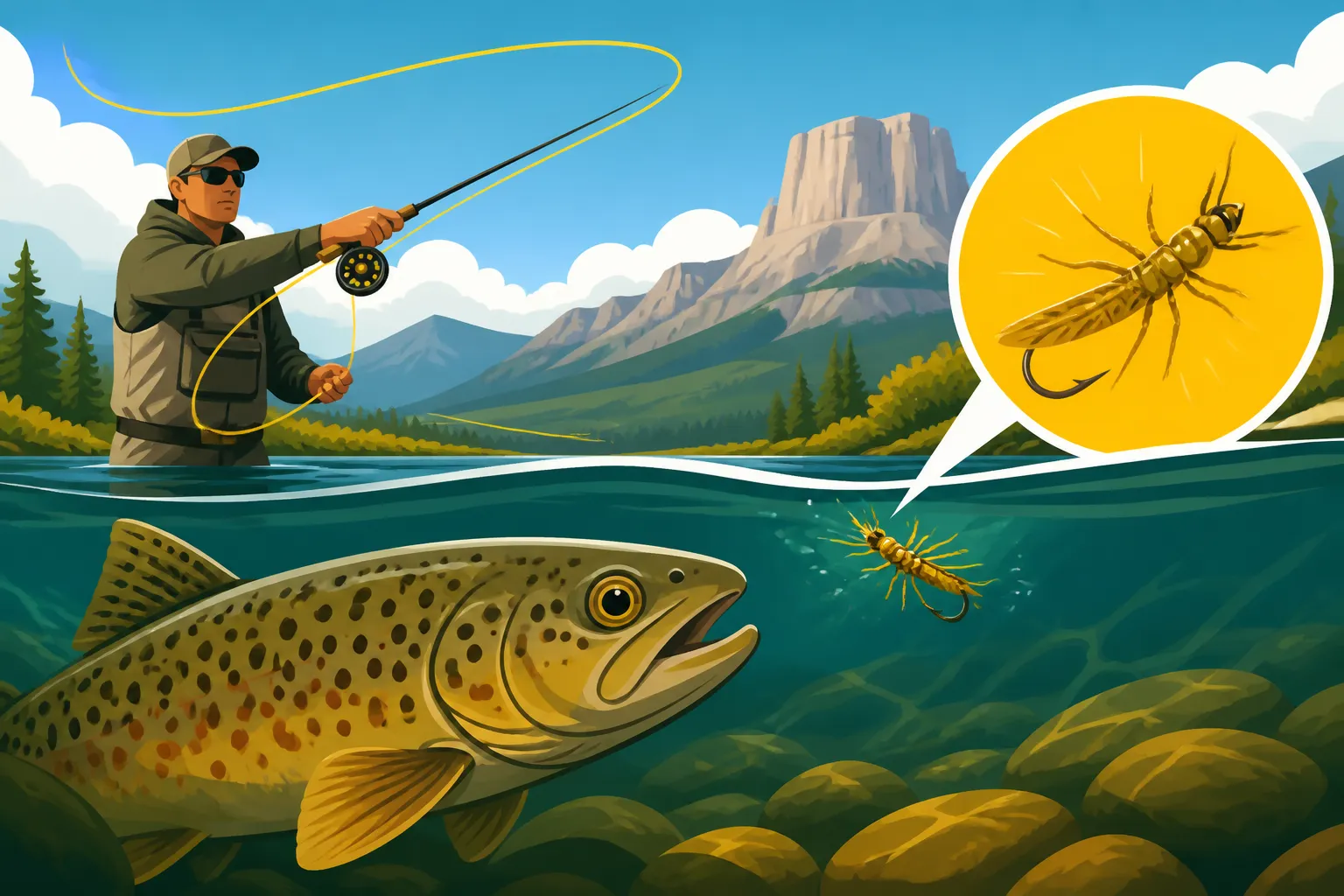
Another unmistakable sign is observing the adult stoneflies themselves. They're fairly large, often an inch or two long, with two pairs of membranous wings that lie flat over their backs. Their bodies are typically yellowish or golden-brown. You'll see them flying clumsily near the water, especially in the late morning and early afternoon, often landing on the water's surface to deposit eggs. This is when the trout really key into the dries. The rises associated with a golden stonefly hatch can be explosive and incredibly exciting. Trout will often slash at the surface, sometimes even jumping clear out of the water to grab one of these big bugs. Don't confuse these dramatic takes with the subtle sips you might see during a tiny mayfly hatch; golden stonefly takes are usually much more aggressive.
Essential Gear and Fly Patterns for the Golden Stonefly
When you're chasing big trout during a golden stonefly hatch, you'll need the right tools for the job. This isn't the time for delicate presentations with ultralight gear. You're casting big flies to potentially big fish, often in breezy conditions, so your setup needs to be up to the task.
Choosing the Right Rod, Reel, and Line
For golden stonefly hatches, a 5-weight or 6-weight fly rod is generally your best bet for most Wyoming rivers. If you're consistently targeting truly large trout in heavy currents, a 7-weight might be justified, but for all-around versatility, a 6-weight is often perfect. This weight allows you to cast large, bushy dry flies, often with a heavy nymph dropper, and provides enough backbone to fight powerful fish without exhausting them. Many anglers find excellent deals on quality fly rods on Amazon, which can be a great way to equip yourself without breaking the bank.
Pair your rod with a reliable reel that has a smooth drag system. While you might not always be "on the reel" with every fish, a good drag is essential for those unexpected trophy encounters. A weight-forward floating line is standard for dry fly presentations. If you're primarily nymphing, especially in deeper pockets or faster water, a sink-tip line can be incredibly effective, or you can opt for a dedicated nymphing setup with a long leader and indicator. Don't skimp on your leader and tippet. A 9-foot leader tapering to 3X or 2X tippet is usually appropriate for these larger flies. You need the strength to turn over the big bugs and handle the fight of a good-sized trout. You can find excellent quality tippet materials from brands like Rio or Seaguar on Amazon, which hold up well to the demands of Western fishing.
Top Golden Stonefly Fly Patterns
This is where the fun really begins! Having the right imitations is paramount. You'll need patterns for both the nymph and the adult stages.
For the nymph stage, some patterns are absolute staples in any Wyoming angler's box. The Pat's Rubber Legs (sometimes called a Twenty Incher) is legendary. Its rubber legs provide fantastic movement in the water, mimicking the natural wiggle of a stonefly nymph. Another excellent choice is the Golden Stone Nymph, which often incorporates a darker back and segmented body. These should be tied on heavy hooks, often with lead wraps or tungsten beads to help them sink quickly in those powerful currents. Sizes #4 to #10 are typical, with #6 and #8 being the most common. Don't be afraid to go big; trout are looking for a substantial meal during this time. Remember that Nymphing Techniques for Wyoming Tailwaters often apply to freestone rivers during the pre-hatch and nymphing phases of stonefly activity.
When the adults are on the water, you'll want big, buoyant dry flies. The Chubby Chernobyl has become a modern classic for good reason. It's highly visible, floats like a cork, and has a suggestive profile that screams "big bug." Its foam construction makes it incredibly durable, too. The Stimulator is another fantastic choice, particularly in golden or yellow colors, offering a more traditional stonefly profile with a good amount of hackle for floatation. Sometimes, a well-tied Goddard Caddis in a large size can also serve as a passable stonefly imitation if the fish are being particularly finicky, though it's not a direct match. Sizes #6 to #12 are usually appropriate for dry stonefly patterns. Having a variety of these patterns, perhaps from different manufacturers or local fly shops, is a great idea. If your local fly shop is out, you can often find a good selection of these critical patterns on Amazon. You can also review Best Wyoming Fly Patterns for Cutthroat Trout for other general patterns that might work as an attractor.
Essential Accessories
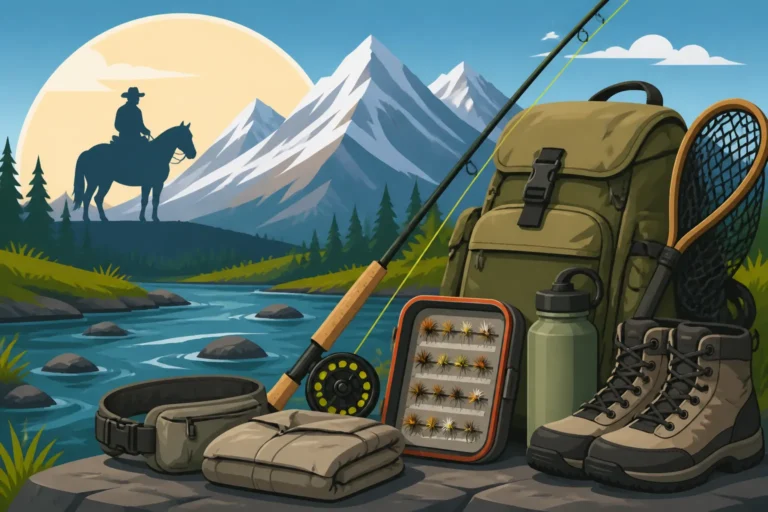
Beyond your rod, reel, and flies, a few key accessories will make your golden stonefly fishing trip much more enjoyable and successful. A good pair of polarized sunglasses is non-negotiable for spotting fish and reading the water. A wide-brimmed hat will protect you from the sun, which can be intense on Wyoming's rivers. You'll also need a dependable pair of wading boots and waders, as you'll likely be moving around in the river to get into the best casting positions. Consider a sturdy wading staff for added stability in strong currents.
Don't forget the small stuff: nippers for cutting line, forceps for removing hooks, and some high-quality dry fly floatant to keep your big stonefly patterns riding high on the water. A good net with a rubber bag is also crucial for safely landing and releasing fish, especially the larger ones. For anglers who spend a lot of time on the river, a quality fishing vest or chest pack with plenty of storage for all your gear can be a lifesaver. Look for options on Amazon that are durable and have enough pockets to keep your fly boxes, tippet spools, and other tools organized.
Mastering Fishing Techniques for Golden Stoneflies
Successfully fishing a golden stonefly hatch often requires a dynamic approach, shifting between nymphing and dry fly tactics as the hatch progresses and fish behavior changes. It’s all about adapting to what the trout are telling you.
Nymphing Strategies During the Hatch
Even when adult stoneflies are fluttering around, the trout often feed heavily on the nymphs that are still crawling along the bottom or migrating towards the banks to emerge. This is where your heavy nymph patterns shine. A common and very effective technique is a two-nymph rig, often called an "indicator rig." You'll attach a strike indicator a few feet up your leader, followed by a heavy stonefly nymph (like a Pat's Rubber Legs) as your lead fly, and then a smaller, attractor nymph (like a Copper John or Prince Nymph) on a dropper tag about 12-18 inches below the first fly. This setup allows you to present two different food sources at varying depths.
Focus your casts upstream and slightly across, allowing your nymphs to dead-drift naturally through seams, riffles, and deeper pockets. The key is to get your flies down to the fish quickly. Add split shot to your leader if needed, ensuring your indicator is occasionally pausing or even briefly submerging as your flies tick along the bottom. This means you're in the "strike zone." Pay close attention to your indicator; any hesitation, sudden dart, or subtle movement could signal a take. Don't be shy about high-stick nymphing either, especially in pocket water, where you keep your rod tip high to maintain a direct line to your flies and reduce drag, allowing for a more natural drift and quick hook sets. Remember that How to Read a Wyoming Stream for Holding Water is essential for identifying these prime nymphing locations.
Dry Fly Tactics for Active Stonefly Adults
When the adult stoneflies are actively flying and falling onto the water, and you see those tell-tale aggressive rises, it's time to switch to dry flies. This is arguably the most exciting part of the hatch. Presenting these large, often wind-resistant patterns requires good casting technique. You'll want to cast upstream and across the current, aiming to land your fly gently without a big splash that might spook the fish.
The most critical aspect of dry fly fishing during a stonefly hatch is achieving a drag-free drift. Trout that are keying in on natural stoneflies are looking for a bug that's floating effortlessly downstream, not one being pulled unnaturally by your line. Master your mending skills – throwing upstream or downstream curves in your line to counteract conflicting currents and keep your fly drifting naturally. Target seams where faster and slower currents meet, the edges of eddies, and especially undercut banks or overhanging vegetation where adults might fall into the water. Sometimes, a very subtle twitch of the fly right after it lands can mimic a struggling insect, but generally, a dead drift is your best bet. Be prepared for aggressive takes, but resist the urge to set the hook too quickly. Wait until you feel the weight of the fish before setting, as they often need a moment to engulf such a large fly. For more specific insights, check out Dry Fly Fishing on the North Platte River, which offers excellent principles applicable to any stonefly-rich river.
Fishing Runs and Riffles Effectively
Golden stoneflies thrive in well-oxygenated, rocky water, meaning that runs and riffles are prime habitats for their emergence and where trout will often congregate to feed. Don't just cast blindly; take a moment to observe the water. Look for specific holding lies within these sections. Trout will often position themselves in the slower water adjacent to fast currents, in eddies behind larger rocks, or in seams that funnel food directly to them.
When nymphing, cast your flies into the head of the riffle and allow them to drift naturally through the entire run. If you're not getting strikes, try adding more weight or adjusting your indicator depth. For dry flies, target any visible rises in the riffles or along the edges of the runs. Sometimes, fishing the "grease line" – a clean, drag-free drift through a prime feeding lane – is all it takes. Remember that trout often hold very close to the bottom in faster water, expending minimal energy while waiting for food. Don't overlook the shallow water near the banks either; this is where nymphs crawl out, and trout will often patrol these areas, particularly in low-light conditions.
Advanced Tips and Troubleshooting for Tricky Hatches
Even with the right gear and basic techniques, golden stonefly hatches can be notoriously fickle. Some days, it feels like every cast is a fish; other days, it feels like you're just spooking everything. Learning to adapt and troubleshoot is what separates a good day from a frustrating one.
Dealing with Finicky Fish
There will be days when the river is teeming with golden stoneflies, and the trout are rising, but they completely ignore your perfectly presented fly. It's enough to make you pull your hair out! When this happens, several factors could be at play. First, consider your tippet. If the water is clear and the fish are educated (common on heavily fished Wyoming rivers), a heavier tippet might be too visible. Try dropping down a size, from 2X to 3X, or even 4X if you dare, but be mindful of the added risk of breaking off a big fish with a large, wind-resistant fly. Sometimes a longer leader, up to 12 feet, can also help achieve a more natural drift and keep your fly line further from the fish's view.
Another common issue is that fish aren't always focused on the adult stage. They might be keying in on emergers, cripples, or even still on the nymphs below the surface. If your dry fly isn't working, try a dry-dropper rig. This involves tying a heavy dry stonefly pattern to your leader, and then attaching a lighter tippet (maybe 12-18 inches) from the bend of the dry fly's hook to a smaller nymph or emerger pattern. This allows you to cover two feeding zones at once. If fish are still ignoring your offering, think about how Matching the Hatch on Wyoming Rivers really means matching the stage of the hatch, not just the species. Sometimes, fish are simply focused on something else entirely, like a smaller caddis or a stray mayfly, so having a few other patterns on hand can save the day.
Fishing Before, During, and After the Peak
Understanding the life cycle of the golden stonefly allows you to fish more strategically throughout the day and the duration of the hatch. Before the main emergence, typically in the mornings or on cooler days, fish will be primarily focused on the nymphs. This is your cue for heavy nymphing tactics. Focus on fast water, riffles, and boulder gardens where nymphs live and begin their migration. A heavy Pat's Rubber Legs or a similar large stonefly nymph fished deep and slow can be deadly.
During the peak of the hatch, usually in the warmer parts of the day when adults are most active, you'll see more surface activity. This is your golden hour for dry flies. Keep your eyes peeled for those aggressive rises and be ready to cast quickly and accurately. However, don't completely abandon nymphing, as some fish will still be taking nymphs. A dry-dropper setup is often perfect for this transitional phase. As the hatch wanes, perhaps in the late afternoon or on subsequent days, the surface action might slow down. Fish might switch back to nymphs, or they might become more selective, looking for spent adults or other available food sources. This is a good time to experiment with smaller emerger patterns or even switch to a different bug entirely if you're not seeing results. For more general guidance on seasonal changes, consider reading about Wyoming Spring Fishing What to Expect to help plan your trips.
Safety and Etiquette During a Hatch
Wyoming's rivers can be powerful, and good stream etiquette is essential, especially during a popular hatch. Always prioritize safety. Wading in fast, rocky rivers can be treacherous, so use a wading staff for stability and always be aware of your surroundings. The water can be colder than you think, even in summer, so dress appropriately in layers.
When it comes to etiquette, remember that these hatches can draw crowds to popular sections of rivers. Be mindful of other anglers. Give them plenty of space, especially when they are actively fishing a run. Don't crowd someone's casting lane or walk directly through a section they are about to fish. If you arrive at a spot where someone is already fishing, either find another open spot or politely ask if you can fish a section further upstream or downstream. A simple nod or friendly wave can go a long way. Finally, practice responsible catch and release, especially with the larger, older fish that are so crucial to the fishery. Handle fish gently, keep them in the water as much as possible, and revive them fully before letting them go. For detailed guidance, check out Catch and Release Best Practices for Trout. These simple considerations ensure that everyone can enjoy Wyoming's incredible golden stonefly hatches for years to come.
Golden Stonefly Hatch Essentials
Here's a quick reference table to summarize the key elements for fishing a golden stonefly hatch:
| Category | Key Considerations | Recommended Gear/Flies |
|---|---|---|
| Timing | Late May – July (river dependent), when water temps hit mid-50s F. Peak activity often mid-day for dries. | Monitor local reports, water temperatures. |
| Location | Freestone rivers with rocky bottoms; North Platte, Snake, Green Rivers are prime. Riffles, runs, seams, undercut banks. | |
| Rod & Reel | 5-7 weight rod (6-weight versatile), reliable reel with smooth drag. | 6wt fly rod, quality reel. |
| Line & Tippet | Weight-forward floating line (for dries), sink-tip (for nymphs). 9ft leader, 2X-4X tippet (depends on water/fish). | Rio Powerflex Plus Tippet (available on Amazon), Scientific Anglers WF Line. |
| Nymph Patterns | Large, heavy, good movement. Target pre-hatch and deeper feeding. | Pat's Rubber Legs (#4-10), Golden Stone Nymph, Copper John. |
| Dry Patterns | Large, buoyant, highly visible. For active surface feeding. | Chubby Chernobyl (#6-12), Stimulator (golden/yellow), Goddard Caddis. |
| Techniques | Nymphing: Dead drift, indicator, high-stick, deep. Dry Fly: Drag-free drift, mending, accurate casting. Dry-dropper. | |
| Troubleshooting | Change tippet size, try emergers/cripples, switch to different patterns if fish are finicky, adjust to hatch stage. | Smaller nymphs/emergers, longer leaders. |
| Accessories | Polarized sunglasses, hat, waders, wading boots, wading staff, nippers, forceps, floatant, net. | Frog's Fanny Floatant, Orvis or Simms Waders/Boots. |
Disclaimer
Please remember that fishing regulations in Wyoming can change. Always consult the most current Wyoming Game and Fish Department regulations before heading out on the water. This information is for general guidance only.