Do You Need a Boat Permit for String Lake?
Navigating the regulations for recreation in Wyoming's stunning national parks can feel like trying to untangle a particularly stubborn fishing knot, especially when it comes to specific bodies of water. Many folks dream of paddling across String Lake, perhaps with a fly rod tucked away, but often wonder: do you need a boat permit for String Lake, or is it one of those spots where you can just launch and go? This guide will clear up all that confusion, giving you the definitive answers and practical steps to ensure your String Lake adventure is smooth sailing, or rather, smooth paddling.
Understanding String Lake's Unique Rules and Location
String Lake is a gem, nestled right in the heart of Grand Teton National Park, and its regulations are designed to preserve its serene beauty and unique ecosystem. It's not just another lake; it's a gateway to some truly spectacular wilderness experiences.
Where String Lake Sits in the Grand Teton Landscape
String Lake is perfectly positioned between Jenny Lake and Leigh Lake, acting as a natural connector. It’s significantly shallower than its larger neighbors, averaging only about 10 feet deep, which contributes to its warmer water temperatures in summer and makes it a favorite for families and those new to paddling. The views of the Teton Range reflecting in its calm waters are simply breathtaking, drawing visitors from all over the globe. Because it's entirely within Grand Teton National Park, all activities here, including boating and fishing, fall under strict National Park Service regulations, which often differ from general Wyoming Game and Fish Department rules. This is crucial to remember because park rules are designed with conservation at their absolute forefront.
Why String Lake Has Special Regulations
The special regulations for String Lake, particularly regarding watercraft, are in place primarily for two reasons: conservation and visitor experience. First, to protect the fragile aquatic ecosystem from the introduction of aquatic invasive species (AIS), which can wreak havoc on native fish populations and water quality. Imagine the beautiful clarity of String Lake being clouded by something entirely preventable—that's what these rules aim to avoid. Second, the park strives to maintain a specific type of recreational experience on String Lake, one that emphasizes quiet, human-powered enjoyment. Unlike larger lakes in the park where motorboats might be permitted (like Jackson Lake), String Lake is designated exclusively for non-motorized vessels. This ensures a peaceful atmosphere for paddlers, swimmers, and anglers alike, allowing you to truly soak in the tranquility of the Tetons without the drone of an engine.
The Nitty-Gritty on String Lake Boat Permits
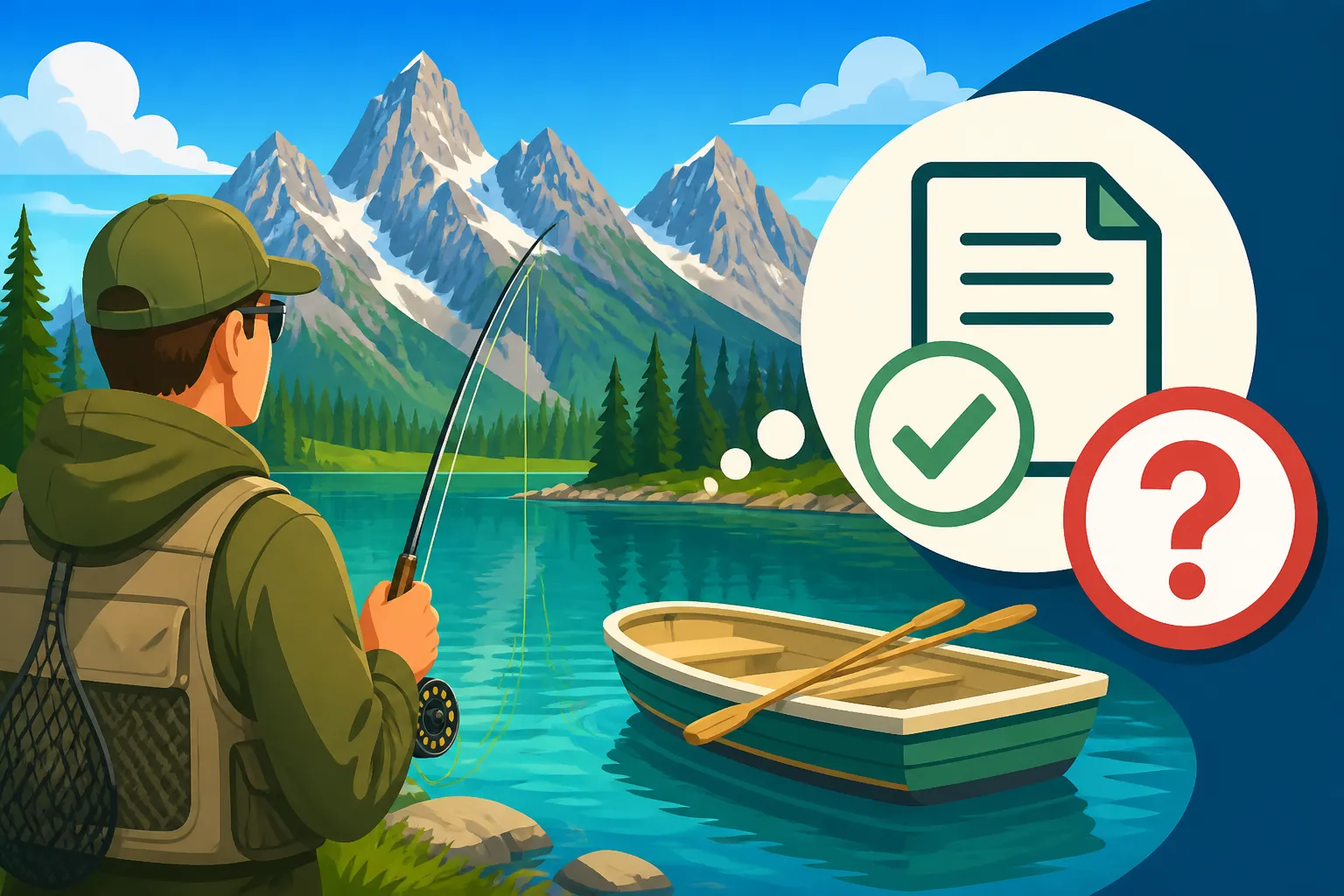
Alright, let's get down to brass tacks. The question burning in your mind: do you need a boat permit for String Lake? The short answer is yes, but it's specifically for non-motorized vessels, and it's a National Park Service permit, not a state one.
Do You Really Need a Permit?
Absolutely, you do. If you plan to launch any non-motorized watercraft—be it a canoe, kayak, stand-up paddleboard (SUP), packraft, or even a belly boat—onto the waters of String Lake, you are required to have a valid Grand Teton National Park non-motorized vessel permit. This is a common point of confusion because many state-run waters might not require a permit for simple kayaks or paddleboards, but national parks often have their own, more stringent requirements. These permits are typically annual, meaning they're good for the entire calendar year from January 1st to December 31st, regardless of when you purchase them. The cost isn't prohibitive, usually around $10 for the permit itself, plus the necessary Wyoming Aquatic Invasive Species (AIS) decal, which is an additional cost. For those planning a more extensive trip, it's worth understanding the broader Wyoming Fishing Regulations Every Angler Should Know If you're using a fishing guide service for other areas in the park, many of them might handle these details for you, but for solo adventures on String Lake, it's all on you!
The Difference Between Grand Teton's Lakes for Boating
It's easy to get confused because Grand Teton National Park has several stunning lakes, and their boating regulations vary significantly.
- Jackson Lake: This is the largest lake in the park, and it permits motorboats, sailboats, and human-powered vessels. It also has specific marina services and launch ramps.
- Jenny Lake: Motorboats are restricted to electric motors only on Jenny Lake, and then only for specific permitted operations, like the Jenny Lake Ferry. Human-powered vessels are allowed, but still require the permit and AIS decal.
- Leigh Lake: Directly accessible from String Lake via a short portage, Leigh Lake also permits only non-motorized vessels. The String Lake permit typically covers Leigh Lake as well, given its connection.
- String Lake: As we've established, String Lake is strictly non-motorized and requires a permit.
So, while you might be able to bring a powerful fishing boat to Jackson Lake, attempting to launch it on String Lake would not only be impractical due to the shallow water and access but also a violation of park rules. Understanding these distinctions is key to a hassle-free trip.
How to Obtain Your Non-Motorized Boat Permit
Getting your permit is a straightforward process, but it requires a couple of steps.
- Wyoming AIS Decal: Before you even think about the park permit, your vessel needs a valid Wyoming Aquatic Invasive Species (AIS) decal. This is a statewide requirement for any watercraft operating in Wyoming, and it must be purchased before your park permit. You can buy these decals online through the Wyoming Game and Fish Department website or at various vendor locations throughout the state, including some sporting goods stores and even certain gas stations. The cost varies depending on whether your vessel is motorized or non-motorized, and if you are a resident or nonresident. For non-motorized vessels, it's a relatively small fee, but absolutely mandatory.
- Grand Teton National Park Non-Motorized Boat Permit: Once you have your AIS decal, you can purchase the park permit. These are available at various visitor centers within Grand Teton National Park, such as the Craig Thomas Discovery and Visitor Center in Moose, the Colter Bay Visitor Center, or the Flagg Ranch Visitor Center. You'll need to show proof of your Wyoming AIS decal. The park staff will inspect your vessel for cleanliness to ensure no invasive species are hitchhiking. This inspection is part of the permit process and is vital for protecting the ecosystem. Expect to pay around $10 for the annual permit. Make sure to clearly display both the AIS decal and your Grand Teton permit on your vessel as instructed, usually near the bow.
Preparing for Your String Lake Boating Adventure
Getting the permit is just the first step. To truly enjoy String Lake, you need to be prepared for the conditions and understand the local nuances.
Essential Gear and Safety Considerations
Even though String Lake is relatively shallow and calm, it’s still an alpine lake in a national park, and safety should always be your top priority.
- Personal Flotation Devices (PFDs): This is non-negotiable. Every person on your vessel, regardless of age or swimming ability, must have an approved PFD readily accessible, and children 12 and under are required to wear them at all times while on board. Wyoming law, and common sense, demand it.
- Proper Vessel: Ensure your canoe, kayak, or SUP is in good condition and suitable for flatwater paddling. String Lake is generally calm, but winds can pick up quickly, especially in the afternoon, creating chop.
- Cold Water Safety: Even in summer, the water in String Lake can be surprisingly cold. Immersion in cold water can quickly lead to hypothermia. Dress in layers, preferably non-cotton materials that retain warmth when wet. Consider a wetsuit or drysuit if you're prone to capsizing or paddling early/late in the season.
- Sun Protection: The high altitude means intense UV rays. Bring sunscreen, a wide-brimmed hat, and sunglasses.
- Water and Snacks: Staying hydrated and fueled is important, especially if you plan on paddling for an extended period or portaging to Leigh Lake.
Navigating the Watercraft Inspection Process
The watercraft inspection for aquatic invasive species (AIS) isn't just a formality; it's a critical line of defense for Wyoming's pristine waters. Every vessel entering Wyoming, or moving between specific drainages within the state, must be inspected. Even if your vessel has already been inspected by Wyoming Game and Fish outside the park, the park service will perform its own inspection to ensure compliance with its specific protocols.
When you go to purchase your park permit, the ranger will visually inspect your vessel. They're looking for any plant matter, mud, or standing water that could harbor AIS like zebra mussels, quagga mussels, or whirling disease. Be prepared to answer questions about where your boat was last used. The best practice is to always Clean, Drain, Dry your vessel thoroughly after every use. "Clean" means removing all visible mud, plants, or debris. "Drain" means emptying all water from your boat, livewells, bilge, and engine. "Dry" means allowing the boat to dry completely before its next use, ideally for 5-7 days in warm, dry weather. This diligence protects not only String Lake but all of Wyoming’s incredible fisheries.
Accessing String Lake with Your Boat
String Lake offers excellent access, making it a popular spot. The main access point is located off Teton Park Road. You’ll find a designated parking area specifically for String Lake. From the parking lot, it’s a very short, easy walk to the water’s edge where you can launch your non-motorized boat. This accessibility is one of its biggest draws. For those adventurous souls, there's also a well-marked portage trail that connects String Lake to Leigh Lake, allowing you to explore two beautiful lakes in one trip. The portage is relatively flat and manageable for most kayaks and canoes, but it’s always a good idea to scout it first if you're carrying a heavier vessel. Remember to also check for any Water-Specific Closures before heading out, as conditions can change.
Fishing Opportunities on String Lake
Beyond paddling, String Lake offers some lovely, albeit sometimes challenging, fishing for those who prefer to wet a line. It’s a fantastic place to practice quiet angling techniques.
What Species Call String Lake Home
String Lake is primarily home to two species:
- Cutthroat Trout: Specifically, the Snake River Fine-Spotted Cutthroat Trout, which is a native subspecies. These beautiful fish are a joy to catch, known for their vibrant colors and distinctive red slashes under their jaw. They are typically smaller in String Lake compared to some of the larger, deeper reservoirs but offer a thrilling fight on light tackle. For more on these iconic fish, check out our guide on Cutthroat Trout Fishing in Wyoming
- Brook Trout: These colorful char are also present, often found in the shallower, streamier sections of the lake, especially near inlets. They are typically smaller but can be quite aggressive feeders.
Fishing in String Lake is a catch-and-release experience for cutthroat trout, but you can usually keep brook trout. Always consult the most current Grand Teton National Park fishing regulations, as they can differ from broader state rules, and can even change year-to-year to protect sensitive populations.
Best Techniques for Anglers on String Lake
Given String Lake's clear, relatively shallow waters and its resident trout, certain techniques tend to be more effective.
- Fly Fishing: This is arguably the most popular and effective method. Dry flies can be deadly during insect hatches, especially in the mornings and evenings. When fish aren't rising, nymphing under an indicator or stripping small streamers can also produce results. The clarity of the water means subtle presentations are often key. For beginners looking to learn, while String Lake might be too serene for a guided lesson, many services found on platforms like FishingBooker offer introductory fly fishing trips on other Wyoming waters.
- Light Spin Tackle: For those who prefer spin fishing, ultra-light rods with small inline spinners (like Panther Martins or Mepps) or small spoons can be very effective. Soft plastic grubs on light jig heads also work well, especially for probing slightly deeper pockets or drop-offs. Using 2-4 lb test monofilament or fluorocarbon line will enhance your presentation in the clear water.
- Paddling and Drifting: One of the biggest advantages of having a boat on String Lake is the ability to slowly paddle and drift, covering water effectively and accessing areas that shore anglers might not reach. This allows you to explore different structures, like submerged logs, rock gardens, or the mouths of feeder streams where trout often congregate.
Combining Boating and Fishing for the Ultimate Experience
The beauty of String Lake is that it truly lends itself to combining a serene paddling experience with a rewarding fishing trip. Imagine quietly gliding across the glassy water in your kayak, the Teton peaks towering above you, and then pausing to cast a fly into a promising riffle or along an undercut bank.
Using your paddle craft allows you to:
- Reach Secluded Spots: While String Lake is popular, a boat gives you access to less-pressured areas away from the main access points, increasing your chances of finding actively feeding fish.
- Cover More Water: You can efficiently move around the lake, targeting different depths and structures throughout the day.
- Access the Portage to Leigh Lake: For a full-day adventure, paddle across String Lake, portage to Leigh Lake, and continue your exploration. Leigh Lake offers similar fishing opportunities and an even more remote feel. Just remember the permit covers both, and the rules are consistent. For more ideas on where to combine these passions, look into Fishing Spots Inside Grand Teton National Park
Remember, every time you handle a fish you intend to release, do so with wet hands and minimize its time out of the water. This ensures the best chance of survival for these incredible native trout, allowing others to enjoy them too. For more information on responsible angling, consider practices like Catch-and-Release Best Practices for Trout And if you're looking for guided trips on waters where that expertise makes a real difference, remember that platforms like FishingBooker can help you find excellent local guides across Wyoming.
Grand Teton National Park Lake Boating Regulations
To help clarify the differences between Grand Teton's major lakes, here’s a quick overview of their boating requirements:
| Lake Name | Motorized Vessels Allowed? | Non-Motorized Vessels Allowed? | Park Permit Required (Non-Motorized)? | Wyoming AIS Decal Required? | Special Considerations |
|---|---|---|---|---|---|
| String Lake | No | Yes | Yes | Yes | Shallow, popular for families, portage to Leigh Lake. |
| Jenny Lake | Electric (Permitted only) | Yes | Yes | Yes | Jenny Lake Ferry operates; electric motors only for specific operations. |
| Leigh Lake | No | Yes | Yes (usually covered by String Lake permit) | Yes | Accessible via String Lake portage; more remote feel. |
| Jackson Lake | Yes | Yes | No (state registration required for motor) | Yes | Largest lake, allows all types of vessels, marinas available. |
| Phelps Lake | No | No | N/A | N/A | Designated for swimming, hiking, and shore fishing; no boats allowed. |
This table should give you a clearer picture of what to expect depending on which Teton lake you're aiming to explore. Always double-check the latest regulations before your trip, as rules can occasionally be updated.
Disclaimer
Please note that fishing regulations, permit requirements, and access rules can change. Always consult the official Grand Teton National Park website and the Wyoming Game and Fish Department regulations booklet for the most current and accurate information before planning your trip. This article is for informational purposes only and should not be considered legal advice.