Best Off-Season Fishing Opportunities in Wyoming
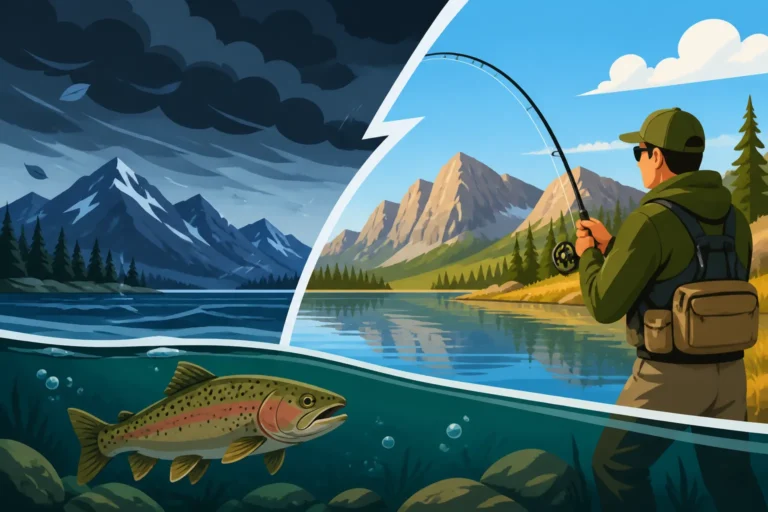
Oh, the sheer joy of pulling a beautiful trout from a Wyoming river, surrounded by golden aspens in the crisp autumn air, or drilling a hole through solid ice on a vast reservoir in the dead of winter. If you've ever felt that twinge of sadness as summer fishing winds down, thinking the best opportunities are over, I'm here to tell you that couldn't be further from the truth. In fact, some of Wyoming's most incredible fishing experiences happen when many fair-weather anglers have packed away their rods. This guide is all about uncovering those hidden gems and showing you how to find truly rewarding fishing opportunities when the crowds are long gone.
Redefining "Off-Season" in Wyoming Fishing
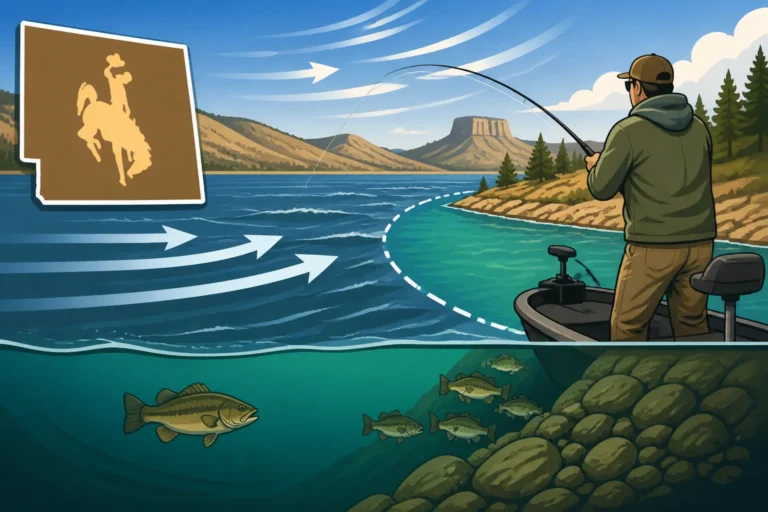
Many folks think of fishing in Wyoming as a summer-only affair, picturing sunny days on a drift boat or casting dries to rising trout on a warm evening. While those experiences are certainly magical, they represent only a slice of the pie. The term "off-season" often conjures images of barren landscapes and dormant fish, but in Wyoming, it means something entirely different. It means opportunity, solitude, and often, some of the most memorable catches of the year.
Beyond the Summer Rush: Understanding Wyoming's Fishing Calendar
When the temperatures drop and the leaves turn, or when the ice starts to form, many people assume the fishing season is "closed." This couldn't be further from the truth for a dedicated angler in Wyoming. Our fishing calendar is actually a year-round affair, with different species and waters coming alive in their own unique ways as the seasons shift. What might be considered "off-season" for one type of fishing, like traditional fly fishing on high mountain streams, is prime time for another, such as chasing monster lake trout through a hole in the ice.
Think about it: the major rivers often have specific closures or regulations during parts of the year, particularly around spawning times, but many lakes and reservoirs remain open. And even on rivers, certain stretches, especially tailwaters below dams, offer phenomenal fishing all winter long because the water temperature remains relatively stable. So, instead of thinking of a universal "off-season," it's more accurate to think of seasonal shifts in where and how you might find success. It’s about adapting to what the fish are doing and where they are holding, rather than giving up entirely.
Why Off-Season Can Be the Best Season
Honestly, some of my favorite fishing memories have been made in what others call the "off-season." There's a profound quiet that settles over the landscape when the summer campers and tourists have departed. Imagine having an entire stretch of river to yourself, the only sounds being the whisper of the wind and the splash of a rising fish. That's the kind of serenity the off-season offers.
Beyond the solitude, fish behavior changes dramatically with water temperature. Fall, for instance, ignites a feeding frenzy as many species bulk up for winter, leading to some incredibly aggressive bites. Brown trout, in particular, become much more active and visible as they begin their spawning rituals. In winter, while some fish slow down, others, like lake trout and walleye, thrive under the ice, offering a unique and often highly productive challenge. Plus, let's be real: catching a fish when you're battling the elements just feels more earned, doesn't it? It’s a testament to your dedication, and the rewards often feel sweeter. There’s a raw, authentic connection to nature that you just don't get when it's 75 degrees and sunny.
Prime Off-Season Targets: What to Fish For and Where
Wyoming's diverse waters offer an array of species, and many of them provide fantastic opportunities even when the leaves have fallen or the snow is flying. It's all about knowing which fish are active and where to find them.
Fall's Fierce Browns and Energetic Kokanee
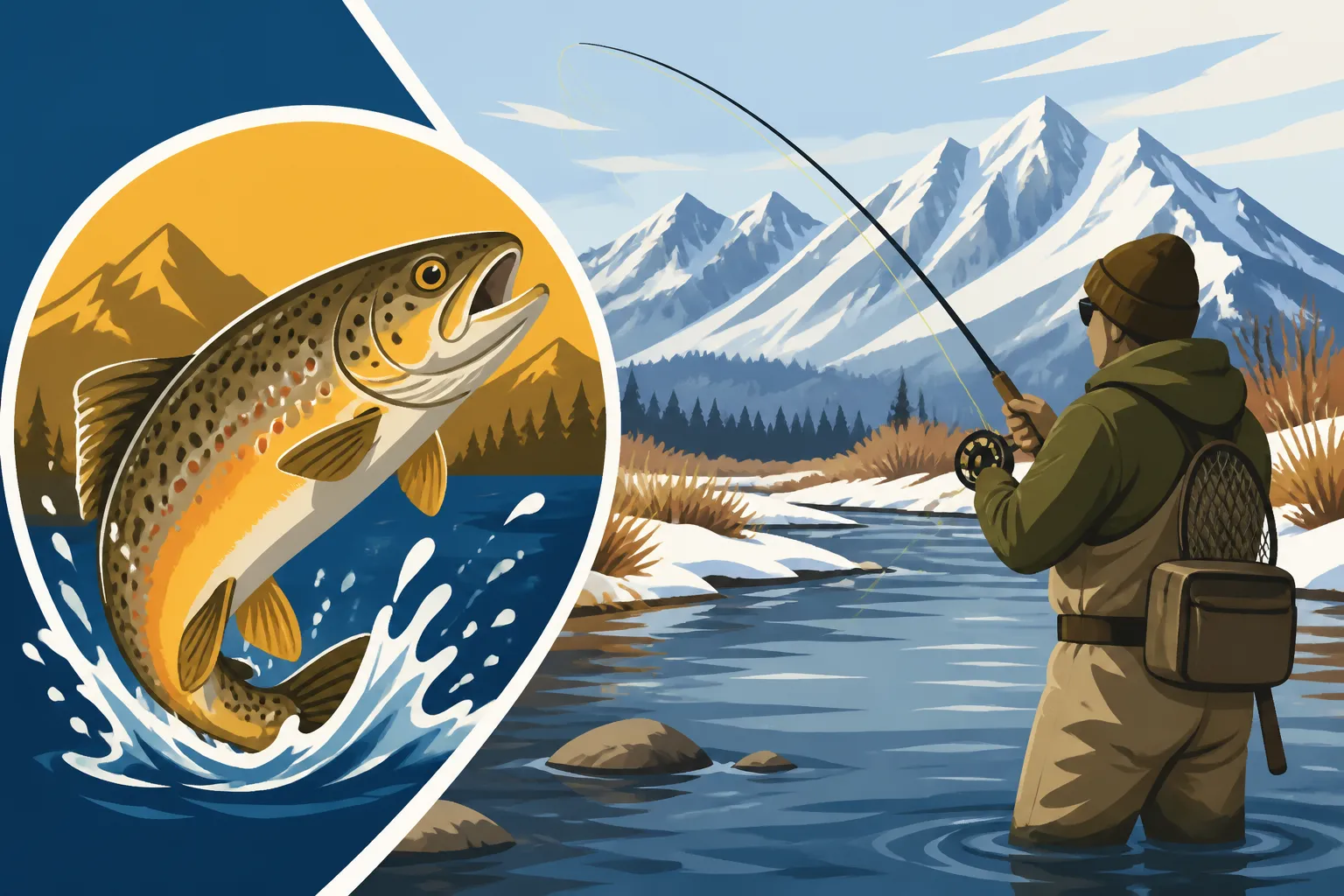
As September fades into October and November, Wyoming's rivers and reservoirs come alive with some of the most exciting fishing of the year. This is prime time to chase brown trout, especially the larger, more aggressive ones. They migrate upstream, often out of lakes and into rivers, or move within rivers to their spawning grounds. These fish are brilliantly colored, fighting hard, and truly spectacular to catch. You'll find these brutes making their annual pilgrimage on legendary rivers like the North Platte, particularly famous stretches like the Miracle Mile Stretch of Wyoming's North Platte River and the Gray Reef. Understanding Fall Fishing for Browns on the Miracle Mile means knowing their behaviors and preferred holding spots as they prepare to spawn. Similarly, the Snake River in western Wyoming sees incredible brown trout action.
It's not just browns, though. Fall also offers a unique opportunity to target kokanee salmon. While they don't get as large as their ocean-going cousins, these landlocked sockeye salmon put on a brilliant display of color as they stage to spawn. Reservoirs like Flaming Gorge and Pathfinder Reservoir can be absolute hotspots for kokanee in the fall. They'll often turn a deep crimson, and while they may not be at their prime for eating, the thrill of catching them in their vibrant spawning colors is unforgettable. You can find excellent Kokanee Salmon at Flaming Gorge Reservoir during this period. They're often schooling, making for fast and furious action if you can locate them.
Winter Wonders: Ice Fishing for Lake Trout and Walleye
When the ice gets thick enough, usually from late December through February or even into March, a whole new world of fishing opens up in Wyoming: ice fishing. This isn't just a way to pass the time; it's a dedicated pursuit for many serious anglers, and Wyoming offers some world-class opportunities. If you've never tried it, don't knock it until you've shivered a little and then felt that satisfying tug on your line!
Big reservoirs are the main stage for ice fishing, and they hold some impressive fish. Lake trout, or Mackinaw, are a prime target, especially in deeper waters like Flaming Gorge Reservoir and Jackson Lake. These powerful fish can grow to immense sizes, and battling one through a small hole in the ice is an experience you won't soon forget. Early ice and late ice can be particularly productive as they move into shallower areas to feed. For details on where to find the best hardwater action, check out Best Ice Fishing Lakes in Wyoming.
Then there are walleye, the delicious, cunning predators that inhabit many of our larger impoundments. Boysen Reservoir, Glendo Reservoir, Keyhole Reservoir, and Seminoe Reservoir are all fantastic for walleye through the ice. Jigging for walleye in the freezing temperatures demands patience and a keen feel, but the reward of a fresh walleye dinner is well worth the effort. Knowing the Best Month for Walleye at Boysen Reservoir can make all the difference in planning your trip. Additionally, you'll often find yellow perch, crappie, and even ling (burbot) willing to bite through the ice, offering a diverse winter fishing experience. For a complete understanding of how to gear up and get started, refer to Ice Fishing in Wyoming: A Complete Guide.
Spring's Awakening: Early Season Trout Action
As the ice finally melts and before the major spring runoff truly kicks in, usually from March through early May, you can find some fantastic early-season trout fishing. This period can be tricky because weather is unpredictable, but it offers a unique window of opportunity.
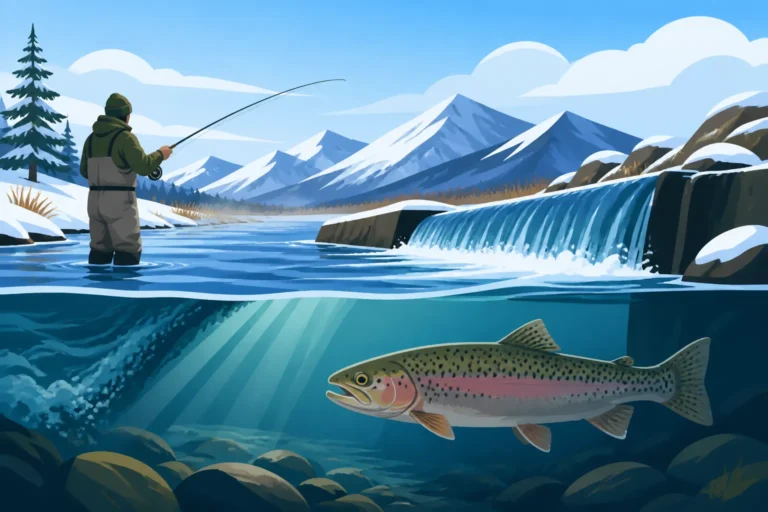
Tailwaters are your best friend during this time. These are the stretches of river immediately below large dams, like the North Platte below Gray Reef or Alcova, or the Green River below Fontenelle Dam. The water released from the bottom of these reservoirs is often warmer than ambient air temperatures and maintains a more stable flow, meaning the fish are active, and the water is clear before the tributaries start dumping snowmelt. Why Tailwaters Fish Well in Winter also applies to early spring, making them productive hotspots. You'll find active rainbow and brown trout, often feeding heavily on nymphs and midges.
Beyond tailwaters, some of the lower-elevation lakes and ponds that shed their ice earlier can offer good action for freshly stocked rainbow trout or holdover fish. These can be great spots for families or beginners to shake off the winter rust. The fish are often hungry after a long winter and eager to take a variety of baits and lures. Understanding Wyoming Spring Fishing: What to Expect can help you prepare for this dynamic season. For specific tips on targeting freshly planted fish, Best Early Spring Technique for Stocked Trout is a useful read. While runoff will eventually make many rivers high and muddy, this pre-runoff window is golden.
Essential Gear and Techniques for Off-Season Success
Fishing in Wyoming's off-season means embracing the elements. It’s not just about the fish; it’s about being prepared for whatever Mother Nature throws your way. Proper gear and adjusted techniques are crucial for both comfort and success.
Layering Up: Staying Warm and Dry
If there's one golden rule for off-season fishing in Wyoming, it's "dress in layers." Seriously, this is not a suggestion, it's a commandment! The weather can change on a dime, going from sunny and calm to windy and snowy in a matter of minutes. Being cold and wet is a quick way to ruin an otherwise fantastic day on the water.
Start with a good base layer made of merino wool or synthetic materials that wick moisture away from your skin. Avoid cotton at all costs, as it retains moisture and will make you feel colder when wet. Next, add an insulating mid-layer, like a fleece jacket or a puffy vest. Finally, a waterproof and windproof outer shell is non-negotiable. This will protect you from unexpected snow squalls, freezing rain, and biting winds. Don't forget a warm hat that covers your ears, insulated gloves or mittens (often I bring two pairs—one for fishing and a dry backup), and warm, waterproof boots. For stream fishing, quality breathable waders are essential. You can find a huge range of reliable outdoor gear, from base layers to waterproof shells and insulated boots, on platforms like Amazon, making it easy to prepare for any conditions. My personal preference is for items that are not too bulky but provide serious warmth.
Adapting Your Approach: Techniques for Colder Waters
Fish metabolism slows down in colder water, making them less active and often less willing to chase a fast-moving lure or fly. This means your techniques need to adapt.
For open-water fishing in fall and spring, think slow and deep. Nymphing with indicators is incredibly effective on rivers, presenting flies slowly along the bottom where trout are often holding. Dead-drifting streamers can also entice a lethargic brown trout. On lakes and reservoirs, fish will often gravitate towards deeper structure, so slow retrieves with jigs, spoons, or even still-fishing with bait can be highly productive. Understanding How Water Temperature Affects Trout Feeding is key to success. Don't be afraid to let your presentation sit longer in the strike zone. For fly anglers, Nymphing Techniques for Wyoming Tailwaters can provide invaluable guidance for these colder periods.
When ice fishing, the game changes entirely. You're typically jigging small lures or baits vertically directly over the fish. A good fish finder (flasher or sonar) becomes almost essential to locate fish and see how they are reacting to your presentation. Subtle movements, tiny twitches, and long pauses are often more effective than aggressive jigging. Different depths will hold different species, so be prepared to adjust your depth often. For walleye, slow jigging with a small spoon tipped with a minnow head can be deadly. If you're targeting walleye, you'll want to review How to Jig for Walleye in Cold Water for specific strategies. Live bait, such as minnows or worms, can also be incredibly effective, especially when fished under a bobber or tip-up.
Safety First: Navigating Winter Conditions
Off-season fishing, particularly ice fishing or venturing into the backcountry in colder months, carries inherent risks that must be taken seriously. Safety should always be your number one priority.
Ice safety is paramount. Never assume ice is safe just because others are on it. Always check ice thickness with an auger or spud bar as you venture out. A general rule of thumb is at least 4 inches for ice fishing on foot, but more is better, and conditions can vary widely even on the same body of water. Carry ice picks, know how to use them, and ideally, never fish alone. Let someone know where you are going and when you expect to return. Many ice anglers wear flotation suits for added safety and warmth.
For fall and spring fishing on rivers, be mindful of rapidly changing water levels and temperatures. Cold water immersion is a serious danger. Always wear your waders correctly with a belt to minimize water entry if you fall, and consider a wading staff for stability, especially on slick rocks.
If you're heading into backcountry areas for shoulder-season high-lake fishing, be aware of avalanche danger (especially in late fall or early spring), rapidly changing weather, and potential for hypothermia. Pack emergency supplies, including extra layers, fire-starting materials, a first-aid kit, and enough food and water. Having a satellite messenger or personal locator beacon is also a wise idea for remote trips, as cell service is often non-existent. Always check local weather forecasts and conditions reports before you go, and don't hesitate to turn back if conditions seem unsafe.
Planning Your Off-Season Wyoming Fishing Adventure
A little planning goes a long way when you're venturing out in the cooler months. Being prepared will not only increase your chances of success but also ensure your safety and enjoyment.
Checking Regulations and Conditions
This might sound obvious, but it's astonishing how many anglers overlook seasonal regulation changes. Wyoming's fishing regulations can be quite specific, with different rules for different waters or species during certain times of the year. For instance, some rivers may have spawning closures for brown trout, or specific tackle restrictions might be in place on certain tailwaters. Always, and I mean always, consult the current Wyoming Game and Fish Department regulations booklet before your trip. It's available online and at license vendors.
Water conditions are equally critical. Before heading out, check streamflows, lake levels, and ice thickness reports. Many local tackle shops and guide services will have up-to-date information, and the WGFD website often provides useful alerts. Road conditions, especially to higher-elevation lakes or remote trailheads, can also be a major factor in fall and spring. A sunny day at home doesn't mean the mountain pass you need to cross is open! Where to Find Current Wyoming Fishing Regulations is the go-to resource for this vital information.
Considering a Guide for Specialized Trips
If you're new to off-season fishing in Wyoming, or even if you're an experienced angler looking to learn a new water or technique, hiring a professional fishing guide can be an absolute game-changer. Guides spend countless hours on the water, know the local conditions inside and out, and can put you on fish when you might otherwise struggle. They understand the nuances of fish behavior in cold water, can provide the right gear (often including specialized ice fishing equipment or winter-grade fly tackle), and, most importantly, can ensure your safety in potentially challenging conditions.
For fall brown trout runs on the North Platte, a seasoned fly fishing guide can teach you the exact nymphing rigs and streamer presentations needed to entice those big fish. For ice fishing, a guide will know exactly where the safe ice is, where fish are holding, and the most effective jigging patterns. This expertise is invaluable, saving you time and frustration. While it's an investment, the knowledge and experience gained are often worth every penny, especially for a unique off-season adventure. If you're considering this option, check out Hiring a Fishing Guide in Wyoming for tips on how to choose the right one for your adventure.
Respecting the Resource (and Fellow Anglers)
Fishing in the off-season often means you'll encounter fewer people, but that doesn't mean etiquette goes out the window. In fact, it becomes even more important to be a good steward of the resource. If you do encounter other anglers, give them plenty of space. On rivers, wading carefully and avoiding stepping on redds (spawning beds) during fall can help protect future fish populations.
Always practice "leave no trace" principles: pack out everything you pack in, and perhaps even a little extra trash you find. Respect private property and access points. For sensitive species or during spawning periods, consider catch-and-release, or at least be mindful of your bag limits and handle fish gently. These off-season opportunities are precious, and it's up to all of us to ensure they remain vibrant for generations of anglers to come.
| Off-Season Period | Target Species | Typical Locations | Key Techniques | Essential Gear |
|---|---|---|---|---|
| Fall (Oct-Nov) | Brown Trout, Kokanee Salmon | North Platte River, Snake River, Flaming Gorge, Pathfinder | Nymphing, Streamer Fishing, Trolling for Kokanee | Waders, Layers, Warm Hat, Gloves, Proper Footwear |
| Winter (Dec-Mar) | Lake Trout, Walleye, Perch, Ling | Flaming Gorge, Boysen Reservoir, Glendo, Seminoe | Ice Fishing (Jigging, Tip-ups), Sonar/Flasher | Ice Auger, Shelter, Ice Picks, Flotation Suit, Warm Boots |
| Spring (Mar-May) | Rainbow Trout, Brown Trout, Stocked Trout | Tailwaters (North Platte, Green River), Lower Elevation Lakes/Ponds | Nymphing, Bait Fishing, Slow Retrieves with Lures | Waders, Layers, Sun Protection, Wading Staff |
Disclaimer
This article is for general informational purposes only and does not constitute professional advice. Laws, prices and regulations vary by location and change over time. Consult a qualified professional for guidance on your specific situation.