What Fish Live in Both Wyoming and Yellowstone Lake
Anglers often dream of casting a line in the iconic Yellowstone Lake, but it’s completely natural to wonder if the fish swimming there are the same as those you’d find in Wyoming's other incredible rivers and reservoirs, or if the fishing rules even align. This guide will clarify that common confusion, diving deep into the specific fish species that inhabit both Yellowstone Lake and the broader, diverse waters of Wyoming, giving you a clearer picture of this interconnected aquatic world.
Understanding Yellowstone Lake's Unique Position in Wyoming
It's easy to assume that because Yellowstone Lake sits primarily within Wyoming's borders, it adheres to the same state fishing regulations as, say, Flaming Gorge or the North Platte River. However, this isn't quite the case, and understanding this distinction is crucial for any angler planning a trip. The lake's status as part of Yellowstone National Park means it operates under a different set of rules and management philosophies, even if the water itself flows into or out of state-managed systems.
A National Park Within the State's Borders
Yellowstone Lake is indeed largely located within the geographical boundaries of Wyoming, but its jurisdiction falls under the National Park Service (NPS). This federal oversight means that while you are physically in Wyoming, the regulations governing fishing, species management, and conservation efforts are distinct from those set by the Wyoming Game and Fish Department (WGFD). The primary goal of the NPS within Yellowstone is to preserve the natural ecosystem and native species. This core mission dictates almost every aspect of fishing within the park, often leading to stark differences compared to the state's approach, which frequently balances conservation with recreational opportunities for a variety of game fish.
For instance, the types of bait you can use, the hook styles permitted, and especially the rules around keeping fish, are often more restrictive or specific within Yellowstone National Park. The park aims to restore and protect its native fish populations, particularly the Yellowstone Cutthroat Trout, which plays a vital role in the park's food web. This often means aggressive management strategies for invasive species that threaten the native fish. So, while you're standing in Wyoming, your fishing license and regulations booklet will need to be the federal Yellowstone National Park version, not a state of Wyoming one. Make sure you read up on Fishing Rules Inside Yellowstone National Park before you head out.
Why the Distinction Matters for Anglers
The differing jurisdictions and management objectives have significant implications for anglers. For example, if you catch a certain species in a Wyoming state reservoir, you might be encouraged to keep it within a generous bag limit. However, catching the exact same species in Yellowstone Lake could mean a mandatory kill and reporting requirement, especially if it's an invasive species threatening native populations. This isn't just a minor technicality; it’s a critical part of the park's conservation strategy.
Beyond catch-and-keep rules, gear restrictions can also vary. While some Wyoming waters might allow bait or multiple rods with a specific permit, Yellowstone National Park typically has stricter rules, often favoring artificial lures and flies to minimize the introduction of diseases or invasive organisms. Understanding these differences isn't just about avoiding a citation; it's about respecting the unique ecological goals of one of America's most treasured national parks. It highlights the dynamic nature of fisheries management, where the same fish can be treated very differently based on where you encounter them. Always have a look at the Wyoming Fishing Regulations Every Angler Should Know for the state, and then double-check the specific rules for Yellowstone Lake if you're venturing there.
The Native Star: Yellowstone Cutthroat Trout
When we talk about fish living in both Wyoming and Yellowstone Lake, the true star, and arguably the most significant connection, is the Yellowstone Cutthroat Trout. This isn't just any trout; it's a native icon, revered for its beauty, fighting spirit, and crucial ecological role. Its presence spans the clear, cold waters of Yellowstone Lake and many pristine river systems throughout Wyoming.
Yellowstone Cutthroat Trout in Both Worlds
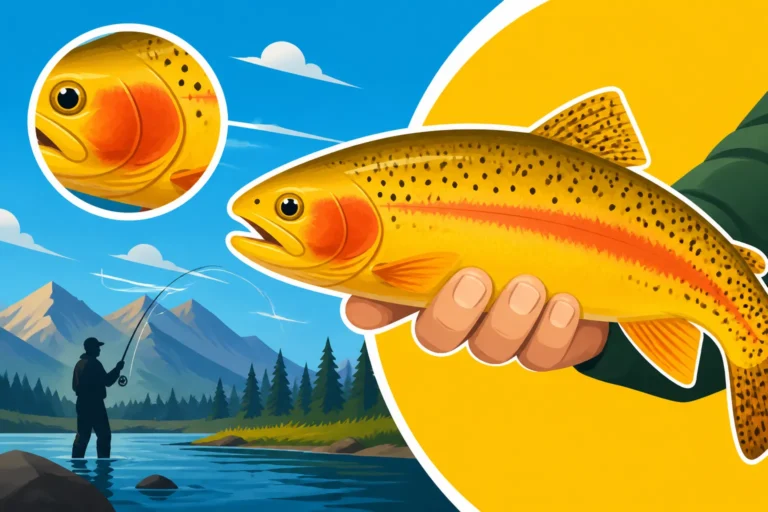
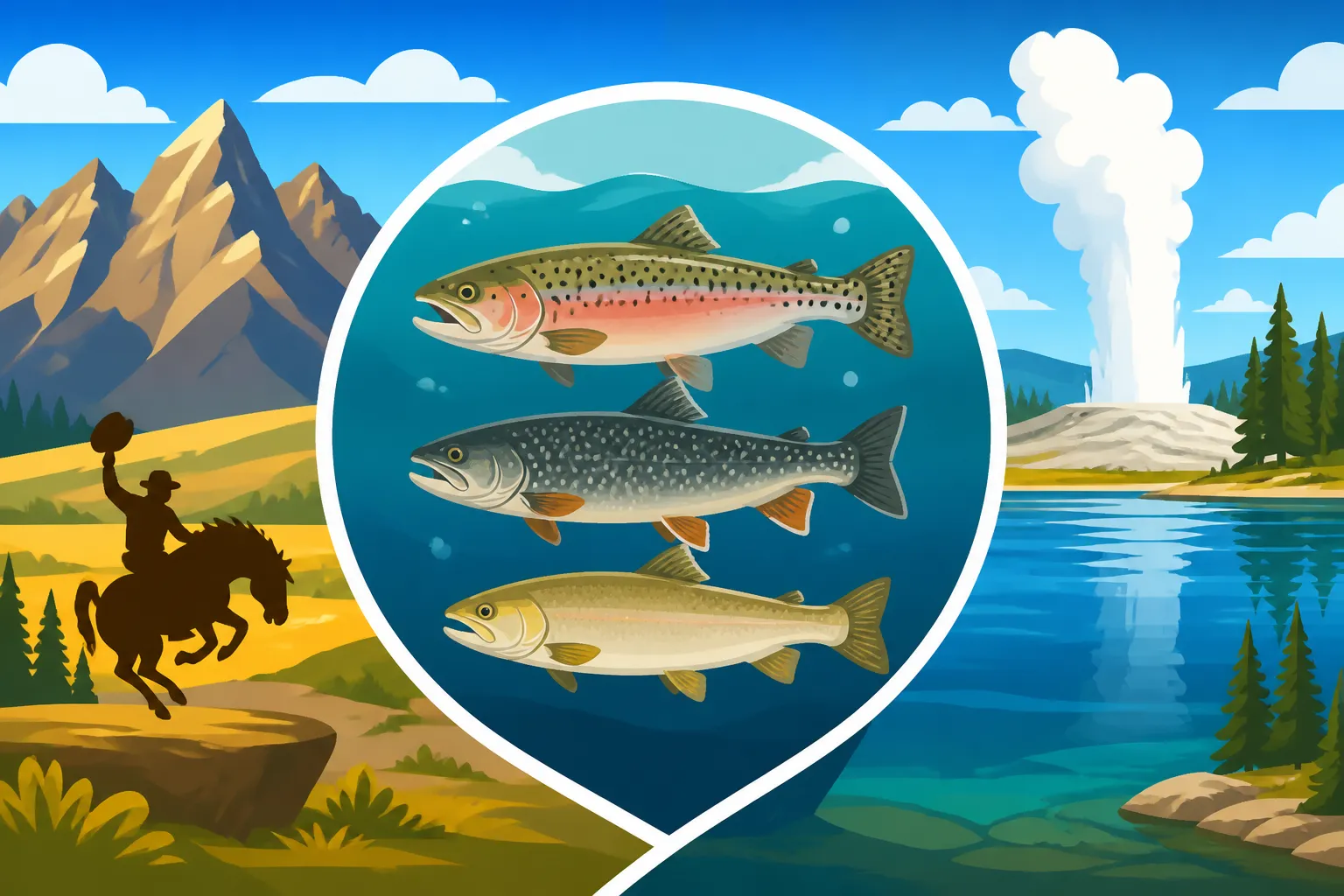
The Yellowstone Cutthroat Trout (scientific name Oncorhynchus clarkii bouvieri) is truly the heart of the Yellowstone Lake ecosystem and a vital part of Wyoming's natural heritage. These beautiful fish, identifiable by the distinctive red or orange slash marks under their jaw Identifying a Yellowstone Cutthroat Trout, are the primary native sport fish in Yellowstone Lake. Here, they thrive, serving as a critical food source for grizzly bears, otters, ospreys, and other wildlife. For centuries, they've been the dominant fish species in the lake and its tributary streams.
But their range extends far beyond the park's boundaries. You'll find healthy populations of Yellowstone Cutthroat Trout in many other Wyoming waters, particularly within the Snake River drainage, the Wind River system, and numerous high-alpine lakes and streams. They are a beloved target for fly anglers in places like the Gros Ventre River, parts of the Green River, and many smaller, pristine mountain creeks. Their ability to adapt to diverse cold-water habitats means they’ve maintained a foothold across a significant portion of the state, connecting the park's pristine waters with the broader Wyoming landscape. In fact, it's Wyoming's very own state fish! If you want to know more about this incredible species, check out Wyoming's State Fish: The Yellowstone Cutthroat.
Conservation and Management Efforts
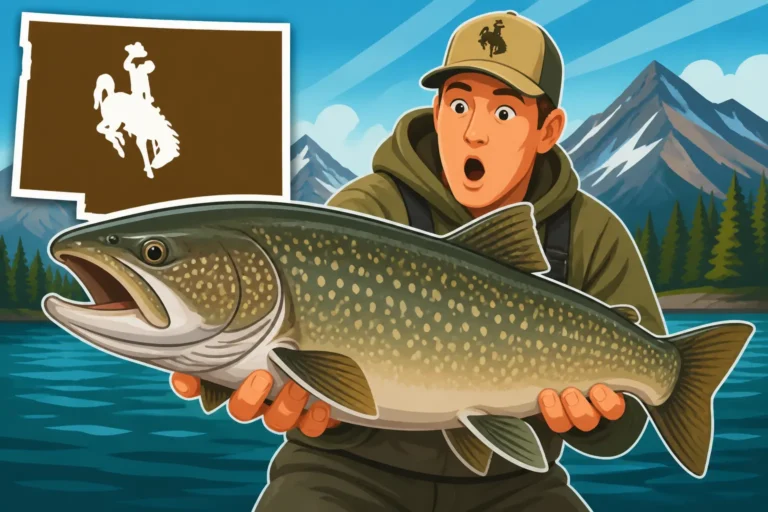
Despite their widespread presence, Yellowstone Cutthroat Trout face significant challenges, especially within Yellowstone Lake. The most pressing threat in the lake is the presence of the invasive Lake Trout. These predatory fish were illegally introduced and have had a devastating impact on the native Cutthroat population, consuming vast numbers of young Cutthroat and disrupting the entire ecosystem. Because of this, Yellowstone National Park has an aggressive and long-standing program to suppress Lake Trout populations, including a "kill-on-sight" mandate for anglers. This starkly contrasts with how Lake Trout are viewed and managed in other parts of Wyoming, where they are often a prized sport fish.
In other Wyoming waters outside the park, conservation efforts for Yellowstone Cutthroat Trout typically focus on habitat restoration, preventing hybridization with non-native trout (like rainbow trout, which can create "cutbows"), and managing angling pressure. The Wyoming Game and Fish Department works tirelessly to maintain healthy native Cutthroat populations, often through careful stocking of pure strains and enforcing specific regulations like catch-and-release zones or reduced limits in sensitive areas. The aim is often to preserve the genetic purity and ecological integrity of these native fish in their historical ranges. It's a constant balancing act between protecting a native treasure and allowing for sustainable recreational fishing. If you're interested in the specifics of the threat, read Why Lake Trout Are Considered a Problem in Yellowstone Lake, and how the park is fighting back with Wyoming's Lake Trout Removal Efforts in Yellowstone Lake.
The Invasive Presence: Lake Trout (Mackinaw)
While Yellowstone Cutthroat Trout represent the native link between Yellowstone Lake and other Wyoming waters, Lake Trout, also known as Mackinaw, tell a very different story. Their presence in these distinct environments highlights conflicting management goals and ecological impacts.
Lake Trout in Yellowstone Lake
In Yellowstone Lake, Lake Trout (Salvelinus namaycush) are considered an unwelcome, invasive predator. Their introduction, believed to have occurred illegally, has severely disrupted the native ecosystem, primarily by preying on the Yellowstone Cutthroat Trout. Cutthroat, which evolved without a large, deep-water predator like the Lake Trout, were highly vulnerable. This predation has cascaded through the food web, impacting bears and birds that rely on Cutthroat as a food source.
Consequently, Yellowstone National Park has a strict policy regarding Lake Trout: any Lake Trout caught in Yellowstone Lake must be killed and reported. There is no catch-and-release for this species within the park's waters. This mandatory kill policy is a cornerstone of the park's multi-million dollar effort to suppress the Lake Trout population and help the native Yellowstone Cutthroat Trout recover. Anglers are seen as crucial partners in this conservation battle, and compliance with this regulation is paramount. It’s a stark example of how deeply an introduced species can alter a pristine ecosystem and how intensive the efforts are to try and undo that damage. Anglers participating in fishing within the park are truly on the front lines of this battle, and their actions directly contribute to the conservation goals. To reiterate, the rule is absolute: Do You Have to Kill Lake Trout Caught in Yellowstone Lake?.
Lake Trout in Other Wyoming Waters
Contrast this dramatic situation with Lake Trout populations in many other large Wyoming reservoirs, such as Flaming Gorge, Jackson Lake, Pathfinder Reservoir, and Boysen Reservoir. In these waters, Lake Trout are not only tolerated but are often considered a highly sought-after, trophy game fish. They were either historically present or introduced intentionally as a sport fish, and they contribute significantly to the recreational fishing economy. Anglers travel from far and wide to target these impressive fish, which can grow to immense sizes in Wyoming's deep, cold reservoirs How Big Wyoming Lake Trout Get.
The management approach by the Wyoming Game and Fish Department in these waters focuses on sustainable harvest, regulating bag limits, and promoting fishing techniques like deep-water trolling or jigging to target them. Rather than eradication, the goal is often to maintain a healthy, fishable population that provides angling opportunities without compromising the overall ecological balance of that specific reservoir. For example, at Flaming Gorge, Lake Trout fishing is a huge draw, with anglers employing specialized techniques like Trolling Tube Jigs for Lake Trout at Flaming Gorge. While they are still predators, their role in these ecosystems is different, and they are managed accordingly for recreational value. This dichotomy clearly illustrates the complex and often localized nature of fisheries management. If you're looking to target them for sport, you can find great info on Lake Trout (Mackinaw) Fishing in Wyoming.
Other Less Common or Historically Shared Species
Beyond the dominant narratives of Yellowstone Cutthroat and Lake Trout, there are other aquatic residents that bridge the gap between Yellowstone Lake and Wyoming's broader waters. While they might not be the primary targets for sport anglers, their presence underscores the natural flow and interconnectedness of aquatic habitats.
Redside Shiner and Speckled Dace
These smaller, often overlooked fish are common residents in both the tributary streams flowing into Yellowstone Lake and many smaller rivers and creeks across Wyoming. Redside Shiners (Richardsonius balteatus) are schooling fish, often found in clear, slow-moving water, while Speckled Dace (Rhinichthys osculus) are bottom-dwellers, preferring riffles and rocky substrates. These minnow-like species play a crucial ecological role as forage fish, providing food for larger predators, including various trout species, birds, and even small mammals. They are part of the intricate base of the food web, converting insect life and algae into sustenance for game fish.
Anglers might encounter them accidentally while targeting trout with small flies or baits, but they are not typically sought after as game fish themselves. Their widespread distribution across various cold-water habitats demonstrates their adaptability and their importance as a general indicator of healthy stream conditions. Their presence in both the Yellowstone drainage and other Wyoming river basins is a testament to the shared aquatic heritage, even for the smallest of creatures.
White Suckers and Longnose Suckers
Suckers are another group of fish often found in both Yellowstone Lake and numerous other lakes and rivers throughout Wyoming. The White Sucker (Catostomus commersonii) and Longnose Sucker (Catostomus catostomus) are common bottom-feeders, characterized by their fleshy, downward-pointing mouths adapted for vacuuming up insects, detritus, and plant matter from the streambed or lake bottom.
In Yellowstone Lake, suckers serve as a natural part of the native fish community and a food source for larger Cutthroat Trout, especially younger ones. In other Wyoming waters, they are incredibly common and can be found in almost every major river system and many reservoirs. While not traditionally considered game fish, they are sometimes caught incidentally by anglers targeting trout or walleye. Some anglers even specifically target them for their fighting ability or as bait for larger predatory fish in waters where bait regulations permit. Their robust populations across diverse environments make them another significant link in the aquatic biodiversity shared between Yellowstone Lake and the broader waters of Wyoming, quietly contributing to the ecological balance from the bottom up.
Shared Species and Management Approaches in Summary
The overlap of fish species between Yellowstone Lake and the rest of Wyoming offers a fascinating look at both natural connectivity and varied human management. While the native Yellowstone Cutthroat Trout forms a significant natural bond, the differing approaches to species like the Lake Trout highlight the distinct missions of national parks versus state fisheries.
Here’s a quick overview of some key species and their status:
| Species | Presence in Yellowstone Lake | Presence in Other Wyoming Waters | Management Philosophy (Yellowstone Lake) | Management Philosophy (Other Wyoming Waters) |
|---|---|---|---|---|
| Yellowstone Cutthroat Trout | Native, Primary Fish | Native, Widespread | Strict protection, native restoration, invasive species suppression | Conservation, habitat protection, sustainable sport fishing |
| Lake Trout (Mackinaw) | Invasive, Predatory | Introduced, Sport Fish | Mandatory kill, aggressive eradication efforts | Managed for sport fishing, sustainable harvest |
| Redside Shiner | Native (tributaries) | Native, Widespread | Forage fish, ecosystem health | Forage fish, ecosystem health |
| Speckled Dace | Native (tributaries) | Native, Widespread | Forage fish, ecosystem health | Forage fish, ecosystem health |
| White Sucker | Native | Native, Widespread | Bottom feeder, ecosystem health | Bottom feeder, ecosystem health, occasional sport/bait fish |
| Longnose Sucker | Native | Native, Widespread | Bottom feeder, ecosystem health | Bottom feeder, ecosystem health, occasional sport/bait fish |
Understanding these distinctions not only helps you navigate the regulations but also deepens your appreciation for the complex ecosystems that make Wyoming and its crown jewel, Yellowstone Lake, such extraordinary places to fish. Whether you're carefully releasing a native Cutthroat or helping the park's conservation efforts by removing an invasive Lake Trout, you're playing a part in maintaining these incredible fisheries for future generations. For more about specific fish types, you might be interested in How to Tell a Cutthroat From a Rainbow Trout or even What Fish Live in Jackson Lake, which is another large lake in Wyoming with its own unique ecosystem.
Disclaimer
This article is for general informational purposes only and does not constitute professional advice. Laws, prices and regulations vary by location and change over time. Consult a qualified professional for guidance on your specific situation.