How to Find Recently Stocked Wyoming Waters
There's nothing quite like the excitement of a fishing trip, especially when you know the fish are biting. But sometimes, finding those active spots can feel like a guessing game, leading to frustrating days staring at still water instead of reeling in a catch. If you're looking to cut down on the guesswork and increase your chances of a successful outing, this guide will walk you through exactly how to locate recently stocked waters across Wyoming, ensuring more bends in your rod and smiles all around.
Why Prioritizing Stocked Waters Can Lead to More Successful Outings
Let's be real: sometimes you just want to catch fish. While the thrill of pursuing elusive wild trout in remote backcountry streams is undeniable, there are many days when a more immediate reward is precisely what the doctor ordered. This is where stocked waters truly shine. They offer a fantastic opportunity for consistent action, making them perfect for everyone from seasoned anglers looking for a guaranteed tug to families introducing kids to the joy of fishing.
Immediate Action and Higher Catch Rates
One of the biggest draws of fishing recently stocked waters is the sheer volume of fish. When the Wyoming Game and Fish Department (WGFD) releases thousands of eager trout into a lake or pond, those fish are often quite hungry and less wary than their wild counterparts. This translates directly to more bites and higher catch rates for anglers. You're not spending hours trying to entice a single, highly educated fish; instead, you're often getting continuous action, which is incredibly satisfying. It's especially rewarding for younger anglers who might lose interest quickly if the fish aren't cooperating. The almost instant gratification can build confidence and foster a lifelong love for the sport.
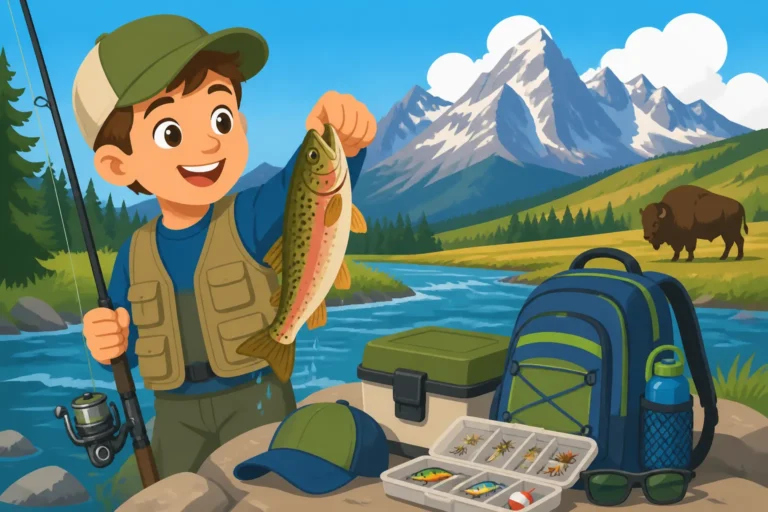
Imagine heading out with your kids, their eyes wide with anticipation, and within minutes, they're feeling that first tug on the line. That's the magic of stocked waters. These fish are typically raised in hatcheries and are accustomed to a consistent feeding schedule, making them less particular about what they eat compared to wild fish. This makes them more forgiving targets, allowing anglers to experiment with various baits and lures without fear of immediately spooking them. It's a fantastic training ground for new techniques and a confidence booster for anyone having an "off" day.
Accessibility and Convenience
Many of the waters chosen for stocking are specifically selected for their public access and family-friendly amenities. We're talking about urban ponds, community lakes, and easily accessible reservoirs that are just a short drive from towns and cities. This convenience is a huge bonus, especially for those who don't have the time or equipment for a multi-day backcountry excursion. You can often roll right up, park your car, and be casting within minutes.
This focus on accessibility also means that many stocked locations are well-maintained, sometimes featuring fishing piers, picnic areas, and even restrooms. It takes a lot of the logistical stress out of a fishing trip, allowing you to focus on the fun rather than the planning. For families with small children or individuals with mobility challenges, these spots are invaluable. They ensure that everyone has the opportunity to enjoy a day of fishing in Wyoming's beautiful outdoors, without needing to navigate rough terrain or demanding hikes.
Timing Your Trip for Success
Knowing when fish were stocked is arguably as important as knowing where. Fish tend to be most active and less cautious immediately following a stocking event. As the days and weeks pass, they become more acclimated to their new environment, some get caught, and others become warier, making them a bit harder to tempt. Therefore, timing your visit to coincide with, or fall just a few days after, a stocking report can dramatically improve your chances.
This strategic timing means you're often fishing for fish that haven't yet learned the ropes of their new home. They're still exploring, still a little disoriented, and still very focused on finding food. Anglers who can capitalize on this "honeymoon period" will typically experience the best action. It transforms fishing from a hopeful endeavor into a more calculated and highly rewarding experience, allowing you to plan your outings for maximum enjoyment and success.
Your Best Resources for Discovering Stocked Waters
Finding out where and when fish are stocked in Wyoming isn't some secret handshake club. The information is out there, but you need to know where to look. Thankfully, the Wyoming Game and Fish Department (WGFD) does an excellent job of providing this crucial data to the public. Beyond the official channels, local insights can often fill in the gaps and give you an even more nuanced picture of what's biting.
The Wyoming Game & Fish Department Website: Your Primary Source
The absolute best place to start your quest for stocked waters is the official Wyoming Game and Fish Department website. This isn't just a government portal; it's a treasure trove of information specifically designed to help anglers. They regularly update their stocking reports, often detailing the species, number, and size of fish released, along with the exact locations.
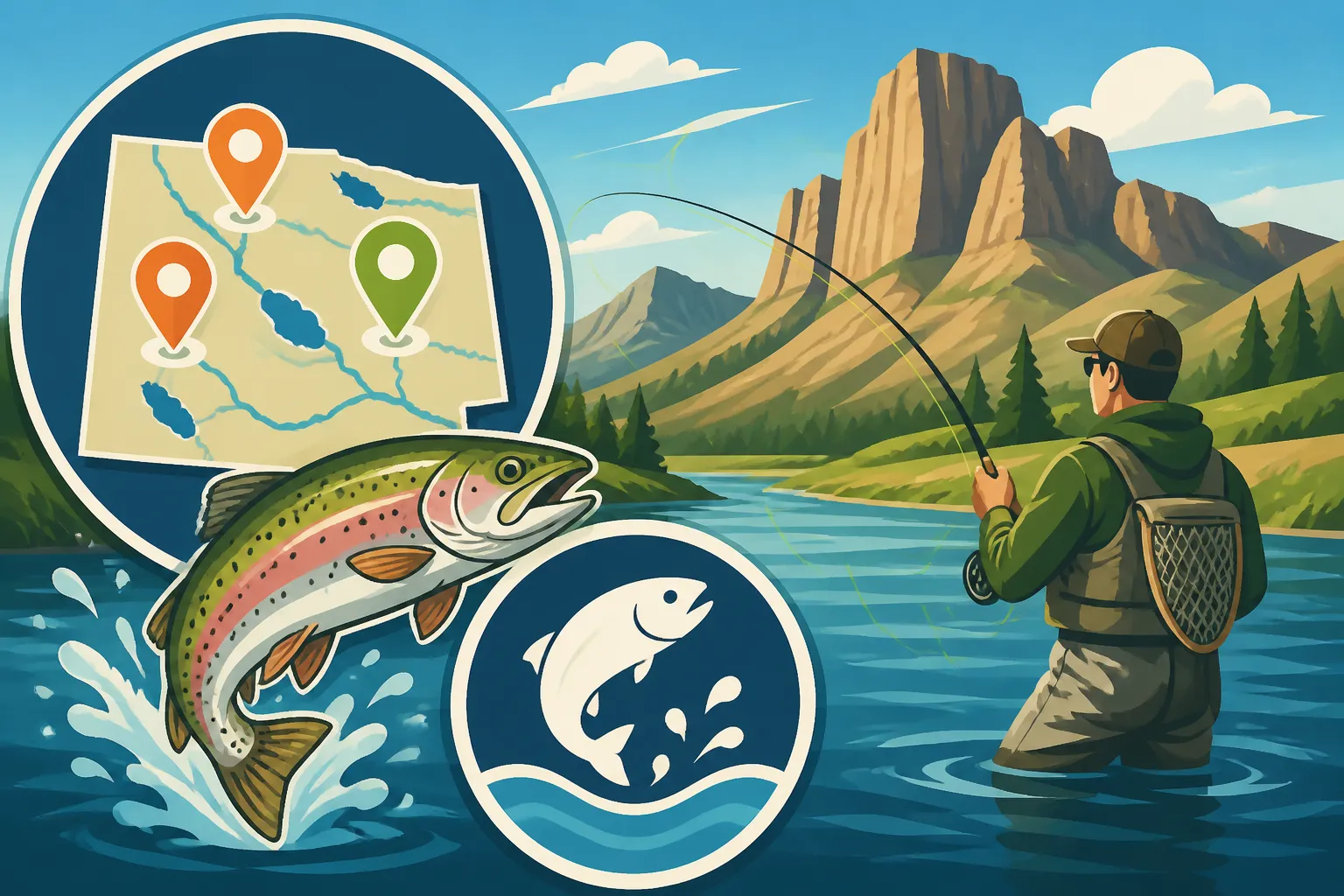
To navigate it effectively, look for sections typically labeled "Fish Stocking" or "Fishing Reports." Many state fish and game departments offer interactive maps that show recent stocking locations, sometimes even with details on the dates and species. It might take a moment to find the exact page, but once you bookmark it, you'll have a direct line to the most up-to-date official information. Always cross-reference this information with other details about Wyoming Fishing Regulations Every Angler Should Know, as even stocked waters adhere to specific rules. Remember that even though a spot is stocked, general rules regarding How Bag and Possession Limits Work in Wyoming still apply, so always check before you go.
Local Bait and Tackle Shops
While the WGFD website is indispensable, never underestimate the power of local knowledge. Your nearest bait and tackle shop is a hub of information, often staffed by passionate anglers who live and breathe fishing in their area. These folks are usually the first to hear about recent stockings, sometimes even before the official reports are fully updated online. They know the subtle nuances of local waters, which baits are working best, and how certain stocking events are playing out.
A quick chat with the owner or staff can yield invaluable tips that you won't find on any website. They can tell you if the trout stocked last week are still biting, if a particular pond is fishing hot, or if there's an upcoming stocking event that hasn't been widely publicized yet. Plus, it's a great opportunity to pick up some local bait or a regional lure that might be perfectly suited for the fish you're targeting. Supporting these local businesses is a win-win, as their expertise directly enhances your fishing experience.
Social Media and Online Forums
In today's digital age, local fishing groups on social media platforms like Facebook or dedicated online forums are fantastic resources. Anglers love to share their successes, and often, that includes posting about recently stocked waters that are fishing well. These communities can provide real-time updates and candid discussions that even official reports can't match. You might see photos of recent catches, tips on specific techniques, or recommendations for the best time of day to visit.
Joining these groups can give you a heads-up on hot spots and allow you to ask questions directly to experienced local anglers. Just remember that while community information is helpful, it's always wise to verify details and respect the privacy of specific "honey holes" that might be shared. Also, be mindful of sharing your own spots publicly to avoid overcrowding. These platforms also offer a great way to find out about local events or even connect with other anglers for a shared outing.
Decoding Stocking Reports and Planning Your Trip
Once you've found a promising stocking report, the next step is to understand what that information truly means and how to use it to plan your actual fishing trip. It's more than just a list of locations; it's a blueprint for your angling adventure, especially when considering Wyoming Fishing Seasons Month by Month.
Understanding the Data
Stocking reports typically include several key pieces of information:
- Species: This tells you what kind of fish were stocked, usually trout (rainbows, brookies, cutthroats) but sometimes other species too. Knowing the species helps you select the right bait and tackle. For instance, freshly stocked Wyoming's Stocked Rainbow Trout Program fish might be eager for PowerBait, while larger browns might prefer different presentations.
- Number of Fish: This gives you an idea of the density. A larger number usually means better odds for more bites.
- Size: Often listed as "fingerlings," "subcatchables," or "catchables," this indicates the average size. "Catchables" are typically 8-12 inches, perfect for immediate angling fun, while "fingerlings" are smaller and take time to grow.
- Location: The specific lake, pond, or river section where the fish were released. Pay close attention to this.
It's crucial to understand that a report indicating "catchable" rainbow trout means you're likely to have a very productive day using simple gear. If it's "fingerlings," those fish are meant to grow and provide future angling opportunities, meaning you might not catch them right away. Always check the official What Wyoming Hatcheries Raise Rainbow Trout page for more context on the various stocking programs.
Beyond the Report: What to Look For
While the stocking report is your foundation, there are other factors that influence a successful outing. Consider these elements:
- Water Temperature: Cooler water (spring and fall) often means more active trout. Hot summer days can make fish lethargic and send them seeking deeper, cooler water.
- Recent Weather: A cold front can sometimes shut down the bite, while a stable period after a storm can turn it on. Pay attention to precipitation too; a little rain can sometimes stir things up.
- Pressure: How many other anglers have been to that spot recently? High pressure right after a stocking can quickly thin out the most aggressive fish. This is where local bait shops come in handy – they often know which spots are getting hammered.
- Amenities: If you're bringing family, consider if the location has restrooms, picnic tables, or easy bank access. For example, some ponds are perfect for How to Teach a Kid to Fish in Wyoming because of their easy access and high catch rates.
By considering these factors alongside the stocking report, you can fine-tune your trip plans and pick the absolute best day and time to hit the water, giving you an edge over less prepared anglers.
Gear Up for Stocked Trout
You don't need fancy, expensive gear to catch stocked trout. In fact, simpler setups often work best, especially for Spin Fishing Techniques for Beginners or families. A lightweight spinning rod and reel combo, spooled with 4-6 pound test line, is ideal. For bait, think classic:
- PowerBait or similar scented dough baits: These are incredibly effective for hatchery-raised trout, which recognize the scent from their feed. You can find a huge variety of colors and scents on retailers like Amazon.
- Worms: Good old nightcrawlers or mealworms are universally appealing and always a solid choice.
- Small spinners or spoons: Brands like Mepps or Panther Martin in sizes #0 to #2 are excellent for enticing strikes from active trout. You can easily stock up on a variety pack on Amazon before your trip.
- Small jigs: Tipped with a grub or a piece of worm, these can also be very effective.
Make sure you have an assortment of small hooks (sizes 8-12), some split shot weights, and small bobbers if you prefer fishing with an indicator. If you're just starting out, picking up a beginner fishing kit from Amazon can give you a great foundation of basic tackle that will serve you well in stocked waters. Remember to pack a small tackle box or bag, some pliers for hook removal, and a cooler with ice if you plan on keeping your catch within How Bag and Possession Limits Work in Wyoming.
Maximizing Your Catch in Recently Stocked Waters
So you've found a recently stocked lake or pond, you've got your gear, and you're ready to go. Now, how do you actually get those fish to bite? While stocked fish are often eager, a few strategic approaches can make your day even more productive and ensure you're making the most of the fresh stock.
Techniques That Work for Fresh Stockers
Because these fish are often less wary and accustomed to being fed, you don't always need highly advanced techniques. Simplicity is often key, especially when teaching Best Beginner Technique for Catching Your First Trout.
- Still Fishing with Bait: This is probably the most effective and easiest method. Rig a small hook with PowerBait (in colors like chartreuse, rainbow, or orange) or a piece of worm. Use a light split shot to get it down and a small bobber if you want to detect subtle bites. Cast it out and let it sit. The scent will draw the fish in. For kids, this is a fantastic way to fish, as they can relax and wait for the bobber to dip.
- Bottom Fishing: If you're confident in your hook-setting skills, rig your bait (PowerBait often works best for this) to float just off the bottom. Use a sliding sinker above a swivel, then a short leader to your hook. This gets your bait right into the feeding zone for fish that might be cruising the bottom.
- Casting and Retrieving Lures: Small inline spinners (like those from Panther Martin or Mepps, easily found on Amazon) or spoons are deadly. Cast them out and retrieve them at a steady, moderate pace. The flash and vibration mimic small baitfish and can trigger an aggressive strike. This is where researching Best Lures for Wyoming Rainbow Trout can really pay off.
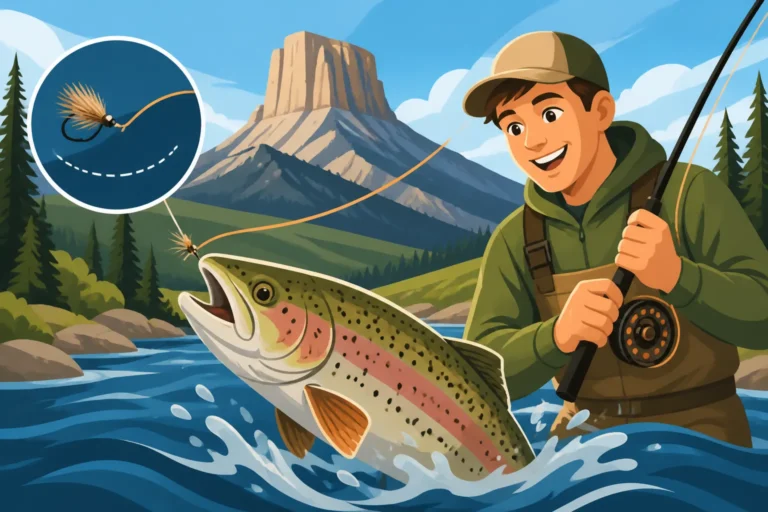
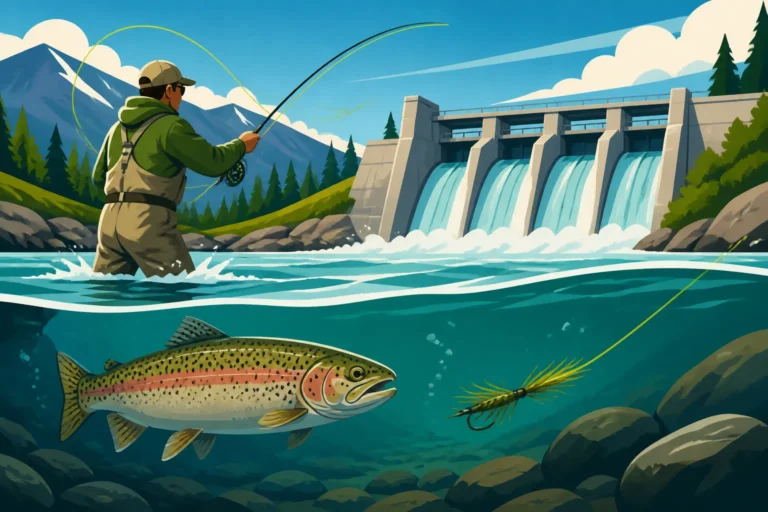
- Fly Fishing (Simple Patterns): Even fly anglers can do well in stocked waters. Simple patterns like Woolly Buggers (black, olive, or white), San Juan Worms, or even small nymphs fished under an indicator can be incredibly effective. These patterns often resemble the natural forage or hatchery pellets the fish are used to.
Don't be afraid to experiment with different depths, retrieval speeds, and bait colors until you find what the fish are responding to on any given day. Sometimes, a slight change in presentation can make all the difference.
Ethical Angling and Best Practices
Even though you're in a stocked water, practicing ethical angling is important. These fish contribute to recreational opportunities for everyone, and ensuring their well-being (if you're releasing them) and respecting regulations helps maintain healthy fisheries.
- Know the Regulations: Always check the current WGFD regulations for the specific water you're fishing. Stocked waters sometimes have different Understanding Wyoming's Daily Bag Limits by Species or special rules regarding gear or catch limits. You can find this information in the annual fishing regulations booklet, which is available online and at license vendors.
- Catch and Release: If you plan to release fish, handle them gently. Use barbless hooks (or pinch down the barbs on your hooks with pliers) to make removal easier and less damaging. Keep the fish in the water as much as possible, and revive them gently before letting them go.
- Clean Up: Pack out everything you pack in. Leave no trace of your visit. This includes fishing line, bait containers, and any other trash. A clean environment benefits both the fish and your fellow anglers.
- Respect Other Anglers: Stocked waters can be popular, especially right after a stocking. Give others space, be mindful of their casting lines, and share the water respectfully. We're all out there to enjoy the peace and thrill of fishing.
By combining the knowledge of where and when to find stocked fish with effective techniques and a commitment to ethical practices, you're not just going fishing; you're setting yourself up for a truly memorable and successful Wyoming angling adventure. Remember to also consider What to Bring for a Family Fishing Day if you're making it an outing for everyone!
| Source Type | Pros | Cons | Best For |
|---|---|---|---|
| WGFD Website | Official, accurate, comprehensive, interactive maps | Can be slow to update after immediate stocking, less "feel" | Primary info, regulations, long-term planning |
| Local Bait & Tackle Shops | Real-time info, local tips, gear recommendations | Information can be informal, limited hours | Last-minute updates, specific advice, local gear |
| Social Media/Online Forums | Community insights, real-time reports, photos | Info can be unverified, potential for overcrowding | Current conditions, community engagement |
Disclaimer
This article is for general informational purposes only and does not constitute professional advice. Laws, prices and regulations vary by location and change over time. Consult a qualified professional for guidance on your specific situation.