How Fast Walleye Grow in Wyoming Reservoirs
It's a question every passionate angler in Wyoming eventually asks: just how fast do those elusive walleye grow in our vast, sometimes challenging, reservoirs? We all dream of landing a true Wyoming hawg, but understanding their growth rate is key to appreciating the fish, the fishery, and the science behind the sport. This guide is going to peel back the layers on walleye growth in Wyoming, diving into the factors that accelerate or slow their development, what you can typically expect, and how the state manages these incredible fish.
Understanding Walleye Growth Factors in Wyoming Reservoirs
Walleye growth isn't a simple, straight line; it's a dynamic process influenced by a complex interplay of environmental conditions, food availability, and population dynamics. In Wyoming, with our unique high-desert and mountainous aquatic environments, these factors can be even more pronounced than in other walleye-rich states.
Forage Base and Water Productivity
Think of a walleye like a growing teenager – they need a consistent and nutritious diet to put on size. For a walleye, that diet consists primarily of smaller baitfish. In Wyoming reservoirs, the primary forage species often include yellow perch, various minnow species like emerald shiners, and sometimes even smaller trout, depending on the specific water body. The abundance and quality of this forage base are arguably the single most critical factors dictating how fast walleye grow.
A reservoir with a booming population of easy-to-catch yellow perch, for instance, will generally produce fatter, faster-growing walleye than a reservoir where food is scarce. This is because walleye are opportunistic predators, and if they expend less energy hunting for food, more of that energy can go directly into growth. Furthermore, the overall "productivity" of the water—meaning its richness in nutrients that support the entire food web, from plankton to baitfish—plays a huge role. Reservoirs with higher productivity, often fed by nutrient-rich agricultural runoff or natural mineral deposits, can sustain more abundant forage, thus supporting faster walleye growth. If you’re looking to stock up on new fishing equipment, including lures that mimic local forage, checking out Amazon for competitive prices and wide selection can be a good starting point. Understanding What Walleye Eat in Wyoming Lakes is crucial for choosing the right bait and lures.
Water Temperature and Growing Season
Wyoming is known for its rugged beauty, but also for its relatively short summers and long, cold winters. This climate directly impacts the walleye's growing season. Walleye are cold-water fish, but they are also poikilothermic, meaning their body temperature, and thus their metabolism, is regulated by the surrounding water temperature.
During the warmer months, when water temperatures are optimal (typically between 60-70°F), walleye metabolism is high, and they feed aggressively, converting food into growth rapidly. However, in Wyoming, this "optimal" period is shorter than in states further south or at lower elevations. As fall approaches and water temperatures drop, their metabolism slows significantly, and in winter, under the ice, growth essentially grinds to a halt. This truncated growing season means that even with abundant food, a walleye in a Wyoming reservoir might not grow as large as quickly as its counterpart in a more temperate climate with a longer warm-water period. Understanding Wyoming Fishing Seasons Month by Month gives you a broader picture of these temperature changes.
Walleye Population Density
Imagine a small pond with too many fish; they all compete for the same limited food, and none of them grow very large. The same principle applies to walleye in Wyoming reservoirs. If a reservoir has an exceptionally high density of walleye, particularly if it's overpopulated with fish of similar age classes, they will compete fiercely for the available forage. This intense competition can lead to "stunted" growth, where a large number of fish are present, but they are all smaller than average for their age.
Conversely, a more balanced population, perhaps with fewer walleye but ample food, will often produce individuals that grow faster and larger. The Wyoming Game and Fish Department constantly monitors population densities and forage bases in key walleye waters like Boysen Reservoir and Glendo Reservoir. Their management decisions, including stocking rates and harvest regulations, are often aimed at optimizing these densities to ensure healthy growth rates and diverse size structures within the walleye population. Getting a good depth finder for your boat can help locate these populations, and you can often find a good selection of models on Amazon.
Typical Walleye Growth Rates in Wyoming
While the factors above introduce variability, we can still establish some general expectations for how quickly walleye grow in Wyoming's reservoirs. These aren't hard and fast rules, but rather average trends based on years of fisheries management data and angler reports.
Year-by-Year Growth Progression
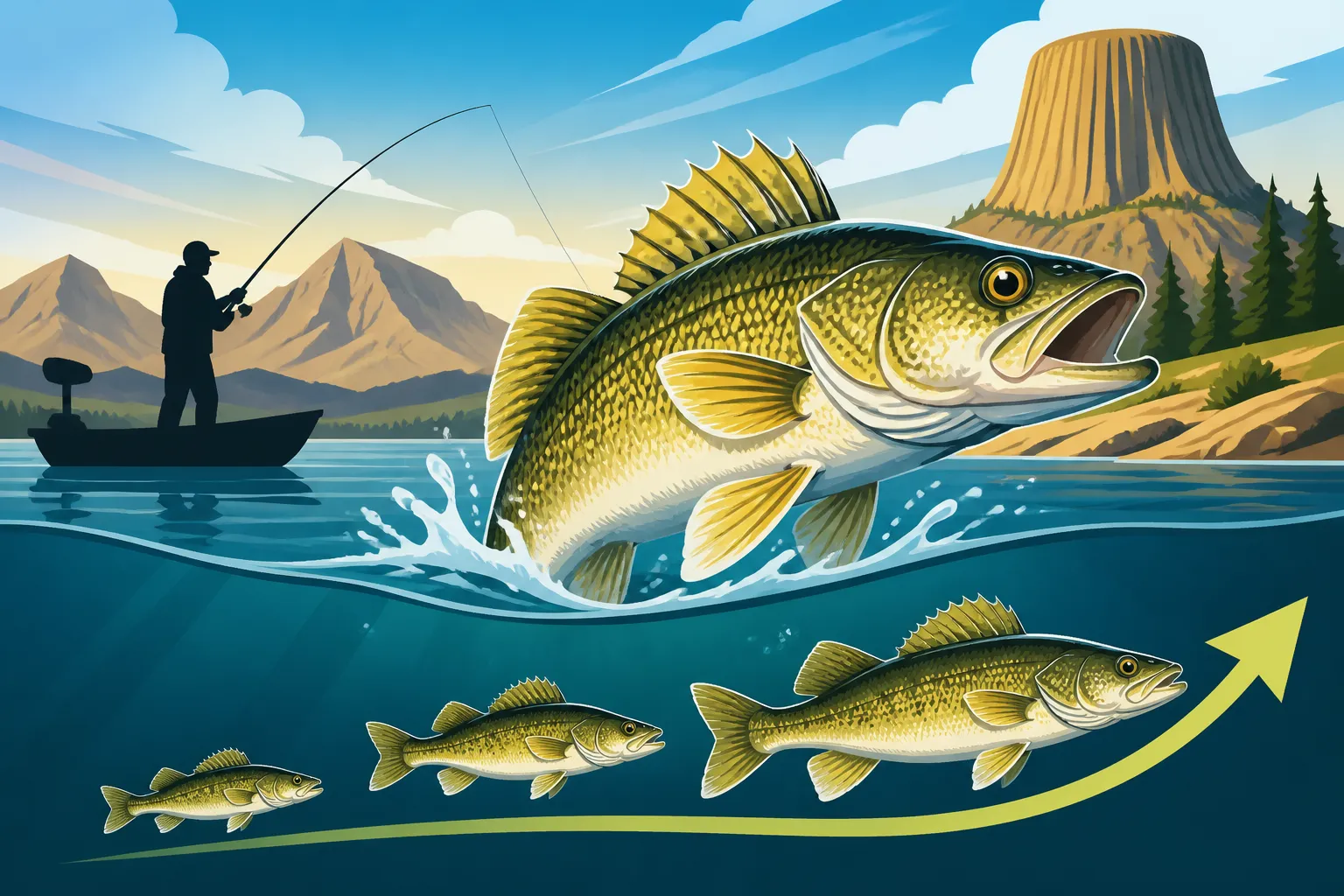
In many Wyoming walleye fisheries, you can anticipate a general growth trajectory. Young walleye, often stocked as fingerlings, will grow rapidly in their first few years if forage is abundant.
- Year 1: After stocking, these young walleye might reach 6-8 inches by the end of their first growing season. They're primarily focused on survival and establishing themselves.
- Year 2: By their second year, with another full growing season under their belts, many will be in the 10-13 inch range. They're becoming more efficient predators.
- Year 3-4: This is often when walleye start to hit the popular "eater" size, typically 14-18 inches. Growth slows slightly as they mature, but they are still adding significant length and weight.
- Year 5-7: Walleye in this age bracket can often reach 19-25 inches, becoming impressive fish. This is where you really start seeing the difference between well-fed fish and those in less productive waters.
- Year 8+: True "trophy" walleye in Wyoming, often exceeding 25 inches and pushing into the 30-inch range, are typically older fish, often 8 to 15 years old or even more. Their growth in length has slowed considerably, but they continue to add weight and girth.
It's important to remember that these are averages. A walleye in a super-productive reservoir like Boysen, known for its Walleye Fishing in Wyoming, might hit these benchmarks faster, or even exceed them, while those in a less-fertile lake might lag behind. For specific insights into particular fisheries, like What Size Boysen Reservoir Walleye Are Averaging, check out specific local reports.
Factors Leading to "Trophy" Walleye
Catching a trophy walleye – that 28-inch monster or even bigger – isn't just about luck; it's often a testament to exceptional conditions and the fish's longevity. While genetics play a role, ensuring a walleye has ample opportunity to grow large boils down to a few key elements:
- Longevity: First and foremost, a trophy walleye needs to live a long life. This means avoiding predators, diseases, and, of course, anglers. Lakes and reservoirs with good survival rates for adult walleye are more likely to produce these giants.
- Consistent, High-Quality Forage: Trophy walleye don't get big on an empty stomach. They require a consistent, abundant supply of protein-rich forage throughout their extended lifespan. Reservoirs that maintain a healthy population of larger baitfish (like robust yellow perch or even smaller kokanee salmon) provide the fuel for these fish to pack on serious weight. You can find a wide range of fishing books on Amazon that delve deeper into walleye behavior and trophy hunting strategies.
- Favorable Habitat: Older, larger walleye often seek out specific habitats that offer both abundant food and protection. This might include deep structure, submerged timber, or extensive weed beds where they can ambush prey and avoid detection. These prime locations allow them to feed efficiently and conserve energy.
How Wyoming Compares to Other Regions
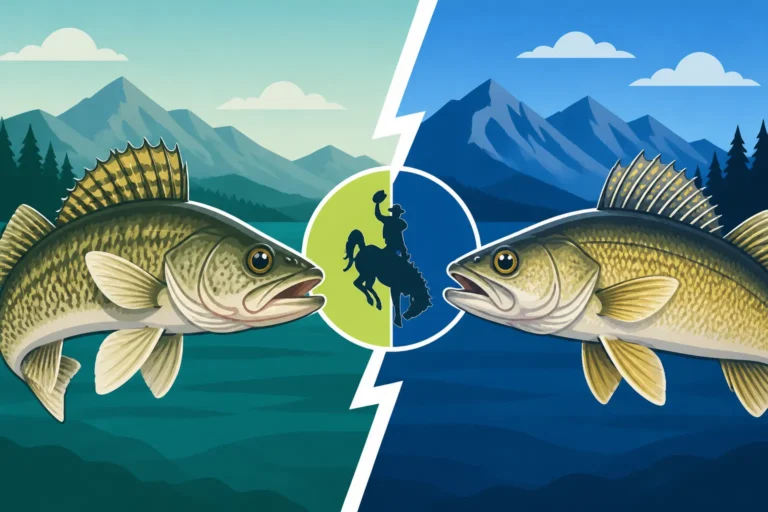
When discussing walleye growth, it's natural to compare Wyoming to other walleye strongholds across the country, particularly those in the Midwest or southern states. Generally, walleye in Wyoming reservoirs tend to grow slower on average compared to their counterparts in warmer climates.
Why the difference? It primarily comes down to that shorter growing season we talked about. A walleye in a reservoir in, say, Nebraska or Ohio might experience optimal feeding temperatures for 6-8 months out of the year, allowing for continuous, rapid growth. In Wyoming, that window is often closer to 4-5 months, with much of the year spent in colder, lower-metabolism conditions. This means it takes longer for a walleye in Wyoming to reach a given size.
However, "slower growth" doesn't mean "smaller fish." Wyoming still produces absolutely massive walleye. What it does mean is that a 25-inch walleye in Wyoming is likely an older fish than a 25-inch walleye from a southern reservoir. This makes every trophy walleye caught in our state a true testament to its resilience and the richness of its home waters.
Impact of Management Practices on Walleye Growth
The Wyoming Game and Fish Department (WGFD) plays a critical role in influencing how fast walleye grow, and ultimately, the quality of our walleye fisheries. Through careful management, they strive to balance population numbers with available forage, ensuring a healthy and thriving walleye population for anglers.
Stocking Programs and Their Role
One of the most direct ways the WGFD influences walleye growth is through its stocking programs. Many of Wyoming's most popular walleye fisheries, including Boysen Reservoir Fishing Guide and Glendo Reservoir Fishing Spots in Wyoming, rely heavily on regular walleye stocking to maintain fishable populations.
- Introducing New Genetics: Stocking can introduce new genetic diversity, potentially bringing in fish with faster growth potential.
- Balancing Population Density: The WGFD carefully determines how many walleye fingerlings or fry to stock in a given reservoir based on its size, productivity, and existing walleye and forage fish populations. If a lake is underpopulated and has abundant food, increased stocking can help utilize that forage and boost growth rates across the population. Conversely, if a lake is already dense with walleye, overstocking could lead to increased competition and slower growth for all.
- Establishing New Fisheries: Stocking is, of course, essential for establishing walleye in waters where they didn't previously exist or where natural reproduction is limited. Without these efforts, many of our favorite walleye spots wouldn't be nearly as productive.
These programs are vital for sustaining the sport, and the WGFD invests significant resources to ensure they are effective.
Harvest Regulations and Size Limits
Regulations like daily bag limits, possession limits, and sometimes even size limits (e.g., slot limits where fish within a certain size range must be released) are powerful tools used by the WGFD to manage walleye populations and, by extension, their growth rates.
- Protecting Spawners: By limiting the number of larger, mature walleye that anglers can keep, regulations help ensure that enough fish remain in the population to reproduce naturally. A healthy spawning stock is crucial for long-term sustainability.
- Reducing Competition: In some cases, allowing anglers to harvest a certain number of smaller walleye can actually increase the growth rate of the remaining fish. This selective harvest reduces competition for food among the younger age classes, allowing those that survive to grow faster and larger. This is a delicate balance, and regulations are constantly reviewed and adjusted based on scientific data.
- Creating Trophy Opportunities: Specific slot limits, though not universally applied to walleye in Wyoming, can be designed to protect medium-sized fish (those often in their prime growth phase) while encouraging harvest of smaller, more numerous fish, and allowing anglers to keep a limited number of true trophies. This helps to create opportunities for anglers seeking exceptionally large fish. Always consult the current Wyoming Fishing Regulations Every Angler Should Know before heading out.
Invasive Species and Habitat Management
While not directly about walleye, broader environmental management efforts also play a role in their growth. The presence of invasive species or changes in habitat quality can have significant indirect impacts.
- Invasive Species Impact: The introduction of invasive species, such as zebra mussels or quagga mussels (which Wyoming actively combats with stringent boat inspections), can dramatically alter a reservoir's ecosystem. These invaders can filter out plankton, reducing the food base for baitfish, which then impacts the walleye's food supply. This can slow growth rates across the board. Efforts to control these species are therefore critical for maintaining healthy walleye growth.
- Habitat Improvement: Conversely, habitat management projects, such as improving water quality, restoring riparian zones, or even creating artificial submerged structures, can enhance the overall health and productivity of a reservoir. A healthier ecosystem with better habitat for both walleye and their prey contributes to better growth rates. Anglers often contribute to these efforts, and many use tools like underwater cameras, readily available on Amazon, to better understand fish habitat.
In conclusion, the speed at which walleye grow in Wyoming reservoirs is a fascinating topic, intertwined with everything from the smallest plankton to statewide management policies. It's a testament to the wild nature of our fisheries and why every walleye you reel in is a unique product of its environment.
Here's a general idea of how walleye might grow in a typical Wyoming reservoir, keeping in mind the variability:
| Age (Years) | Average Length (Inches) | Average Weight (Pounds) | Notes |
|---|---|---|---|
| 1 | 6-8 | <0.5 | Rapid growth, primarily focused on length, high mortality rate |
| 2 | 10-13 | 0.5-1 | Maturing, actively feeding, gaining girth |
| 3 | 14-17 | 1-1.5 | Reaching "eater" size, consistent growth |
| 4 | 17-20 | 1.5-2.5 | Strong growth, becoming more robust |
| 5 | 20-23 | 2.5-4 | Good size, reaching sexual maturity, growth in length slows slightly |
| 6-8 | 23-26 | 4-7 | Excellent fish, gaining significant weight |
| 9+ | 26-30+ | 7-12+ | Trophy class, very old fish, length growth is minimal, but gain girth |
Disclaimer
This article is for general informational purposes only and does not constitute professional advice. Laws, prices and regulations vary by location and change over time. Consult a qualified professional for guidance on your specific situation.