Should You Eat Fish From Wyoming’s High Lakes?
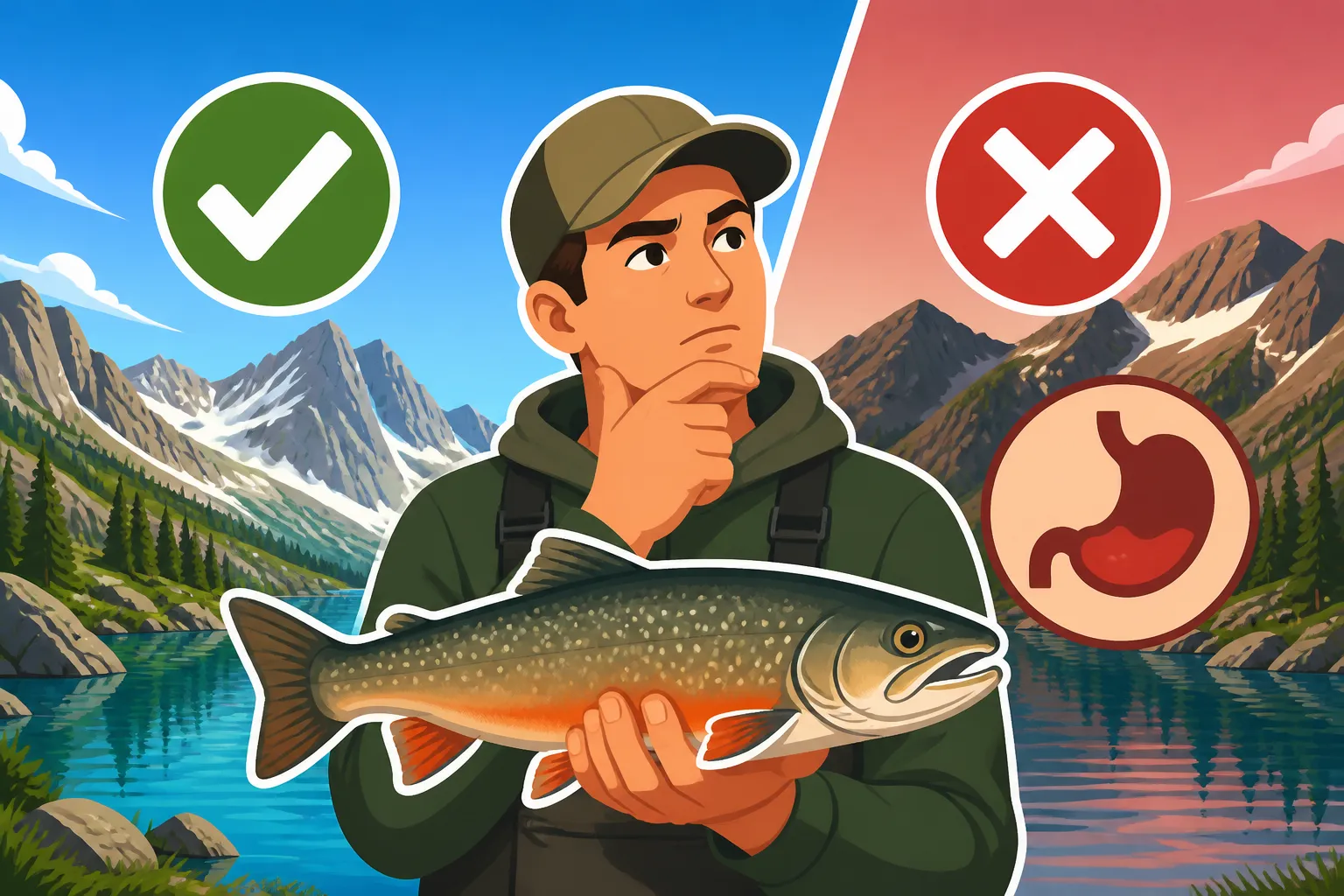
You’ve finally hiked those grueling miles, the air is thin and crisp, and before you lies a shimmering high-alpine lake, a true jewel of the Wyoming wilderness. You cast your line, and moments later, you’ve got a beautiful trout flopping at your feet. The thought immediately springs to mind: "This would be incredible cooked over a campfire!" But then, a flicker of modern doubt creeps in – is it truly safe to eat fish from these remote, seemingly pristine waters, or are hidden contaminants a concern even here? Let's dive into that very question, because enjoying the fruits of your labor responsibly is key to the whole adventure.
The Allure of High-Altitude Fish: Why We Even Ask the Question
There's something uniquely satisfying about earning your meal. When you've put in the effort to reach one of Wyoming's breathtaking high-alpine lakes, the idea of completing that wilderness experience by dining on a fresh-caught trout is incredibly powerful. It connects us to a simpler time, to the land itself, and offers a taste that just can't be replicated in a restaurant.
The Perception of Pristine Waters
When you gaze into the clear, cold depths of a lake nestled high in the Wind River Mountains or the Absaroka Range, it's easy to assume absolute purity. These aren't urban reservoirs or rivers flowing through industrial zones. They are often fed by snowmelt, surrounded by granite peaks and pine forests, far from obvious sources of pollution. This perception is, in many ways, accurate. These ecosystems are generally much cleaner than their lower-elevation counterparts. The remoteness itself acts as a natural filter, protecting them from many of the runoff and waste issues that plague more accessible waters. You've earned the solitude, and you expect the fish to reflect that untarnished environment.
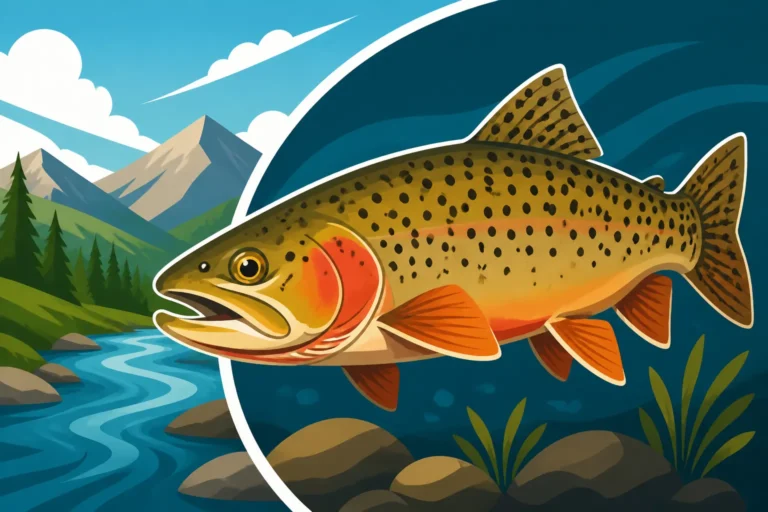
Many anglers who embark on How to Fish Wyoming's High-Alpine Lakes do so precisely for this feeling of unadulterated nature. The water is often so clear you can see fish darting in the shallows, adding to the illusion of perfect health. It's a natural leap to then assume that anything living in such a beautiful, untouched environment must be equally pure and wholesome. The idea of cooking a Golden Trout Fishing in Wyoming or a fat brook trout over an open flame, just moments after it left the water, is a quintessential backcountry dream.
The Desire for a Wild Harvest
Beyond the perception of purity, there's a deep-seated desire to truly live off the land, even if just for a meal or two. For many, catching and cooking a fish from a high mountain lake isn't just about nutrition; it's about the entire experience. It's the culmination of the hike, the skill of the cast, and the quiet contemplation by the water's edge. You've worked for it, and now you get to savor it. This connection to the wild harvest is a significant part of what draws people to explore Best Backpacking Fishing Lakes in the Wind Rivers.
However, even with this strong desire, a nagging voice often asks if it's truly okay. We live in a world where environmental consciousness is higher than ever, and we're constantly bombarded with information about contaminants in our food. So, while our hearts long for that wild meal, our modern minds prompt us to ask the necessary questions about safety and potential risks. It’s a healthy tension between the romantic ideal of wilderness living and the practical need for informed decisions about what we put into our bodies.
Navigating Potential Concerns: Contaminants and Consumption Advisories
While the allure of a wild-caught meal is strong, it's essential to approach it with a realistic understanding of potential concerns. Even in the most remote corners of Wyoming, certain environmental factors can subtly impact fish edibility. It's not about fear-mongering, but about making informed choices.
Mercury and Other Heavy Metals
Perhaps the most common concern when it comes to fish consumption, even from pristine waters, is mercury. You might be thinking, "Mercury? In the middle of nowhere?" And it's a valid question. The truth is, mercury can travel globally through atmospheric deposition. Coal-fired power plants, for example, even those hundreds or thousands of miles away, release mercury into the atmosphere, which then settles into water bodies, including high-alpine lakes. Once in the water, microorganisms convert elemental mercury into methylmercury, a highly toxic organic form that accumulates in the food chain.
Fish absorb methylmercury from the water as it passes over their gills and by consuming other organisms. Crucially, the larger and older a fish is, the more methylmercury it tends to accumulate. This means a trophy-sized lake trout that's been around for decades will generally have higher levels than a small, younger brook trout. For most anglers targeting standard pan-sized trout in high lakes, the risk is typically low. However, it's precisely why understanding local advisories is paramount, and why sometimes, Catch and Release Best Practices for Trout are especially important for those ancient, large fish that might be carrying higher contaminant loads and are vital for breeding.
Species, Size, and Age Considerations
Not all fish accumulate contaminants at the same rate. This is a critical point for anglers in Wyoming's high country.
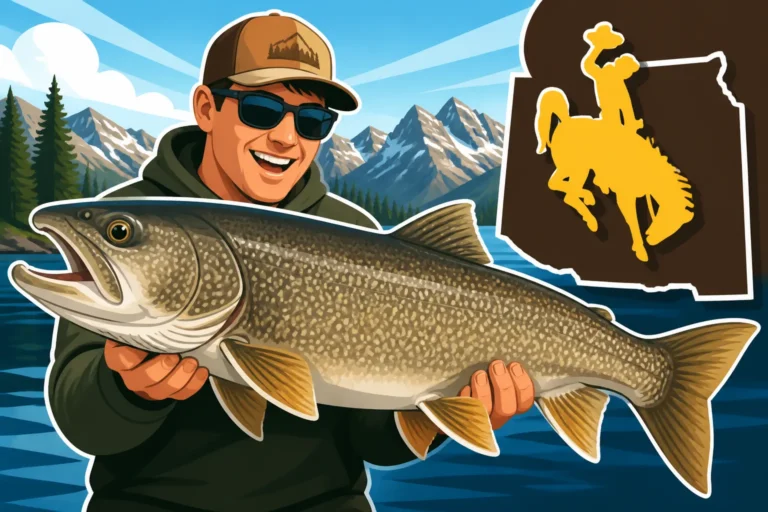
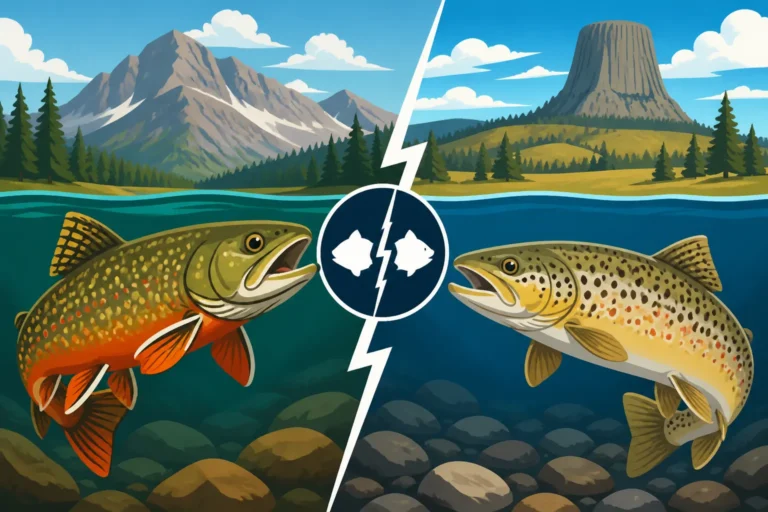
- Lake Trout (Mackinaw): These are apex predators and can live for many years, growing to impressive sizes. Because they are at the top of the food chain and are long-lived, larger lake trout tend to have higher mercury concentrations than smaller trout species. While a small, young lake trout might be perfectly fine, regularly consuming large, old ones from certain waters could be a concern for some groups, like pregnant women or young children. Understanding How Big Wyoming Lake Trout Get and their feeding habits (they eat other fish) helps explain this.
- Brook Trout, Cutthroat Trout, Golden Trout: These smaller species, often found in abundance in high-altitude environments (like the What Trout Species Are Stocked in Wind River High Lakes), generally pose a very low risk. They don't typically live as long, don't grow as large, and their diet consists more of insects and smaller invertebrates, placing them lower on the food chain. This is why targeting these species for a meal is often a safer bet. For example, Brook Trout Fishing in Wyoming often yields smaller, pan-sized fish perfect for the skillet.
The rule of thumb often preached is: "Eat smaller, younger fish." This isn't just about taste (which is often better in smaller fish), but also about minimizing potential contaminant exposure.
Understanding Local and State Advisories
This is the absolute most crucial piece of advice for any angler considering eating their catch. While general assumptions can be made, nothing replaces current, water-body-specific information. The Wyoming Game and Fish Department (WGFD), in conjunction with the Wyoming Department of Health, issues Are There Fish Consumption Advisories in Wyoming?. These advisories are based on scientific sampling and testing of fish from specific lakes and rivers across the state.
These advisories might:
- Recommend limiting consumption of certain species from a particular water body (e.g., "limit consumption of large lake trout to X meals per month").
- Provide specific guidance for vulnerable populations (pregnant women, nursing mothers, young children) who are more susceptible to mercury's effects.
- Occasionally, in rare cases, advise against consumption entirely, though this is far less common for high-alpine lakes unless there's a very specific, localized issue.
Before you head out on your adventure to one of Wyoming's High-Elevation Lakes in the Wind River Mountains, take the time to check the WGFD website or contact their local offices. This proactive step ensures you have the most up-to-date information for the specific body of water you plan to fish. Don't rely solely on the "it's remote, so it must be clean" assumption. A quick check can save you from potential worry later.
Here's a general guide for species common in Wyoming's high lakes:
| Fish Species (Common in High Lakes) | Typical Size for Eating | General Contaminant Risk (if any) | Flavor Profile | General Recommendation |
|---|---|---|---|---|
| Brook Trout | 6-12 inches | Low (smaller, shorter-lived) | Mild, sweet | Excellent |
| Cutthroat Trout | 8-16 inches | Low to Moderate (depends on age) | Delicate, fresh | Very Good |
| Golden Trout | 6-12 inches | Low (smaller, shorter-lived) | Mild, flaky | Excellent |
| Lake Trout (smaller) | 12-20 inches | Moderate (can be long-lived) | Rich, oily | Good (limit large ones) |
| Lake Trout (larger) | 20+ inches | Higher (long-lived predators) | Very rich | Consume sparingly |
Best Practices for Enjoying Your High-Lake Catch Safely
So, you've decided to keep a few fish for dinner – fantastic! There's an art and a science to responsibly harvesting and preparing your catch, especially in the backcountry. It's about maximizing flavor, ensuring safety, and doing right by the resource.
Smart Harvesting and Preparation
The moment you decide to keep a fish, its fate is in your hands. How you handle it from that point forward directly impacts its quality and safety as food.
- Select Wisely: As mentioned, smaller, younger fish (often pan-sized, 8-14 inches) are typically the best choice for eating, both in terms of flavor and potential contaminant levels. They’re also often more abundant and replenish quicker. Avoid keeping unusually large, old, or discolored fish, which could indicate health issues or higher contaminant accumulation. Always be aware of How Bag and Possession Limits Work in Wyoming for the specific water you're fishing.
- Dispatch Quickly and Humanely: A swift, humane dispatch is crucial. A sharp blow to the head or severing the gills quickly bleeds the fish, which significantly improves meat quality. Blood left in the flesh can lead to a "fishy" taste.
- Gut Immediately: This is non-negotiable, especially in warmer weather or if you have a long hike out. Open the belly from vent to gills, remove all entrails, and thoroughly rinse the cavity with cold lake water. This prevents digestive enzymes from breaking down the flesh and bacteria from multiplying. If you're new to this, a quick search for "How to Fillet a Trout for the First Time" can provide helpful visuals, even if you plan to cook them whole.
- Keep it Cold: Once gutted, fish need to be kept as cold as possible. In the high country, this can be challenging.
- Short Term (immediate cooking): If you plan to cook within an hour or two, keep them in the shade, perhaps wrapped in wet moss or grass to stay cool and moist.
- Longer Term (backcountry packing): This requires planning. A lightweight, insulated dry bag placed in a shaded, cool spot (like submerged in a cold stream if allowed and secure, or under rocks) can work. Some dedicated backpackers use small, insulated fish bags designed to keep a few trout cool. Alternatively, if your hike out is long, consider a smaller, high-quality cooler with ice if feasible. Dehydrating or smoking fish in the backcountry is also an option for extended trips, though this requires specialized knowledge and gear.
- Cooking: You've made it this far, now for the reward! From simply pan-frying with butter and seasoning to wrapping in foil and cooking directly on coals, there are countless ways to enjoy your catch. For inspiration, "How to Cook Fresh-Caught Trout Over a Campfire" can guide you to that perfect wilderness meal.
Balancing Enjoyment with Conservation
As ethical anglers, we also have a responsibility to the resource itself. Harvesting fish for a meal is part of the tradition, but it should be done thoughtfully.
- Practice Selective Harvest: Don't just keep every legal fish you catch. Consider the health of the fishery. If you've already kept a few smaller ones for dinner, release the others unharmed. This is especially true for larger, older fish that are often vital breeders. Knowing What Fish Are Illegal to Keep in Wyoming is your baseline, but going beyond that with personal conservation ethics is laudable.
- Catch-and-Release for Large Fish: For those truly impressive trout – the ones that have grown to substantial size and have contributed many times over to future generations – catch-and-release is often the best choice. They might also carry higher contaminant loads due to their age. If you do release them, ensure you follow Catch and Release Best Practices for Trout to maximize their survival chances. Handle them minimally, keep them in the water as much as possible, and use barbless hooks.
- Respect Limits: Always, always adhere to Wyoming's specific bag and possession limits for the waters you're fishing. These limits are set by fisheries biologists to ensure sustainable populations. You can find detailed information in the Wyoming Fishing Regulations Every Angler Should Know booklet, which is easily accessible online or at license vendors.
Essential Gear for Responsible High-Lake Fishing
Heading into the backcountry means being prepared. The right gear isn't just about catching fish, but about doing it responsibly, safely, and comfortably. Many of these items are easily found through reputable online retailers.
- Fishing Tackle: For high-alpine lakes, a lightweight spinning rod or fly rod is ideal. You'll want a selection of small lures, spinners, or flies suitable for trout. Many anglers find excellent compact setups, perfect for backpacking, on sites like Amazon.
- Water Purification: Even if the lake looks pristine, never drink untreated water. A portable water filter or purification tablets are absolute necessities for any backcountry trip. You can find a wide range of reliable options, from pump filters to gravity systems, on Amazon.
- Insulated Bag/Cooler (if keeping fish): For keeping your catch fresh, a small, collapsible insulated bag or a specialized fish bag can make a huge difference. Even a simple, insulated grocery tote can help in a pinch. You’ll find diverse options suitable for various trip lengths and pack sizes on Amazon.
- First-Aid Kit: This should be a staple of any backcountry adventure. Minor cuts, blisters, or an unexpected allergic reaction are much more manageable with a well-stocked kit. A comprehensive first-aid kit, tailored for wilderness use, can be assembled or purchased pre-made, often from retailers like Amazon.
- Navigation Tools: Maps, a compass, and a GPS device (or a reliable GPS app on your phone with downloaded offline maps) are crucial when venturing into remote areas. Losing your way can quickly turn a fun trip into a dangerous one.
- Proper Clothing and Shelter: Weather in the mountains can change in an instant. Layers, rain gear, and a sturdy shelter are non-negotiable.
The Verdict: Should You Eat Fish From Wyoming's High Lakes?
After considering all the angles, the answer for most anglers targeting Wyoming's high-alpine lakes is a resounding yes, generally you can, and you should enjoy them! There’s truly nothing quite like a meal of fresh trout cooked in the wilderness.
Generally Safe, With Caveats
For the vast majority of high-elevation lakes in Wyoming, especially when targeting smaller, pan-sized brook trout, cutthroat trout, or golden trout, the risk of significant contaminant exposure is very low. These environments are, by and large, cleaner than most other fisheries. The brief life cycles and lower positions on the food chain for these smaller trout mean they accumulate far fewer contaminants like mercury. The occasional meal from these waters is a healthy and enjoyable part of the backcountry experience. It's truly among the Best-Tasting Fish to Keep From Wyoming Waters when cooked fresh.
However, "generally safe" isn't "always safe." The caveats largely revolve around larger, older predatory fish (like large lake trout) and the importance of specific, localized advisories. Just because a lake is remote doesn't automatically mean it's entirely devoid of any potential issues. Atmospheric deposition is real, and some waters might have unique geological features that introduce certain elements.
Always Do Your Homework
The most critical takeaway here is the importance of doing your homework. Before you head out, make it a habit to check the latest fish consumption advisories from the Wyoming Game and Fish Department and the Wyoming Department of Health. This information is readily available and specific to particular water bodies. These agencies actively monitor fish populations and water quality, and their advisories are based on scientific data, not just assumptions. Knowing where to find Where to Find Current Wyoming Fishing Regulations is not just for license rules but for health guidelines too.
If you plan to hike into the wilderness, grab a copy of the regulations booklet or visit the WGFD website for your specific fishing location. Knowing before you go ensures that your wild harvest is not only satisfying but also completely safe.
Making the Most of the Experience
Ultimately, fishing in Wyoming's high lakes is about more than just catching fish for dinner. It's about the journey, the breathtaking scenery, the challenge of the hike, and the peace of solitude. A fresh-caught meal is a wonderful bonus, a culinary capstone to an incredible adventure. Even if you choose to release most of your catch, or if an advisory suggests limiting consumption, the experience of being out there, connecting with nature, and honing your angling skills is reward enough.
So, pack your gear (maybe a new lightweight cooking pot from Amazon!), prepare for the trek, and go enjoy those incredible high-alpine waters. With a little research and responsible practices, you can confidently savor the taste of the Wyoming wilderness, knowing you're making informed choices for your health and the health of the fishery.
Disclaimer
This article is for general informational purposes only and does not constitute professional advice. Laws, prices and regulations vary by location and change over time. Consult a qualified professional for guidance on your specific situation.