Best-Tasting Fish to Keep From Wyoming Waters
One of the great joys of fishing in Wyoming is the sheer variety of species you can encounter, from feisty trout in a pristine mountain stream to a powerful walleye in a vast reservoir. But once you've successfully reeled one in, the question often shifts from "what's biting?" to "what's actually good to eat?" It's a valid concern – not every fish tastes the same, and knowing which ones are truly delectable can make your angling adventure even more rewarding. This guide is here to help you navigate Wyoming's waters and identify the best-tasting fish to keep for your next meal.
The Celebrated Charms of Wyoming's Trout Species
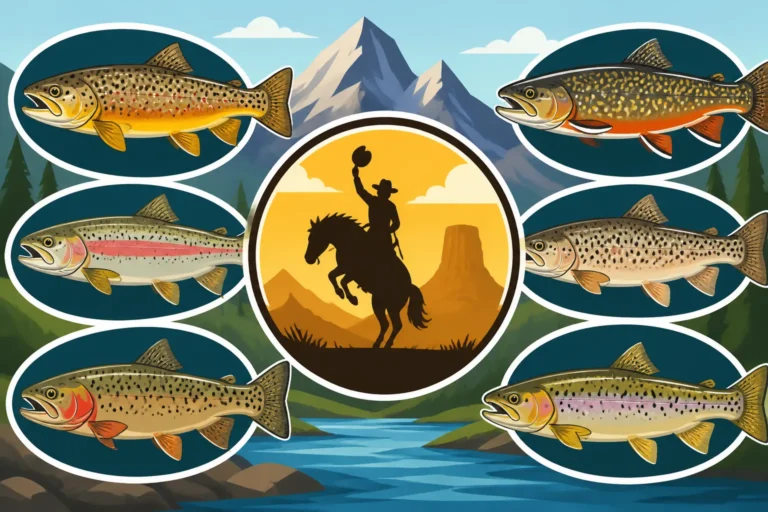
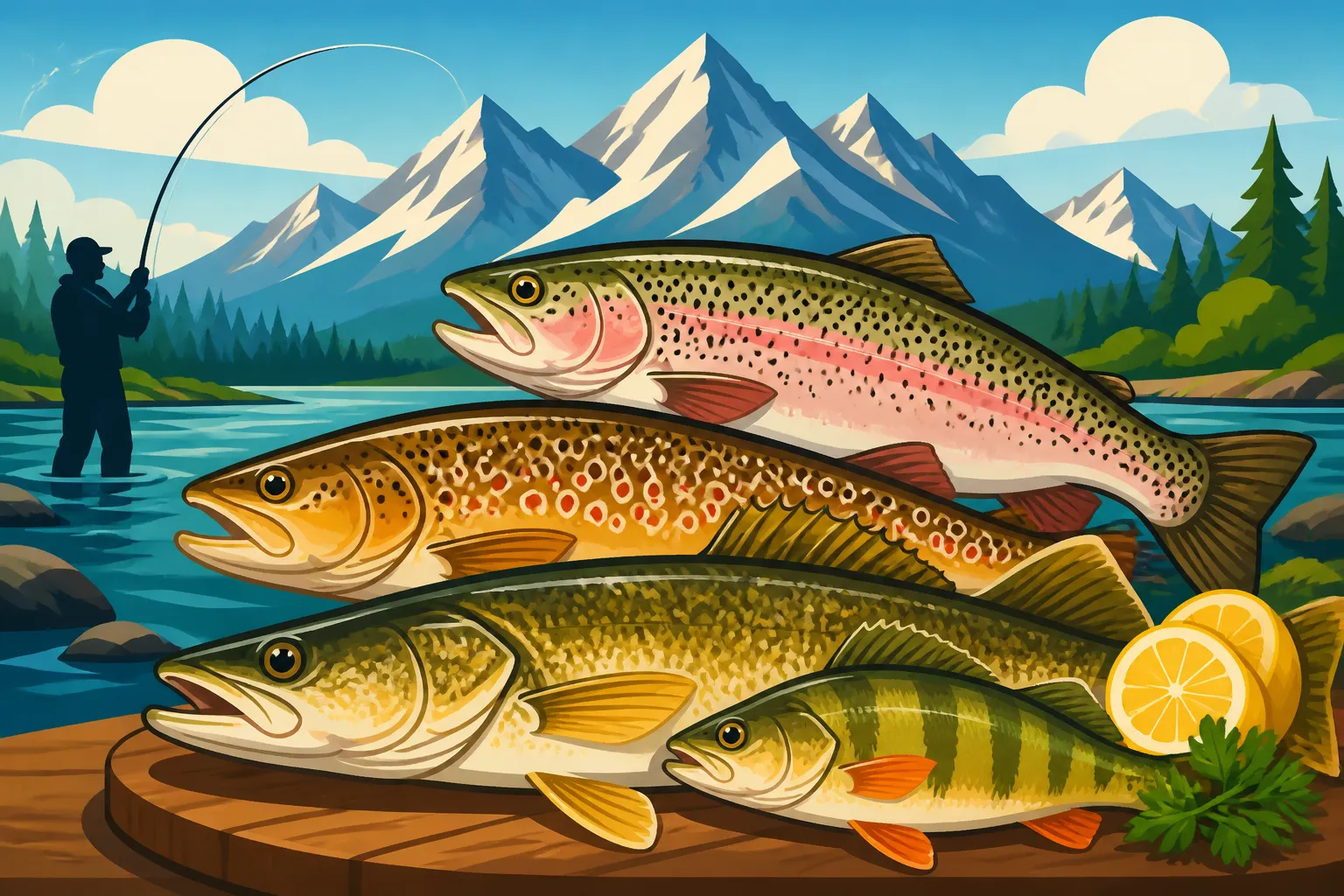
When most people think of fishing in Wyoming, they immediately think of trout. And for good reason! The state is renowned for its diverse trout fisheries, offering anglers a chance to catch several species, many of which are absolutely delicious. The flavor of trout can vary slightly depending on the species, their diet, and the water they inhabit, but generally, they offer a clean, delicate, and often nutty taste that is highly prized by gourmands and casual diners alike.
Cutthroat Trout: A Native Delicacy
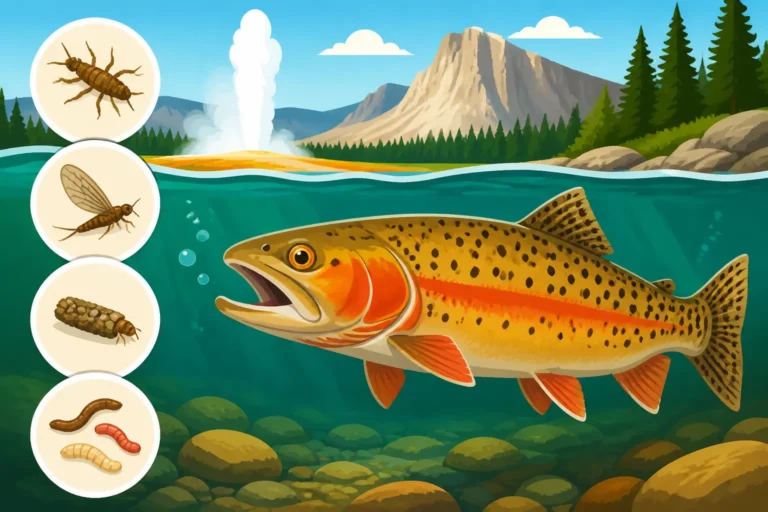
Wyoming's state fish, the Cutthroat Trout, holds a special place in the hearts of anglers and certainly on the dinner plate. There are several subspecies of cutthroat found here, including the Yellowstone Cutthroat and the Snake River Fine-Spotted Cutthroat. These native trout typically thrive in the colder, cleaner waters of mountain streams and high-alpine lakes, and their diet often consists of insects and smaller aquatic invertebrates. This natural, often wild diet contributes to their lean, firm, and wonderfully mild flesh.
When you catch a Cutthroat, especially one from a clear, cold stream, you'll notice its vibrant colors and often delicate fight. The meat is usually a light pink to orange hue, and it flakes beautifully when cooked. Many anglers consider a freshly caught and quickly prepared Cutthroat Trout to be one of the finest eating experiences Wyoming has to offer. The flavor is clean, without being "fishy," making it a fantastic choice for those who might be hesitant about eating fish. You can learn more about Cutthroat Trout Fishing in Wyoming in our detailed guide.
Rainbow and Brown Trout: Versatile and Delicious
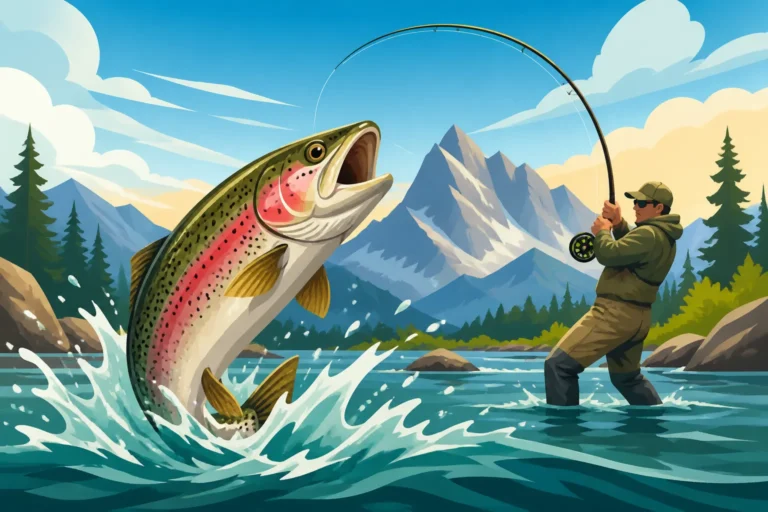
Beyond the native cutthroat, Rainbow Trout and Brown Trout are also incredibly popular and delicious catches throughout Wyoming. Rainbows are widely stocked across the state and are known for their beautiful iridescent stripes and spirited fights. Their meat is typically white to light pink, with a mild, fresh flavor that adapts well to a variety of cooking methods. Whether baked, grilled, or pan-fried, a Rainbow Trout rarely disappoints. These fish often have a slightly softer texture than a wild river-run cutthroat, but they are consistently good. Our Rainbow Trout Fishing in Wyoming guide has more details.
Brown Trout, on the other hand, are often more elusive and can grow to impressive sizes, particularly in rivers like the North Platte. They are known for their aggressive nature and beautiful golden-brown coloration. The flesh of a Brown Trout tends to be firmer and can have a slightly richer, nuttier flavor compared to a Rainbow or Cutthroat, especially the larger, wilder specimens. Some anglers even detect a hint of buttery richness in bigger browns. While all trout are excellent, the specific nuances of a wild Brown Trout can be a real treat for those who appreciate a slightly more robust fish flavor. Discover more about Brown Trout Fishing in Wyoming in another one of our posts.
Lake Trout: A Meaty, Rich Option
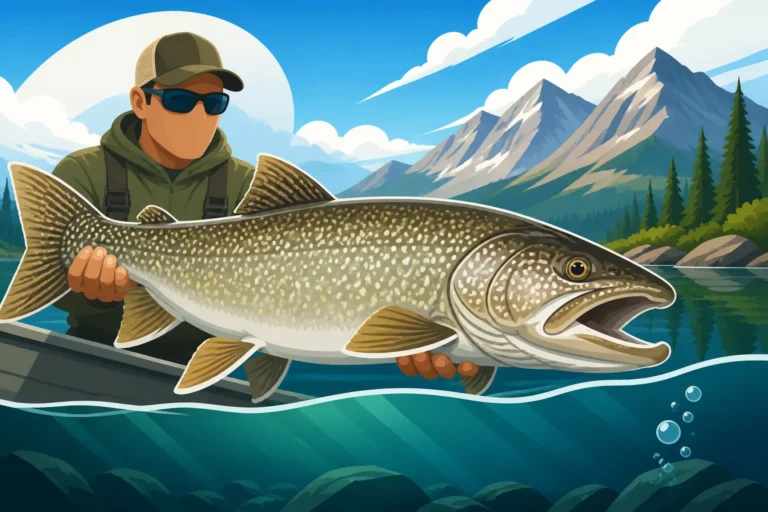
Lake Trout, often called Mackinaw in Wyoming, are a whole different beast when it comes to flavor and texture. Unlike their river and stream-dwelling cousins, Lake Trout are predatory fish that inhabit deep, cold lakes and reservoirs, growing to immense sizes. While smaller lake trout (often referred to as "pups") can have a milder flavor, the larger ones develop a much richer, oilier, and more pronounced flavor due to their diet of other fish like kokanee salmon and smaller trout.
The meat of a Lake Trout is typically a vibrant orange-red, very dense, and quite oily. This richness makes them incredibly flavorful, especially when smoked or baked. However, because of their oil content, they can sometimes taste a bit "stronger" for those unaccustomed to richer fish. For many, though, the substantial, flaky meat and savory taste of a well-prepared Lake Trout is a true culinary highlight. If you're wondering if Is Lake Trout Good to Eat?, the answer is a resounding yes, if prepared correctly! You can find more information about Lake Trout (Mackinaw) Fishing in Wyoming on our site.
Beyond Trout: Walleye and Kokanee Salmon – Other Flavorful Fighters
While trout often steal the spotlight, Wyoming's reservoirs and larger lakes harbor other fantastic eating fish that deserve a place on your plate. These species offer different textures and flavor profiles, providing a wonderful diversity to your fishing and dining experiences.
Walleye: The Pinnacle of Panfish Perfection
If you've ever spent time fishing in the Midwest, you know the reputation Walleye hold – they are often considered one of the absolute best-tasting freshwater fish, period. And thankfully, Wyoming has some incredible walleye fisheries, particularly in reservoirs like Boysen and Glendo. Walleye are highly sought after not just for their challenging fight but for their firm, flaky, white, and exceptionally mild flesh. There is virtually no "fishy" taste, making them a universal crowd-pleaser, even for those who claim not to like fish.
The delicate flavor and firm, almost translucent, flakes of a walleye fillet are simply divine. They fry up beautifully, making them perfect for classic fish and chips, or they can be baked, grilled, or broiled with minimal seasoning to let their natural deliciousness shine through. Anglers who target walleye often do so primarily for their table fare, and for good reason. If you're asking Is Walleye Good to Eat?, you'll find most experienced anglers will tell you it's one of the best. You can explore Walleye Fishing in Wyoming to find out where to catch them.
Kokanee Salmon: A Taste of the Ocean in Mountain Lakes
For a true taste of the wild, consider Kokanee Salmon. These landlocked sockeye salmon are not native to Wyoming but thrive in certain reservoirs like Flaming Gorge and Pathfinder, offering a unique and highly prized eating experience. Kokanee are known for their vibrant red-orange flesh and rich, distinct salmon flavor, similar to their ocean-dwelling cousins but perhaps a touch milder. They feed primarily on zooplankton, which contributes to their clean, sweet flavor and beautiful color.
Kokanee are particularly fantastic when grilled, baked, or smoked. Their higher oil content helps keep them moist and flavorful during cooking. Many anglers plan their trips around the kokanee runs in late summer and fall, not just for the exciting fishing but specifically for the incredible table fare these fish provide. A freshly caught kokanee, especially those from cold, clear water, is a genuine culinary treasure. Learn more about Kokanee Salmon Fishing in Wyoming and how to target them.
Surprising Delights: Exploring Wyoming's Lesser-Known Edibles
While the main game fish get most of the attention, Wyoming's diverse waters also hold some smaller, often overlooked species that can be incredibly tasty. Don't underestimate these panfish and smaller trout; they can provide some of the freshest, most delightful meals after a successful day on the water.
Brook Trout and Golden Trout: Small but Mighty Flavor
If you venture into Wyoming's high-alpine lakes and smaller, colder mountain streams, you might encounter Brook Trout and the elusive Golden Trout. While these fish generally don't reach the large sizes of their rainbow or brown cousins, what they lack in size, they more than make up for in flavor.
Brook Trout, with their distinctive worm-like markings and vibrant red spots, are known for their incredibly sweet, delicate, and often nutty flavor. They are a char, not a true trout, and their preference for pristine, cold water contributes to their superb taste. They are a joy to catch on light tackle and even more of a joy to eat, often pan-fried whole or filleted if large enough. Similarly, Golden Trout, found in some of Wyoming's most remote and breathtaking high-country lakes, offer a delicate, sweet, and clean taste that is truly a reward after a long hike. Their beautiful golden hues hint at the quality of their flesh. Both are prime examples of how "wild" and "cold water" often equate to "delicious." Explore Golden Trout Fishing in Wyoming or Brook Trout Fishing in Wyoming for more on these gems.
Perch and Crappie: Panfish Perfection
For those who enjoy a simpler, classic panfish experience, Wyoming's reservoirs and ponds offer excellent opportunities for Yellow Perch and Black Crappie. These species are often abundant, easy to catch, and provide some of the finest white, flaky, and sweet meat you can find in freshwater.
Yellow Perch are particularly popular. Their fillets are small but incredibly tender, with a sweet, mild flavor that holds up wonderfully to pan-frying. They have firm, translucent flesh that cooks quickly and develops a slight crispness if prepared properly. Crappie, another excellent panfish, offers similar characteristics – very white, delicate, and flaky meat with a sweet, subtle flavor. Both perch and crappie are perfect for a traditional shore lunch, often filleted, lightly breaded, and fried until golden brown. They are excellent choices for family fishing trips, as they are often eager to bite and provide a tasty reward for young anglers.
From Water to Plate: Ensuring Peak Flavor and Ethical Harvest
Catching a fish is only half the battle when it comes to enjoying a delicious meal. How you handle your catch from the moment it leaves the water to the moment it hits your cooking surface profoundly impacts its flavor and quality. Ethical harvesting practices not only respect the resource but also ensure you get the best possible taste from your hard-earned catch.
The Importance of Proper Handling and Cleaning
The most critical step in ensuring your fish tastes its best is proper handling immediately after the catch. Warm temperatures are the enemy of fresh fish flavor. Bacteria start to break down the flesh quickly, leading to that undesirable "fishy" smell and taste. Here's a simple process to maximize flavor:
- Kill Quickly and Humanely: If you intend to keep a fish, dispatch it immediately. A sharp blow to the head or severing the gills will do the trick. This minimizes stress, which can release lactic acid into the muscles, affecting taste.
- Bleed the Fish: For larger fish like lake trout or walleye, bleeding them by cutting a gill arch allows the blood to drain, resulting in whiter, cleaner-tasting fillets.
- Get Them on Ice, Fast: This is non-negotiable. Immediately place your fish on ice in a cooler. A slurry of ice and water works even better to rapidly cool the fish's core temperature. Don't just throw them in a basket in the sun. Having a good quality cooler, like those found on Amazon, is essential for any serious angler. The colder you keep them, the longer their fresh flavor will last.
- Clean Promptly: While chilling on ice is crucial, cleaning your fish as soon as possible after returning from the water (or even streamside if conditions allow and you can properly dispose of entrails) will further preserve freshness. Remove the guts and rinse the cavity thoroughly.
- Fillet or Store Whole: Depending on the size of the fish and your cooking preference, you might fillet them right away or keep smaller fish whole (gutted) on ice until cooking. Make sure to use a sharp fillet knife, also easily found on Amazon, for clean cuts and minimal waste.
By following these steps, you'll significantly improve the quality and taste of your Wyoming catch. Remember, a well-cared-for fish is a delicious fish. Our article on Catch and Release Best Practices for Trout can give you good tips on how to handle the ones you decide not to keep as well.
Simple Cooking Methods to Highlight Natural Flavors
Once you've properly handled and cleaned your fish, you don't need to get overly complicated with cooking methods. The goal is often to highlight the natural, fresh flavors of the fish itself.
- Pan-Frying: This is a classic for a reason, especially for trout, walleye, and panfish like perch and crappie. A light breading or simple dredge in seasoned flour (salt, pepper, garlic powder, paprika) and pan-frying in butter or a neutral oil until golden brown and flaky is hard to beat. The crispy exterior and moist interior are divine.
- Baking/Broiling: For larger fillets, especially of lake trout or salmon, baking or broiling works wonderfully. A simple rub of herbs, a squeeze of lemon, and a pat of butter are often all you need. The oven does the rest, yielding tender, moist fish.
- Grilling: Trout and kokanee salmon take exceptionally well to the grill. For whole fish, stuff the cavity with lemon slices and herbs. For fillets, consider using a grill basket or placing them on aluminum foil to prevent sticking. The smoky char adds another layer of flavor that complements the fish beautifully.
- Smoking: If you have a smoker, this is an excellent option for richer fish like Lake Trout and Kokanee Salmon. The slow smoking process imparts incredible depth of flavor and tenderizes the fish. Many anglers consider smoked lake trout or kokanee to be a true delicacy.
- Seasoning: When it comes to seasoning, less is often more with fresh fish. Salt, black pepper, garlic powder, dill, parsley, and lemon are always reliable choices. For those who like to experiment, a quick search on Amazon for "fish seasoning blends" will reveal countless options to complement any species. And don't forget the joy of cooking your fresh catch right there on the bank! We even have a guide on How to Cook Fresh-Caught Trout Over a Campfire.
Regardless of the species you choose to keep, remember that the freshest fish, handled with care, will always be the best-tasting fish. Enjoy your Wyoming fishing adventures, and savor the delicious rewards!
| Fish Species | Typical Flavor Profile | Flesh Color | Texture | Best Cooking Methods |
|---|---|---|---|---|
| Cutthroat Trout | Mild, delicate, clean, slightly nutty | Light pink/orange | Firm, flaky | Pan-fry, bake, grill, broil |
| Rainbow Trout | Mild, fresh, gentle | White/light pink | Softer, flaky | Pan-fry, bake, grill, broil |
| Brown Trout | Richer, nutty, slightly stronger | White/light pink | Firm, flaky | Pan-fry, bake, grill, broil, smoking (larger fish) |
| Lake Trout (Mackinaw) | Rich, oily, pronounced, savory | Orange-red | Dense, meaty | Bake, smoke, grill |
| Walleye | Very mild, sweet, white | White | Firm, flaky | Pan-fry, bake, broil, deep-fry |
| Kokanee Salmon | Rich salmon flavor, sweet | Vibrant red/orange | Firm, oily | Grill, bake, smoke |
| Brook Trout | Sweet, delicate, nutty, clean | White/light pink | Tender, flaky | Pan-fry (whole), bake |
| Golden Trout | Delicate, sweet, clean | White/light pink | Tender, flaky | Pan-fry (whole), bake |
| Yellow Perch | Sweet, mild, classic panfish | White | Firm, flaky | Pan-fry, deep-fry |
| Black Crappie | Mild, sweet, delicate | White | Delicate, flaky | Pan-fry, deep-fry |
Disclaimer
This article is for general informational purposes only and does not constitute professional advice. Laws, prices and regulations vary by location and change over time. Consult a qualified professional for guidance on your specific situation.