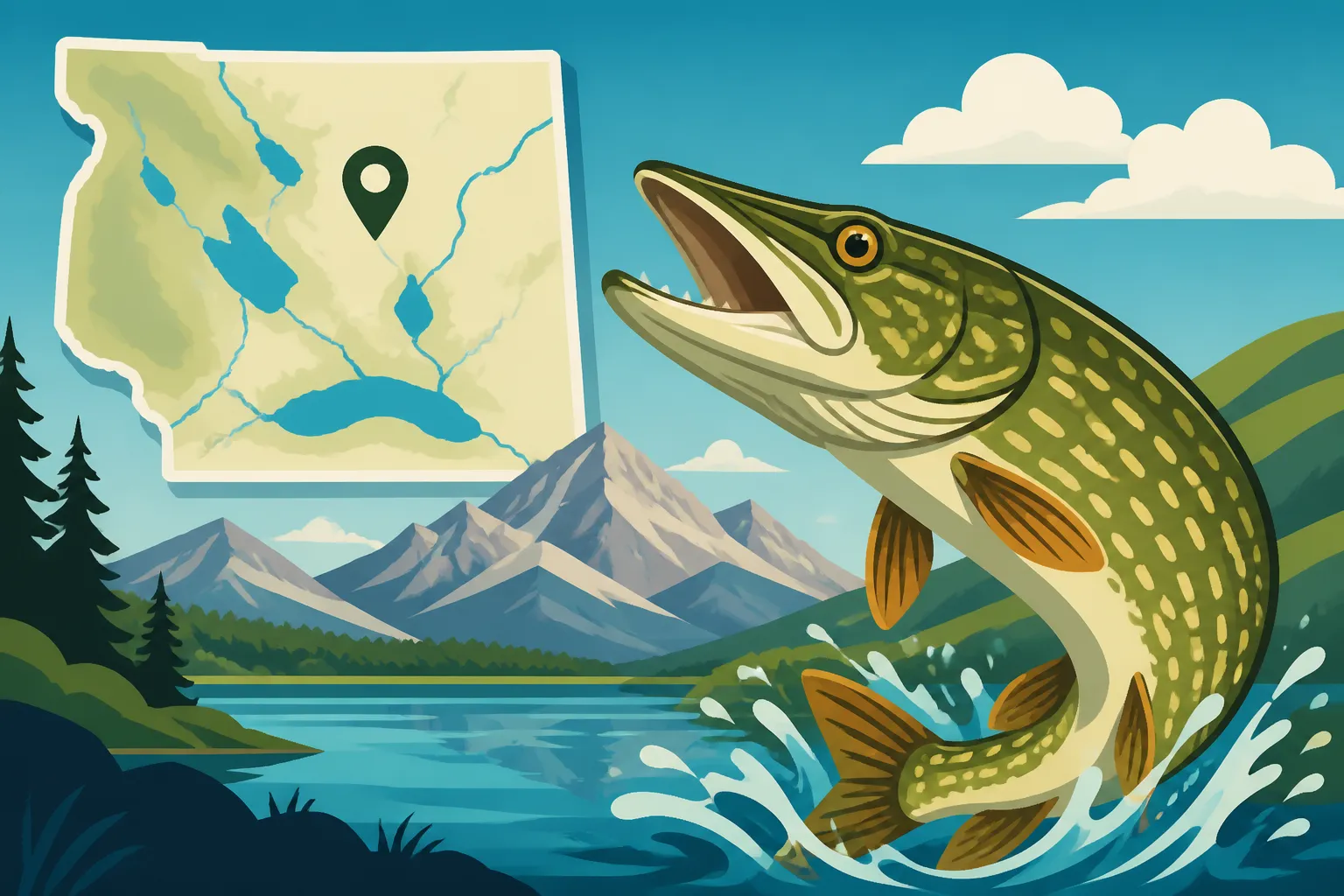
Where to Catch Northern Pike in Wyoming
Trying to find Northern Pike in Wyoming can feel a bit like searching for a needle in a haystack if you're used to the state's more prevalent trout fisheries. These aggressive, toothy predators offer a thrilling fishing experience unlike anything a rainbow or brown trout might provide, but knowing where to cast your line for them is key. This guide will cut through the guesswork and point you toward the best places to hook into a northern pike in the Cowboy State, covering everything from prime locations to essential gear and techniques.
The Allure of Northern Pike in Wyoming's Waters
There's something uniquely exhilarating about fishing for Northern Pike. They're not your typical subtle trout; pike are apex predators in many of their habitats, known for their ambush tactics and explosive strikes. For many anglers, the chance to battle such a fierce fish is a refreshing change of pace, and Wyoming, despite its trout-centric reputation, does offer some fantastic opportunities for these freshwater titans.
Why Northern Pike are a Unique Challenge
Imagine you're casting a lure, perhaps a big spinnerbait, into a weedy cove. Suddenly, your line goes taut with a jarring force, and your rod bends dramatically as something heavy surges away, stripping line from your reel. That's the Northern Pike experience! These fish are pure adrenaline. They often hit lures with incredible violence, and their fighting style is raw power, making blistering runs and sometimes even leaping clear of the water in a thrashing attempt to throw the hook.
Unlike trout, which might delicately sip a dry fly or nudge a nymph, pike are meat-eaters, and they behave like it. This means you'll typically use heavier gear and larger lures, which adds another layer of excitement. The sheer size many pike can attain also makes them a trophy target, and landing a truly massive one is a memory that lasts a lifetime. The anticipation alone, knowing any cast could connect you with a 10-pound-plus fish, keeps you on your toes and makes every moment on the water electric.
General Habitat Preferences of Pike
Northern Pike have a very distinct preference when it comes to habitat, which is quite different from the cold, clear, fast-moving rivers and deep, pristine lakes where trout thrive. Pike are ambush predators, and their strategy dictates their preferred environment. They love shallow, often murky or stained water, especially areas rich in aquatic vegetation like lily pads, cattails, or submerged weed beds. These dense cover areas provide perfect camouflage for them to lie in wait, perfectly still, before exploding out to engulf unsuspecting prey.
You'll also find them around fallen timber, rocky points, and any structure that offers a hiding spot from which to launch an attack. They can tolerate warmer water temperatures than many trout species, which is why they tend to thrive in some of Wyoming's shallower reservoirs and ponds. These characteristics explain why pike aren't found in every body of water across the state; their specific needs for vegetation and water conditions limit their range significantly, making the search for them a bit more specialized.
Prime Northern Pike Hotspots in Wyoming
When it comes to Northern Pike fishing in Wyoming, one name stands head and shoulders above the rest: Keyhole Reservoir. This northeastern Wyoming gem is renowned for its robust pike population, offering anglers a legitimate shot at these impressive fish. While Keyhole is the undisputed king, it's worth understanding the broader context of pike distribution in the state.
Keyhole Reservoir: The Star Attraction
If you're serious about catching Northern Pike in Wyoming, Keyhole Reservoir should be your first and probably only dedicated stop. Located near Moorcroft, this large reservoir, formed by the Belle Fourche River, has all the ingredients for a thriving pike fishery. It boasts extensive shallow bays, numerous coves, and significant weed growth, especially during the warmer months, providing ideal ambush habitat for pike.
Anglers often target the countless submerged timber stands and transition areas where deeper water meets shallow, weedy flats. During the spring and early summer, as water temperatures rise, pike become incredibly active in these shallower areas, making them accessible to both boat and shore anglers. The fall can also be fantastic as pike feed aggressively before winter. It's not uncommon for anglers to pull out pike measuring well over 30 inches, with some trophy fish exceeding 40 inches. Keyhole offers diverse angling opportunities, and while it's also known for Fishing Keyhole Reservoir for Walleye and Crappie, the pike truly steal the show for many visitors. Always keep an eye on the latest regulations specific to Keyhole, as conditions and management strategies can sometimes change.
Other Potential Pike Waters (and why they're less known)
Beyond Keyhole, finding reliable Northern Pike populations in Wyoming can be a much trickier endeavor. While rumors and historical reports might mention other waters, their presence is often less consistent, more localized, or subject to strict management. Many of these instances are the result of illegal introductions, which can unfortunately disrupt native fish populations. The Wyoming Game and Fish Department (WGFD) works diligently to manage all fish species and prevent the spread of invasive ones. It's not always easy to track every isolated population, especially in smaller, less-frequented waters.
Sometimes, smaller ponds, sloughs, or even oxbows connected to larger river systems might hold pike, particularly if they have a history of connectivity to areas where pike are present. However, these are often ephemeral or very small populations, and access can be limited. It’s crucial to understand that simply because a water body looks "weedy" or "pike-y" doesn't mean they're there, and even if they are, regulations can vary wildly. Always assume you need to confirm the presence and legal status of fishing for pike in any water other than the established hotspots like Keyhole. This diligent approach helps protect Wyoming's delicate ecosystems.
Understanding Pike Introductions and Management
Northern Pike are not native to Wyoming. Their presence in certain waters is primarily due to past introductions, both intentional and, in some cases, illegal. For example, some states have intentionally stocked pike for sport fishing or to help control overpopulated panfish. However, in Wyoming, where native trout populations are highly valued, the introduction of aggressive predators like pike can be a significant concern. Pike can predate on native species, outcompete them for food, and fundamentally alter aquatic ecosystems.
Because of this, the Wyoming Game and Fish Department often manages pike populations carefully. In some waters where they are established, like Keyhole, they are embraced as a sport fish, and regulations are set to maintain a healthy population for anglers. In other instances, if pike appear in waters where they are not wanted or pose a threat to native species, the WGFD may implement very liberal limits, or even require their removal, to mitigate their impact. This is why you'll find different rules for different waters. Understanding that pike can sometimes be categorized as an What Invasive Fish Species Threaten Wyoming Waters is key to appreciating the management strategies. If you're wondering Are Northern Pike Stocked in Wyoming?, the answer is complex, sometimes yes, sometimes no, and sometimes it's an illegal introduction. Always check current regulations before heading out.
Essential Gear and Techniques for Wyoming Pike
Fishing for Northern Pike demands a different approach and often heavier tackle than what you'd typically use for trout. These are powerful, toothy predators, and coming unprepared will likely lead to broken lines, lost lures, and perhaps a bit of frustration. The good news is that equipping yourself for pike isn't overly complicated, and once you have the right gear, you're set for some truly exciting angling.
Rods, Reels, and Line for Tooth-Proof Success
Forget your ultralight trout setup for pike. You'll want a medium-heavy to heavy action rod, usually in the 6'6" to 7'6" range. This provides the backbone needed to cast larger lures and to handle the powerful fights these fish put up. A fast action tip is still desirable for sensitivity and quick hooksets. Pair this with a sturdy baitcasting reel or a larger spinning reel (size 3000-4000 series or higher) that can hold plenty of line and has a smooth, reliable drag system.
For line, braided line is a popular choice for pike anglers, often in the 30-50 pound test range. Its lack of stretch provides excellent sensitivity and powerful hooksets, which is crucial when fishing with larger lures. The most critical piece of terminal tackle, however, is a wire leader. Pike have incredibly sharp teeth that can easily sever monofilament or fluorocarbon lines. A steel, titanium, or heavy fluorocarbon leader (80-100 lb test for fluorocarbon, if you choose that route) of 9-12 inches will protect your mainline from those razor-sharp chompers. You can find great options on Amazon for all of this gear, ensuring you're ready for whatever a pike throws at you.
Lures and Baits That Entice Pike
Pike are opportunistic predators, and they'll hit a wide variety of lures and baits. The key is often size and presentation. Here are some reliable choices:
- Spinnerbaits: Large spinnerbaits with big blades (Colorado or Willow Leaf) are fantastic for covering water and working through weeds. The flash and vibration are irresistible to pike.
- Spoons: Classic metal spoons, especially in silver, gold, or flashy colors, are excellent. They cast a mile and have an erratic wobbling action that triggers strikes.
- Jerkbaits/Minnow Baits: Suspending or floating jerkbaits that imitate baitfish can be incredibly effective, especially when worked with a twitch-pause retrieve. Look for models in the 4-7 inch range.
- Soft Plastics/Swim Baits: Large soft plastic swimbaits or paddle-tail grubs rigged on heavy jig heads can be deadly, particularly around submerged structure.
- Dead Baits: For larger, lethargic pike, especially in colder water or during ice fishing, a dead bait rig (like a whole smelt, sucker, or chub) fished under a bobber or on the bottom can be incredibly effective.
Amazon has a huge selection of these specific pike lures, making it easy to stock up before your trip. Experiment with colors and sizes until you find what the fish are hitting on that particular day.
Safe Handling and Release (or Retention) Practices
Those teeth we talked about? They're no joke. Pike can inflict a nasty bite, even unintentionally. Because of this, proper handling tools are absolutely essential, whether you plan to release your catch or keep it.
- Long-nose pliers: An absolute must for safely removing hooks from a pike's mouth. The longer the better to keep your fingers away from those teeth.
- Jaw spreaders: These can be invaluable for holding a pike's mouth open, especially if the fish has swallowed the lure deep, allowing safer hook removal.
- Heavy-duty gloves: A good pair of fish handling gloves can provide extra protection when gripping a slippery pike.
- Net: A large, rubber-coated landing net is ideal for safely bringing the fish into the boat or onto shore, minimizing stress on the fish and reducing the risk of a hook in you.
If you plan on releasing a pike, minimize its time out of the water. Support its body horizontally, avoiding vertical hangs that can damage internal organs. Remove the hook quickly and gently, and then place the fish back in the water, holding it upright until it swims away strongly. Even though pike are often managed with liberal limits, especially if they are considered non-native, practicing good catch and release helps ensure a healthy fishery for everyone. While the focus here is pike, many of the same principles for careful handling apply as outlined in guides like Catch and Release Best Practices for Trout.
Planning Your Pike Fishing Adventure
A successful pike fishing trip to Wyoming, especially to a place like Keyhole Reservoir, requires a bit of planning. You need to know the rules, understand the best times to go, and consider your access options. Doing your homework upfront can make all the difference between a frustrating outing and a memorable battle with a trophy pike.
Checking Regulations and Local Conditions
This cannot be stressed enough: always check the most current Wyoming Fishing Regulations booklet before you go. What applies to one lake might not apply to another, and regulations are subject to change. For instance, while Keyhole Reservoir generally has very liberal pike limits to help manage the population, this isn't a statewide rule. You need to confirm bag and possession limits, any length restrictions, and if there are specific bait or tackle restrictions for the water you plan to fish.
Water-specific rules are often clearly outlined in the booklet, which you can typically find on the Wyoming Game and Fish Department website or at most sporting goods stores. Consulting resources like Reading the Wyoming Fishing Regulations Booklet and Wyoming Fishing Regulations Every Angler Should Know can help you navigate these details. Pay attention to any announcements about How Wyoming Game and Fish Announces Emergency Closures, which can sometimes affect fishing access or regulations due to environmental factors or management needs. Missing these details could lead to fines or, worse, harm the fishery.
Best Times and Seasons for Pike
Northern Pike are generally active throughout the open water season, but certain times of year truly stand out for prime fishing.
- Spring (Post-Ice Out): As soon as the ice melts and water temperatures begin to rise (usually late March through May, depending on the year), pike become very active. They'll move into shallow bays and coves to spawn, making them more accessible and aggressive. This is often considered one of the best times to catch numbers of pike.
- Early Summer: As the water continues to warm, pike will still be found in and around weed beds, though they might move slightly deeper during the hottest parts of the day. Early mornings and late evenings are often most productive.
- Fall: This is another fantastic season, especially for larger fish. As water temperatures cool, pike go on a feeding frenzy to bulk up for winter. They become incredibly aggressive, chasing down larger baits.
- Winter (Ice Fishing): Pike are popular targets for ice anglers in Wyoming, particularly on Keyhole. They remain active under the ice, often hanging out near submerged structure or weed lines. You'll need specialized ice fishing gear, but the reward can be a huge, healthy pike. If you're planning an ice fishing trip, it's good to know When Ice Fishing Season Starts in Wyoming to ensure conditions are safe.
Boat vs. Shore Access for Pike
Your success often depends on your ability to access prime pike habitat, which can be achieved through both boat and shore fishing, each with its own advantages.
- Boat Fishing: Having a boat, whether it's a full-sized fishing boat, a canoe, a kayak, or even a float tube, significantly increases your reach and versatility. Boats allow you to cover vast areas of water, access remote coves, and position yourself precisely over submerged weed beds or timber. This is especially advantageous on larger reservoirs like Keyhole, where many of the best pike spots are away from easy shore access. You can troll, cast to visible structure, and easily adjust your location based on fish activity. Understanding how Fishing From Boats vs Banks: Different Rules can also impact your strategy.
- Shore Fishing: Don't discount shore fishing, especially in the spring and early summer when pike move into accessible shallow areas to spawn and feed. Look for public access points along shorelines with good weed cover, rocky points, or areas where tributaries enter the main body of water. Long casts are often beneficial, and walking the shoreline to explore different pockets and coves can be very productive. While more limited in scope, dedicated shore anglers can still find great success by focusing on known pike hangouts.
No matter your chosen method, scouting the area beforehand, either with maps or by visiting, can give you a significant advantage in locating those prime pike lies.
Disclaimer
This article is for general informational purposes only and does not constitute professional advice. Laws, prices and regulations vary by location and change over time. Consult a qualified professional for guidance on your specific situation.