Wade Trips vs Float Trips in Jackson Hole, Wyoming
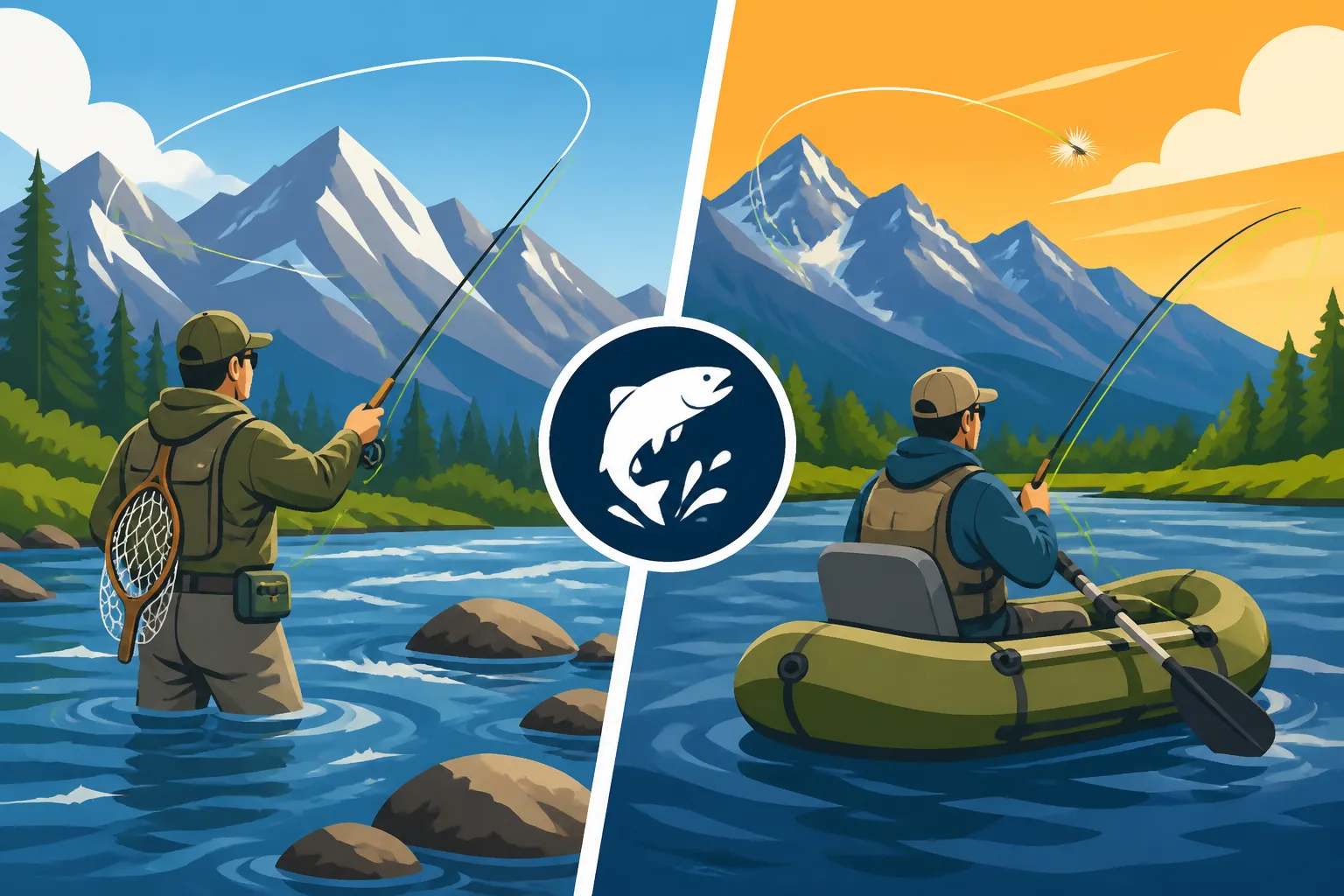
Deciding between a wade trip and a float trip for your fishing adventure in Jackson Hole, Wyoming, can feel like trying to pick between two equally delicious flavors of ice cream when you're craving both. Many anglers find themselves pondering whether they want to walk the riverbanks, casting into intimate pockets, or drift serenely downriver, covering vast stretches of water from the comfort of a boat. This guide will meticulously break down the unique characteristics, advantages, and ideal scenarios for both wade and float trips in the stunning Jackson Hole area, helping you choose the perfect experience for your next cast.
Understanding the Allure of Jackson Hole Fishing
Jackson Hole, a valley nestled between the Gros Ventre and Teton mountain ranges, is more than just a gateway to national parks; it's a fishing mecca. The sheer beauty of the landscape, with its soaring peaks reflected in crystal-clear waters, is a draw in itself, but it's the abundant and often challenging fishing that truly captivates anglers. This region offers a diverse array of fishing opportunities, from large, meandering rivers to smaller, intimate creeks, each presenting its own unique set of rewards and challenges.
The Unique Waters of the Region
The crown jewel of Jackson Hole fishing is undoubtedly the Snake River. This iconic waterway, particularly the section flowing through the valley, is a braided river system with numerous channels, riffles, runs, and deep pools. Its character changes significantly along its length, offering everything from wide, boat-friendly stretches to narrower sections that are perfect for wading. Beyond the main stem of the Snake, numerous tributaries, spring creeks, and high-alpine lakes dot the landscape, providing an incredible variety of aquatic habitats. For instance, the fishing opportunities Fishing Wyoming's Snake River Below Jackson Lake Dam are distinct from those further downstream. Each body of water has its own nuances in terms of fish species, access, and optimal fishing techniques, making local knowledge incredibly valuable.
Why Anglers Flock to Jackson Hole
Anglers flock to Jackson Hole primarily for its legendary trout fishing. The Snake River is famous for its native Snake River Fine-Spotted Cutthroat Trout, a subspecies known for its vibrant colors and aggressive takes. These fish are not just beautiful; they are a cherished part of the region's natural heritage and provide an exciting challenge for fly and spin anglers alike. Beyond the cutthroat, you might also encounter rainbow trout, brook trout, and even the occasional brown trout in certain areas. The sheer abundance of fish, coupled with the breathtaking scenery, creates an unparalleled fishing experience. Moreover, the strong conservation efforts in the region mean that these fisheries remain healthy and productive, ensuring fantastic angling for years to come.
What Exactly is a Wade Trip?
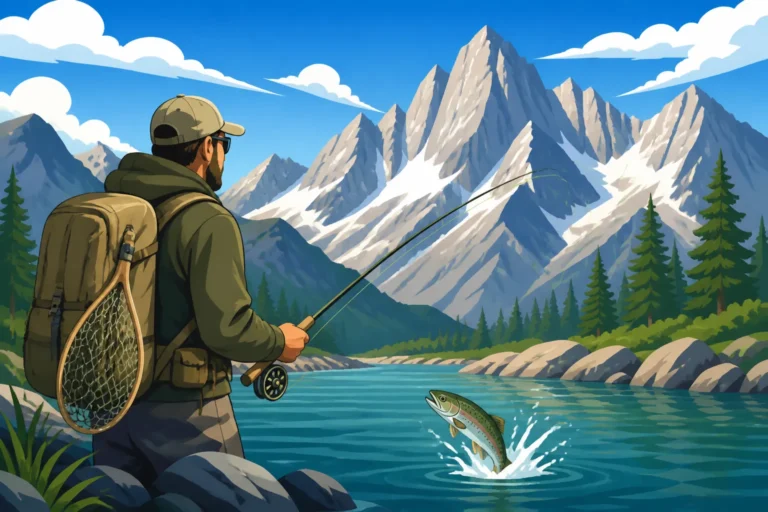
A wade trip, as the name suggests, involves accessing the river by foot and wading into the water to fish. It's a hands-on, immersive experience that connects you directly with the river environment. Instead of drifting past stretches of water, you become part of the water, feeling the current, observing the aquatic insects, and meticulously working each promising pocket or seam.
The Intimate Experience of Wading
When you opt for a wade trip, you're choosing an intimate encounter with the river. You're walking the banks, exploring specific stretches of water on foot, and often wading directly into the current to cast. This approach allows for a very deliberate and methodical style of fishing. You can spend significant time dissecting a single run, identifying feeding lanes, and making precise casts to specific fish. It's a quiet, personal experience where you truly feel connected to the environment, observing the wildlife and the subtle nuances of the river at your own pace. Many anglers find this direct interaction with the water incredibly rewarding, fostering a deeper appreciation for the river's ecosystem.
For instance, imagine slowly approaching a secluded bend in a small tributary of the Snake, like Fish Creek. You spot a rising trout under an overhanging willow, and you can carefully position yourself for the perfect cast, making minor adjustments to your drift. This level of focus and direct engagement is a hallmark of wading. It's not about covering miles of river, but rather about maximizing the potential of the water you choose to explore.
Ideal Conditions and Target Species for Wading
Wade trips are often best suited for specific water conditions and target species. Smaller rivers and creeks, where boat access is limited or impractical, are prime candidates for wading. Sections of larger rivers with slower currents, accessible banks, and consistent depths also lend themselves well to this style. Ideal water levels are crucial; too high, and wading can be dangerous or impossible; too low, and fish might be concentrated in inaccessible deep pools or spook easily in shallow riffles.
In Jackson Hole, wade fishing is fantastic for targeting the native Snake River Fine-Spotted Cutthroat Trout, especially in the smaller tributaries or specific sections of the main Snake. These fish often hold in predictable lies in riffles, runs, and around submerged structure, which can be easily reached by a wading angler. Brown trout and rainbow trout in smaller streams are also excellent targets. The methodical nature of wading allows you to present flies or lures with stealth and precision, which is often key to enticing wary wild trout. For those keen on Best Guides for Teaching Beginners to Fly Fish, a wade trip can offer a fantastic controlled environment to learn and practice casting without the added complexities of a moving boat.
Logistics and Accessibility for Wade Trips
Logistically, wade trips can be quite flexible. You typically drive to a public access point, park, and then walk along the river, entering the water where safe and appropriate. This means you're generally limited to areas with public easements or designated access points. While this might sound restrictive, Jackson Hole boasts numerous such spots, from well-known boat ramps that also offer bank access, to lesser-known pull-offs along scenic byways.
However, accessibility can be a challenge. Steep banks, dense vegetation, or private land might restrict your movement. Your physical fitness is also a factor, as navigating uneven terrain, slippery rocks, and strong currents requires good balance and stamina. If you're planning on a guided wade trip, your guide will know the best spots to access the river and can provide valuable insights into current conditions and safe wading practices. When looking for a guide, using a service like FishingBooker can help you find local experts who specialize in wade fishing and know all the best secret spots. It’s also important to remember that while a guide makes the experience smoother, you're still responsible for your Wyoming Fishing Regulations Every Angler Should Know and obtaining your own License Requirements for Booking a Wyoming Fishing Guide.
Exploring the World of Float Trips
Float trips offer a distinctly different angling experience, characterized by covering significant stretches of river from the comfort and mobility of a specialized boat. This method allows anglers to explore diverse water types, access remote areas, and maintain a consistent drift downstream, often presenting flies or lures to undisturbed fish.
The Dynamics of Drifting Downriver
A float trip in Jackson Hole typically involves a drift boat or raft, navigated by a skilled guide, that moves with the river's current. This allows anglers to cover many miles of water in a single day, presenting opportunities to fish a wide variety of habitats – from fast-moving riffles to deep, slow pools and undercut banks. The beauty of a float trip lies in its dynamic nature; the scenery is constantly changing, and each bend in the river reveals new potential fishing spots. Anglers are usually positioned in the front or back of the boat, casting towards the banks, seams, and structure as the boat drifts. The guide masterfully maneuvers the craft, putting you in prime positions for casts and drifts, and often helping to spot fish or rises that you might otherwise miss.
Consider a sunny afternoon on the Snake River. As your drift boat glides effortlessly, your guide points out a subtle current seam near a submerged log. You make a precise cast, and your fly drifts perfectly into the feeding lane, resulting in a strong strike. This constant movement and the ability to target new water with every turn make float trips an exciting and efficient way to fish large rivers. You can experience everything from fast-paced action in rapids to serene moments of quiet contemplation as you float through a calm stretch, all while keeping your line in the water.
Benefits and Fishability from a Boat
Fishing from a boat offers several distinct advantages. First and foremost is the ability to cover much more water than on foot, increasing your chances of encountering actively feeding fish. This is particularly beneficial on larger rivers like the Snake, where prime holding water can be spread out over considerable distances. Secondly, a boat provides excellent casting platforms, often elevated, which can make it easier to spot fish or target specific areas with accuracy, especially with a fly rod. The guide's ability to position the boat precisely means you get optimal angles for presentation.
Furthermore, floating often allows access to stretches of river that are difficult or impossible to reach by wading due to private land, dense vegetation, or challenging terrain. This opens up opportunities to fish less pressured water. For anglers who might have physical limitations or prefer a less strenuous day, a float trip provides a comfortable way to experience some of the best fishing Jackson Hole has to offer. You're not battling currents or navigating slippery rocks; instead, you're enjoying the ride and focusing on your cast and presentation. Float Trips on Wyoming's Snake River are renowned for these very reasons.
Types of Float Trips and Vessel Options
In Jackson Hole, several types of vessels are used for float trips, each suited to different preferences and river conditions. The most common are drift boats and rafts.
- Drift Boats: These are rigid boats, typically made of fiberglass or aluminum, designed for rowing and maneuvering in rivers. They are stable, comfortable, and often have designated seating and casting braces for anglers. Drift boats are excellent for fly fishing due to their stability and ease of positioning for precise casts. They can handle moderate rapids and provide a smooth ride on most sections of the Snake River.
- Rafts: Inflatable rafts, often equipped with frames and oars, offer a more rugged and sometimes softer ride. They are highly maneuverable in shallower water and can handle more turbulent rapids than a drift boat, making them ideal for sections of the river with more whitewater. Rafts are also great for spin fishing and can accommodate more gear or people, though they might not offer the same stable casting platform as a drift boat.
Guides often choose their vessel based on the specific section of river they'll be fishing, the time of year, and the preferences of their clients. Whether you're looking for a Half-Day vs Full-Day Float Trips on Wyoming's Snake River or a multi-day expedition, there's a float trip option available. When exploring guided options, platforms like FishingBooker often specify the type of boat used, helping you align your expectations with the experience.
Key Differences: Wade vs. Float
Understanding the fundamental distinctions between wade and float trips is crucial for making an informed decision about your Jackson Hole fishing adventure. It's not just about being in a boat or on foot; these differences impact the entire angling experience, from accessibility to the pace of your day.
Accessibility and Reach
Perhaps the most significant difference between wade and float trips lies in the water you can access and the ground you can cover.
Wade Trips: When you're wading, you're limited to areas that can be accessed from the bank and safely waded. This often means focusing on smaller streams, certain sections of larger rivers with good public access points, or stretches where the river is shallow enough to cross or move around in. You'll spend more time exploring a specific, often smaller, stretch of water. This can be fantastic for those who enjoy meticulously dissecting every pocket, riffle, and run, or who prefer the solitude of less-traveled spots. However, it also means that vast stretches of prime fishing water on a large river like the Snake might remain out of reach due to deep channels, strong currents, or private property along the banks.
Float Trips: A float trip dramatically expands your accessibility. From a drift boat or raft, you can cover many miles of river in a single day, accessing areas that are completely inaccessible by foot. This includes remote sections with no public road access, the opposite bank of a wide river, or deep channels that are impossible to wade. Guides are experts at navigating these waters, positioning the boat in prime locations to cast to fish that rarely see a fly or lure. This ability to reach untouched or difficult-to-access water often translates into opportunities for larger or less pressured fish. It also means you get to experience the full grandeur of the river landscape, with continuous changes in scenery.
Pace and Coverage
The pace and amount of water you cover also differ dramatically between the two trip types, influencing the overall feel of your fishing day.
Wade Trips: These tend to be slower-paced and more deliberate. You're not rushing from one spot to the next but rather taking your time to work a particular section of river thoroughly. This allows for detailed observation of the water, insect life, and fish behavior. It's a meditative experience, often focusing on making fewer, more precise casts to known or suspected fish lies. While you might not cover as many miles, the depth of engagement with a specific piece of water is often profound. If you enjoy the challenge of "hunting" for individual fish and prefer a quiet, unhurried approach, wading is likely your preference.
Float Trips: Float trips are generally faster-paced, covering significant distances throughout the day. Your guide constantly moves the boat downstream, presenting you with new water and new opportunities with every drift. This means you'll make many more casts, often covering a wider variety of water types – from shallow riffles to deep pools – in a shorter amount of time. While this can be incredibly exciting and productive, it requires anglers to be ready to cast quickly and adapt to changing conditions as the boat moves. It's an excellent option for those who want to see a lot of the river, enjoy a dynamic fishing experience, and maximize their chances of encountering multiple fish throughout the day. It allows for a broader exploratory experience, showcasing the river's diversity.
Cost and Group Size Considerations
When planning your Jackson Hole fishing adventure, the financial aspect and who you want to share the experience with are often significant factors.
Wade Trips: Generally, wade trips can sometimes be a more budget-friendly option for guided outings, especially if they involve less travel time or simpler logistics for the guide. A single guide can often manage one or two anglers on a wade trip effectively. The cost can also vary depending on whether it's a half-day or full-day excursion. If you're going unguided, the cost is essentially just your license and gear. However, guided wade trips are invaluable for local knowledge and safety.
Float Trips: Float trips, due to the specialized equipment (drift boat or raft), the guide's expertise in maneuvering the vessel, and the logistics of putting in and taking out at different points, tend to be a higher investment. These trips typically accommodate one to two anglers per boat, plus the guide. While the per-person cost might be higher than a comparable wade trip, you're paying for the ability to cover vast amounts of water, access remote areas, and have a highly skilled oarsman and fish finder at your service. For many, the value of covering more water and accessing better fishing spots justifies the expense. When researching options, you'll find that How Much a Guided Fishing Trip Costs in Jackson Hole for a float trip reflects these added benefits and operational costs. Sites like FishingBooker can help you compare prices and offerings from various outfitters, making it easier to see what's included in the fee.
Choosing Your Ideal Jackson Hole Adventure
So, how do you decide which type of trip is best for you? It really boils down to your personal preferences, your skill level, and what you hope to get out of your time on the water. There's no single "better" option; only the one that aligns most closely with your vision for a perfect day of fishing.
Considering Your Skill Level and Physicality
Your experience level and physical condition play a significant role in determining the most enjoyable and productive trip type for you.
For Beginners or Those with Physical Limitations:
If you're new to fishing, especially fly fishing, a float trip can often be more forgiving. The guide can position the boat to minimize challenging casts, and you won't have to worry about wading through strong currents or navigating slippery river bottoms. It allows you to focus purely on casting and presentation. For those with physical limitations, a float trip provides a comfortable and stable platform from which to fish, minimizing walking and wading. What's Included in a Wyoming Snake River Guided Float Trip often encompasses all the gear, so you just need to show up ready to learn and fish. The guide handles all the heavy lifting and navigation.
For Experienced Anglers and Those Seeking a Challenge:
Experienced anglers who relish a challenge might find a wade trip more engaging. The act of stalking fish, deciphering complex currents on foot, and making precise casts in often tighter quarters can be incredibly rewarding. It demands more active participation in reading the water and navigating the terrain. Physically, wade trips require good balance, stamina, and comfort moving through varied river bottoms and currents. If you're up for hiking to more remote spots and spending hours on your feet in the water, a wade trip offers that immersive, adventurous feel.
Matching Your Desired Experience and Targets
What kind of day do you envision, and what are you hoping to catch? These questions are key to aligning your expectations with the reality of a wade or float trip.
For the Solitary, Exploratory Angler:
If you dream of solitude, meticulous exploration, and a deep connection to a specific stretch of river, a wade trip is often the perfect fit. It's about slowing down, observing, and really getting to know a piece of water. You might spend an hour working a single pool, discovering its secrets. This approach is excellent for targeting individual, wary fish, or exploring smaller, intimate tributaries where the native Snake River Fine-Spotted Cutthroat Trout thrive away from the main currents. The focus is less on sheer numbers and more on the quality of the experience and the satisfaction of outwitting a clever trout on its home turf.
For the Adventurous, Water-Covering Angler:
If your ideal day involves covering a lot of water, seeing diverse scenery, and maximizing your chances of hooking into multiple fish throughout the day, a float trip is probably your best bet. It's an active and dynamic experience, with new water constantly coming into view. Float trips are fantastic for seeing more of the main Snake River, hitting a variety of habitats, and often provide more opportunities for consistent action, which can be thrilling. It's also an excellent way to target larger fish that might hold in deeper, more inaccessible spots mid-river. When planning, consider using platforms like FishingBooker to explore available Guided Fly Fishing Trips in Jackson Hole, Wyoming that specifically cater to the active, exploratory nature of float fishing.
When Each Trip Type Shines Brightest
Certain conditions or times of year can make one type of trip more advantageous than the other.
Wade Trip Prime Time:
Wade trips often shine during periods of lower, clearer water, typically late summer and early fall when river flows are stable and visibility is excellent. This allows for safer wading and easier sight-fishing. During these times, fish can also be more concentrated in accessible runs and pools. Early spring, after the main runoff but before summer crowds, can also be superb for wade fishing on smaller creeks. The less pressure on the water, the better the wading experience.
Float Trip Prime Time:
Float trips are incredibly versatile and can be highly effective throughout much of the fishing season. They are particularly valuable during higher water periods, such as spring runoff (once safe and allowed) or after heavy rains, when wading might be dangerous or impossible. The boat allows you to access prime fishing lanes that are otherwise out of reach. Early summer, when insects are hatching profusely and fish are actively feeding across the river, is also prime float trip time, as you can continuously present flies to rising fish as you drift. Late fall, when the river might be colder and fish are more concentrated, can also be excellent for float trips, especially for targeting larger, migratory brown trout. No matter the season, remember to check What to Bring on a Guided Wyoming Fishing Trip to ensure you're prepared for local weather variations.
Preparing for Your Trip: Essentials for Both
Regardless of whether you choose a wade or float trip, a bit of preparation goes a long way in ensuring a comfortable, safe, and productive day on the water in Jackson Hole.
Gear and Apparel Checklist
Having the right gear and wearing appropriate clothing can make or break your fishing experience, especially in Wyoming's unpredictable mountain environment.
For Both Trip Types:
- Layered Clothing: Wyoming weather can change rapidly. Dress in layers that you can easily add or remove. Synthetics or wool are best, as they wick moisture and retain warmth even when wet. Avoid cotton.
- Rain Gear: A good quality waterproof jacket and pants are essential, even on sunny days. Pop-up storms are common.
- Hat and Sunglasses: A wide-brimmed hat protects from sun and glare, while polarized sunglasses are crucial for spotting fish and protecting your eyes from errant hooks.
- Sunscreen and Lip Balm: High altitude means intense UV exposure.
- Water and Snacks: Staying hydrated and energized is key for a full day of fishing.
- Camera: To capture those breathtaking views and trophy catches!
Specific to Wade Trips:
- Waders and Wading Boots: High-quality, breathable waders and sturdy wading boots with good ankle support are critical for comfort and safety. Felt or rubber soles with studs offer the best grip on slippery river rocks.
- Wading Staff: Many anglers find a collapsible wading staff invaluable for stability, especially in faster currents or on uneven bottoms.
Specific to Float Trips:
- While waders are often still recommended for float trips (as you might step out of the boat to land a fish or fish a specific spot), they might not be strictly necessary if you plan to stay in the boat. However, waterproof shoes or sandals are a must.
- A dry bag is highly recommended for storing extra layers, electronics, and personal items, keeping them safe from splashes.
Your guide will usually provide rods, reels, flies/lures, and often even waders and boots if you don't have your own, but it's always wise to confirm this beforehand.
Booking Your Guide and What to Expect
Hiring a local guide in Jackson Hole is highly recommended for both wade and float trips, especially if you're unfamiliar with the area or looking to maximize your success. Guides possess invaluable local knowledge about current conditions, prime fishing spots, and effective techniques. How to Choose a Wyoming Fishing Guide is a critical step, as you want someone whose style aligns with yours.
When booking, inquire about what's included in the trip cost, such as gear, lunch, and transportation. Be upfront about your experience level and what you hope to achieve (e.g., target specific species, learn new techniques, or simply enjoy the scenery). Reputable outfitters and guides often list their services on platforms like FishingBooker, where you can read reviews and compare offerings. Most trips will start early in the morning, meeting your guide at a predetermined location. Be prepared for a full day on the water, with plenty of casting, instruction, and stunning views. Don't forget to ask about tipping etiquette for your guide at the end of a successful day.
Permits, Licenses, and Conservation
Before you even step foot in the water or into a drift boat, ensure you have all the necessary permits and licenses. In Wyoming, all anglers over the age of 14 need a fishing license. If you're a non-resident, you'll need to purchase a non-resident license, which can be annual, daily, or five-consecutive-day. Additionally, a Wyoming Conservation Stamp is often required for most annual and multi-day licenses. You can purchase licenses online through the Wyoming Game and Fish Department website, or at many local vendors in Jackson Hole, such as tackle shops or sporting goods stores. Always carry your license with you when fishing, either a physical copy or a digital image on your phone.
Beyond licenses, understanding and adhering to local regulations is paramount for conservation. The Snake River and its tributaries have specific rules regarding bag limits, tackle restrictions (e.g., barbless hooks in certain areas), and catch-and-release practices. Your guide will be well-versed in these rules, but it's ultimately your responsibility to know and follow them. Practicing ethical catch-and-release techniques, minimizing fish handling, and never littering are crucial for preserving the incredible fisheries that make Jackson Hole such a special place for anglers.
Disclaimer
This article is for general informational purposes only and does not constitute professional advice. Laws, prices and regulations vary by location and change over time. Consult a qualified professional for guidance on your specific situation.