Guided Trips on Wyoming’s North Platte Miracle Mile
Dreaming of casting a line into the legendary North Platte's Miracle Mile, but feeling a little overwhelmed by where to even begin? You're not alone! This stretch of water is famous for its massive trout, but it also boasts complex flows, sometimes tricky access, and fish that can be incredibly smart. This guide will dive deep into what a guided fishing trip on this iconic Wyoming river section truly offers, helping you understand the immense value of local expertise for an unforgettable and often much more successful angling adventure.
Why the Miracle Mile Demands a Guide
The Miracle Mile isn't just any river stretch; it's a dynamic, powerful, and often temperamental section of the North Platte River that can challenge even seasoned anglers. While the rewards are immense—trophy-sized brown and rainbow trout are common—the path to those rewards is often best navigated with someone who knows its secrets intimately. Trying to tackle it alone, especially for the first time, can lead to frustration rather than exhilaration.
Navigating Complex Waters and Regulations
Imagine arriving at a river that looks promising, only to find yourself facing raging currents you can't safely wade, or private land blocking every public access point. The Miracle Mile, being a tailwater fishery below Pathfinder and Seminoe reservoirs, has fluctuating flows that can dramatically change the river's character overnight. What was a calm riffle yesterday might be a roaring torrent today. A guide brings not only the right boat (usually a drift boat designed for these conditions) but also the essential knowledge of current flow patterns, safe navigation, and where the fish will be holding based on those flows.
Beyond the physical challenges, Wyoming's fishing regulations can be quite specific, with special rules often applying to different river sections. On the Miracle Mile, you'll want to be absolutely sure you understand the nuances of things like bag and possession limits, especially for larger trout, and even potential barbless hook requirements. A guide is your living, breathing regulation manual, ensuring you stay compliant and avoid any unfortunate fines. They handle the nitty-gritty so you can focus on the fishing, which is particularly reassuring when you’re navigating waters as important as this one. It truly frees you up to enjoy the experience without constantly second-guessing yourself. For those who are new to the state, understanding Wyoming Fishing Regulations Every Angler Should Know can be a huge undertaking, and a guide simplifies it considerably.
Unlocking Local Knowledge: Hatches and Hot Spots
The sheer volume of water and the subtlety of trout behavior on the Miracle Mile mean that simply "showing up and casting" often doesn't cut it. Trout here can be highly selective, keying in on specific insect hatches or even baitfish movements that aren't obvious to the untrained eye. A local guide has spent countless hours on this river, observing these patterns, noting the best times for a caddis hatch, or when a streamer bite might explode. They understand how the weather, water temperature, and time of year influence fish activity.
This localized knowledge isn't just about what fly to tie on; it's about knowing exactly where to present it. The "hot spots" on the Miracle Mile shift with the seasons, water levels, and even time of day. A guide knows the subtle seams, the deep pools where browns lurk, the undercut banks that offer perfect cover, and the swift runs where rainbows stack up. They've logged the time and built the experience, meaning you spend less time guessing and more time with your line in the water, targeting fish in their prime feeding lies. This local insight is truly invaluable, turning a potentially frustrating day into a productive and exciting one.
What a Guided Trip on the Miracle Mile Entails
So, you're convinced a guide is the way to go. What does a typical day on the Miracle Mile with a professional outfitter actually look like? It's more than just someone showing you where to cast; it's a comprehensive experience designed to maximize your chances of success and enjoyment, all while absorbing the breathtaking Wyoming scenery.
The Drift Boat Experience and Techniques
Most guided trips on the Miracle Mile are float trips conducted from a drift boat. These specialized boats are designed to be rowed by the guide, allowing for silent, controlled drifts downriver. This means you, as the angler, are positioned perfectly to cast to prime holding water without the distraction of maneuvering a craft. Your guide will expertly navigate the currents, eddies, and rapids, keeping you safe and in the optimal fishing zone. This is a huge advantage over bank fishing, which is limited by access and can be difficult due to heavy brush or steep terrain along parts of The Miracle Mile Stretch of Wyoming's North Platte River.
During the float, your guide will instruct you on the best techniques for the conditions. This might involve nymphing a two-fly rig under an indicator through a deep run, stripping streamers along an undercut bank for aggressive brown trout, or even dry fly fishing during a prolific hatch. They'll help you with casting accuracy, mend your line, and teach you how to read the subtle takes that indicate a fish has eaten your fly. It's a hands-on learning experience, making you a better angler by the end of the day.
Typical Itinerary and Trip Logistics
A full-day guided trip on the Miracle Mile usually starts early, often meeting your guide at a designated boat ramp or a local fly shop in the Casper area, for example. After a quick briefing, you'll typically launch the drift boat and begin your float down a specific section of the river. Guides often have a rotation of preferred stretches they fish based on conditions and recent success.
A typical day might involve:
- Morning Fishing: Targeting active fish during cooler morning hours.
- Lunch Break: Your guide will usually provide a delicious streamside lunch, giving you a chance to relax, refuel, and swap stories. This is often a highlight of the day.
- Afternoon Fishing: Continuing the float, exploring new water, and adapting techniques as conditions change.
- Take-out: Concluding your float at a pre-arranged take-out point, where transportation will be waiting to shuttle you back to your vehicle.
The pace is generally relaxed but focused on fishing, allowing plenty of opportunities to soak in the stunning Wyoming landscape. From start to finish, the guide handles all the logistical headaches, from shuttle arrangements to finding the best places to stop.
Gear, Flies, and Bait Provided by Guides
One of the biggest perks of hiring a guide, especially if you're traveling light or new to the sport, is that they typically provide all the necessary fishing gear. This usually includes:
- Rods and Reels: High-quality fly or spin rods, perfectly matched for the species and techniques you'll be using.
- Flies and Lures: An extensive selection of effective patterns, chosen specifically for the current conditions and hatches. No need to stress about having the right Best Wyoming Fly Patterns for Cutthroat Trout or brown trout.
- Terminal Tackle: Leaders, tippet, indicators, split shot, and everything else you need to connect your line to the fish.
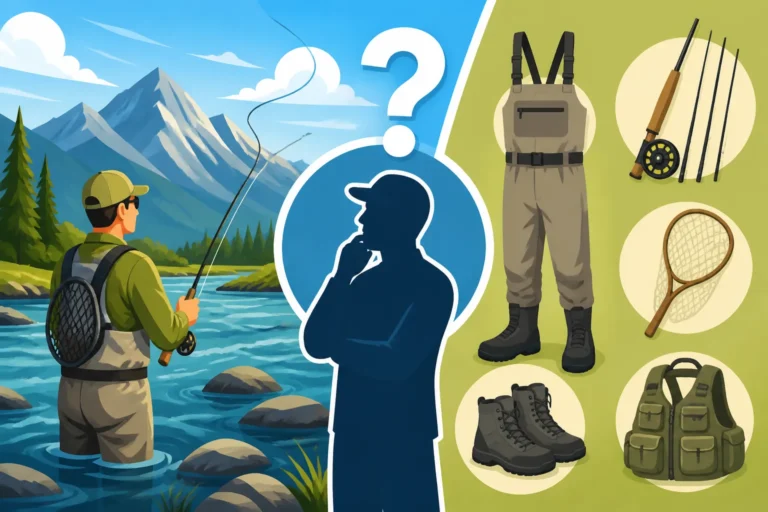
- Waders and Boots: Many guides can provide waders and wading boots if you don't have your own, ensuring you stay dry and comfortable if you want to hop out of the boat for some wade fishing.
- Safety Gear: Life jackets, first-aid kits, and other safety equipment are standard.
This means you can show up with just your fishing license, appropriate clothing, and a positive attitude, leaving the heavy lifting of gear selection and transport to the pros. It really simplifies the planning process, particularly for out-of-state visitors.
Choosing the Right Outfitter and Guide for Your Trip
Finding the perfect guide for your Miracle Mile adventure is key to a successful and enjoyable experience. Just like any service, there's a range of options, and taking the time to research and ask the right questions will pay dividends. You want someone whose style and expertise align with your fishing goals.
Researching Reputable Outfitters and Their Specializations
Start by looking into established fly shops and guide services that operate specifically on the North Platte River, particularly those with a strong presence in the Casper area. These outfitters often have multiple guides on staff, each with their own strengths and personalities. Read online reviews, check out their websites, and see what their past clients have to say. Look for outfitters that emphasize conservation and responsible angling practices.
Consider what kind of experience you're looking for. Do you want a guide who is hyper-focused on catching the biggest fish, or someone who is patient and eager to teach a beginner? Some guides specialize in certain techniques, like advanced nymphing or streamer fishing, while others are great with families or those new to fly fishing. Don't hesitate to call the outfitters directly; a good outfitter will be happy to chat with you about their guides and help match you with the best fit. Reputable services often have guides who know the river year-round, understanding Wyoming Fishing Seasons Month by Month and how they affect fish behavior.
Questions to Ask Before Booking
Once you've narrowed down your choices, don't be shy about asking specific questions before you commit. This ensures there are no surprises and that your expectations are met. Here are some key questions to consider:
- What's included in the trip price? (e.g., lunch, drinks, gear, flies, shuttle service)
- What should I bring? (e.g., specific clothing, sunscreen, sunglasses, fishing license)
- What type of boat will we be using? (Usually a drift boat, but good to confirm)
- What are your cancellation policies? (Important for unexpected weather or travel changes)
- Can you accommodate my skill level (beginner, experienced, etc.)?
- What kind of fishing can I expect at that time of year? (e.g., will we be nymphing, streamer fishing, or hoping for dry flies?)
- Do you have photos or references from recent trips?
- Will I need a Wyoming Conservation Stamp Cost in addition to my license?
A transparent guide or outfitter will gladly answer all these questions, putting your mind at ease. This conversation is also a great opportunity to get a feel for their personality and whether it's a good match for yours. If you're looking for guidance on questions to ask before you book, check out Hiring a Fishing Guide in Wyoming.
Booking Tips and Considerations
Booking your guided trip on the Miracle Mile, especially during peak season (late spring through fall), requires a bit of foresight. Guides and outfitters fill up quickly, sometimes months in advance.
Here are some tips:
- Book Early: As soon as you have your travel dates, reach out to book your guide. This is especially true if you have specific dates or a particular guide in mind.
- Be Flexible: If your schedule allows, having some flexibility with your dates can increase your chances of securing a booking, especially if you're looking for a popular guide.
- Use Reputable Booking Platforms: Websites like FishingBooker can be incredibly helpful for finding available guides, comparing prices, reading reviews, and booking directly. They often provide a convenient way to see various options side-by-side and secure your spot with confidence.
- Consider Off-Peak Seasons: If you're looking for a potentially less crowded experience or slightly lower rates, consider fishing in the shoulder seasons (early spring or late fall). The fishing can still be phenomenal, and you might have more availability.
Always confirm your booking a week or two before your trip, especially if you've made arrangements far in advance. Good communication with your outfitter will ensure a smooth start to your adventure. Many anglers find success using online booking services such as FishingBooker to compare availability and pricing, especially when planning from a distance.
Maximizing Your Guided Miracle Mile Experience
A guided trip is an investment in an experience, and there are definitely ways to ensure you get the absolute most out of your day on the water. It's not just about showing up; it's about engaging, learning, and being prepared.
Preparing for Your Day on the Water
While your guide will handle most of the technical gear, your personal preparation is crucial for comfort and enjoyment. The weather in Wyoming can be notoriously unpredictable, especially along the river corridors.
Consider these essentials:
- Layered Clothing: Dress in layers, even in summer. Mornings can be chilly, but midday can get warm. A good base layer, a fleece or wool mid-layer, and a waterproof/windproof outer shell are a must.
- Sun Protection: The Wyoming sun at altitude is intense. Bring a wide-brimmed hat, polarized sunglasses (essential for seeing fish and protecting your eyes), and plenty of high-SPF sunscreen.
- Snacks and Hydration: While lunch is usually provided, having some extra snacks and plenty of water or other non-alcoholic beverages is always a good idea. Staying hydrated helps you stay focused and energetic.
- Your Fishing License: This is non-negotiable! Make sure you have your current Wyoming fishing license and any required stamps (like the conservation stamp) on your person. If you're wondering, Does Wyoming Require a Physical License Card While Fishing? it's always best to have it accessible.
- Camera: The scenery and the fish are often spectacular. Make sure your camera or phone is charged and protected.
Being well-prepared allows you to focus on the fishing and truly relax, rather than being distracted by discomfort.
Communication and Etiquette with Your Guide
Your guide is a professional whose goal is to give you the best possible day. Good communication and respectful etiquette go a long way in achieving that.
- Be Honest About Your Experience: Let your guide know your skill level upfront. Are you a seasoned pro or a complete beginner? This helps them tailor their instruction and approach to best suit you.
- Ask Questions: Don't be afraid to ask "why?" Why that fly? Why that cast? Why that spot? A good guide loves to teach and explain. This is your chance to learn from an expert.
- Listen to Instructions: When your guide gives advice on casting, mending, or presenting your fly, pay attention. They see the water and the fish from a different perspective and their instructions are based on years of experience.
- Be Mindful of Their Work: Your guide is constantly rowing, spotting fish, tying on flies, and offering advice. Be respectful of their efforts and time. Don't expect them to perform miracles if you're not trying to learn or follow their lead.
- Give Feedback: If something isn't working for you, or if you have a preference (e.g., "I'd really like to try for a big brown even if it means fewer fish"), communicate it respectfully.
Remember, a good guide-client relationship is a partnership. Your willingness to learn and engage will enhance the experience for both of you.
Learning and Improving Your Skills
A guided trip on the Miracle Mile isn't just about catching fish; it's an incredible opportunity for angling education. Take advantage of your guide's expertise to refine your skills and expand your knowledge. Whether you're interested in Nymphing Techniques for Wyoming Tailwaters or improving your casting, they're there to help.
- Observe Closely: Watch how your guide reads the water, anchors the boat, and handles the fish. There's a lot to learn just by observing a professional at work.
- Practice New Techniques: If your guide suggests trying a new casting technique or fly presentation, give it a genuine effort. This is a safe space to experiment and get immediate feedback.
- Understand the Ecosystem: Guides often share fascinating insights into the river's ecology, the life cycles of insects, and the behavior of the fish. This deepens your appreciation for the environment.
- Take Notes (Mental or Physical): Remember the successful fly patterns, the types of water fish were holding in, or the casting tips that clicked for you. This knowledge is invaluable for future solo trips.
By actively participating and having an open mind, you'll walk away from your Miracle Mile trip not only with memories of big fish but also as a more confident and capable angler. Your guide is essentially a personalized fishing tutor, and it's a fantastic investment in your lifelong angling journey. Reading the Wyoming Fishing Regulations Booklet can be daunting, but a guide can break down the practical applications on the water.
Costs and Value of Guided Trips
Let's be real, a guided fishing trip is an investment. It's not the cheapest way to spend a day fishing, but understanding the value you receive for that cost can help you see why so many anglers choose this option, especially on a world-class fishery like the Miracle Mile.
Understanding Pricing Structures
The cost of a guided trip on the Miracle Mile typically varies based on the duration of the trip (half-day vs. full-day) and the number of anglers.
Here’s a general idea of how pricing might break down:
- Full-Day Trips: These are the most common and offer the most comprehensive experience, usually lasting 8+ hours. They include lunch and ample time on the water to explore different sections and techniques.
- Half-Day Trips: A shorter option, usually 4-5 hours, perfect if you have limited time or are new to guided trips. Lunch is typically not included.
- Angler Count: Most prices are set for one or two anglers. Adding a third angler (if the boat can accommodate) will usually incur an additional fee.
Prices can also fluctuate slightly with the season, with peak summer and fall generally being in higher demand. When comparing costs, always ask for a clear breakdown of what's included to avoid hidden fees. Resources like FishingBooker often provide transparent pricing, making it easier to compare different outfitters directly. For a more detailed look at the general costs, you can check out What a Guided Wyoming Fishing Trip Costs.
What Your Investment Covers
When you book a guided trip, you're not just paying for a ride down the river. You're investing in a package of services and expertise that dramatically increases your chances of success and enhances your overall experience.
Your investment typically covers:
- Expert Local Knowledge: Years of experience on the Miracle Mile, understanding fish patterns, prime locations, and effective techniques.
- Professional Equipment: High-quality rods, reels, lines, and an endless supply of flies and lures, all specifically chosen for the day's conditions. This saves you from buying expensive gear you might only use once.
- Drift Boat and Shuttle Service: A safe, comfortable platform for fishing and all the logistical hassles of shuttling vehicles.
- Personalized Instruction: One-on-one coaching on casting, presentation, reading water, and fighting fish.
- Meals and Beverages: Most full-day trips include a hearty lunch and drinks, keeping you energized.
- Safety and Peace of Mind: A licensed and experienced guide ensures your safety on the river and handles any unexpected situations.
- Conservation Education: Many guides are passionate about the resource and will share insights into conservation efforts and proper fish handling.
Considering all these elements, the cost often feels very reasonable for the quality of the experience and the knowledge gained. It's truly a shortcut to understanding this amazing fishery.
Tipping Your Guide: Acknowledging Their Hard Work
Just like in other service industries, tipping your fishing guide is customary and expected. Guides work incredibly hard to ensure you have a great day, often starting long before you arrive (preparing gear, checking conditions) and finishing long after you've left (cleaning up, preparing for the next day).
- Standard Tipping Rate: A common gratuity for a good guide is typically 15-20% of the total trip cost.
- Consider the Effort: If your guide went above and beyond, worked tirelessly in challenging conditions, or provided exceptional instruction, consider tipping on the higher end of that range.
- Cash is King: While some outfitters might allow you to add a tip to a credit card payment, cash is almost always preferred by guides. It's easy for them to access and shows direct appreciation.
Think of it as acknowledging their dedication, expertise, and the long hours they put in. It's a significant part of their income and a way to say "thank you" for an unforgettable day on the water. For more details on this important topic, be sure to read Tipping Etiquette for Wyoming Fishing Guides.
| Feature | Typically Included on Guided Trip | Typically Not Included (Angler's Responsibility) |
|---|---|---|
| Fishing License | No | Yes (Must purchase separately) |
| Wyoming Conservation Stamp | No | Yes (Must purchase separately if needed) |
| Rods, Reels, Lines | Yes | No |
| Flies, Lures, Bait | Yes | No |
| Waders & Boots | Often (Confirm with guide) | Sometimes (Bring your own if preferred) |
| Streamside Lunch | Yes (Full-day trips) | No (Half-day trips or specific requests) |
| Beverages | Often | Sometimes (Bring extra if desired) |
| Sunscreen | No | Yes |
| Sunglasses | No | Yes (Polarized highly recommended) |
| Hat | No | Yes |
| Rain Gear / Layers | No | Yes (Dress appropriately) |
| Camera | No | Yes |
| Transportation to meeting point | No | Yes |
| Gratuity for Guide | No (Expected separately) | Yes |
Disclaimer
This article is for general informational purposes only and does not constitute professional advice. Laws, prices and regulations vary by location and change over time. Consult a qualified professional for guidance on your specific situation.