How Long a Full-Day Snake River Float Takes
One of the biggest questions I get from folks planning a fishing trip to the majestic Snake River, especially those dreaming of a guided float, is simply, "How long is a 'full day' actually going to take?" It's not just about the hours you're on the water; it's the whole experience from start to finish, and misunderstandings about the total time commitment can really throw a wrench into your vacation plans or lead to feeling rushed. This guide aims to pull back the curtain on what a full-day Snake River float truly entails, so you can plan your adventure with confidence and realistic expectations.
What "Full-Day" Really Means on the Snake River
When an outfitter or guide service advertises a "full-day float trip" on the Snake River, it's easy to assume it means a nice, neat eight hours from the moment your feet touch the boat to when you step off. But the reality is a little more nuanced, and often, quite a bit longer, stretching to a full day of activities. It encompasses far more than just the time you're actively drifting and casting. You've got prep time, shuttle logistics, breaks, and the winding down afterward. Understanding this whole picture is key to truly enjoying your experience and not feeling like you're constantly looking at your watch.
The Core Duration of the Float Itself
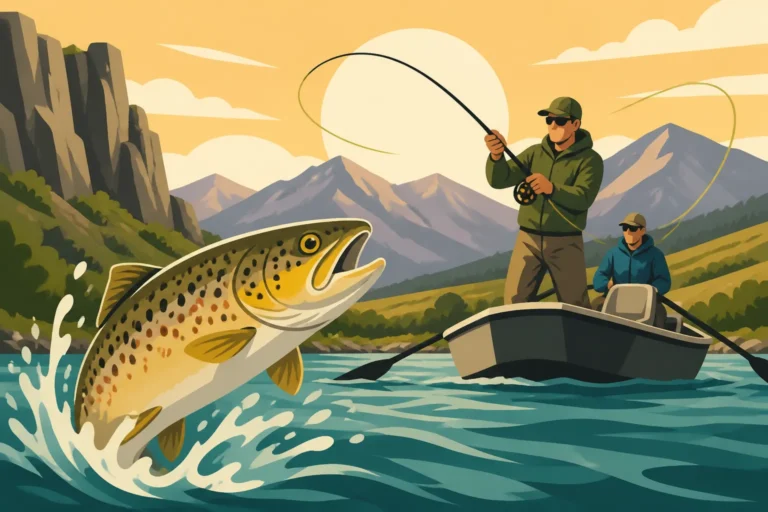
Let's start with the actual time spent floating and fishing on the river. For a full-day trip on the Snake, this generally means anywhere from 6 to 8 hours on the water. This is where the magic happens – casting flies into prime riffles, drifting through quiet pools, and experiencing the incredible scenery of the Jackson Hole valley. However, this isn't a continuous, non-stop drift. Your guide will be actively positioning the boat, stopping to work specific runs, and coaching you through different techniques. The exact duration on the water can vary based on the specific stretch of river you're floating and the flow conditions that day. If you’re targeting larger trout and your guide knows a prime holding spot requires a bit more dedicated time, you might linger a little longer. Conversely, if the fish are spread out and actively feeding, you might cover more ground.
Think of it this way: if you’re floating a classic stretch like from Wilson Bridge down to South Park, that’s a significant amount of river to cover. A good guide will balance the need to cover productive water with allowing you ample time to fish each spot thoroughly. They aren’t just rowing you downstream; they’re navigating, instructing, and often netting fish for you! This active engagement means that while the clock is ticking, the experience is rich and constantly evolving, sometimes making those hours fly by surprisingly fast.
Accounting for Pre-Trip Preparations and Travel
The full-day experience kicks off well before you even see the river. Most guided trips involve a meet-up at a designated location, often a fly shop or an agreed-upon spot in Jackson Hole, typically early in the morning. This initial gathering allows for crucial preparation. You'll discuss the day's plan, get fitted for any necessary gear like waders or boots, and gather your lunch and drinks. This usually adds a good 30 minutes to an hour to your overall day. Many reputable guides, easily found on sites like FishingBooker, prioritize this pre-trip briefing to ensure everyone is on the same page and well-equipped.
After the gear is sorted and plans are confirmed, there's the travel to the launch point. The Snake River has numerous public access points, but getting to the best put-in for the day's conditions and target species might mean a drive of 15 to 45 minutes, depending on where you meet and which stretch of river you're floating. Then, there’s the crucial shuttle for the guide’s vehicle. While you're enjoying the float, your guide's vehicle is being driven from the put-in to the take-out point, a logistical necessity that ensures your transport back at the end of the day. Sometimes the guide does this before the trip, or they might coordinate with another shuttle service. All these seemingly small segments of time quickly add up. If you're staying closer to town, a float launching from, say, the Snake River Canyon section might involve a slightly longer drive than one starting closer to Wilson. It's always a good idea to confirm these logistics with your guide ahead of time, especially if you have other plans later in the day.
Post-Float Wrap-Up and Travel Back
Just as the day begins with preparation, it concludes with a winding-down period. Once you hit the take-out point, you're usually looking at another 30 to 60 minutes for tasks like derigging the boat, packing up fishing gear, and shedding your waders. This is also often a time for celebratory photos, sharing stories of the day's catches (and the ones that got away!), and discussing memorable moments with your guide. It's an important part of the experience, allowing for a relaxed transition from the excitement of the river back to your regular day.
After everything is packed and secured, you'll need to travel back to your original meeting point or your accommodation. This return journey can take another 15 to 45 minutes, again depending on the take-out location and your final destination. So, when you add up the typical 6-8 hours on the water, plus 1-2 hours for pre-trip prep and travel, and another 1-2 hours for post-float wrap-up and return travel, you're realistically looking at a total commitment of 8 to 12 hours for a "full-day" guided float trip on the Snake River. This full duration needs to be factored into your schedule, especially if you have dinner reservations or other activities planned for the evening. When booking, don't hesitate to ask your guide service for a typical end time for their full-day trips. This allows you to plan accordingly, whether you're looking at Snake River Full-Day Float Trip Cost or simply trying to fit it into your vacation itinerary.
Factors Influencing the Length of Your Snake River Float
While the general framework of a full-day float trip remains consistent, several variables can significantly influence how long your specific outing feels and actually lasts. It’s not a one-size-fits-all scenario, and these factors are often discussed with your guide during the initial planning stages or even adjusted on the fly based on conditions and your preferences. Being aware of these elements helps you understand why some days might feel longer or shorter, even when scheduled as a full-day adventure.
Water Levels and Flow Rates
The most impactful natural factor on your float time is the river's water level and flow rate. The Snake River, like many others, experiences seasonal fluctuations. During spring runoff, typically in late May and early June, the river can be high and fast. This means you'll cover ground much more quickly. A stretch that might take 8 hours in slower, late-summer conditions could be covered in 6 or even 5 hours during peak runoff. While the speed of the float increases, the fishing can sometimes be more challenging due to increased turbidity and fish being pushed into slower seams.
Conversely, in late summer and fall, as the snowmelt subsides and the river levels drop, the flow becomes slower. This means your boat will drift at a more leisurely pace, extending the time it takes to cover the same amount of river. Slower flows often mean clearer water and potentially more precise fishing, but the trade-off is that you might spend a longer actual time on the water to complete a designated "full-day" float. Your guide will always take these conditions into account when choosing the optimal put-in and take-out points for your Float Trips on Wyoming's Snake River. They're experts at reading the river and making adjustments to ensure you have the best possible experience, regardless of the current flow.
Your Fishing Style and Guide's Approach
Your personal fishing style and how you interact with your guide can also play a huge role in the day's pacing. Are you a meticulous angler who likes to hit every single eddy and seam, taking your time with each cast and presentation? Or are you more interested in covering ground, seeing a lot of water, and making quick, efficient casts? If you're a keen fly fisherman keen on Fly Fishing Techniques for Wyoming Trout Streams, you might want to spend more time working a particular run.
A good guide will adapt to your preferences. If you want to spend extra time in a productive hole where fish are rising, a guide will likely accommodate. If you prefer to keep moving, they'll row at a steadier pace. Similarly, if your group is constantly hooking fish and spending time fighting and landing them, that naturally adds to the overall duration of the float. On the other hand, a slower fishing day might see the guide covering more water to find active fish, potentially keeping the boat moving more steadily. This dynamic interaction between angler and guide is part of the beauty of a personalized trip. Don't be shy about communicating your expectations and preferences to your guide, either before you start or as the day progresses. They're there to make your day enjoyable, and that includes adjusting the pace. Many will have a rough itinerary, but they are also flexible.
Lunch Breaks and Shoreline Stops
A full-day float is not just about continuous fishing; it also includes essential breaks for sustenance and sometimes just to stretch your legs. Virtually all full-day trips include a shore lunch. This isn't just a quick sandwich tossed at you in the boat; guides often pull over to a scenic bank, set up a comfortable spread, and provide a delicious meal, often with a view that rivals any five-star restaurant. This lunch break can last anywhere from 45 minutes to a full hour, sometimes even longer if the weather is perfect and the conversation is flowing.
Beyond lunch, your guide might suggest other stops. Perhaps there’s a particularly interesting stretch of water that fishes better on foot, offering an opportunity for Wade Trips vs Float Trips in Jackson Hole, Wyoming. Or maybe you just need a quick break to use facilities, snap some photos of the stunning Tetons, or observe wildlife along the banks. These shoreline stops are an integral part of the full-day experience, allowing for rest, refueling, and soaking in the incredible environment. While they add to the overall time, they significantly enhance the quality of your day. So, when thinking about "how long" the float takes, remember to factor in these delightful interruptions that make the day truly special.
Planning Your Day: Maximizing Enjoyment and Managing Expectations
Understanding the nuances of a full-day float is the first step, but proactive planning and communication are what truly ensure you have an incredible experience on the Snake River. Nobody wants to feel rushed or, conversely, be left twiddling their thumbs. By anticipating the rhythm of the day and knowing how to communicate with your guide, you can fine-tune your trip to match your desires perfectly.
Typical Itinerary for a Full-Day Float
While every trip can vary, a typical full-day Snake River float generally follows a predictable pattern, allowing you to mentally prepare for the flow of the day:
- Early Morning Meet-up (7:00 AM – 8:00 AM): You'll usually meet your guide at a designated fly shop or lodge in the Jackson Hole area. This is where you'll finalize paperwork, get any last-minute gear, discuss the day's game plan, and ensure you have your Wyoming Fishing License Guide for Nonresidents (or resident equivalent) and The Wyoming Conservation Stamp and What It Covers in hand.
- Travel to Put-In (8:00 AM – 8:45 AM): After the initial briefing, you'll load up and drive to the chosen launch point on the river. This might be a popular access like South Park, Wilson, or closer to the Fishing Wyoming's Snake River Below Jackson Lake Dam area, depending on conditions and your guide's strategy.
- On the Water Fishing (8:45 AM – 12:30 PM): The first major block of fishing begins. You'll spend these hours drifting, casting, and actively engaging with the river, often covering several miles of prime water.
- Shore Lunch (12:30 PM – 1:30 PM): Your guide will pull the boat over to a scenic spot for a well-deserved break and a delicious riverside meal. This is a chance to relax, refuel, and swap stories.
- Afternoon Fishing (1:30 PM – 4:30 PM): After lunch, it's back to the water for the second half of your fishing adventure. The light and conditions change, offering new opportunities.
- Travel to Take-Out & Wrap-Up (4:30 PM – 5:30 PM): As the afternoon progresses, you'll approach the designated take-out point. The guide will de-rig the boat, pack up gear, and you'll say your goodbyes, possibly with photos of your prize catches.
- Return Travel (5:30 PM – 6:00 PM): Finally, you'll be driven back to your original meeting point or accommodation.
This itinerary paints a clear picture: while the active fishing hours are substantial, the surrounding logistics and breaks are vital components of the "full day." If you're curious about what else might be on the menu, refer to What's Included in a Wyoming Snake River Guided Float Trip.
What to Communicate with Your Guide
Effective communication with your guide is paramount to a successful and enjoyable full-day trip. Don't assume your guide knows exactly what you want out of the day. Be clear about your priorities, even before you book. When you’re looking at guides, perhaps through a platform like FishingBooker, don’t hesitate to use their messaging system to ask about specific expectations.
Here are a few things you should consider discussing:
- Pacing: Do you prefer a relaxed pace with plenty of breaks, or are you eager to maximize fishing time?
- Target Species/Techniques: Are you keen on catching specific fish, or trying particular fly patterns? On the Snake, the focus is often on various cutthroat subspecies, but communicating if you’re hoping for a different experience helps.
- Experience Level: Let them know if you're a seasoned pro or a complete beginner. Guides are excellent teachers, and knowing your skill level allows them to tailor instruction.
- Physical Limitations: If anyone in your party has mobility issues or needs extra breaks, inform your guide so they can plan accordingly.
- Time Constraints: If you absolutely need to be back by a certain time for a flight or other engagement, make this clear upfront. While guides strive to accommodate, some itineraries are less flexible than others.
A good guide thrives on this information, allowing them to customize the experience to create lasting memories. They’ll often adjust their Best Drift Boat Technique for Fly Fishing Rivers based on your skill and preference.
When a Half-Day Might Be a Better Fit
Sometimes, after considering the full scope of a "full-day" float, you might realize that a half-day trip is actually a better fit for your schedule or preferences. A Half-Day vs Full-Day Float Trips on Wyoming's Snake River typically offers about 3-4 hours of active fishing time, plus the necessary travel and prep. This usually means a total commitment of 4-6 hours from start to finish.
Consider a half-day if:
- You're Traveling with Young Children: Kids often have shorter attention spans, and a full day on the water, even with breaks, can be too much. Kid-Friendly Fishing Guides in Jackson Hole often recommend half-day options.
- You Have Other Activities Planned: If your vacation itinerary in Jackson Hole is packed with hiking, wildlife tours, or exploring nearby Fishing Spots Inside Grand Teton National Park, Wyoming, a half-day trip allows you to fit fishing in without sacrificing other adventures.
- You're New to Fishing/Floating: For absolute beginners, a shorter introduction to river fishing can be less overwhelming and still highly rewarding. It gives you a taste without the full commitment.
- You Prefer to Fish in Short Bursts: Some anglers simply prefer intense bursts of fishing rather than an all-day affair.
- Budget Considerations: Generally, a half-day trip will be less expensive than a full-day trip, making it a more accessible option for some.
Ultimately, whether you choose a full-day or a half-day, the goal is to have an unforgettable experience on the Snake River. By understanding the time commitment involved and communicating openly with your chosen Hiring a Fishing Guide in Wyoming, you're well on your way to a perfect day on the water.
Comparing Float Times: Full-Day vs. Half-Day
To really drive home the difference and help you visualize the time commitment, let's lay out a typical comparison between a full-day and a half-day guided float on the Snake River. This isn't just about the time you're casting; it's about the entire slice of your vacation day that will be dedicated to this incredible experience. This table will help you decide which option aligns best with your personal energy levels, travel companions, and overall vacation schedule.
| Feature | Full-Day Guided Float | Half-Day Guided Float |
|---|---|---|
| Total Time Commitment | 8-12 hours (including travel, prep, wrap-up) | 4-6 hours (including travel, prep, wrap-up) |
| Active Fishing Time | 6-8 hours on the water | 3-4 hours on the water |
| Meet-up Time (Approx.) | Typically 7:00 AM – 8:00 AM | Typically 7:00 AM – 8:00 AM OR 1:00 PM – 2:00 PM |
| Key Inclusions | Extensive river coverage, shore lunch, all gear | Focused river coverage, usually no formal lunch, all gear |
| Pace | More relaxed, ample time for specific spots, breaks | More focused, direct fishing, fewer prolonged stops |
| Ideal For | Dedicated anglers, those wanting deep immersion, full experience | Beginners, families with young children, those with other plans |
| Typical End Time (Approx.) | 4:00 PM – 6:00 PM | 11:00 AM – 1:00 PM OR 5:00 PM – 7:00 PM |
As you can see, the "half" in half-day truly cuts the total time commitment significantly. This allows for a morning float and an afternoon free, or vice-versa, which can be invaluable when you're trying to pack a lot into a Wyoming vacation. While the full day offers a more immersive experience, the half-day is a fantastic option for getting a taste of the Snake River's renowned fishing without dedicating your entire day to it.
Understanding the time commitment is crucial, not just for scheduling but also for appreciating the value. The cost of a guided trip covers not just the boat and the guide's expertise, but all these logistical elements that make the day smooth and enjoyable. Whether you're researching options on a booking site or directly with a local outfitter, this comparison should give you a clearer picture of what to expect for Guided Fly Fishing Trips in Jackson Hole, Wyoming. No matter your choice, a day on the Snake River is an experience you won't soon forget!
Disclaimer
This article is for general informational purposes only and does not constitute professional advice. Laws, prices and regulations vary by location and change over time. Consult a qualified professional for guidance on your specific situation.