Do You Need Your Own Waders for a Float Trip?
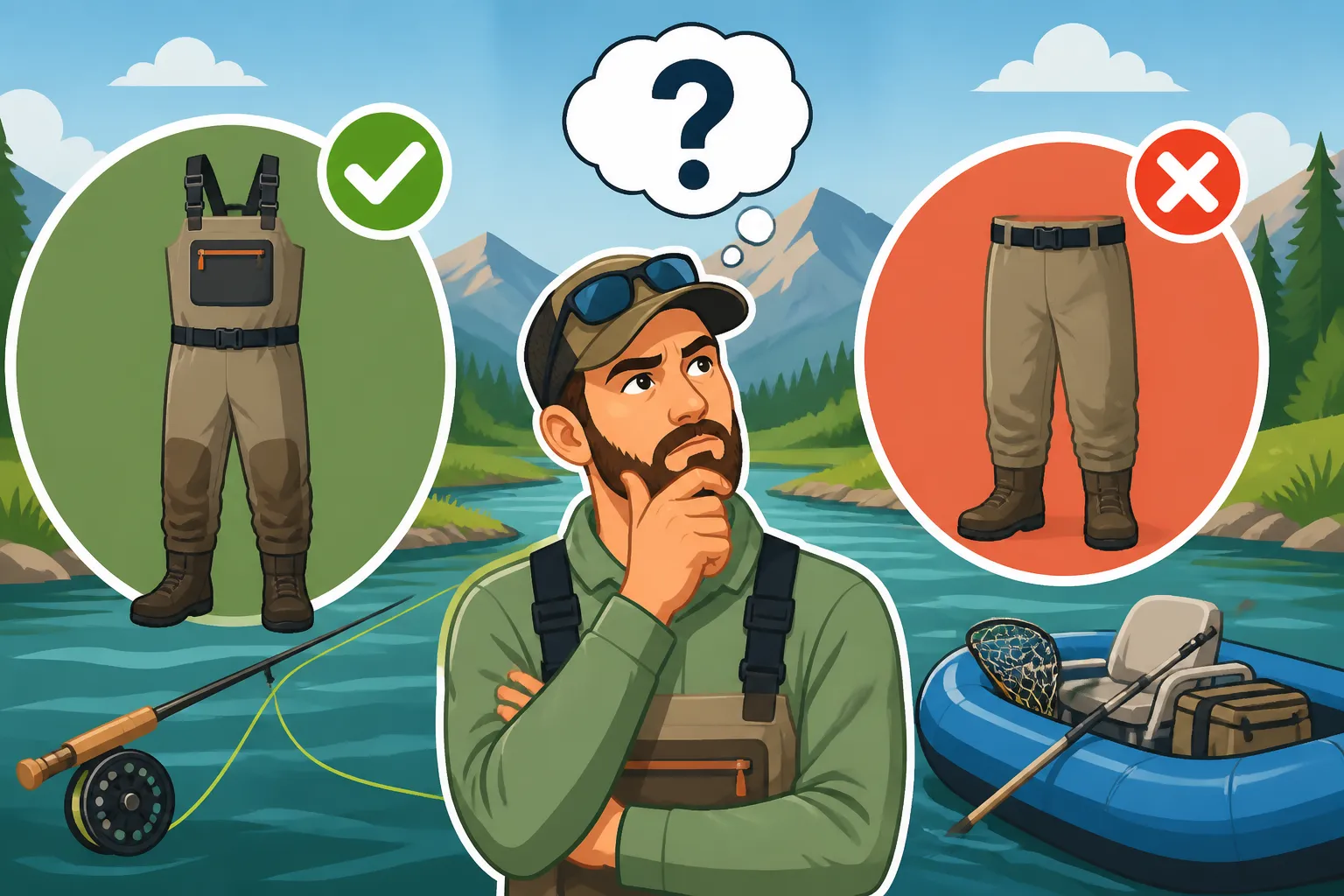
You’ve finally booked that dream Wyoming fishing float trip – images of pristine rivers, massive trout, and stunning mountain backdrops are dancing in your head. But then, as you start packing, a cold dread sets in: what about waders? Do you really need to haul your bulky, often heavy waders and boots all the way to Wyoming, especially if you're flying? It’s a common dilemma, and one that can cause unnecessary stress before what should be a relaxing adventure. This guide will walk you through the ins and outs of waders for your Wyoming float trip, helping you understand when they're essential, when your guide might provide them, and how to make the best decision for your comfort and convenience.
The Indispensable Role of Waders on a Wyoming Float Trip
When you picture a float trip, you might envision staying cozy and dry in a drift boat or raft the entire time, casting effortlessly. While that's certainly part of the experience, the reality of fishing Wyoming's renowned rivers often involves getting out of the boat. This is where waders become not just convenient, but truly indispensable.
Staying Warm and Dry: More Than Just Comfort
Wyoming's rivers, like the Snake, the Green, or the famous North Platte, are fed by snowmelt and mountain springs. This means the water is cold, even in the heat of summer. While your guide might navigate you through calm stretches, there will undoubtedly be times you need to step out of the boat. Perhaps it's to steady the boat in a shallow riffle, to help land a particularly feisty trout, or to access a prime piece of water that's better fished on foot. Getting soaked in cold water, especially when the air temperature might still be crisp (Wyoming mornings are legendary!), can quickly turn a fantastic day into a miserable one.
Beyond just avoiding a chill, staying dry in waders is a matter of sustained comfort and energy. Being wet and cold saps your body heat and can make you feel sluggish, shortening your patience and enjoyment on the water. Even if you're only in the water for a few minutes at a time, those cumulative exposures to cold can add up. A good pair of waders, combined with appropriate layers underneath, acts as your personal environmental control system, allowing you to focus on the fishing rather than shivering. For more general advice on what to pack, check out What to Bring on a Guided Wyoming Fishing Trip.
Navigating the River: Wading for Optimal Casting and Fish Play
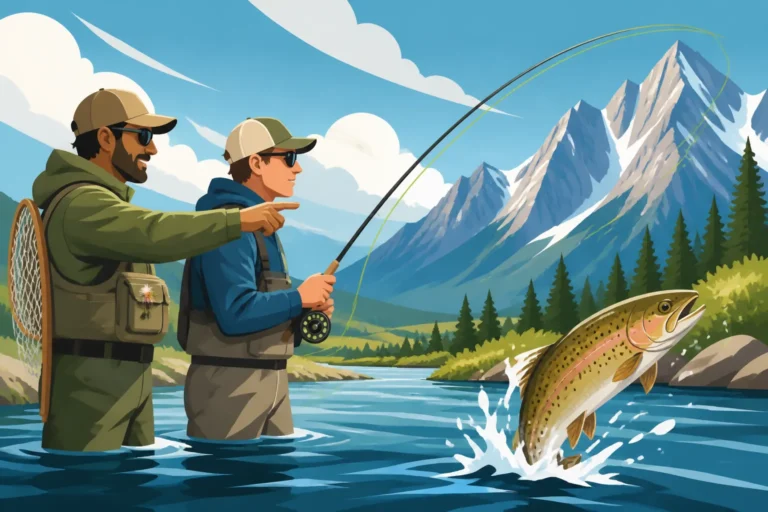
A float trip, particularly a fly-fishing focused one, is rarely just about sitting in the boat and casting. Experienced guides will often pull over at specific spots – a productive riffle, a deep eddy, an undercut bank – that are best accessed by wading. These "wade-fishing" opportunities allow you to position yourself precisely, make more accurate casts, and present your fly or lure in ways that are difficult from the confines of a boat. Imagine trying to cast upstream into a tricky pocket or carefully work a nymph rig through a seam from a moving boat; it’s often much more effective, and enjoyable, to anchor the boat and step out.
Furthermore, once you hook into a big fish, whether it's a powerful rainbow or a tenacious brown trout, the fight can take you places. Sometimes, the best way to land a strong fish is to step out of the boat and follow it downriver a bit, reducing the angle on your line and keeping the fish from wrapping around submerged obstacles. Waders make this kind of dynamic angling possible and comfortable, enhancing your chances of successfully bringing that trophy to the net. If you're debating between different types of trips, you might want to consider Wade Trips vs Float Trips in Jackson Hole, Wyoming for a clearer understanding.
What to Expect from Your Guided Trip: Guide-Provided Gear
The good news for many traveling anglers is that reputable Wyoming fishing guides understand the logistical headaches of flying with oversized gear. Therefore, they often make provisions for essential equipment like waders.
The Standard Practice: Most Reputable Guides Have You Covered
It's a common, and very welcome, practice among many Wyoming fishing guides to provide waders and wading boots as part of their service, especially for float trips. They want you to have the best possible experience, and that means being comfortable and properly equipped. Imagine arriving at the river, only to find your waders didn't quite make the flight or worse, they leak! Guides mitigate this risk by having a selection of well-maintained gear available for their clients.
This inclusion is a huge convenience, saving you not only the cost of baggage fees but also the stress of packing and transporting bulky items. Often, the guide will carry a range of sizes, from small to XXL, to accommodate most anglers. They usually provide quality wading boots as well, which are just as critical for safe wading on slippery river bottoms. When you're researching potential trips, platforms like FishingBooker often allow guides to list what equipment is included in their trip packages, giving you a clear idea upfront. If you're looking into specific types of trips, information about what's generally included, like for a Snake River Full-Day Float Trip Cost, will usually outline gear provisions.
The Importance of Communication: Ask Before You Go!
While many guides do provide waders, it is absolutely crucial that you never assume. Every outfitter operates a little differently, and policies can vary. The last thing you want is to arrive at the launch point only to discover you needed to bring your own, or that the provided gear doesn't fit! Always, always confirm directly with your guide or the booking outfitter what gear they supply.
Here are some specific questions you should ask:
- "Do you provide waders and wading boots for clients?"
- "What sizes do you typically have available? I wear a [your size] wader and [your boot size] shoe." (Give them your street shoe size, as wading boots often run slightly larger to accommodate thick socks.)
- "Are the waders breathable or neoprene?" (Breathable is generally preferred for comfort in varied temperatures.)
- "Is there any additional charge for using your waders?" (Most don't, but it's good to clarify.)
- "How do you clean and maintain your waders between trips?" (For hygiene and comfort, this is a fair question).
A good guide, particularly one you've found through a reliable service like FishingBooker, will be happy to answer these questions and ensure you're well-prepared. This upfront communication will eliminate any gear-related anxieties and allow you to fully enjoy your upcoming adventure. For guidance on selecting a professional, consider How to Choose a Wyoming Fishing Guide.
Weighing Your Options: When Personal Waders Are Preferred
Even with the convenience of guide-provided waders, there are compelling reasons why some anglers prefer to bring their own. It really boils down to a blend of personal preference, comfort, and specific needs for the trip.
Comfort and Fit: The Personal Touch
Let's be honest, few things can ruin a day on the river faster than ill-fitting gear. Rental waders, no matter how well-maintained, are typically a compromise. They might be too baggy, too tight, too long, or too short, leading to chafing, restricted movement, or awkward bunching. When you're spending hours on the water, potentially walking, casting, and fighting fish, comfort is paramount. Your own waders are broken in, they fit you perfectly, and you know exactly how they move with your body.
Beyond the basic fit, personal waders often come with features you've specifically chosen for your angling style: strategically placed pockets for fly boxes and tools, reinforced knees for kneeling, or integrated gravel guards that perfectly seal with your wading boots. These small details, when accumulated over a full day or a Multi-Day Guided Fishing Trips in Wyoming, make a significant difference in your overall experience. The same goes for wading boots – a comfortable, supportive pair that you know and trust can prevent blisters, provide better traction, and make wading feel much more secure. For general attire advice, don't forget to check out What to Wear on a Wyoming Guided Fishing Trip.
Hygiene and Familiarity: Your Gear, Your Peace of Mind
Another factor that drives many anglers to bring their own waders is hygiene. While reputable guides thoroughly clean and dry their rental gear between clients, there's always a certain peace of mind that comes with knowing your waders have only ever been worn by you. This is a personal preference, of course, but for some, it's a non-negotiable aspect of comfort.
Familiarity with your equipment also plays a huge role. When you're focused on the fishing, the last thing you want is to be fumbling with unfamiliar buckles, zippers, or pocket configurations. Your own gear is an extension of yourself; you know where everything is, how it functions, and how to quickly adjust it on the fly. This seamless interaction with your equipment allows you to concentrate fully on reading the water, presenting your fly, and enjoying the natural beauty of Wyoming. If you are learning new skills, such as Best Guides for Teaching Beginners to Fly Fish, you want to eliminate as many distractions as possible, and comfortable, familiar gear helps immensely.
Preparing for Your Trip: Essential Gear Beyond Waders
While waders are a big part of the comfort equation for a Wyoming float trip, they're certainly not the only piece of gear you'll need to consider. Wyoming weather is famously unpredictable, and being prepared for all conditions is key to a successful and enjoyable outing.
Layers, Rain Gear, and Sun Protection: Dressing for Wyoming's Whims
Even with the best waders, what you wear underneath them is critical. Layers are your best friend in Wyoming. Think quick-drying base layers (synthetics or wool, never cotton!), a fleece or down mid-layer for warmth, and then your waders over top. Mornings can be quite chilly, even in mid-summer, while afternoons can warm up significantly. Being able to shed or add layers as the day progresses is crucial for staying comfortable.
Beyond waders, a high-quality rain jacket and rain pants (worn over or under your waders, depending on the design) are non-negotiable. Wyoming can deliver sudden thunderstorms or persistent drizzles with little warning, and being wet from the waist up can be just as miserable as being wet from the waist down. Don't skimp on sun protection either! The high altitude means stronger UV rays. A wide-brimmed hat, polarized sunglasses (essential for spotting fish and protecting your eyes), and plenty of high-SPF sunscreen are vital. Remember that even on cloudy days, the sun can be intense. For more details on what to layer, refer to What to Wear on a Wyoming Guided Fishing Trip.
Other Must-Haves: License, Snacks, and Photography Gear
Beyond clothing and waders, there are a few other absolute essentials for your Wyoming float trip:
- Fishing License: This is non-negotiable. Make sure you have the appropriate Wyoming fishing license and any necessary stamps (like the Conservation Stamp) purchased before your trip. Your guide cannot sell you a license on the spot. You can learn more about this by checking Do You Need Your Own Fishing License for a Guided Trip?.
- Water and Snacks: While many guides provide water and sometimes lunch, always bring extra hydration and a few of your favorite non-perishable snacks. Fishing is hungry work, and having a little something to munch on can keep your energy levels up.
- Camera: You'll want to capture those breathtaking views and memorable catches! Consider a waterproof camera or a waterproof case for your phone.
- Personal Medications: If you have any essential medications, keep them in a readily accessible, waterproof bag.
- Small Day Bag: Even if your guide provides most gear, a small, dry bag or backpack to keep your personal items (phone, wallet, keys, extra layers, snacks, camera) organized and protected from spray or rain is a wise choice.
Even if you're a seasoned angler, reviewing the Wyoming Fishing Seasons Month by Month and specific Fly Fishing Techniques for Wyoming Trout Streams can help you tailor your smaller gear choices to the conditions you might encounter.
Making the Decision: A Practical Checklist
Deciding whether to bring your own waders or rely on your guide's supply involves considering several factors specific to your trip and personal preferences.
Assessing Your Trip Type and Duration
The nature of your trip greatly influences the wader decision. If you're going on a casual, single-day scenic float trip where the emphasis is more on enjoying the views and perhaps only dabbling a little in fishing, relying on guide-provided waders might be perfectly adequate. These trips often involve less intensive wading.
However, if your trip is a dedicated, multi-day angling expedition, especially one focused on specific techniques like fly fishing on the Wyoming's North Platte River Fishing Guide, where you expect to be in and out of the boat frequently and wading challenging sections, then the comfort and reliability of your own, perfectly-fitted waders become a much stronger argument. On longer trips, even minor discomforts from ill-fitting gear can compound and significantly detract from the experience.
Consulting Your Budget and Logistics
Another major consideration is your travel logistics and budget. If you're flying, especially with multiple connections, the added weight and bulk of waders and boots can incur significant baggage fees. These costs can sometimes outweigh the peace of mind of having your own gear. Weigh the cost of potential extra baggage against the value you place on personal comfort and familiarity. If you're driving, the logistical hassle is minimal, making it easier to justify bringing your own.
It's also worth considering the cost of not bringing your own if your guide doesn't provide them, or if their rental fee is substantial. Sometimes, renting locally from a fly shop might be an option, but availability and sizing can be unpredictable. When researching, check out guide profiles on platforms like FishingBooker, where details on included gear and any potential rental fees are usually clearly laid out. This can help you compare options and make a financially savvy decision.
Here's a quick comparison to help you weigh the pros and cons:
| Feature/Consideration | Guide-Provided Waders | Your Own Waders |
|---|---|---|
| Convenience | High (no packing/lugging) | Low (extra baggage, bulk) |
| Cost | Generally included (confirm!) | Initial purchase cost, potential baggage fees |
| Fit & Comfort | Varies (standard sizes, not custom) | Optimal (custom fit, broken in) |
| Hygiene | Cleaned, but used by others | Personal, exclusive use |
| Familiarity | New gear, might need adjustments | Known functionality, no surprises |
| Maintenance | Guide's responsibility | Your responsibility (drying, repairing) |
| Best For | Casual trips, first-timers, flying anglers | Avid anglers, multi-day trips, specific needs, driving anglers |
Conclusion
Ultimately, whether you need to bring your own waders for a Wyoming float trip boils down to a personal decision, heavily influenced by your trip's nature, your comfort preferences, and your travel logistics. For many, especially those flying in or new to guided trips, relying on the guide's provided waders is a perfectly viable and convenient option. Most reputable guides are well-equipped and aim to ensure your comfort.
However, for the seasoned angler who values precise fit, utmost comfort, and the peace of mind that comes with their own gear, making the effort to bring your personal waders will often enhance the overall experience. The most crucial takeaway, regardless of your decision, is to communicate clearly with your guide or outfitter well in advance. Confirm their policy on waders and boots, inquire about sizes, and understand what to expect. This simple step will eliminate any last-minute stress and ensure you're perfectly outfitted for an unforgettable day of fishing on Wyoming's magnificent waters.
Disclaimer
This article is for general informational purposes only and does not constitute professional advice. Laws, prices and regulations vary by location and change over time. Consult a qualified professional for guidance on your specific situation.