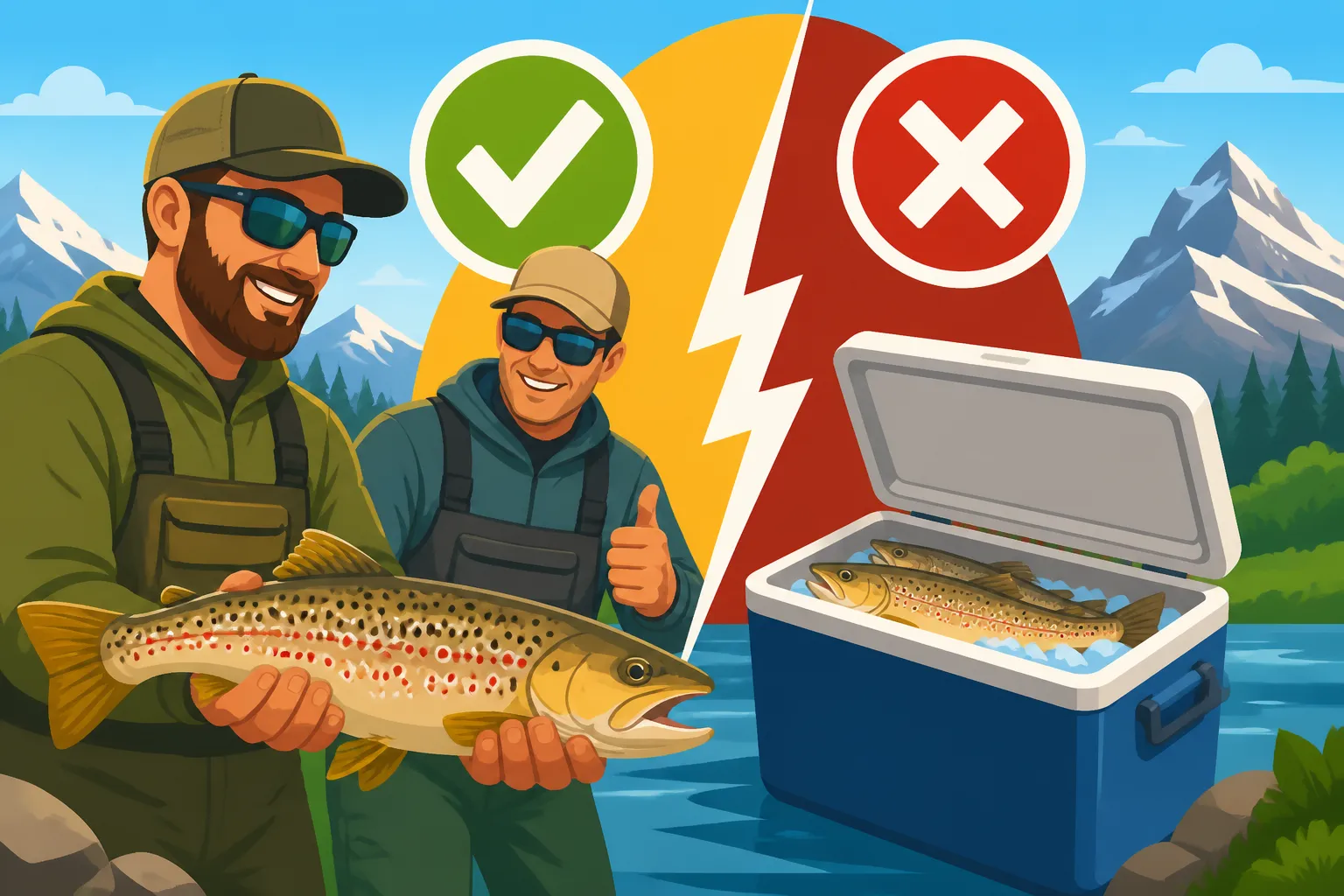
Do Guides Allow You to Keep Your Catch?
One of the most common questions I hear from folks planning a fishing trip to Wyoming with a guide is whether they'll actually get to keep the fish they catch. It’s a completely valid concern! After all, part of the joy for many anglers is bringing home a fresh meal, but the reality is that many guided trips, especially in places renowned for their wild trout, lean heavily towards catch-and-release. This guide will help you understand the nuances of keeping your catch when fishing with a Wyoming guide, so you can set your expectations right and communicate effectively before you even cast a line.
Understanding the "It Depends" of Keeping Fish with a Guide
When it comes to keeping your catch on a guided fishing trip in Wyoming, the simplest answer is often, "it depends." This isn't meant to be frustratingly vague, but rather reflects the wide variety of fishing experiences available and the many factors at play. Unlike some charter operations on coastal waters where the expectation is almost always to fill a cooler, Wyoming's inland fisheries, particularly its blue-ribbon trout streams, often have a strong conservation ethic woven into the guiding practice.
Many guides, especially those specializing in fly fishing for wild trout, operate under a strict catch-and-release policy. This isn't just a personal preference; it's often a commitment to preserving the fishery that provides their livelihood and ensures future generations of anglers can enjoy the same incredible resource. Imagine guiding clients day after day on a pristine section of the North Platte River where trophy brown trout thrive. If every client kept their limit, those trophy fish would disappear remarkably quickly. The goal for these trips is the experience of hooking, fighting, and safely releasing these magnificent wild fish, leaving them to spawn and grow bigger.
On the other hand, there are plenty of guides and fishing opportunities in Wyoming where keeping a legal limit of fish for the dinner table is absolutely encouraged and is part of the experience. This is especially true for species like walleye, kokanee salmon, or even certain trout species in specific reservoirs where population management might even encourage harvest. For instance, on large reservoirs where non-native species are abundant, or in some cases, where a put-and-take fishery is maintained, keeping fish is often part of the fun. So, the key is knowing what kind of experience you're looking for and finding a guide whose philosophy and the specific waters they fish align with that desire.
Key Factors Influencing Keep-or-Release Decisions
Several important factors come into play when determining whether you'll be able to keep your catch on a guided trip. These aren't just arbitrary rules; they're in place for sound ecological reasons, guide ethics, and sometimes, even practical considerations.
Species and Waterbody Regulations
Wyoming has incredibly diverse fisheries, and the regulations vary significantly depending on the species you're targeting and the specific body of water you're fishing. It's not a one-size-fits-all rule. For example, some trophy trout streams might have strict catch-and-release rules or highly restrictive slot limits, meaning you can only keep fish within a very narrow size range, if any at all. Conversely, a large reservoir known for its walleye population might have generous bag limits designed to encourage harvest and help manage the fish numbers.
You'll find that in many of Wyoming's famed trout waters, especially those designated as "blue-ribbon" fisheries, the emphasis is almost exclusively on catch-and-release. This includes popular spots on the North Platte River Fishing Guide or certain stretches of the Snake River Fishing Guide. These regulations are meticulously laid out in the Wyoming Game and Fish Department's annual fishing regulations booklet, which your guide will be intimately familiar with. Understanding How Bag and Possession Limits Work in Wyoming is critical, even when fishing with a guide, as you're ultimately responsible for adhering to these rules. In some waters, like sections of the Snake River, there might even be specific rules encouraging the harvest of certain trout to protect native species. New Snake River Trout Limits Near Jackson Lake Dam is a good example of how these specific regulations can change.
Guide's Philosophy and Business Model
Many guides view themselves as stewards of the environment, and their guiding philosophy strongly dictates their catch-and-release policies. For a guide who has spent decades cultivating a reputation for putting clients on large, healthy wild trout, the idea of clients keeping those fish might go against their core values. Their business is often built on the premise of providing a world-class catch-and-release experience, focusing on the thrill of the fight and the beauty of the fish, rather than the dinner plate.
These guides will often provide all the necessary gear for safe catch-and-release, including barbless hooks, knotless nets, and tools for quick and efficient unhooking. They'll also educate you on proper fish handling techniques to minimize stress and maximize survival rates. When you're looking for a guide, particularly through platforms like FishingBooker, pay close attention to their descriptions. Many will explicitly state their catch-and-release policy upfront, especially if it's strictly enforced. If you’re hiring a guide for Guided Fly Fishing Trips in Jackson Hole, Wyoming, it’s likely to be catch and release.
Conversely, guides specializing in species like walleye or perch, particularly on lakes like Wyoming's Boysen Reservoir Fishing Guide or Wyoming's Flaming Gorge Reservoir Fishing Guide, often cater to clients who want to harvest fish. For these trips, the guide might even provide filleting services or advise on the Best-Tasting Fish to Keep From Wyoming Waters. Their business model supports a different kind of angling experience where bringing home a bounty is a celebrated part of the adventure.
Conservation Goals and Invasive Species Management
Sometimes, keeping your catch isn't just allowed; it's encouraged, or even mandated, for conservation reasons. This is particularly true in cases of invasive species. For example, if you're fishing in Yellowstone Lake, the regulations are very clear: any lake trout caught must be killed and cannot be released. This is because lake trout are an invasive species threatening the native Yellowstone cutthroat trout. While Yellowstone National Park has its own set of rules, the principle can apply to other waters in Wyoming where invasive species are present. Learning What Happens If You Catch an Invasive Species in Wyoming is important for any angler.
Even for native or well-established species, harvest can be part of a larger management strategy. In some reservoirs, fish populations can become overabundant, leading to stunted growth or ecological imbalance. In these scenarios, Wyoming Game and Fish might liberalize bag limits to encourage anglers to keep more fish, thereby helping to thin the population and improve the overall health of the fishery. Your guide will be well-versed in these specific local regulations and can explain the rationale behind them.
Communicating Your Preferences Before Booking
The absolute best way to ensure your guided trip meets your expectations regarding keeping fish is to have a clear conversation with your guide before you book. Don't assume anything, and don't be shy about asking. It's far better to clarify upfront than to be disappointed or cause an awkward situation on the water.
What to Ask Your Prospective Guide
When you're researching guides, whether it's through their personal website, a referral, or a booking platform like FishingBooker, make sure to ask direct questions about their catch-and-release policy. Here are a few examples of what you might say:
- "My group is hoping to bring home some fish for dinner. Is that generally allowed on your trips, and if so, what species and quantities?"
- "I understand the importance of conservation, but I'm curious about your policy on keeping fish. Are there certain trips or times of year where harvest is an option?"
- "I see that you specialize in fly fishing for wild trout; does that typically mean catch-and-release only, or are there circumstances where we could keep a legal limit?"
- "We're interested in targeting walleye/kokanee salmon on [specific lake]. What are the typical bag limits, and do you encourage clients to keep their catch on those trips?"
Be prepared for different answers, and respect the guide's policy. If their conservation ethic means strictly catch-and-release on the waters they fish, and you absolutely want to keep fish, it might be a sign that they're not the right guide for that particular goal. You might need to seek out a different guide or a different type of trip altogether.
Distinguishing Between Catch-and-Release and Harvest-Oriented Trips
Many guides offer different types of trips, or at least operate on waters with varying regulations. It's helpful to understand the general distinction:
| Feature | Catch-and-Release Focused Trips | Harvest-Oriented Trips |
|---|---|---|
| Primary Goal | Sporting challenge, photography, fish conservation, skill building | Bringing home table fare, filling a cooler, family meal |
| Target Species (Common) | Wild Trout (Rainbow, Brown, Cutthroat, Brook), Trophy Fish | Walleye, Kokanee Salmon, Perch, Panfish, Stocked Trout |
| Typical Waters | Blue-ribbon trout streams, high-alpine lakes, specific river sections | Large reservoirs, put-and-take ponds, lakes managed for harvest |
| Gear Focus | Barbless hooks, knotless nets, quick-release tools | Live bait, treble hooks (if legal), cooler space, filleting equipment |
| Guide Philosophy | Strong emphasis on resource preservation, "leave no trace" | Focus on fishfinding, productivity, and client satisfaction with harvest |
| Common Guides | Fly fishing guides, specialty trophy outfitters | Conventional gear guides, ice fishing guides (for certain species) |
Sometimes, a guide might even offer a hybrid approach. For instance, they might encourage catch-and-release for larger, wilder trout but allow you to keep smaller, stocked rainbow trout for dinner. Or, on a multi-species trip, they might have different rules for different fish. The key takeaway here is that clarity is your friend. A good guide will appreciate your directness and help you find the best fit for your expectations.
Handling Your Catch: Responsible Angling Practices
Whether you're keeping your fish or releasing it, responsible angling practices are paramount. A professional guide will always demonstrate and emphasize these techniques, but it's good for you to be aware of them.
Proper Catch-and-Release Techniques
If your trip is catch-and-release, which many Wyoming trout trips are, your guide will be a master of minimal-impact handling. They'll teach you how to:
- Land fish quickly: Minimize the fight time to reduce stress.
- Keep fish in the water: Whenever possible, unhook fish while they are still submerged. This protects their delicate slime coat and gills.
- Use wet hands: If you must handle the fish, wet your hands thoroughly first to avoid rubbing off their protective slime.
- Avoid squeezing: Never squeeze a fish, especially around its belly or gills.
- Use barbless hooks: These are often required on many Wyoming waters for good reason—they make unhooking quick and easy, causing less damage. Even if not required, many guides prefer them. You can learn more about Barbless Hook Requirements on the North Platte River.
- Revive tired fish: Hold the fish gently facing into a current (or move it back and forth gently if no current) until it regains strength and swims away on its own.
Practicing these techniques ensures that the fish you release have the best possible chance of survival, contributing to the health of the fishery for future enjoyment. This is especially important for the highly sought-after Cutthroat Trout Fishing in Wyoming.
Preparing Your Catch for Transport
If you are on a harvest-oriented trip and have kept your legal limit, your guide will assist you in preparing the fish for transport. This usually involves bleeding the fish out immediately, which improves the quality of the meat, and then placing them on ice in a cooler.
- Bleeding: A quick cut to the gills allows the fish to bleed out, which can prevent the meat from becoming "fishy" and improves its texture.
- Icing: Getting the fish on ice as quickly as possible is crucial for preserving freshness. Your guide will typically have a cooler with ice on board for this purpose.
- Filleting: While some guides might offer to fillet your fish at the end of the trip, this isn't always standard and might depend on the specific outfitter or the duration of the trip. Always ask about this service beforehand if it's important to you. If not, be prepared to do it yourself when you get back to your lodging.
- Legal Transport: Remember that when transporting fish, especially across state lines, specific regulations apply. Fish often need to be identifiable by species and length until you get home. Your guide will advise you on the best practices for transporting your catch legally within Wyoming. If you're thinking about Transporting Your Catch Across State Lines Legally, make sure to check regulations for both Wyoming and your destination state.
Ultimately, a guided fishing trip in Wyoming can be an incredible experience, whether you're releasing every fish or bringing home a cooler full of delicious fillets. The key to a successful trip lies in clear communication and aligning your expectations with your guide's expertise and the specific regulations of the waters you plan to fish. Before you book, take a moment to consider what kind of experience you truly desire, and then ask the right questions. This way, everyone on the boat will be happy and ready for a fantastic day on the water.
Disclaimer
This article is for general informational purposes only and does not constitute professional advice. Laws, prices and regulations vary by location and change over time. Consult a qualified professional for guidance on your specific situation.