Fishing the Wind River Near Boysen Reservoir
Many anglers are drawn to the vast waters of Boysen Reservoir, picturing huge walleye or hefty lake trout, but they often overlook the incredible and entirely different fishing opportunities hidden within the Wind River itself, both upstream and downstream. Navigating the unique characteristics of the river – from its varying flows and diverse habitats to the specific regulations that apply – can feel like a whole new challenge compared to fishing the reservoir. This guide aims to clear up that confusion, providing you with the detailed insights needed to confidently explore and successfully fish the Wind River's rewarding stretches near Boysen Reservoir.
Understanding the Wind River Ecosystem
The Wind River is a dynamic artery of central Wyoming, offering a stark contrast to the still, expansive waters of Boysen Reservoir. Its character changes dramatically depending on whether you're above the reservoir or below the dam, each section presenting its own unique set of challenges and rewards for the dedicated angler.
The River's Unique Character and Flow
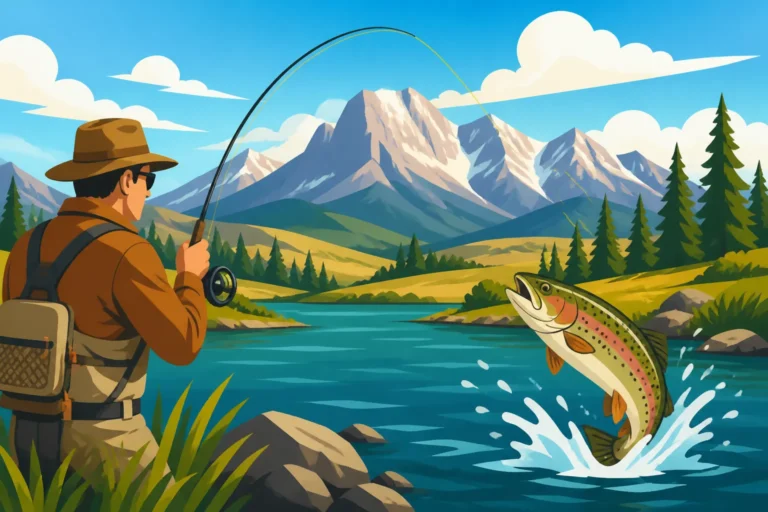
Unlike the open-water trolling or still-fishing common on a large reservoir, fishing the Wind River is a much more intimate experience. Here, you'll be reading currents, identifying subtle changes in water depth, and targeting fish that hold tight to structure. The river’s flow continuously brings food, dictating where fish position themselves, whether it's behind a boulder in a fast riffle, along an undercut bank, or in the calmer waters of a deep pool. The geology of the Wind River region contributes to this diversity, carving out canyons, meandering through softer soils, and creating a variety of habitats that support a robust aquatic ecosystem. You'll find everything from swift, oxygenated runs perfect for aggressive trout to slower, deeper sections where larger predatory fish might lurk. The water clarity can fluctuate, especially with snowmelt or heavy rains, which means adapting your techniques to match the conditions is crucial for success.
The Influence of Boysen Dam
Boysen Dam plays a significant, almost dual, role in shaping the Wind River fishery. Upstream, the river feeds directly into the reservoir, and its character is more "natural," subject to seasonal variations in temperature and flow. Below the dam, however, the Wind River transforms into a classic tailwater fishery. This means that water released from the bottom of the reservoir maintains a more consistent, cooler temperature throughout the year, even during the scorching heat of summer. This stable thermal environment is ideal for trout, allowing them to thrive and grow large. The dam's releases also control the flow of the river downstream, which can have a direct impact on angling safety and success. High releases can make wading dangerous and fishing challenging due to increased current and turbidity, while stable flows provide more predictable fishing conditions. Understanding the current release schedules, often available from the Bureau of Reclamation or Wyoming Game and Fish Department, is essential for planning a safe and productive trip to the lower Wind River.
Navigating Key Fishing Sections and Access
The Wind River is a long and winding system, and its fishable sections near Boysen Reservoir each have distinct characteristics and access points that anglers need to be aware of. Knowing where you can legally cast a line and what to expect in terms of terrain and species can make all the difference.
Upstream of Boysen Reservoir
The sections of the Wind River that flow into Boysen Reservoir offer a different angling experience from the tailwater below. Here, the river meanders through a mix of private and public lands, often characterized by more natural gradients and less dramatic flow fluctuations, especially further from the reservoir's direct influence. The water can be warmer in summer, and you might encounter a broader mix of fish species, including some native cutthroat trout, alongside rainbow and brown trout. This area is also critically important for its connection to the Wind River Indian Reservation. Portions of the river flow through tribal lands, and anglers must possess a separate Fishing Wyoming's Tribal Waters and Wind River Reservation Rules permit in addition to a Wyoming state license if they intend to fish within those boundaries. Identifying these boundaries precisely on a map is paramount to avoid legal issues. Access can be found via Bureau of Land Management (BLM) lands, State Trust Lands (which may require a "Walk-In Area" permission), or by seeking permission from private landowners. Always confirm your location using up-to-date maps provided by the Wyoming Game and Fish Department (WGFD).
The River Below Boysen Dam
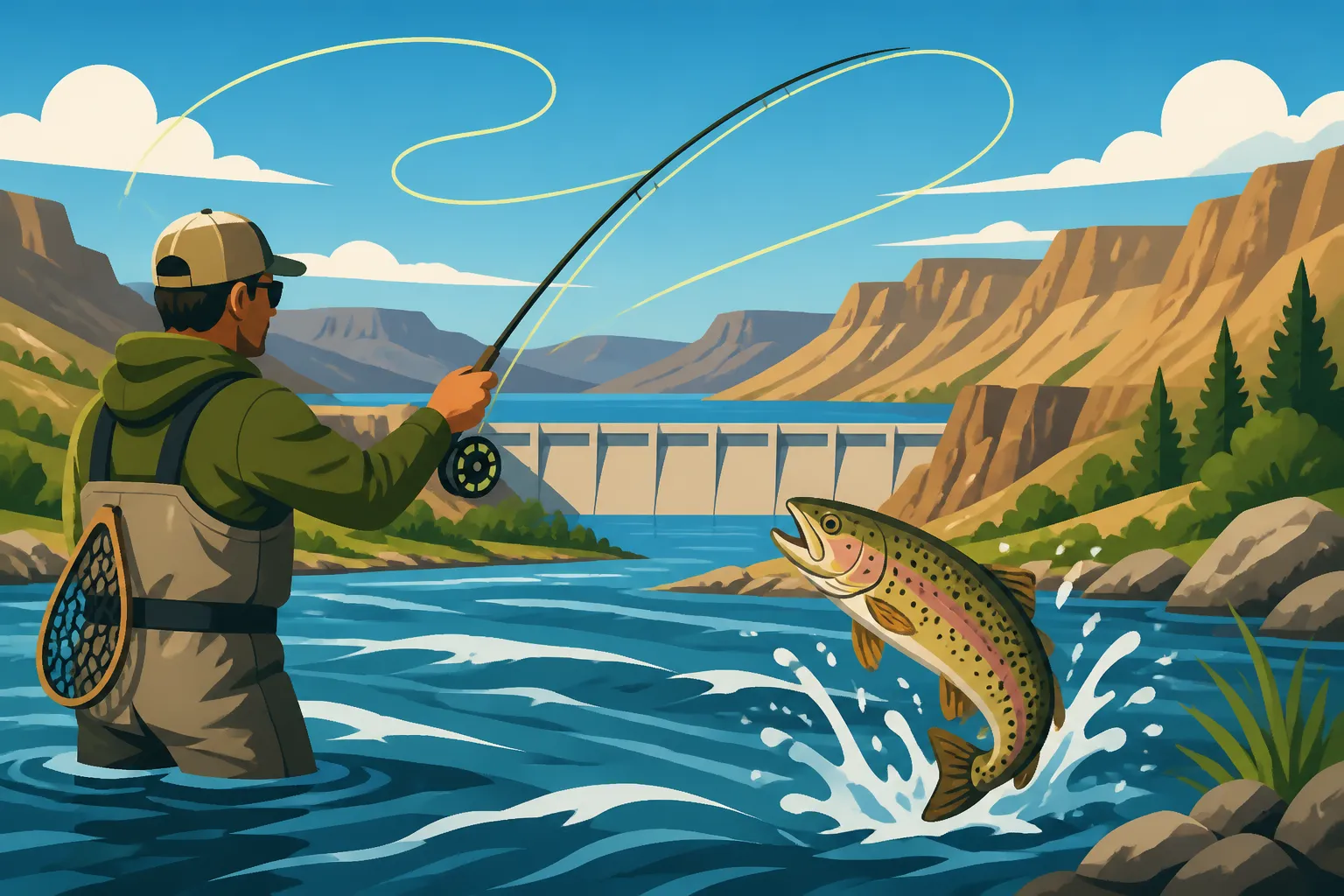
Below the Boysen Dam, the Wind River truly shines as a tailwater fishery, renowned for its consistent cold water and excellent trout habitat. This section, often referred to as the Wind River Canyon area, is a gem for anglers. The constant cool water temperatures released from the dam create an ideal environment for prolific insect hatches and robust trout populations, primarily rainbow and brown trout. Access here is generally more straightforward, with several well-marked public access points within Boysen State Park. These areas often feature designated parking, boat launches (for appropriate craft, though much of this section is wadeable), and established fishing spots. Popular access points might include areas just below the dam, or further downstream where the river widens. While primarily a trout fishery, don't be surprised to encounter reservoir spillover species like walleye or even ling (burbot) in the deeper pools, especially closer to the dam. Anglers should always be mindful of signage, as some areas may have special regulations or specific access rules.
Public vs. Private Access Considerations
One of the most frustrating aspects of fishing in Wyoming, especially on river systems, can be deciphering public versus private land. You might drive along a promising stretch of river only to be met with "No Trespassing" signs. To avoid disappointment and legal trouble, it's absolutely crucial to do your homework before you go. The Wyoming Game and Fish Department provides excellent online maps and guides, which clearly delineate public land boundaries, public easements, and designated Walk-In Areas (WIA) or Hunter Management Areas (HMA) that sometimes include fishing access. Even on public land, access roads might cross private property, requiring permission.
It's important to understand that in Wyoming, a stream or riverbed is often considered private property if it flows through private land, even if the water itself is public. However, many rivers, especially those with public easements, allow for public access to the stream channel below the ordinary high water mark. This can be a nuanced legal point, so err on the side of caution. Always respect private property, close gates behind you, and pack out everything you pack in. If you find yourself in a situation where you're unsure, it's always best to seek permission from the landowner. A friendly knock on the door can sometimes open up incredible fishing opportunities and build positive relationships between anglers and landowners.
Target Species and Effective Techniques
The Wind River near Boysen Reservoir offers a diverse array of fish species, each requiring a tailored approach to tempt them onto your hook. From the spirited trout of the tailwater to the more elusive warmwater species, knowing what lives where and how to catch them is key to a successful outing.
Trout Species of the Wind River
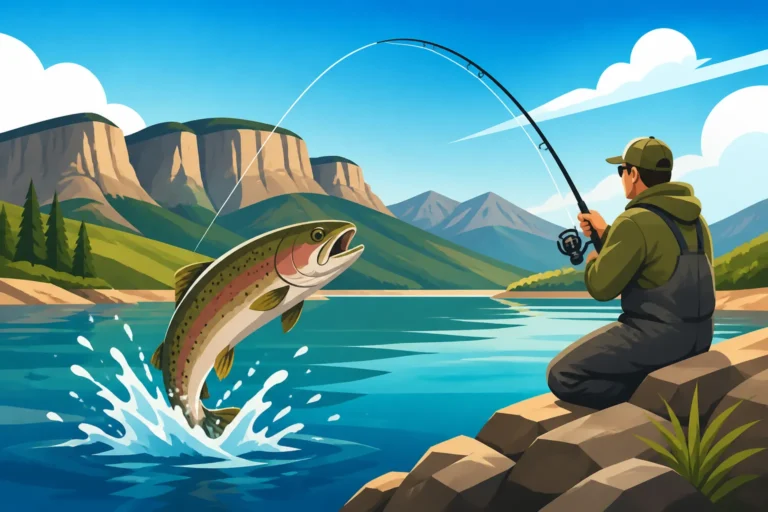
The Wind River is primarily celebrated for its vibrant trout populations. Below Boysen Dam, the cold, consistent flows create ideal conditions for robust populations of rainbow trout and brown trout. These fish thrive in the well-oxygenated water, growing to impressive sizes. Rainbows are known for their strong, acrobatic fights, while brown trout are often more elusive and prized for their cunning and potential for truly trophy-sized specimens. Upstream of the reservoir, especially in tributaries or higher elevation sections, you might also encounter native cutthroat trout, though they are less common directly in the main stem of the Wind River near Boysen.
These river-dwelling trout typically hold in areas where they can expend minimal energy while waiting for food to drift by. Look for them in riffles, runs, deep pools, behind large rocks, or under undercut banks. A classic strategy is to target the "seams" between fast and slow water, or the calmer water immediately downstream of obstacles. The average size of trout in the tailwater section can be quite impressive, with many fish in the 14-20 inch range, and larger brown trout pushing past that. For detailed insights on these fantastic fighters, check out our guides on Brown Trout Fishing in Wyoming and Rainbow Trout Fishing in Wyoming.
Other Notable Species and Best Approaches
While trout are the stars of the Wind River, especially in the tailwater, the river sections closer to Boysen Reservoir can offer exciting opportunities for other species. Walleye, known for their delectable fillets and often found in Boysen Reservoir's Best Walleye Water, will sometimes venture upstream or downstream from the reservoir, particularly during certain migrations or feeding patterns. They prefer deeper, slower moving water and can be targeted near submerged structure or channel edges.
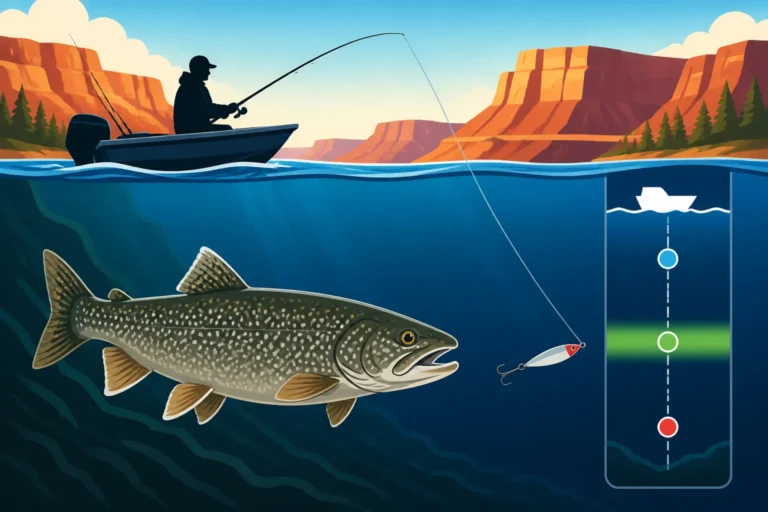
Another intriguing species you might encounter, particularly in the deeper, colder sections closer to the reservoir or in the tailwater during winter, is ling, also known as burbot. These unique, eel-like fish are North America's only freshwater cod species and are nocturnal predators. They are prized for their firm, white meat and put up a surprisingly good fight. Fishing for ling often requires a different approach, typically involving glow-in-the-dark jigs tipped with cut bait fished on the bottom after dark. Understanding the unique behaviors of these species, which often differ significantly from trout, will greatly expand your angling horizons on the Wind River.
Recommended Lures, Baits, and Flies
To successfully target the diverse fish of the Wind River, you'll need a versatile tackle box. For the trout in the tailwater sections, fly fishing is a highly effective and popular method. Nymphing rigs, imitating the aquatic insects that make up the bulk of a trout's diet, are often deadly. Popular nymph patterns include Pheasant Tail, Hare's Ear, Prince Nymph, and various stonefly imitations. When hatches occur, dry flies mimicking caddis, mayflies, or midges can provide exhilarating surface action. Streamers, such as Woolly Buggers or articulated patterns, are excellent for imitating baitfish and enticing aggressive brown trout, especially during their fall spawn. Our Fly Fishing Techniques for Wyoming Trout Streams guide has more insights.
Spin anglers will also find plenty of success. Small inline spinners like Mepps, Panther Martin, or Rooster Tails in sizes #1 to #3 are very effective for rainbow and brown trout. Small spoons (like Kastmasters or Dardevles) and small suspending or floating jerkbaits (Rapala countdowns or original floaters) can also trigger strikes. For more specific recommendations, our article on Best Lures for Wyoming Rainbow Trout can be a great resource.
When targeting walleye, crankbaits, jigging spoons, or jigs tipped with soft plastics (grubs, paddle tails) are go-to choices. Live bait, such as minnows or nightcrawlers on a bottom-bouncing rig, can also be highly productive. For ling, as mentioned, glow-in-the-dark jigs tipped with a piece of sucker meat or other cut bait fished on the bottom are the standard. Always check current regulations regarding bait restrictions, as some sections of the Wind River might have specific limitations.
Seasonal Strategies for the Wind River
The fishing experience on the Wind River near Boysen Reservoir is heavily influenced by the changing seasons, with each period presenting distinct challenges and unique opportunities. Understanding these seasonal shifts is paramount for planning a productive trip.
Spring Runoff and Early Season Fishing
Spring on the Wind River can be a tale of two different fisheries, largely dominated by runoff. As the winter snowpack melts, especially in May and early June, the river swells, becomes high, fast, and often heavily discolored with sediment. This Wyoming Fishing Seasons Month by Month period presents significant challenges and can even be dangerous for wading anglers due to powerful currents. During peak runoff, fishing on the main stem of the river can be extremely difficult. However, the tailwater section directly below Boysen Dam often fares better. The dam acts as a filter, releasing clearer water, making it a viable option even when upstream sections are raging. In these turbid conditions, fish rely more on scent and vibration, so larger, darker patterns like stonefly nymphs or streamers for fly anglers, and brighter, heavier spinners or spoons for spin anglers, tend to be most effective.
As runoff subsides, usually by late June, the river begins to clear and drop, ushering in some of the best fishing of the year. Trout become highly active, feeding aggressively on emerging insect hatches. The banks become accessible, and wading opportunities expand, making for fantastic early-season action.
Summer and Fall Fishing Opportunities
Summer fishing on the Wind River offers a classic Western experience, though it requires strategic planning to maximize success. As water temperatures rise, particularly in the upstream sections away from the dam's influence, fish may become less active during the heat of the day. Anglers should focus on early mornings and late evenings, which are often cooler and coincide with prolific insect hatches. Dry fly fishing can be exceptional during these low-light periods, as trout rise eagerly to caddis, mayflies, and Tricos. During the brighter, warmer parts of the day, trout will retreat to deeper, cooler pools or shaded, oxygenated riffles. Nymphing or fishing streamers in these holding lies remains productive. For more on how water temperature impacts fish behavior, check out How Water Temperature Affects Trout Feeding.
Fall is arguably the most anticipated season for many Wind River anglers, particularly those chasing large brown trout. As water temperatures cool and days shorten, brown trout begin their annual spawning migration. Large, aggressive males move upstream from the reservoir and deeper river sections, making them more vulnerable to anglers. This is a prime time for throwing large streamers, mimicking the baitfish that these predatory browns target. While the concept applies, our article on Fall Fishing for Browns on the Miracle Mile gives a good idea of what to expect during a significant brown trout run. Beyond the brown trout action, fall offers stunning scenery with aspens and cottonwoods turning golden, and often fewer crowds than the peak summer months, making for a truly memorable experience.
Winter Fishing on the River
While many of Wyoming's lakes and reservoirs freeze over, creating prime ice fishing opportunities, the Wind River—especially its tailwater section below Boysen Dam—remains open and fishable throughout much of the winter. This is a significant advantage for dedicated anglers looking for solitude and a unique challenge. The dam's consistent release of unfrozen, cool water prevents widespread ice formation on the main channel, though slush ice or shelf ice can develop along the banks during extreme cold snaps.
Fish metabolism slows down in winter, meaning trout are less active and more reluctant to move far for a meal. Therefore, presentations need to be slower and more precise. Deep nymphing, using heavy tungsten nymphs and strike indicators to get flies down to the fish's level, is the predominant technique. Streamers can also be effective, especially on warmer winter days, retrieved slowly along the bottom. The solitude of winter fishing on the Wind River is unparalleled, offering a serene escape amidst snow-covered landscapes. However, anglers must be prepared for extreme cold, dressing in multiple layers, and taking all necessary safety precautions for winter conditions.
Regulations, Conservation, and Trip Planning Essentials
Fishing the Wind River, like any Wyoming fishery, comes with a set of rules and responsibilities. Being prepared and informed ensures not only a legal trip but also a safe and enjoyable one, while contributing to the long-term health of this incredible resource.
Navigating Wyoming's Regulations and Tribal Waters
Understanding the specific fishing regulations for the Wind River near Boysen Reservoir is absolutely critical. Wyoming fishing regulations are not uniform across the state and can vary significantly from one water body to another, and even between sections of the same river. It's imperative that every angler reviews the most current WGFD regulations booklet, either online or a physical copy, before heading out. Our guide, Wyoming Fishing Regulations Every Angler Should Know, offers a great starting point for understanding the broader regulatory landscape.
A unique and very important aspect of fishing the Wind River is the presence of the Wind River Indian Reservation. Portions of the river flow through tribal lands, and a separate tribal fishing permit is required in addition to your Wyoming state fishing license if you intend to fish within these boundaries. Failing to obtain the correct permit can result in significant fines and legal issues. The WGFD regulations booklet often includes information or references on how to acquire these tribal permits, or you can contact the Shoshone and Arapaho Fish and Game Department directly. For a deeper dive into this specific topic, consult Fishing Wyoming's Tribal Waters and Wind River Reservation Rules. Pay close attention to species-specific bag and possession limits, length limits, and any gear restrictions (like barbless hooks or bait prohibitions) that may be in effect for particular stretches of the river. Regular consultation of Reading the Wyoming Fishing Regulations Booklet is a must for responsible angling.
Essential Gear, Safety, and Local Expertise
A successful and safe trip to the Wind River requires thoughtful preparation regarding your gear. Waders and sturdy wading boots with good grip (felt or rubber soles, depending on conditions) are essential for accessing prime water. Layered clothing is a must, as Wyoming weather can change rapidly – think moisture-wicking base layers, insulating mid-layers, and a waterproof/windproof outer shell. Don't forget polarized sunglasses for cutting glare and spotting fish, a wide-brimmed hat, sunscreen, and insect repellent. A first-aid kit, plenty of water, and snacks are also non-negotiable, especially if you plan to explore remote sections. For those venturing into areas with dense wildlife, carrying bear spray is a wise precaution.
River currents can be deceptively strong, even in seemingly calm stretches, and water levels can fluctuate due to dam releases. Always tell someone your float or fishing plans and expected return time. Safety should be your top priority.
If you're new to the Wind River, or simply want to maximize your chances of success and gain invaluable local knowledge, consider hiring a licensed fishing guide. Guides possess intimate knowledge of the river's access points, current conditions, productive patterns, and specific regulations. Services like FishingBooker can be incredibly helpful for finding reputable, experienced local guides who specialize in the Wind River's unique challenges and opportunities. They can provide gear, transportation, and most importantly, put you on fish. For more on what to look for, see our guide on Hiring a Fishing Guide in Wyoming.
Making the Most of Your Wind River Adventure
A successful Wind River adventure often boils down to thorough preparation and a respectful approach to the environment. Before your trip, always check current water flow conditions through USGS stream gauges and the latest weather forecast. Be prepared to adapt your plans based on these factors. Embrace ethical angling practices: practice catch and release for larger or native fish, handle all fish gently and release them quickly, and minimize your impact on the delicate river ecosystem. That means packing out all trash, staying on established paths, and being mindful of wildlife.
The Wind River near Boysen Reservoir offers a truly diverse and rewarding angling experience. Whether you're casting nymphs to wild trout in the tailwater, searching for walleye near the reservoir, or exploring remote stretches for native species, there's always something new to discover. The satisfaction of unraveling its complexities and connecting with its wild inhabitants is immense. When you're ready to dive deeper into the experience, finding a local expert through platforms like FishingBooker can provide an unparalleled advantage, turning a good trip into an unforgettable one by guiding you through the nuances of this magnificent Wyoming fishery.
| River Section | Key Features & Habitat | Primary Fish Species | Best Access Notes | Recommended Techniques |
|---|---|---|---|---|
| Upstream (Into Boysen) | Meandering bends, varied depth, slower currents, natural structure (log jams, cut banks). More prone to seasonal fluctuations and turbidity. | Rainbow Trout, Brown Trout, Cutthroat Trout, some Walleye (closer to reservoir) | Mix of public (BLM, State Trust Land, some Walk-In Areas) and private property. Crucially, consult WGFD maps for exact boundaries, and be aware of Wind River Reservation rules. | Nymphing, dry flies (esp. during hatches), spin casting with small spinners/spoons, bait fishing (check regulations) |
| Below Boysen Dam (Tailwater) | Consistent cold water temps, high oxygenation. Distinct riffles, runs, deep pools, structured banks. Flows are regulated by dam releases, impacting wading safety. | Rainbow Trout, Brown Trout (dominant), occasional Walleye, Ling (Burbot) | Primarily public access within Boysen State Park. Established parking and river access points. Check for specific day-use areas. | Deep nymphing, streamer fishing, dry fly fishing (matching hatches), jigging for walleye/ling |
Disclaimer
Please note that fishing regulations in Wyoming are subject to change. Always consult the most current Wyoming Game and Fish Department regulations manual before fishing. This guide is for informational purposes only and does not supersede official regulations.