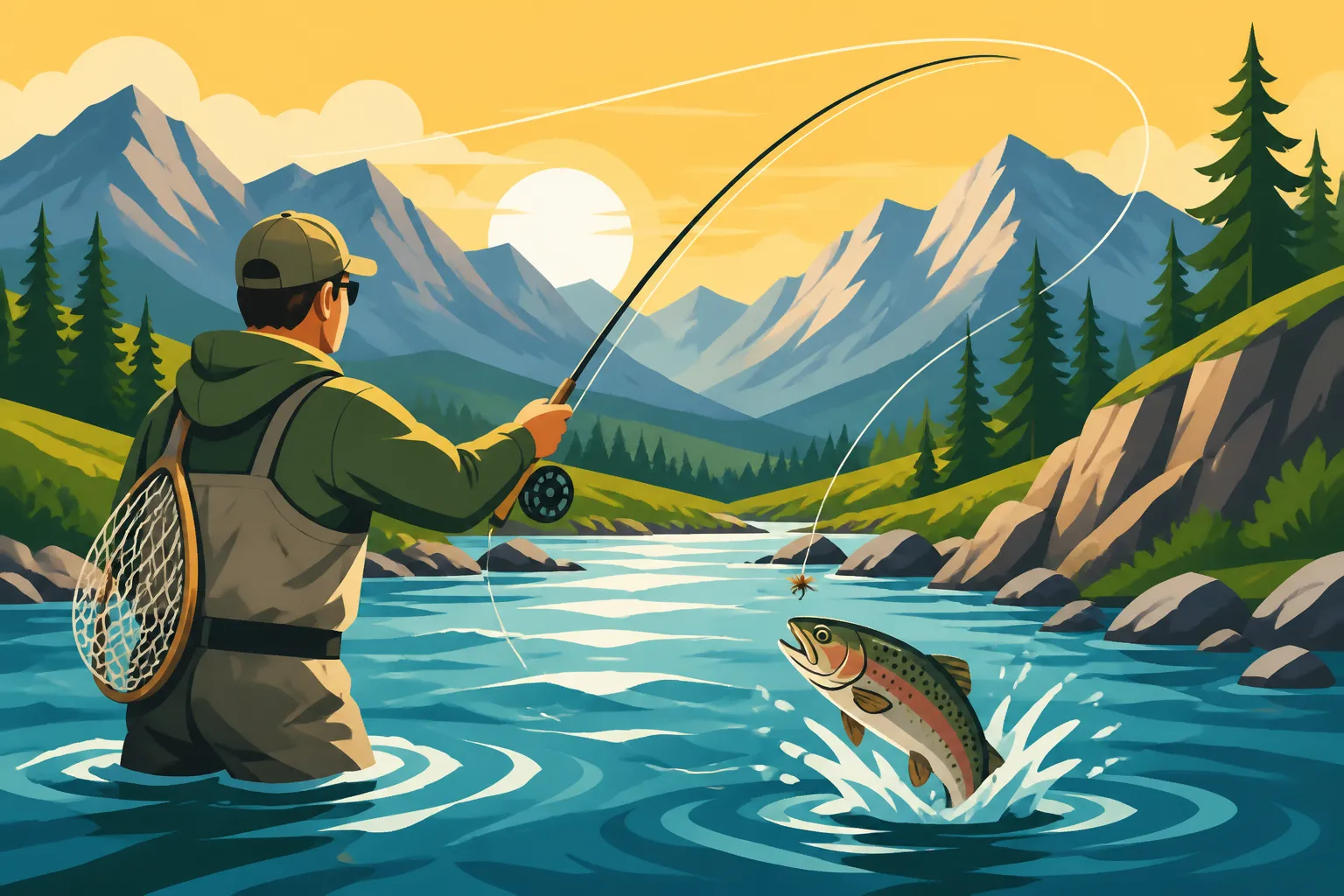
Fishing the Laramie River
Trying to navigate a new river, especially one as varied as the Laramie River in Wyoming, can feel like trying to solve a puzzle with half the pieces missing. You hear whispers of great trout fishing, but figuring out where to go, what to use, and how to access the best spots often leaves anglers feeling frustrated and unsure. This comprehensive guide will cut through the confusion, offering a realistic, detailed look at how to effectively fish the Laramie River, ensuring you spend less time guessing and more time catching.
Understanding the Laramie River Fishery: A Diverse Landscape
The Laramie River isn't just one type of water; it's a tapestry of diverse environments, each offering a unique fishing experience. From its headwaters high in the mountains to the meandering plains it eventually flows through, the river changes character dramatically, and so do the fish and the best ways to catch them.
The River's Journey: From Mountains to Plains
The Laramie River begins its life as a pristine, cold-water stream high in the Snowy Range mountains, specifically in southeastern Wyoming. Here, it’s a classic mountain freestone stream—small, clear, and full of riffles, runs, and pocket water. As it tumbles down, it gathers strength and volume, eventually flowing northeast through the Laramie Valley, past the city of Laramie, and then into more open, agricultural landscapes before emptying into the North Platte River system. This transition from high-gradient, oxygen-rich mountain flows to slower, wider, and often more turbid sections in the plains dictates everything from the prevalent insect life to the size and species of fish you'll encounter.
The upper sections are typically dominated by smaller, wild trout that thrive in colder temperatures and faster currents. As you move downstream into the valley, the river broadens, takes on more agricultural influences, and can experience wider temperature swings. This mid-section often holds a mix of wild and stocked fish, with some areas offering surprisingly large trout. Further downstream, especially below the city, the river might become warmer and slower, favoring species that tolerate these conditions, though hardy trout can still be found in pockets. Understanding this journey is key to unlocking the river's potential, as a technique that works wonders up high might be completely ineffective downstream.
Primary Game Fish: What You'll Find in These Waters
The Laramie River is primarily a trout fishery, a true gem for those who love chasing these beautiful fish. You'll primarily encounter rainbow trout, brown trout, and various species of cutthroat trout, including the native Colorado River cutthroat in some upper tributaries. Brook trout are also common in the smaller, higher elevation feeder streams.
Rainbow trout are abundant, especially in sections that see regular stocking by the Wyoming Game and Fish Department. They're often eager to bite and provide excellent sport. Brown trout, known for their elusive nature and often larger size, are prevalent throughout much of the river, particularly in sections with good cover like undercut banks and logjams. These fish are often the target for anglers seeking a true trophy. The native cutthroat subspecies are a special treat, typically found in the more remote, pristine headwater sections. Catching one of these vibrant, wild fish is a truly rewarding experience, linking you directly to the river's ecological heritage. Learning to identify a Yellowstone Cutthroat Trout can enhance your appreciation for these native species. Each of these species thrives in slightly different conditions, so knowing which section you're fishing can help you predict what you'll encounter.
General Fishing Challenges and Rewards
Fishing the Laramie River, like any diverse fishery, comes with its own set of challenges and immense rewards. One of the primary challenges is certainly access, which we'll delve into shortly. Another is adapting to the river's changing moods—runoff in spring can make fishing tough, while summer heat can push trout into deeper, cooler pockets. The Laramie can also experience significant pressure, especially around easily accessible public spots, making the fish warier. Water clarity can fluctuate greatly depending on recent rains or snowmelt, influencing fly or lure selection.
However, the rewards are well worth the effort. The chance to catch wild brown trout, the thrill of a hard-fighting rainbow, or the quiet solitude of a high-country cutthroat stream are all part of the Laramie experience. The beauty of the surrounding landscape, from towering peaks to vast sagebrush plains, adds another layer to the appeal. For those willing to explore and adapt, the Laramie offers a lifetime of fishing memories. It’s a river that truly encourages you to become a more versatile and observant angler.
Navigating Public Access Points and Private Waters
One of the biggest hurdles anglers face when approaching the Laramie River is understanding where they can legally fish. Wyoming is a state with significant private land, and respecting those boundaries is not just a courtesy, but a legal necessity. However, there are fantastic public access points that offer incredible fishing, if you know where to find them.
Key Public Access Areas Along the Laramie
While much of the Laramie River flows through private land, the Wyoming Game and Fish Department has worked to secure public access easements, and there are also segments that flow through public lands like National Forest. Perhaps the most well-known public stretches are found in the upper reaches within the Medicine Bow National Forest in the Snowy Range Mountains. Here, the river is often accessible via forest service roads and trails, particularly along Highway 130 (Snowy Range Road) during the summer and fall. These high-country sections, though often smaller, offer fantastic opportunities for wading anglers chasing wild trout.
Closer to the city of Laramie, there are also some city parks and designated public fishing easements. For instance, sections within Laramie’s city limits sometimes offer bank access, but these can be subject to localized rules and regulations. Further downstream, some bridge crossings might provide limited access, but always be sure to check for signage indicating public access or private property. Resources like the Wyoming Game and Fish Department's Public Access Atlas are invaluable for pinpointing legal fishing spots. Additionally, services like FishingBooker can sometimes list guides who operate on private leases, offering exclusive access to prime waters for a fee.
Respecting Private Property and Easements
Wyoming’s stream access laws are often a source of confusion for out-of-state anglers. Generally, you cannot walk or wade on the streambed if it flows through private land without permission from the landowner. While you can float navigable rivers through private land, touching the streambed or walking along the banks without permission is typically considered trespassing. This is a crucial distinction and one that anglers must take seriously to avoid legal trouble and maintain good relationships with landowners.
When you see a "No Trespassing" sign, it means exactly that. Don't assume that just because you're in the water, you're exempt. Public easements are specific corridors or sections designated for public access, often clearly marked. Always look for these signs, and if in doubt, err on the side of caution. A little bit of research before your trip, perhaps by consulting the Wyoming Game and Fish Department's detailed maps, can save a lot of headaches and ensure a pleasant, lawful day on the water. Knowing Wyoming Fishing Regulations Every Angler Should Know will always keep you on the right side of the law.
Planning Your Access: Maps and Resources
Effective planning is absolutely essential for a successful and stress-free trip to the Laramie River. As mentioned, the Wyoming Game and Fish Department's Public Access Atlas is your best friend. This online resource provides detailed maps showing public lands, designated fishing easements, and boat launch sites across the state, including for the Laramie River. It’s updated regularly and is far more reliable than relying on generic GPS maps for specific access information.
Beyond official sources, local fly shops in Laramie, Centennial, or even Saratoga can be incredible resources. These shops not only sell gear but are often staffed by local experts who can provide real-time conditions, point you to less-pressured spots, and offer insights into what flies or lures are currently working. Don't be shy about stopping in, buying a few flies, and asking for some friendly advice. Their knowledge of specific stretches, recent stocking reports, and any in-season emergency closures is invaluable. Using a reputable outfitter found on platforms like FishingBooker, especially if you're unfamiliar with the area, can also ensure you're fishing legally and effectively.
| Section of Laramie River | Characteristics | Primary Access | Common Fish Species | Best Techniques |
|---|---|---|---|---|
| Upper (Snowy Range) | Cold, clear, high-gradient, small | National Forest roads/trails | Brook, Cutthroat, Small Rainbow | Dry Fly, Nymphing |
| Middle (Laramie Valley) | Wider, slower, some agriculture | Public easements, private | Rainbow, Brown, Cutthroat | Nymphing, Streamers, Spin |
| Lower (Below Laramie) | Wider, slower, warmer, more turbid | Limited public, private | Brown, Rainbow, Whitefish | Streamers, Spin, Bait |
Top Fishing Techniques and Essential Gear for the Laramie River
The Laramie River demands versatility from its anglers. What works on a small, fast-moving mountain tributary won't necessarily be effective on a wider, slower section further downstream. Knowing a variety of techniques and having the right gear is crucial for consistent success.
Fly Fishing Strategies for Different River Sections
Fly fishing is arguably the most popular method for targeting trout on the Laramie, and for good reason. The river offers diverse opportunities for all fly fishing styles.
- Upper River (Snowy Range): In the higher, colder sections, dry fly fishing can be phenomenal during summer hatches. Smaller attractor patterns, like Parachute Adams, Royal Wulffs, or Elk Hair Caddis, often entice eager brook and cutthroat trout. When fish aren't rising, nymphing with small bead-head patterns (e.g., Pheasant Tails, Hare's Ears) or even simple San Juan Worms can be deadly in the riffles and runs. A lighter rod, perhaps a 3 or 4-weight, is ideal for these smaller waters and fish. For more on the specifics, check out Nymphing Techniques for Wyoming Tailwaters and apply them here too.
- Middle River (Laramie Valley): This section often calls for more adaptability. Nymphing under an indicator is a consistently effective method, especially in deeper runs and pockets. Pat's Rubber Legs, Copper Johns, and larger stonefly imitations can be very productive. Streamer fishing can also yield impressive results, particularly for brown trout seeking a bigger meal. Woolly Buggers, Sculpzillas, and articulated patterns stripped through deeper pools and along undercut banks can provoke aggressive strikes. During hatches of larger mayflies or caddis, dry-dropper rigs or even single large dries can work. A 5 or 6-weight rod is a good all-around choice here. Consider practicing your technique with a Best Fly Rod Weight for Wyoming Trout Streams setup.
- Hatches to Watch For: Keep an eye out for Mother's Day Caddis in late spring, various stonefly hatches through early summer, and prolific trico hatches on slower sections in late summer mornings. Terrestrials like hoppers, ants, and beetles become important patterns from mid-summer through early fall.
Spin Fishing Tactics and Lure Selection
Don't let the fly fishing crowd intimidate you; spin fishing can be incredibly effective on the Laramie River, especially for beginners or those preferring a simpler setup. Spin anglers can cover water efficiently and often entice strikes from trout that might ignore flies.
- Lure Selection: Small inline spinners (e.g., Mepps, Rooster Tail) in silver, gold, or brass finishes are perennial favorites for rainbow and brown trout. Vary your retrieve speed and depth until you find what triggers a bite. Small spoons (e.g., Kastmasters, Little Cleos) can also be effective, especially in deeper pools or when fish are holding tighter to the bottom. For a more subtle approach, small soft plastics rigged on jig heads or small crankbaits that imitate baitfish can work well. Remember that some sections of the Laramie River, particularly in designated trophy or fly-fishing-only waters, may have bait restrictions or require artificial lures only. Always consult the local regulations.
- Techniques: Casting upstream and retrieving downstream, allowing your lure to tumble naturally with the current, is often very effective. In deeper pools, allow your lure to sink before beginning your retrieve. Varying your retrieve speed, adding pauses, or twitching the rod tip can impart action that triggers a strike. For fishing around structure like logjams or undercut banks, precise casts are key to getting your lure into the fish's hiding spots. Small jigs tipped with a grub or worm imitation can also be drifted effectively under a bobber, mimicking natural food sources.
Essential Gear Checklist for a Laramie Outing
Beyond your rod and reel, a few key items will make your Laramie River fishing trip more comfortable, safe, and productive.
- Waders and Boots: Depending on the section, wading can be essential. Neoprene waders for colder seasons or breathable waders for summer, paired with sturdy wading boots (felt soles can offer better grip but are often prohibited to prevent invasive species spread, so rubber soles with studs are a good alternative), are a must.
- Layered Clothing: Wyoming weather is notoriously unpredictable. Dress in layers to adapt to changing temperatures throughout the day. A waterproof and windproof outer shell is always a good idea.
- Hat and Polarized Sunglasses: A wide-brimmed hat offers sun protection, and polarized sunglasses are invaluable for spotting fish and reading water, not to mention protecting your eyes from errant hooks.
- Net: A rubber landing net is highly recommended for safely landing and releasing fish, minimizing stress and injury.
- Tools: Forceps or pliers for hook removal, line nippers, and a small first-aid kit.
- Water and Snacks: Stay hydrated and energized, especially during longer outings.
- Maps and Navigation: Even with your phone, a physical map of the area is a wise backup, especially in areas with spotty cell service.
- Wyoming Fishing License and Conservation Stamp: You absolutely need these. For non-residents, options like the Wyoming's Annual, Daily and Five-Day License Options are available. Always carry your license on you, whether it's a physical copy or a digital version on your phone.
Seasonal Fishing Opportunities and What to Expect
The Laramie River offers fishing opportunities year-round, but what you encounter will vary drastically with the seasons. Understanding these cycles is critical to planning a successful trip and knowing what techniques will work best.
Spring Fishing: Runoff and Early Season Action
Spring on the Laramie can be a mixed bag, defined primarily by snowmelt runoff. This usually peaks from late May through mid-June, turning the river into a roaring, muddy torrent. Fishing during peak runoff can be challenging, if not impossible, on the main stem. However, "runoff" isn't a hard closure. Often, smaller tributaries might clear up faster, or tailwater sections below reservoirs (though the Laramie doesn't have major ones on its main stem) can offer clearer water.
Prior to or after peak runoff, usually in April and early May, fishing can be excellent. The water is cold, and trout are often hungry after a long winter. Nymphing with larger, darker patterns like stoneflies or San Juan Worms can be very productive as fish key into subsurface food. Streamers are also a great choice. As water temperatures slowly rise, you'll start to see early-season hatches of caddis or small mayflies, offering the first dry fly opportunities of the year. This is also when you'll begin to notice the river coming alive with new life. For more detailed insights, consider reading about Wyoming Spring Fishing: What to Expect.
Summer Fishing: Peak Season and High Water Temperatures
Summer is prime time for many anglers on the Laramie River, typically from late June through August. By this point, runoff has usually subsided, and the river begins to drop and clear, making for more accessible wading and clearer sight-fishing opportunities. Hatches are abundant, offering fantastic dry fly fishing, especially in the early mornings and late evenings. Mayflies, caddis, and eventually terrestrials like grasshoppers become major food sources.
However, summer also brings challenges, particularly higher water temperatures. As air temperatures soar, especially in the valley sections, the water can warm to stressful levels for trout, especially brown and rainbow trout. When water temperatures approach or exceed 68°F, it's generally best to stop fishing to avoid harming the fish. Trout become stressed, fight harder, and have a much lower chance of survival upon release. Focus your efforts on the cooler, higher elevation sections or fish during the coolest parts of the day—dawn and dusk—when water temperatures are at their lowest. FishingBooker guides often know exactly which sections are fishing well and safely during summer's heat.
Fall Fishing: Trophy Browns and Cooler Waters
Autumn, from September through November, is arguably the most coveted season for many Laramie River anglers, especially those targeting larger brown trout. As water temperatures cool down, brown trout become increasingly active and aggressive, feeding heavily in preparation for their spawning season. This is when streamer fishing can be absolutely deadly, as these territorial fish will readily attack larger baitfish patterns.
Dry fly fishing can also remain strong through early fall with lingering terrestrial patterns and some late-season mayfly or caddis hatches. Nymphing is consistently productive throughout the fall as fish key into subsurface insects. The cooler temperatures mean less stress on the fish, making catch-and-release practices more effective. The vibrant fall foliage along the riverbanks also adds a spectacular backdrop to your fishing experience. This season is often less crowded than summer, especially on weekdays, offering a more peaceful and productive outing. To truly hone your technique for this season, check out Wyoming Fall Fishing for Migrating Browns.
Winter Fishing: Ice and Open Water Opportunities
Winter on the Laramie River is a season of quiet solitude and unique fishing opportunities, though it requires specific techniques and cold-weather gear. While many smaller, shallower sections may freeze solid, the deeper pools and faster runs often remain open, providing excellent fishing for hardy anglers.
Trout become lethargic in the cold water, moving less and conserving energy. This means your approach needs to be slower and more methodical. Nymphing deep, slow pools with small, weighted flies or midge patterns is often the most effective technique. Fish tend to congregate in these deeper, slower areas where they can expend minimal energy. Spin anglers can also find success with small jigs tipped with bait (if legal) or tiny spoons fished slowly. Layering up is paramount, with insulated waders, warm boots, and multiple layers of clothing to combat the biting Wyoming cold. Ice fishing might also be an option on some of the slower, pond-like sections or adjacent reservoirs, but always prioritize safety and check ice thickness.
Mastering Laramie River Regulations and Conservation
Fishing responsibly on the Laramie River isn't just about catching fish; it's about understanding and adhering to the regulations that protect this valuable resource. Wyoming Game and Fish Department (WGFD) regulations are designed to maintain healthy fish populations and fishing opportunities for everyone.
Species-Specific Limits and Special Regulations
The Laramie River, like many Wyoming waters, often has general statewide regulations for trout, but certain sections or tributaries can have special regulations that supersede these. For instance, some areas might have reduced daily bag limits for specific trout species, length restrictions (e.g., "no fish between 12-16 inches may be kept"), or even "catch-and-release only" designations. These special rules are often implemented to protect wild populations, enhance trophy opportunities, or aid in recovery efforts for native species.
It is absolutely crucial to consult the most current Wyoming Fishing Regulations Every Angler Should Know booklet or the WGFD website before heading out. Don't rely on old information or what you heard from a friend. These regulations can change annually, and ignorance is not a valid excuse for violations. Knowing How Bag and Possession Limits Work in Wyoming is also essential to ensure you are compliant with the rules. Always check the specific section of the Laramie River you plan to fish, as rules can vary even within a few miles.
Understanding Barbless Hook Zones and Bait Restrictions
Many of Wyoming's premier trout waters, including sections of the Laramie River that are managed for wild trout or trophy fisheries, often require the use of barbless hooks. The purpose of barbless hooks is simple: they minimize harm to fish, making catch-and-release practices much more effective and increasing the chances of the fish surviving. Pinching down the barb on your hooks with a pair of pliers is a quick and easy way to comply.
Similarly, bait restrictions are common in sensitive trout waters. Many "fly-fishing-only" or "artificial-lure-only" sections exist to prevent the introduction of invasive species, reduce incidental hooking mortality, and maintain a high-quality sport fishery. Live bait, cut bait, or even certain scented artificial baits might be prohibited. These rules are in place for the long-term health of the river, so respecting them is paramount. Always double-check the regulations for the specific stretch of the Laramie you intend to fish.
Catch-and-Release Ethics and Protecting the Fishery
Given the beauty and value of the Laramie River's trout, practicing responsible catch-and-release is vital for sustaining the fishery. While you might be able to keep a fish or two in some sections (again, check regulations!), many anglers choose to release their catch, especially larger, older fish that are important for reproduction.
Here are some best practices for catch-and-release:
- Minimize Fight Time: Land the fish as quickly as possible to reduce exhaustion.
- Keep Fish in Water: Avoid removing the fish from the water entirely. This helps protect their slime coat, gills, and internal organs.
- Wet Hands: Always wet your hands before touching a fish to prevent removing its protective slime layer.
- Remove Hook Quickly: Use forceps or pliers to remove the hook gently and quickly. If the fish is deeply hooked and removal would cause significant trauma, cut the line as close to the hook as possible.
- Revive Gently: Hold the fish upright in the current, facing upstream, until it can swim away under its own power. Don't just toss it back in.
- Consider Conditions: As mentioned earlier, avoid fishing when water temperatures are too high, as fish mortality rates increase dramatically under stress.
By embracing these conservation practices, we ensure that the Laramie River remains a vibrant and healthy fishery for generations of anglers to enjoy. After all, the best part of fishing is knowing that those fish are still out there, waiting for another day.
Disclaimer
The information provided in this guide is for general informational purposes only and is subject to change. Fishing regulations, access points, and conditions can vary significantly and may be updated frequently by the Wyoming Game and Fish Department. Always consult the most current official Wyoming fishing regulations and local advisories before planning your trip. Fishing inherently involves risks; please prioritize safety and environmental responsibility.