How Big Lake Trout Get in Flaming Gorge
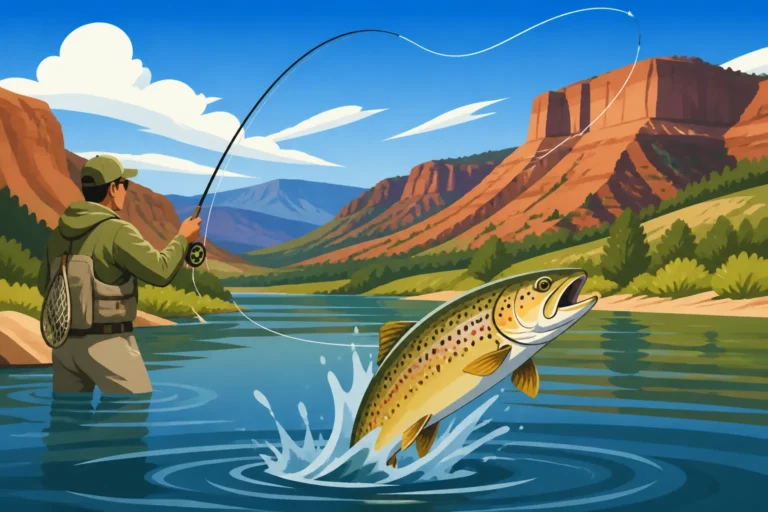
It's the dream of many an angler heading to Flaming Gorge Reservoir: to hook into one of those legendary, massive lake trout. You hear the whispers, you see the photos, and you wonder, just how big do these "lakers" really get in this incredible Wyoming fishery? It’s a completely valid question, because while catching any fish is fun, the quest for a true trophy requires a different mindset and a clearer understanding of what’s truly possible. This guide is dedicated to shedding light on the immense potential of Flaming Gorge's lake trout, giving you realistic expectations, and sharing the secrets to chasing those giants.
Understanding Flaming Gorge's Lake Trout Potential
Flaming Gorge isn't just another pretty reservoir; it's a meticulously managed, deep-water haven that has consistently produced some of the largest lake trout in the country. Anglers come from all over for a chance to tangle with these prehistoric-looking giants, and for good reason. The conditions here are almost perfectly tailored for growing truly enormous fish.
Why Flaming Gorge is a Lake Trout Powerhouse
Imagine a body of water that's both vast and incredibly deep, with submerged canyons and structure that provide perfect ambush points and thermal refuge. That's Flaming Gorge. The sheer volume of cold, oxygen-rich water means lake trout have ample space to roam and remain comfortable, even during the warmest summer months. But it's not just the real estate; it's the pantry. Flaming Gorge boasts an incredibly rich forage base, primarily consisting of kokanee salmon and various species of chub. These fat-rich, protein-packed food sources are the fuel that allows lake trout to grow at an exceptional rate, packing on pounds year after year. The abundance of this food, combined with the ideal environment, means these fish rarely want for sustenance, translating directly into impressive size.
Furthermore, the Wyoming Game and Fish Department (WGFD) plays a crucial role in maintaining this trophy fishery. Their management strategies, which often include specific bag and possession limits designed to protect larger, older fish while encouraging the harvest of smaller, more numerous ones, contribute significantly to the overall health and trophy potential of the population. This thoughtful stewardship ensures that the lakers have every opportunity to reach their maximum size. If you're looking for more details on the nuances of this incredible body of water, our comprehensive guide on Fishing Wyoming's Flaming Gorge Reservoir Guide offers a deeper dive into its many facets.
Record-Breaking Catches and Angler Dreams
When we talk about "how big" lake trout get in Flaming Gorge, we're not just talking about good fishing—we're talking about state records. Wyoming's current state record lake trout, a monumental fish weighing in at 50 pounds and measuring 37.5 inches, was pulled from the depths of Flaming Gorge Reservoir back in 1995. That's a fish of a lifetime, and it stands as a testament to the reservoir's capacity to produce truly world-class specimens. While breaking a state record is an incredibly rare feat, stories of anglers landing lakers in the 20 to 30-pound range are relatively common, particularly for those who dedicate time and skill to targeting them.
These record-breakers and consistently large catches aren't just flukes; they represent the pinnacle of what's possible in a well-managed, nutrient-rich environment. For many, the dream isn't necessarily to break the record, but to simply land a "unicorn" fish – a laker pushing past the 35-inch mark and tipping the scales into the upper teens or even 20-pound class. These are the fish that demand heavy tackle, precise techniques, and often a bit of luck, but the fact that they exist in significant numbers keeps anglers coming back to Flaming Gorge year after year, hoping for that one unforgettable tug on the line.
Factors Influencing Lake Trout Size
Growing a monster lake trout isn't just about having good food and deep water; it's a complex interplay of biology, environment, and management. Understanding these factors will give you a better appreciation for the fish you're chasing and might even help you refine your angling strategy.
Age, Growth Rate, and Genetics
Lake trout are known for their longevity, and in a pristine environment like Flaming Gorge, they can live for a very long time—often 30 to 40 years, and sometimes even longer! This extended lifespan is one of the primary reasons they can reach such incredible sizes. Unlike some fast-growing species that mature quickly and have shorter lifespans, lakers take their time. They have a slow, steady growth rate in the cold waters they inhabit. Their metabolism is relatively slow, meaning they don't burn through calories as quickly, allowing them to convert their abundant food sources into muscle and fat over decades.
Genetics also play a silent but significant role. Just like in any species, some individual fish are simply predisposed to grow larger and live longer due to their genetic makeup. While this isn't something an angler can influence, it's a foundational element that contributes to the presence of truly giant fish in any given population. The consistently cold water temperatures in Flaming Gorge are crucial for their growth. Lake trout thrive in colder conditions; warmer water can stress them, increase their metabolism, and potentially shorten their lifespan, thus limiting their ultimate size.
Food Availability and Competition
We touched on the importance of the forage base, but it's worth a deeper look. The primary diet for Flaming Gorge lake trout consists of nutrient-dense fish like kokanee salmon and various chubs. Kokanee, in particular, are like gold nuggets for growing lakers—they're fatty, easily digestible, and provide a huge caloric boost. The populations of these forage fish aren't always constant; they can experience boom-and-bust cycles. During "boom" years, when kokanee numbers are high, lake trout grow at an accelerated rate, packing on weight quickly. Conversely, during "bust" years, when forage is scarcer, their growth can slow, or they might even lose condition.
Competition within the lake trout population itself also influences individual size. If there are too many smaller lake trout competing for the same food, it can limit the growth potential of all fish. This is why fisheries management often encourages anglers to harvest smaller lake trout – it reduces competition for the limited food resources, allowing the remaining, larger fish to grow even bigger. This "trophy management" approach is key to sustaining a fishery known for its giants, and it's a strategy you can read more about if you're interested in Wyoming's Yellowstone Lake Fishing Guide, where different management challenges exist.
Fishing Pressure and Management Practices
The way anglers interact with the fishery, and the rules put in place by the WGFD, are vital. Catch-and-release practices for larger fish are incredibly important. While it's tempting to keep a trophy, releasing these big, older fish allows them to continue their slow growth, contribute to the gene pool, and potentially be caught again by another angler. Many dedicated trophy hunters meticulously practice proper catch-and-release, understanding that these giants are more valuable alive.
The WGFD's regulations, including bag and possession limits, are designed to maintain a healthy balance. For instance, there might be specific limits on the number of large lake trout you can keep, or even slot limits that protect certain size ranges. These rules are constantly reviewed and adjusted based on scientific data to ensure the sustainability of the trophy fishery. When planning your trip, always consult the most current Wyoming Fishing Regulations Every Angler Should Know to ensure you're compliant. Moreover, the WGFD does not typically stock lake trout in Flaming Gorge, as the natural reproduction is robust. This self-sustaining population, combined with careful management, ensures that the wild genetics for large size remain strong.
Realistic Expectations and How to Target Giants
Alright, let's talk brass tacks. You're heading to Flaming Gorge with dreams of a monster laker, but what should you realistically expect, and how do you increase your chances of turning those dreams into reality? It takes patience, the right gear, and a solid understanding of lake trout behavior.
Average vs. Trophy Size
While the 50-pound state record is exhilarating, it's essential to set realistic expectations for your typical day on Flaming Gorge. Most anglers who regularly fish for lake trout will encounter fish in the 18 to 28-inch range. These are robust, healthy fish that put up a great fight and make for an excellent day out. A "common" catch might be a fish around 2-8 pounds.
However, the quest for a "trophy" usually means targeting fish much larger. In Flaming Gorge, a true trophy is often considered to be anything over 35 inches or weighing 15 pounds or more. Fish in the 20 to 30-pound class are certainly present, but they are fewer in number and require more specialized techniques and dedication to find and catch. Landing a fish over 40 inches and 30 pounds is truly a monumental achievement, putting you into a very elite group of anglers.
To give you a better idea, here's a rough breakdown of what you might encounter:
| Size Range (Inches) | Weight Range (Pounds) | Commonality | Effort to Catch |
|---|---|---|---|
| 18-28 | 2-8 | Regular | Moderate |
| 29-34 | 9-14 | Uncommon | High |
| 35-40 | 15-25 | Rare | Very High |
| 40+ | 25+ | Extremely Rare | Extreme |
Remember, even the regular catches are a blast, and they provide valuable experience as you hone your skills for the truly colossal ones.
Best Techniques for Targeting Large Lake Trout
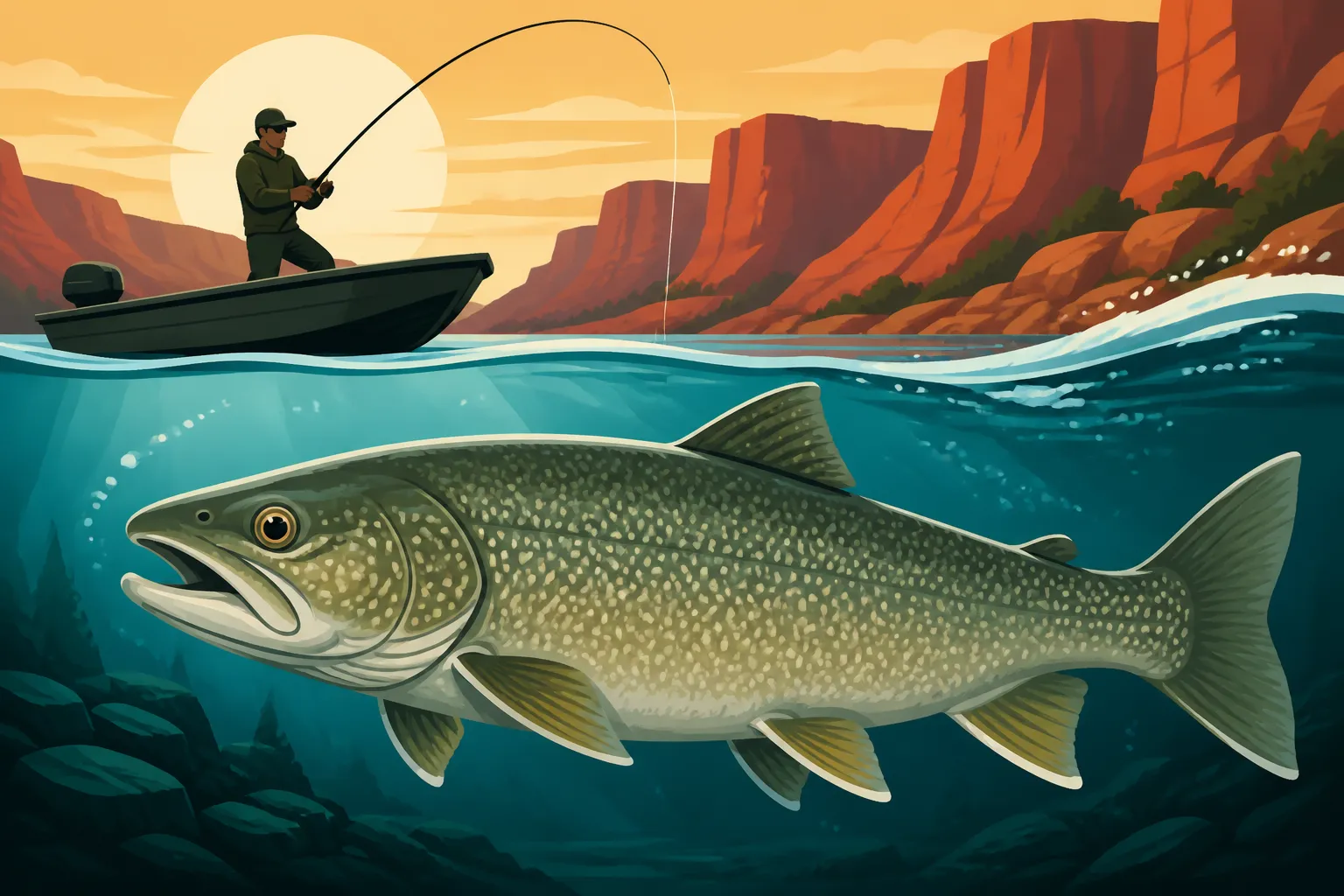
If you're serious about catching one of the giants, you'll need to think deep. Lake trout, especially the big ones, spend most of their lives in the frigid depths of Flaming Gorge. This means specialized gear and techniques are paramount. Trolling is arguably the most effective method for covering water and presenting baits at the precise depths where these fish lurk. Large spoons, like those from Johnson or Daredevil, or heavy tube jigs in white, pearl, or chartreuse, are common choices. Many anglers also use cut bait, often from the very chubs or kokanee that the lakers naturally feed on, presented on a substantial jig or rig.
The use of downriggers is almost essential for consistent success. These devices allow you to precisely control the depth of your lure, placing it right in front of the fish you see on your sonar. Speaking of sonar, a good fish finder is your best friend. Look for deep structure, sharp drop-offs, and especially schools of baitfish, as the big lakers are rarely far from their food source. To understand more about the best approaches, you might find our guide on Trolling Techniques for Wyoming Reservoirs incredibly useful, as it breaks down the how-to of deep-water presentations. When you locate a school of potential giants, vertical jigging with heavy spoons or tubes can also be highly effective.
Don't forget about ice fishing! During the winter months, when Flaming Gorge freezes over, brave anglers can target these big fish through the ice. Jigging large tubes or spoons, sometimes tipped with a piece of sucker meat, in 60 to 150 feet of water can be incredibly productive for trophy fish. Regardless of the season, heavy tackle is a must. You'll want strong rods capable of handling powerful runs, reels with excellent drag systems, and line in the 20-30 pound test range, often with a fluorocarbon leader for stealth. Knowing What Lake Trout Eat in Wyoming Reservoirs can also give you an edge in selecting the most effective baits and lures.
Seasonal Considerations for Trophy Fishing
Lake trout are present in Flaming Gorge year-round, but their behavior and where they hold can vary significantly with the seasons. Generally, the cooler months tend to be prime time for trophy hunting. In spring, as the ice recedes, lakers can be found in slightly shallower waters as they follow baitfish that are more active near the surface. However, as summer progresses and the water warms, these fish retreat to the deep, cool thermocline, often in depths exceeding 60-100 feet.
Fall can be particularly exciting. As the water cools again and lake trout prepare for their spawning period, they become more active and can be incredibly aggressive. This is often cited as one of the best times to target the truly big ones. They'll be feeding heavily to build up energy reserves, making them more susceptible to your offerings. Winter, as mentioned, offers unique ice fishing opportunities, where precise jigging in deep water can yield spectacular results. For a detailed breakdown of how each part of the year impacts fishing, check out our guide on Wyoming Fishing Seasons Month by Month. If you're wondering about specific timing for lakers, our post on Best Month for Lake Trout at Flaming Gorge delves into this topic even further.
Ethical Angling for Flaming Gorge Giants
The pursuit of trophy lake trout is an incredible experience, but it comes with a responsibility. These large, old fish are a valuable resource, and treating them with respect ensures that Flaming Gorge continues to be a world-class fishery for generations to come.
Catch and Release Best Practices for Large Fish
When you do hook into one of those magnificent giants, how you handle it in the moments after the fight truly matters. Large lake trout are often old and can be delicate. Minimizing the fight time is crucial; don't play the fish to exhaustion, especially in deep water where they can suffer from barotrauma (due to rapid pressure changes). Use appropriate tackle that allows you to land the fish efficiently. When you bring it boatside, avoid dragging it onto dry land or slamming it against the gunwales.
Use wet hands if you must handle the fish, and support its entire body, especially the belly, to protect its internal organs. If possible, keep the fish in the water for photos. If you must bring it aboard for a quick picture, do so swiftly, then get it back in the water as quickly as possible. Take time to revive the fish, holding it gently upright in the water and moving it back and forth to force oxygenated water over its gills until it's strong enough to swim away on its own. For more general guidelines, our article on Catch-and-Release Rules on Wyoming Waters provides essential information for anglers across the state.
Planning Your Trophy Hunt
A successful trophy lake trout trip to Flaming Gorge often involves significant planning. Beyond just knowing the techniques, consider these elements. First, always double-check the latest regulations from the Wyoming Game and Fish Department, as limits and rules can change. You'll need to secure your Wyoming Fishing License Guide for Nonresidents if you're visiting from out of state, or your resident license if you live here.
For many, the best way to increase their chances of landing a true giant is to hire a local expert. These guides spend countless hours on the water, know the subtle nuances of the reservoir, and have the specialized gear required for deep-water trophy hunting. If you're looking to connect with experienced professionals, online platforms like FishingBooker can be an invaluable resource to find reputable guides who specialize in Flaming Gorge lake trout. They can put you on the fish, teach you the ropes, and ensure you have the best possible experience. Guides can provide everything from tackle to invaluable local knowledge, significantly increasing your odds. You can also explore our detailed guide on Hiring a Fishing Guide in Wyoming for general advice. Specifically for Flaming Gorge, you'll find great insights in Guided Lake Trout Trips at Wyoming's Flaming Gorge, which can help you choose the right outfitter.
Good luck out there, and may your lines be tight!
Disclaimer
The information provided in this guide is for general informational purposes only. Fishing regulations, conditions, and fish populations can change rapidly. Always consult the official Wyoming Game and Fish Department website or current regulations booklet before heading out on the water. It is your responsibility to know and follow all applicable laws and regulations.