What Fishing Was Like at Jackson Lake Before the October Reopening
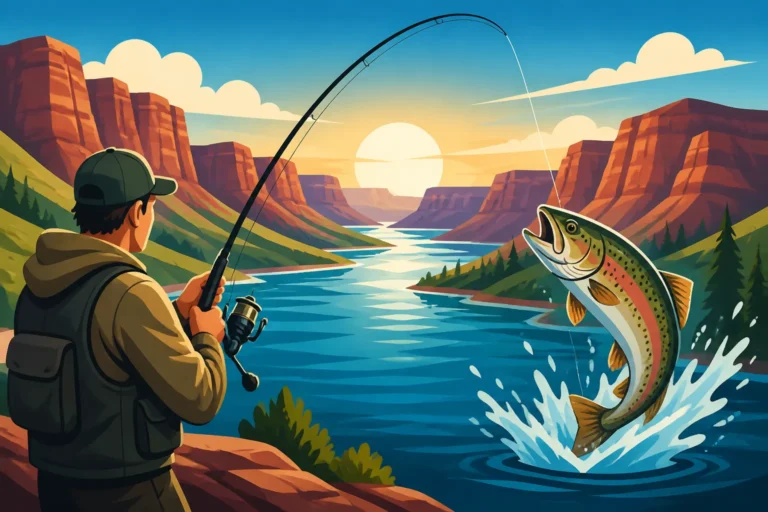
There used to be a particular kind of heartbreak for anglers heading to Jackson Lake as September drew to a close. Just when the air started getting crisp, the leaves turned to gold, and the big lake trout and cutthroat were at their most active, a firm regulation came into play: fishing closed down completely for the month of October. This guide is all about diving deep into what fishing was like at Jackson Lake during those pre-reopening days, exploring the reasons behind the closure, the challenges it posed, and how that legacy informs our appreciation for the current, more open regulations.
The Longstanding October Closure of Jackson Lake
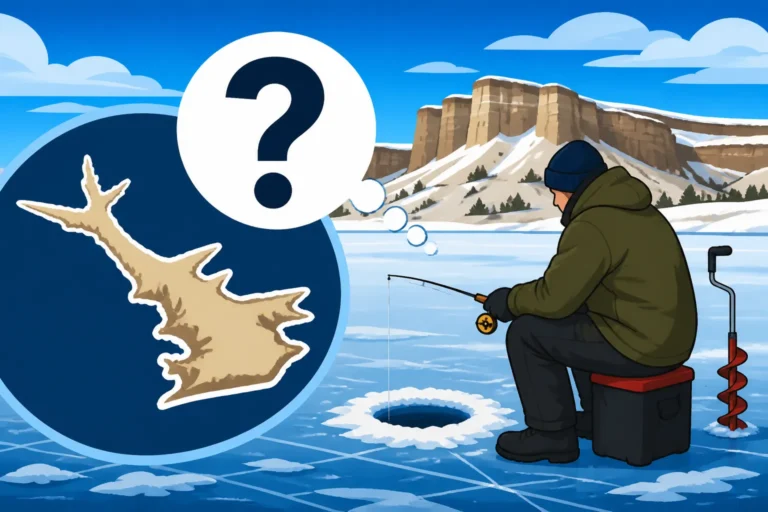
For many years, the thought of fishing Jackson Lake in October was just a pipe dream. You could gaze at its stunning, deep blue waters, framed by the majestic Teton Range, but you couldn't drop a line. This wasn't some arbitrary decision; it was rooted in deep-seated conservation principles that shaped how we interacted with this incredible fishery for decades.
Why October Was Historically Off-Limits
The primary reason for the extended closure through October was squarely focused on fish conservation, particularly the protection of spawning trout. October is a critical time for several species in Jackson Lake and its tributaries, especially the native Snake River Fine-Spotted Cutthroat Trout and, to a lesser extent, the lake trout (Mackinaw). During this period, these fish often move into shallower areas, congregating near shorelines or migrating into tributary streams to reproduce. The Wyoming Game and Fish Department, in its role of managing the state's precious wildlife, aimed to minimize disturbance and pressure on these vulnerable populations during their reproductive cycles. The idea was simple: if we leave them undisturbed during this crucial time, they'll have a better chance of successful spawning, ensuring a healthy population for future generations. This management strategy was a cornerstone of Wyoming Fishing Regulations Every Angler Should Know for a very long time, reflecting a cautious approach to preserving native species.
Another factor was the weather. While October can offer stunning, calm days, it can also bring sudden, severe weather changes to the high country of Grand Teton National Park where Jackson Lake resides. Unpredictable snowstorms, freezing temperatures, and strong winds can make fishing not only challenging but also dangerous. The closure, in a way, inadvertently minimized the risk of anglers getting caught out in treacherous conditions, although safety was usually a secondary consideration to the biological ones.
Angler Frustrations and Missed Opportunities
You can imagine the frustration this caused among avid anglers. Fall fishing in Wyoming is legendary. It’s when the bigger fish are often more aggressive, fattening up for winter. The crowds thin out after the summer rush, and the scenery is simply breathtaking, with aspens and cottonwoods turning vibrant shades of yellow and orange against the backdrop of snow-capped peaks. To have one of the state's premier waters, Wyoming's Jackson Lake Fishing Guide, completely shut down during such a prime window was a bitter pill for many.
Think about the dedicated lake trout enthusiasts who knew the giants of Jackson Lake were moving shallower, becoming more accessible from shore or through aggressive trolling. Or the fly anglers dreaming of cutthroat keying in on fall hatches or streamer patterns before winter truly set in. These were precisely the conditions that could lead to a trophy catch, but the rules made it impossible. Many a seasoned angler would lament the "good old days" before the closure, or simply resign themselves to finishing their Jackson Lake season by the end of September, packing up their gear while other incredible waters like those on the North Platte River remained open. It really felt like a missed opportunity to experience some of the best fishing the year had to offer.
Fishing Conditions During the Old Season
Before the October reopening, anglers at Jackson Lake had to make the most of the short, high-country summer and early fall. The season was intense, often running from ice-off, usually in late May or early June, through September 30th. This compressed window meant anglers really had to hustle to get their fix, and specific techniques shone during these months.
Prime Species and Techniques Before the Closure
During the open season, Jackson Lake was a haven for anglers targeting two main species: the native Snake River Fine-Spotted Cutthroat Trout and the introduced Lake Trout, also known as Mackinaw. For cutthroat, the warmer summer months saw them widely dispersed, often congregating near cool water inflows or deeper submerged structures. Early season, right after ice-out, could be fantastic for cutthroat, as they were often hungry and accessible. Fly anglers would find success matching early hatches, while spin fishermen used small spoons, spinners, or bait. As summer progressed, cutthroat would become more elusive, requiring longer casts and more subtle presentations.
Lake trout, on the other hand, were a year-round target (within the open season, of course) and the draw for many trophy hunters. These powerful fish inhabit the deep, cold waters of Jackson Lake. Before the October closure, late summer and early fall (September) were particularly good for Mackinaw. They'd start to become more active as water temperatures cooled, moving into depths where trolling with downriggers and heavy gear became very effective. Anglers would often use large tube jigs, spoons, or even baitfish imitations to entice these giants. Specific areas like the deeper channels or underwater structures were closely guarded secrets among serious lake trout anglers. Knowing What Fish Live in Jackson Lake was key to understanding the seasonal patterns and successful fishing strategies.
The Beauty of Late Season Fishing
Even with the impending closure looming, the late season (August and September) at Jackson Lake offered an unparalleled experience. The summer crowds had largely dissipated, leaving the lake and surrounding landscape feeling more serene and wild. The crisp, cool air was invigorating, a welcome change from the hotter summer days. Perhaps the most striking feature was the visual spectacle: the vibrant gold of aspens shimmering against the dark green of pine forests, all framed by the snow-dusted peaks of the Tetons. It was a photographer's dream, and catching a brightly colored cutthroat or a massive lake trout amidst such scenery was truly unforgettable.
Anglers often reported a sense of urgency, trying to squeeze in as many trips as possible before the doors literally closed on October 1st. There was a unique camaraderie among those who frequented the lake in September, all sharing the knowledge that this was their last chance until the following spring. Many opted for multi-day trips, camping at sites like Lizard Creek or Colter Bay, to maximize their time on the water, soaking in the last vestiges of the open season.
The Impact of the Closure on Fishing Patterns
The hard cutoff date of September 30th profoundly influenced how anglers planned their trips and where they chose to fish, especially those traveling long distances to experience Best Places to Fish in Wyoming.
Shifting Angler Behavior
With Jackson Lake off-limits for October, many anglers who specifically sought the thrill of fall fishing had to redirect their efforts. Instead of Jackson Lake, they would turn their attention to other renowned Wyoming waters that remained open and offered excellent autumn opportunities. The North Platte River, particularly the Miracle Mile and Gray Reef sections, became a prime destination for its phenomenal brown trout and rainbow trout fishing. Similarly, the Snake River, downstream from Jackson Lake Dam, offered excellent fall fishing, especially for the resident cutthroat populations. Anglers might also head to other large reservoirs like Flaming Gorge or Boysen, where species like walleye and lake trout remained active.
This shift wasn't just about finding another place to cast a line; it also meant adapting techniques and expectations. The deep-water trolling unique to Jackson Lake for Mackinaw had to be shelved for a month, replaced by river-specific tactics like nymphing or streamer fishing on the North Platte, or jigging for walleye. For those who loved the majesty of Grand Teton National Park, the closure forced them to explore other fishing opportunities within the park, or simply enjoy the landscape without a rod in hand during October. Even for those planning trips, trying to book a guide or find a boat rental often meant dealing with the knowledge that Jackson Lake was a non-starter for fall trips, though you might still use a service like FishingBooker to scout options for other lakes and rivers that remained open.
Conservation Efforts and Their Perceived Effectiveness
The effectiveness of the October closure as a conservation measure was a topic of ongoing discussion among anglers and wildlife managers. On one hand, the intent was clear and scientifically sound: protect spawning fish. By reducing human disturbance during a critical reproductive period, the Wyoming Game and Fish Department hoped to allow cutthroat and lake trout to spawn more successfully, contributing to a robust future fishery. It was a testament to the department's commitment to protecting the state's natural resources.
However, some anglers questioned whether the blanket closure was truly necessary or the most effective strategy. While native cutthroat are a priority, the lake trout population in Jackson Lake is often managed differently due to their non-native status and their impact on native cutthroat. In nearby Yellowstone Lake, for instance, lake trout removal efforts are aggressive to protect native Yellowstone Cutthroat. So, for lake trout, some argued that allowing fishing through October might even help manage their numbers, especially if bigger, spawning-sized fish were targeted. This nuanced perspective highlighted the complexities of fisheries management, where different species, even in the same water body, can have very different conservation needs and goals. Regardless, the official stance remained: the benefits of reduced pressure on all species during spawning outweighed the desires of fall anglers.
What Changed: The Rationale Behind the October Reopening
The decision to reopen Jackson Lake for fishing in October was a significant policy shift, one that thrilled many anglers and marked a new chapter in the lake's management. This wasn't a sudden reversal but rather a carefully considered change, informed by updated research and evolving management strategies.
New Research and Management Objectives
The key driver behind the Why Jackson Lake Now Stays Open Through October decision was a reevaluation of the lake's fish populations, particularly the native Snake River Fine-Spotted Cutthroat Trout and the non-native Lake Trout. Years of monitoring, data collection, and scientific study by the Wyoming Game and Fish Department and Grand Teton National Park biologists provided a clearer picture of the fish's spawning behaviors and overall population health.
Crucially, new data indicated that the primary spawning period for the native cutthroat trout in Jackson Lake's main body and its critical tributaries often occurred earlier than October, largely wrapping up by the end of September. Furthermore, a growing concern was the robust and expanding population of lake trout. While beloved by many anglers, lake trout are predatory and can exert significant pressure on native cutthroat populations. Therefore, extending the fishing season through October offered an additional opportunity for anglers to harvest lake trout, thereby acting as a management tool to help control their numbers. This shift acknowledged that, in some cases, targeted angler harvest could align with conservation goals, especially for non-native species impacting natives.
This change also aligned with the evolving understanding of how recreational angling can be integrated into broader conservation efforts. Instead of a blanket closure, the approach became more nuanced, allowing for a longer season while maintaining specific regulations (like bag limits or gear restrictions) to protect native species during their most vulnerable times. It represented a move towards adaptive management, where policies are adjusted based on the latest scientific findings rather than historical precedent alone.
Anticipation and New Opportunities for Anglers
The announcement of the October reopening was met with widespread enthusiasm. For years, anglers had dreamt of those golden fall days on Jackson Lake, and now that dream was a reality. The opportunity to fish in October meant:
- Extended Fall Fishing: Anglers could now enjoy the peak fall colors and crisp weather, extending their season on one of Wyoming's most iconic waters.
- Trophy Lake Trout Opportunities: As lake trout often become more active and shallower in the cooling waters of autumn, October presented a prime window for targeting these giants before winter truly set in. This was particularly exciting for those dedicated to Lake Trout Mackinaw Fishing in Wyoming.
- Reduced Crowds: While October is now open, it generally sees fewer anglers than the busy summer months, offering a more peaceful and solitary fishing experience.
- Unique Scenery: The Teton Range in October is simply unparalleled, and now anglers could be on the water, fishing, while surrounded by this natural spectacle.
This new policy transformed how anglers approached trip planning for Jackson Lake, allowing them to truly embrace the full spectrum of Wyoming's fishing seasons. Many immediately started looking at dates, checking conditions, and reaching out to outfitters or checking platforms like FishingBooker to plan their first post-reopening October excursions.
Jackson Lake Fishing Regulations: Before vs. After October Reopening (Focusing on October)
Here's a quick look at how things changed specifically for the month of October:
| Feature | Before October Reopening (e.g., prior to 2023) | After October Reopening (e.g., from 2023 onwards) |
|---|---|---|
| Fishing Season in October | CLOSED | OPEN |
| Primary Goal of Closure | Protect spawning Cutthroat & Lake Trout | Allow angler harvest (especially Lake Trout) |
| Angler Access | No fishing allowed | Full access, subject to general regulations |
| Species Targeted | N/A (closed) | Cutthroat Trout, Lake Trout (Mackinaw) |
| Seasonal Opportunity | Missed prime fall fishing | Extended fall fishing, potential for trophy fish |
| Conservation Strategy | Passive protection through closure | Active management through regulated harvest |
Note: Specific bag limits and other rules always apply and are subject to change. Always consult the current Wyoming Game and Fish Department regulations.
Comparing Past October Fishing to the Present
The transition from a closed October to an open one has fundamentally altered the Jackson Lake fishing experience. It's not just about being able to cast a line; it's about how fish behave, how anglers interact with the environment, and the opportunities that have emerged.
How the Fish Behavior Might Have Differed
In the years when Jackson Lake was closed for October, the fish had a month of undisturbed activity. For cutthroat, this meant unimpeded spawning runs into tributaries or shallower lake areas without the pressure of anglers. They could complete their reproductive cycles in peace, potentially allowing for less stress and higher success rates. Lake trout, too, were left alone during a period when they often become more active and move closer to the surface or shorelines as water temperatures drop. This natural, undisturbed behavior was unique to that month.
Now, with the lake open, fish behavior in October is subject to angling pressure. While cutthroat spawning is largely thought to be finished by then, some stragglers might still be present, and they will now encounter lures, flies, and bait. For lake trout, the increased activity due to cooling water makes them more vulnerable to anglers. They might still move to shallower areas, but now they are met with boats trolling, anglers jigging, and shore fishermen casting. This means they've adapted to a new "normal" where human interaction is a part of their October routine, potentially making them warier in heavily fished spots, though the colder water generally keeps them aggressive. It’s a delicate balance the fish are now navigating.
The Modern Angler's Experience in October
Today's angler venturing onto Jackson Lake in October is stepping into a world that past generations of fall anglers only dreamed of. The experience is, in many ways, the best of both worlds: the stunning beauty of late autumn in Grand Teton National Park combined with the thrill of active fishing.
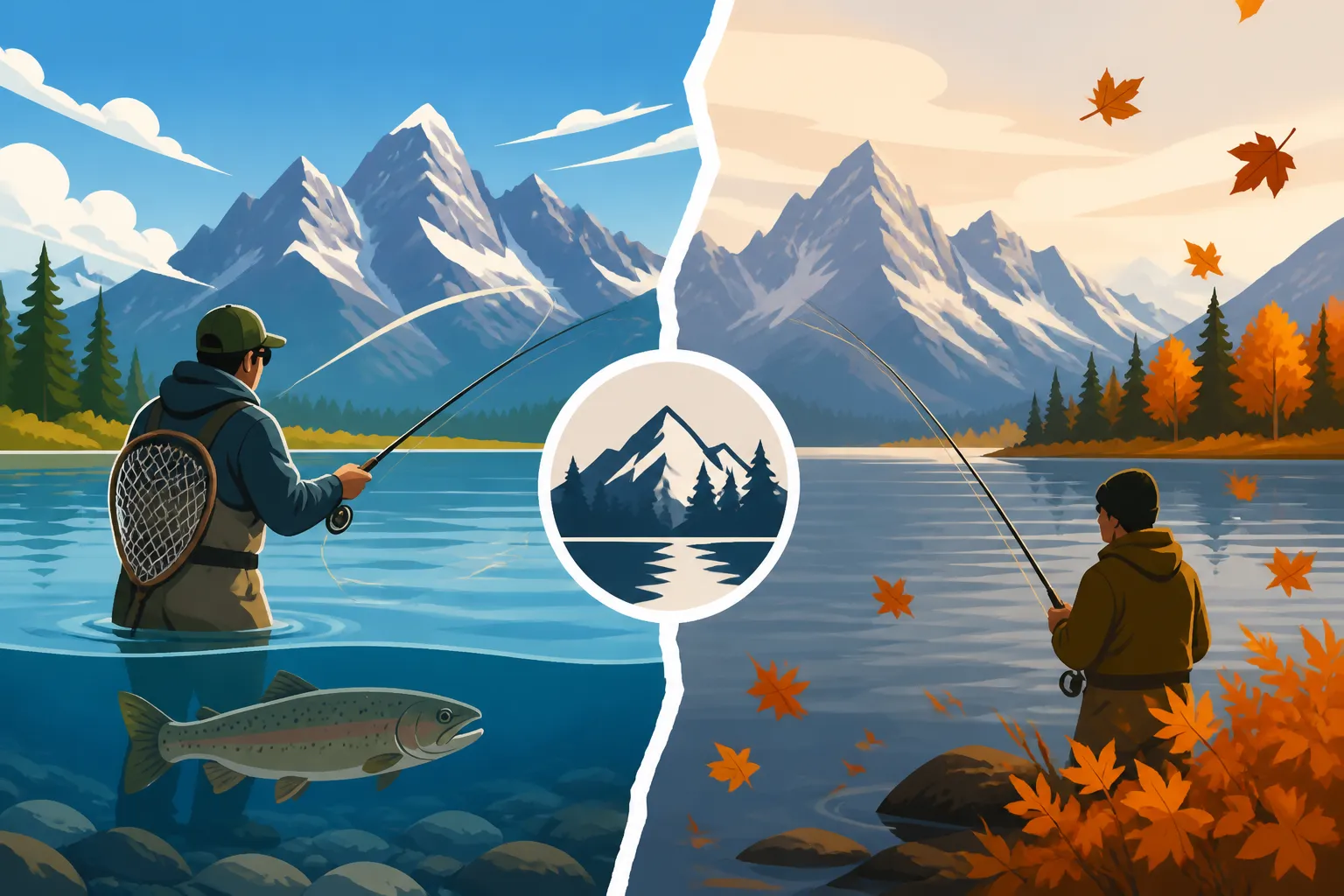
You can expect crisp, cool mornings, often with a mist rising off the water, giving way to clear, sunny, and often surprisingly mild afternoons. The autumn colors are usually at their peak, creating an incredible backdrop for a day on the water. The crowds are notably thinner than in July or August, allowing for a more solitary and peaceful experience. Boats are spaced further apart, and finding a quiet stretch of shoreline to fish from is much easier.
For those targeting lake trout, October is now a prime month. The fish are actively feeding, and with cooler surface temperatures, they might be found at more accessible depths. Trolling with large spoons or tube jigs, or vertical jigging over deep structure, can be incredibly effective. For cutthroat, while not the peak spawning period, they can still be caught, particularly on streamers or nymphs in tributary mouths or rocky points. It’s a fantastic time for anglers who appreciate solitude, dramatic landscapes, and the chance at a truly memorable catch. However, it's also crucial to be prepared for sudden weather changes; October in the Tetons can turn from glorious sunshine to a whiteout in a matter of hours, so appropriate clothing and safety gear are paramount.
Planning Your Trip: Lessons from the Past, Eyes on the Future
While Jackson Lake's October reopening is a fantastic development, planning a successful and responsible trip still requires careful consideration, drawing lessons from the past and looking forward to sustainable practices.
Essential Gear and Preparation for Fall Fishing
Fishing Jackson Lake in October demands respect for the elements and the fish. The weather can be fickle, often starting cold and potentially turning warm, or vice-versa, with sudden snow squalls not out of the question.
- Layered Clothing: This is non-negotiable. Think moisture-wicking base layers, insulating mid-layers (fleece or down), and a waterproof/windproof outer shell. Don't forget a warm hat, gloves, and waterproof boots.
- Boat Safety Gear: If you're on a boat, ensure all required safety equipment is onboard, including life jackets, a throw cushion, a whistle, and a first-aid kit. Water temperatures are dangerously cold in October, so capsizing is a severe risk.
- Appropriate Rods and Reels: For lake trout, a stout rod (medium-heavy to heavy action) with a strong baitcasting or spinning reel spooled with at least 15-20lb test line is ideal for handling heavy lures and large fish. For cutthroat, a medium-light spinning setup or a 5-6 weight fly rod will suffice.
- Lures and Bait: Large spoons, tube jigs, and stickbaits are excellent for lake trout. For cutthroat, consider streamers (Woolly Buggers, Sculpzillas), nymphs (Prince Nymph, Pheasant Tail), or smaller spinners and spoons. Check current regulations for any bait restrictions.
- Navigation and Communication: A reliable GPS or mapping app is crucial on a large lake like Jackson. Cell service can be spotty, so consider a satellite messenger or VHF radio, especially if venturing far from shore.
- Food and Water: Pack plenty of high-energy snacks and water. Thermoses with hot coffee or soup can be a real game-changer on a chilly October day.
Planning ahead, checking the weather forecast daily, and being realistic about conditions are all vital. You might even want to consult Hiring a Fishing Guide in Wyoming if you're unfamiliar with the lake or fall conditions, as local guides have invaluable expertise.
Respecting the Resource and Evolving Regulations
With the privilege of fishing Jackson Lake in October comes the responsibility to protect its resources. The reopening was based on updated science and management objectives, and continued angler cooperation is essential for its long-term success.
- Know the Regulations: Always, always check the most current Wyoming Game and Fish Department regulations before you go. Rules, especially regarding bag limits for different species or specific waters like the New Snake River Trout Limits Near Jackson Lake Dam, can change annually. Pay close attention to any special rules for Fishing Rules Inside Grand Teton National Park, as Jackson Lake is within its boundaries.
- Practice Catch and Release Responsibly: While the October opening encourages some harvest, particularly of lake trout, careful catch and release is still crucial for native cutthroat. Handle fish gently, minimize their time out of water, and use appropriate tools for hook removal.
- Prevent Invasive Species: Always clean, drain, and dry your boat and gear after every use to prevent the spread of aquatic invasive species. This is a critical responsibility for all anglers in Wyoming.
- Leave No Trace: Pack out everything you pack in. Preserve the pristine beauty of Jackson Lake and Grand Teton National Park for future generations.
The evolution of fishing regulations at Jackson Lake, from a strict October closure to a managed reopening, reflects a dynamic approach to conservation. It’s a reminder that our understanding of these ecosystems is always growing, and our role as anglers is to be informed, adaptable, and respectful stewards of these incredible wild places.
Disclaimer
Fishing regulations and conditions in Wyoming are subject to change. Always consult the most current Wyoming Game and Fish Department regulations and Grand Teton National Park specific rules before planning your trip. This article is for informational purposes only and does not constitute official legal advice.