How to Access Fremont Canyon on the North Platte
Finding that perfect secluded spot to cast a line in Wyoming can feel like a quest, especially when you hear whispers about legendary places like Fremont Canyon on the North Platte. It's a place that promises incredible trout fishing, but the sheer cliffs and rugged terrain can make accessing it seem daunting, or even impossible, to the uninitiated. This guide is here to break down exactly how you can reach those coveted waters, giving you the confidence to explore one of Wyoming's most breathtaking and productive fisheries.
Understanding Fremont Canyon's Unique Appeal and Challenges
Fremont Canyon is often whispered about in reverent tones among Wyoming anglers, and for good reason. This geological marvel carves a deep, winding path through granite and sandstone, creating a truly spectacular setting for trout fishing. But its beauty and productivity come hand-in-hand with some very real challenges that every angler needs to understand before heading out.
The Allure of Trophy Trout in a Dramatic Setting
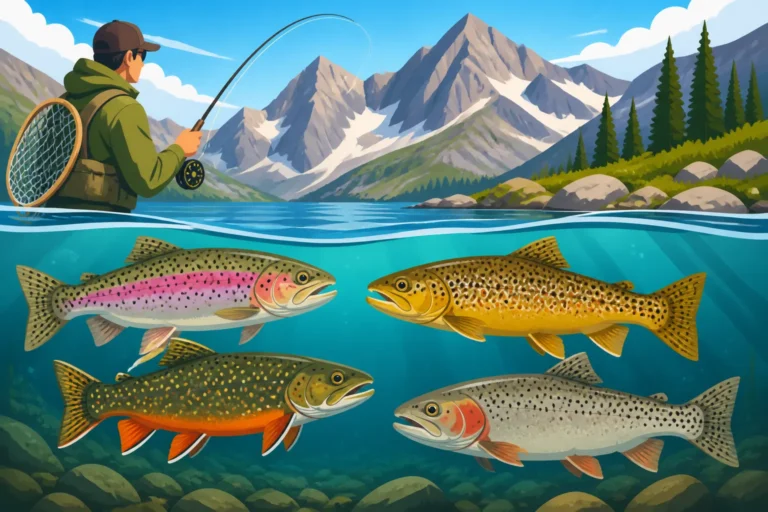
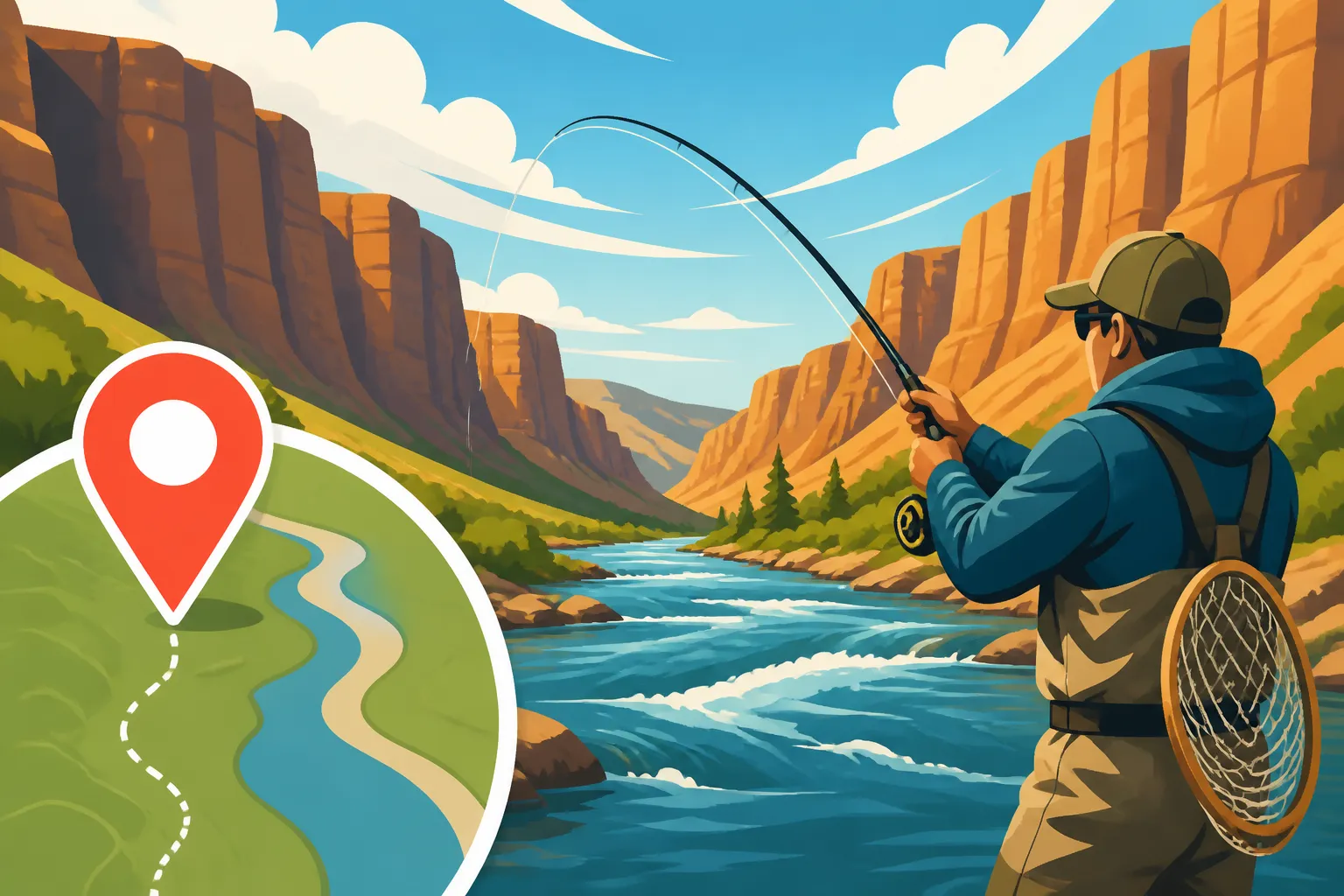
Imagine towering cliffs rising hundreds of feet, emerald-green water cutting through ancient rock, and the consistent thrum of a wild, healthy trout population. That's Fremont Canyon. This section of the North Platte River, specifically the tailwater below Alcova Dam, is renowned for its incredible populations of brown trout and rainbow trout, often in the trophy size class. The cold, oxygen-rich water released from the bottom of Alcova Reservoir creates a stable environment year-round, fostering an abundant insect life that keeps these fish thriving. It’s a place where the solitude and dramatic scenery enhance every cast, making a successful fishing trip feel like an even greater accomplishment. The sheer beauty of the canyon itself is often as much a draw as the fish, offering breathtaking photographic opportunities alongside prime angling. For those seeking an escape into true wilderness without venturing too far from modern amenities, Fremont Canyon offers a fantastic balance.
Navigating the Rugged Terrain and Remote Feel
While Fremont Canyon isn't exactly in the middle of nowhere – it's actually fairly accessible from Casper – its steep canyon walls and limited direct access points give it a wonderfully remote feel. The terrain can be challenging, involving steep descents, rocky scrambles, and often slick footing along the riverbanks. It's not a place for flip-flops or unprepared hikers. Many of the most productive fishing spots require a bit of effort to reach, which helps to thin out the crowds compared to some other well-known stretches of the North Platte, like the Miracle Mile. You won't find perfectly paved paths leading to every hole here. Instead, expect to navigate primitive trails, scramble over boulders, and sometimes even ford smaller side channels or slippery sections of the main river. This ruggedness is part of its charm, but it demands proper gear, physical readiness, and a healthy respect for the environment. When you're heading into areas like this, always let someone know your plans and expected return time. Safety should always be your top priority, especially in an area with limited cell service.
Key Access Points for Anglers at Fremont Canyon
Alright, let's get down to the brass tacks: how do you actually get your boots on the ground and your line in the water at Fremont Canyon? While it feels remote, there are a few well-known, though rugged, points of entry. Your choice will depend on your comfort level with steep trails, your target fishing spots, and your vehicle.
The Main "Paved Road" Access
The most common way to get close to the canyon is via the paved road that follows the canyon rim on the south side. If you're coming from Casper, you'll take Highway 220 west, then turn south onto County Road 407 (Alcova Road), which leads to Alcova Reservoir. From there, you'll follow signs towards the dam and the canyon. The paved road eventually leads to a few designated parking areas and pull-offs that offer stunning views of the canyon and act as starting points for various trails.
One popular spot is near the "Cardwell Access" or a bit further downstream. These areas provide parking and often have clear, though steep, trails winding down into the canyon floor. These trails can be gravelly, dusty, and sometimes have loose rock, so sturdy hiking boots with good ankle support are absolutely essential. In many cases, these are the only points where you can easily get a sense of the canyon's scale before committing to a descent. Remember to always park in designated spots and be mindful of private property, especially as you get closer to residential areas around the reservoir. It's also wise to check for any temporary closures or restrictions by checking the Wyoming Game and Fish Department website or their local Casper office.
Exploring the North Side and Alternative Trails
While the south side offers the primary paved access, there are other ways to explore Fremont Canyon, particularly on the north side, though these are often more challenging and less marked. Accessing the north side typically involves navigating more primitive dirt roads and requires a higher-clearance vehicle, possibly even 4×4, especially if conditions are wet. These routes are usually less maintained and less forgiving, appealing to those looking for a truly solitary experience.
One such area might be found by continuing past the main dam turn-off on Highway 220 and looking for various dirt roads that branch off towards the river. These are not always well-signed and can lead to dead ends or private land, so having a good map, GPS, or even a local guide is highly recommended. These alternative trails, if you can find them, often drop into different sections of the canyon, sometimes allowing access to lesser-fished stretches. Just be aware that vehicle recoveries in these areas can be extremely costly and challenging, so always err on the side of caution. If you're unsure, sticking to the main paved access points and well-trodden paths on the south side is the safest bet.
Wading and River Navigation for Anglers
Once you've successfully descended into Fremont Canyon, the real work (and fun!) begins. The North Platte River here is a strong, cold tailwater, and wading is a critical component of accessing many of the best fishing spots. However, it's not always easy. The riverbed is primarily composed of slippery, moss-covered rocks, and the current can be deceptively powerful, particularly during higher flows.
High-quality wading boots with felt soles or sturdy studded rubber soles are non-negotiable for safety. A good wading staff is also a lifesaver, providing an extra point of contact and stability. Always proceed with caution, testing the depth and footing with each step. Some sections of the canyon are incredibly deep, making them impassable for wading, which means you'll have to hike around or find alternative casting positions from the bank. The water clarity can be exceptional, but this also means fish can be spooky, so a stealthy approach is often rewarded. Understanding How to Read Water When Trout Fishing is vital here, as the varied currents and structures provide endless holding water for trout. Remember, even if the air is warm, the water itself is always very cold, making quality waders and layers essential for comfort and safety.
Planning Your Fremont Canyon Fishing Expedition
A successful trip to Fremont Canyon isn't just about knowing where to park; it's about smart planning, being prepared for the unexpected, and respecting the environment. This isn't a casual roadside stop; it demands a bit more forethought.
Essential Gear for the Canyon Environment
Given the rugged nature of Fremont Canyon, your gear choices are paramount.
- Waders and Boots: As mentioned, felt or studded wading boots are crucial. Breathable waders are great, but bring layers for insulation underneath.
- Layered Clothing: Wyoming weather is notoriously unpredictable. Even on a warm day, the canyon can be cooler, and conditions can change rapidly. Think moisture-wicking base layers, a fleece or down mid-layer, and a waterproof/windproof outer shell.
- Backpack: A sturdy daypack is essential to carry water, snacks, extra layers, first-aid kit, and your fishing essentials.
- First-Aid Kit: Small but comprehensive, for scrapes, cuts, and blisters.
- Sun Protection: High altitude sun is intense. Sunscreen, a wide-brimmed hat, and polarized sunglasses are a must.
- Water: Carry more than you think you'll need. There's no potable water in the canyon.
- Navigation: A physical map of the area, a compass, and a fully charged phone with GPS capabilities (though cell service can be spotty) are good to have.
- Fishing Gear:
- Rod: A 4-6 weight fly rod is ideal for the North Platte's trout, offering versatility for different fly sizes and fish. Spin fishers might prefer a light to medium-light spinning rod.
- Reel and Line: Match your rod weight. Bring extra tippet and leaders.
- Flies/Lures: Fremont Canyon typically calls for nymphs (like various Stoneflies, Mayfly nymphs, Caddis larvae, Pheasant Tails, Prince Nymphs) fished deep, streamers (Woolly Buggers, Sculpzillas) for bigger browns, and dry flies (Elk Hair Caddis, Parachute Adams) during hatches. Spin fishers will do well with small spinners, spoons, or soft plastics. Knowing the local insect hatches, or asking at a local fly shop in Casper, can be extremely helpful.
- Net: A net is highly recommended for safely landing and releasing fish.
- Forceps/Pliers: For hook removal.
- Fishing License: Absolutely critical! Ensure you have your valid Wyoming fishing license and Conservation Stamp. You can explore a comprehensive guide on Wyoming Fishing License Guide for Nonresidents or check out Wyoming Resident vs Nonresident License Rules to determine what you need. Always carry it with you, preferably a physical copy or an official digital version on your phone.
Timing Your Visit for Optimal Conditions
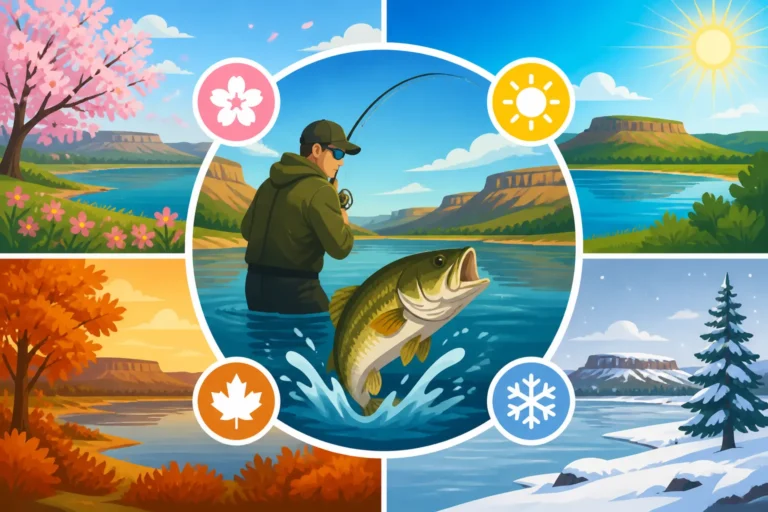
Fremont Canyon is fishable year-round, but each season offers a different experience and set of challenges.
- Spring (April-May): Can be fantastic, especially before runoff. Fish are active, and hatches of midges and some early mayflies occur. Be prepared for rapidly changing weather, including snow and wind. Runoff from tributaries can muddy the water, but the tailwater itself often remains clear. This is when Wyoming Spring Fishing What to Expect.
- Summer (June-August): Peak season. Consistent dry fly action with caddis and various mayfly hatches. Warmer temperatures mean more comfortable wading, but also more anglers. Early mornings and late evenings are often best. Remember the intense sun!
- Fall (September-October): Many consider this the absolute best time for trophy brown trout, as they become more aggressive and begin their spawning runs. Fewer crowds, beautiful autumn colors, and strong fishing. Dress warmly as temperatures drop. Fall Fishing for Browns on the Miracle Mile (a nearby stretch) offers insights into this aggressive behavior.
- Winter (November-March): Extremely challenging due to cold and ice, but can be very rewarding for dedicated anglers. Nymphing is key, targeting deep, slow runs. Ice can form along banks, making access tricky. This is a time when having a local guide can make a huge difference, as they know the safe access points and productive winter holes.
Always check current weather forecasts and river flow conditions before heading out. The Wyoming Game and Fish Department website is an excellent resource for river flows and any special regulations for specific sections of the river.
Safety Considerations and Responsible Angling
Fremont Canyon, while stunning, demands respect.
- Know Your Limits: Don't attempt trails or wading conditions beyond your physical capabilities.
- Solo vs. Buddy System: If fishing alone, tell someone exactly where you're going and when you expect to return. Better yet, go with a buddy.
- Cell Service: Be aware that cell phone service is often spotty or nonexistent in the canyon depths.
- Wildlife: You're in Wyoming. Be aware of snakes, bears (though less common in the canyon itself, it's still bear country), and other wildlife. Carry bear spray if it makes you feel safer.
- Leave No Trace: Pack out everything you pack in. Dispose of fishing line responsibly. Respect the fishery by practicing Catch-and-Release Best Practices for Trout, especially for the larger, wild fish. Handle fish gently, minimize their time out of water, and release them quickly.
- Hire a Guide: If you're new to the area or prefer a curated experience, consider hiring a local guide. Companies found on platforms like FishingBooker can provide expert knowledge of access points, techniques, and safety protocols, maximizing your chances of a successful and safe trip. A guide can also help you understand Reading Riffles and Runs on Wyoming Trout Streams effectively.
Local Resources and Guided Trip Options
Even for experienced anglers, sometimes a little local wisdom goes a long way, especially in a place as intricate as Fremont Canyon. Leveraging local resources can significantly enhance your trip.
Local Fly Shops and Outfitters in Casper
Before you even hit the road for Fremont Canyon, a stop in Casper is highly recommended. Casper boasts excellent fly shops like the North Platte Fly Shop or Ugly Bug Fly Shop & Angling Company. These shops are invaluable resources. They can provide:
- Up-to-the-minute Fishing Reports: What flies are working, current water flows, and recent catch reports.
- Local Knowledge on Access: They can give you very specific directions to current hot spots, known hazards, or even lesser-known access points.
- Gear: Forgot something? Need a specific fly? They'll have you covered.
- Licensing: You can often purchase your Wyoming Fishing License Guide for Nonresidents directly at these shops.
- Guided Trip Information: Many of these shops also run guided trips or can recommend reputable local guides.
Talking to the folks who are on the river almost daily is the best way to ensure you're prepared for the specific conditions you'll encounter during your visit. They can save you a lot of guesswork and dramatically improve your chances of a successful day.
The Value of a Guided Fishing Experience
For many, exploring Fremont Canyon is an adventure best shared with an expert. Hiring a licensed fishing guide, especially one specializing in the North Platte River, offers numerous advantages:
- Expert Navigation: Guides know the safest and most productive access points, including those that might be difficult to find on your own. They navigate the steep trails and tricky wading spots with confidence.
- Local Expertise: They understand the nuances of the river – the best flies for the day, how the fish are reacting to current conditions, and where the trophy trout are holding. This is particularly useful for discerning the subtle differences between different fishing spots on the North Platte.
- Safety: Guides prioritize your safety. They are trained in river hazards, first aid, and can make informed decisions about when conditions are safe or too challenging. This is especially true when navigating the North Platte's currents.
- Instruction: If you're looking to improve your fly casting, nymphing techniques, or simply learn more about reading trout water, a guided trip provides one-on-one instruction.
- Equipment: Most guides provide high-quality rods, reels, and often flies, taking the guesswork out of what gear to bring.
- Stress-Free Day: You can simply focus on fishing and enjoying the stunning scenery, without worrying about logistics.
Platforms like FishingBooker are a great way to find reputable, licensed guides operating in the Fremont Canyon and North Platte River area. You can read reviews, compare prices, and book a trip that suits your schedule and preferences. Whether it's a full-day float trip or a walk-wade trip into the canyon, a guide can transform a potentially frustrating day into an unforgettable fishing experience. You can find more information about Hiring a Fishing Guide in Wyoming or even specifically about Guided Trips on Wyoming's North Platte Miracle Mile which, while a different section, shares many of the same guide services and techniques.
Disclaimer
Please be aware that fishing regulations, access points, and river conditions can change. Always consult the most current Wyoming Game and Fish Department regulations before heading out. Fishing involves inherent risks, and it is your responsibility to ensure your safety and adhere to all laws and regulations.