Best Boysen Reservoir Access for Bank Fishing
Anyone who's ever pulled up to Boysen Reservoir with a rod and reel knows the feeling: a vast, shimmering expanse of water, teeming with promise, yet often intimidating when you’re trying to figure out where to actually cast a line from shore. It’s not like every inch of that shoreline is easily accessible, and wading through tall sagebrush or navigating rocky cliffs just isn't everyone's idea of a relaxing day. This guide is all about cutting through that confusion, helping you find the best bank fishing spots on Boysen Reservoir so you can spend less time searching and more time reeling in those Wyoming beauties.
Understanding Boysen Reservoir's Unique Shoreline for Anglers
Boysen Reservoir is an absolute gem in central Wyoming, a massive body of water formed by the damming of the Wind River. Its sheer size – over 19,000 surface acres at full pool – means there's a ton of shoreline, but not all of it is created equal for bank anglers. Understanding the lay of the land, or rather, the water, is key to finding success from shore.
The Diverse Landscape and Its Challenges
Imagine a sprawling lake, ringed by desert cliffs, sandy beaches, rocky points, and dense brush. That's Boysen. The terrain changes dramatically from one cove to the next, and these variations directly impact how easy or difficult it is to reach the water's edge. Some areas offer wide, gently sloping banks perfect for setting up a family fishing day, while others are steep and rugged, requiring a bit more effort (and sometimes, some serious bushwhacking) to get your line in the water. The fluctuating water levels, which can change quite a bit throughout the season due to irrigation demands, also play a huge role. A spot that was easily accessible last month might be a muddy mess or completely dry now, and vice-versa. This constant variability can be frustrating, but it also means there's always something new to discover if you're willing to explore.
Key Fish Species and Their Bank Fishing Habits
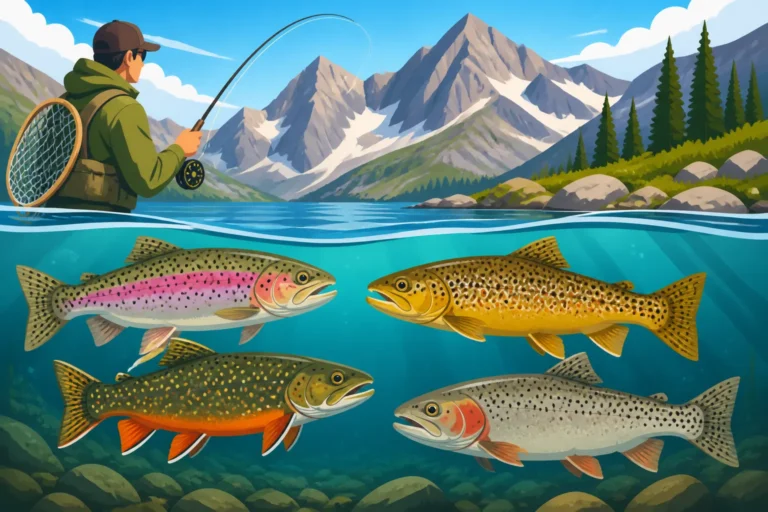
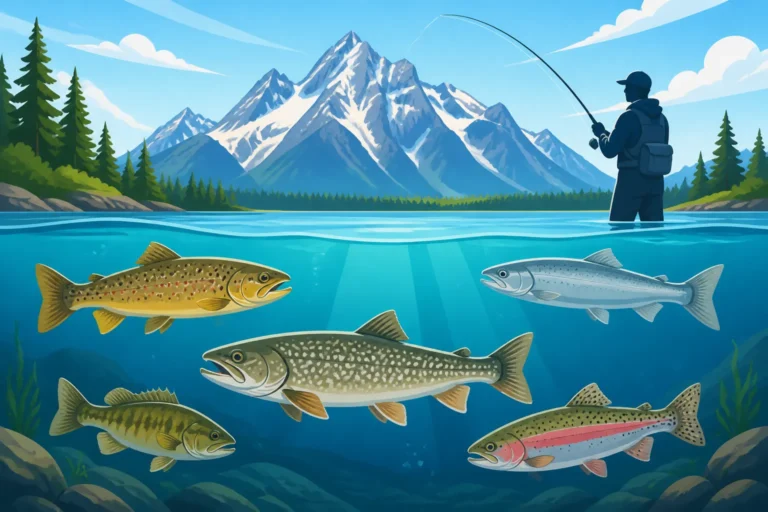
Boysen Reservoir is renowned for its diverse fishery. For bank anglers, the main targets are usually walleye, sauger, rainbow trout, brown trout, yellow perch, and sometimes even crappie or ling (burbot). Each species has its own preferences when it comes to habitat and feeding, which influences where you might find them from shore:
- Walleye and Sauger: These predatory fish often patrol rocky points, submerged structure, and drop-offs, especially during low light conditions or at night. They’re often found near the main dam area or river channels within the reservoir.
- Trout (Rainbow and Brown): Rainbows are frequently stocked and can be caught throughout the reservoir, often cruising shallower flats or near inlets. Browns tend to hang around cover like rocky areas or submerged timber and are particularly active during cooler months.
- Yellow Perch: Perch are schooling fish and can be found in a variety of habitats, often near vegetation or soft bottoms in coves. If you find one perch, you've likely found a whole school!
Understanding these habits helps you choose a bank spot that aligns with what you're hoping to catch. For instance, a sandy, shallow cove might be great for perch and stocked rainbows, while a rocky point could hold a lurking walleye. You can find more details about these species in our guide on Wyoming's Most-Caught Game Fish.
Prime Bank Fishing Locations at Boysen Reservoir
Let's dive into some of the most reliable and popular spots to access Boysen Reservoir from the bank. These areas offer a mix of accessibility, fish-holding structure, and amenities, making them great starting points for your next fishing trip.
Fremont Bay and Cottonwood Bay Areas
Located within Boysen State Park, Fremont Bay and Cottonwood Bay are incredibly popular, and for good reason. They offer some of the best developed public access on the reservoir.
- Fremont Bay: This area is fantastic for families and anglers seeking easier access. You'll find paved roads leading to boat ramps, but also plenty of shoreline where you can set up chairs, cast out, and enjoy the day. The bay itself has varied depths, ranging from shallow flats to deeper channels, attracting a variety of species. You can often target stocked rainbow trout here, especially in spring and fall. The sandy and gravelly points can also be productive for walleye and sauger, particularly at dawn and dusk. Due to the easy access, this spot can get busy, especially on weekends, but there's generally enough shoreline for everyone.
- Cottonwood Bay: Just to the west of Fremont, Cottonwood Bay offers similar amenities but often feels a bit more spread out. It’s another excellent spot for trout, and many anglers have success with yellow perch from the bank here. The vegetation and submerged structure in the bay can provide great cover for baitfish, which in turn attract predatory species. Both bays are great places to practice your Spin Fishing Techniques for Beginners or try out different baits with our tips on Bait Fishing Techniques for Beginners.
Brannon’s Memorial Fishing Access and Tough Creek Campground
These spots offer more designated fishing access and provide different types of shoreline experiences.
- Brannon’s Memorial Fishing Access: This area is specifically designed for fishing access, offering a more direct route to productive waters. It typically features some cleared bank access and can put you closer to deeper water or distinct structure, making it a prime location for those targeting walleye or larger trout. It’s less about wide-open beaches and more about strategic casting. Anglers often report success here with bottom rigs using worms or cut bait, or by casting jigs and crankbaits.
- Tough Creek Campground: While primarily a campground, Tough Creek offers excellent shoreline access for campers and day-use visitors alike. The shoreline here tends to be a bit more rocky and rugged than Fremont or Cottonwood, providing great cover for predatory fish like brown trout and walleye. If you’re looking to fish a little further away from the most heavily trafficked areas but still want relatively easy access, Tough Creek is a solid choice. It's an excellent spot to combine camping with your fishing adventure, giving you more time to explore different casting angles throughout the day.
Boysen Dam Area and Wind River Arm
These locations represent two ends of the reservoir, offering distinct fishing opportunities.
- Boysen Dam Area: The shoreline immediately around the Boysen Dam, particularly on the reservoir side, can be incredibly productive for bank anglers, especially for larger trout and walleye that congregate near the deeper water and outflows. Be mindful of restricted areas and signage, as not all sections are open to public access right below the dam for safety reasons. However, areas accessible by vehicles offer opportunities to cast into deeper water. This area is often a prime spot for Boysen Reservoir's Best Walleye Water. Jigging can be particularly effective here, so be sure to check out our guide on Jigging for Walleye at Boysen Reservoir.
- Wind River Arm: As the Wind River flows into Boysen Reservoir, it creates a unique environment often referred to as the "Wind River Arm." This area, located on the far north end of the reservoir, offers diverse fishing, especially during periods when fish migrate up or down the river. Access here can be a bit more challenging, sometimes requiring some off-road driving or a short hike, but the rewards can be substantial. You'll find a mix of riverine and reservoir characteristics, making it great for targeting trout, walleye, and even sauger. The mouth of the river, where the currents slow, can be a particularly productive spot, attracting fish looking for cooler water or congregating before spawning runs. For more specific insights, you might want to read Fishing the Wind River Near Boysen Reservoir.
Gear, Techniques, and Essential Tips for Boysen Bank Fishing
Successfully fishing Boysen from the bank isn’t just about finding the right spot; it’s also about having the right gear and employing effective techniques. Wyoming's unpredictable weather and diverse fish species mean being prepared is half the battle.
Recommended Gear for Shoreline Success
You don't need a boatload of expensive equipment to have a great day bank fishing, but a few key items will make a world of difference:
- Rods and Reels: A medium-action spinning rod, 6 to 7 feet long, paired with a reliable spinning reel spooled with 8-10 pound test monofilament or fluorocarbon line, is a versatile setup for Boysen. This setup allows for casting a wide range of lures and baits, from jigs to bottom rigs, and provides enough backbone to handle larger walleye or trout.
- Tackle Essentials:
- Hooks: A variety of hook sizes (e.g., #4 to 1/0) to match different baits.
- Sinkers/Weights: Split shot, egg sinkers, or walking sinkers for bottom fishing.
- Bobbers: Both slip bobbers (for fishing deeper water) and fixed bobbers (for shallower areas) are useful.
- Lures: Jigs (1/8 oz to 1/2 oz) in various colors (chartreuse, white, natural patterns), crankbaits, spoons, and inline spinners are all productive for different species.
- Bait: Live worms (nightcrawlers), minnows (where legal), PowerBait for trout, and cut bait for walleye and sauger are reliable choices. Always check local regulations for bait restrictions.
- Comfort and Safety: Don't forget a comfortable chair, a cooler for drinks and your catch, sunscreen, insect repellent, and good walking shoes or even waders if you plan to get into the water a bit to extend your casting range. A pair of polarized sunglasses is invaluable for spotting submerged structure or cruising fish.
Effective Bank Fishing Techniques
Matching your technique to the species and conditions will greatly increase your chances:
- Bottom Fishing for Walleye and Sauger: This is a classic and highly effective method from the bank. Use a slip sinker rig with a worm or cut bait fished on the bottom, especially on rocky points or areas with current. Cast out, let it settle, and be patient. Walleye often have a very subtle bite. Night fishing can be exceptionally productive for these species.
- Casting Lures for Trout and Walleye: For active trout, cast spinners or spoons and retrieve them steadily. For walleye, jigs tipped with a minnow or soft plastic grub can be deadly. Work them slowly along the bottom with a lift-and-drop retrieve. Crankbaits are also excellent for covering water and can entice aggressive strikes.
- Bobber Fishing for Perch and Trout: For yellow perch, a simple bobber rig with a small hook and a piece of worm or grub is hard to beat. Cast it into shallower coves, especially areas with some weed growth. This is also a great technique for stocked rainbow trout. Watching that bobber dip is half the fun!
Seasonal Considerations and Planning Your Trip
Boysen Reservoir fishes well year-round, but specific times offer better opportunities for certain species. For example, Best Month for Walleye at Boysen Reservoir is typically May or early June. Also, consider the specific Wyoming Fishing Seasons Month by Month to align with your target species.
Before heading out, it's always smart to check the weather forecast and current water levels. The Wyoming Game and Fish Department (WGFD) website is an invaluable resource for up-to-date information, including potential emergency closures or changes in regulations. You can also look for recent fishing reports online or at local tackle shops in towns like Shoshoni or Lander. While not specifically for bank fishing, resources like FishingBooker can sometimes offer insights from local guides who might share general patterns or knowledge about fish behavior in different parts of the reservoir. Even if you're not booking a guide, their local expertise can be helpful.
Here's a quick overview of some popular bank access points:
| Access Point | Primary Target Species | Ease of Access | Typical Shoreline | Amenities (if any) |
|---|---|---|---|---|
| Fremont Bay | Rainbow Trout, Perch, Walleye | Easy (Paved Roads) | Sandy/Gravelly, Some Rocks | Restrooms, Camping, Boat Ramps |
| Cottonwood Bay | Rainbow Trout, Perch, Walleye | Easy (Paved Roads) | Sandy/Gravelly, Some Vegetation | Restrooms, Camping, Boat Ramps |
| Brannon’s Memorial | Walleye, Sauger, Trout | Moderate | Rocky Points, Deeper Access | Parking, Fishing Access Point |
| Tough Creek Campground | Brown Trout, Walleye, Perch | Moderate (Campground) | Rocky, Rugged | Camping, Restrooms, Boat Ramp (limited) |
| Boysen Dam Area | Walleye, Large Trout | Moderate (Restricted) | Deep, Rocky | Parking (near open areas), Watch for signage |
| Wind River Arm | Trout, Walleye, Sauger | Moderate to Difficult | Mixed, Riverine, Brushy | Primitive Access, Scouting recommended |
Planning Your Boysen Bank Fishing Adventure
Boysen Reservoir offers a fantastic bank fishing experience, but a little planning goes a long way in ensuring a successful and enjoyable trip. Beyond just knowing where to go, understanding how to approach your day is crucial.
Checking Conditions and Regulations
Before you even load up your gear, always make it a point to check current conditions. This includes the weather forecast – Wyoming weather can change on a dime, and what starts as a sunny morning can turn into a blustery afternoon with whitecaps on the reservoir. High winds can make bank casting difficult and even dangerous. Equally important are the water levels, which you can often find through the Bureau of Reclamation or Wyoming Game and Fish Department websites. Low water can expose muddy banks, making access tricky, while high water might cover your favorite casting spots.
Crucially, always consult the latest Wyoming Fishing Regulations Every Angler Should Know. Regulations, especially those concerning bag limits, species-specific rules, and bait restrictions, can vary for Boysen Reservoir compared to other waters in the state. For instance, specific parts of the reservoir or certain species might have different daily or possession limits. Staying informed prevents accidental violations and helps preserve the fishery for everyone.
Utilizing Maps and Local Knowledge
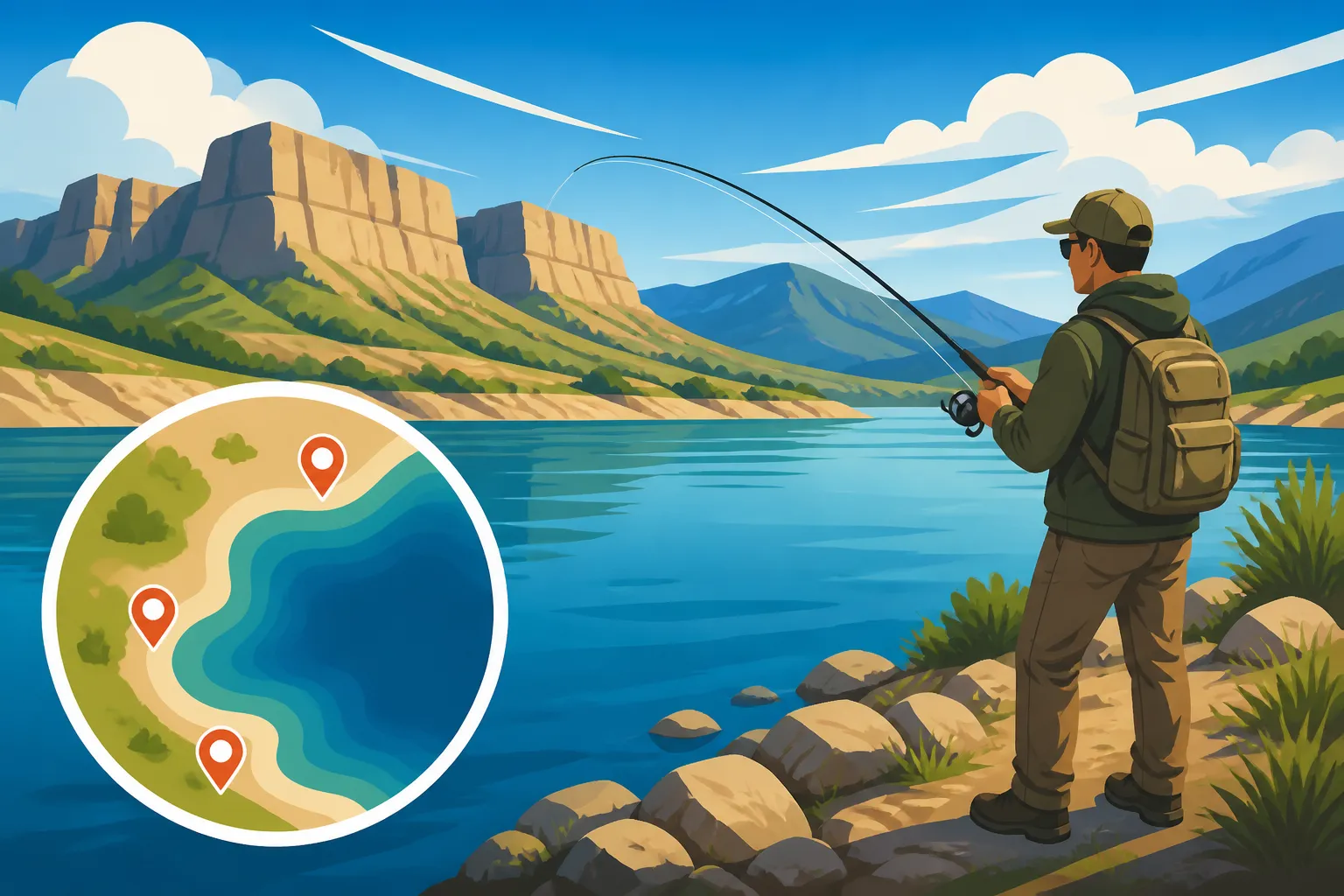
Modern technology provides incredible tools for scouting fishing spots even before you leave home. Satellite imagery on mapping apps can help you identify promising points, coves, and areas with good bank access. Look for changes in depth, rocky structures, or areas where tributaries might enter the main body of water. These visual cues can give you a significant advantage.
When you arrive, don't be shy about striking up conversations with other anglers you encounter, especially at popular access points. Locals often have invaluable insights into what's biting, what baits are working, and any recent changes to the water. Tackle shops in nearby towns like Shoshoni, Riverton, or even Casper are also fantastic sources of local knowledge and can provide real-time updates on fishing conditions. If you're really looking for an edge, consider booking a trip with a local guide, even if it’s just for a day. While they might focus on boat fishing, they can often share insights into fish patterns that translate to bank fishing, or even point you toward specific productive shorelines. You might find guides through services like FishingBooker who specialize in the area.
By combining careful planning with local insights and a willingness to explore, you’ll unlock some truly memorable bank fishing experiences at Boysen Reservoir. Just remember to pack out what you pack in, respect the land, and enjoy the wild beauty of Wyoming!
Disclaimer
Fishing in Wyoming, including at Boysen Reservoir, involves inherent risks. Always prioritize your safety, be aware of weather conditions, and understand current regulations. The information provided here is for general guidance only and should not replace official regulations or professional advice.