Fishing Keyhole Reservoir for Walleye and Crappie
It's incredibly frustrating when you're looking for detailed, real-world advice on fishing a specific spot in Wyoming, only to find generic information that doesn't quite cut it. Keyhole Reservoir, with its diverse fishery and sometimes challenging conditions, can feel like a mystery to both new and experienced anglers looking for walleye and crappie. This comprehensive guide is here to unravel those mysteries, giving you the practical strategies and local insights you need to successfully target these popular species.
Understanding Keyhole Reservoir's Unique Character
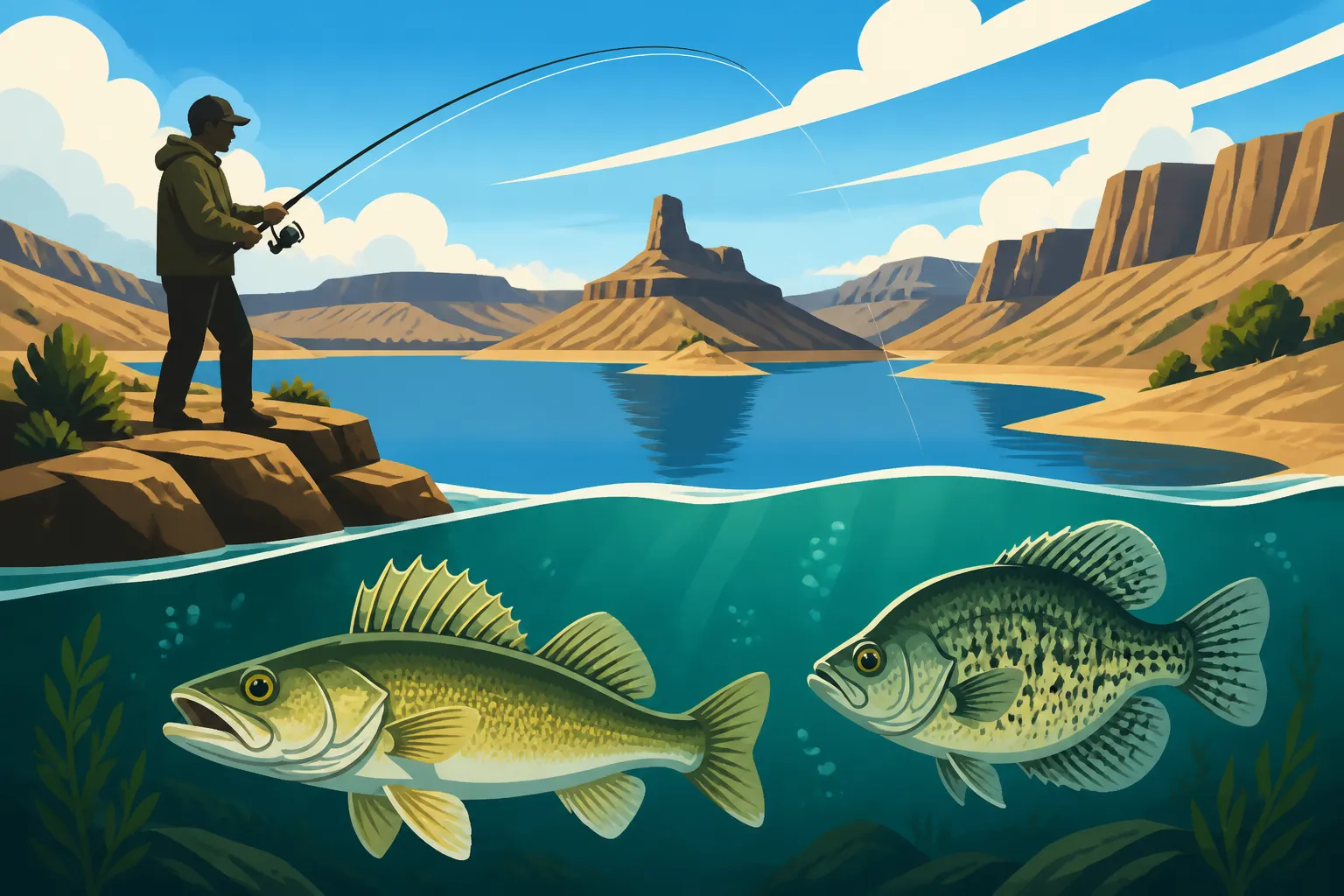
Keyhole Reservoir, nestled in northeastern Wyoming near Moorcroft, offers a truly unique fishing experience. It's not your typical high-mountain trout lake; instead, it's a sprawling, relatively shallow impoundment of the Belle Fourche River, known for its warmwater species and surprisingly good fishing for those who understand its nuances. The reservoir's character changes dramatically with the seasons, impacting everything from fish location to feeding patterns.
Geography and Water Conditions
Keyhole Reservoir boasts over 80 miles of shoreline when full, with numerous bays, coves, and submerged structures that provide excellent habitat. The landscape around it is a mix of rolling hills and prairie, quite different from the dramatic peaks found in other parts of Wyoming. Because it's a prairie reservoir, water levels can fluctuate significantly throughout the year, especially with irrigation demands, which directly affects fish patterns. You might find areas that were productive one month are completely dry the next. The water tends to warm up faster than deeper mountain lakes, creating a fantastic environment for species like walleye and crappie. It's crucial to check current water levels before heading out, as low water can make boat ramp access tricky and concentrate fish in specific areas. Keep an eye on local forecasts too, as wind can whip up quickly on this exposed body of water, making navigation challenging.
Key Fish Species Beyond Walleye and Crappie
While walleye and crappie are often the stars of the show at Keyhole, it’s worth noting that the reservoir hosts a healthy population of other species that can offer exciting incidental catches or even become target species themselves. You'll frequently encounter northern pike, which can grow to impressive sizes and offer a thrilling fight, especially when you're casting for walleye with larger lures. Smallmouth bass are also present, especially around rocky points and submerged timber, providing another excellent warmwater option. For those who enjoy a more relaxed fishing experience, yellow perch are abundant and can offer fast action, often schooling up in similar areas to crappie. Catfish, particularly channel cats, also thrive in Keyhole's warmer waters, providing a fun alternative for evening or night fishing, especially with traditional cut baits. Understanding the full spectrum of available fish can broaden your angling horizons and ensure you always have a productive day on the water, even if your primary targets are playing hard to get.
Mastering Walleye Fishing at Keyhole Reservoir
Walleye are one of the most sought-after species at Keyhole, renowned for their delicious fillets and challenging nature. They're often referred to as "low-light feeders," but with the right approach and understanding of their behavior in this specific reservoir, you can find success throughout the day. It’s a rewarding pursuit that requires patience and a good read of the water.
Seasonal Strategies and Prime Times
Walleye fishing at Keyhole really takes off in the spring. As the water warms, usually starting in April and May, walleye move into shallower areas to spawn. This is a prime time for targeting them near rocky points, submerged humps, and along rip-rap shorelines. Many anglers find success casting crankbaits or jigs tipped with live bait during this period. As summer progresses and water temperatures rise, walleye tend to move deeper, seeking cooler water and structure. During July and August, you'll often find them suspended over deeper points or congregating around submerged timber and the main channel edges. This is when trolling with crankbaits or bottom bouncers with Trolling Techniques for Wyoming Reservoirs becomes incredibly effective.
Fall brings another excellent bite as walleye feed aggressively in preparation for winter. They'll move back into shallower to mid-depth ranges, often following schools of baitfish. October can be particularly productive. Even in winter, dedicated ice anglers can find walleye at Keyhole, often jigging spoons or small minnow baits over submerged structures. Each season demands a slightly different approach, but understanding these general movements is your first step to success. For a broader overview of walleye behavior, consider checking out our guide on Walleye Fishing in Wyoming.
Top Baits and Lures for Keyhole Walleye
When it comes to baits and lures for Keyhole walleye, variety is key, but some stand out as consistent performers. Live bait, particularly minnows or nightcrawlers, fished on a simple jig or a Lindy Rig, is a perennial favorite, especially in spring and fall. These natural presentations can entice even finicky walleye. For artificials, crankbaits are incredibly effective, especially when trolling. Shallow-diving crankbaits work well in spring, while deeper models shine in summer. Popular brands like Rapala, Berkley, and Bandit offer a wide range of colors and diving depths suitable for Keyhole. Jigs, tipped with soft plastics like grubs or paddle tails, or even live minnows, are versatile tools for vertical jigging over structure or casting along breaks.
Spinner rigs, often pulled behind bottom bouncers, are also a go-to, especially when fishing larger flats or along the main river channel. The flash and vibration can be irresistible. Don't forget spoons for ice fishing, like Northland Fishing Tackle's Buck-Shot Rattle Spoon or a simple Swedish Pimple, often sweetened with a piece of minnow or a mealworm. Remember, walleye can be color-sensitive, so it's always wise to have a selection of natural hues (greens, browns, silvers) and brighter "attractor" colors (chartreuse, orange) to adapt to water clarity and light conditions.
Navigating Structure for Walleye Success
Walleye are masters of relating to structure, and Keyhole Reservoir has plenty of it. Learning to identify and effectively fish these areas is paramount. Start by focusing on main lake points, especially those with rock or gravel. Walleye will use these points as ambush locations or migration routes. Submerged humps and islands are also walleye magnets, as they provide an elevated feeding platform and current breaks. Look for the edges and tops of these structures. The old river channel of the Belle Fourche, which runs through the reservoir, is another critical piece of structure. Walleye often patrol these deeper channels, especially during warmer months.
Additionally, don't overlook areas with standing timber or brush piles, particularly in the larger bays. These submerged forests offer excellent cover and baitfish concentration. Using a good fish finder is invaluable here to pinpoint these hidden gems. Pay attention to contour lines on your mapping device; sharp drops, ledges, and transition zones where rock meets mud can hold fish. Wind-blown points can also be highly productive, as the wave action often pushes baitfish into these areas, creating a feeding frenzy. If you're struggling to find fish on your own, consider looking into a guide through a service like FishingBooker, which can connect you with local experts who know Keyhole's hotspots inside and out. They can teach you how to read the water effectively and dramatically shorten your learning curve.
Targeting Crappie at Keyhole Reservoir
Crappie are another fantastic sport fish at Keyhole, offering fast action and a delicious meal. They are schooling fish, so once you find one, you're likely to find many more. Their behavior is often tied to cover and structure, making them a fun target for anglers of all skill levels.
Locating Crappie Hotspots by Season
Crappie, much like walleye, follow seasonal patterns, but they tend to stick closer to cover. In spring, as water temperatures hit the mid-50s, crappie move into shallow bays and coves to spawn. Look for them around submerged brush, fallen trees, docks, and weed beds in just a few feet of water. This is when they're most accessible from shore or a small boat. As summer progresses and the shallows warm, crappie retreat to deeper, cooler water, often suspending over brush piles, submerged timber, and along channel edges. They might be 10-20 feet deep, but still tightly associated with structure. Fishing over these deeper brush piles, often found by using your electronics, is key.
Fall brings a resurgence of shallow activity as crappie feed aggressively before winter, often schooling up in large numbers near structures on main lake points or in the mouths of coves. During winter, for ice anglers, crappie will usually be found suspended over the deepest brush piles or humps in the reservoir, often in 15-30 feet of water. Their schooling nature means if you drill a hole over a good spot, you could be in for a flurry of activity.
Effective Crappie Rigs and Techniques
Crappie are generally less picky than walleye, but presenting your bait or lure effectively makes all the difference. Small jigs, typically 1/32 to 1/8 ounce, are king for crappie. Tipping these jigs with a small plastic grub, tube jig, or a live minnow is a deadly combination. Popular colors include chartreuse, white, and black, but again, having a variety helps. A simple bobber rig with a small jig or a minnow works wonders, especially when crappie are in the shallows. Just set your bobber to suspend your bait at the depth where fish are holding.
For deeper crappie, especially in summer or winter, vertical jigging is highly effective. You can drop a small jig or a crappie spoon directly onto fish you've located on your sonar. Another excellent technique is "spider rigging" or multiple-pole fishing, where you use several rods extended from your boat, presenting baits at different depths and locations simultaneously. This allows you to cover more water and quickly determine the crappie's preferred depth. Some anglers even use light trolling motors to slowly drift these rigs over known crappie haunts. Make sure to check Wyoming’s Two-Pole and Multiple-Rod Rules in Wyoming before deploying multiple rods. For those new to bait fishing, our Bait Fishing Techniques for Beginners guide offers valuable insights that apply well to crappie.
Best Times of Day for Crappie Action
Crappie are generally more active during low-light conditions, which means early morning and late evening are often prime times. The hour around sunrise and the hour before sunset can be absolutely fantastic for crappie, especially in the spring and fall when they are shallower. During these times, they are less wary and more likely to move out from cover to feed.
However, crappie can be caught throughout the day, particularly if the weather is overcast or if you are fishing deeper water. In bright, sunny conditions, they will often hug tight to heavy cover or suspend in deeper, shadier areas. If you're fishing mid-day, focus on dense brush piles, submerged timber, or the shaded sides of docks and cliffs. On cloudy days, they may remain active in shallower water for longer periods. Keep in mind that wind can also play a role; a gentle breeze can create a chop on the water that makes crappie feel more secure and less visible to predators, sometimes increasing their daytime activity.
Essential Gear and Access Tips for Keyhole
Having the right gear and knowing where to access the reservoir can make or break your fishing trip to Keyhole. While crappie and walleye don't require overly specialized equipment, a few considerations can greatly enhance your success and comfort.
Recommended Rods, Reels, and Lines
For both walleye and crappie at Keyhole, you'll want light to medium-light spinning gear. A 6' to 7' fast-action spinning rod paired with a 1000-2500 series reel is ideal. This setup provides enough backbone for larger walleye but retains the sensitivity needed for subtle crappie bites.
- Crappie Specifics: For crappie, a lighter setup, like a 6-foot ultralight or light action rod, spooled with 4-6 pound test monofilament or fluorocarbon, is perfect. This allows for long casts of small jigs and makes even a modest crappie feel like a heavyweight.
- Walleye Specifics: For walleye, step up slightly to a medium-light or medium action rod, typically 6'6" to 7' long. Spool your reel with 6-10 pound test monofilament or fluorocarbon, or consider 10-15 pound braided line with a fluorocarbon leader for increased sensitivity and strength, especially if you're trolling or fishing around snags.
A good pair of polarized sunglasses is a must for spotting structure and seeing fish in shallower water, and remember to carry a small tackle box with a variety of jigs, plastics, and crankbaits.
Public Access Points and Boat Ramps
Keyhole State Park surrounds the reservoir and provides excellent public access for anglers. The main boat ramps are typically found at the Marina, Pat's Point, and Cottonwood Campgrounds. The Marina offers full-service facilities, while Pat's Point and Cottonwood are more basic but still provide good launching options. Always check the current water levels with Wyoming State Parks or the Wyoming Game and Fish Department (WGFD) before you head out, as low water can impact which ramps are usable. Some areas, like Headquarters Bay, offer good bank fishing access, especially in the spring when crappie are shallow. When planning your trip, you can find detailed information on these access points and park amenities on the Wyoming State Parks website.
Remember that all boaters need to follow Wyoming's aquatic invasive species (AIS) regulations, which include mandatory boat inspections. Make sure your boat is Clean, Drained, and Dry before launching to help protect Keyhole's fishery.
On-the-Water Safety and Regulations
Safety on any large body of water is paramount. Always wear a life jacket, especially when boating alone or in windy conditions. Be aware of weather changes; prairie storms can blow up quickly. Carry essential safety gear: a whistle, first-aid kit, extra water, and communication devices. Understanding the local rules is also crucial. Familiarize yourself with Wyoming Fishing Regulations Every Angler Should Know, specifically the general rules regarding licensing, bait, and methods.
For walleye and crappie, pay close attention to the Understanding Wyoming's Daily Bag Limits by Species and possession limits, as these can change. Always carry your Carrying Your Wyoming Fishing License in the Field and your Conservation Stamp, if required (many daily licenses include it, but it's good to confirm). The WGFD website is your best friend for the most up-to-date regulations, including any potential emergency closures or special rules for specific parts of the reservoir.
Walleye vs. Crappie Fishing at Keyhole Reservoir
Here’s a quick comparison to help you strategize your trip to Keyhole for either walleye or crappie:
| Feature | Walleye Fishing | Crappie Fishing |
|---|---|---|
| Prime Seasons | Spring (spawn), Summer (trolling), Fall (feeding) | Spring (spawn, shallow), Fall (feeding), Ice Fishing |
| Preferred Depth | Variable; often deeper in summer, mid-depth in spring/fall | Variable; shallower in spring/fall, deeper in summer/winter |
| Typical Structure | Rocky points, humps, main channel, submerged timber | Brush piles, fallen trees, docks, weed beds, submerged timber |
| Effective Baits | Minnows, nightcrawlers, crankbaits, jigs, spinner rigs | Small minnows, tiny jigs (plastic grubs, tubes), crappie spoons |
| Lure Size | Medium to large | Small to very small |
| Fight | Strong, head-shaking fight | Panfish fight, quick bursts, often schooling |
| Best Times | Low light (dawn/dusk), overcast days | Low light (dawn/dusk), overcast days |
| Approach | Patient, methodical, covering water | Locating schools, vertical presentations, finesse |
Disclaimer
The information provided in this guide is for general informational purposes only and is subject to change. Fishing regulations, conditions, and fish populations can vary. Always consult the most current Wyoming Game and Fish Department regulations and local advisories before planning any fishing trip. Adhere to all safety guidelines and respect private property.