How to Fish Wyoming’s High-Alpine Lakes
The majestic allure of Wyoming's high-alpine lakes calls to many an angler, promising solitude, breathtaking views, and the chance to tangle with some truly unique trout. But let's be honest, the thought of reaching these remote, often unnamed gems can feel overwhelming. The sheer effort, the unknown trails, the specialized gear – it’s enough to make even seasoned anglers hesitate. This guide is here to demystify the process, breaking down everything you need to know to confidently plan, hike, and successfully fish Wyoming's stunning high-alpine lakes.
Why High-Alpine Lakes are Worth the Effort
There’s a special kind of magic that unfolds when you crest a ridge and first lay eyes on a shimmering, sapphire-blue lake nestled amidst ancient granite peaks. It’s a feeling of accomplishment, of being truly immersed in wilderness, that you just don't get at roadside fishing spots. But beyond the aesthetics, these high-altitude waters offer a fishing experience unlike any other.
The Allure: Pristine Waters, Solitude, Unique Fish
One of the biggest draws of high-alpine lakes is the profound sense of solitude. You might hike for miles and not see another soul, save for an elk or a marmot. This tranquility allows you to connect with nature on a deeper level, far from the crowds that can sometimes diminish the joy of fishing more accessible waters. The waters themselves are often astonishingly clear, fed by snowmelt, making for incredible sight-fishing opportunities on calm days.
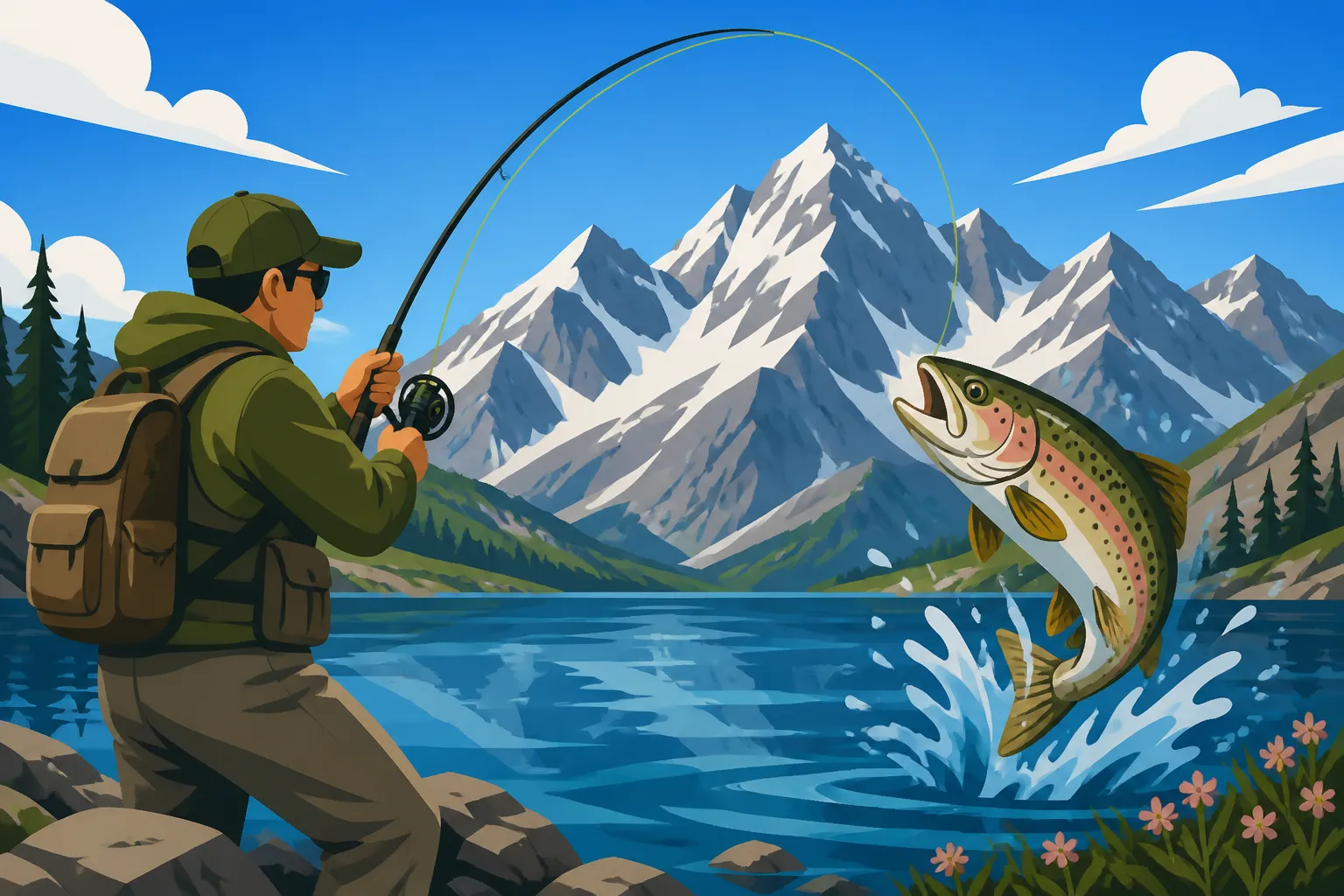
Then there are the fish. Many of Wyoming's high lakes are home to species like the magnificent golden trout, renowned for its brilliant colors and elusive nature. You'll also find hardy brook trout and various subspecies of cutthroat trout, often wild and eager to strike. These fish, living in challenging environments, are typically feisty and offer a rewarding fight, despite often being smaller in size than their lowland counterparts. The vibrant hues of a golden trout, fresh from an icy mountain lake, are something you'll remember for a lifetime.
The Reality Check: Accessibility and Physical Demands
It's important to be realistic about what a high-alpine lake fishing trip entails. These aren't casual strolls in the park. Access often requires significant physical exertion, sometimes involving multi-mile hikes with considerable elevation gain, carrying all your gear on your back. Trails can be rugged, poorly marked, or non-existent, especially as you get closer to your destination. Weather can change dramatically and rapidly, even in summer, turning a sunny morning into a fierce afternoon thunderstorm or even a snow squall.
This isn't to discourage you, but rather to prepare you. A successful trip hinges on being physically fit, well-prepared, and respectful of the wilderness. Your gear needs to be chosen for its functionality and weight, and your mental fortitude for tackling challenges needs to be as robust as your hiking boots. The reward, however, is a fishing experience that transcends the ordinary, offering stories and memories that will last long after the trail dust has settled.
Planning Your High-Alpine Lake Adventure
Proper planning is the cornerstone of any successful and safe high-alpine fishing trip. Rushing into it without adequate preparation can lead to uncomfortable, or even dangerous, situations. This isn't just about packing a rod; it's about understanding the environment, the rules, and what you'll need to survive and thrive.
Researching Your Destination: Maps, Regulations, and Fish Species
Before you even think about lacing up your boots, dive deep into research. Start by identifying potential lakes. Resources like the Wyoming Game and Fish Department's website are invaluable, providing information on stocking reports, access points, and fish species present. Topographic maps, whether paper or digital (like Gaia GPS or AllTrails), are your best friend. They'll show you elevations, trail lengths, and potential routes. Look for lakes nestled in basins, often near tree line or above, which are typically the "high-alpine" environments we're talking about. The Wind River Range, the Absaroka Mountains, and the Teton Wilderness are prime areas to begin your search, offering countless high-elevation opportunities.
Crucially, you must understand the specific fishing regulations for your chosen water body. Wyoming has general statewide regulations, but many individual lakes, rivers, or drainages have special rules regarding bag limits, tackle restrictions (e.g., fly fishing only, bait prohibitions), or season dates. For instance, knowing Wyoming Fishing Regulations Every Angler Should Know is a good start, but always check the current year's Wyoming Fishing Regulations Booklet for specific water rules. You'll need a valid Wyoming fishing license, and if you plan to access tribal lands, like portions of the Wind River Reservation, you'll need additional permits. Identifying the fish species you're likely to encounter will also help you tailor your tackle and techniques, whether you're after a Golden Trout Fishing in Wyoming or a healthy population of cutthroat.
Gear Up: Essential Packing for the Backcountry
Packing light but smart is the mantra for high-alpine trips. Every ounce counts when you're carrying it uphill for miles. Your gear checklist should be comprehensive, covering shelter, food, water, navigation, safety, and of course, fishing equipment.
Start with a comfortable, properly fitted backpacking pack. For shelter, a lightweight tent, bivvy sack, or hammock system (if trees are present) is essential. A warm sleeping bag rated for colder temperatures than you expect, and a sleeping pad for insulation and comfort, are crucial. Water purification is non-negotiable; a filter, purification tablets, or a UV purifier are vital. Food should be high-calorie, lightweight, and non-perishable. Think dehydrated meals, energy bars, and nuts.
For navigation, a GPS device or smartphone with downloaded offline maps is a must, backed up by a physical map and compass – and the knowledge to use them. A first-aid kit, headlamp, fire starter, knife, and sun protection (hat, sunglasses, high-SPF sunscreen) are basic safety items. Layered clothing is key; even in summer, temperatures can drop below freezing, and foul weather can appear suddenly. A good quality waterproof and windproof outer shell is non-negotiable.
When it comes to fishing specific gear, you’ll want to prioritize lightweight and versatile options. A pack rod (4-6 pieces) is ideal for easy transport. For fly fishing, a 3- to 5-weight rod is usually perfect for the smaller to medium-sized trout found in these waters. For spin fishing, a light or ultralight rod and reel combo will suffice. Bring a selection of flies, lures, or bait that match the expected species and conditions. We'll delve deeper into specific tackle choices later, but think small, durable, and effective. You can find excellent ultralight fishing setups and backpacking gear on platforms like Amazon, making it easier to prepare for your adventure without breaking the bank or your back. For a more detailed breakdown of what to carry, consult a guide on What Gear to Pack for a Backcountry Fishing Trip.
Getting There: Navigating Wyoming's High-Country Trails
Reaching high-alpine lakes is often half the adventure. It demands physical stamina, good navigation skills, and a healthy respect for the wilderness. The trails themselves can be as challenging and rewarding as the fishing.
Trailheads and Access Points
Wyoming's vast wilderness areas, including national forests and designated wildernesses, are home to the majority of these pristine lakes. Trailheads are typically found along scenic byways or more remote gravel roads. Popular ranges like the Wind River Mountains have numerous well-known trailheads such as Big Sandy Opening, Elkhart Park, and Green River Lakes, which serve as launching points into vast networks of trails leading to countless lakes. Other areas, like the Absaroka or Gros Ventre Wilderness, might have fewer formal trailheads and require more careful planning to even reach the starting point.
Before you go, confirm trailhead accessibility. Some roads may require high-clearance vehicles, and others might be seasonal, opening only after snowmelt, usually in late June or early July. Parking can also be limited at popular trailheads, so arriving early, especially on weekends, is often advisable. Always let someone know your itinerary, including your chosen trailhead, destination, and expected return time. Cellular service is virtually non-existent in much of the backcountry, so don't rely on your phone for emergency communication. A satellite communication device like a Garmin inReach is a wise investment for remote trips.
Hiking and Backpacking Strategies
Once at the trailhead, the real work begins. Long days on the trail, often with significant elevation gain, require smart hiking strategies. Start early in the day to take advantage of cooler temperatures and avoid afternoon thunderstorms, which are common in the mountains. Pace yourself, especially if you're not accustomed to high altitudes; take frequent breaks and stay hydrated. Remember, you're not just hiking; you're also carrying your fishing gear, which adds weight.
For longer trips, breaking up the hike into manageable segments can make it more enjoyable. Consider making a base camp at a lower elevation lake, then day-hiking to higher, more remote waters. This allows you to lighten your load for the final ascent and still experience the most challenging areas. Navigating can be tricky, especially in areas with braided trails, rocky terrain, or snowfields. Always keep your map and GPS handy, and constantly cross-reference your position. Look for cairns (rock piles) or tree blazes, but don't rely solely on them; they can sometimes be misleading or difficult to spot. Understanding How to Hike In and Fish a Backcountry Lake effectively is a critical skill for success.
Understanding High-Alpine Lake Dynamics
Fishing in high-alpine lakes is a different beast than your typical lowland reservoir or river. The unique environment profoundly influences water conditions and fish behavior, and understanding these dynamics is key to success.
Water Temperature, Depths, and Structure
High-alpine lakes are predominantly fed by snowmelt, making their waters exceptionally cold, even in the height of summer. This means fish metabolism is generally slower, and they may not feed as voraciously as their warm-water cousins. However, the cold, oxygen-rich water is ideal for trout, and they are typically very healthy.
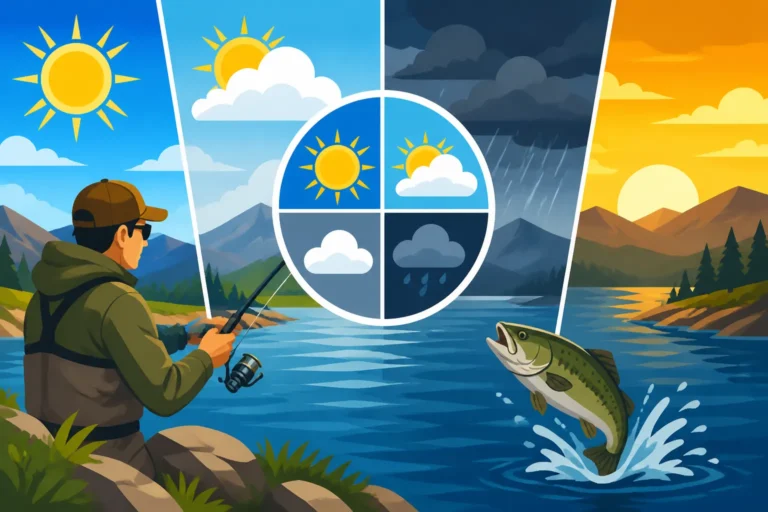
Depths can vary wildly, from shallow tarns no more than a few feet deep to deep glacial cirques plummeting hundreds of feet. Understanding the lake's topography is crucial. Fish will often hold near structure – submerged rocks, ledges, fallen timber, or abrupt drop-offs. These areas provide cover, ambush points for prey, and often concentrate food sources. On bright, sunny days, trout in clear, shallow lakes will often retreat to deeper, cooler water or seek shade along undercut banks or under boulders. During low light conditions, such as dawn, dusk, or overcast days, they might cruise shallower flats or rocky shorelines looking for insects. Knowing How Water Temperature Affects Trout Feeding is vital for timing your approach.
Seasonal Changes and Fish Behavior
The fishing season in Wyoming's high-alpine lakes is notoriously short, typically running from late June or early July (after ice-out) through September, before the high country starts to freeze again. Each part of this brief season offers distinct opportunities.
- Early Season (Post Ice-Out): This is often a fantastic time to fish. After a long winter under the ice, trout are hungry and eager to feed. As the ice recedes, they'll often be found cruising the still-cold shallower waters, particularly near inlets where fresh food sources are washing in. Larger fish may be more active as they recover from winter. This can be a prime time for aggressive strikes. You'll want to target these periods for the best action, so knowing Best Time of Year to Fish a High-Alpine Lake After Ice-Out is very helpful.
- Mid-Summer: As summer progresses, water temperatures, though still cold by most standards, will be at their warmest. This can mean more insect activity and more selective fish. Trout might hold in deeper water during the brightest parts of the day, moving shallower during low light. Focus on structure and shade.
- Late Season (Early Fall): As temperatures begin to drop again, fish often become more active, feeding heavily in preparation for winter. This can be another excellent time to fish, though weather becomes increasingly unpredictable, with a higher chance of early snow. Spawning activity for brook trout might begin, making them more aggressive.
Understanding these seasonal shifts in fish behavior, along with the unique lake dynamics, will significantly increase your chances of success.
Fishing Techniques for High-Alpine Trout
Whether you prefer the artistry of fly fishing or the straightforward approach of spin fishing, there are effective techniques for Wyoming's high-alpine lakes. The key is adapting to the clear, cold water and often spooky fish.
Fly Fishing Approaches for Clear Waters
Fly fishing in high-alpine lakes is incredibly rewarding. The clear water and often abundant insect life make it a natural fit. You'll want a versatile setup, typically a 3- to 5-weight rod, with a floating line and a selection of leaders and tippets.
- Dry Fly Fishing: On calm days, especially during hatches, dry fly fishing can be phenomenal. Look for rising fish and try to "match the hatch" with patterns like Parachute Adams, caddisflies, or various terrestrials (ants, beetles, grasshoppers) if you're fishing near vegetation. Presentation is key; a delicate cast that doesn't spook the fish in the ultra-clear water will make all the difference. Target seams where currents from inlets meet still water, or along shorelines where insects might fall in.
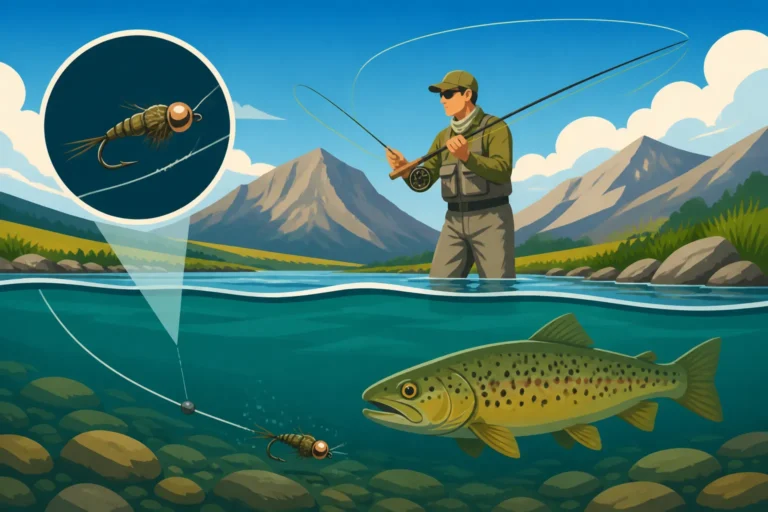
- Nymphing: When fish aren't rising, nymphs are often the most effective. Trout spend the majority of their time feeding subsurface, and small pheasant tail nymphs, Hare's Ear nymphs, or zebra midges are consistent producers. Fish them under a small indicator, or even on a Euro-nymphing setup in shallower areas if you prefer. Pay attention to varying depths; sometimes the fish are just a few feet down, other times they might be suspended in deeper water.
- Streamer Fishing: For larger, more aggressive trout, especially golden trout or larger brookies, streamers can be deadly. Patterns like Woolly Buggers (black, olive, brown), sculpin patterns, or small minnow imitations stripped erratically can trigger aggressive takes. This technique is particularly effective around rocky points, drop-offs, or near submerged timber where bigger fish might ambush prey. Vary your retrieve speed and depth until you find what the fish are keying on.
Remember, stealth is paramount. Approach the water slowly and quietly, as your silhouette can easily spook fish in these clear environments. For more on reading water, check out our guide on How to Read Water When Trout Fishing.
Spin Fishing for Mountain Lakes
Spin fishing offers a highly effective alternative for high-alpine lakes, particularly for those new to the sport or preferring a more direct approach. An ultralight or light action spinning rod (5-6 feet) paired with a small spinning reel spooled with 4-6 pound monofilament or fluorocarbon line is perfect.
- Small Spinners and Spoons: These are classic high-alpine lake lures for a reason. Their flash and vibration mimic small baitfish or insects, and they can cover water effectively. Brands like Mepps, Panther Martin, or Kastmaster are popular and effective. Cast them out, let them sink to different depths, and retrieve with varying speeds. Gold, silver, and copper colors, or those with bright accents, tend to work well. For example, a small, polished Kastmaster from Amazon can often be a game-changer when casting from shore into deeper waters.
- Small Jigs and Soft Plastics: Tiny jigs (1/32 to 1/8 oz) tipped with a small grub, tube jig, or Gulp! Minnow imitation can be incredibly effective, especially when tipped with a piece of bait (where legal). Work them slowly along the bottom or jig them vertically in deeper pockets. This allows for a more subtle presentation that can entice finicky trout.
- Bubble and Fly Combinations: If you want to get a fly out further with a spinning rod, a clear casting bubble filled with water (to control sink rate) and a short leader tied to a small dry fly or nymph is a great method. This allows you to present a very natural fly pattern over long distances.
Bait Fishing Considerations
Bait fishing can be highly effective in high-alpine lakes, where legal. Always double-check the regulations for your specific lake, as many pristine or designated "wilderness" waters prohibit bait to protect water quality and non-target species.
- PowerBait and Worms: If permitted, traditional baits like PowerBait (especially in bright colors) or a small piece of nightcrawler can be deadly, particularly for rainbow and brook trout. Fish them on a small hook (size 10-14) under a bobber or on the bottom with a small weight. The scent trail can attract fish from a distance.
- Marshmallows and Corn: While less common for wild trout, these can sometimes work for recently stocked fish, if bait is allowed.
- Stealth and Cleanliness: If you are using bait, practice strict "Leave No Trace" principles. Pack out all your bait containers, discarded line, and any uneaten bait. Never dispose of bait in the lake, as it can introduce non-native species or disease.
Ultimately, the most effective technique will depend on the day, the lake, and the fish. Be willing to experiment and adapt!
Targeting Specific High-Alpine Species
Wyoming's high-alpine lakes are predominantly trout fisheries, but the specific species you encounter can vary by drainage and stocking history. Knowing what to expect helps you tailor your approach.
Golden Trout: The High-Country Gem
The golden trout (Oncorhynchus aguabonita) is perhaps the most sought-after prize in Wyoming's high country. Known for its brilliant golden flanks, red lateral band, and parr marks (even on adults), it's a truly stunning fish. Goldens are native to California but have been successfully introduced into many high-elevation lakes in Wyoming, particularly in the Wind River Range. They thrive in these cold, clear, nutrient-poor waters.
Targeting golden trout often requires persistence and careful observation. They can be incredibly selective, especially in heavily fished lakes. Look for them cruising rock piles, along drop-offs, or in deeper pools. They often feed on aquatic insects like midges, caddis, and small nymphs, but will also take terrestrials. Small, imitative dry flies (like tiny caddis or parachute adams), small pheasant tail or zebra midge nymphs, or very small gold-colored spinners or spoons are often effective. Because of their beautiful colors and pristine habitat, many anglers practice catch and release for golden trout, preserving these special fish for future generations. Our guide on Golden Trout Fishing in Wyoming delves into even more specifics about this species.
Cutthroat and Brook Trout: Abundant and Aggressive
While golden trout get a lot of attention, the more commonly found high-alpine species – various subspecies of cutthroat trout and brook trout – offer fantastic fishing and are often more eager to bite.
- Cutthroat Trout: You'll find different cutthroat subspecies, such as Yellowstone cutthroat or Snake River fine-spotted cutthroat, in many high-alpine drainages. These fish are native to the region and well-adapted to mountain environments. They are generally less selective than goldens and will often readily take a variety of flies, lures, or bait (where allowed). They are typically aggressive feeders, especially in early season. Look for them in similar areas to golden trout: around structure, inlets, and drop-offs. Larger cutthroat can be a real battle on light tackle! Learning about Cutthroat Trout Fishing in Wyoming will give you a leg up.
- Brook Trout: These beautiful fish, with their worm-like markings (vermiculations) and red spots, are often found in higher densities in smaller streams and lakes. They reproduce prolifically, sometimes leading to overpopulation and stunted growth, but they are almost always willing to strike. Brook trout are often found in shallower water, near submerged vegetation, or around rocky banks. They are fantastic fish for beginners or kids, as their aggressive nature makes them easier to catch. Small dry flies, nymphs, spinners, or even a simple worm will usually do the trick. A quick read on Brook Trout Fishing in Wyoming can help you distinguish them from other trout species.
Don't overlook these abundant species. While they may not have the same "trophy" status as a golden, a day filled with feisty brookies or vibrant cutthroats in a stunning mountain setting is a memory to cherish.
Safety and Etiquette in the Wyoming Backcountry
The beauty and solitude of Wyoming's high-alpine country come with inherent risks. Being prepared, making smart decisions, and adhering to ethical wilderness practices are essential for your safety and the preservation of these fragile ecosystems.
Weather Preparedness and Emergency Planning
Mountain weather is famously unpredictable. A clear, sunny morning can quickly devolve into a violent thunderstorm with hail, lightning, and plummeting temperatures. Always check the forecast before you leave, but be prepared for anything. Pack rain gear, extra warm layers, and a waterproof bag for your essentials. If you hear thunder or see lightning, immediately seek shelter in a safe, low-lying area away from tall trees or exposed ridges.
Emergency planning is crucial. As mentioned, cell service is virtually non-existent. Carry a physical map and compass, and a GPS device with downloaded maps. A satellite communication device (like a Garmin inReach or Zoleo) allows you to send emergency messages and check in with loved ones. Carry a well-stocked first-aid kit and know how to use it. Familiarize yourself with common high-altitude ailments like acute mountain sickness (AMS) and know its symptoms. Staying hydrated and acclimatizing slowly can help prevent it. Tell someone your exact itinerary, including your route, destination, and expected return time. It’s also wise to review information on How Wyoming Sets In-Season Emergency Closures as these can sometimes impact access to certain areas.
Leave No Trace Principles and Conservation
The pristine nature of high-alpine lakes is fragile. Practicing "Leave No Trace" principles is not just good manners; it's vital for preserving these environments for everyone.
- Plan Ahead and Prepare: Research your route, know the regulations, and pack appropriate gear.
- Travel and Camp on Durable Surfaces: Stick to existing trails, even if muddy. At campsites, use established sites. If no site exists, choose a spot on rock or barren ground, at least 200 feet from water sources.
- Dispose of Waste Properly: Pack out everything you pack in, including food scraps, fishing line, and human waste. Bury human waste in a cathole 6-8 inches deep, at least 200 feet from water, trails, and campsites. Pack out all toilet paper.
- Leave What You Find: Do not disturb rocks, plants, or other natural objects. Appreciate wildflowers but leave them for others to enjoy.
- Minimize Campfire Impacts: Use established fire rings. Keep fires small, and ensure they are completely extinguished before leaving. In high-alpine areas, firewood can be scarce; a lightweight stove is often a better choice for cooking. Be aware of fire restrictions, which are common in Wyoming, especially during dry periods.
- Respect Wildlife: Observe wildlife from a distance. Do not feed animals. Store food securely to prevent attracting bears and other critters.
- Be Considerate of Other Visitors: Yield to other users on the trail. Keep noise to a minimum. Preserve the solitude and tranquility of the wilderness for everyone.
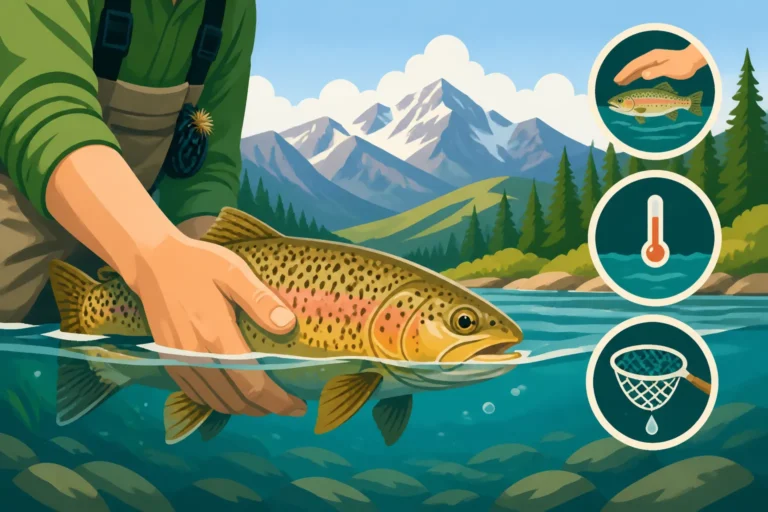
When fishing, practice Catch and Release Best Practices for Trout to minimize harm to fish you don't intend to keep. Use barbless hooks, handle fish with wet hands, and release them quickly. Be a steward of these incredible places; your actions directly impact their future.
Recommended High-Alpine Lakes to Explore
Wyoming is blessed with an abundance of high-alpine lakes, offering a lifetime of exploration. While it's impossible to list them all, here are some areas and specific lakes to get you started on your quest for those high-country beauties.
Wind River Range Gems
The Wind River Range, often simply called "The Winds," is arguably Wyoming's most famous and extensive high-alpine fishing destination. With over 1,300 lakes scattered across its vast wilderness, it's a true paradise for the adventurous angler.
- Titcomb Basin Lakes: Accessed via the popular Elkhart Park trailhead, Titcomb Basin is a classic Wind River destination. Lakes like Titcomb, Island, and many smaller, unnamed tarns hold golden trout, cutthroat, and brook trout. The scenery is absolutely stunning, with towering peaks like Gannett Peak providing a dramatic backdrop. The hike is strenuous and often requires several days.
- Cirque of the Towers Lakes: A mecca for climbers, the Cirque also boasts beautiful lakes like Lonesome Lake and the various lakes of the Shadow Lake drainage. These are prime golden trout waters, though the hike in, particularly over Jackass Pass, is very challenging.
- Deep Lake (Big Sandy Opening): Accessible from the Big Sandy Opening trailhead, Deep Lake is a larger, lower elevation high-alpine lake that offers great fishing for cutthroat and golden trout. It can be a good base camp for exploring even higher, smaller lakes in the surrounding basins.
- Bridger Wilderness Lakes: This portion of the Wind Rivers, accessed via numerous trailheads on the western slope, holds countless lakes teeming with brook trout, cutthroat, and golden trout. The trails can be less crowded than the more popular eastern slope, offering even more solitude. Many of these are featured in our guide on Best Backpacking Fishing Lakes in the Wind Rivers.
Absaroka and Teton Wilderness Opportunities
While the Winds often get the most press, the Absaroka Mountains and the Teton Wilderness also offer incredible high-alpine fishing experiences, often with fewer crowds.
- Absaroka Range (Near Cody and Dubois): The vast Absaroka-Beartooth Wilderness Area, extending into Wyoming, features numerous high lakes on the eastern slope of the range, often accessible from trailheads near Cody or Dubois. These lakes are typically home to cutthroat trout, brook trout, and sometimes rainbow trout. Lakes like those in the Bear Creek drainage or the Kirwin area offer remote opportunities. Many of these lakes, especially those closer to Dubois, are periodically stocked with golden trout by helicopter, creating unique fishing opportunities in incredibly remote settings.
- Teton Wilderness (East of Grand Teton National Park): This rugged wilderness area, adjacent to Grand Teton National Park, offers a truly wild experience. Lakes here are often less fished than those in the park itself. You'll primarily find cutthroat trout and brook trout. Access is often through long, multi-day hikes from trailheads on the eastern side, such as those along the Continental Divide Trail. These areas demand self-reliance and excellent navigation skills, but reward you with unparalleled solitude and wild fish. The dramatic scenery here, though different from the granite spires of the Winds, is equally breathtaking.
Remember, a "high-alpine lake" isn't always named. Many of the most rewarding experiences come from consulting a good topographic map, identifying a potential small tarn at high elevation, and simply hiking to it. The joy of discovery, combined with the thrill of catching wild trout in such a magnificent setting, is what these trips are all about.
Disclaimer
The information provided in this guide is for general informational purposes only and does not constitute professional advice. Fishing regulations, wilderness conditions, and safety protocols can change rapidly. Always consult the official Wyoming Game and Fish Department regulations for the most current rules and obtain necessary permits. Prioritize safety by checking weather forecasts, carrying appropriate gear, and informing others of your itinerary. Engaging in outdoor activities carries inherent risks, and it is your responsibility to assess and mitigate those risks.