Best Season to Fish Grand Teton’s Lakes
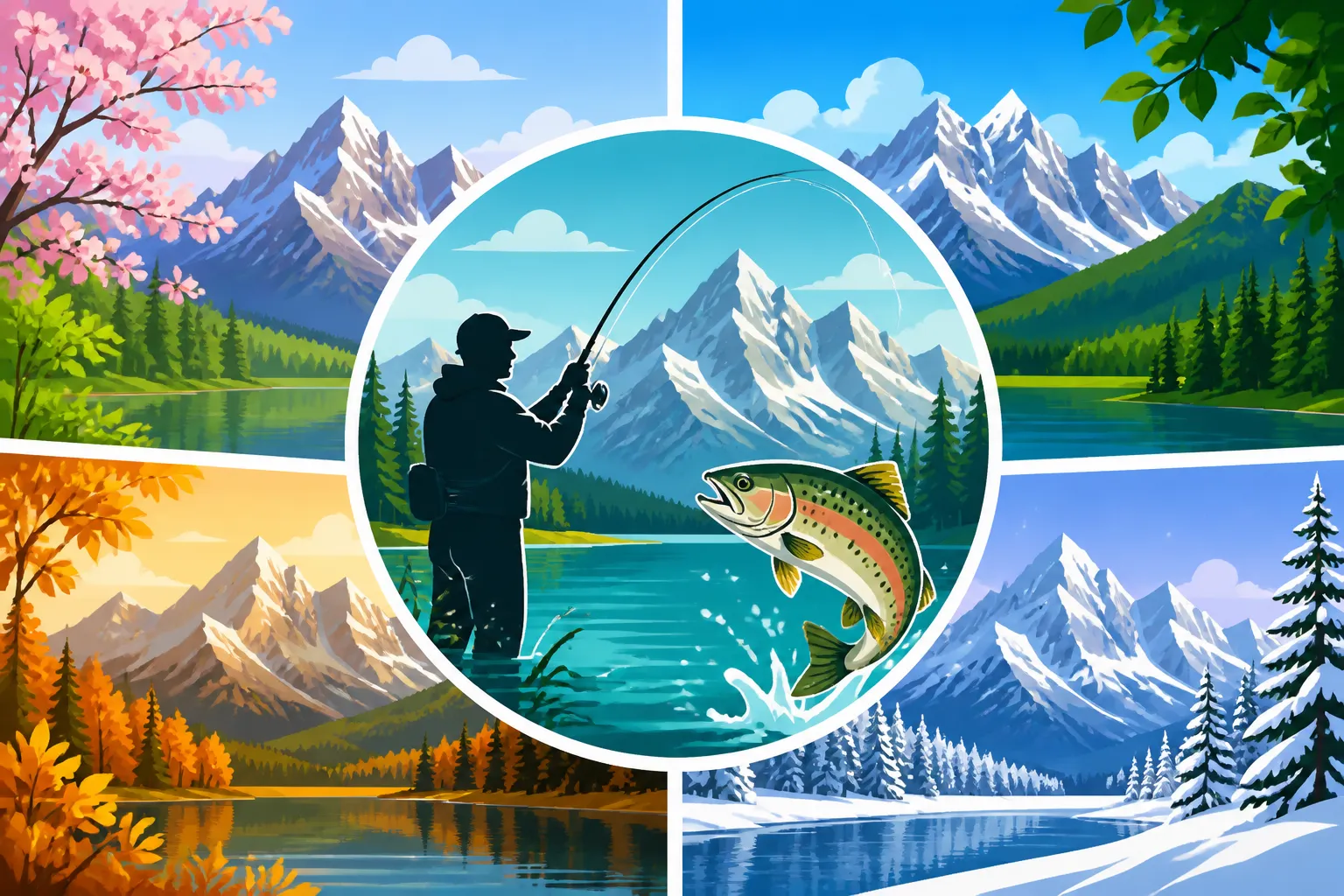
It's incredibly frustrating to plan a dream fishing trip to a place as iconic as Grand Teton National Park, only to arrive and find the conditions aren't what you expected – maybe the lakes are still iced over, or the fish are sluggish. Figuring out the absolute "best" season to fish Grand Teton's stunning lakes isn't a simple answer, as it truly depends on what you're hoping to experience. This guide will help you pinpoint the ideal time for your Grand Teton fishing adventure by breaking down what each season offers, from the challenges of ice-out to the thrill of trophy hunts, ensuring you're prepared for the magnificent waters of Jackson Lake, Jenny Lake, and all the hidden gems in between.
Understanding Grand Teton's Unique Fishing Landscape
Grand Teton National Park isn't just a postcard view; it's a dynamic ecosystem where fishing opportunities shift dramatically with the seasons. The sheer elevation, glacial influences, and specific regulations create a unique environment that anglers need to understand before casting a line. It's not just about what time of year you go, but where within the park you choose to fish and what species you're after.
The Park's Pristine Waters and Native Species
The lakes within Grand Teton National Park, like the iconic Jackson Lake, Jenny Lake, and Leigh Lake, are renowned for their crystal-clear, cold waters. These aren't your typical warm-water fisheries; they are primarily home to trout species. You'll find a mix of native fish and some introduced species that have thrived. Lake Trout, also known as Mackinaw, are the apex predators in many of the larger, deeper lakes like Jackson Lake, often growing to impressive sizes. Cutthroat Trout, particularly the Snake River Fine-Spotted Cutthroat, are native and offer fantastic dry fly opportunities in calmer waters or where streams flow in. You might also encounter Brook Trout in some of the smaller lakes and tributaries, which, while beautiful, are often considered non-native and can be quite abundant.
Each lake has its own personality, and the types of fish and their behavior vary. For instance, the sheer size and depth of Jackson Lake offer different challenges and rewards than the more intimate waters of String Lake and Leigh Lake. Knowing what fish are in Yellowstone Lake (a neighboring but distinct fishery) can also help you understand the broader regional ecosystem, even if the regulations and specific species might vary slightly within Grand Teton itself. The pristine nature of these waters means fish can be spooky, and the food sources, often insect hatches, dictate much of their activity.
Key Factors Shaping the "Best" Season for You
Deciding the "best" season for fishing in Grand Teton's lakes really comes down to personal preference and what you prioritize in your angling experience. Are you chasing trophy fish, seeking solitude, or looking for easy family fun?
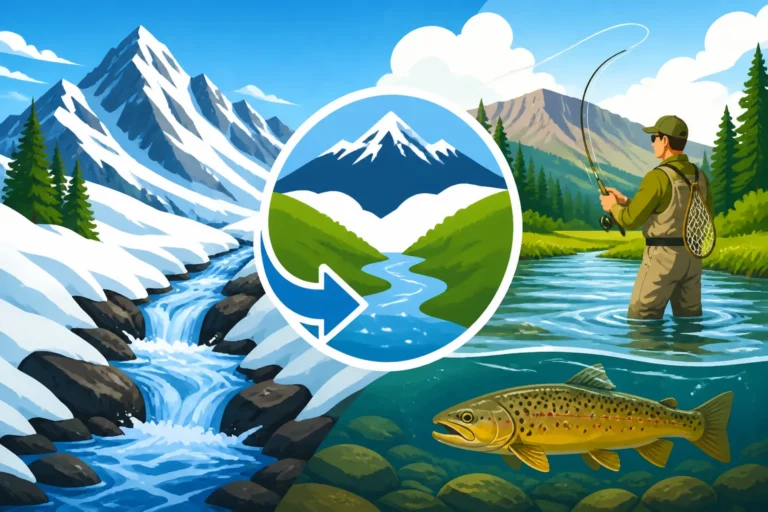
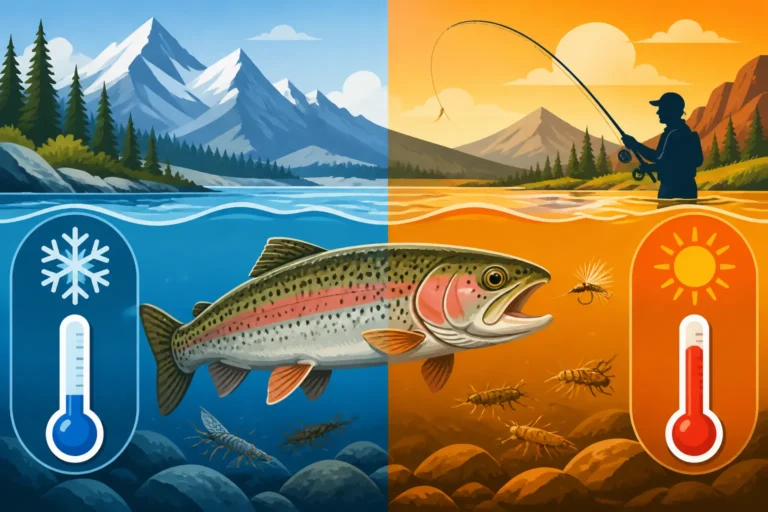
- Water Temperature and Fish Activity: This is perhaps the most critical factor. Cold water means slower fish metabolism, while warmer (but not too warm) water often means more aggressive feeding. During the spring thaw, fish might be concentrated near inlets, while in summer, they'll retreat to deeper, cooler zones. Understanding How Water Temperature Changes Wyoming Trout Behavior is key to success.
- Accessibility and Snowpack: Many high-alpine lakes are only accessible for a short window during summer and early fall due to snowpack. Even larger lakes can have limited access roads or campgrounds in the shoulder seasons.
- Crowd Levels: Grand Teton is a popular destination, and peak summer months can see significant crowds, both on the water and at popular access points. If solitude is your goal, you'll need to strategically plan your visit.
- Target Species and Techniques: If you're solely focused on giant Lake Trout, certain seasons and techniques (like deep trolling) will be more effective. If you prefer casting dry flies for Cutthroat, you'll be looking for different conditions.
- Weather Volatility: Mountain weather is notoriously unpredictable. Spring and fall can bring sudden snowstorms, while summer can have intense thunderstorms. Being prepared for anything, perhaps with a good waterproof jacket you picked up on Amazon, is always a good idea.
Spring's Promises and Perils on Grand Teton Lakes
Spring in Grand Teton is a season of transition, a delicate dance between lingering winter and the awakening of summer. For the intrepid angler, it offers unique opportunities but also demands patience and flexibility. The landscape is breathtaking, with snow-capped peaks and nascent greenery, but the fishing can be a mixed bag.
Navigating Ice-Out and Cold Water Challenges
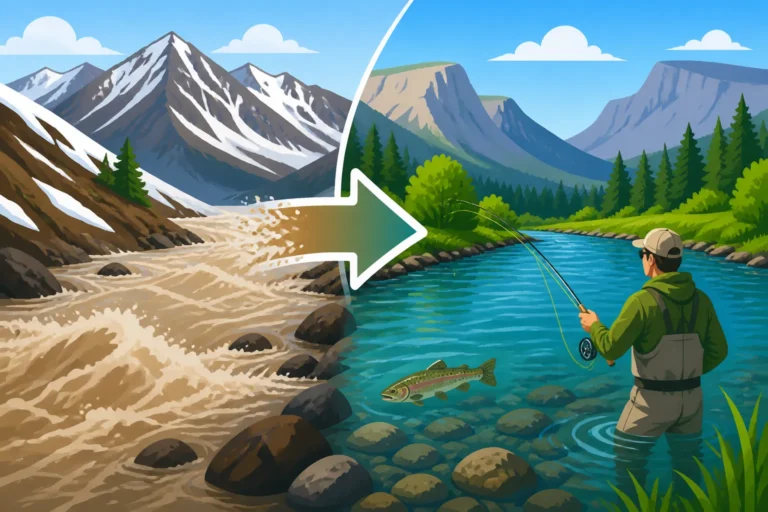
The biggest hurdle for spring fishing on Grand Teton's lakes is undoubtedly the ice. While lower elevation lakes and the shallower bays of larger lakes might start to thaw in late April or early May, the massive Jackson Lake often holds onto its ice well into May, sometimes even early June. It's incredibly disheartening to drive all that way, gear packed, only to stare at a sheet of ice. When Wyoming's Alpine Lakes Usually Thaw is a common question, and the answer is usually "later than you think" for high-country waters.
Even after ice-out, the water remains incredibly cold. This means fish are often lethargic, conserving energy. They might not be actively chasing lures or rising to flies. Successful spring fishing often involves slowing down your presentation, using baits that mimic available food sources, or targeting areas where slightly warmer water might be entering the lake, like river inlets. Shoreline access can also be tricky, with lingering snowdrifts and muddy conditions. This is a time when having reliable, insulated waders is crucial, even if you’re just standing on the bank. Many anglers find durable options on Amazon that hold up to tough conditions.
Early Season Opportunities for Hungry Trout
Despite the challenges, spring does offer some fantastic fishing moments. As the ice recedes, the fish that have been confined under the ice all winter are often hungry and looking for their first substantial meals. Many species will congregate in shallower waters or near inlets where water temperatures might be a degree or two warmer and food sources, like minnows or insect larvae, are more accessible.
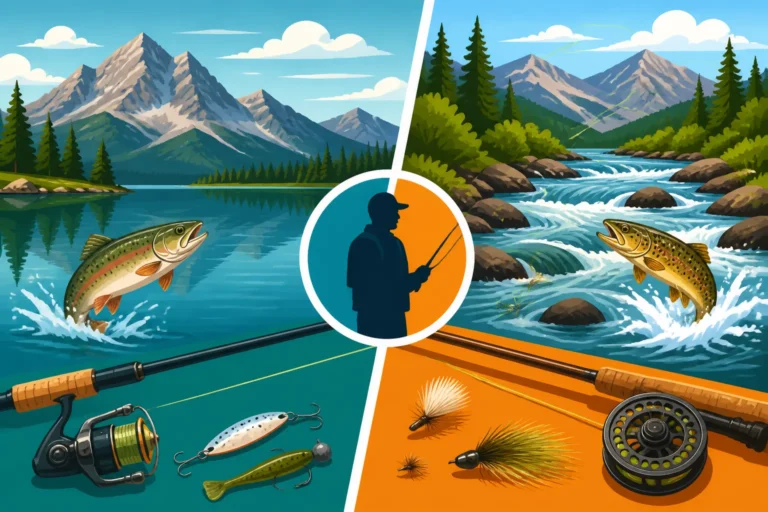
For Lake Trout in Jackson Lake, this can be a prime time to target them in relatively shallower depths before they retreat to the crushing depths of summer. Trolling spoons or stickbaits slowly near the ice edge or around points can be incredibly effective. Cutthroat Trout, which might have moved into tributaries to spawn, will be dropping back into the lakes, offering opportunities near river mouths. This is also when some of the smaller lakes might offer exceptional fishing for Brook Trout as they become more active post-ice-out. While dry fly fishing is usually limited, nymphing can be productive as insects begin to hatch subsurface.
Summer's Abundance: Peak Season for Grand Teton Anglers
Summer is undeniably the most popular season for visiting Grand Teton National Park, and for good reason. The weather is generally warm and stable, all access roads and trails are open, and the lakes are free of ice. This is when the park truly comes alive, attracting anglers from all over.
Maximizing Warm Weather Fishing on Popular Lakes
From July through August, the larger lakes like Jackson Lake become prime fishing grounds. While the water is warmer, the deep, clear nature of these lakes means trout can still find comfortable temperatures. Lake Trout will often be found in deeper water, making trolling with downriggers a popular and effective method. You'll often see numerous boats out on Jackson Lake, each vying for a chance at a trophy Mackinaw. For these deeper tactics, having a robust setup is key, and many anglers source their specialized gear like braided line and heavier spoons from online retailers like Amazon.
For Cutthroat Trout and Rainbow Trout (where present), early mornings and late evenings often provide the best action, especially for those looking to cast flies or spin lures from shore or a float tube. Insect hatches become more prevalent, leading to exciting dry fly opportunities. Jenny Lake, Leigh Lake, and other accessible waters will see considerable activity. It's important to be mindful of regulations, particularly around catch-and-release areas and special limits on How Many Trout Over 16 Inches You Can Keep in Wyoming. While the fishing can be excellent, the increased crowds mean patience is a virtue, and popular spots might require an early start to secure.
| Lake | Primary Species | Seasonal Fishing Tips | Accessibility |
|---|---|---|---|
| Jackson Lake | Lake Trout, Cutthroat | Deep trolling for Lake Trout, early/late for Cutthroat. | Boat ramps open late May/early June. |
| Jenny Lake | Cutthroat, Brook Trout | Shore/kayak fishing; best early morning or late evening. | Very popular; easily accessible. |
| Leigh Lake | Cutthroat, Brook Trout | Hike/paddle-in; good for fly fishing. | Requires portaging boat/kayak from String Lake. |
| String Lake | Cutthroat, Brook Trout | Family-friendly; excellent for small boats/kayaks. | Easy access, popular for paddling. |
| Emma Matilda Lake | Cutthroat | More secluded, often good float tube fishing. | Requires a short hike. |
| Two Ocean Lake | Cutthroat | Secluded, great for solitude. | Easy access but less crowded than Jenny/String. |
Exploring High-Elevation Gems as Trails Open
One of the greatest joys of summer in Grand Teton is the access it provides to the park's incredible high-alpine lakes. These pristine waters, often nestled beneath towering peaks, hold populations of native Cutthroat Trout and feisty Brook Trout. Usually, by mid-to-late July, most of the high-country trails are snow-free and passable, opening up a world of adventure for backpacking anglers.
Lakes like those found in the Paintbrush Canyon or Garnet Canyon areas, for example, offer a completely different experience: solitude, stunning scenery, and eager fish that might not see many anglers. Fly fishing with small dries, nymphs, or streamers can be incredibly effective. Spin fishermen can do well with small spinners and spoons. Be sure to check trail conditions before heading out, and always pack appropriate gear, including layers for unpredictable mountain weather. These aren't just fishing trips; they're unforgettable wilderness experiences. For those planning a backcountry trip, knowing the Fishing Wyoming's Wilderness and Backcountry Lakes rules is paramount.
Autumn's Golden Opportunities: Trophy Hunts and Solitude
For many seasoned anglers, autumn is the "best" season to fish Grand Teton's lakes. The summer crowds begin to thin, the aspen trees turn a brilliant gold, and a crispness enters the air. More importantly, fish behavior shifts dramatically, often leading to some of the most exciting fishing of the year.
Fall Spawners and Aggressive Lake Trout
As water temperatures begin to drop in September and October, several key events for fish start to unfold. Brown Trout (if you find them in tributaries leading to the lakes) and some populations of Cutthroat Trout will begin their spawning migrations, making them more active and sometimes easier to locate as they move into shallower areas or river mouths. This can be a spectacular time for fly anglers targeting these fish.
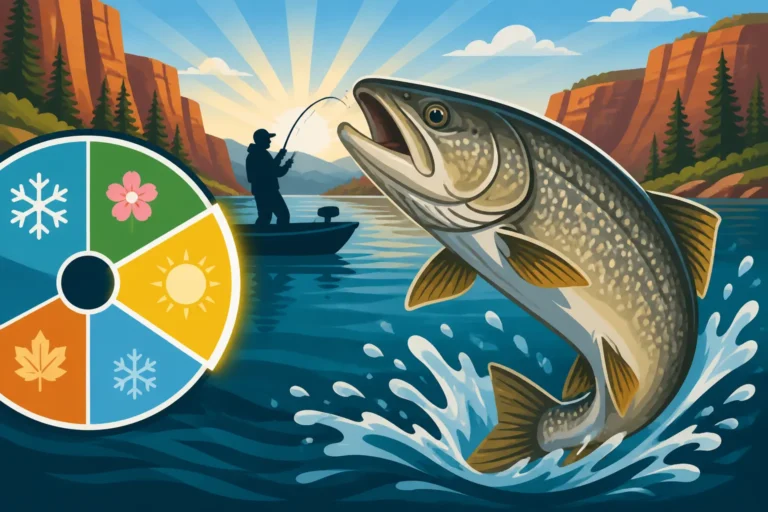
Perhaps the biggest draw for fall lake fishing in Grand Teton, however, is the Lake Trout. These formidable predators become incredibly aggressive as they prepare for their own spawn, which typically occurs later in the fall. They move into shallower rocky areas and are much more willing to chase and strike lures. This is when many anglers targeting a true trophy Lake Trout will concentrate their efforts. Trolling large spoons, tube jigs, or cut bait in shallower depths than summer can yield incredible results. If you're looking for that bucket-list fish, autumn fishing on Jackson Lake is hard to beat. The recent change that Why Jackson Lake Now Stays Open Through October offers anglers an extended opportunity to capitalize on this prime fall bite.
The Serenity of Late Season Fishing
Beyond the fantastic fishing, autumn offers an unparalleled sense of peace and solitude on Grand Teton's waters. The boat ramps are less congested, the hiking trails to smaller lakes are quieter, and the overall atmosphere is one of serene beauty. You'll often have vast stretches of water to yourself, allowing for a more immersive and contemplative fishing experience.
The cooler temperatures make for comfortable days on the water, though you always need to be prepared for sudden shifts in weather, including early season snow. Layering clothing, bringing a thermos of hot coffee, and having reliable safety gear are essential. This is a magical time to be on the water, combining world-class fishing with the stunning backdrop of the Tetons in their autumn glory. It's a chance to truly connect with nature without the hustle and bustle of peak season. For those who appreciate quieter waters and the chance for a truly memorable catch, late September and October are prime.
Winter's Quiet Challenge: Ice Fishing Grand Teton
When the cold truly sets in and the lakes of Grand Teton transform into vast expanses of ice, a new chapter of fishing begins: ice fishing. This isn't for everyone, but for those willing to brave the elements, it offers a starkly beautiful and uniquely rewarding experience. It demands different skills, specialized gear, and a deep respect for safety.
Accessible Ice Fishing on Select Lakes
Not all lakes in Grand Teton are suitable or safe for ice fishing, but some offer excellent opportunities for the dedicated angler. Jackson Lake, once fully frozen over, becomes a popular destination for ice anglers targeting Lake Trout. The key is monitoring ice conditions, as the sheer size and currents of Jackson Lake mean ice can be variable. Smaller, more stable lakes or bays might also offer possibilities for Brook Trout or Cutthroat, though these require careful reconnaissance.
Ice fishing requires specialized equipment, including an ice auger to drill holes, an ice-fishing rod (which is much shorter than a conventional rod), and a shelter to protect you from the wind and cold. Popular tactics involve jigging spoons or small tube jigs tipped with bait, trying to entice the often sluggish, deep-dwelling fish. The stillness of the winter landscape, often accompanied by wildlife sightings, makes for a truly unique outdoor adventure. Remember that for any type of fishing, including ice fishing, you'll need a Wyoming fishing license, and generally, these are calendar year licenses, so a new one is needed each January if you're fishing into the winter months.
Gear and Safety for Winter Angling Adventures
Safety is paramount when ice fishing. Always check ice thickness before venturing out, and go with a buddy. A minimum of four inches of clear, solid ice is generally recommended for walking, and more for snow machines or ATVs. Pack plenty of warm layers, including insulated boots, gloves, and a hat. A portable shelter, often heated, can make the experience much more comfortable, allowing you to focus on the fishing rather than the cold.
Beyond warm clothing, you’ll need an ice auger, a flasher or fish finder to locate fish under the ice, and a selection of small jigs and baits. Many anglers find that equipping their ice fishing kit with high-quality, durable components sourced from retailers like Amazon gives them peace of mind in challenging conditions. Don't forget safety gear like ice picks (worn around your neck) and a throw rope. While winter fishing in Grand Teton is a commitment, the rewards can be immense: solitude, beautiful scenery, and the unique thrill of pulling a fish through a hole in the ice in one of America's most stunning national parks. It's truly a test of endurance and passion for the sport.
Disclaimer
This article is for general informational purposes only and does not constitute professional advice. Laws, prices and regulations vary by location and change over time. Consult a qualified professional for guidance on your specific situation.