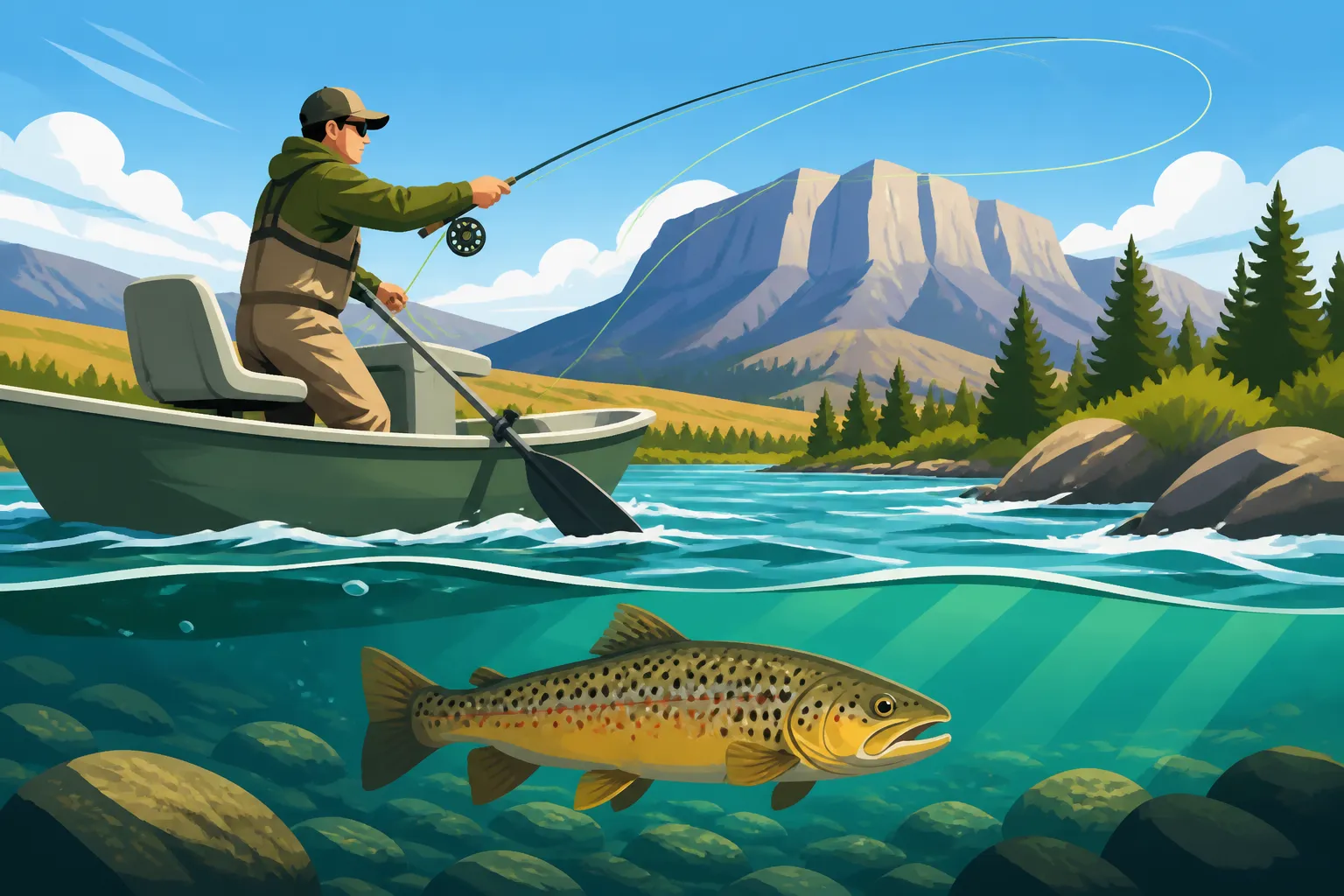
Best Drift Boat Technique for Fly Fishing Rivers
There's nothing quite like the freedom and efficiency a drift boat brings to fly fishing Wyoming's incredible rivers. If you've ever felt limited by bank access, struggling to cover promising runs, or wished you could carry more gear to stay comfortable, then stepping into a drift boat for fly fishing is an absolute game-changer. This guide will walk you through the essential techniques and considerations to make your next river adventure a success, whether you're rowing yourself or fishing with a skilled oarsman.
Why a Drift Boat Changes the Game for Wyoming River Fly Fishing
For many fly anglers, the image of casting from a riverbank is classic, but it often comes with frustrations: limited access points, crowded public stretches, and the sheer physical effort of wading upstream or downstream. A drift boat fundamentally transforms this experience, opening up new possibilities and dramatically enhancing your ability to target fish. It's not just a vessel; it's a mobile fishing platform that allows for precision, comfort, and unparalleled coverage of prime trout water.
Covering More Water, More Effectively
One of the most immediate benefits of a drift boat is its ability to cover significant stretches of river with relative ease. Instead of being confined to a hundred-yard section of bank, you can float miles of prime water in a single day, presenting your fly to countless holding lies. This means more opportunities to find actively feeding fish and less time spent hiking or driving between limited access points. The oarsman can skillfully maneuver the boat, allowing anglers to cast into pockets, seams, and undercut banks that are often out of reach from shore.
Think about those vast, winding sections of the North Platte River or the Snake River – trying to walk and wade them effectively would take days. With a drift boat, you can gracefully cover several miles, hitting all the most productive water, from deep pools to riffles. This efficiency is especially crucial during short feeding windows or when targeting specific species known to move around, such as migratory brown trout in the fall.
Comfort and Gear Management on the River
Let's be honest: fly fishing involves a lot of gear. Rods, reels, multiple fly boxes, extra layers of clothing, lunch, drinks, cameras – it adds up quickly. Trying to carry all this while wading can be cumbersome, leading to fatigue and a less enjoyable experience. A drift boat provides ample space to organize and store all your essentials, keeping them dry and readily accessible. This means you can easily switch between a dry fly setup and a nymph rig, grab that extra jacket when the weather shifts, or simply relax and enjoy a packed lunch while drifting between productive spots.
The elevated casting platform in many drift boats also offers a better vantage point, allowing you to spot fish or subtle changes in water structure more easily. Plus, the ability to sit and rest your legs periodically is a huge bonus, especially on a full day out on the water. This added comfort means you can stay out longer, focus more on your casting and less on your sore feet, and truly immerse yourself in the beauty of Wyoming's rivers.
Accessing Otherwise Inaccessible Water
Many of Wyoming's most pristine and productive fishing stretches are bordered by private land or are simply too remote to reach by foot or vehicle. Drift boats often gain access through designated public put-ins and take-outs, allowing you to float through these otherwise inaccessible sections. This isn't just about escaping the crowds, though that's certainly a perk; it's about fishing water that sees less pressure, where fish might be less wary and more willing to take a well-presented fly.
Imagine floating down a canyon section of the Green River, where towering cliffs meet crystal-clear water, and the only other signs of human activity are distant eagles. These experiences are often exclusive to float trips. However, remember to always respect private property boundaries along the riverbanks, even when floating through. Staying within the public easement of the river itself is key, and if you plan to get out and wade, ensure you know where public lands lie. You'll find a lot of great information in the Reading the Wyoming Fishing Regulations Booklet when you're planning these kinds of trips.
Essential Drift Boat Techniques for Fly Anglers
Successfully fly fishing from a drift boat is a partnership between the angler and the oarsman. It requires a keen understanding of river dynamics, precise boat control, and effective communication to present flies accurately and efficiently to fish. It's a dance, really, and when done right, it's incredibly rewarding.
The Art of the Perfect Drift: Reading Water from the Boat
The cornerstone of effective drift boat fly fishing is achieving a perfect, drag-free drift with your fly. This means your fly, leader, and fly line should be moving at the exact same speed as the current, mimicking natural insects or baitfish. From the boat, this involves not just your casting skill but also the oarsman's ability to position the boat. The oarsman needs to 'read the water' ahead, identifying current seams, eddies, riffles, and structure where fish are likely holding.
As an angler, you'll work with the oarsman to present your fly to these spots. Often, this means casting slightly upstream and across the current, allowing your fly to sink and drift naturally into the target zone. The oarsman can then use subtle oar strokes to slow the boat, speed it up, or adjust its angle to match your fly's drift, creating a longer, more effective presentation. This coordination is critical for nymphing rigs, where precise depth and speed are paramount. For dry fly fishing, the oarsman might hold the boat steady slightly upstream of a rising fish, allowing you multiple precise casts.
Angler and Oarsman Communication is Key
Without clear communication, a drift boat trip can quickly devolve into missed opportunities and frustration. The angler needs to tell the oarsman where they want to cast, what they're seeing (rises, structure), and if they need the boat adjusted. Conversely, the oarsman should be pointing out prime lies, suggesting casting angles, and alerting the angler to upcoming hazards or changes in current.
Think of it as a golf caddy relationship, but on water. Simple phrases like "hold left," "slow down a bit," "drift more to the bank," or "there's a seam thirty feet ahead, can you set me up for a cast?" are incredibly valuable. Before you even launch, discuss your preferred fishing style and target species. Are you primarily dry fly fishing, nymphing, or streamer fishing? This helps the oarsman anticipate your needs and position the boat accordingly. A good guide, like those found when considering Hiring a Fishing Guide in Wyoming, will often lead this conversation naturally and set the stage for a productive day.
Mastering the Anchor and the 'Hot Spot' Approach
While continuous drifting is highly effective for covering water, sometimes you encounter a "hot spot" – a particularly productive run, a deep pool teeming with fish, or a consistent hatch that demands a more static approach. This is where the drift boat's anchor comes into play. A well-placed anchor allows the boat to hold steady, giving anglers ample time to thoroughly work a specific piece of water.
The oarsman will identify the hot spot, drift past it slightly, and then deploy the anchor upstream, allowing the boat to swing back and settle into a prime casting position. From here, anglers can make multiple casts, change flies, adjust their nymphing depth, or meticulously cover every inch of the productive water. This technique is invaluable for targeting complex holding lies, deciphering a tricky hatch, or simply taking a moment to enjoy a particularly beautiful stretch of river. It's also great for a quick snack break without interrupting the flow of fishing!
Gear Considerations and River Safety for Drift Boats
Beyond your rod and reel, having the right gear and understanding essential safety protocols are paramount for an enjoyable and secure drift boat fly fishing experience on Wyoming's rivers. The dynamic environment of a river means you need to be prepared for anything, from sudden weather changes to unforeseen obstacles.
Must-Have Gear for Drift Boat Fly Fishing
While a drift boat carries more gear, choosing the right gear is still important. Here's a breakdown of what you should consider:
- Rods & Reels: Bring a variety if possible. A 5 or 6-weight rod is a great all-around choice for trout, but having a heavier 7 or 8-weight for streamer fishing or a lighter 3 or 4-weight for delicate dry fly presentations can be a huge advantage. Many guides provide extra rods, but it's good to have your own favorites. You can find excellent travel rods and reels on Amazon that are easy to pack.
- Waders & Boots: Even if you plan to mostly fish from the boat, good quality waders and wading boots are essential. You might need to hop out to land a fish, retrieve a snagged fly, or wade a promising riffle. Layering underneath your waders is also crucial for staying warm in varying Wyoming temperatures.
- Rain Gear: Wyoming weather can change on a dime. A high-quality waterproof and breathable rain jacket and pants are non-negotiable, even on a sunny morning. Nothing spoils a day faster than being cold and wet.
- Eye Protection: Polarized sunglasses are critical for spotting fish and protecting your eyes from errant hooks. Amber or copper lenses are often best for river environments.
- Sun Protection: Sunscreen, a wide-brimmed hat, and sun gloves will protect you from the intense high-altitude sun, even on cloudy days.
- Fly Selection: Pack a comprehensive selection of local patterns. Consult with a local fly shop before your trip, but generally, having a range of nymphs (pheasant tails, hare's ears, prince nymphs), dry flies (elk hair caddis, parachute adams, hoppers), and streamers (woolly buggers, sculpins) is a good starting point.
- Tools & Accessories: Hemostats or forceps for hook removal, nippers for cutting line, tippet material in various sizes (3x-6x), and leader material are all crucial. A net, if you don't have a guide providing one, is also recommended for safely landing and releasing fish.
- Food & Water: Pack plenty of snacks, a substantial lunch, and more water than you think you'll need. Staying hydrated and fueled will keep your energy levels up.
- First-Aid Kit: A basic first-aid kit for minor cuts, blisters, or headaches is always a smart addition to your dry bag.
Understanding River Etiquette and Hazards
Fishing from a drift boat comes with responsibilities, both for safety and for respecting other anglers.
- Life Jackets: Always wear a Coast Guard-approved life jacket when the boat is in motion. This is a non-negotiable safety rule, especially on larger, faster-moving rivers.
- Oarsman Safety Briefing: Before launching, your oarsman or guide should give a safety briefing, covering things like how to sit in the boat, what to do in case of an accidental dunking, and how to communicate about obstacles. Pay close attention to this.
- River Etiquette: Be mindful of other anglers, whether they are in other boats or wading. Give them plenty of space, avoid floating directly through their fishing runs, and communicate courteously if you need to pass. "Hello, just floating through!" goes a long way. Also, be aware of others if you choose to deploy your anchor in a busy area.
- River Hazards: Rivers are dynamic environments. Be aware of potential hazards like submerged rocks, log jams (also known as "strainers"), strong currents, and low-hanging branches. Your oarsman will be actively navigating these, but knowing what to look for helps. Knowing How Wyoming Sets In-Season Emergency Closures can also keep you informed about potential hazards or closures on certain river sections.
Seasonal Nuances for Drift Boat Success
Wyoming's rivers change dramatically with the seasons, and so too should your drift boat strategy.
- Spring (Pre-Runoff): Before the main snowmelt kicks in, early spring can offer fantastic fishing, especially on tailwaters below dams where water levels are more controlled. Nymphing is often king. Rivers like the North Platte can be very productive.
- Runoff Season (Late Spring/Early Summer): This can be a challenging time. High, muddy water makes fishing difficult. However, some areas might still have fishable tributaries or lake outlets. This is a time to be cautious and seek local advice. For more detailed insights, check out Is Runoff Season a Bad Time to Fish Wyoming Rivers?.
- Summer (Peak Season): This is prime time for dry fly fishing, especially during evening hatches. The warmer temperatures mean fish are active, and terrestrial patterns (hoppers, ants, beetles) become effective. Reservoir tailwaters and high-country streams that have cleared from runoff offer excellent opportunities.
- Fall (Trophy Season): Many anglers consider fall to be the best time for trophy trout. Brown trout migrate upstream to spawn, becoming more aggressive and visible. Streamer fishing can be incredibly productive, often paired with nymphing. The colors of the cottonwoods along the riverbanks make for breathtaking scenery. For specific targets, consider Fall Fishing for Browns on the Miracle Mile.
- Winter: While many rivers freeze over, some tailwaters remain open and can offer excellent, uncrowded fishing, especially on warmer days. Deep nymphing and streamer fishing are the primary techniques. Bundle up!
Common Challenges and How to Overcome Them
Even with the best planning, fly fishing from a drift boat can present unique challenges. Knowing how to anticipate and address these can make your day on the water much more productive and enjoyable. It's all part of the learning curve, and even seasoned anglers face these issues from time to time.
Dealing with Wind and Current
Wind and strong currents are two of the most persistent adversaries for drift boat anglers. Wind can make casting a nightmare, creating tangles and pushing your fly off target. Strong currents can make getting a proper drift challenging, pulling your line faster than your fly can sink, or creating drag on your dry fly.
- Wind: When dealing with wind, adjust your casting stroke. Focus on a tight loop and a more powerful, direct cast. Sometimes, a sidearm cast or a roll cast can be more effective. For the oarsman, wind means constant corrections to maintain boat position. If the wind is truly howling, it might be a day for heavier nymph rigs or streamers that cut through the air better. Choosing a fishing spot that offers more protection from the wind, such as a canyon section or an area with tall riverbanks, can also make a huge difference.
- Current: Different current speeds within a single river can cause drag. This is where the oarsman's skill becomes crucial, as they can "feather" the oars to slow or speed up the boat's section relative to the current where your fly is drifting. As an angler, techniques like mending your line (flipping an upstream loop of line to reduce drag) are essential. When fishing faster runs, use heavier flies or split shot to get your nymphs down quickly. For dry flies, target slower seams or eddies where you can achieve a longer, drag-free presentation.
Managing Multiple Anglers and Lines
Many drift boats are designed for two anglers, typically one fishing from the front and one from the back. This offers twice the opportunity, but also twice the potential for tangles and conflicts if not managed well.
- Designated Casting Zones: Establish clear casting zones. The front angler typically has the priority for longer casts to fresh water, while the rear angler might focus on shorter, more precise casts to water the front angler has passed, or target eddies and slower water. Communicate when you're casting and retrieve your line promptly after a drift to avoid interference.
- Synchronized Stripping: When streamer fishing, try to synchronize your retrieves. If one angler is stripping fast and the other slow, lines can become entangled more easily, especially when changing positions or passing each other's lines.
- Netting and Landing: When a fish is hooked, the other angler should reel in their line to avoid tangles and give the fighting angler space. The oarsman is often responsible for netting the fish, so clear the area and be ready to assist if needed. If you're fishing with someone who is less experienced, it's often a good idea for the more experienced angler to net the fish, as proper netting technique is vital for both securing the fish and ensuring its safe release.
When to Wade vs. Stay in the Boat
A drift boat is an amazing platform, but sometimes the best fishing requires getting your feet wet. Knowing when to anchor up and wade, and when to stay in the boat, is a strategic decision that can pay off.
-
Reasons to Wade:
- Specific, Technical Water: Some runs or pocket water are simply better fished on foot, allowing for more precise angles and stealthy approaches than a boat can offer.
- Difficult Casting Angles: If the boat can't get you into a good position for a particular cast due to currents or obstacles, wading might be the answer.
- Rising Fish: If you spot a pod of actively rising fish in a shallow, accessible area, getting out of the boat and approaching them quietly on foot can increase your chances of success, as the boat might spook them.
- Breaks and Stretches: Sometimes you just need to stretch your legs and feel the river under your boots. A short wading session can be a refreshing change of pace. You might find a small side channel that holds some unexpected fish!
-
Reasons to Stay in the Boat:
- Covering Vast Stretches: The primary advantage of a drift boat is covering water, so if you're targeting widespread fish or moving between known hot spots, staying in the boat is more efficient.
- Deep or Fast Water: For safety and effectiveness, stay in the boat when fishing deep pools, swift currents, or areas with unstable footing.
- River Crossings: If you need to access the opposite bank and the water is too deep or fast to wade safely, the boat is your crossing vehicle.
- Comfort and Convenience: On long days or in inclement weather, the comfort of the boat, with its gear storage and ability to provide shelter, often outweighs the desire to wade. Plus, the elevated position can provide a better view for spotting fish.
Ultimately, a good drift boat angler is versatile, knowing when to embrace the mobility and comfort of the boat and when to step out and engage the river more directly. It’s about making the most of every opportunity the river offers. For more about specific river access points, you might want to look at How to Read a Wyoming River From a Drift Boat.
| Technique Aspect | Angler's Role | Oarsman's Role | Benefits | Challenges |
|---|---|---|---|---|
| Reading Water | Identifies target zones, communicates observations. | Anticipates current, positions boat for optimal drift. | Precise fly presentation, covers more productive water. | Miscommunication, missing subtle water features. |
| Casting Accuracy | Executes precise casts to targets, manages line. | Adjusts boat speed/angle to maintain drift. | Maximizes time fly is in the strike zone, reduces drag. | Wind, strong currents, boat drift not matching fly. |
| Anchor Deployment | Continues fishing, prepares for stationary casting. | Positions boat upstream, deploys anchor, swings back. | Thoroughly fishes "hot spots," allows fly changes. | Anchor getting stuck, drifting past desired spot. |
| Fish Landing/Release | Fights fish, communicates fish's location. | Maneuvers boat, prepares net, assists in landing. | Safe handling of fish, quick release for healthy fish. | Tangled lines, fish breaking off, difficult net shots. |
| Safety & Etiquette | Wears PFD, observes surroundings, communicates hazards. | Navigates hazards, maintains distance from other anglers. | Ensures a safe and harmonious experience for all on the river. | Overcrowding, unexpected obstacles, changing weather. |
Disclaimer
This article is for general informational purposes only and does not constitute professional advice. Laws, prices and regulations vary by location and change over time. Consult a qualified professional for guidance on your specific situation.