A Guide to Wyoming’s Most-Caught Game Fish
Wyoming, with its vast wilderness and crystal-clear waters, is a dream destination for anglers. But if you’re new to the Cowboy State or just looking to expand your fishing horizons, it can feel a bit overwhelming trying to figure out which fish are truly the most common and rewarding to pursue. This guide is designed to cut through the confusion, introducing you to Wyoming's most-caught game fish, giving you a realistic picture of where they live, what makes them tick, and why so many of us spend our days chasing them.
The Reigning Kings: Wyoming's Trout Species
When most people think of fishing in Wyoming, their minds immediately go to trout. And for good reason! These cold-water beauties dominate many of the state's most iconic rivers, streams, and lakes, offering thrilling fights and stunning scenery. From the feisty rainbows to the elusive browns and the distinctly native cutthroats, trout fishing is practically a way of life here.
Rainbow Trout: The Widespread Favorite
Rainbow trout are undoubtedly one of Wyoming's most popular game fish, and you'll find them in an incredible variety of waters, from high-mountain creeks to sprawling reservoirs. What makes them such a favorite? Well, they're generally quite eager to bite, put up a respectable fight, and are absolutely beautiful to look at with their iridescent shimmer and characteristic red stripe. For anglers just starting out or those looking for consistent action, rainbows are often the go-to target. They're typically found in clear, cold, well-oxygenated water, often congregating in riffles, runs, and the edges of deeper pools where they can ambush insects and small baitfish.
A huge part of their prevalence across Wyoming is due to the state's robust stocking programs. The Wyoming Game and Fish Department works tirelessly to ensure healthy populations, particularly in waters that see heavy angling pressure or where natural reproduction is limited. This means many lakes, ponds, and even sections of larger rivers are regularly stocked, providing fantastic opportunities for anglers of all skill levels. You can often find great success using a simple spinning rod setup with lures like small spinners or spoons, or even just some PowerBait or worms. For fly anglers, rainbows are typically quite cooperative with a variety of nymph and dry fly patterns, making them an excellent species to hone your skills on. If you're looking for specifics on where these fish are introduced, check out Wyoming's Stocked Rainbow Trout Program.
One of the great things about rainbow trout is their adaptability. While they prefer cooler water, they can tolerate a wider range of conditions than some other trout species, which contributes to their widespread distribution. Whether you're casting from the bank of a picturesque mountain lake or wading a bustling river, chances are good you'll encounter a rainbow. Their vibrant colors, energetic fights, and consistent presence make them a cornerstone of the Wyoming fishing experience, often providing memorable days on the water for both seasoned veterans and new anglers alike. It's a fantastic fish to introduce kids to the joys of fishing, too, as they often get hooked quickly, literally and figuratively.
Brown Trout: The Elusive Giants
While rainbow trout offer consistent action, brown trout often represent the pinnacle of the chase for many Wyoming anglers, especially those seeking a true trophy. These cunning fish are known for their wariness, their aggressive feeding habits, and their ability to grow to impressive sizes, particularly in the state's larger rivers and tailwaters. A big brown trout, with its distinct spotted flanks and often kype-jawed appearance, is a prize many spend years pursuing. They tend to favor slower, deeper pools, undercut banks, and complex cover where they can hide and ambush prey, making them a bit more challenging to locate and entice.
Brown trout are incredibly predatory, especially as they grow larger. They'll readily consume smaller fish, crayfish, and large aquatic insects, making them a prime target for anglers employing larger streamer patterns on a fly rod or big jerkbaits and spoons on spinning gear. Rivers like the North Platte, particularly famous stretches like the Miracle Mile and Gray Reef, are renowned for their massive brown trout populations. Anglers often come from all over to test their skills against these formidable fish. The thrill of a large brown hitting your fly or lure is something that truly gets the adrenaline pumping.
Perhaps the most exciting time to target brown trout is during their fall spawning runs. As autumn colors explode across the landscape, big browns will move upriver from lakes and reservoirs into shallower sections of rivers to spawn. This behavior makes them more accessible and aggressive, leading to some of the best trophy fishing opportunities of the year. It's a prime time for streamer fishing, as these fish are incredibly territorial and protective. For a deeper dive into this exciting season, you might find our guide on Fall Fishing for Browns on the Miracle Mile particularly helpful. Be prepared for cooler weather and potentially challenging conditions, but the reward of hooking into a truly massive brown trout during this period is well worth the effort.
Cutthroat Trout: Wyoming's Native Icons
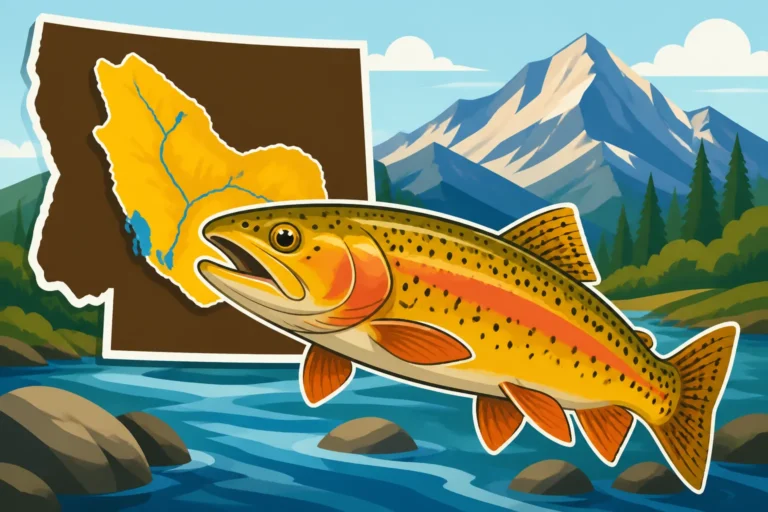
For many, the cutthroat trout isn't just another game fish; it's a living symbol of Wyoming's wild heritage. The Yellowstone cutthroat trout, in particular, holds a special place in the state as Wyoming's State Fish: The Yellowstone Cutthroat. These beautiful fish are easily identified by the distinct red or orange slash marks under their lower jaw, which gives them their name. They are integral to the ecosystem, particularly in their native drainages, and pursuing them offers a unique connection to the history and natural beauty of Wyoming.
Wyoming is home to several subspecies of cutthroat trout, each adapted to its specific environment. The Yellowstone cutthroat is found primarily in the Yellowstone River drainage and its tributaries, while the Snake River fine-spotted cutthroat inhabits the Snake River system. Other subspecies like the Colorado River cutthroat and the Bonneville cutthroat are also present in their respective native ranges within the state. Each subspecies has slightly different markings and habitat preferences, but they all share that iconic slash. They often thrive in pristine, cold-water streams and high-alpine lakes, and while they can be caught on a variety of baits and lures, many fly anglers cherish the experience of catching a native cutthroat on a dry fly, especially in remote, untouched waters.
Conservation efforts are critical for cutthroat trout, as their populations have faced challenges from habitat loss, hybridization with rainbow trout (creating "cutbows"), and competition from introduced species like lake trout, particularly in Yellowstone Lake. Fishing for cutthroat often means venturing into more remote, breathtaking areas of the state, such as the Wind River Range or the Absaroka Mountains. The experience isn't just about the catch; it's about immersing yourself in the wild beauty where these fish thrive. Anglers are encouraged to practice responsible catch and release, especially for native populations, to help preserve these iconic fish for future generations. Understanding Catch-and-Release Rules on Wyoming Waters is especially important when pursuing these native treasures.
Deepwater Denizens: Lake Trout and Walleye
While trout might be the most iconic, Wyoming's larger lakes and reservoirs harbor other fascinating and highly sought-after game fish that offer entirely different angling experiences. These include the deep-dwelling lake trout, known for their size and power, and the delicious walleye, a favorite among those who enjoy bringing home a tasty meal.
Lake Trout (Mackinaw): The Trolling Challenge
If you're looking to tangle with a true heavyweight, the lake trout, often called Mackinaw, is your target. These deepwater predators inhabit some of Wyoming's largest and coldest reservoirs, such as Flaming Gorge, Jackson Lake, and Yellowstone Lake. Known for their immense size and incredible strength, lake trout provide an exhilarating challenge, often requiring specialized techniques and gear to reach them in their deep, cold-water haunts. You won't find them in small streams; these giants prefer the vast, dark expanses of big lakes.
Lake trout fishing is typically a game of trolling. Anglers use downriggers, lead-core lines, or heavy weights to get large spoons, tube jigs, or baitfish imitations down to depths of 50 to 100 feet or more, where these fish lurk. The bite can be subtle, but once hooked, a big Mackinaw will put a serious bend in your rod and test your reel's drag. The effort involved, from locating the fish with sonar to precisely presenting your lure, adds to the immense satisfaction of landing one of these leviathans. For a comprehensive overview, our guide Lake Trout (Mackinaw) Fishing in Wyoming covers all the essentials.
While thrilling to catch, it's important to be aware of specific regulations, especially regarding lake trout in Yellowstone Lake. In that particular fishery, lake trout are considered an invasive species that preys on native cutthroat trout, and anglers are often encouraged, and sometimes required, to keep all lake trout caught. Always check the current regulations for the specific body of water you're fishing. The sheer size that these fish can attain is truly remarkable; it's not uncommon for anglers to pull out fish well over 20 pounds, with state records pushing much higher. Investing in durable trolling gear, including a good sonar unit, is highly recommended and you can find a wide range of suitable equipment, from heavy-duty trolling rods to line counter reels, on platforms like Amazon.
Walleye: The Taste Sensation
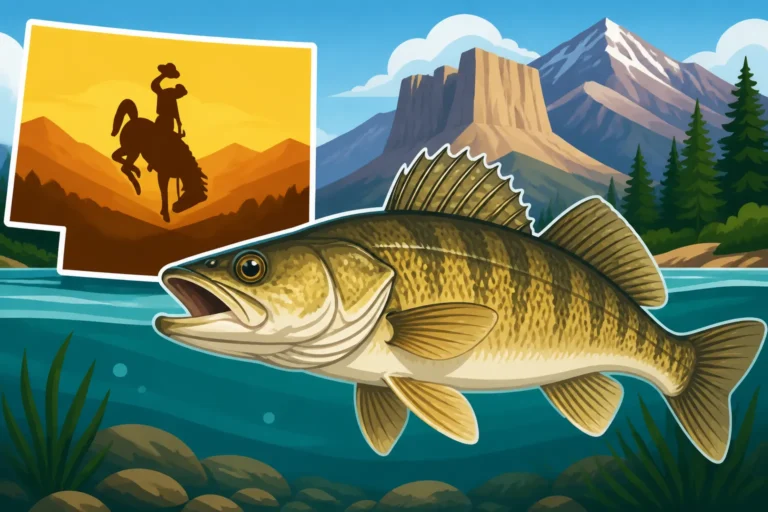
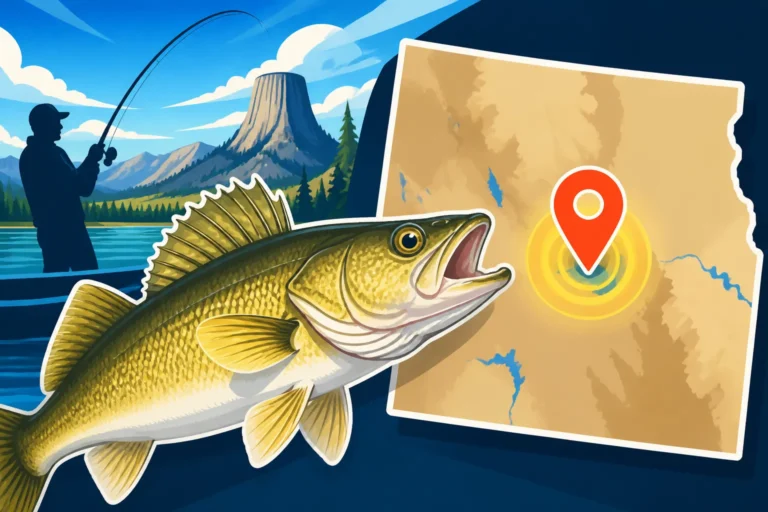
For many anglers, especially those who appreciate delicious table fare, walleye are the holy grail of Wyoming's reservoir fishing. These highly prized fish are known for their flaky, white meat and their often elusive nature, making them a rewarding catch. While not native to Wyoming, walleye have been successfully introduced into several large reservoirs, becoming a huge draw for anglers. Boysen Reservoir, Glendo Reservoir, and Keyhole Reservoir are among the top destinations for pursuing these toothy predators.
Walleye are ambush predators, often found lurking in deeper water, around submerged structures, or along main lake points and humps. They have excellent low-light vision, which is why they are often most active during dawn, dusk, or even at night. This nocturnal feeding habit adds an element of mystery and challenge to walleye fishing, as anglers often adapt their schedules to target them during these prime windows. Common techniques include jigging with artificial lures tipped with bait (like a nightcrawler or minnow), trolling crankbaits, or slow-trolling bottom bouncers with spinner rigs. Each technique has its devotees, and success often comes down to matching the presentation to the fish's mood and location.
The popularity of walleye isn't just about their taste; it's also about the sport. They can be finicky biters, earning them a reputation for being challenging, but once you figure them out, the action can be fast and furious. The thrill of feeling that characteristic "thump" as a walleye inhales your bait is incredibly satisfying. Many anglers plan entire trips around targeting walleye, bringing specialized gear and knowledge to their pursuit. For anyone looking to specifically target this delicious species, Walleye Fishing in Wyoming provides excellent guidance on techniques and top spots. Remember to check local regulations for length and bag limits, as these can vary to manage the fishery effectively.
High-Altitude Gems: Golden and Brook Trout
Beyond the more common trout species and reservoir dwellers, Wyoming offers unique angling adventures in its vast backcountry. For those willing to put in the effort, high-alpine lakes and small mountain streams reveal stunning golden trout and abundant brook trout, each offering a distinct and memorable fishing experience. These are often the fish you pursue when you want to truly get away from it all and immerse yourself in Wyoming's pristine wilderness.
Golden Trout: The Backcountry Reward
The golden trout is, without a doubt, one of Wyoming's most visually striking fish. With its brilliant gold flanks, vibrant red stripe, and dark parr marks, it's a true jewel of the high country. These fish are not for the faint of heart to pursue, as they primarily inhabit remote, high-alpine lakes, often nestled above 9,000 or even 10,000 feet in elevation. Reaching these pristine waters typically requires a significant hike, sometimes an overnight backpacking trip, making the golden trout a coveted reward for adventurous anglers. The journey itself becomes an integral part of the fishing experience, with breathtaking vistas and profound solitude.
Originally native to California, golden trout have been successfully introduced into many of Wyoming's otherwise barren high-elevation lakes through extensive stocking efforts, often utilizing aerial stocking via helicopter. This has created unique, self-sustaining fisheries in some of the most beautiful and inaccessible parts of the state. Because of their remote habitat, golden trout face fewer fishing pressures than their river-dwelling cousins, and the experience of catching one often feels like a secret discovered. They tend to be less selective than stream trout, often eager to rise to a dry fly or chase a small spinner. The sight of a bright golden trout flashing through the clear, cold water of an alpine lake is truly unforgettable.
Fishing for golden trout requires a different approach than river fishing. Lightweight backpacking gear is essential, including a compact fishing rod and reel (many anglers use a 4- or 5-weight fly rod broken down for easy transport) and minimal tackle. Checking out lightweight, packable fishing gear options on Amazon before your trip can save you a lot of effort on the trail. Our dedicated guide, Golden Trout Fishing in Wyoming, offers in-depth information on where to find these magnificent fish and the best strategies for catching them. Remember to pack out everything you pack in, and tread lightly to preserve the fragile beauty of these incredible high-country ecosystems.
Brook Trout: Small but Abundant
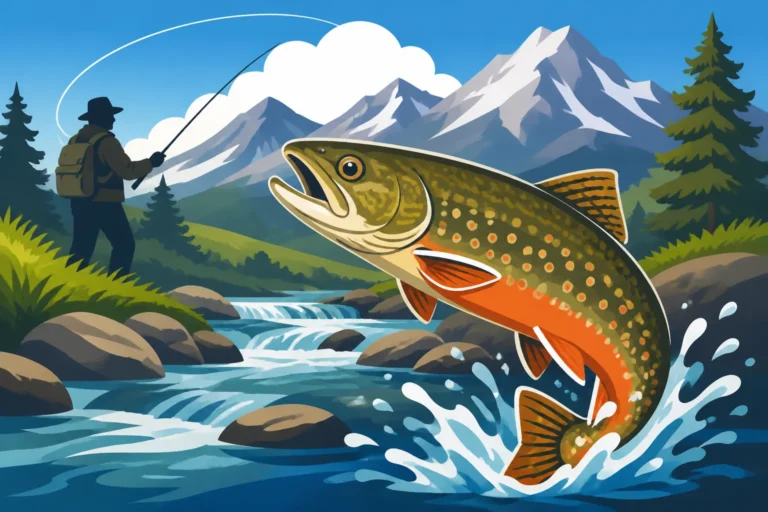
Brook trout, with their distinctive worm-like markings (vermiculations) on their backs and vibrant white-edged fins, are another charming species often found in Wyoming's cooler, higher-elevation streams and smaller lakes. While they typically don't grow to the massive sizes of brown or lake trout, what they lack in girth, they often make up for in sheer numbers and aggressive bites. For anglers seeking consistent action or those introducing new enthusiasts to the sport, brook trout offer an excellent opportunity. They are often less spooky than other trout species and readily strike a variety of simple baits and lures.
These feisty fish thrive in cold, clear, well-oxygenated water, often congregating in riffles, small pools, and around submerged logs or rocks in mountain streams. They are also common in many smaller, high-elevation lakes and ponds. While considered a char (not a true trout), they are often grouped with trout due to similar habitat and fishing techniques. They are particularly popular for youngsters and beginner anglers because of their willingness to bite, making it easier to experience the joy of landing a fish. A simple ultralight spinning rod with small spinners, spoons, or even just a worm under a bobber can provide hours of fun.
Brook trout are another species that have been widely introduced beyond their native range in eastern North America, establishing robust populations in many Wyoming waters. Due to their relatively small size and aggressive nature, catch-and-release is often practiced, though they are also excellent eating. If you're looking for a relaxed day of fishing with a good chance of consistent hook-ups, especially with kids in tow, seeking out waters known for brook trout is a fantastic choice. For family-friendly options, consider checking out our guide on Best Kids' Fishing Ponds in Wyoming, many of which are stocked with brook trout or other smaller, eager-to-bite species.
Other Notable Catches: Kokanee, Bass, and Perch
While trout dominate the conversation in Wyoming, the state's diverse aquatic environments also host a range of other exciting game fish. From the dazzling kokanee salmon to the hard-fighting smallmouth bass and the ubiquitous yellow perch, these species offer varied challenges and delicious rewards, broadening the angling opportunities beyond the traditional trout streams.
Kokanee Salmon: The Landlocked Sockeye
Kokanee salmon are truly a unique angling experience in Wyoming. These are landlocked sockeye salmon, meaning they complete their entire life cycle in freshwater lakes and reservoirs without ever migrating to the ocean. They are known for their striking appearance, particularly during their spawning run when they turn a brilliant red with green heads, and the males develop a distinct kype (hooked jaw). While not native to Wyoming, they have been successfully introduced into several large reservoirs, including Flaming Gorge, Pathfinder Reservoir, and Seminoe Reservoir, where they provide a popular and specialized fishery.
Kokanee are primarily plankton feeders, making them a bit more challenging to catch than predatory fish. Anglers targeting kokanee typically employ specific trolling techniques, often using downriggers to present small dodgers, flashers, and tiny hoochies or wedding ring spinners at precise depths. The gear is specialized, designed to imitate the small invertebrates they feed on, and the art lies in finding the schools and presenting the lure correctly. When hooked, kokanee are known for their spirited fights and acrobatic jumps, making them a thrilling catch.
The best time to target kokanee is often in the summer and early fall before they begin their spawning transformation. Once they start changing color and migrating up tributaries to spawn, their flesh deteriorates, and they are generally not good for eating. However, before that, they are considered excellent table fare. It's an incredibly visual fishery during the spawn, even if not for catching, as you can witness hundreds of vibrant red fish in the shallow spawning areas. For those interested in the intricacies of catching these unique salmon, researching the specific trolling setups and lure colors that work best on Flaming Gorge, a popular kokanee destination, is key. Many anglers find specific kokanee trolling flies and scent attractants on Amazon to maximize their chances.
Smallmouth Bass and Perch: Warmwater Wonders
While Wyoming is famous for its cold-water trout, the state's larger, warmer reservoirs also support thriving populations of warm-water species, offering a fantastic alternative for anglers. Among these, smallmouth bass and yellow perch are two of the most popular, providing plenty of action and a different kind of fight. These fish are often found in the same waters as walleye, providing diverse opportunities on a single outing.
Smallmouth bass are incredible fighters, pound-for-pound, offering an aggressive and exciting angling experience. They thrive in rocky habitats, points, and submerged structures in reservoirs like Flaming Gorge, Boysen, and Glendo. Smallmouth are highly predatory and will strike a wide array of lures, including crankbaits, spinnerbaits, jigs, and soft plastics. Their powerful runs and aerial acrobatics make them a favorite among bass anglers. Targeting smallmouth can be a great way to enjoy warmer summer days when trout fishing might be slower. They offer consistent action and are often found in large numbers once you locate a school. Their sheer willingness to hit a lure makes them an excellent target for anglers of all experience levels, including families.
Yellow perch, on the other hand, are perhaps one of the most ubiquitous and easily caught fish in many Wyoming reservoirs and lakes. While small, they are often found in huge schools, providing fast-paced action. Perch are an excellent choice for beginners and kids, as they readily bite on small baits like worms, minnows, or tiny jigs. They are also highly sought after for their delicious, flaky white meat, making them a popular choice for frying up a fresh fish dinner. Reservoirs like Boysen, Glendo, and Keyhole often hold fantastic populations of perch, providing consistent fun from spring through ice fishing season. Having a simple ultralight rod and a handful of small jigs or hooks with bait is all you really need to get into a school of perch.
Understanding Wyoming's Fishing Culture and Conservation
Wyoming's fishing heritage is deeply intertwined with its commitment to conservation. Anglers here aren't just looking for a trophy; they're also keenly aware of their role in preserving the pristine waters and healthy fish populations for future generations. This blend of sport and stewardship defines much of the state's fishing culture, influencing everything from daily practices to broader regulations.
Catch and Release vs. Keeping Your Catch
One of the ongoing conversations in the angling community revolves around catch and release versus keeping fish for the dinner table. In Wyoming, both practices are common, and often, regulations are specifically designed to guide anglers on when and where each approach is most beneficial for the fishery. For many native trout populations, particularly the various subspecies of cutthroat, catch and release is highly encouraged, if not mandated, to protect vulnerable breeding stocks. The goal is to ensure these precious native fish continue to thrive. For instance, in certain pristine river sections or high-alpine lakes, you might encounter special regulations that require all native trout to be immediately released.
Conversely, for species that are abundant, introduced, or even considered invasive, keeping your catch is often encouraged. Walleye and perch, being excellent table fare and often stocked in large numbers, are frequently kept. In a unique example, lake trout caught in Yellowstone Lake are often legally required to be removed and not released, as they pose a significant threat to the native Yellowstone cutthroat trout population. This dual approach highlights the thoughtful management strategies employed by the Wyoming Game and Fish Department, balancing recreational opportunity with ecological health. Understanding these nuances is crucial for any responsible angler. Our guide on Catch-and-Release Rules on Wyoming Waters delves deeper into these practices and why they are so important. Always handle fish gently when releasing them, minimizing their time out of water and ensuring they are revived before swimming away.
Ultimately, the choice to keep or release often depends on the species, the specific water, current regulations, and personal preference. Some anglers enjoy the challenge of the catch and the thrill of the fight, choosing to release all their fish, while others cherish the opportunity to bring home fresh, wild-caught protein. Both are valid expressions of the angling experience, provided they align with ethical practices and current regulations. It's all about being a good steward of the resource and respecting the fish you pursue.
The Role of Wyoming Game and Fish
The health and vibrancy of Wyoming's fisheries are not accidental; they are the direct result of dedicated management and conservation efforts by the Wyoming Game and Fish Department (WGFD). This agency plays a pivotal role in everything from setting regulations and conducting scientific research to operating fish hatcheries and stocking programs. Their work ensures that the incredible fishing opportunities available today will continue for future generations. Without their careful oversight, Wyoming's wild beauty and its fish populations would undoubtedly suffer.
WGFD biologists and game wardens are constantly monitoring fish populations, assessing habitat health, and responding to environmental changes. They use scientific data to determine bag limits, size restrictions, and special regulations for specific waters and species. For example, population surveys might lead to increased limits on an overabundant species or stricter catch-and-release rules for a struggling native population. They also manage a network of hatcheries that raise and stock millions of fish each year, ensuring ample opportunities for anglers, particularly in lakes and reservoirs where natural reproduction might not keep up with demand. This stocking program is vital for sustaining many popular fisheries across the state.
As anglers, our participation in this conservation effort is crucial. Purchasing a Wyoming fishing license and, if required, a The Wyoming Conservation Stamp and What It Covers directly contributes to funding WGFD's vital work. These fees go towards habitat improvements, law enforcement, research, and fish stocking, among other critical activities. It's more than just a piece of paper; it's an investment in the future of Wyoming fishing. Furthermore, abiding by all regulations, reporting violations, and practicing ethical angling are ways every individual can support the WGFD's mission and help preserve the very resource we cherish. Understanding the reasons behind certain rules, often found in the annual Reading the Wyoming Fishing Regulations Booklet, helps foster a deeper respect for the fish and their environment.
Preparing for Your Wyoming Fishing Adventure
Embarking on a fishing trip in Wyoming is an experience like no other, but to truly enjoy it and be successful, a little preparation goes a long way. The state's diverse environments, from arid plains to high mountains, mean that weather can change quickly, and conditions can vary dramatically from one fishing spot to the next. Thinking ahead about your gear and familiarizing yourself with regulations will make your adventure much smoother and more rewarding.
Essential Gear for Wyoming's Diverse Waters
When packing for a Wyoming fishing trip, versatility is key. You'll likely encounter a variety of conditions, from sunny high-desert days to cool, windy mountain mornings. A good all-around spinning rod and reel combo, perhaps a medium-light action with 6-8 pound test line, is a great starting point, capable of handling everything from small brook trout to decent-sized rainbows and even walleye. For fly anglers, a 5 or 6-weight rod is often considered the workhorse for Wyoming's trout waters.
Beyond your rod and reel, a well-stocked tackle box (or fly box) is essential. For spin fishing, include a selection of small spinners (Mepps, Panther Martin), spoons (Kastmasters, Dardevles), and a variety of soft plastics or jigs. Don't forget some PowerBait or worms, especially for stocked trout. Fly anglers should carry an assortment of nymphs (Pheasant Tail, Hare's Ear), dry flies (Elk Hair Caddis, Adams), and a few streamers for bigger fish. It's also wise to have extra line, leader, tippet, and a good pair of pliers or forceps for hook removal. Many of these essential items can be easily found and purchased through retailers like Amazon, allowing you to stock up before you even leave home.
Beyond fishing-specific gear, remember your personal comfort and safety items. Weather-appropriate clothing, layered to adapt to changing temperatures, is critical. Think moisture-wicking base layers, a warm fleece or puffy jacket, and a waterproof/windproof outer shell. Sturdy, comfortable hiking boots are a must, especially if you plan to access more remote spots. Don't forget sunscreen, insect repellent, a wide-brimmed hat, sunglasses, and plenty of water. A small first-aid kit is always a good idea. Having these essentials will ensure you're prepared for whatever Wyoming throws your way, letting you focus on the fish.
Navigating Regulations and Seasons
Understanding Wyoming's fishing regulations is not just important; it's absolutely crucial for a successful and legal fishing trip. The Wyoming Game and Fish Department publishes a comprehensive regulation booklet annually, and it's your primary resource. While the general rules might seem straightforward, many waters have very specific, often unique, regulations regarding bag limits, size restrictions, open seasons, and even allowed tackle or bait. For instance, some stretches of river might be fly-fishing-only, or require barbless hooks, while others might have slot limits for certain species.
Before heading out, always take the time to consult the current regulation booklet, paying close attention to the specific section for the waters you plan to fish. You can often find this booklet online, or pick up a physical copy at license vendors. Our guide on Reading the Wyoming Fishing Regulations Booklet offers tips on how to efficiently navigate this document and find the information you need. Ignoring regulations can lead to fines, loss of fishing privileges, and negatively impact the fishery. It's far better to spend a few minutes reading than to face consequences later.
Additionally, pay attention to the seasonal changes that affect fishing. Wyoming Fishing Seasons and Water-Specific Closures will detail when certain waters are open or closed, which species are available, and how general seasons apply. For example, some high-alpine lakes might only be accessible and fishable for a short window in summer, while certain river sections might have closures during spawning seasons. And, of course, ensure you have the correct Wyoming fishing license for your residency status and the duration of your trip. Whether you're a local or coming from afar, understanding Wyoming Fishing License Guide for Nonresidents or resident rules is your first step to legal angling. Being prepared with both your gear and your knowledge of the rules ensures a fantastic and responsible experience on Wyoming's beautiful waters.
| Fish Species | Primary Habitat | Typical Size Range | Key Lure/Bait Types | Fun Fact |
|---|---|---|---|---|
| Rainbow Trout | Rivers, streams, lakes, reservoirs | 10-20 inches | Spinners, PowerBait, Flies | Often stocked for high catch rates |
| Brown Trout | Rivers, deep lakes, tailwaters | 12-30+ inches | Streamers, Minnow Imitations | Known for being wary and challenging |
| Cutthroat Trout | Native streams, high-alpine lakes | 8-18 inches | Dry flies, small nymphs | Wyoming's state fish |
| Lake Trout | Deep, cold reservoirs | 18-40+ inches | Trolling large spoons, tube jigs | Can live for decades and reach massive sizes |
| Walleye | Reservoirs, larger lakes | 15-25 inches | Jigs, crankbaits, nightcrawlers | Prized for their delicious white flesh |
| Golden Trout | Remote high-alpine lakes | 6-14 inches | Small flies, tiny spinners | Stunning gold and red coloration |
| Brook Trout | Small streams, mountain lakes | 6-12 inches | Small spinners, worms, flies | Aggressive biters, often found in numbers |
| Kokanee Salmon | Reservoirs (landlocked) | 12-18 inches | Trolling dodgers, small spoons | Turn bright red during spawning runs |
Disclaimer
This article is for general informational purposes only and does not constitute professional advice. Laws, prices and regulations vary by location and change over time. Consult a qualified professional for guidance on your specific situation.