Best Fish Species for Beginners to Target in Wyoming
Stepping into the world of Wyoming fishing can feel like staring at a vast, beautiful, but utterly overwhelming map. You've heard tales of legendary trout rivers and enormous lake trout, but as a beginner, you might be wondering where on earth to even start without feeling completely out of your depth. This guide is designed to cut through that confusion, helping you identify the most approachable and rewarding fish species to target in Wyoming so you can build your confidence and fall in love with angling in the Cowboy State.
Why Choosing the Right Beginner Species Matters
For a new angler, the initial experience can make or break their enthusiasm for fishing. There's nothing quite like the thrill of feeling that first tug on the line, the excitement of reeling in a fish, and the satisfaction of a successful day on the water. But if you start by trying to trick a notoriously finicky brown trout on a technical fly-fishing stream, you might end up more frustrated than fulfilled. That's why picking the right species, one that's more forgiving and generally eager to bite, is absolutely crucial for building foundational skills and maintaining that crucial spark of excitement.
Building Confidence and Skills
Think of your first few fishing trips as a classroom. You're learning to cast, to tie basic knots, to read the water just a little bit, and to understand how fish behave. If you're constantly getting skunked, it's hard to feel like you're learning anything valuable. Targeting species that are more abundant and less particular about what they eat allows you to practice these fundamental skills with a higher chance of success. Each catch, no matter how small, reinforces your efforts and builds confidence. You learn how to properly hold a fish, how to unhook it carefully, and even the etiquette of catch and release. This isn't just about catching fish; it's about connecting with the outdoors and proving to yourself that you can do this.
Understanding Accessibility and Equipment Needs
Some fish species prefer remote, hard-to-reach backcountry lakes, while others thrive in easily accessible ponds and reservoirs. As a beginner, you want to focus on species found in locations that don't require specialized gear or extensive hiking. This means looking for waters with good bank access, often found near towns or in state parks. Similarly, some species demand very specific tackle — delicate fly rods, complex trolling setups, or advanced electronics. Beginner-friendly species, on the other hand, can usually be caught on simpler, more versatile gear like a basic spinning rod and reel. This not only keeps your initial investment low but also simplifies the learning process, allowing you to focus on the basics without being overwhelmed by a tackle box full of unfamiliar gadgets. You'll find that a lot of solid, budget-friendly beginner setups are readily available on platforms like Amazon, making it easy to get started without a huge outlay.
Top Beginner-Friendly Fish Species in Wyoming
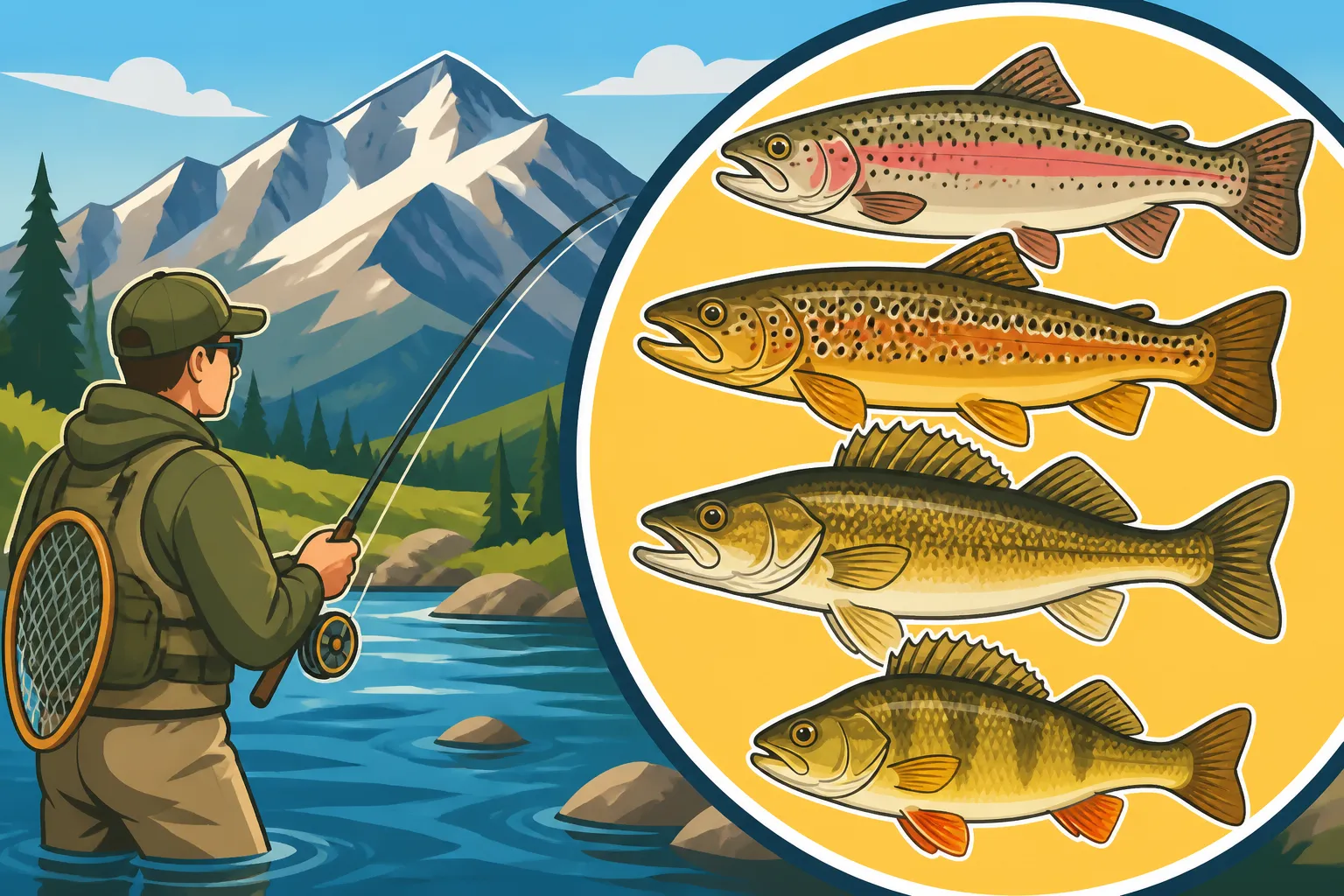
Wyoming is blessed with an incredible diversity of fish, but some species are definitely more welcoming to the novice angler. We're looking for fish that are generally numerous, relatively aggressive, and found in accessible locations. Here's a rundown of the best species to target when you're just getting started.
Rainbow Trout: The Go-To for Many
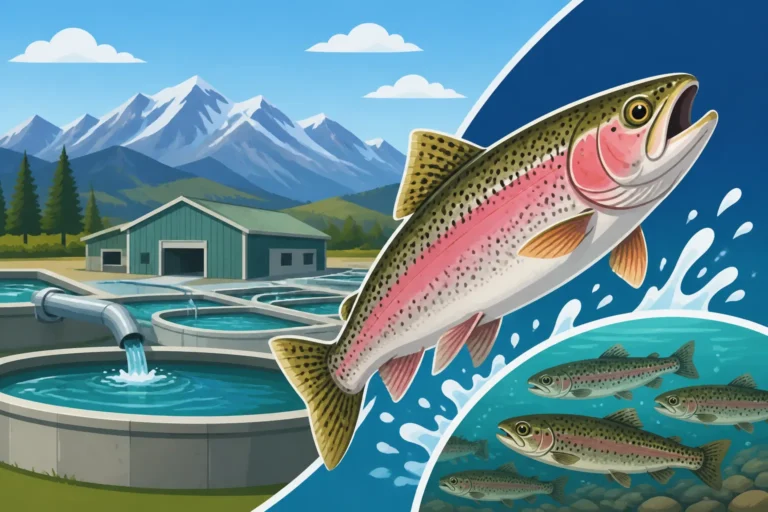
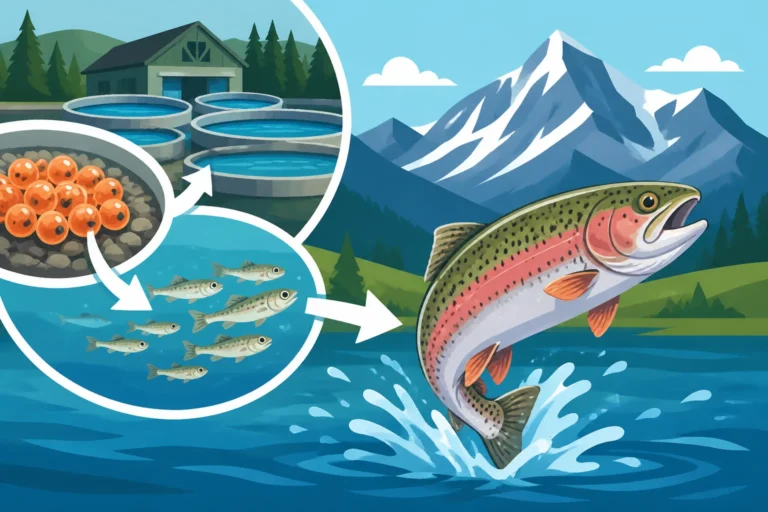
If there's a "starter fish" in Wyoming, it's often the rainbow trout. The Wyoming Game and Fish Department Wyoming's Stocked Rainbow Trout Program stocks millions of rainbow trout annually into lakes, reservoirs, and ponds across the state, specifically to provide ample fishing opportunities for anglers of all skill levels. These stocked rainbows are usually quite eager to bite, making them a fantastic choice for beginners. They're often found in easily accessible waters, including community ponds, larger reservoirs, and even some slower-moving rivers.
Rainbows respond well to a variety of simple baits and lures. A classic setup involves a small hook, a split shot weight, and a piece of worm, corn, or PowerBait fished under a bobber. They also readily strike small spinners and spoons, which are easy to cast and retrieve. The fight of a rainbow trout, even a smaller one, is spirited and exciting, often involving acrobatic jumps that add to the thrill. This makes them incredibly fun to catch and a great way to experience the joy of fishing without needing advanced techniques. For more specific tactics, you can dive into Spin Fishing Techniques for Beginners.
Brook Trout: Small but Abundant
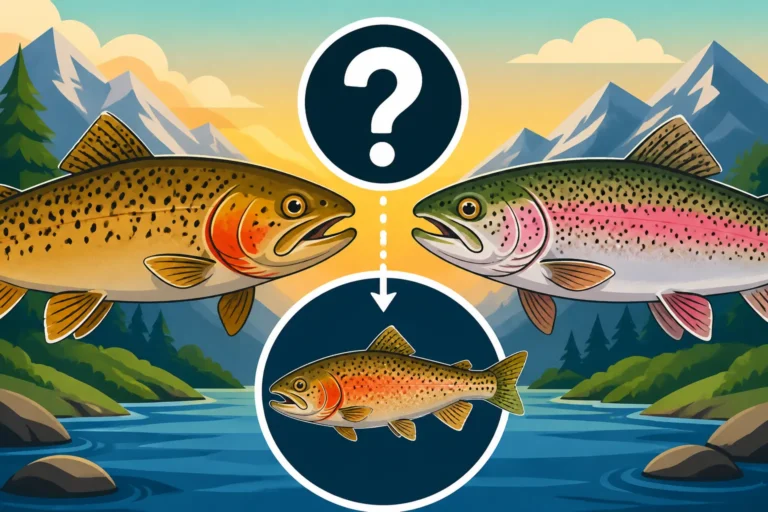
Brook trout are another excellent option, especially if you're looking to explore some of Wyoming's smaller streams and higher-elevation lakes. While they typically don't grow to be very large – a 10-inch brook trout is a respectable catch – what they lack in size, they make up for in abundance and eagerness. These beautiful fish, with their distinctive worm-like markings and vibrant red-orange fins, are often very aggressive and will readily strike at nearly anything that looks edible.
You'll often find brook trout in the colder, clearer waters of mountain streams and smaller ponds, where they can be incredibly cooperative. They're a fantastic target for a simple ultralight spinning setup, using tiny spinners, spoons, or even just a small piece of worm. Their willingness to bite makes them a great confidence builder, and they're found in some of Wyoming's most picturesque settings, offering a bonus of stunning scenery with your fishing trip. If you're interested in learning more, check out Brook Trout Fishing in Wyoming.
Yellow Perch: Fun and Found in Many Places
Sometimes overlooked by trout-focused anglers, yellow perch are an absolute gem for beginners and family fishing trips. These panfish are incredibly common in many of Wyoming's reservoirs and larger lakes, like Boysen Reservoir or Keyhole Reservoir. They tend to school together, so once you find one, you're likely to find many, offering fast-paced action that's perfect for keeping engagement high, especially for kids.
Perch are not at all picky eaters. They'll readily take small bits of worm, minnows (where legal), and tiny jigs or spoons. You don't need fancy gear to catch them; a simple bobber rig or a light spinning rod with a small jig is all it takes. They're also delicious table fare, making a successful outing even more rewarding. Imagine a campfire cookout with freshly caught perch – that's a memory in the making! Exploring Perch Fishing in Wyoming can give you even more ideas.
Cutthroat Trout: A Wyoming Classic That's Often Eager
The cutthroat trout, Wyoming's state fish, comes in several subspecies, including the Yellowstone cutthroat and the Snake River fine-spotted cutthroat. While some populations can be more challenging, many cutthroat populations, especially in smaller streams and certain lakes, can be quite receptive to beginner techniques. They are often less spooky than brown trout and will readily take flies, lures, or bait.
These stunning fish are iconic to the West, and catching one feels like a true Wyoming experience. They're often found in pristine mountain waters, but also in many larger rivers and reservoirs. For a beginner, targeting cutthroat with small spinners, spoons, or even a basic worm rig can be very productive. As you gain experience, you might even transition to simple fly-fishing techniques for them, as they are known to be aggressive dry fly eaters. Learning about Cutthroat Trout Fishing in Wyoming will prepare you for a true taste of Wyoming angling tradition.
Here's a quick comparison of these beginner-friendly species:
| Species | Primary Habitat | Typical Size | Best Beginner Baits/Lures | Ease of Catching (1-5, 5=Easiest) |
|---|---|---|---|---|
| Rainbow Trout | Stocked lakes, reservoirs, slower rivers | 8-16 inches | PowerBait, worms, corn, small spinners | 5 |
| Brook Trout | High-country streams, small cold lakes | 6-12 inches | Worms, tiny spinners, small flies | 4 |
| Yellow Perch | Reservoirs, larger lakes, slow river backwaters | 6-12 inches | Worms, minnows, small jigs | 5 |
| Cutthroat Trout | Mountain streams, rivers, some lakes | 10-18 inches (varies) | Worms, small spinners, dry flies | 3-4 |
Practical Tips for Targeting Beginner Species
Now that you know which fish to focus on, let's talk about some practical advice to make your first trips more successful and enjoyable. Fishing should be a relaxing and rewarding activity, not a stressful ordeal!
Simple Bait and Lure Choices
When you're starting out, keep your bait and lure selection simple. You don't need a huge, expensive tackle box full of hundreds of different options.
- Worms: The classic. Earthworms, nightcrawlers, or even red wigglers are incredibly effective for nearly all beginner-friendly species. Fish them on a small hook with a sinker and bobber, or simply drift them downstream in a river. You can buy these at any bait shop, or even find them in your own garden!
- PowerBait/Salmon Eggs: These manufactured baits are fantastic for stocked rainbow trout in lakes and ponds. They come in various colors and scents and are designed to float, keeping your bait off the bottom. Just pinch a small piece and mold it around a hook.
- Small Spinners and Spoons: For lures, look for smaller, lighter options like Panther Martin spinners, Mepps Aglias, or Kastmaster spoons. These are easy to cast with a light spinning rod and reel, and their flashing, vibrating action attracts trout, perch, and even small bass. They're readily available at outdoor stores and online on Amazon. Stick to sizes appropriate for the fish you're targeting – usually 1/16 oz to 1/8 oz.
- Small Jigs: For perch, tiny jigs (1/32 oz to 1/16 oz) tipped with a small piece of worm or soft plastic grub can be deadly. Jig them slowly near the bottom.
Finding Accessible Fishing Spots
The key to beginner success is finding spots where fish are present and easy to reach.
- Community Ponds and Urban Lakes: Many Wyoming towns have small lakes or ponds that are regularly stocked and designed for easy public access. These are often great places to catch rainbow trout and sometimes perch. They frequently have docks, paved paths, and amenities, making them perfect for family outings.
- State Parks and Recreation Areas: Places like Glendo State Park or Boysen State Park often have designated fishing areas with good bank access. These locations are managed for recreation and are generally well-marked.
- Public Fishing Easements: Wyoming is famous for its access to public lands and waters. Look for "public fishing access" signs along rivers and streams. These can sometimes lead to productive stretches, though some river spots might require a bit more skill. Checking out Where to Find Public Fishing Easements in Wyoming can help you locate these spots.
- Check Local Stocking Reports: The Wyoming Game and Fish Department often publishes stocking schedules. Knowing which waters have been recently stocked can dramatically increase your chances of finding eager rainbow trout.
Always remember to check local regulations for any water you plan to fish. The general state regulations are a must-read, but many specific waters have unique rules regarding bait, bag limits, or seasons. Don't forget to study Wyoming Fishing Regulations Every Angler Should Know before you head out.
Embracing the Learning Curve
Every single angler you admire, no matter how seasoned, started exactly where you are. They've had tangled lines, lost fish, and experienced days where nothing seemed to bite. It's all part of the journey! Don't get discouraged if your first few casts aren't perfect or if you don't catch a fish every time.
- Be Patient: Fishing is often called "the patience sport" for a reason. Sometimes you just have to wait for the fish to come to you.
- Observe and Adapt: Pay attention to what's happening around you. Are other anglers catching fish? What are they using? Is the water clear or muddy? Small observations can lead to big breakthroughs.
- Ask Questions: Don't be afraid to politely ask other anglers for advice, especially if they're having success. Most experienced fishermen love to share their knowledge.
- Focus on the Experience: Even if the fish aren't biting, enjoy the scenery, the fresh air, and the peace of being outdoors. The joy of fishing isn't just in the catch, but in the entire experience.
Gear Essentials for the Novice Angler
Starting out doesn't mean you need to break the bank on high-end fishing gear. In fact, a simple, versatile setup is often the best way to begin. The goal is functional, durable, and easy-to-use equipment that won't overwhelm you.
Basic Rod and Reel Setup
For a beginner targeting these species, a spinning rod and reel combo is the undisputed champion.
- Rod: Look for a medium-light or light action spinning rod, typically 6 to 7 feet long. This length offers a good balance of casting distance and control, and the lighter action is sensitive enough to feel bites from smaller fish while still having enough backbone to handle a decent trout. You'll find many affordable and reliable options on Amazon, often sold as combos.
- Reel: A spinning reel that matches the rod, usually in a 1000 to 3000 series size, is perfect. It should have a smooth drag system (that's the mechanism that lets line out when a fish pulls hard, preventing your line from breaking). Pre-spooled combos often come with decent monofilament line, which is forgiving and easy to tie knots with. If you're looking for more guidance, check out Best Rod and Reel Combo for a Beginner.
- Line: Start with 4-6 pound test monofilament line. It's strong enough for most beginner species, visible, and easy to handle.
Essential Tackle Box Items
Keep your tackle box minimal and organized. You can always add more as you gain experience and discover what works best for you.
- Hooks: A small assortment of sizes 6, 8, and 10 bait holder hooks are versatile for worms, PowerBait, and other natural baits.
- Sinkers/Weights: Split shot weights are easy to add and remove from your line. A small assortment of different sizes will allow you to adjust for current and depth.
- Bobbers: Both traditional red-and-white round bobbers and slip bobbers (which allow you to fish deeper) are useful. They help you detect bites and keep your bait at a desired depth.
- Swivels and Snaps: Small barrel swivels (size 10-14) prevent line twist, especially when using spinners. Snaps allow you to quickly change lures without retying.
- Lures: A few small spinners (e.g., Mepps, Panther Martin) and spoons (e.g., Kastmaster) are excellent for trout and perch. Pick a few in different colors (silver, gold, black) to see what the fish prefer on a given day.
- Pliers: A small pair of needle-nose pliers or a multi-tool is indispensable for removing hooks, cutting line, and bending wires.
- Line Cutter: Small clippers or scissors for cutting fishing line.
- Tape Measure: Useful for ensuring your catch meets legal size requirements, if you plan to keep any fish.
- Small Cooler with Ice: If you plan on harvesting fish, keep them cool and fresh immediately after catching.
- Sunscreen, Hat, Sunglasses: Protect yourself from the Wyoming sun, even on cloudy days.
- Water and Snacks: Staying hydrated and fueled is important for an enjoyable day outdoors.
- Wyoming Fishing License: Don't forget this! You can purchase them online or at many local vendors. Ensure you understand Wyoming Resident vs Nonresident License Rules as they differ significantly.
Remember, the goal is to get out there, have fun, and enjoy the incredible fishing opportunities Wyoming offers. Start simple, be patient, and celebrate every tug on your line. Happy fishing!
Disclaimer
This article is for general informational purposes only and does not constitute professional advice. Laws, prices and regulations vary by location and change over time. Consult a qualified professional for guidance on your specific situation.