Best Season to Catch a Trophy Cutthroat in Wyoming
Chasing a truly massive cutthroat trout in Wyoming isn't just about showing up with a rod; it's about understanding the subtle dance of the seasons, the fish's life cycle, and where these magnificent creatures choose to hold. Many anglers get frustrated because they hit prime spots at the wrong time, only to come up short. This comprehensive guide will peel back the layers, revealing the absolute best times of year to target and land that elusive trophy cutthroat, along with the strategies that will give you the best shot at success.
Understanding the Quest for a Trophy Cutthroat
Before we dive into the "when," it's crucial to align on what we mean by a "trophy" cutthroat here in Wyoming. This isn't your average 12-inch stream resident; we're talking about a fish that will challenge your gear, test your patience, and leave you with a lasting memory. Targeting such a specific goal requires a different mindset and approach than simply catching fish.
What Defines a "Trophy" Cutthroat?
For most seasoned anglers in Wyoming, a trophy cutthroat generally refers to a fish pushing, or exceeding, the 20-inch mark. While beauty is in the eye of the beholder, and even a vibrant 16-inch native cutthroat is a gem, those true "wall-hanger" fish often measure 20 inches or more in length and boast significant girth. The specific subspecies also plays a role in the angler's definition; landing a large Yellowstone Cutthroat Trout, a Snake River Fine-Spotted Cutthroat Trout, or even the rarer Bonneville cutthroat can all feel like a trophy achievement. These fish, especially in their native waters, are icons of the American West. Their distinctive red slashes under the jaw are a badge of honor, and their wild, untamed spirit makes every capture a hard-earned victory.
Where Wyoming's Largest Cutthroat Live
If you're serious about hooking a trophy, you need to be in the right waters. While smaller cutthroat are abundant across much of Wyoming's vast network of rivers and lakes, the truly massive ones typically inhabit larger, more productive systems. Think big, cold lakes and their associated river drainages, which provide ample food sources and room to grow.
Yellowstone Lake, for instance, is famous for its large Yellowstone cutthroat population, though anglers are now encouraged to remove Lake Trout there to protect the native species. The Snake River drainage, particularly sections in and around Grand Teton National Park, is renowned for its Snake River fine-spotted cutthroat. These rivers offer incredible opportunities for larger fish, especially in the deeper pools and runs. Beyond these famous spots, many of Wyoming's remote high-alpine lakes, accessible only by arduous hikes or horseback, can hold surprisingly large, ancient cutthroat that have grown slowly over many years in their pristine, cold environments. These fish are often less pressured and can offer a truly wild fishing experience. Each of these unique environments presents its own set of challenges and rewards when pursuing a trophy. You might want to consult a comprehensive guide on Wyoming's Yellowstone Lake Fishing Guide or consider exploring the Best Places to Fish in Wyoming more broadly.
Prime Seasons for Chasing Trophy Cutthroat
Now, for the million-dollar question: when is the absolute best time to catch one of these magnificent fish? While you can certainly catch cutthroat year-round in some open waters, certain seasons offer distinct advantages for targeting truly large specimens.
Late Spring to Early Summer: Post-Spawn Aggression
As the ice finally melts off Wyoming's higher elevation lakes and the rivers begin to drop and clear after spring runoff, late spring into early summer can be a fantastic time to target big cutthroat. This period, roughly late May through June, sees many fish recovering from their spawning efforts. After the physical demands of reproduction, these fish are often incredibly hungry and aggressive, actively feeding to regain lost energy.
The waters are still relatively cool, which is ideal for trout, and insect hatches are starting to become more consistent. This means cutthroat are often less wary and more willing to chase larger flies or lures. However, timing is everything. Fishing too early can mean high, muddy waters from spring runoff, making it difficult to locate fish or present flies effectively. Waiting for the rivers to drop and clear, and for lake temperatures to stabilize, is key. This is a dynamic time of year, and paying attention to water conditions is paramount. While some might think of Wyoming Spring Fishing What to Expect as early season, the late spring often offers a sweet spot before the summer crowds and heat.
Fall: The Migration and Pre-Winter Feast
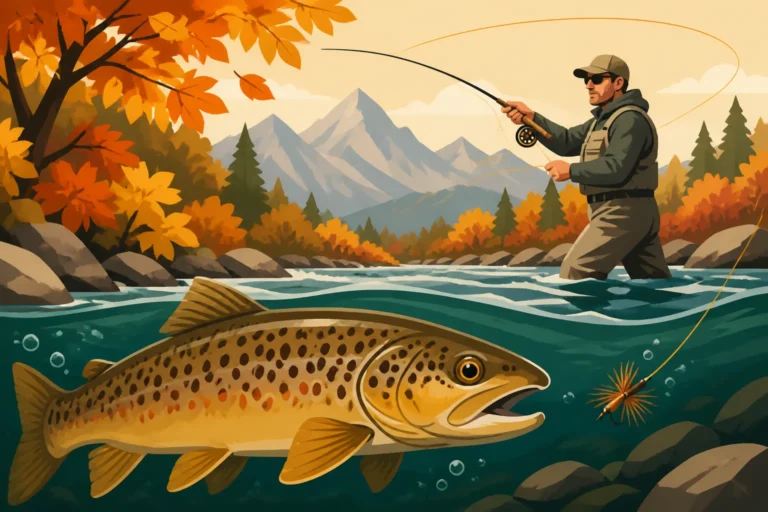
Without a doubt, for many dedicated trophy hunters, fall is the undisputed champion for catching a truly massive cutthroat in Wyoming. As autumn colors explode across the landscape, usually from September through October, water temperatures begin to drop steadily. This signals a critical period of intense feeding for cutthroat, as they instinctively prepare for the long, lean months of winter.
During this time, cutthroat, like their brown trout cousins, become much more active and opportunistic feeders. They're looking for bigger meals that offer more calories, making them more susceptible to larger streamer patterns, big nymphs, or even larger spin fishing lures. Furthermore, in many river systems, cutthroat will begin to stage and even migrate short distances, often moving into tributaries or specific holding areas, which can concentrate larger fish. The fish are often at their peak physical condition, displaying vibrant colors and incredible strength. This season also offers the advantage of fewer crowds compared to the height of summer, creating a more peaceful and productive angling experience. This period often overlaps with the famous Wyoming Fall Fishing for Migrating Browns, where tactics for large, aggressive trout often converge.
Summer High-Country Opportunities
While fall might take the crown for sheer numbers of big fish, the heart of summer (July and August) offers a unique and incredibly rewarding experience for trophy cutthroat: the high-alpine lakes. After the ice has completely receded, these pristine, often remote lakes, nestled high in the Wind River Range or other mountain wilderness areas, come alive. The fish here have seen minimal pressure, and while they grow slowly due to the short growing season, they can reach impressive sizes for their age.
Reaching these lakes often requires significant effort – a multi-mile hike or a horseback trip – but the reward is a chance to fish in breathtaking solitude for incredibly wild, aggressive fish. Cutthroat in these environments are often eager to hit dry flies, as insect life becomes abundant. The challenge lies in the accessibility and the short window of opportunity. But for those willing to put in the work, fishing How to Fish Wyoming's High-Alpine Lakes during the summer offers an unforgettable quest for a high-country trophy.
Strategies and Gear for Landing That Trophy Cutthroat
Catching a true trophy cutthroat isn't just about showing up during the right season; it also demands specific strategies and the right gear. These larger fish are often smarter, warier, and fight harder than their smaller counterparts.
Essential Techniques and Tackle
When targeting trophy cutthroat, don't be afraid to go a bit heavier with your gear. For fly anglers, a 5- or 6-weight rod with a strong butt section is ideal, paired with a reliable reel and a stout leader and tippet (think 2X or 3X, depending on water clarity and conditions). Larger streamer patterns, like Woolly Buggers, Sculpzillas, or articulated leeches, are often the ticket in fall and spring, mimicking baitfish or larger aquatic insects. During summer in the high country, larger terrestrial patterns like hoppers, cicadas, or ants can be incredibly effective, especially when fished near rocky shorelines or overhanging vegetation.
Spin anglers will find success with medium-light to medium action rods, spooled with 6-8 lb test line. Larger inline spinners (like Panther Martins or Mepps Aglias), spoons (such as Kastmasters or Daredevils), and minnow-imitating crankbaits are excellent choices. For deeper lakes, jigging spoons or soft plastics can also entice a strike from a big cutthroat. Remember, bigger baits often mean bigger fish, so don't be shy about upsizing your presentation. You can find a vast selection of these items on platforms like Amazon, from specialized fly patterns to durable spinning reels. Understanding Fly Fishing Techniques for Wyoming Trout Streams can also greatly enhance your approach.
Reading the Water for Big Fish
Trophy cutthroat, especially in rivers, don't hold in just any water. They prefer specific types of structure that offer both protection from predators and current, as well as easy access to feeding lanes. Look for deeper pools, especially those with undercut banks, large submerged boulders, or log jams. These features provide vital cover and create eddies where fish can rest and ambush prey.
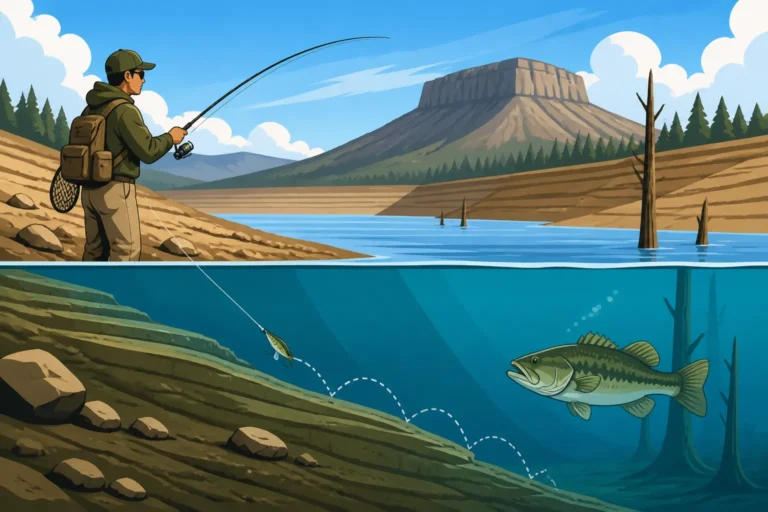
In larger lakes, trophy cutthroat will often relate to structure as well. This could be submerged points, underwater humps, drop-offs, or the edges of weed beds. They're often found in slightly deeper water during the brightest parts of the day, moving shallower during low light conditions or when a hatch is in full swing. Pay close attention to current seams, areas where fast and slow water meet, as these are prime feeding zones. A good understanding of How to Read Water When Trout Fishing is critical for pinpointing these prime locations.
Catch and Release for Future Trophies
When you do hook into that magnificent trophy cutthroat, remember the importance of ethical angling practices. These larger fish are vital to the health of the fishery and often represent the best genetics. If you intend to release the fish, handle it with the utmost care. Minimize its time out of water, use wet hands when handling, and support its body fully. Unhook the fish quickly, preferably with forceps or pliers, while it's still in the water.
If you want a memento, consider a quick photo while the fish is still partially submerged, or opt for a replica mount made from measurements and photos, rather than keeping a trophy fish. Practices like those outlined in Catch-and-Release Best Practices for Trout ensure that future generations of anglers, and the fish themselves, can continue to thrive. Investing in a good quality net with rubberized mesh, available on Amazon, can also significantly reduce stress on the fish during landing.
Seasonal Trophy Potential at a Glance
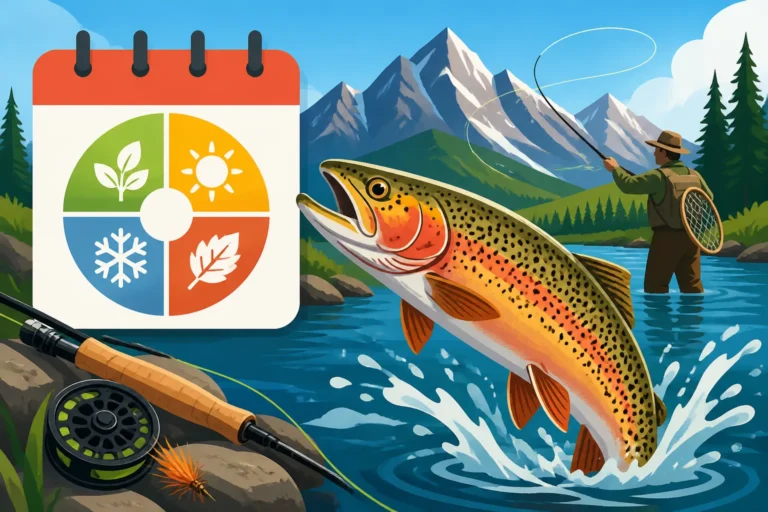
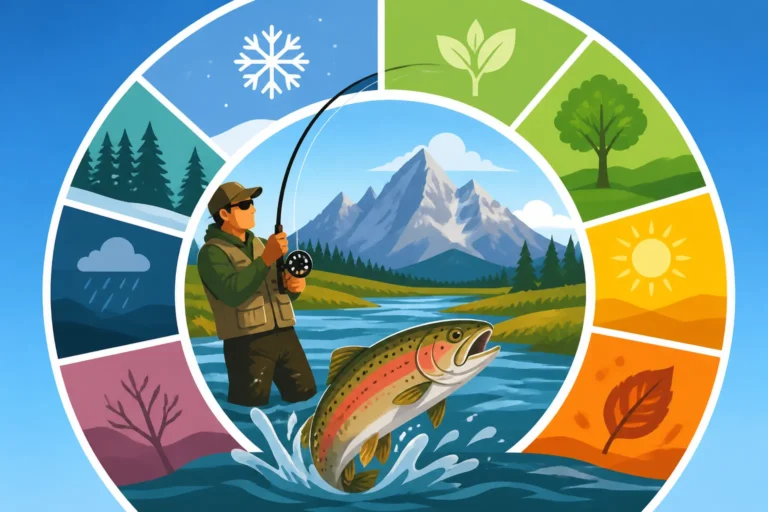
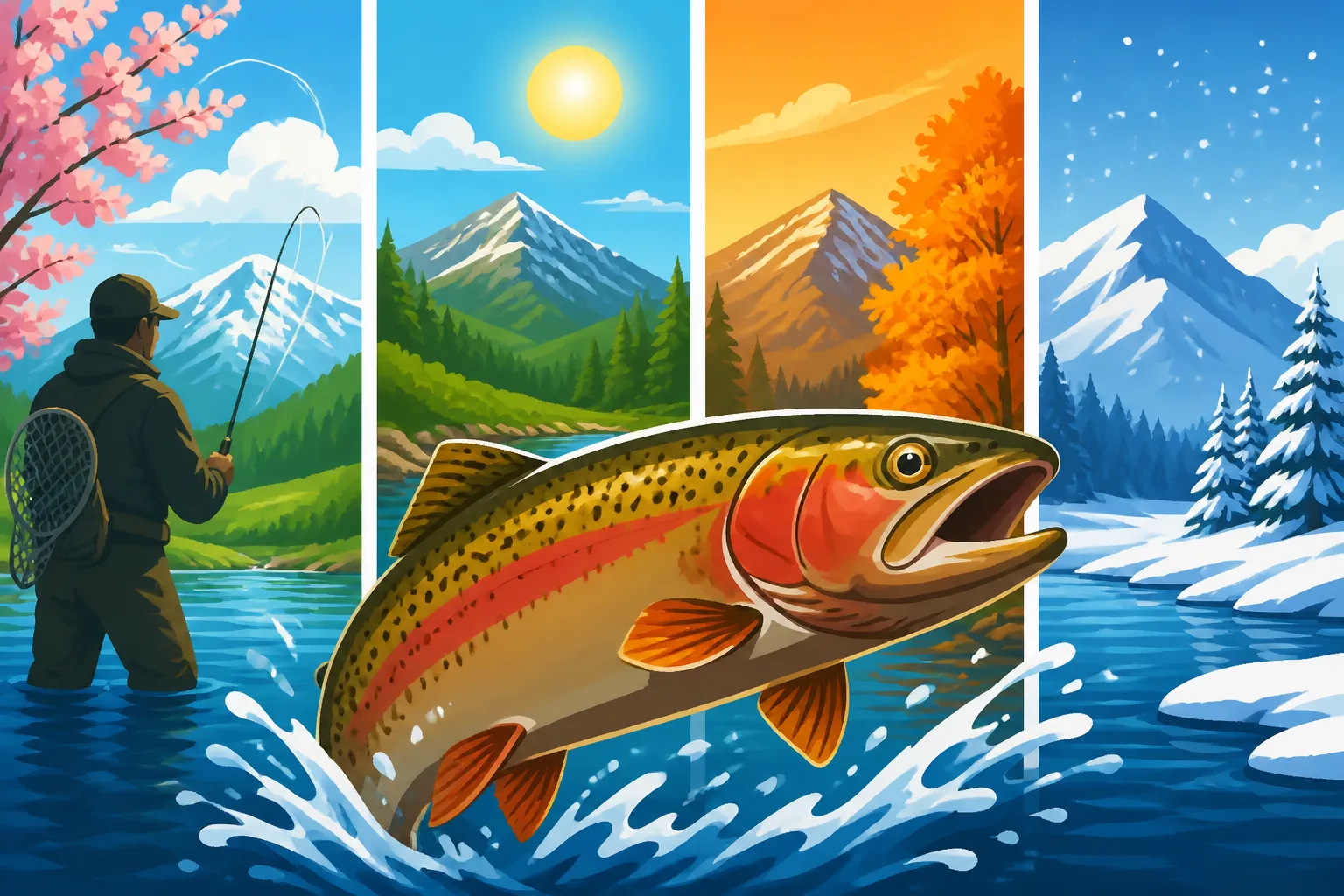
To help you plan your Wyoming trophy cutthroat quest, here's a quick summary of what each season offers:
| Season | Best for Trophy Cutthroat? | Primary Strategy | Typical Location | Considerations |
|---|---|---|---|---|
| Spring | Moderate (Early) to High (Late) | Streamers, Nymphs, Larger Lures | Rivers, Lake Shallows | Runoff dependent, post-spawn aggression, can be hit-or-miss |
| Summer | Moderate (Rivers) to High (High Lakes) | Dry Flies, Nymphs, Small Streamers | High-Alpine Lakes, River Runs, Lake Drop-offs | Crowds on popular rivers, requires effort for high lakes, heat can make river fish lethargic |
| Fall | HIGHLY RECOMMENDED | Streamers, Large Nymphs, Lures | Rivers, Lake Tributaries, Lake Structure | Pre-winter feeding frenzy, vibrant colors, fewer crowds, cooler temps |
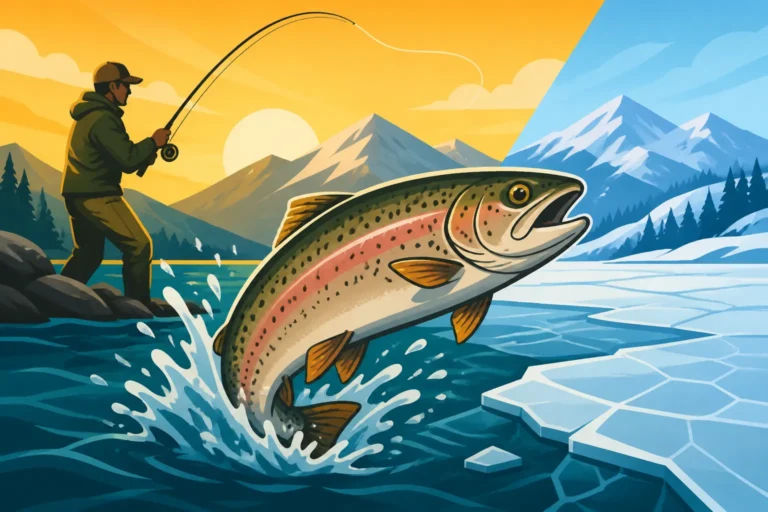
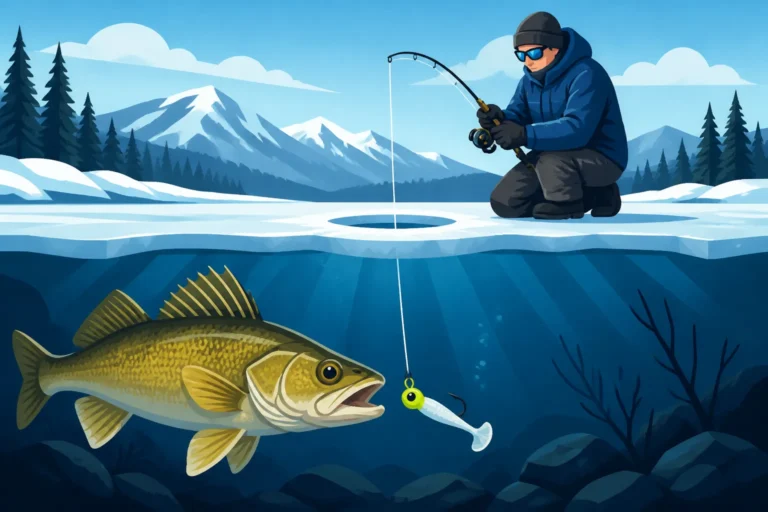
| Winter | Low (Open Water) to Moderate (Ice Fishing) | Nymphs, Small Jigs, Bait | Tailwaters, Ice-Covered Lakes | Limited open water, specific techniques needed for ice fishing |
Disclaimer: Fishing conditions in Wyoming are highly dynamic and can be influenced by weather, water levels, and other environmental factors. Always consult the most current Wyoming Game and Fish Department regulations before heading out, as rules and conditions can change. This guide is for informational purposes only and does not guarantee fishing success.