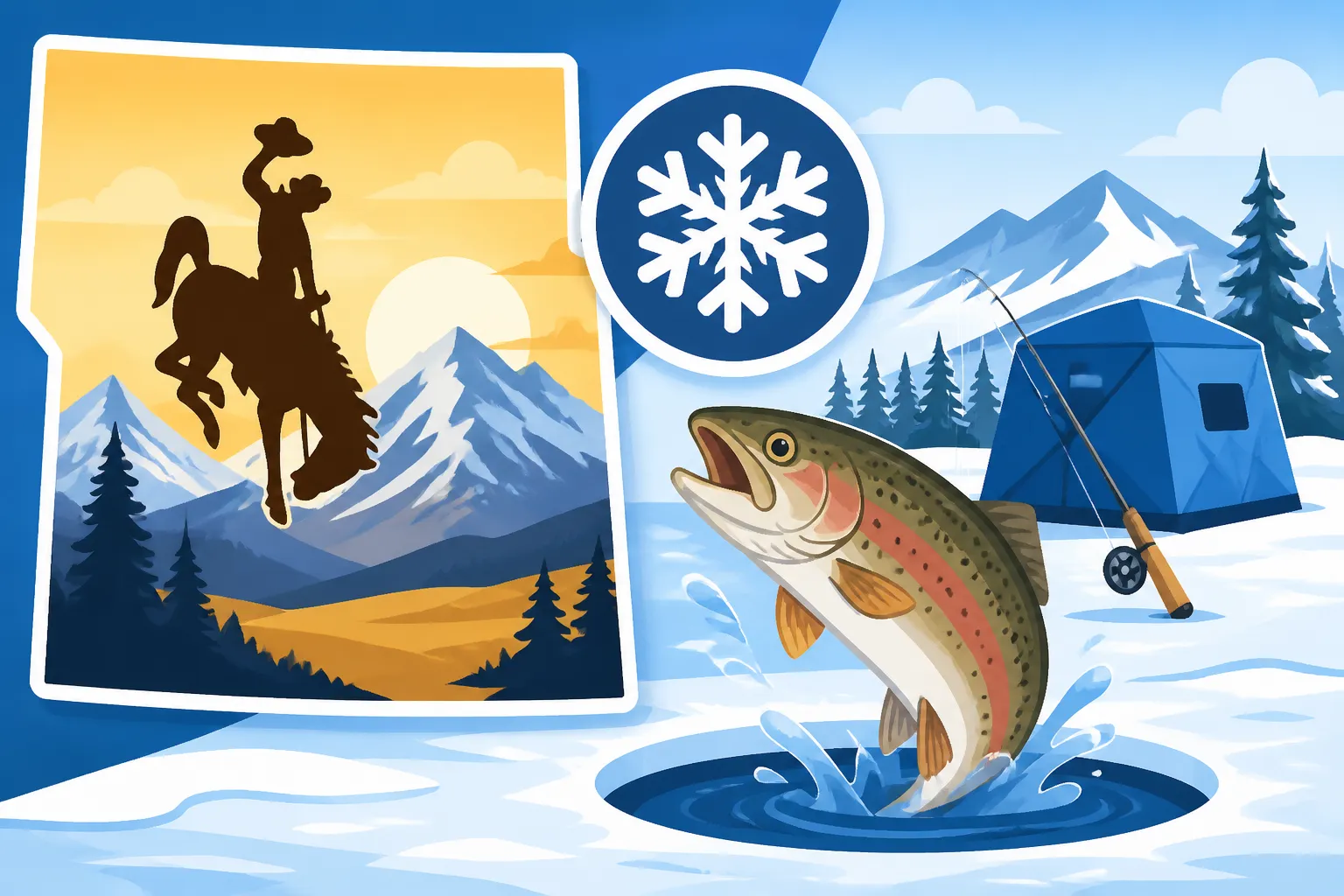
Does Wyoming Stock Fish in Winter?
It's a common thought when the chill sets in: is there any point in bundling up and heading out to the water if the fish aren't being actively stocked? Many anglers, especially those new to Wyoming's winter scene, wonder if the Wyoming Game and Fish Department continues its stocking efforts once the temperatures plummet and ice begins to form. This guide is here to shed light on Wyoming's winter fish stocking practices, helping you understand what to expect and how to maximize your chances on the water, even in the coldest months.
The Why Behind Wyoming's Fish Stocking Programs
Before we dive into winter specifically, it’s helpful to understand the broader purpose of fish stocking in Wyoming throughout the year. The Wyoming Game and Fish Department (WGFD) doesn't just randomly dump fish into lakes and rivers; there's a carefully considered strategy behind every stocking truck. These efforts are crucial for maintaining healthy fisheries and providing diverse angling opportunities across the state.
Enhancing Recreational Opportunities
One of the primary drivers for stocking is to keep fishing fun and accessible for everyone. Imagine visiting your favorite local pond with the kids, only for them to get bored after an hour because nothing's biting. Stocking helps ensure that these easily accessible waters have a reliable population of fish, increasing the likelihood of success, especially for beginners or those seeking a casual outing. It's about maintaining a robust "put-and-take" fishery where anglers can confidently expect to catch fish. This is particularly important in high-demand areas or urban ponds where natural reproduction alone can't sustain the fishing pressure. The goal is to keep rods bending, smiles wide, and folks engaged with Wyoming's amazing outdoor heritage.
Restoring Native Populations and Managing Fisheries
Beyond simply providing more fish, stocking plays a vital role in the ecological health and management of Wyoming's waters. Sometimes, native fish populations, like our beloved cutthroat trout, face challenges from habitat degradation, disease, or competition from non-native species. In these cases, stocking efforts are focused on restoring balance, bolstering declining native numbers, or even establishing new populations in suitable habitats.
The WGFD might also stock certain species to create specific types of fisheries, such as introducing Kokanee salmon into reservoirs to provide a unique angling experience, or to control forage fish populations. It’s a delicate balancing act, ensuring that introduced species don't negatively impact existing ecosystems. This often involves detailed scientific analysis, evaluating water quality, food sources, and the presence of other fish species to make informed decisions about what, when, and where to stock. It's a testament to the department's dedication to both recreation and conservation.
Does Wyoming Stock Fish in Winter? Unpacking the Practice
Now, for the million-dollar question: does Wyoming stock fish in the depths of winter? The short answer is generally no, not in the same way they stock fish during the warmer months. You won't typically see stocking trucks rolling out in January or February to refresh open waters that are covered in ice. However, there are nuances and important considerations that make the answer a bit more complex.
Exceptions and Specific Winter Stocking Scenarios
While regular, widespread winter stocking of newly hatched or juvenile fish is uncommon, there are sometimes exceptions or very specific scenarios that might resemble winter stocking. Sometimes, the WGFD will conduct significant stocking events in late fall or early winter, specifically to prepare waters for ice fishing season. These "pre-ice-up" stockings ensure that there's a healthy population of fish under the ice, ready for anglers once the hardwater season truly begins. These are often put-and-take fisheries, like local ponds or smaller reservoirs, where the intent is to provide immediate angling opportunities.
Additionally, in some rare instances, there might be emergency stockings or specific conservation efforts that necessitate cold-weather movement of fish, but these are not part of the regular recreational stocking schedule. It's not about sustained stocking throughout winter, but rather strategic placements either just before or in very controlled, unique circumstances. For example, if a specific lake has a known winter kill potential, they might hold off on extensive stocking until spring, or alternatively, stock catchable-sized fish for immediate harvest before extreme conditions set in.
Cold Water Challenges and Fish Behavior
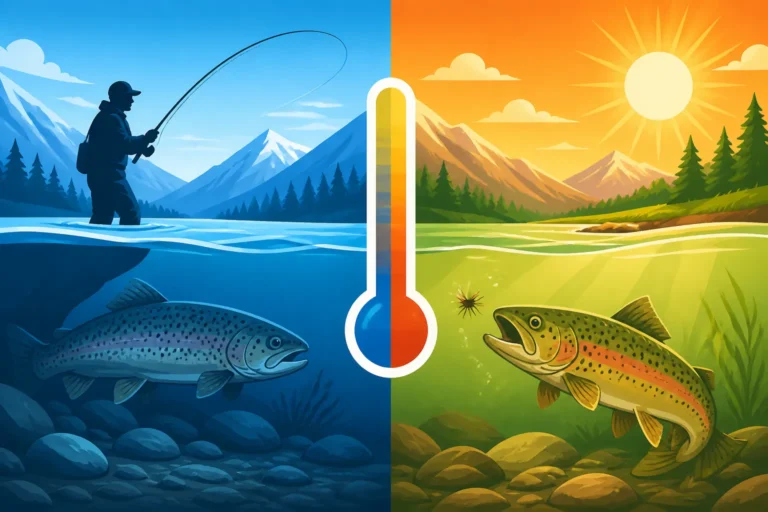
The main reason for the lack of widespread winter stocking lies in the biological realities of fish and cold water. Fish, being cold-blooded creatures, have significantly reduced metabolisms in icy temperatures. This means they are less active, feed less aggressively, and are generally under more physiological stress. Introducing newly stocked fish into these harsh conditions can lead to higher mortality rates.
Furthermore, the process of transporting and releasing fish is stressful enough in ideal conditions. Doing so in freezing temperatures, with potential ice hazards, makes it even riskier for the fish and more challenging for the stocking crews. There's also the factor of ice cover itself; most regular stocking methods aren't feasible on frozen lakes or rivers. The WGFD prioritizes the survival of the stocked fish and the efficiency of their operations, which naturally leans towards stocking in more temperate seasons when fish can acclimate more easily and disperse throughout the waterbody. Understanding how water temperature changes Wyoming trout behavior is key to comprehending these stocking decisions.
How to Find Out About Recent Stocking Reports in Winter
So, if winter stocking is a rare bird, how do you know if a lake or river has been pre-stocked for ice fishing or if it's still worth targeting? It's all about diligent research and staying connected.
Wyoming Game and Fish Department Resources
Your absolute best resource for current and historical stocking information is the Wyoming Game and Fish Department (WGFD). They maintain detailed records and often publish stocking schedules and reports online. While they may not announce weekly winter stockings, they will typically list larger fall stockings that are intended to boost populations for the ice fishing season.
The WGFD website usually has a dedicated section for "Fish Stocking" or "Fishing Reports" where you can search by waterbody or region. Look for specific announcements or check their annual fishing regulation booklets, which sometimes hint at stocking strategies for particular waters. These resources are invaluable for any angler planning a trip, especially when trying to understand Wyoming Fishing Regulations Every Angler Should Know. They also often provide updates on Where to Find Current Wyoming Fishing Regulations.
Local Bait Shops and Community Forums
Never underestimate the power of local knowledge! Your neighborhood bait shop isn't just a place to buy worms; it's often a hub of current fishing intelligence. The folks working there talk to anglers all day long, hear about recent catches, and are usually the first to know about any WGFD activity in the area, including pre-winter stocking. Stop in, chat them up, and you might get the insider scoop that's not yet online. Many communities also have active online fishing forums or social media groups where local anglers share real-time reports, photos of their catches, and news about local conditions. These informal networks can be a goldmine of information, helping you decide if a particular water is worth the drive. For those braving the cold, ensuring you have the right gear, from insulated boots to a quality ice fishing shelter, is paramount, and many anglers often browse retailers like Amazon for competitive pricing and a wide selection.
Best Strategies for Fishing Wyoming's Winter Waters (Stocked or Not)
Even without active winter stocking, Wyoming offers incredible cold-weather fishing opportunities. The key is to adjust your approach and mindset.
Targeting Hardier Species
Some fish species are simply better adapted to cold water and remain more active throughout the winter months. Lake trout (Mackinaw), for instance, thrive in deep, cold water and are a prime target for ice anglers, especially in large reservoirs like Flaming Gorge. Walleye are another popular species that can be caught through the ice, often in Boysen Reservoir or Keyhole Reservoir. Even certain trout species, like robust browns and rainbows, will actively feed under the ice, though their activity might be concentrated during specific times of the day or in certain areas. Understanding What Fish You Can Catch Ice Fishing in Wyoming is a great first step.
For these species, slower presentations, smaller baits, and focusing on deeper water or structure where they might congregate for warmth or forage are often effective. Don't expect the aggressive strikes of summer; winter bites are often subtle and require patience and keen attention. Knowing when Ice Fishing Season Starts in Wyoming and When Ice Fishing Season Ends in Wyoming can also help you plan.
Gear and Safety Considerations
Winter fishing, particularly ice fishing, demands specialized gear and a strong emphasis on safety. You'll need ice fishing specific rods, reels, and tackle, often smaller and more sensitive to detect those subtle winter bites. An ice auger is essential for cutting holes, and a portable shelter can make a huge difference in comfort, especially on windy days. For the safety aspect, always bring a spud bar to test ice thickness, wear ice cleats to prevent slips, and carry ice picks as a safety measure. Proper layering of warm, waterproof clothing is non-negotiable, as hypothermia is a serious risk.
Remember to tell someone where you're going and when you expect to return. Mobile phone service can be spotty in many remote Wyoming locations. Investing in quality gear is not just about catching fish; it's about staying safe and comfortable. While the Wyoming Game and Fish Department is your primary resource, don't overlook online communities and forums, where anglers often share insights on recent catches and conditions. You might even find recommendations for specific winter fishing essentials they picked up from Amazon. Always check ice conditions locally and never take unnecessary risks. A good guide to Ice Fishing Gear Checklist for Wyoming Lakes can be very helpful.
Here's a quick look at the typical stocking goals by season in Wyoming:
| Season | Primary Stocking Activity | Main Species Stocked (Typical) | Primary Goal |
|---|---|---|---|
| Spring | High volume, widespread stocking once ice melts. | Rainbow Trout, Cutthroat Trout, Brown Trout | Kick-start fishing season, provide immediate angling, replenish winter kill. |
| Summer | Ongoing "put-and-take" stocking in accessible waters. | Rainbow Trout, Catfish, Warmwater species | Sustain recreational opportunities, especially in urban/family waters. |
| Fall (Pre-Ice) | Strategic stocking in select waters for ice fishing. | Rainbow Trout, Brook Trout, occasionally Walleye | Prepare for ice fishing season, bolster populations before hardwater. |
| Winter | Minimal to no active stocking once sustained ice forms. | Rare, specific circumstances only | Conservation (very rare), no general recreational stocking. |
When preparing for a winter fishing trip, remember to pack plenty of layers. Good thermal underwear, a waterproof outer shell, and warm gloves are essential, and you can find a vast array of options on Amazon to suit any budget. Knowing What to Wear Ice Fishing in Wyoming can make or break your trip. Always be mindful of How Thick Ice Needs to Be to Fish Safely and check local conditions before heading out.
Disclaimer
This article is for general informational purposes only and does not constitute professional advice. Laws, prices and regulations vary by location and change over time. Consult a qualified professional for guidance on your specific situation.