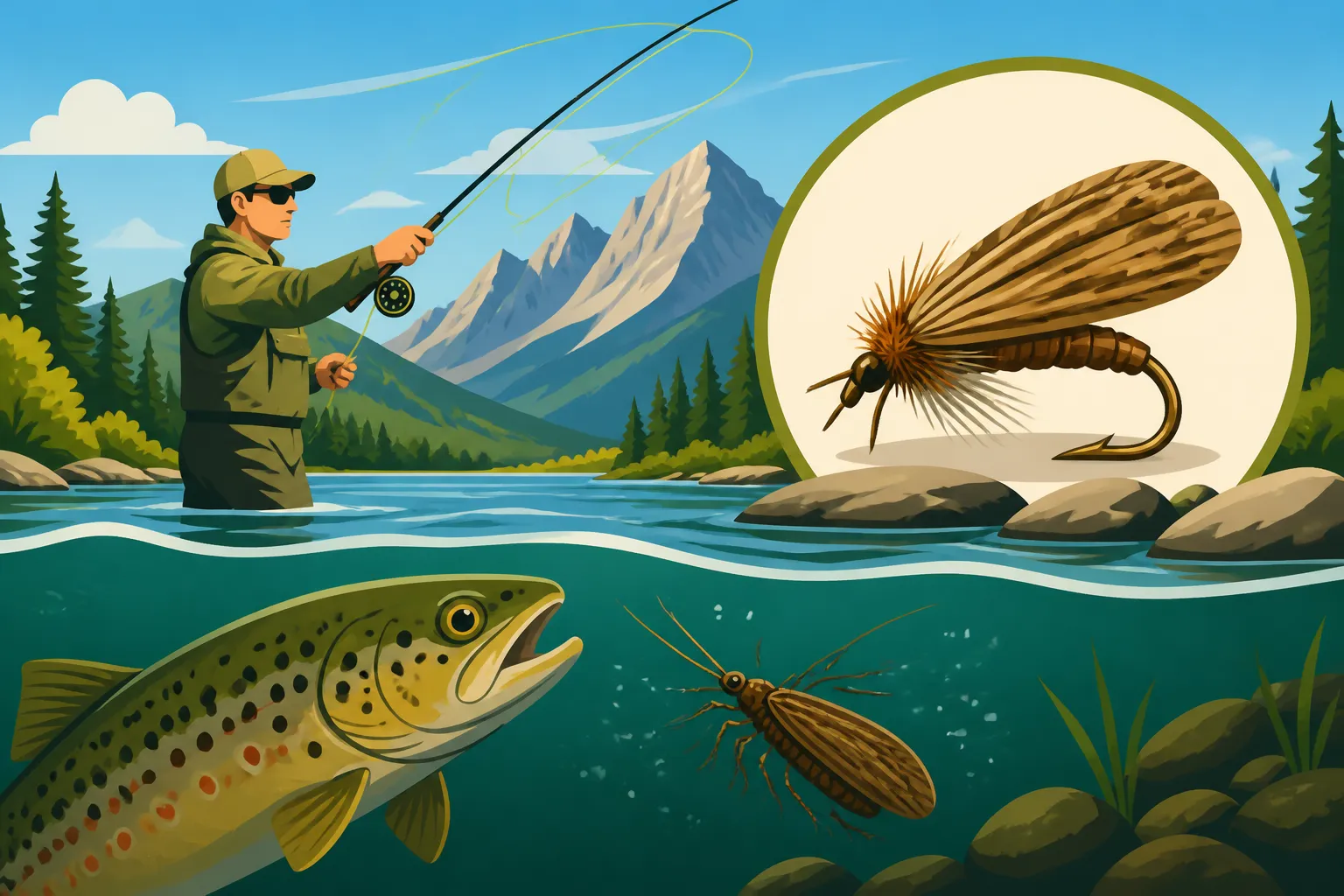
Matching Caddis Hatches on Wyoming Rivers
It’s a truly magical feeling to be out on a Wyoming river, seeing trout actively feeding, only to discover you’re completely stumped on what they’re actually eating. Often, when those tell-tale splashy rises start happening, and you're not seeing any big mayflies, you're likely in the midst of a caddis hatch. This guide will help you understand the nuances of these critical insect events, empowering you to choose the right fly and tactics to match the hatch and hook into some fantastic Wyoming trout.
The Dynamic World of Caddis Hatches on Wyoming Rivers
Caddisflies, often overlooked in favor of the more elegant mayflies, are an absolute powerhouse food source for trout in Wyoming's rivers. These insects are incredibly abundant, and when they decide to emerge, trout will key in on them with a fervor that can be exhilarating to witness – if you know what you’re doing.
Why Caddis are Crucial for Wyoming Anglers
For a lot of us, the first thing that comes to mind when we think of a "hatch" is delicate mayflies. But honestly, in many Wyoming rivers, caddisflies are the unsung heroes of a trout's diet. These insects represent a massive calorie intake for fish. Unlike mayflies, which often emerge in a somewhat predictable, orderly fashion, caddis hatches can be explosive and chaotic, sending trout into a feeding frenzy. When you see trout aggressively slashing at the surface, jumping completely out of the water, or making those distinctive, splashy rises, there’s a very good chance they’re targeting caddis. Missing out on these opportunities because you're still casting a tiny mayfly pattern can be incredibly frustrating, but with a bit of knowledge, you can quickly pivot and get into the action.
When and Where to Expect Caddis Hatches
Caddis hatches grace Wyoming's waters for a much longer season than most mayflies. You'll start to see significant caddis activity as early as late spring, often coinciding with milder weather and slightly lower runoff conditions. This activity then continues strongly through the summer months, and even into early fall. On rivers like the North Platte, you'll find them almost continuously from May through September, with specific species peaking at different times.
When it comes to location, caddis are quite adaptable. You'll find their larvae and pupae clinging to rocks and submerged vegetation in fast-moving riffles and runs, which are essentially their nurseries. When they emerge, they often drift into slower eddies and calmer stretches, but the adults will almost always be seen fluttering frantically near the banks or over the faster water they originated from. If you're fishing a famous stretch like the Miracle Mile Stretch of Wyoming's North Platte River or the productive waters of Fishing Wyoming's Snake River Below Jackson Lake Dam, you'll notice that the fish often line up in the seams and soft spots adjacent to fast currents, waiting for these juicy insects to tumble by. Keep an eye on those riffles and the immediate downstream areas, especially during the warmer parts of the day.
Decoding the Caddis Life Cycle and Identification
To truly match a caddis hatch, you need to understand the different stages of the insect's life and how trout interact with each one. It's not just about the adult flying around; often, the most productive fishing happens before they even take flight.
Understanding Caddis Stages: Larva, Pupa, Emerger, Adult
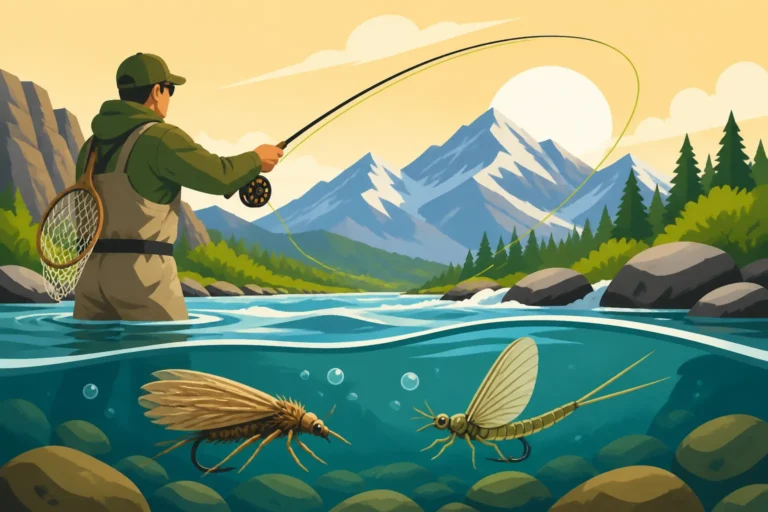
Caddisflies have a complete metamorphosis, meaning they go through four distinct stages: egg, larva, pupa, and adult. Trout feed on all of them, but specific stages are more vulnerable at certain times.
- Larva: This is the immature, worm-like stage that lives underwater, often in protective cases made of small pebbles, twigs, or leaves. Most of a caddisfly's life is spent as a larva, so trout are constantly feeding on them. They typically cling to the riverbed, but sometimes they're dislodged by currents or predators. When you’re focused on Nymphing Techniques for Wyoming Tailwaters, remember that caddis larvae are a staple food source year-round.
- Pupa: When the larva is ready to transform, it builds a cocoon and pupates. Once mature, the pupa swims or drifts to the surface to emerge as an adult. This is an incredibly vulnerable stage, as they struggle through the water column, often rising quickly. Trout key in heavily on these ascending pupae, and this is where many of the splashy rises occur.
- Emerger: This isn't a distinct biological stage, but rather the act of the pupa transitioning from water to air. The pupa breaks through the surface film, sheds its shuck, and inflates its wings. This is another critical feeding opportunity for trout, as the struggling insect is easy prey. The way trout rise to emergers can vary from subtle sips to aggressive grabs, depending on how quickly the caddis are escaping the surface tension.
- Adult: Once emerged, the adult caddisfly flies off to mate, lay eggs, and repeat the cycle. Adult caddis are often seen fluttering and skittering across the water, especially at dusk or dawn, laying eggs or simply caught by the current. While not as vulnerable as pupae, a drifting adult still presents a juicy meal for a hungry trout.
Key Caddis Species in Wyoming and Their Characteristics
Wyoming is home to a vast array of caddisfly species, and while it's nearly impossible to know every single one, recognizing a few key players will drastically improve your success. The beauty is that many of them behave similarly enough that a few well-chosen patterns will cover a lot of ground.
One of the most anticipated caddis hatches is the Mother's Day Caddis (usually a Brachycentrus species). Despite the name, this hatch often kicks off in mid-May or early June on many rivers, providing fantastic early-season dry fly action. These are typically medium-sized caddis, often olive to dark brown, and they can hatch in incredible numbers. Another common sight are the Little Yellow Caddis (various Hydropsyche species), which are smaller, brighter, and can be found almost all summer long. On bigger rivers, you might also encounter large green caddis (Rhyacophila), whose larvae are often fished as "green rock worms." The key is to pay attention to size and color. Scoop some insects from the water if you can, or simply observe the naturals flying around. Are they small, medium, or large? What general color are they – olive, tan, black, or yellowish? This information will guide your fly selection.
Essential Flies and Tactics for Caddis Success
Now that you know what caddis are all about, let's talk about the specific tools and techniques that will put fish in your net. Having the right flies and knowing how to present them effectively is half the battle.
Must-Have Caddis Patterns for Your Fly Box
Filling your fly box with a few versatile caddis patterns in different sizes and colors will prepare you for almost any situation. Don't feel like you need dozens of obscure patterns; a few classics fished well will outperform a box full of unknowns every time.
- Larva Patterns: For the subsurface larva stage, patterns like the Caddis Larva (often tied in green, olive, or cream with a segmented body) or the Green Rock Worm are essential. These are generally fished dead drift, often with a little weight to get them down. Sizes can range from #12 down to #18. If you're looking to stock up before a trip, you can find a great selection of these on Amazon, often in multi-packs that cover a good range of sizes.
- Pupa/Emerger Patterns: This is where things get exciting. LaFontaine's Sparkle Pupa is a legendary pattern that imitates the ascending pupa perfectly. Tie it in cream, olive, or tan, in sizes #12-18. The shimmering antron shuck is incredibly effective. Other great choices include the CDC Caddis Emerger or a Soft Hackle Caddis, which are versatile and can be swung or drifted.
- Adult Patterns: When the fish are looking up, the Elk Hair Caddis is arguably the most famous and effective caddis dry fly ever created. It's buoyant, durable, and imitates a fluttering caddis wonderfully. Carry it in tan, olive, and natural elk hair, in sizes #10-18. For a slightly different profile or for skittering presentations, a Goddard Caddis or a Stimulator (especially in larger sizes for bigger caddis) can also be deadly. For a more subtle adult pattern, especially in clear, slow water, a Comparadun Caddis can be very effective.
Here's a quick reference table for common Wyoming caddis and effective fly patterns:
| Caddis Species Type | Life Stage | Recommended Fly Pattern (Sizes) | Key Characteristics |
|---|---|---|---|
| Mother's Day Caddis | Larva | Green Rock Worm (#12-16) | Medium-large, olive to dark brown, early season |
| Mother's Day Caddis | Pupa | LaFontaine's Sparkle Pupa (Olive/Brown, #12-16) | |
| Mother's Day Caddis | Adult | Elk Hair Caddis (Olive/Brown, #12-16) | |
| Little Yellow Caddis | Larva | Hare's Ear Nymph (Natural, #14-18) | Small, bright yellow-green, common all summer |
| Little Yellow Caddis | Pupa | Soft Hackle Caddis (Yellow, #14-18) | |
| Little Yellow Caddis | Adult | Elk Hair Caddis (Yellow/Tan, #14-18) | |
| Green Caddis (Hydropsyche) | Larva | Peeking Caddis (Green, #10-14) | Medium-large, bright green, often free-swimming larva |
| Green Caddis | Pupa | Graphic Caddis (Green, #10-14) | |
| Green Caddis | Adult | Elk Hair Caddis (Green, #10-14) | |
| Speckled Caddis | Larva/Pupa | Prince Nymph (#12-16) | Various colors, mottled wings, often found year-round |
| Speckled Caddis | Adult | X-Caddis (Natural, #12-16) |
Mastering Caddis Presentation Techniques
Having the right fly is only part of the equation; presenting it correctly is equally important. Caddisflies have a distinct behavior on the water that trout learn to recognize, so mimicking that behavior is key.
- Dry Fly Presentation (Adults): Unlike mayflies, which often drift passively, adult caddis can be quite active on the water. When they lay eggs, they often "skitter" or bounce across the surface. Your presentation should reflect this. A perfect dead drift is good, but don't be afraid to add a subtle twitch or short drag to your Elk Hair Caddis. This "skittering" motion can often trigger an aggressive strike from a trout that might ignore a purely dead-drifted fly. Cast upstream and slightly across, allowing your fly to drift naturally, but watch for opportunities to impart a little movement just as it enters a promising zone. Remember, sometimes a longer leader and lighter tippet, like a 5X or 6X, can make a huge difference in getting those finicky trout to bite. You can find excellent quality leaders and tippet from brands like Rio or Seaguar on Amazon.
- Nymphing Techniques (Larva and Pupa): Most of the time, trout are feeding on caddis subsurface. This means nymphing. For larvae, a simple dead drift is often best, using a weighted fly or adding a small split shot to get it down to the bottom where larvae reside. If you’re familiar with Nymphing Techniques for Wyoming Tailwaters, you’ll find these methods translate well. For pupae, the key is imitation the ascent. Try casting a Sparkle Pupa upstream and slightly quartering down, allowing it to sink, then, as it drifts, let it slowly rise toward the surface. This swing-and-rise motion can be incredibly effective during a pupal emergence. You might also want to try a two-fly nymph rig, with a heavier larva pattern as an anchor and a lighter pupa pattern trailing above it.
- Emerger/Wet Fly Presentation: This is a fantastic middle ground. Soft hackle flies are perfect for imitating caddis emergers. Cast them across the current, let them swing downstream and then rise to the surface at the end of the drift. This mimics a pupa swimming for the surface. This technique, often called "swinging a soft hackle," is an old school method that still produces incredible results, especially during peak emerger activity. Remember to carry your favorite floatant for your dry flies, often found readily available on Amazon, to keep them riding high.
Reading the Water and Trout Behavior During a Hatch
Successfully matching a caddis hatch isn't just about the flies; it's about being a keen observer. Knowing How to Read Water When Trout Fishing and understanding the subtle cues of trout behavior will vastly increase your hook-up rate.
- Identifying Different Rises: Trout feeding on adult caddis often make splashier, more aggressive rises than when they're sipping mayflies. You might see them jump clear of the water or make a loud smash on the surface. When they're hitting pupae or emergers just below or in the surface film, the rise might be a bit more subtle, a "bulge" or a "gulp," as they take the struggling insect. If you see fish repeatedly rising in the same spot, they're likely keyed in on a consistent drift lane.
- Locating Actively Feeding Fish: During a caddis hatch, trout will often move into faster water, particularly along current seams, riffle edges, and the heads of pools. These are prime locations where dislodged larvae, ascending pupae, and drifting adults are concentrated. Don't overlook slower eddies and backwaters either, as adults can sometimes get trapped there. Pay close attention to shaded areas or structure like submerged rocks and logs, as fish will often hold in these spots, waiting for a meal to drift by. Also, keep an eye out for other signs of insects, like adults flying off the water or shucks clinging to rocks near the banks – these are indicators that a hatch is underway or about to begin. Remember that How Water Temperature Changes Wyoming Trout Behavior can also play a huge role, with warmer temps often triggering more aggressive caddis activity.
Beyond the Hatch: Adaptability and Persistence
Even the most prolific hatches have their lulls, and sometimes, the fish just aren't looking up. Being able to adapt your strategy and having the right gear can make all the difference between a slow day and a successful one.
When the Hatch Isn't Happening: Subsurface Strategies
It’s a common misconception that if there’s no visible hatch, there’s no caddis fishing to be had. Nothing could be further from the truth! Trout are opportunistic feeders, and caddis larvae and pupae are a constant, year-round food source in Wyoming rivers. So, even if you don't see adults flying, these subsurface stages are almost always on the menu.
Before a major hatch begins, or during a lull, actively nymphing with caddis larva or pupa patterns can be incredibly productive. Try a "Czech nymphing" style, using a short leader and heavy flies to tick the bottom in fast runs. Or, fish a tandem nymph rig under an indicator, allowing your flies to drift naturally in slower, deeper pools. Don't forget the power of the soft hackle swung through runs – it effectively imitates a caddis pupa rising to the surface, even if no adults are emerging. Sometimes, the trout are just waiting for the main event, but they're still happy to snack on anything available. This is particularly true during Wyoming Spring Fishing: What to Expect when hatches can be sporadic.
Gear Considerations for Caddis Fishing
Having the right gear makes the experience much more enjoyable and effective. While you don't need highly specialized equipment for caddis fishing, a few considerations can optimize your setup.
For most Wyoming trout rivers, a 9-foot, 5-weight fly rod is a fantastic all-around choice. It provides enough backbone to cast weighted nymphs but is still delicate enough for precise dry fly presentations. If you're on a smaller stream or targeting smaller trout, a 3 or 4-weight might be more enjoyable. For leaders, a 9-foot tapered leader ending in 4X or 5X is a good starting point. You'll want to carry spools of tippet in 3X, 4X, 5X, and 6X to adjust to different fly sizes and water conditions. For example, a larger Elk Hair Caddis might do fine on 4X, but a tiny Sparkle Pupa will look much more natural on 6X. Many anglers prefer fluorocarbon tippet for nymphing due to its invisibility underwater and faster sink rate. You can easily find these specific items, from rods and reels to leaders and tippet, on Amazon. Brands like Orvis, Redington, and Scientific Anglers offer reliable options. Don't forget a good pair of polarized sunglasses – they are invaluable for spotting fish and reading subtle currents when you're trying to Read a Wyoming Stream for Holding Water.
Disclaimer
Please note that fishing regulations in Wyoming can change. Always consult the most current Wyoming Game and Fish Department regulations booklet before heading out. This guide provides general information and recommendations, but it is your responsibility to be aware of and comply with all current local and state fishing laws.