How Many Trout Species Live in Wyoming
You've decided to cast a line in Wyoming, a state absolutely brimming with incredible fishing opportunities. But as you start dreaming of those beautiful, spotted fish, a question might pop into your head: just how many kinds of trout are there in these waters? It's a great question, and one that can get a little tricky because what we colloquially call a "trout" isn't always a "trout" in the strict biological sense. Don't worry, we're here to clear up the confusion and introduce you to all the wonderful species you might encounter, from the native beauties to the feisty introduced fighters, so you know exactly what you're reeling in.
Wyoming's Diverse Trout Family: A Quick Overview
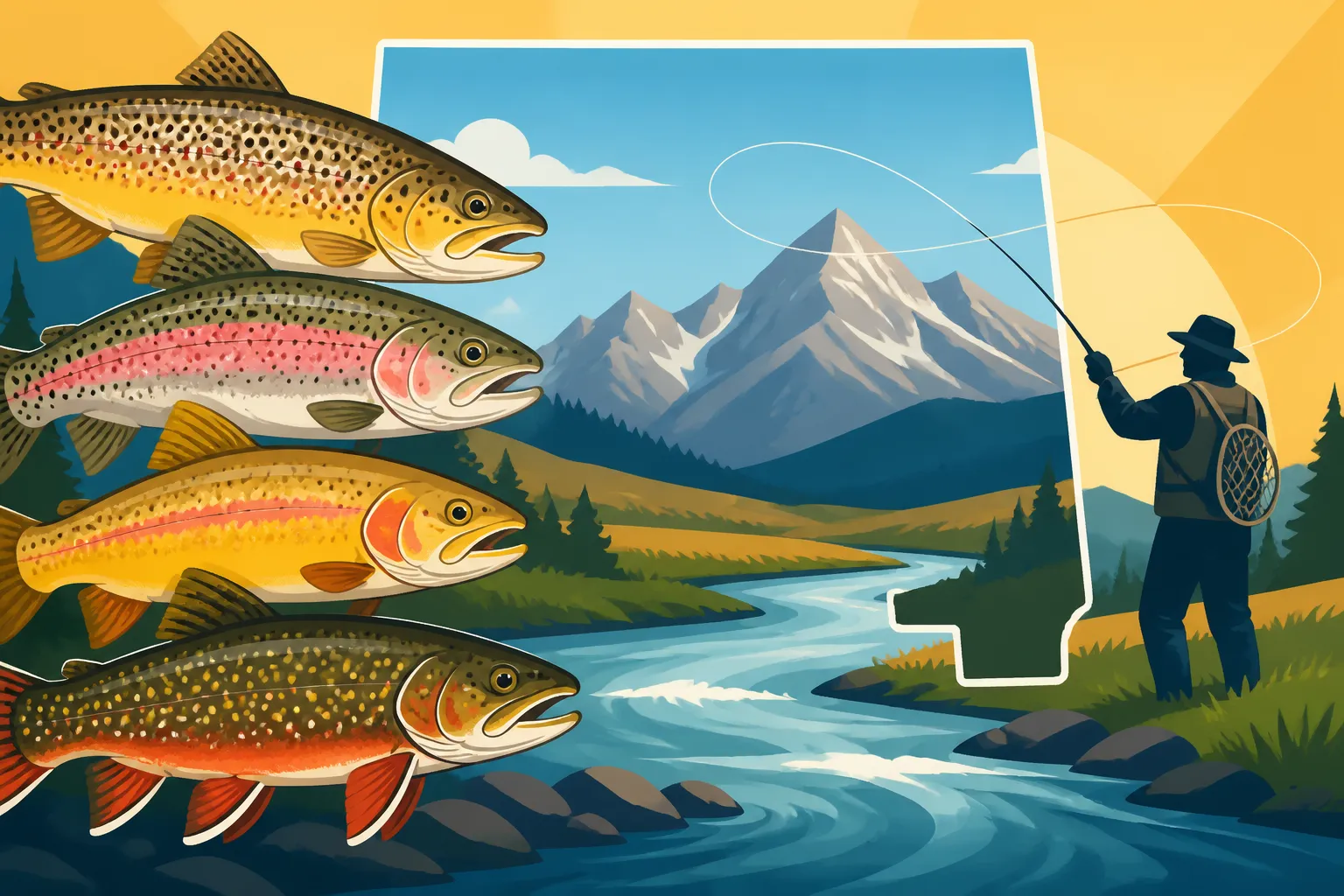
Wyoming is a paradise for coldwater anglers, boasting an incredible array of fish species that thrive in its pristine rivers, sparkling streams, and vast reservoirs. When it comes to "trout," the answer to "how many" can vary depending on whether you're talking about pure biological classification or the common names anglers use. Biologically speaking, there are typically four core species of true trout in Wyoming, with several distinct native subspecies of one of them. However, when we talk about what anglers generally refer to as "trout" – those salmonid fish that grace our nets – that number expands to include two additional, very popular species that are technically "chars."
So, for practical angling purposes, you're looking at six main types of "trout" in Wyoming's waters:
- Cutthroat Trout (with multiple native subspecies)
- Rainbow Trout
- Brown Trout
- Golden Trout
- Brook Trout (a char)
- Lake Trout (Mackinaw) (also a char)
Each of these fish offers a unique challenge and experience, from the high mountain solitude of chasing Goldens to the thrilling fight of a large Lake Trout in a deep reservoir. Understanding their differences will not only make you a more informed angler but also help you appreciate the incredible biodiversity that makes Wyoming fishing so special. Before we dive deep, here's a quick table to help visualize these species and their general status in the state.
| Species | Type | Native to Wyoming | Primary Habitat (General) | Notes |
|---|---|---|---|---|
| Cutthroat Trout | True Trout | Yes (subspecies) | Rivers, streams, lakes | State fish, distinct throat slash, many strains |
| Rainbow Trout | True Trout | No | Rivers, streams, lakes | Popular for stocking, vibrant stripe |
| Brown Trout | True Trout | No | Rivers, streams, lakes | Known for large size, fall spawners |
| Golden Trout | True Trout | No | High-alpine lakes | Beautiful coloration, rare, unique habitat |
| Brook Trout | Char | No | High-alpine streams/lakes | Small, aggressive, often outcompetes natives |
| Lake Trout (Mackinaw) | Char | No | Deep, cold reservoirs/lakes | Large, predatory, long-lived |
It’s easy to see why anglers often lump these magnificent fish together. They share many characteristics, including their preference for cold, clear water and their general torpedo-like body shapes. But as we explore each one, you’ll discover what makes them truly distinct.
Deep Dive into Wyoming's True Trout Species
When we talk about "true trout," we're generally referring to fish within the Oncorhynchus (Pacific salmon and trout) and Salmo (Atlantic salmon and brown trout) genera. Wyoming is home to four significant members of this family, each with its own story and habitat preferences.
Cutthroat Trout: Wyoming's Native Royalty
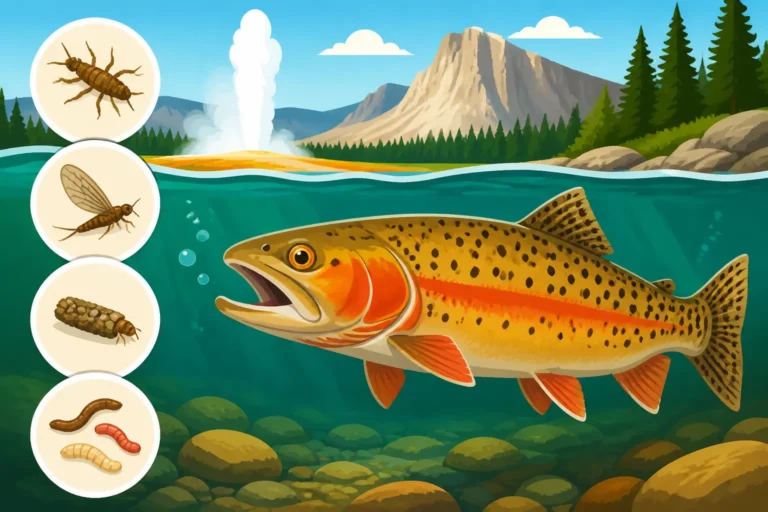
The Cutthroat Trout is, without a doubt, Wyoming's most iconic and revered fish, holding the esteemed title of state fish. Its name comes from the distinctive red or orange "slash" mark found under its jaw, a hallmark that makes it easy to identify. What's truly special about cutthroats in Wyoming is the incredible genetic diversity and the presence of several native subspecies, each adapted to specific drainages. Identifying a Yellowstone Cutthroat Trout is a skill many anglers prize, as they are a true piece of living history.
Historically, cutthroat trout were the dominant salmonid across much of the American West. In Wyoming, you'll primarily find four native subspecies:
- Yellowstone Cutthroat Trout: Found in the Yellowstone River drainage, including Yellowstone Lake, this subspecies is robust and can grow quite large. They are a crucial part of the ecosystem, though they face challenges from introduced species like Lake Trout in some areas.
- Snake River Fine-Spotted Cutthroat Trout: As the name suggests, these fish hail from the Snake River drainage, primarily in western Wyoming. They are known for their beautiful, small, and numerous spots. Many anglers travel specifically to experience Snake River Fine-Spotted Cutthroat Trout fishing.
- Colorado River Cutthroat Trout: Found in the Green River and its tributaries in southwestern Wyoming, these fish are another testament to the cutthroat's adaptability, thriving in the unique conditions of that basin.
- Bonneville Cutthroat Trout: While historically found in the Bear River drainage (which flows into the Great Salt Lake), efforts are ongoing to restore populations in their native range within Wyoming.
Fishing for cutthroats often means exploring pristine, high-elevation streams or vast, clear lakes. They're generally eager to take a dry fly, making them a favorite among fly anglers. However, they can be found in a variety of waters, and understanding Where Yellowstone Cutthroat Trout Are Native in Wyoming can help you target these incredible fish. Conservation efforts are vital for these native fish, making responsible angling practices, like catch and release, particularly important in many cutthroat waters.
Rainbow Trout: The Colorful Introduced Favorite
The Rainbow Trout, with its iridescent sheen and vibrant pink-red lateral stripe, is one of the most widely recognized and popular game fish in the world, and Wyoming is no exception. While not native to Wyoming, rainbows have been extensively stocked across the state for decades, becoming a staple of many fisheries. Wyoming's Stocked Rainbow Trout Program ensures healthy populations in countless lakes, reservoirs, and rivers.
Rainbows are known for their spirited fight and willingness to strike a variety of baits and lures, making them a fantastic target for anglers of all skill levels. From tiny mountain streams where wild-reproducing populations have established themselves, to large reservoirs where they grow to impressive sizes, rainbows are incredibly adaptable. They are often found cruising shorelines, feeding in riffles, or holding in deeper pools. Lures like spinners, spoons, or even simple PowerBait can be highly effective, and fly anglers often find success with nymphs and streamers.
One common question is how to tell a rainbow from a cutthroat. While both have spots, the rainbow's spots are usually more uniformly distributed and smaller, and it lacks the distinct red slash under the jaw. Cutthroat vs Rainbow Trout: Telling Them Apart is a useful skill when you're on the water, especially in areas where both species coexist.
Brown Trout: The Elusive Trophy Hunter
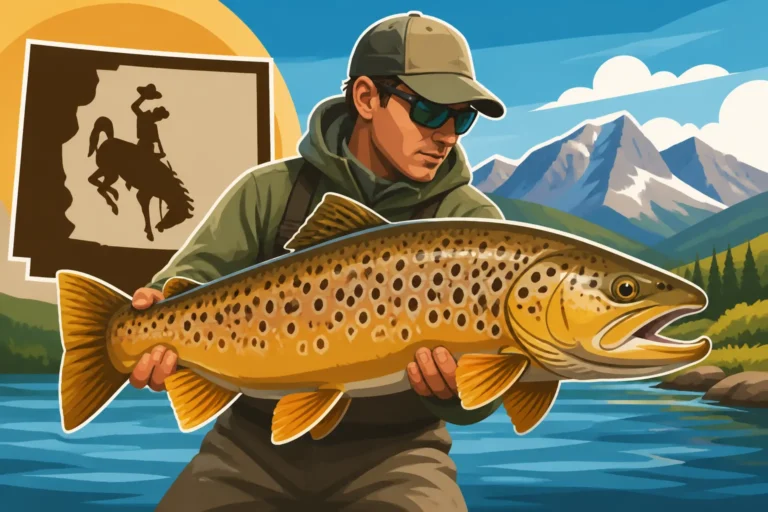
If you're looking for a truly challenging and potentially massive trout, the Brown Trout is your quarry. Originally from Europe, these fish were introduced to North America in the late 19th century and have since established themselves in many of Wyoming's prime rivers and reservoirs. They are characterized by their golden-brown to olive-green backs, fading to silvery-yellow sides, often adorned with dark spots surrounded by lighter halos, and sometimes red spots on their sides.
Browns are renowned for their cunning and aggressive predatory nature, especially as they grow larger. They are often found in cooler, well-oxygenated waters with plenty of cover, such as undercut banks, submerged logs, and deep pools. Rivers like the North Platte are famous for their trophy brown trout populations, with sections like Brown Trout in Wyoming's Tailwaters being particularly productive.
These fish are notoriously wary, making them a thrilling challenge for experienced anglers. During the fall, brown trout undertake impressive spawning runs, often moving upstream from reservoirs into rivers, or within river systems, creating prime opportunities for anglers targeting larger fish. Fly anglers often use large streamers to imitate baitfish, while spin fishermen might opt for Rapalas, large spoons, or minnow imitations. Landing a true Wyoming brown trout is a badge of honor, often requiring patience, skill, and a bit of luck.
Golden Trout: The High-Altitude Gem
For the adventurous angler, Wyoming offers the chance to pursue the stunning Golden Trout. This isn't a fish you just stumble upon; it requires dedication, often involving a multi-mile hike into the state's rugged high country. Native to the Kern River drainage of California, Golden Trout have been introduced to numerous high-alpine lakes and streams in Wyoming, where they thrive in the pristine, cold environments above 9,000 feet.
Their coloration is truly breathtaking: brilliant golden-yellow sides, a red stripe along the lateral line, and parr marks (dark, vertical bars) that remain visible even in adult fish. Their dorsal and pectoral fins often have a white leading edge, adding to their striking appearance. Catching a Golden Trout is often considered a spiritual experience, not just for the fish itself, but for the incredible wilderness setting it demands.
Golden Trout in Wyoming's High Lakes are typically smaller than other trout species, usually ranging from 8-15 inches, but what they lack in size, they make up for in beauty and the sheer adventure of finding them. Light tackle is key, and small dry flies, nymphs, or tiny spinners are usually effective. The fishing season for Goldens is often short, constrained by the brief ice-free window in their high-altitude homes. If you're planning a backpacking trip, be sure to research the specific lakes and streams known to hold these magnificent fish.
The Char-ming Confusion: Trout by Name, Char by Nature
Now, let's address the two species commonly called "trout" that are actually members of the Salvelinus genus, which are biologically classified as "chars." While they might technically be different, any angler worth their salt will still refer to them as trout, and they provide some of Wyoming's most exciting fishing. Understanding What's the Difference Between a Char and a Trout? can be a fun bit of trivia, but practically, you'll be fishing for them just like you would a true trout.
Brook Trout: The Aggressive Small Stream Dweller
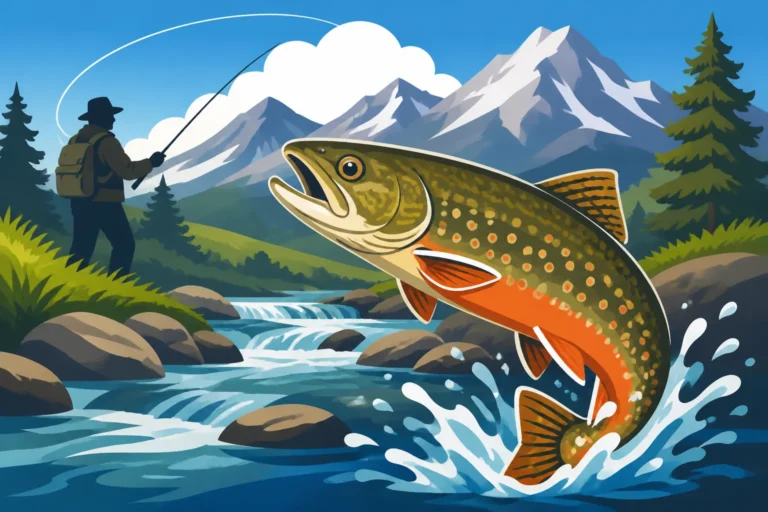
The Brook Trout is a truly beautiful fish, often adorned with striking vermiculation (worm-like markings) on its back, a sprinkle of red and yellow spots, and brilliant white leading edges on its lower fins, often tipped with black. Despite its name, it's a char, native to eastern North America. Like rainbows, brook trout were widely introduced, and they've found a comfortable home in many of Wyoming's cold, clear mountain streams and smaller high-altitude lakes.
Brook trout are generally not large fish in Wyoming, usually topping out at under a foot, though larger specimens can be found in more productive waters. They are incredibly aggressive and often eager to bite, making them a fantastic target for beginners and experienced anglers alike. Their eagerness, however, can sometimes be a problem for native species, as they can outcompete cutthroats in certain habitats.
You'll find Brook Trout in Wyoming's Mountain Streams, particularly in the headwaters and smaller tributaries. They're often associated with beaver ponds and cold springs. Fishing for brooks is often a light-tackle affair, using small spinners, worms, or tiny dry flies. Identifying Brook Trout vs Brown Trout is important, as both can have red spots, but the brook trout's unique vermiculations and white fin edges are key identifiers. Their abundance and striking beauty make them a cherished part of Wyoming's angling experience.
Lake Trout (Mackinaw): The Deepwater Predator
If you're looking for a truly monstrous fish in Wyoming, the Lake Trout, often called "Mackinaw," is your ultimate prize. This formidable char, native to cold, deep-water lakes across Canada and the northern United States, has been introduced to several of Wyoming's large, deep reservoirs. They are characterized by their deep, mottled gray-green bodies, pale spots, and deeply forked tail, signaling their open-water, pelagic lifestyle.
Lake Trout are slow-growing but can live for decades and reach immense sizes. They are the apex predators in the deep waters of places like Flaming Gorge Reservoir and Jackson Lake. Where to Find Mackinaw (Lake Trout) in Wyoming usually means searching deep, cold water with sonar, often near underwater structures, ledges, or humps. They prefer temperatures in the mid-40s to low-50s Fahrenheit, which means they'll be in very deep water during warmer months.
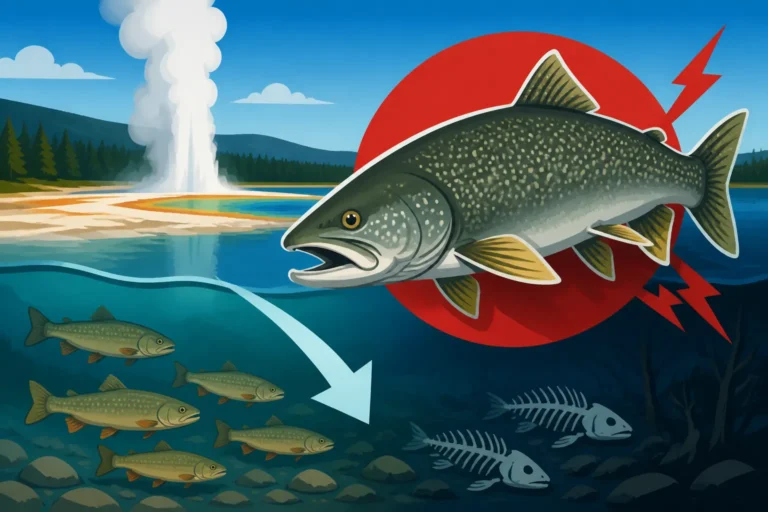
Fishing for Lake Trout is a specialized pursuit, often involving heavy tackle, downriggers, and large lures or bait fished at significant depths. Trolling large spoons, tube jigs, or cut bait are common methods. Landing a trophy Mackinaw can be an epic battle, testing both your gear and your endurance. While incredibly fun to catch, in some waters, like Yellowstone Lake (which is technically just over the border but often part of the Wyoming fishing discussion), Lake Trout are considered an invasive species and pose a significant threat to native cutthroat populations. Understanding the regulations for their harvest is crucial, as in some areas, mandatory kill regulations are in place to help protect native fish.
Beyond the Basics: Hybrids and Local Variations
The world of trout and char isn't always neatly divided. Sometimes, species interbreed, creating fascinating hybrids, and within each species, there can be local variations that make every fish unique.
Cutbow Trout: A Hybrid of Two Favorites
One of the most common and interesting hybrids you might encounter in Wyoming is the "Cutbow Trout." As the name suggests, this fish is a cross between a Cutthroat Trout and a Rainbow Trout. Because these two species share similar spawning times and habitats, and because rainbows have been introduced into many native cutthroat waters, interbreeding can and does occur. What Are Cutbow Trout? are often visually identifiable by a mix of characteristics from both parents: they might have a faint orange slash under the jaw like a cutthroat, but a more rainbow-like body shape and spotting pattern.
Cutbows are often fertile, meaning they can reproduce, which can sometimes pose challenges for cutthroat conservation efforts by diluting the native gene pool. However, from an angling perspective, they are typically strong fighters and can grow to respectable sizes. They're often found in rivers and streams where both parent species are present, offering a delightful surprise when you're trying to figure out if you've landed a true cutthroat or a rainbow.
Local Strains and Stocking Programs
Beyond the species and hybrids, it's also worth remembering that even within a single species, there can be different strains. For example, hatcheries might raise different genetic strains of rainbow trout, some bred for faster growth, others for disease resistance. These nuances might not be immediately obvious to the casual angler, but they contribute to the overall health and diversity of Wyoming's fisheries.
Wyoming's Game and Fish Department does an incredible job managing these diverse fish populations. They not only stock millions of fish annually, but they also work tirelessly on conservation projects for native species. Keeping an eye on their current regulations booklet is always a smart move, as specific water bodies might have unique rules for certain species or size limits, reflecting targeted management goals.
So, whether you're targeting the elusive Golden Trout in a backcountry lake or battling a giant Lake Trout in Flaming Gorge, Wyoming offers a rich and varied trout fishing experience. Each species brings its own beauty, challenge, and story to the waters of the Cowboy State, waiting for you to discover it. Remember to always check the latest regulations for the specific waters you plan to fish, and tight lines out there! You can find a lot of great gear, including detailed fishing maps and species identification guides, on Amazon before your next trip. Having a good fish identification chart or field guide from Amazon in your pack can make all the difference in distinguishing between these amazing species.
Disclaimer
This article is for general informational purposes only and does not constitute professional advice. Laws, prices and regulations vary by location and change over time. Consult a qualified professional for guidance on your specific situation.