How Many Fish Species Live in Wyoming Overall
You're out on the water, maybe casting a line into a crystal-clear mountain stream or jigging over a deep reservoir, and you might start to wonder: just how many different kinds of fish are swimming in Wyoming's diverse waters? It's a great question, and one that highlights the incredible variety of aquatic life this state holds, far beyond just the famous trout. This guide is here to dive deep into that curiosity, giving you a comprehensive look at the overall count of fish species you can find across the Cowboy State.
Unpacking Wyoming's Fish Diversity: The Big Picture
When we talk about the total number of fish species living in Wyoming, it's not always a simple, static figure. The count is dynamic, influenced by everything from natural evolution and habitat changes to human intervention through stocking and conservation efforts. What we're really looking at is a fascinating blend of ancient native populations and species that have been introduced over time, many of them intentionally to enhance recreational fishing opportunities.
Think about it: from the high-alpine lakes born from glacial melt to the slow, meandering rivers cutting through prairie, each distinct ecosystem offers unique conditions. Some fish thrive in cold, fast-moving water, while others prefer the warmer, more stagnant environments of reservoirs and oxbows. This variety in habitat naturally leads to a rich tapestry of fish life. When you pick up a copy of the official Wyoming Fishing Regulations Every Angler Should Know, you're seeing the result of decades, even centuries, of these natural and managed populations. Understanding the distinction between native fish that have called Wyoming home for millennia and those that were introduced is key to appreciating the state's full aquatic story and getting a handle on the actual numbers.
Native vs. Introduced Species: A Crucial Distinction
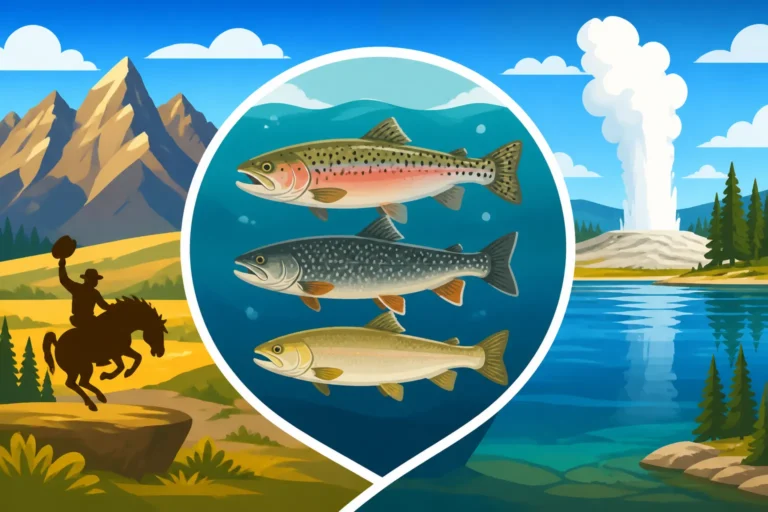
To truly grasp Wyoming's fish diversity, we have to talk about "native" versus "introduced" species. Native fish are those that occurred naturally in Wyoming's waters before significant human alteration of aquatic ecosystems. These are the fish that evolved here, adapted to the specific conditions, and are vital components of the original food webs. Think of the Yellowstone Cutthroat Trout, a true icon of the West. Wyoming's State Fish: The Yellowstone Cutthroat is a perfect example of a fish deeply intertwined with the state's natural heritage.
Introduced, or non-native, species are those that have been brought into Wyoming's waters by humans, whether intentionally for sport fishing or inadvertently. Many of our most popular game fish, like Rainbow Trout, Brown Trout, and Walleye, fall into this category. Their introduction has dramatically changed the angling landscape, often creating fantastic new fisheries, but sometimes also presenting challenges for native species. This balance is something the Wyoming Game and Fish Department constantly works to manage. The overall count of fish species includes both these groups, giving us a more complete picture of what you might encounter. It's a testament to how humans have shaped, and continue to shape, the biological makeup of our waters.
The Numbers Game: How Many Species Are We Talking About?
So, down to the nitty-gritty: how many species are there? While exact figures can shift slightly with new discoveries, taxonomic reclassifications, or the establishment of new introduced populations, Wyoming is generally home to around 60-70 distinct species of fish. This range accounts for both the established native species and the introduced ones that have successfully naturalized or are regularly stocked.
This number might surprise some, as many anglers primarily focus on the famous trout species. But it highlights just how much more there is to Wyoming's aquatic world. Out of this total, about two-thirds are considered native to Wyoming, while the remaining third are introduced. This breakdown is fascinating because it shows a robust native foundation augmented by a significant number of species brought in to diversify fishing opportunities. For those looking to dive deeper, you might consider picking up a good field guide from Amazon to help identify some of these lesser-known species. It's truly a rich and varied collection, offering something for every type of angler, from the ardent fly fisher to the family looking for a fun day with a bobber and worm.
Wyoming's Coldwater Champions: Trout, Salmon, and Char
When most people picture fishing in Wyoming, their minds immediately jump to cold, clear mountain streams and lakes teeming with trout. And for good reason! Wyoming is legendary for its trout fishing, boasting a fantastic array of species that thrive in its pristine cold waters. These are the fish that define much of the state's angling identity, drawing visitors from all over the world.
From the vibrant colors of a Yellowstone Cutthroat to the powerful fight of a Lake Trout, these coldwater species offer diverse challenges and rewards. Many of these species, both native and introduced, are perfectly suited to the high elevation, oxygen-rich environments that dominate much of Wyoming's landscape. Understanding these different species and their unique habits is key to unlocking the full potential of Wyoming's world-class coldwater fisheries.
The Diverse World of Wyoming Trout
Wyoming is home to a remarkable variety of trout species, making it a true paradise for trout enthusiasts. The term "trout" itself can encompass several distinct groups, including true trout, char, and even some species commonly called salmon. In Wyoming, you'll find:
- Cutthroat Trout: This is where Wyoming truly shines. We have several subspecies of cutthroat, each with unique characteristics and native ranges. The Wyoming's State Fish: The Yellowstone Cutthroat is perhaps the most iconic, found primarily in the Yellowstone River drainage. Then there's the Snake River Fine-Spotted Cutthroat Trout, a distinct and beautiful fish of the western drainages. Identifying these can sometimes be a fun challenge, though a quick search on Amazon for fish identification books can help!
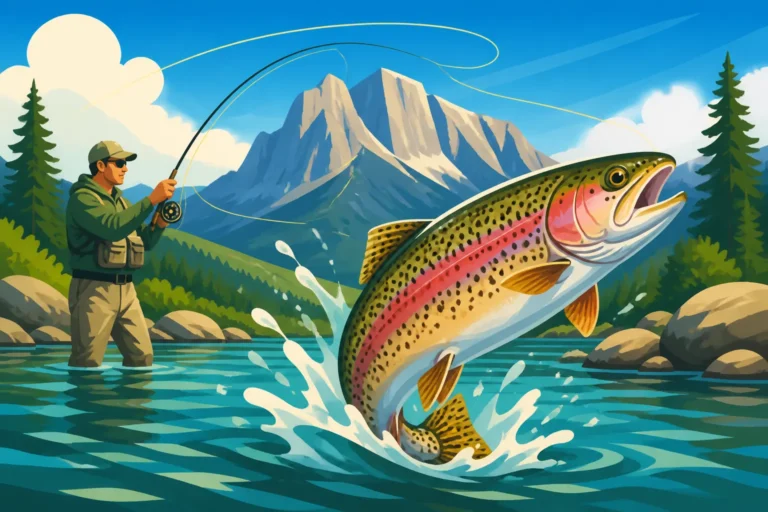
- Rainbow Trout: Widely stocked across the state, Rainbows are known for their strong fights and willingness to bite. They're a favorite among anglers and often the target of Wyoming's Stocked Rainbow Trout Program to ensure abundant opportunities.
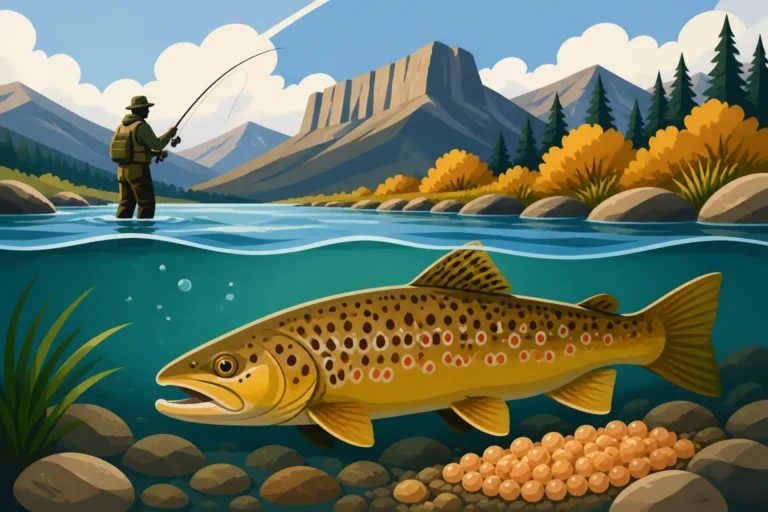
- Brown Trout: Prized for their wary nature and often large size, Brown Trout are found in many of Wyoming's premier rivers and reservoirs. They offer a rewarding challenge, especially during their fall spawning runs.
- Brook Trout: Though not native to Wyoming, these colorful char have become established in many small mountain streams and high-elevation lakes. They are beautiful, aggressive, and a joy to catch on light tackle.
- Lake Trout (Mackinaw): These formidable predators inhabit many of Wyoming's larger, deeper lakes like Flaming Gorge and Jackson Lake. Known for their size and deep-water habits, they offer a completely different kind of challenge for anglers. They are actually a type of char, not a true trout, but are commonly referred to as such.
- Golden Trout: The "jewels of the high country," Golden Trout are found in remote, high-alpine lakes, often requiring a significant hike to access. Their stunning golden coloration makes them a highly sought-after species by adventurous anglers.
Collectively, these species contribute significantly to How Many Trout Species Live in Wyoming, forming the backbone of its reputation as a premier coldwater fishing destination.
Salmon and Char: Adding to the Coldwater Mix
Beyond the true trout species, Wyoming's coldwater environments also support populations of salmon and other char, further enriching the aquatic tapestry.
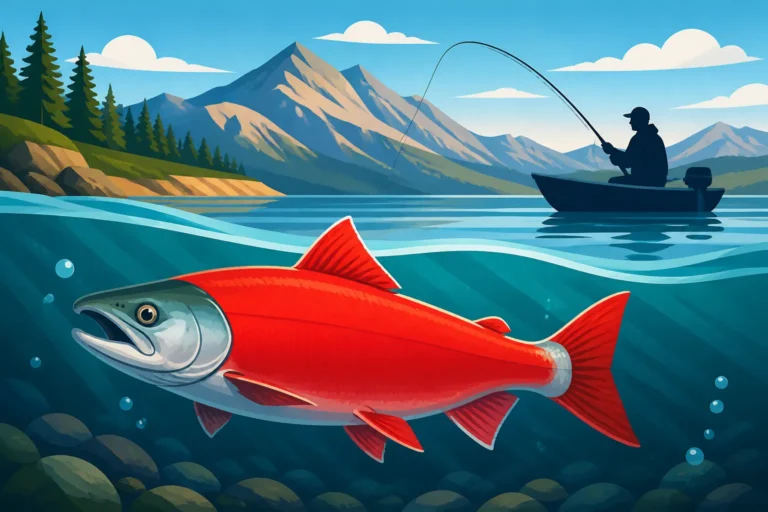
- Kokanee Salmon: These landlocked sockeye salmon are a popular target in several of Wyoming's larger reservoirs, notably Flaming Gorge and Pathfinder. They are known for their schooling behavior and delicious table fare, especially when they turn vibrant red during their spawning runs.
- Arctic Grayling: While less widespread, Arctic Grayling can be found in a few select high-elevation waters in Wyoming. These elegant fish are easily recognized by their large, sail-like dorsal fin and are a special catch for any angler. They represent a unique and delicate part of Wyoming's coldwater ecosystem.
These species, alongside the diverse trout populations, make up what we broadly refer to as Wyoming's Coldwater Fish Species. Each one has adapted to the specific conditions of Wyoming's cooler waters, providing a variety of angling experiences that truly capture the essence of high country and mountain stream fishing.
| Category | Common Name | Native/Introduced | Typical Habitat | Angling Appeal |
|---|---|---|---|---|
| Trout | Yellowstone Cutthroat | Native | High-elevation rivers, streams, lakes | Iconic, beautiful, strong fighters |
| Snake River Cutthroat | Native | Snake River drainage, clear mountain streams | Unique markings, challenging | |
| Rainbow Trout | Introduced | Rivers, streams, reservoirs, stocked ponds | Aggressive, readily available, good fighters | |
| Brown Trout | Introduced | Larger rivers, tailwaters, deep reservoirs | Trophy potential, wary, strong | |
| Brook Trout | Introduced | Small mountain streams, high lakes | Colorful, aggressive, plentiful in some areas | |
| Golden Trout | Introduced | Remote high-alpine lakes | Rare, stunning beauty, wilderness experience | |
| Char | Lake Trout (Mackinaw) | Introduced | Deep, cold reservoirs (Flaming Gorge, Jackson) | Large size, powerful fights, deep-water tactics |
| Salmon | Kokanee Salmon | Introduced | Large reservoirs (Flaming Gorge, Pathfinder) | Schooling fish, delicious, unique spawning colors |
| Other | Arctic Grayling | Native | Cold, clear mountain lakes and streams (limited) | Distinctive dorsal fin, beautiful, delicate |
The Lesser-Known Angling Adventures: Warmwater and Coolwater Species
While Wyoming might be famous for its trout, it would be a huge disservice to overlook the incredible fishing opportunities offered by its warmwater and coolwater species. Many anglers, especially those living in the eastern and central parts of the state, find fantastic action targeting these fish in the large reservoirs, slower rivers, and numerous ponds that warm up considerably during the summer months. These species provide a different kind of fight, often require different tactics, and add a layer of diversity to Wyoming's angling scene that many visitors might not expect.
These fish thrive in habitats that are often too warm or too slow-moving for trout. Reservoirs like Boysen, Glendo, and Keyhole are prime examples of places where you can put away the fly rod (unless you're targeting carp on the fly!) and break out the spinning gear for some serious action. It's a completely different experience, one that adds rich variety to the overall picture of A Guide to Wyoming's Most-Caught Game Fish.
Beyond the Trout: Walleye, Bass, and Perch
When you venture into Wyoming's warmer waters, a whole new cast of characters emerges, offering thrilling fishing adventures.
- Walleye: Perhaps the most sought-after warmwater species, Walleye are prized for their elusive nature and delectable white meat. Reservoirs like Boysen, Glendo, and Keyhole are legendary for their Walleye fishing, drawing dedicated anglers who know the thrill of a Walleye bite. Learning how to effectively jig or troll for them is a skill in itself, as explored in articles like Walleye Fishing in Wyoming. They are master predators, often found lurking near structure in deeper water.
- Smallmouth Bass: Known for their aggressive strikes and acrobatic fights, Smallmouth Bass are a blast to catch. Flaming Gorge Reservoir is particularly famous for its Smallmouth population, offering exciting opportunities for both boat and shore anglers. They often inhabit rocky areas and submerged structures, putting up a formidable fight on light tackle.
- Yellow Perch: These panfish are a fantastic target, especially for family outings or ice fishing. They are abundant in many of the same reservoirs as Walleye and Bass, and are delicious table fare. They're often schooling fish, so once you find one, you're likely to find more! For a fun, action-packed day, nothing beats a school of hungry perch, and you can learn more about finding them in Perch Fishing in Wyoming. They are particularly popular with younger anglers due to their readiness to bite.
These species showcase that Wyoming isn't just a coldwater haven; it offers robust warmwater fisheries that can rival those in other states, providing diverse challenges and delicious rewards.
Other Coolwater Contenders: Catfish, Carp, and More
The diversity doesn't stop with Walleye, Bass, and Perch. Wyoming's warm and cool waters host an even broader array of fish that provide unique angling experiences.
- Channel Catfish: Found primarily in the eastern rivers and warmer reservoirs, Channel Catfish are powerful fighters and excellent eating. Night fishing for catfish with stink baits or cut bait is a popular pastime in many areas.
- Ling (Burbot): Also known as Burbot or freshwater cod, Ling are a unique, elongated fish found in several reservoirs, notably Boysen and Flaming Gorge. They are most actively fished for in winter, often through the ice, and are renowned for their delicious, flaky white meat.
- Northern Pike: While not widespread, Northern Pike have established populations in a few Wyoming waters, offering explosive topwater action and a thrilling fight for anglers looking for toothy predators. Keyhole Reservoir is one such spot where you might encounter these aggressive fish.
- Crappie: Both Black and White Crappie can be found in some of Wyoming's warmer reservoirs and ponds. These panfish are excellent to eat and provide fast action, especially during their spawning periods in spring.
- Suckers and Carp: While not always considered game fish, species like White Sucker, Longnose Sucker, and various carp species (Common Carp, Grass Carp) are abundant. Common Carp, in particular, offer a challenging fight for fly anglers and can grow to impressive sizes. They are often overlooked but provide accessible and exciting fishing.
These various species collectively represent Wyoming's Warmwater Fish Species and offer a testament to the sheer variety of angling opportunities available. Whether you're targeting a trophy Walleye or simply enjoying a relaxing afternoon catching panfish, Wyoming's less-publicized warmwater fisheries are a fantastic resource. If you're looking for specialized gear for these species, Amazon has a huge selection of appropriate rods, reels, and tackle.
The Dynamic Nature of Wyoming's Aquatic Ecosystems: Management and Conservation
Understanding "how many fish species live in Wyoming" isn't just about counting individual fish; it's about appreciating the living, breathing, and constantly evolving aquatic ecosystems that support them. The number of species isn't static; it's a dynamic reflection of environmental conditions, human activities, and the dedicated efforts of conservationists and fisheries managers. Wyoming's diverse fish populations, both native and introduced, require ongoing stewardship to ensure their health and sustainability for future generations of anglers.
Every fishing decision, from what species to stock to how bag limits are set, has an impact. It's a complex balancing act, often involving tough choices to protect vulnerable native populations while still providing world-class recreational fishing. This ongoing management ensures that Wyoming remains a fishing paradise, rich in diversity and opportunity.
Conservation and Management: Shaping Fish Populations
The Wyoming Game and Fish Department (WGFD) plays a pivotal role in maintaining and enhancing the state's fish diversity. Their work is multifaceted, encompassing everything from habitat restoration to careful stocking programs. For native species, the focus is often on protection and recovery, ensuring their populations remain healthy and their genetic integrity is preserved. For instance, efforts are continually underway to protect and restore native cutthroat populations, which face challenges from habitat degradation and hybridization with introduced rainbow trout.
Introduced species, while providing fantastic fishing, also require careful management. Some, like Lake Trout in Yellowstone Lake, can pose significant threats to native species like the Yellowstone Cutthroat Trout. This has led to intensive Wyoming's Lake Trout Removal Efforts in Yellowstone Lake to protect the native fish. These decisions are not made lightly; they involve extensive scientific research and a deep understanding of ecosystem dynamics. Anglers themselves play a crucial role by adhering to regulations, practicing responsible catch-and-release, and reporting concerns to the WGFD.
The Role of Anglers in Protecting Wyoming's Fish Diversity
As anglers, we are not just consumers of the resource; we are also its stewards. Our actions directly impact the health and diversity of Wyoming's fish populations. One of the most critical responsibilities we have is to be aware of and report Invasive Fish Species Wyoming Anglers Should Report. Invasive species, whether accidentally or intentionally introduced, can decimate native populations, alter ecosystems, and reduce overall fish diversity. Early detection and rapid response are crucial to mitigating their spread.
Another key aspect is understanding and adhering to local regulations. These rules, found in the Wyoming Fishing Regulations Every Angler Should Know booklet, are designed to protect specific species, ensure sustainable harvests, and manage pressure on fisheries. Whether it's a barbless hook requirement on certain rivers or specific slot limits on a reservoir, these rules help maintain the delicate balance of aquatic life. By being informed and responsible, we contribute directly to the vibrant fish diversity that makes Wyoming such an exceptional place to wet a line. It's a collective effort, and every angler's commitment truly makes a difference in preserving this natural treasure for generations to come.
Disclaimer
This article is for general informational purposes only and does not constitute professional advice. Laws, prices and regulations vary by location and change over time. Consult a qualified professional for guidance on your specific situation.