What’s the Difference Between Salmon and Trout?
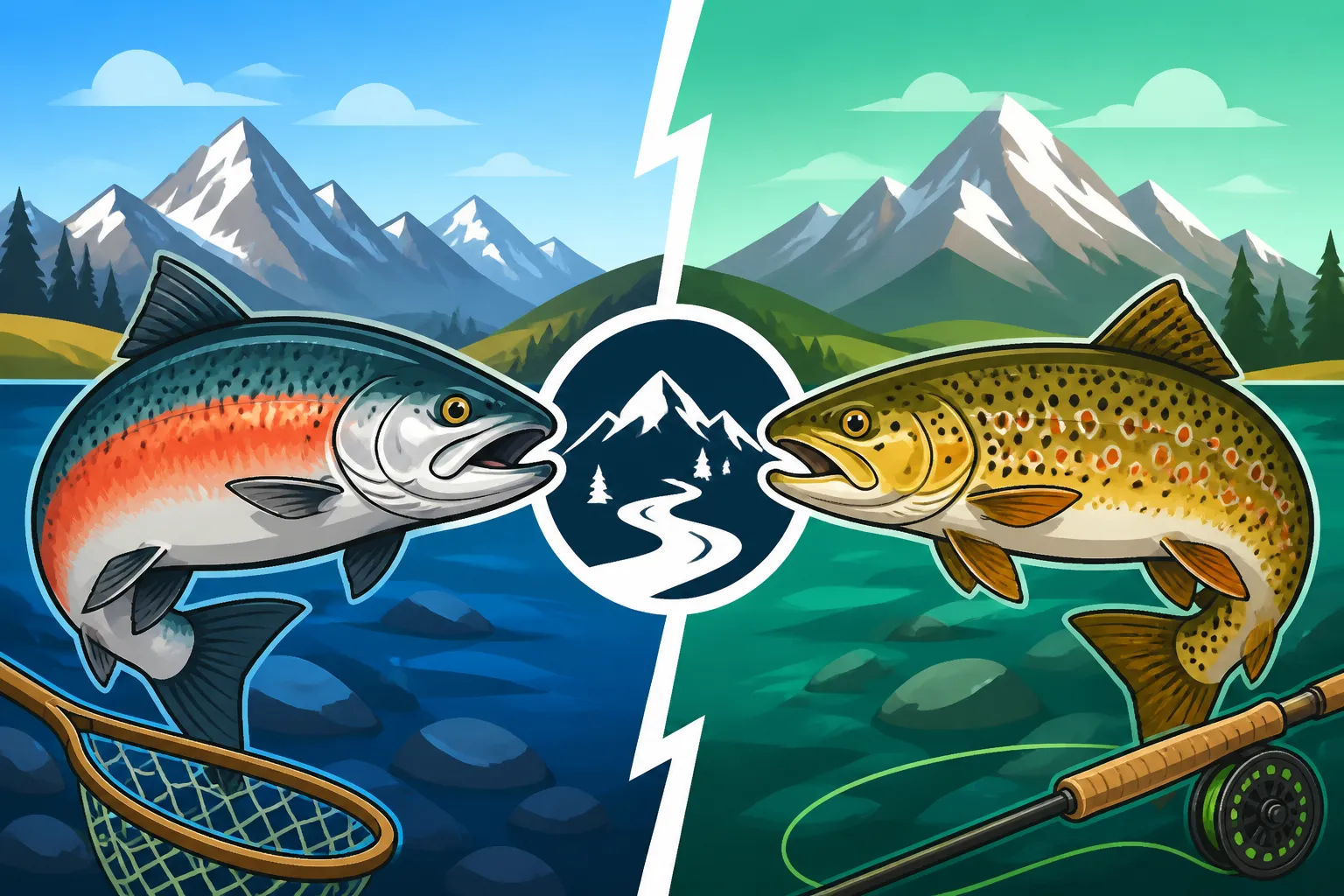
It’s a question that’s probably crossed every angler's mind, especially when you're flipping through the Wyoming fishing regulations or chatting with a local at the boat ramp: what exactly is the difference between a salmon and a trout? For many of us, the terms get used interchangeably, or we just assume they're all pretty much the same fish that live in cold water. But understanding the distinctions can make a big difference in how you approach your fishing, where you go, and even what regulations you need to follow. This guide is here to clear up that confusion once and for all, focusing on the amazing fish we have right here in Wyoming.
Unpacking the Family Tree: Biological Classifications
Alright, let's get a little scientific for a moment, but I promise we won't get bogged down in too much jargon. The main difference between salmon and trout comes down to their biological classification within the Salmonidae family. Think of Salmonidae as a big family reunion, and within that family, you have different branches or groups, specifically the genera Oncorhynchus (Pacific salmon and some trout), Salmo (Atlantic salmon and brown trout), and Salvelinus (chars, which include lake trout and brook trout).
It's this family tree that causes a lot of the confusion. Many fish we call "trout" are indeed in the Oncorhynchus or Salmo genera. For example, our beloved rainbow trout is Oncorhynchus mykiss, putting it in the same genus as Pacific salmon like sockeye or Chinook. Brown trout (Salmo trutta) are in the same genus as Atlantic salmon. Then you have the chars, like the lake trout (Salvelinus namaycush) and brook trout (Salvelinus fontinalis), which are closely related but distinct enough to be in their own genus. So, while all salmon are salmonids, and all trout are salmonids, not all salmonids are strictly "trout" or "salmon" in the common understanding of the words. It's a bit like how a coyote and a domestic dog are both canines, but definitely not the same animal you'd want to bring home to cuddle.
The Life Cycle Divide: Anadromous vs. Resident
One of the most defining characteristics that traditionally separates salmon from trout is their life cycle, particularly their migratory patterns. Many species of salmon are "anadromous," meaning they are born in fresh water, migrate to the ocean to grow and mature, and then return to their native fresh water to spawn. After spawning, most Pacific salmon species die. This incredible journey, often thousands of miles, is a hallmark of species like Chinook, coho, and sockeye salmon.
While Wyoming isn't exactly next to the ocean, this anadromous trait is still relevant. The "salmon" most commonly encountered by anglers in Wyoming are Kokanee salmon (Oncorhynchus nerka), which are actually the landlocked version of sockeye salmon. They still exhibit some of that strong migratory instinct, often moving from deep lake waters into tributary streams or specific lake areas to spawn. And yes, like their ocean-dwelling cousins, most Kokanee salmon in Wyoming die after spawning, turning a vibrant red color in the fall as they complete their life cycle. You might even see them in places like Flaming Gorge Reservoir or Pathfinder Reservoir making their spawning runs, a truly spectacular sight.
Trout, on the other hand, are generally "resident" fish. This means they typically complete their entire life cycle within fresh water, whether that's a river, stream, or lake, without ever going to the ocean. Rainbow trout, brown trout, Cutthroat Trout Fishing in Wyoming, and brook trout in Wyoming typically live their whole lives in the same river system or lake, though they might make shorter, localized migrations for spawning or to find better feeding grounds. There are exceptions, of course; some trout species can also be anadromous (like steelhead, which are sea-run rainbow trout, though not found in Wyoming's freshwaters). But for the majority of our Wyoming trout, they're freshwater dwellers through and through.
Physical Distinctions: What to Look For
Beyond the biological classifications and life cycles, there are often physical characteristics that can help you distinguish between what we typically call salmon and what we call trout. However, this isn't always foolproof, especially when you're looking at a fish fresh out of the water and adrenaline is pumping!
Generally, salmon tend to have smaller scales than most trout, and their mouths are often proportionally smaller, with a less pronounced gape. Their body shape can also be a bit more streamlined, especially when they're in their ocean phase or before they start their spawning changes. When they do spawn, especially Pacific salmon and Kokanee, they undergo dramatic transformations, developing hooked jaws (kypes), humped backs, and brilliant red coloration. You’ll be able to spot these What Color Kokanee Turn When Spawning from a mile away.
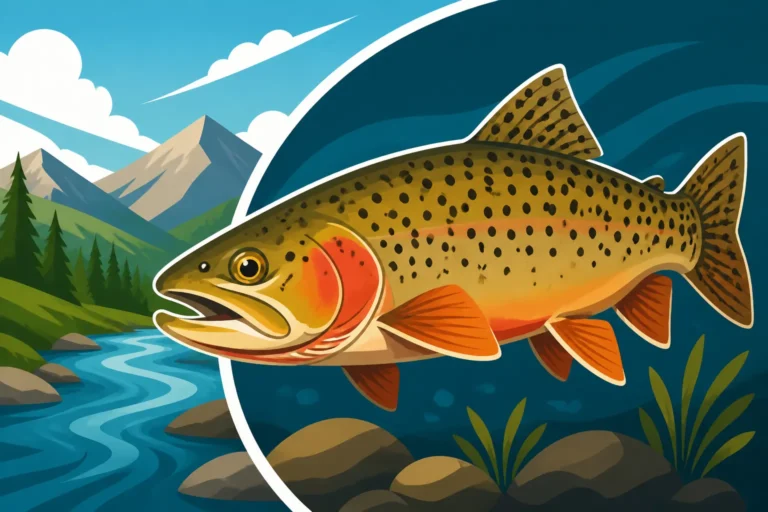
Trout, by contrast, often have larger scales and more prominent teeth, sometimes quite sharp. Their bodies can appear chunkier, especially brown trout, and their coloration can be incredibly varied depending on their habitat and diet. A common visual cue for many trout species, particularly cutthroat, is the presence of small spots, which salmon usually lack (though juvenile salmon can have parr marks similar to young trout). Lake trout, being chars, have light spots on a dark body, a reverse pattern to many other trout. How to Identify Every Trout Species Found in Wyoming can really help here!
Here’s a quick overview of some common differences you might observe:
| Feature | Salmon (e.g., Kokanee in Wyoming) | Trout (e.g., Rainbow, Brown, Cutthroat, Brook) | Chars (e.g., Lake Trout) |
|---|---|---|---|
| Scientific Genus | Oncorhynchus (Kokanee is landlocked Sockeye) | Oncorhynchus, Salmo | Salvelinus |
| Life Cycle | Anadromous (or landlocked anadromous like Kokanee); often die after spawning | Resident freshwater; typically spawn multiple times | Resident freshwater; typically spawn multiple times |
| Scales | Generally smaller, more numerous | Generally larger | Very small, often appearing scaleless |
| Mouth/Teeth | Smaller mouth, less pronounced teeth (especially for Kokanee) | Larger mouth, more pronounced teeth, more pronounced gape | Large mouth, sharp teeth, often with a distinct kype in males |
| Spotting | Few to no spots (except for parr marks as juveniles) | Usually dark spots on a lighter body (often irregular) | Light spots on a dark body |
| Tail Fin | More forked (especially in open water) | Often less forked, squarer (can vary by species/habitat) | Moderately forked (often seen as deeply forked for lakers) |
| Coloration | Silver/blue in feeding stage, bright red/green for spawning Kokanee | Highly variable: silver, olive, gold, often with a lateral band | Dark gray/green with light spots, sometimes purple/red hues |
Salmon and Trout Species You'll Encounter in Wyoming Waters
When we talk about "salmon" and "trout" in Wyoming, we're primarily referring to a few key species. Understanding which specific fish fall into each category here locally helps make those regulations and fishing reports much clearer.
Wyoming's "Salmon": The Kokanee
In Wyoming, when anglers talk about "salmon," almost universally they are referring to the Kokanee salmon. As mentioned, these are landlocked sockeye salmon. They are absolutely stunning fish, known for their silvery appearance in the summer and their dramatic transformation into brilliant reds and greens during their fall spawning runs.
Kokanee are stocked in several of Wyoming's larger reservoirs, with Flaming Gorge Reservoir and Pathfinder Reservoir being prime spots. They are a popular target for trollers who enjoy the challenge of finding them in deep water. Their meat is delicious and orange-red, much like their ocean-dwelling relatives. Best Month for Kokanee Salmon at Flaming Gorge is a great read if you want to dive deeper into targeting these unique fish. You'll often find anglers using specific dodgers and lures, which you can easily find at your local tackle shop or even on Amazon, to entice these schooling fish.
One crucial thing to remember about Kokanee: their life cycle is typically four years, and they die after their first and only spawn. This is why you'll see regulations designed to manage the population, ensuring enough young fish survive while allowing for a good harvest.
Wyoming's Diverse Trout and Chars
Wyoming is world-renowned for its trout fishing, boasting an incredible variety of species that thrive in our pristine waters. Most of these fall into the "trout" or "char" categories.
Rainbow Trout
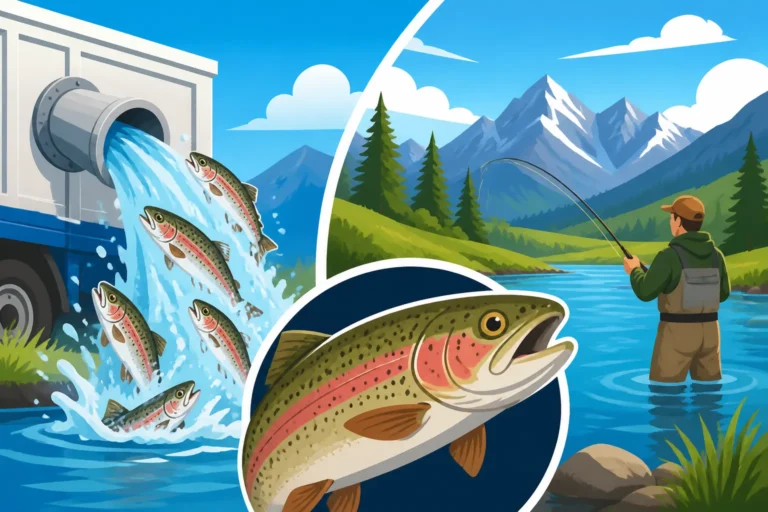
These are probably one of the most recognizable trout species, famous for their vibrant red or pink lateral band. Rainbows are incredibly popular with anglers due to their acrobatic fighting style and willingness to strike a variety of lures and flies. They are extensively stocked across Wyoming's lakes and rivers, making them accessible for beginners and seasoned pros alike. You'll find them in countless locations, from high-mountain lakes to popular river stretches like the North Platte. Check out Wyoming's Stocked Rainbow Trout Program for more details on where these beauties originate.
Brown Trout
Brown trout are a favorite among many for their elusive nature and potential to grow to impressive sizes, often displaying gorgeous dark spots, sometimes with red halos, over a golden-brown body. They are known for being predatory and can be a real challenge to catch. Wyoming's rivers and reservoirs, particularly tailwaters like the Miracle Mile or Gray Reef sections of the North Platte, are legendary for their trophy brown trout populations. Fall is often prime time to target Fall Fishing for Browns on the Miracle Mile during their spawning migrations.
Cutthroat Trout
Our state fish, the cutthroat trout, is truly special. Identified by the distinctive red or orange slash marks under their lower jaw, these native fish are a treasure. Wyoming is home to several subspecies, including the Snake River Fine-Spotted Cutthroat and the Yellowstone Cutthroat Trout. They generally prefer colder, clearer waters and are often found in high-elevation lakes and mountain streams. Catching a native cutthroat on a dry fly in a pristine mountain setting is an iconic Wyoming experience. Explore Where Yellowstone Cutthroat Trout Are Native in Wyoming to learn about their historic range.
Brook Trout
Small but mighty, brook trout are actually a char species, not a true trout. They are easily identified by their worm-like markings (vermiculations) on their backs and vibrant red or orange spots surrounded by blue halos on their sides. They also have distinctive white leading edges on their fins. Brookies tend to thrive in small, cold streams and high-alpine lakes, often in large numbers. While they rarely grow large, they offer fast action and are beautiful fish to catch. Brook Trout in Wyoming's Mountain Streams provides more info on where to find them.
Lake Trout (Mackinaw)
Another char, the lake trout, is the largest member of the salmon family in Wyoming, with some growing to truly monumental sizes in lakes like Flaming Gorge and Jackson Lake. They are deep-water dwellers, recognizable by their deeply forked tail and light spots on a darker body. Lake trout are a prime target for those who enjoy trolling or deep jigging. While they can be a challenge to locate, the reward of landing a massive Mackinaw is unforgettable. Learn more about How Big Wyoming Lake Trout Get and where they hide.
Angling Implications: Why the Distinction Matters
Knowing the difference between salmon and trout (and char!) isn't just about showing off your fish identification skills; it has real, practical implications for your fishing experience in Wyoming.
Regulations and Limits
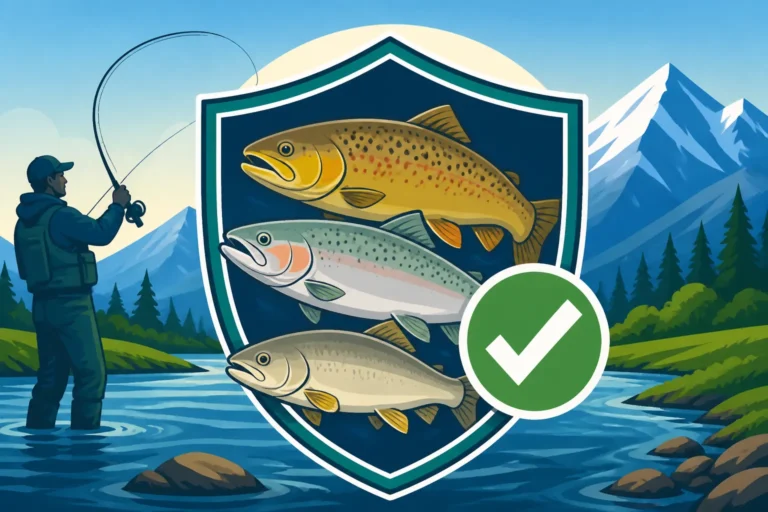
This is perhaps the most critical reason to understand the difference. Wyoming Game and Fish Department regulations often have specific rules for different species. For instance, the daily creel limits for Kokanee salmon might be different from those for rainbow trout, even in the same body of water. Some waters might have special length restrictions or even catch-and-release rules for certain trout species to protect native populations, while encouraging harvest of others. For example, Understanding Wyoming's Daily Bag Limits by Species is crucial reading before you hit the water. It’s not uncommon for a lake to have a generous limit on Kokanee but a much more restrictive limit on brown trout. Always carry your current Reading the Wyoming Fishing Regulations Booklet and consult it before fishing any new water. You can also find digital versions or apps that provide quick access to regulations, which you might find convenient to download from a platform like Amazon.
Fishing Techniques and Gear
Different species often require different tactics. Kokanee salmon, being schooling fish and often suspended in deep water, are primarily targeted by trolling with downriggers or lead core line, using specific dodgers, flashers, and small lures or baits. You'll need specialized gear, like light trolling rods, small Kokanee hoochies, or corn-tipped wedding rings, which are widely available at sporting goods stores and online retailers like Amazon.
Trout, on the other hand, are caught using a much broader array of techniques. Fly fishing is incredibly popular for all trout species in Wyoming's rivers, with different patterns required for Best Wyoming Fly Patterns for Cutthroat Trout and other species. Spin fishing for trout involves everything from casting small spinners and spoons to bait fishing with worms, PowerBait, or other natural offerings. Lake trout, due to their size and deep-water habitat, often require heavy-duty trolling gear, large spoons, tube jigs, or cut bait fished on downriggers or lead core. Trolling Techniques for Wyoming Reservoirs will give you a deeper dive into this. The approach you take, from the rod and reel to the leader material and lure choice, will vary significantly depending on whether you're targeting a high-country brook trout, a river brown, or a deep-water lake trout.
Habitat and Location
The "salmon vs. trout" distinction also helps you narrow down where you might find your target fish. If you're looking for Kokanee salmon, you'll generally focus on larger, colder reservoirs. You won't typically find them in small streams or shallow ponds. For lake trout, again, deep, cold reservoirs are key.
Conversely, if you're chasing rainbow or brown trout, you'll have a much wider range of options, from slow-moving rivers to large lakes. Cutthroat trout often signify pristine, high-elevation environments, making them a great target for those who enjoy How to Fish Wyoming's High-Alpine Lakes. Knowing the typical habitat preferences of each group helps you choose your fishing destination more effectively, whether you're planning a trip to the North Platte River or exploring the backcountry lakes of the Wind River Range.
Culinary Considerations
Finally, let's talk about the dinner plate! Both salmon and trout are delicious, but their meat can have different characteristics. Kokanee salmon, much like their ocean cousins, often have rich, orange-red flesh and a distinct flavor. They are prized by many for smoking or baking.
Trout meat can vary in color from pale white to orange, depending on their diet and species. Rainbow trout often have a milder flavor and flakier texture, while brown trout can have a firmer, richer meat. Lake trout, especially larger ones, tend to have fattier, oilier meat that can be excellent smoked or baked, though some find it richer than other trout. Whether you're planning on keeping your catch for a campfire feast or practicing catch-and-release, understanding these subtle differences can enhance your appreciation for these magnificent fish.
Ultimately, while the terms "salmon" and "trout" might seem interchangeable at first glance, a deeper look reveals a fascinating world of biological diversity, unique life cycles, and specific angling strategies. By understanding these differences, you'll not only become a more informed angler but also gain a greater appreciation for the incredible variety of fish that call Wyoming's waters home. So next time you're out there, take a moment to really look at your catch – you might just learn something new about its family!
Disclaimer
This article is for general informational purposes only and does not constitute professional advice. Laws, prices and regulations vary by location and change over time. Consult a qualified professional for guidance on your specific situation.