The One-Over-16-Inch Rule on Wyoming Trout Streams
Navigating Wyoming's fishing regulations can sometimes feel like trying to untangle a particularly stubborn bird's nest of fishing line. Just when you think you've got a handle on the statewide limits, you stumble upon a specific rule that applies only to certain waters, like the infamous "one-over-16-inch" rule on trout streams. This seemingly small detail can lead to big confusion, and nobody wants to be caught off guard and risk a violation. This guide is designed to cut through that complexity, explaining exactly what this rule means, why it's in place, and how you can confidently comply with it on your next Wyoming trout stream adventure.
The Nuance of Wyoming's "One-Over-16-Inch" Rule
You’re out on a stunning Wyoming trout stream, the water is crisp, the air is clean, and you’ve just landed a beautiful trout. Your heart is pounding, and then the question hits you: "Can I keep this one?" This is where understanding the specific nuances of Wyoming’s fishing regulations becomes absolutely crucial, especially the "one-over-16-inch" rule that applies to many of our blue-ribbon trout waters. It's not just a suggestion; it's a carefully crafted regulation designed to manage our precious fisheries.
Breaking Down the Core Regulation
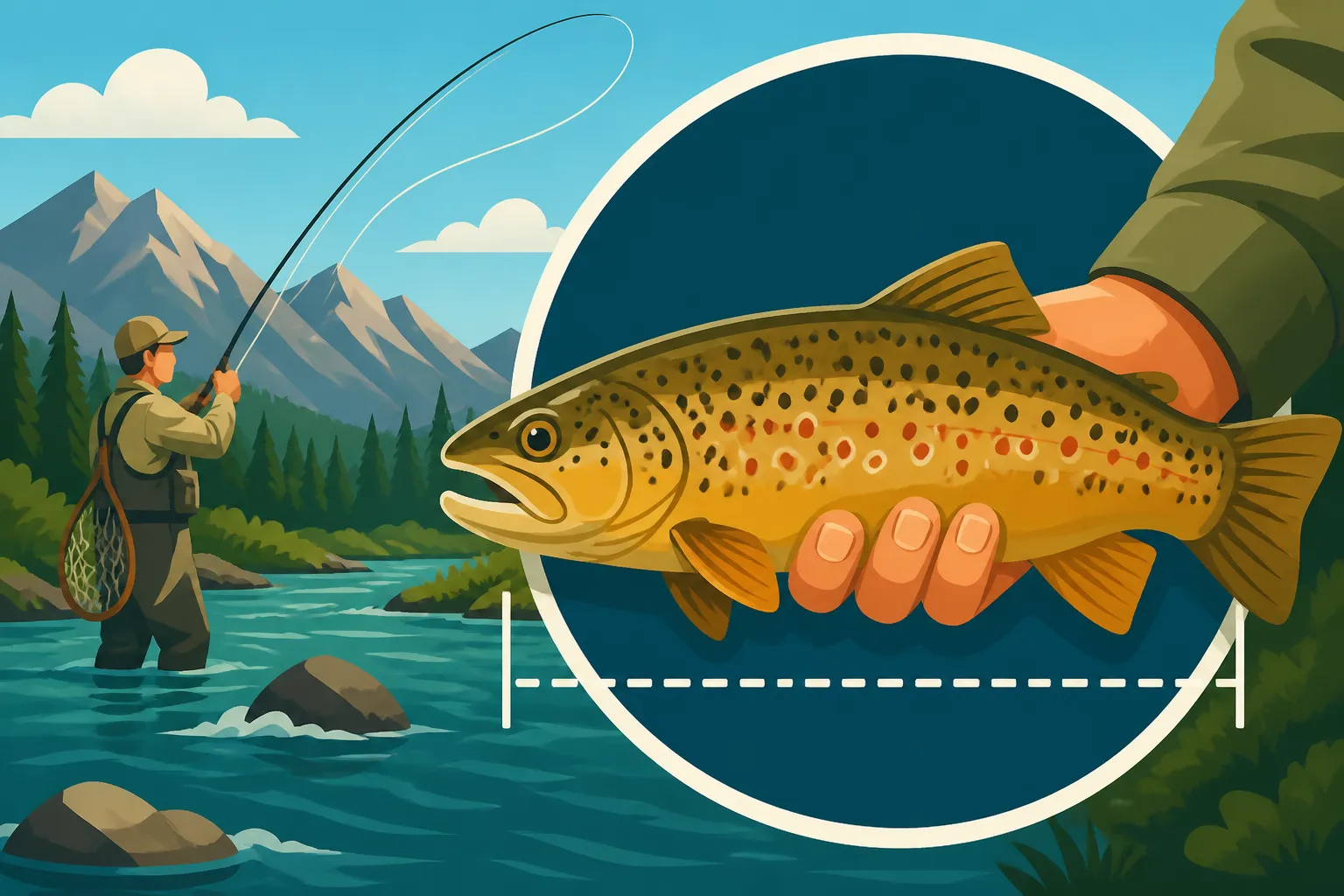
At its heart, the "one-over-16-inch" rule is quite specific: it means that of your daily creel limit for trout, you are only allowed to keep one trout that is 16 inches or longer. All other trout you choose to keep must be under 16 inches. So, if the general daily limit for trout on a particular stream is six fish, and this rule is in effect, you could keep five trout under 16 inches and one trout that is 16 inches or longer. You cannot keep two trout over 16 inches, regardless of how many fish you're allowed in total. It's a key part of How Many Trout Over 16 Inches You Can Keep in Wyoming and it's essential to get it right. This isn't about setting an absolute size minimum, but rather about capping the number of larger, potentially trophy-sized, fish that can be removed from a specific fishery each day. It’s a conservation strategy that aims to protect the larger, often older, and more reproductively valuable trout in the system, allowing them to continue their role in the ecosystem.
Imagine you're having a banner day on the North Platte River. You catch a gorgeous 18-inch rainbow, measure it, and decide to keep it. Great! That fills your "one over 16 inches" slot. Later, you catch another equally impressive 17-inch brown trout. If the rule is in effect, you cannot keep that second large fish, even if your overall daily bag limit still has room. You'd need to release it safely. This scenario highlights why it's so important to be aware of the rule before you even cast your line. It shifts the angler's mindset from simply filling a general limit to making conscious decisions about which fish to harvest, prioritizing smaller fish for the frying pan and returning the big breeders to the water.
Interpreting the "Trout Stream" Definition
Now, that brings us to another critical point: what exactly constitutes a "trout stream" in the eyes of Wyoming Game and Fish Department (WGFD) regulations? This isn't always as straightforward as it sounds, especially if you're exploring new waters. Generally, a "trout stream" refers to flowing water bodies (rivers, creeks) that are managed primarily for trout populations. However, the rule typically does not apply to still waters like lakes or reservoirs, even if they hold abundant trout. This distinction is crucial because Stream Limits vs Lake Limits for Wyoming Trout often differ significantly.
For instance, you might be fishing the Snake River, a classic trout stream where this rule is often in play. But then you head to a large body of water like Jackson Lake, which is connected to the Snake River system. While Jackson Lake is teeming with trout, the "one-over-16-inch" rule usually won't apply there because it's a lake, not a stream. The WGFD carefully categorizes waters, and these classifications dictate the specific regulations. To be absolutely certain, you must consult the current Wyoming Fishing Regulations booklet. Don't rely on assumptions or what you heard from another angler. Water-specific rules are listed in detail, and they are the final word. Always remember, the responsibility to know and follow the rules falls squarely on the angler's shoulders.
Why This Specific Length Limit Matters for Conservation
It’s easy to look at a regulation like the "one-over-16-inch" rule and see it as just another restriction on your fishing fun. But like many of Wyoming's specific fishing rules, there's a deep, scientific reason behind it. These regulations aren't created to make your life harder; they are carefully designed conservation tools that are absolutely vital for maintaining the health and abundance of our cherished trout fisheries.
Protecting Spawners and Genetic Diversity
One of the primary reasons for limiting the harvest of larger trout is to protect mature spawning fish. Larger, older trout, especially females, are often the most prolific spawners, producing more eggs and contributing significantly to the next generation. These fish have proven their ability to survive, grow, and reproduce in their environment, carrying valuable genetic traits that are beneficial for the overall health and resilience of the trout population. When you remove too many of these larger individuals, you can inadvertently deplete the breeding stock, leading to fewer fish in the future and potentially weakening the genetic diversity of the population.
Consider a healthy stream where rainbow trout thrive. The big, robust 18-inch female rainbows are critical during spawning season, laying thousands of eggs. If anglers consistently remove these large females, the number of eggs laid each year could drastically decline, impacting the entire year class of fish. By allowing only one fish over 16 inches to be kept, the WGFD aims to ensure a healthy population of these vital spawners remains in the river. This helps maintain a natural balance, ensuring that our grandchildren will also have the opportunity to experience the thrill of catching a wild Wyoming trout. It's a long-term investment in our aquatic ecosystems.
Fostering Quality Fisheries and Trophy Potential
Beyond protecting spawners, the "one-over-16-inch" rule also plays a significant role in fostering quality fisheries and increasing the potential for anglers to catch true "trophy" trout. By limiting the harvest of larger fish, more individuals get the chance to grow even bigger, creating a population structure where impressive, memorable fish are more common. Many anglers come to Wyoming specifically for the chance at a truly large trout, and this regulation helps make that dream a reality.
Think about the famous Miracle Mile on the North Platte River. Part of its reputation for producing large trout is directly linked to regulations that protect those larger fish. If everyone kept every 18-inch trout they caught, the average size of fish in that section would quickly decrease, and the opportunity to catch a 20-inch or even 25-inch brown trout would become much rarer. This rule is a form of "quality management." It acknowledges that while some anglers want to take fish home for dinner, many also value the experience of hooking a significantly larger fish. It balances these desires by allowing some harvest while still promoting the growth of a robust, large-fish population. This helps maintain Wyoming's status as a premier fishing destination, drawing anglers from all over who seek that once-in-a-lifetime encounter.
Navigating the Waters: Where the Rule Applies and Varies
One of the biggest sources of confusion for anglers, both residents and non-residents, is understanding exactly where the "one-over-16-inch" rule is in effect. It's not a blanket statewide regulation that applies everywhere trout swim. Instead, it's often a water-specific rule, meaning it's implemented on particular streams or sections of rivers where the WGFD has identified a need for this kind of management.
Statewide Application vs. Water-Specific Exceptions
While the general concept of daily and possession limits for trout might apply statewide, the "one-over-16-inch" rule is almost always a water-specific regulation. This means you can't assume that just because you encountered it on one river, it will be the same on the next. The WGFD uses a scientific, localized approach to manage fisheries. They assess each body of water based on factors like trout species present, population density, spawning success, fishing pressure, and habitat quality. If a particular trout stream shows signs that larger fish are being over-harvested, or if there's a desire to cultivate a trophy fishery, that's when this specific rule might be implemented.
For example, sections of the North Platte River, particularly the famous "Gray Reef" or "Miracle Mile" areas, are well-known for having this rule in place. These are highly productive, high-pressure fisheries that benefit immensely from the protection of larger trout. However, if you were to fish a small, less-pressured mountain stream in another part of the state, it's entirely possible that the "one-over-16-inch" rule would not apply, and you'd simply adhere to the general daily bag limit (e.g., six trout of any size). This is why it's absolutely critical to consult the most current Wyoming Fishing Regulations Every Angler Should Know and specifically look up the rules for the particular water body you intend to fish. These details are usually found in the water-specific regulations section, often organized by drainage or region.
Distinguishing Designated Trout Streams from Lakes and Ponds
Another common misconception revolves around the type of water body the rule applies to. As the name implies, the "one-over-16-inch" rule is specific to trout streams. It generally does not apply to lakes, reservoirs, or ponds, even if those still waters are renowned for their trout fishing. This distinction is vital because the ecological dynamics of a flowing river are quite different from those of a static lake. Trout in streams often have different growth rates, migratory patterns, and population structures compared to their lake-dwelling counterparts.
For instance, if you're targeting big lake trout (Mackinaw) in Flaming Gorge Reservoir, you'll find entirely different regulations, including potentially higher limits or different length restrictions for those species, but not the "one-over-16-inch" rule on trout. Similarly, high-alpine lakes, despite often holding impressive golden or cutthroat trout, typically fall under different bag and possession limits. Understanding these distinctions requires a careful reading of the regulations, specifically the sections outlining Wyoming Trout Stream Daily Limit versus lake limits. Always double-check the water-specific regulations to ensure you're applying the correct rules, as mistaking a lake for a stream or vice-versa could lead to unintentional violations. The WGFD regulations booklet is available online and at license vendors, and it’s truly your best friend in deciphering these important differences.
Practical Implications for Anglers on the Water
So, you've decided to fish a trout stream where the "one-over-16-inch" rule is active. Now what? Knowing the rule intellectually is one thing; putting it into practice on the water, especially when you've got a feisty trout on the end of your line, is another. It requires a bit of preparation and a commitment to responsible angling practices.
Accurate Measurement Techniques in the Field
The biggest practical challenge with the "one-over-16-inch" rule is accurately measuring your fish in the field. Fish rulers, often made of durable, waterproof plastic or adhesive strips that stick to your boat, net handle, or tackle box, are an angler's best friend here. You can find excellent, easy-to-read fish rulers on platforms like Amazon that are specifically designed for quick, accurate measurements. When measuring, lay the fish gently on the ruler or measuring tape. The measurement is taken from the tip of the snout to the tip of the tail, with the tail compressed. Don't eyeball it! An inch or two can make all the difference between a legal keep and a violation.
It's also crucial to handle the fish with care during measurement, especially if you intend to release it. Wet your hands before touching the fish to protect its slime coat, which is vital for disease prevention. Keep the fish in the water as much as possible, or at least out of direct sunlight and in a net, while you measure. Quick, gentle handling minimizes stress and greatly increases the fish's chances of survival if you decide to release it. Many anglers even practice measuring non-keepers throughout the day, just to get a feel for what a 16-inch trout looks like and to refine their handling technique. This practice can make the decision-making process much smoother when you eventually hook a fish near that critical length.
Releasing Oversized Fish Responsibly
Let's say you've caught a beautiful 17-inch brown trout, you've already kept your one-over-16-inch fish, and now you need to release this magnificent creature. Responsible catch-and-release practices are paramount, not just for compliance with the rule, but for the health of the fishery. Catch-and-Release Rules on Wyoming Waters emphasize minimizing harm. The key is to get the fish back into the water quickly and gently. Use a rubber mesh landing net if possible, as it’s much gentler on the fish's fins and slime coat than traditional nylon nets.
When releasing, support the fish gently in the water, pointing its head upstream into the current. Don't "pump" it back and forth; this can actually harm its gills. Wait until the fish shows strong signs of recovery, such as moving its fins and tail vigorously, and is able to swim away on its own before letting go. Sometimes, a larger fish, especially after a long fight, might need a minute or two to revive. If the fish is bleeding or deeply hooked, and the regulations allow, it might be more ethical to keep it (if you haven't filled your overall limit and if it meets the one-over-16-inch criteria), rather than releasing a fish with a low chance of survival. Always have a pair of forceps or needle-nose pliers handy on your vest or tackle box to quickly remove hooks, especially if they're deeply set.
Comparing the 16-Inch Rule to Other Wyoming Limits
The "one-over-16-inch" rule doesn't exist in a vacuum; it's an overlay on top of other general fishing regulations in Wyoming. Understanding how these various limits interact is crucial to staying compliant and making informed decisions while fishing. It's not just about one rule, but how all the rules fit together to manage our diverse fisheries.
Daily Limits vs. Possession Limits
First, let's differentiate between daily limits and possession limits. The daily limit is the maximum number of fish you can take from a particular body of water within a single calendar day (midnight to midnight). The possession limit is the maximum number of fish you can have on your person, in your vehicle, or in storage (e.g., at your camp, cabin, or home) at any given time. Often, the possession limit is twice the daily limit, but this is not always the case and can vary by species and water. For a more detailed breakdown, check out Possession Limits vs Daily Limits in Wyoming.
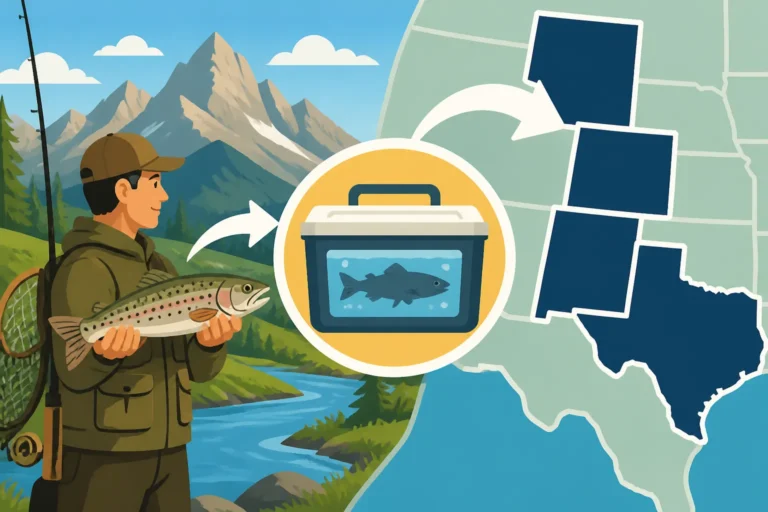
The "one-over-16-inch" rule directly applies to your daily limit. So, if the daily limit for trout is six, and the 16-inch rule is active, you can take five under 16 inches and one over. If your possession limit is twelve, you could potentially have two days' worth of fish (10 under 16 inches, 2 over 16 inches) in your cooler, provided you harvested them legally over two separate days. The key is that the "one-over-16-inch" restriction resets each day. You can't catch one 17-inch trout on Monday, release it because you already kept your big one, and then try to keep it again on Tuesday as your "one over." Each day is a fresh start for your daily creel, including the specific length restrictions.
How This Rule Interacts with Species-Specific Regulations
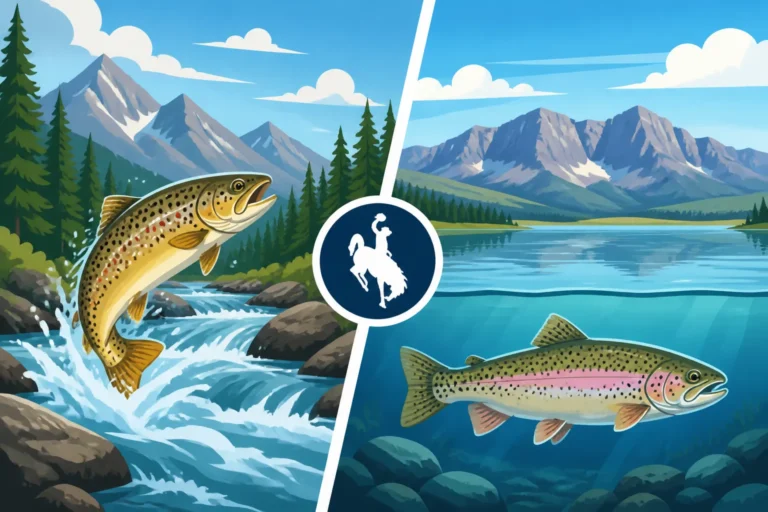
Adding another layer of complexity, the "one-over-16-inch" rule for trout must also be considered alongside species-specific regulations. Wyoming has a variety of trout species, including cutthroat, rainbow, brown, brook, golden, and lake trout (Mackinaw). While the "one-over-16-inch" rule broadly applies to trout on designated streams, there might be specific regulations for certain species that supersede or add to this rule.
For example, on some waters, there might be specific length restrictions or slot limits for cutthroat trout to protect native populations, or different bag limits for lake trout that are considered invasive in certain ecosystems (like Yellowstone Lake). You can find more information about these specific rules in Understanding Wyoming's Daily Bag Limits by Species. So, while you might be limited to one trout over 16 inches, you also need to ensure that the specific species you're keeping is legal for harvest and falls within any other species-specific size or daily limits. It’s a bit like a fishing-regulation Venn diagram – all the circles have to overlap correctly for you to be compliant. Always verify the rules for the specific species you are targeting in the water you are fishing to avoid any unfortunate surprises.
Here's a quick reference table to help visualize how the "one-over-16-inch" rule might interact with a common daily bag limit for trout on a designated trout stream:
| Scenario | Daily Trout Limit (Example) | One-Over-16-Inch Rule Applied | Legal Keep? | Explanation |
|---|---|---|---|---|
| Catch 1: 14-inch Rainbow | 6 | Yes | Yes | Counts as 1 of your 5 trout under 16 inches. |
| Catch 2: 18-inch Brown | 6 | Yes | Yes | Counts as your one trout 16 inches or over. |
| Catch 3: 12-inch Cutthroat | 6 | Yes | Yes | Counts as 1 of your remaining 4 trout under 16 inches. |
| Catch 4: 17-inch Brook Trout | 6 | Yes | No | You've already kept your one fish over 16 inches (the 18-inch Brown). This fish must be released. |
| Catch 5: 15-inch Golden | 6 | Yes | Yes | Counts as 1 of your remaining 3 trout under 16 inches. |
| Catch 6: 19-inch Lake Trout (if on stream) | 6 | Yes | No | Same as Catch 4; your one fish over 16 inches is already taken. This fish must be released. |
| Catch 7: 10-inch Rainbow | 6 | Yes | No (Limit Reached) | You have reached your daily limit of 6 trout (1 over 16", 5 under 16"). All further trout must be released. |
This table is for illustrative purposes only. Always consult the current Wyoming Fishing Regulations for specific water and species rules.
Avoiding Common Pitfalls and Ensuring Compliance
Even with the best intentions, it's easy to make a mistake when dealing with complex regulations. Forgetting a piece of gear, relying on outdated information, or simply misjudging a fish's length can lead to unintentional violations. The good news is that with a little preparation and vigilance, you can easily avoid these common pitfalls and ensure a smooth, compliant fishing trip in Wyoming.
Essential Gear for Measuring and Releasing
To confidently navigate the "one-over-16-inch" rule, certain pieces of gear are absolutely essential for any angler on a trout stream. First and foremost, a reliable fish ruler or measuring tape is non-negotiable. As mentioned earlier, options are available on Amazon that are durable, waterproof, and clearly marked for quick reference. You can find flexible tapes that adhere to your cooler or boat, or rigid rulers that float if dropped. Having one easily accessible means you won't be fumbling when that critical moment arrives.
Next, a rubber mesh landing net is invaluable. While you can land fish by hand, a net minimizes stress on the fish, reduces the chance of losing a lively one, and allows for safer handling and measurement, especially for larger trout you intend to release. The rubberized mesh protects the fish's delicate slime coat and fins. Finally, a pair of long-nose pliers or forceps is crucial for quick and safe hook removal. Deeply hooked fish are harder to release successfully, so having the right tools to extract hooks efficiently improves their chances of survival. These simple tools are not just convenient; they are key components of responsible angling.
Staying Updated on Regulation Changes
Wyoming's fishing regulations are not static; they are dynamic and can change from year to year, and sometimes even in-season due to emergency closures or specific management needs. Relying on an old regulations booklet or word-of-mouth information is a recipe for trouble. The Wyoming Game and Fish Department (WGFD) works diligently to publish the most current regulations online and in print each year.
Before every fishing trip, especially if you're visiting new waters or haven't fished in a while, make it a habit to check the current regulations. The WGFD website is the definitive source for Where to Find Current Wyoming Fishing Regulations, and you can often download a digital PDF of the entire booklet to your phone. Pay close attention to the "General Regulations" and then specifically look for the water body you plan to fish in the "Water Specific Regulations" section. These sections will clearly state if the "one-over-16-inch" rule applies and if there are any other unique restrictions. Additionally, keep an eye out for news releases from the WGFD about How Wyoming Sets In-Season Emergency Closures or significant Wyoming's 2026 Fishing Regulation Changes Explained. Being proactive in checking for updates is the best way to ensure you're always fishing legally and contributing to the conservation efforts that make Wyoming a truly special place to cast a line.
Disclaimer
Please remember that this article provides general information and guidance. Fishing regulations in Wyoming are complex and subject to change. It is your sole responsibility as an angler to consult the most current official Wyoming Game and Fish Department regulations booklet before fishing any waters in Wyoming. Failure to comply with regulations can result in fines and penalties.